
Last updated: Apr 19, 2026
Spring thunderstorms drive a steady stream of roof inspections, emergency repairs, and insurance activity in this area. The pattern here is immediate response followed by persistent claim activity as the weather swings from hot storms to cold snaps. Hail and wind events are not rare; they're routine enough that many local contractors position themselves as storm-damage specialists. When a storm hits, the clock starts ticking on visible damage and the risk of interior leaks if temperatures swing and snow or ice follow. That combination makes early assessment and rapid documentation essential.
If your roof shows signs of hail or wind impact, don't delay. Have a local contractor perform a careful, property-wide inspection as soon as conditions allow. Look for bruised or lifted shingle tabs, dented flashing, granule loss, and any new inside staining that points toward a roof leak. In Highland, a swift on-site assessment helps separate cosmetic bruising from structural concerns, which matters because freeze-thaw cycles can turn bruises into leaks quickly once temperatures rise and water finds its way through tiny openings.
During and after the storm, document everything in detail. Take date-stamped photos of all affected roof planes, flashing, and any spotty interior evidence of moisture. Keep notes on the types of damage you see and where it's located on the roof. If temporary repairs are advised, photograph the work before and after, and keep a record of the materials used and the dates they were installed. This local market often sees emergency repair and insurance-claims work as common pathways, so having comprehensive evidence available to your adjuster can shorten response times and help ensure you're considered for appropriate coverage.
Temporary repairs are a practical necessity in a climate with freeze-thaw winters. If wind-driven rain or hail has compromised shingles or flashing, securing the damaged area reduces further interior risk and buys time before a permanent fix. Prioritize stopping active leaks and protecting vulnerable zones around valleys, chimneys, and rooftop edges. Use this period to coordinate with a local storm-damage contractor who understands how Highland's weather patterns interact with common housing stock.
In this market, storm damage, emergency repair, and insurance-claims work are among the most prevalent specialties. Seek out a contractor with established experience handling hail and wind damage in Calumet-region climates and a track record of responsive claim documentation. Ask for prior project photos from similar Highland properties and references who can speak to timely claim processing. Clear communication about inspection findings, repair sequencing, and expected timelines helps align your expectations with the adjuster's review.
As the first warm days follow a storm, prepare for a more thorough roof retrofit if warranted. Hail and wind damage patterns in this area can evolve quickly with the season, so staying proactive-documenting new signs, coordinating swift inspections, and engaging a trusted local pro-helps protect the home from escalating interior damage and tangled insurance timelines.
Find local contractors experienced in assessing and restoring roofs after hail, wind, and severe weather events.

Bob The Builder
(219) 299-0136 www.bobthebuilderinc.com
2158 W 45th St #131, Highland, Indiana
4.4 from 28 reviews

Ivan's Roofing & Remodeling
(219) 308-7784 www.ivansroofingandremodeling.com
Serving
4.7 from 117 reviews

Bob The Builder
(219) 299-0136 www.bobthebuilderinc.com
2158 W 45th St #131, Highland, Indiana
4.4 from 28 reviews
Bob The Builder, Inc provides roofing, siding, and interior/exterior remodeling services, as well as experienced storm damage and insurance claim repair services in Northern Indiana and the South Chicago suburbs.
Momentum Contractors
2929 Jewett Ave, Highland, Indiana
5.0 from 5 reviews
We Do Total Renovations From carpentry, roof, siding to Basement Finish. Exterior and Interior Remodeling General contractor Landscaping
Van Drunen Roofing
(219) 836-1788 vandrunenroofing.com
Serving
5.0 from 60 reviews
Located in the heart of Northwest Indiana, Van Drunen Roofing stands tall as the premier residential roofing contractor, providing superior craftsmanship and unparalleled customer service. We don't have commissioned salespeople. Owners, Jed and Sarah Van Drunen work with each customer from the beginning to final stages of each project. Our company has its own highly trained, full-time, year-round employees who utilize quality materials to ensure that every roof we install exudes both beauty and durability. With a passion for perfection, Van Drunen Roofing has become the trusted choice for homeowners seeking peace of mind and a stunning visual statement for their most valuable asset - their home.
Hobson & Scott Remodeling
(219) 951-4510 www.hobsonscott.com
Serving
4.4 from 33 reviews
Hobson & Scott is a family-owned and operated business boasting 50+ years of collective experience. The company was founded in 2003 and incorporated in 2005. Our company specializes in commercial roofing, residential roofing, vinyl siding, vinyl replacement windows, replacement doors, soffits/fascia, and seamless gutters. While our office is located in Griffith, we service all of Northwest Indiana and parts of Illinois, including Hammond, Munster, Whiting, Schererville, St. John, Dyer, Crown Point, and surrounding areas.
Ivan's Roofing & Remodeling
(219) 308-7784 www.ivansroofingandremodeling.com
Serving
4.7 from 117 reviews
At Ivan's Roofing, we understand how stressful roof damage can be, especially when your home’s safety is at stake. That’s why our dedicated roofing repair specialists are here to provide swift, reliable solutions that bring you peace of mind. Whether it’s a minor issue or extensive damage, we’ve got you covered with expertise and care.
Rogers Roofing
(219) 400-7079 www.rogersroofing.com
Serving
4.8 from 1283 reviews
With a proud heritage dating back to 1968, Rogers Roofing has built a legacy of excellence as the trusted choice for roofing and exterior remodeling among Chicagoland and Northwest Indiana homeowners. Our long track record of successful projects from roof replacements to gutter installations and more, has earned us a sterling reputation and helped us become one of the most referred roofing contractors serving Wood Dale, IL, Hammond, IN, and the surrounding areas. We invite you to experience home improvement the way it should be, from the hands of specialists whose mission is to enhance your home, your comfort, and quality of life.

Reliance Roof Troop
(219) 777-0284 www.reliancerooftroop.com
Serving
5.0 from 238 reviews
Reliance Roof Troop is a family-owned roofing contractor serving Schererville and surrounding areas. We focus on roof replacement in Schererville, offering reliable and durable roofing services that stand the test of time. We focus on roof repairs, replacements, and coatings using premium materials that protect your home for years to come. Our services also include siding installation, siding repairs, windows, gutters, and attic blown-in insulation. At Reliance Roof Troop, we are committed to providing high-quality solutions with no pressure or gimmicks. We focus on what matters most: delivering long-lasting results that protect your home. Call Reliance Roof Troop today to get started with your roofing needs!
Roof Raven
(219) 629-5540 www.roofraven.com
Highland, Indiana
4.3 from 4 reviews
Roof Raven is here for all your roofing needs. We are a professional roofing company servicing NW Indiana with over 10 years of industry experience. You can rest assured knowing that Roof Raven is Licensed Bonded & Insured.
New Roof & Restoration
(219) 289-7972 www.newroofrestoration.com
Serving
4.8 from 56 reviews
New Roof & Restoration has been proudly serving Hammond, IN and surrounding areas, with top-notch roofing, gutter, siding, and construction services. We utilize high-quality materials and a team of skilled professionals to provide great results. Whether you are tackling a major home improvement project or require reliable roof maintenance, our commitment to exceptional craftsmanship and customer satisfaction will provide you with the peace of mind and impressive results you deserve.

Dal Bianco Roofing
(219) 513-8239 www.dalbiancoroofing.com
Serving
4.9 from 80 reviews
Dal Bianco Roofing, based in Munster, IN, has been the top choice for roofing services in Lake, Cook, and Will counties since 1966. We specialize in residential roofing, storm damage repairs, and more. Reach out to Dal Bianco Roofing in Munster for all your roofing requirements.
Total Roofing & Construction Services
(219) 227-9292 totalroofingandconstruction.com
Serving
4.9 from 347 reviews
Total Roofing and Construction since 1985 servicing Illinois, Indiana, and Michigan with their residential and commercial construction needs from roofing, siding, windows, and gutter installation.
Royal Storm Restoration
(219) 895-3447 royalstormrestorationinc.com
Serving
4.6 from 47 reviews
Royal Storm Restoration is a premier roofing contractor based in Munster, IN, serving Hammond, Dyer, Schererville, Hobart, Hebron, and surrounding areas. Founded in 2022, our team specializes in gutters, roofing, siding, and storm damage repair, with expertise in residential and commercial roofing and insurance claims. With a focus on wind damage and industrial roofing, we also offer services in siding, gutters, soffits and fascia, and flat roofs, and provide free estimates and inspections. Trust Royal Storm Restoration for top-quality work and reliable service in maintaining and improving your property.
Spring through fall is the practical window for a roof replacement in this area. Winter snow, freezing temperatures, and access issues slow tear-offs and installation, so plan projects to begin after the worst of the frost has passed and before late fall. Start with a door-to-door inspection that documents obvious damage from hail or high winds, and map out sections of the roof that will require extra safety measures or careful staging in accordance with attic or interior space constraints. If your home has a shallow overhang, anticipate debris control challenges and arrange for tarps or containment to protect landscaping and vehicles.
In Highland, summer scheduling can still be constrained by peak heat, which affects asphalt shingle handling and adhesion timing on exposed roof planes. If you choose summer, arrange for cooler parts of the day for shingle work and plan for longer drying windows between layers on hot afternoons. Early-morning starts reduce heat exposure for crews and minimize the risk of adhesive issues on darker shingles. Autumn can compress project calendars because wind events and early snowfall can arrive before late-season jobs are completed. Build in a buffer day or two to accommodate incoming storms and ensure the crew can finish before temperatures drop too far.
Storms that bring hail or gusty winds often trigger rapid-response repair needs. Have a clear plan for securing loose sheathing and mitigating interior water intrusion while awaiting full replacement. Coordinate with your insurer to ensure initial estimates reflect the expected scope, and keep a detailed log of weather-related setbacks that affect scheduling. Access considerations matter here: in older homes, attic access stairs or narrow interior hallways can complicate material transport. Consider temporary protective barriers, and designate a single point of contact on the property to direct deliveries and staging.
Tear-off timing should align with favorable weather blocks and avoid high-wind forecast days. If you're replacing on asphalt shingles, confirm that deck adhesive and any underlayment adhere properly in the prevailing temperatures, and keep ventilation and ridge vents clear during the process. For metal, concrete tile, or synthetic options, coordinate scaffold or ladder safety with local conditions and ensure edge protection for windy days. In all cases, protect landscaping with ground covers and lay down walkways to minimize soil compaction and mud on nearby driveways.
After installation, perform a quick walk-around to verify shingle alignment, flashing seals, and vent penetrations. Check gutters for debris and ensure downward slopes channel water away from the foundation. Schedule a follow-up inspection within a few weeks to confirm there are no loose fasteners or accessory issues that could have been affected by the season's wind cycles. Keep a simple maintenance plan for the next storm season, noting any recurring problem areas that may benefit from additional sealing or reinforcement.
Asphalt shingles dominate Highland's residential market, aligning with the local contractor base and the city's strong re-roofing demand. When you weigh roof choices, the surrounding climate-freeze-thaw cycles, hail, and gusty winds-must guide the decision. A shingle system backed by a solid underlayment and quality ventilation tends to perform consistently year after year, and it benefits from a broad pool of local installers who understand how this market handles storm events and rapid spring-to-fall scheduling. If you want a dependable, widely supported option that matches most homes in town, asphalt remains the practical baseline choice.
For most Highland homes, asphalt shingles offer a favorable balance of performance, availability, and serviceability. The install-and-repair ecosystem for asphalt is robust, with crews that routinely handle hail impact concerns, wind uplift, and attic venting needs that help manage condensation after storms. In this market, you'll find a range of shingle profiles from 30-year to 50-year warranties, with impact-resistant variants that can improve resilience during hail seasons. The real-world advantage is that repairs and color-matching are straightforward because most neighboring homes share similar roofing systems. When hail rattles the neighborhood, quick shingle patching, proper mortar shelling for ridge lines, and a timely inspection can keep interior spaces secure and reduce the risk of water intrusion. Pick a shingle product with a proven wind rating and consider a quality ice-dam barrier along eaves and valleys to counteract winter conditions. A well-ventilated attic still matters, because cooler, drier under-roof air helps the shingles shed moisture and slows wear.
Metal roofing is present but more specialized in Highland, making contractor availability narrower than for asphalt when homeowners want upgraded wind and snow-shedding performance. If wind uplift resistance or prolonged snow shedding is a priority-especially on homes with exposed ridgelines or southern exposure-the metal option can shine. The local installer base for metal tends to be smaller, which can influence scheduling during peak storm seasons. Look for metal systems with standing-seam construction, reinforced fasteners, and proper underlayment that resists moisture migration. Given the local climate, you'll want a roof that delivers consistent performance through freeze-thaw cycles and hail exposure, while still offering clean lines and a long service life. If you pursue metal, confirm that the contractor has up-to-date experience with local hail impacts, proper fastening patterns, and a plan for gutter integration to prevent ice dams and overflow near entry points.
Tile, wood shake, and synthetic/composite options exist in the market but are far less common locally, so homeowners should expect a smaller pool of installers familiar with those systems in Highland. Clay and concrete tiles can offer long life and distinctive curb appeal, yet they bring higher weight and sometimes stricter structural requirements. Wood shakes deliver a traditional look but require more maintenance and careful treatment to resist moisture and hail damage. Synthetic or composite shingles can mimic the appearance of other materials with improved impact resistance, but installation familiarity varies by contractor. If you're drawn to these options, verify installer experience specific to Highland's climate, confirm warranty terms that cover wind and hail exposure, and plan for potential longer lead times to secure qualified crews. In all cases, ensure the roof deck and supporting structure are evaluated for load and that flashing, vents, and penetrations are integrated into a coherent storm-response plan.
In practice, the best choice for most homes is the asphalt pathway, chosen not only for its resilience under Highland's weather patterns but also for the ease of finding local help when storm season demands quick assessments, timely repairs, or a re-cover after hail events.
The most popular roofing material in the US. Find pros who install, repair, and replace asphalt shingles.
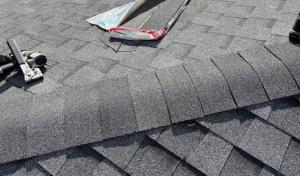
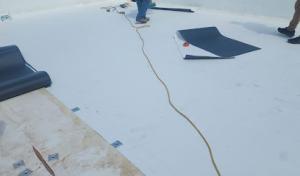
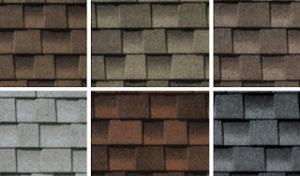
When planning a roof in this area, homeowners should benchmark material pricing by square using the local ranges. Asphalt shingles sit at the entry end of the market, while tile options-Clay Tile and Concrete Tile- sit at the highest end. For a typical Highland home, you'll want to compare on a per-square basis (one square equals 100 square feet). Asphalt shingles run roughly from 320 to 520 USD per square, giving the most economical entry point for projects that need a rapid response after a hail or wind event. Metal roofing ranges from about 700 to 1100 USD per square, offering a durable mid-to-upper option with good wind resistance. Clay Tile hovers in the 1000 to 1700 USD per square range, and Concrete Tile from 900 to 1500 USD per square, placing both tile varieties in the higher end due to weight, installation complexity, and long-term durability. Wood Shingles or Shakes are typically 600 to 950 USD per square, while Synthetic or Composite Shingles sit between 500 and 950 USD per square. Highland homeowners should benchmark these figures against local price movements and the square-foot cost guidance above, adjusting expectations based on roof size, pitch, and the complexity of transitions around obstacles like chimneys and attic vents.
Storms drive real-time price shifts here. After hail or high-wind events, labor pressure can tighten quickly, and scheduling for full re-roofs often stretches beyond typical timelines. If a storm has created widespread damage, crews may prioritize larger or more severe jobs first, leaving smaller replacements waiting for availability. This is not unusual in Calumet-region markets, and it means planning an installation window to accommodate potential delays is prudent. For high-demand periods, you may see longer lead times even within the standard spring-to-fall window, which can influence total project cost through expedited material orders or overtime labor when crews do become available.
The city's preferred work season-roughly spring through fall-tends to smooth scheduling for many homeowners, but it can also elevate costs if production bands tighten. Roof complexity, such as multiple valleys, dormers, or steep pitches, adds to both material waste and labor time, pushing per-square costs higher than simpler, single-slope designs. If a replacement is planned during a construction-heavy month or just after a severe storm, cost sensitivity increases due to both material sourcing and crew availability. By aligning material choice with local price bands and anticipating potential scheduling shifts, homeowners can better navigate the Highland storm cycle while aiming for a durable, wind-resistant, hail-resilient roof.
Get a clear picture of your project costs upfront - no commitment required.
Bob The Builder
(219) 299-0136 www.bobthebuilderinc.com
2158 W 45th St #131, Highland, Indiana
4.4 from 28 reviews
Ivan's Roofing & Remodeling
(219) 308-7784 www.ivansroofingandremodeling.com
Serving
4.7 from 117 reviews

A full re-roof in Highland typically requires a permit, with the contractor or homeowner submitting scope, roof area, and material details to the city. The application is not a batched step you can skip; it creates a documented trail that helps prevent later disputes or misunderstandings after a storm. Expect the process to request a clear description of the work, including drainage plans and any penetrations that will be altered. Keeping this documentation organized can save you headaches when a neighbor or insurer asks for proof of work completed to code.
Highland commonly schedules inspections at rough-in and final stages so installation can be checked for code compliance before closeout. The rough-in inspection catches framing and underlayment concerns before shingles or other coverings go on, while the final inspection confirms that vents, flashing, and materials meet local standards. If your roof includes attic ventilation or eave details tied to energy codes, those areas may also be reviewed during final. Missing an inspection or skipping a required step can trigger rework, delay, and additional permitting fees.
Permit timing can vary by season, and local processing may involve coordination with utility-related and energy-code checks that affect project sequencing. In practice, the window from permit application to approval can shift with weather, holidays, and the city's workload. Utilities may need to confirm shutoffs, temporary power considerations, or line clearance for equipment on the roof. Energy-code checks could influence ventilation requirements or insulation points that feed into the roof assembly's overall performance. Planning with the contractor for a realistic schedule around weather windows helps avoid rushed decisions during a busy season.
Begin by selecting a contractor who can articulate the permit package in plain terms, including a clear scope, area calculations, and material details. Request a written timeline that aligns permit milestones with your weather window and storm-season expectations. Maintain a centralized folder of all permit-related correspondence, inspection notices, and any city-issued requirements. If adjustments arise-such as adding venting improvements or reinforcing rafters-document the changes promptly and ensure amendments go through the proper permit path to avoid delays at final review. Remember, failing to align inspections with the installed sequence can result in rework or non-compliance findings that complicate closeout and coverage.
Periodic hail and wind events in this market generate roof claims, and detailed records are the difference between a smooth settlement and a drawn-out process. Carriers expect precision because the weather in Calumet-region winters and the spring-to-fall pattern can mask or exaggerate the true extent of damage. When a storm hits, the most critical step is to understand that what you show the adjuster and how you show it can steer the outcome of your claim.
You should assemble a layered set of materials: multiple close-up photos of roofing materials from various angles, attic photos that reveal signs of leaks or moisture intrusion, and a clear timeline of any prior repairs or replacements. Include records of previous damage and any maintenance your roof has had in the last few years. If you have slide repairs or temporary protections, document those as well. The goal is to create a complete before-and-after narrative that the adjuster can verify on site.
Adjuster site visits are common after storm losses in this market, so be prepared to accompany the assessor with your documentation. Having a detailed repair or replacement estimate ready helps avoid back-and-forth that can delay resolution. Endorsements that tighten during hail-prone periods can complicate coverage, so you want the documentation to clearly distinguish new hail-related damage from preexisting conditions.
Highland experiences recurring hail and wind events, so set a proactive plan for spring through fall. Keep your records organized year to year, and update photos after any significant weather. A well-documented history helps ensure the claim review focuses on the actual storm-related findings rather than assumptions about prior conditions.
Connect with contractors who help homeowners navigate the claims process from damage assessment to final approval.
Bob The Builder
(219) 299-0136 www.bobthebuilderinc.com
2158 W 45th St #131, Highland, Indiana
4.4 from 28 reviews
Ivan's Roofing & Remodeling
(219) 308-7784 www.ivansroofingandremodeling.com
Serving
4.7 from 117 reviews
In Highland, freeze-thaw cycling commonly worsens small defects around flashing, exposed fasteners, and shingle edges after winter weather. The repeated expansion and contraction of ice and water can pries apart seals that seemed tight at fall inspection, especially where metal flashing meets siding or chimney voids. Pay attention to any dark, elongated staining along flashing lines, tiny gaps at step flashing, or loose metal that moves when you poke it gently with a screwdriver handle. After heavy snows melt, look for damp patches near roof penetrations that point to slow leaks rather than obvious gushes. A proactive approach is to re-secure loose fasteners, reseal flashing laps, and replace cracked or cupped shingles before the next freeze cycle begins.
Wind and hail in this part of Northwest Indiana frequently show up as lifted asphalt tabs, granule loss, punctures, and leaks that may not be obvious from the ground. Locally shaped roofs with asphalt shingles reveal lifted tabs most clearly along eaves and ridges after a hail event, while granule loss can leave a sunken look and accelerated aging across several courses. Punctures create small round hurts that may remain invisible until a rainstorm concentrates water behind them. When you spot loosened tabs or bare spots, address the issues promptly because hidden damage compounds with each storm season. A thorough inspection after a hail storm should include the underside of lifted tabs, membrane patches under any lifted section, and assessing whether adjacent shingles have become brittle from granule depletion.
Because skylight service appears regularly in the local contractor market, penetrations and skylight transitions are a meaningful leak point for Highland homeowners to monitor after storms. Seals around skylight flanges can fail first with winter pressure and wind-driven rain, while the transition boot or curb seal may deteriorate where it meets shingles. After a major wind or hail event, inspect skylights from the attic for condensation lines or damp rafters, and view from outside for powdery efflorescence around flashing. If leaks trace to a skylight, plan a targeted reseal or flashing replacement rather than a full roof teardown to preserve the longevity of surrounding shingles. Regular checks of all roof penetrations-vent pipes, HVAC flues, and skylights-help catch leaks before interior damage develops.
Find contractors experienced in skylight installation, flashing, and leak repairs to bring natural light into your home.

Most homeowners in this area are focused on solid, practical re-roofing solutions rather than specialty systems. When a storm hits or a tear-off becomes necessary, the plan is to replace what's there with a reliable, stock option that local crews know how to install quickly and correctly. That means durability and straightforward warranties steer decisions more than flashy features. The goal is a roof that performs through the next several harsh seasons with minimal drama.
After hail and high-wind events, cleanup and access to the property move to the top of the list. Homeowners want crews that can assess damage, clear debris, and start work promptly so interior risk is reduced. Quick-response timelines matter, as does thorough, organized insurance documentation and photo records of pre- and post-storm conditions. A practical plan includes a clear point of contact, a realistic schedule, and a prepared checklist you can share with your insurer or adjuster.
The local contractor base leans toward affordable, long-established, family-owned residential firms. Those firms typically offer dependable, no-frills service with solid communication and hands-on management. Fewer manufacturer-certified operators means you'll likely get experienced, practical crews rather than boutique crews with specialized certifications. This isn't a drawback when you value predictable scheduling, straightforward pricing, and continued local accountability.
Winters in the Calumet region shape the work calendar. Expect more activity in the spring and fall when weather windows allow safe tear-offs and installations. Planning ahead for the typical spring-through-fall windows helps minimize delays caused by cold snaps, heavy rains, or late-season storms. A practical homeowner approach is to line up trusted crews early and keep a fallback plan for weather-related shifts.
Keep a storm-response contact list with a chosen contractor, insurance agent, and adjuster. Photograph and document hail impact and roof condition promptly. Prioritize durable, straightforward replacement options that your local firm can install efficiently, and set expectations for cleanup and debris removal as part of the contract.