
Last updated: Apr 19, 2026
In this corner of Northwest Indiana, hail and wind events aren't rare quirks-they drive the seasonal rhythm of roof damage and insurance activity. When a line of storms rolls through, shingles lift, granules wash away, and flashing takes a beating. That means claim activity tends to spike after big storms and then quiet down as insurers move through their processing cycles. If you're watching the radar, you're watching your roof's risk window.
Spring storm cycles are the real pressure point. After a harsh overnight gust or a hail event, the demand for roof work can surge in a matter of days, then taper as adjusters file reports and crews book out weeks in advance. That wave pattern isn't random-it's the way the local insurance process queues priorities when the weather calendar destabilizes a neighborhood. If your roof has visible damage, expect a flurry of activity shortly after the storm, followed by a slower period while documentation is reviewed and decisions are made. Getting on a schedule quickly matters, because slots fill fast during peak weeks and the window for a smooth, timely claim can close just as fast as the storm itself.
Carriers tend to scrutinize age, prior damage, and the condition of flashing and ventilation when considering a full replacement. In practice, that means date-stamped photos and precise records matter as soon as the storm passes. You should photograph the roof from multiple angles, capturing close-ups of shingles, lifted tabs, and any granule loss, as well as the ridge vent and step-flashing along any chimney or dormers. Keep a dated log of when you noticed damage, when you first contacted your insurer, and when inspectors arrived. If you have prior roof work or a known leak history, gather receipts or notes that document the roof's performance before the storm. This is not about catching a drift of luck-it's about arming the claim with a clear timeline and visual evidence that supports your case for a full replacement if warranted.
A common snag is the carrier's line of questioning around roof age and earlier damage. If the roof is older than your last major repair or if there were minor issues that never received thorough fixes, the insurer may treat the claim differently than a fresh, storm-damaged installation. The practical response is proactive communication: reach out early after the event, request an inspector appointment promptly, and provide the date-stamped photos with your initial claim packet. If an adjuster schedules a walk-around, accompany the inspector with your own documentation to ensure nothing falls through the cracks. While insurers want to validate the extent of damage, they also want to confirm that a replacement is the appropriate remedy for the long-term performance of the roof system.
Identify the most storm-facing portions of the roof: the long run of shingles on the south-facing slopes, the edges near valleys, and any areas around vents and chimneys where flashing may have degraded. Have your shingles and flashing details ready for the adjuster, including the age of the roof if known. Create a simple timeline: storm date, first notice to insurer, inspector arrival, and any follow-up visits. If the roof shows active leaks or puddling after rainfall, prioritize securing temporary protection-tarps or boards-while you coordinate with your insurer. The goal is to keep the process moving, not to stall because of uncertainty. When a plan is proposed, verify that it accounts for proper ventilation, flashing integrity, and nail pattern-factors that commonly trigger questions during inspections and can determine whether a full replacement is approved.
Living in a neighborhood that routinely faces hail and strong winds means staying prepared for the surge and having a ready-to-share documentation kit. The storm claims tempo is predictable, but the outcome hinges on timely reporting, precise visuals, and clear communication with the insurer and the restoration team. If you're waiting on an inspection or a decision, keep your records tight, your photos dated, and your communication deliberate. The more you bring to the table in the first week after a storm, the smoother the path toward a decision that reflects the roof's true condition and your best long-term protection.

Reliance Roof Troop
(219) 777-0284 www.reliancerooftroop.com
1114 W Lincoln Hwy Suite A, Schererville, Indiana
5.0 from 238 reviews
Reliance Roof Troop is a family-owned roofing contractor serving Schererville and surrounding areas. We focus on roof replacement in Schererville, offering reliable and durable roofing services that stand the test of time. We focus on roof repairs, replacements, and coatings using premium materials that protect your home for years to come. Our services also include siding installation, siding repairs, windows, gutters, and attic blown-in insulation. At Reliance Roof Troop, we are committed to providing high-quality solutions with no pressure or gimmicks. We focus on what matters most: delivering long-lasting results that protect your home. Call Reliance Roof Troop today to get started with your roofing needs!
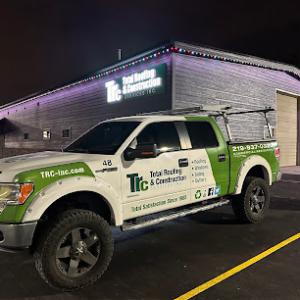
Total Roofing & Construction Services
(219) 227-9292 totalroofingandconstruction.com
2211 Indianapolis Blvd, Schererville, Indiana
4.9 from 347 reviews
Total Roofing and Construction since 1985 servicing Illinois, Indiana, and Michigan with their residential and commercial construction needs from roofing, siding, windows, and gutter installation.
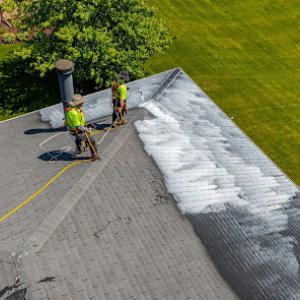
Roof Rejuvenate Northwest Indiana
(219) 444-5530 roofrejuvenatenwi.com
1112 US-41, Schererville, Indiana
5.0 from 4 reviews
At Roof Rejuvenate Northwest Indiana, we take pride in providing top-notch roofing services to the residents of Lake County and surrounding areas. With our team of experienced professionals, we offer high-quality roof rejuvenation, repairs, and replacements to ensure your home is protected from the elements. Trust us for all your roofing needs!
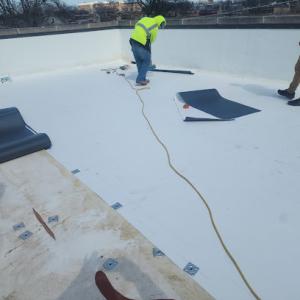
Rebel Roofing & Renovations
(219) 707-6825 rebelroofingin.com
Serving
4.7 from 68 reviews
Rebel Roofing is a professional roofing company in Crown Point, IN that offers services to both residential and commercial properties. With many years of experience in the industry, you can rest assured knowing your property is in good hands. We offer a variety of services such as flat roofing, siding, roof replacement, and so much more. We are dedicated to providing our clients with superior service and results. Contact us today to learn more and schedule your appointment!
Hobson & Scott Remodeling
(219) 951-4510 www.hobsonscott.com
Serving
4.4 from 33 reviews
Hobson & Scott is a family-owned and operated business boasting 50+ years of collective experience. The company was founded in 2003 and incorporated in 2005. Our company specializes in commercial roofing, residential roofing, vinyl siding, vinyl replacement windows, replacement doors, soffits/fascia, and seamless gutters. While our office is located in Griffith, we service all of Northwest Indiana and parts of Illinois, including Hammond, Munster, Whiting, Schererville, St. John, Dyer, Crown Point, and surrounding areas.
Lesniak Roofing of Crown Point
(219) 226-1756 lesniakroofingin.com
Serving
4.8 from 10 reviews
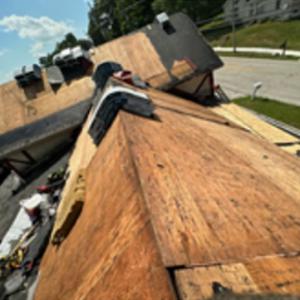
Lesniak Roofing is a leading roofing contractor proudly serving St. John and Northwest Indiana for over three decades. Since 1988, we’ve specialized in high-quality roofing solutions and construction utility services designed to protect and enhance your property. Our experienced team is committed to delivering durable, aesthetically pleasing results with exceptional craftsmanship and customer care. Whether you need roof installation, repair, or maintenance, partner with Lesniak Roofing for reliable service and long-lasting performance.
Eenigenburg Exteriors
(219) 529-2921 www.eburgexteriors.com
Serving
4.9 from 246 reviews
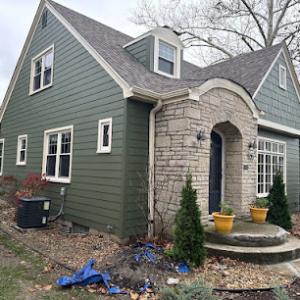
Eenigenburg Exteriors serves Cedar Lake, IN with professional roof replacement and exterior services tailored to local homes. From aging shingles to storm-related roof damage caused by Midwest wind, hail, and heavy snowfall, our team understands the challenges Cedar Lake homeowners face. We provide roof replacements, siding, gutters, windows, and doors designed to improve protection, efficiency, and curb appeal. As a service area business based near 13926 W 117th Ave, we focus on durable solutions, clear communication, and consistent workmanship. Homeowners rely on Eenigenburg Exteriors as trusted roofing contractors known for experience, professionalism, and dependable exterior solutions.
Van Drunen Roofing
(219) 836-1788 vandrunenroofing.com
Serving
5.0 from 60 reviews
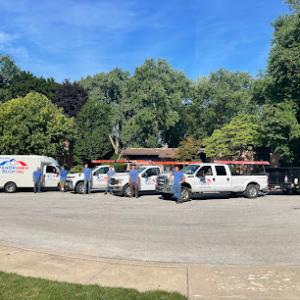
Located in the heart of Northwest Indiana, Van Drunen Roofing stands tall as the premier residential roofing contractor, providing superior craftsmanship and unparalleled customer service. We don't have commissioned salespeople. Owners, Jed and Sarah Van Drunen work with each customer from the beginning to final stages of each project. Our company has its own highly trained, full-time, year-round employees who utilize quality materials to ensure that every roof we install exudes both beauty and durability. With a passion for perfection, Van Drunen Roofing has become the trusted choice for homeowners seeking peace of mind and a stunning visual statement for their most valuable asset - their home.

Alamo Roofing Contractors
(219) 224-2636 alamoroofingcontractors.com
Serving
5.0 from 48 reviews
Serving Crown Point, Merrillville, Schererville, Hobart, St. John & all Lake County. GAF Master Elite Contractor - one of only 2% nationwide. 🏆 GAF Master Elite (Top 2% Nationwide) 🏆 Illinois Unlimited Roofing License 🏆 50-Year Gold Pledge Warranty 🏆 Lifetime Workmanship Guarantee RESIDENTIAL & COMMERCIAL ROOFING: • Asphalt Shingle Roof Replacement • Metal Roofing Installation • Storm Damage & Insurance Claims • 24/7 Emergency Leak Repair • Seamless Gutter Installation • Siding Replacement & Repair Factory-certified crews • Transparent pricing • Military & first responder discounts • Same-day emergency response • Complete cleanup Family-owned. Licensed, bonded, insured. Your Lake County neighbors. 📞 (219) 224-2636
Olympia Roofing Company
(219) 365-3169 olympiaroofingnwi.com
Serving
4.9 from 7 reviews
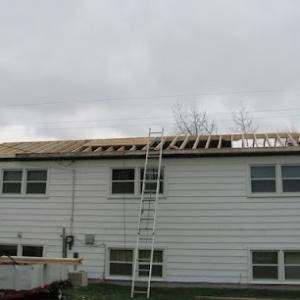
Since 1978, Olympia Roofing Company has been the premier choice for roofing and siding services in Dyer, IN, proudly serving St. John, Lowell, Cedar Lake, Crown Point, Munster, and nearby communities. Our specialties include residential shingle roofing, skylight repair and installation, and leaky chimney repair. Enhance your home's curb appeal and protect it from the elements with our expert siding solutions. For exceptional service and more information, reach out to Olympia Roofing Company today.

Bob The Builder
(219) 299-0136 www.bobthebuilderinc.com
Serving
4.4 from 28 reviews
Bob The Builder, Inc provides roofing, siding, and interior/exterior remodeling services, as well as experienced storm damage and insurance claim repair services in Northern Indiana and the South Chicago suburbs.
M&M Home Remodeling Services - Crown Point
Serving
4.7 from 462 reviews
Our team is confident, after our initial due diligence on your property, we will compare favorably over other contractors vying for your business. When it comes to experience, customer service and value – there is no team better. We specialize in working with various businesses such as: HOAs, manufacturers, retail, churches, multi-family organizations, health care, veterinary care, and hospitals. M&M also offers an Annual Maintenance program for our commercial clients. When choosing the right contractor. Choose M&M. From the roof of your home to its siding, M&M provides comprehensive solutions to keep you and your loved ones safe, comfortable, and secure.
Asphalt shingles remain the dominant choice locally because they fit the area's large re-roofing market and typical suburban housing stock. For many homes in the neighborhood pattern, asphalt delivers a reliable balance of cost, install speed, and a solid warranty, making it a sensible first look after a storm or renewal decision. In Schererville's climate, the ease of repair and matched roll-out with existing shingles can help you restore a watertight roof quickly after hail events or winter damage. When assessing asphalt, pay attention to the edge and ridge lines during installation, because those are the spots most vulnerable to freeze-thaw stress and wind-driven impacts.
Metal, tile, wood shingles or shakes, and fiber cement all appear in the market, but each must handle humid summers, thunderstorms, and periodic hail rather than just cold weather alone. Metal responds well to hail when panels are installed with proper overlap and proper fastening; however, it can be dented by hail and requires careful flashing at transitions to avoid leaks after repeated freeze-thaw cycles. Tile options, including clay and concrete, offer exceptional longevity in theory, but in practice they demand a strong deck and precise installation to resist wind uplift and moisture intrusion. Wood shingles or shakes bring a certain curb appeal but can suffer from humidity swelling and mold in damp seasons unless properly treated and vented. Fiber cement provides good durability and dimensional stability, yet it still relies on solid nailing patterns and compatible flashing to survive the wet months and fluctuating temperatures. For all non-asphalt options, the key Schererville-specific concern is ensuring that flashing transitions and sealants are designed to tolerate repeated freeze-thaw cycles and seasonal storms.
The neighborhood experience shows that freeze-thaw cycling in Northwest Indiana is especially hard on flashing transitions, sealants, and shingle edges after winter snow and ice. Any roofing choice should emphasize a robust venting strategy and a continuous drip edge, plus a well-seated flashing plan at valleys, roof-to-wall transitions, and chimneys. For metal and tile systems, confirm that metal flashings are corrosion-resistant and integrated with compatible sealants that resist cracking when temperatures swing. For asphalt, choose a high-quality underlayment and a layered edge detail to mitigate edge curling and water intrusion during thaws. In all cases, a careful inspection plan after heavy storms helps catch creeping leaks before they become mainline issues.
Schererville homeowners often weigh the long-term promise of a roof against the frequency of hail events and the need for timely repairs after storms. Asphalt shingles offer straightforward replacement and a broad repair footprint that suits the local re-roofing market. If choosing metal, tile, wood, or fiber cement, the investment hinges on installation quality and material compatibility with freeze-thaw stress and humid summers. In any case, select a contractor who emphasizes proper nailing patterns, ventilation planning, and flashing detail as non-negotiables, since those elements determine how a roof handles lingering moisture and seasonal temperature swings year after year.
A roof replacement in Schererville generally requires a permit from the local building department before work begins. That permit helps ensure the project aligns with local wind, fire, and structural codes, which are particularly important after harsh Northwest Indiana winters. Before any shingle tear-off or new installation starts, confirm with the contractor that the permit is filed, approved, and posted on site. Expect the process to include the plan review for flashing details and vent placement, since those elements can affect attic ventilation and overall roof longevity after multiple freeze-thaw cycles and hail events. If the permit isn't pulled, getting it done mid-project can stall the work and trigger penalties or rework.
The local review and inspection process commonly checks ventilation, nailing, and flashing details rather than treating reroofing as paperwork only. Ventilation needs to be sufficient to prevent moisture buildup in the attic during humid Indiana summers and cold winters. Inspectors will look at how soffit and ridge vents are coordinated with the new roof to maintain proper airflow. Nailing patterns must meet code to resist uplift during strong hail and wind storms, particularly on homes with varied roof pitches typical in the area. Flashing around chimneys, vents, and walls should be integrated and sealed to prevent leaks as the roof expands and contracts with temperature shifts. Contractors who understand these nuances tend to complete inspections with fewer back-and-forth corrections.
A final inspection is typically required to close the permit, so homeowners should confirm that the contractor schedules and passes it. The final check confirms that the installed roof meets local energy and drainage expectations, that all penetrations are properly flashed, and that attic ventilation remains adequate after the new installation. It is common for inspectors to recheck a few accessory details-like nail heads, shingle alignment, and package waste removal-to ensure nothing was overlooked during staging. If any remedial work is identified, scheduling a follow-up inspection quickly becomes essential to avoid delays in project completion and permit closure. Talk with the contractor about who is responsible for arranging the final inspection and collecting the compliance documentation to keep the process smooth.
Start by verifying the permit status before a single shingle is removed. Keep a simple on-site checklist for ventilation points, flashing seams, and nailed patterns as the work progresses, so the inspector's concerns are easy to address. Schedule the final inspection promptly once the roof is installed and weather considerations permit. If a hail storm recently affected the area, anticipate potential urgency in inspections as residents seek to secure proper roofing after storm-related damage. In all cases, make sure that the contractor is communicating with the building department and that the inspection results are documented and accessible for future maintenance or insurance considerations.
In this market, pricing can spike after hail and wind events because Schererville sits in a high-claim Northwest Indiana environment with storm-driven demand surges. That means estimating a replacement roof soon after a hail storm often comes with a premium on materials and labor, especially if the local crews are busy and supply is strained. Planning ahead, or at least getting a few quotes during calmer periods, helps you avoid the worst of rapid-price swings while still aligning with the actual condition of the roof after a storm.
Asphalt shingles run about 350 to 550 USD per square in this market. This makes them the most common, practical choice for many homes in the area, particularly on 80% of the typical residential stock. If your roof is standard 3-tab or architectural asphalt, this price range covers the average install, including basic underlayment and ventilation checks that inspectors in the region typically scrutinize. When hail or high winds hit, the immediate calculation often shifts toward replacement rather than repair, but asphalt remains the most budget-friendly option with a predictable installation window.
Metal roofing runs about 650 to 1100 USD per square in this market. Metal stands up well to the freeze-thaw cycles and hail when properly installed, which is a meaningful consideration for homes facing Northeast Indiana winters. The higher upfront cost can be offset by longer lifespan, reduced maintenance, and potential hail-resilience benefits. In surge periods, metal may experience greater price volatility than asphalt, but the long-term value can still be favorable depending on home height, attic ventilation, and the existing roof deck condition.
Clay tile, concrete tile, wood shingles or shakes, and fiber cement all cost more partly because they are less common than asphalt in the area and can require more specialized labor. Clay and concrete tiles demand heavier structural support and careful nailing patterns, while wood shingles or shakes bring aesthetic value but require precise maintenance against moisture and pests. Fiber cement offers a middle ground in durability and cost, but installation still hinges on field expertise to match local wind and impact standards. In short, these options carry a premium not only for the material itself but also for the skilled labor needed to install them correctly under Northwest Indiana weather conditions.
If you're targeting a straightforward replacement with solid resale value and a reasonable maintenance profile, asphalt remains the go-to in this market. For homeowners prioritizing longevity and resilience against hail, metal is worth weighing, especially if the home's structure is compatible with its weight and the attic setup supports enhanced ventilation. For unique aesthetics or specific architectural constraints, the other materials offer distinct benefits but come with higher upfront costs and more specialized installation requirements.
Get a clear picture of your project costs upfront - no commitment required.


Ivan's Roofing & Remodeling
(219) 308-7784 www.ivansroofingandremodeling.com
Serving
4.7 from 117 reviews
Winter weather in this area brings more than a chill; it slows progress on roofs. Snow and ice can push work into days when crews prefer dry, warmer air, and that can stretch timelines. If shingles aren't fully seated when cold surfaces meet, sealing may be compromised, increasing the risk of wind uplift or water intrusion once temperatures rise. On replacement projects, the roofer may look for a window with consistent freeze-thaw cycles and dry conditions, but those aren't guaranteed. The result can be longer exposure of underlayment or flashing to the elements, which invites future problems. Plan for delays and keep access to the attic clear so vents and pipes don't become bottlenecks when crews finally arrive.
Warm, humid summers in this part of the country push attic temperatures up quickly. Heat and moisture don't just feel uncomfortable; they accelerate degradation of roof decking and underlayment if ventilation isn't right. In practice, that means attics with poor intake and exhaust venting can shorten a roof's life by encouraging condensation, mold, or wood warping behind the scenes. Before a replacement or major repair, check that soffit, ridge, and gable vents are unobstructed and appropriately sized for the home's attic space. If moisture lingers in the peak of summer, roofing materials may seal imperfectly as they expand and contract with the daily heat cycle, leading to slow leaks and unseen corrosion in metal components.
Fall in this region can be abrupt, with swift shifts from warm days to chilly nights. Those rapid swings compress installation windows, especially for homeowners hoping to wrap up before winter. Gusty winds can complicate shingle alignment and set, while sudden rain or freezes can force workarounds that aren't ideal for long-term performance. A tight schedule invites shortcuts on nailing patterns, flashing visibility, and proper sealing around vents and chimneys. The risk isn't just a late-season hiccup; it's the potential for marginal protection that invites ice dams, wind-driven leaks, or accelerated wear once snow returns. Plan for a realistic timeline and be prepared for weather-driven pauses.
Schereraville is shaped by Northwest Indiana's frequent hail and wind activity, and that reality shows up in how claims are evaluated. Your roof's condition can tilt both claim outcomes and premium considerations, so the history of the roof matters as much as the latest weather event. Carriers in this market tend to scrutinize prior damage and roof age closely, making pre-loss photos and steady maintenance records especially valuable when a new claim arrives.
After a hail or wind event, gather clear, dated photos of the entire roof, attic ventilation, and any signs of leaks or shingle lifts. Keep a simple maintenance log: last chimney flashing checks, vent seals, and any repairs you've done. In this market, adjusters often compare current conditions to those historical records, so having them ready can streamline evaluation and reduce pushback during settlement discussions. If you've had prior claims, organize the file so the sequence of damage and repairs is easy to follow.
Because adjuster activity can become cadence-driven after regional storms, homeowners here often face waiting periods tied to broader claim volume rather than just their own roof. Anticipate potential delays and plan around them, especially in the spring and late summer when storms cluster. When a claim is opened, designate a single point of contact with your insurer and a trusted local roofer who understands the area's typical hatch patterns, flashing details, and deck conditions. Clear, accurate communication helps ensure the process stays on track amid the seasonal surge.
Connect with contractors who help homeowners navigate the claims process from damage assessment to final approval.
Total Roofing & Construction Services
(219) 227-9292 totalroofingandconstruction.com
2211 Indianapolis Blvd, Schererville, Indiana
4.9 from 347 reviews
Local inspection emphasis on flashing makes penetrations and wall transitions a major issue area on Schererville reroof projects. When the metal around vents, pipes, and where the roof meets siding isn't integrated with the wall line, melt-freeze cycles drive water into vulnerable seams. In this climate, even small gaps can widen after a hail event or a hard freeze, creating slow leaks that creep along rafters and into attic spaces. The takeaway is to treat every penetration as a potential failure point, and to insist on flashing that is sized, sealed, and fastened for the season you face. If the flashing looks aged or the sealant is cracked, expect repeated leaks after storms.
Chimney-related work shows up often in the local contractor market, suggesting many homeowners here deal with flashing and masonry transition leaks rather than field-shingle failure alone. The chimney step and sidewall joints are common weak spots, especially when mortar joints crack or flashing is driven back against brick by wind-driven rain. Sealants can deteriorate, allowing water to seep into crown or joint lines and migrate down the masonry. A thorough inspection should verify flashing continuity around the chimney base, proper counter-flashing, and a clean transition from masonry to roofing material. Past leaks frequently recur if the masonry isn't addressed in concert with the roof replacement.
Skylight service is common enough locally to matter, which points to recurring leak concerns at curb, flashing, and seal transitions during freeze-thaw cycles. The curb, flanges, and surrounding sealants are high-risk zones when cold snaps tighten seals and meltwater refreezes. Proper installation or replacement requires careful sealing at the curb and precise flashing integration to shed water away from the skylight. If a skylight edge shows blistering or rusting flashings, plan for its attention in the reroof scope, because neglect here often shows up as recurring interior condensation and discreet roof leaks.
Wall transitions and overhangs can trap water where siding meets roof edges. Improper nailing patterns or insufficient starter alignment invites wind-driven water to lift shingles and expose underlayment at vulnerable corners. In Schererville's freeze-thaw environment, these interfaces require meticulous flashing and weatherproof detailing. A careful roofer will treat each intersection as a potential leak path, not a cosmetic edge, and will verify that drainage at eaves and rakes is unobstructed to prevent ponding that accelerates deterioration.
Find contractors experienced in skylight installation, flashing, and leak repairs to bring natural light into your home.

Reliance Roof Troop
(219) 777-0284 www.reliancerooftroop.com
1114 W Lincoln Hwy Suite A, Schererville, Indiana
5.0 from 238 reviews
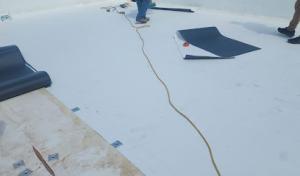
Flat and low-slope roofing is present in the local contractor market even though the city is primarily a residential re-roofing market. Look for additions, porches, and garages where the roof pitch drops and the edging becomes a dedicated low-slope section rather than a continuation of the main roof. These areas often behave differently in winter and during summer storms, so treat them as separate roofing zones rather than an extension of the primary roof.
During a replacement project, demand a thorough inspection of the low-slope areas as a distinct system. Snow holdover on these portions can linger longer and push back against flashing, seams, and edge details. Summer storms bring rapid rain and hail impact that stress membrane joints differently than steeper sections. Have the contractor clearly outline how they will address edging, parapets, drainage paths, and any penetration points around additions or porches.
Choose materials known to perform well on low-slope surfaces and compatible with the main roof. Membranes should be scrutinized for seam quality, with attention to wind-driven uplift and edge detailing. In mixed-slope configurations, ensure the chosen system for the low-slope area matches the adjacent roof's capability to shed water, while providing a seamless integration at transitions. A deliberate approach helps prevent creep of water toward interior junctions and attic spaces.
When a home has both steep and low-slope sections, insist that the contractor treats each area as its own roofing system during replacement. This means separate decking prep, flashing schemes, and nail patterns tailored to the slope and exposure of each zone. Proper alignment at transitions, and attention to snow loads off the low-slope portions, are essential to prevent gaps or lift during freeze-thaw cycles.
Seasonal checks should include the low-slope areas specifically, since snow can linger and meltwater can back up into joints that are not subjected to heavy runoff on steeper sections. Keep drainage paths clear, verify that snow guards and edge metal are compatible with the membrane system, and monitor any flashing around additions after major storms. Regular, targeted maintenance helps extend the life of the entire roof envelope.
Find specialists in TPO, EPDM, and built-up flat roofing systems for residential and commercial properties.

For Schererville, the local market leans toward re-roofing rather than niche new-construction work, so you should compare crews on the replacement process and cleanup discipline. Ask for a detailed sequence: roof tear-off, inspection of decking, installation steps, and a final walkthrough. A crew that lays out each stage helps you gauge consistency from start to finish.
Quick response and cleanup are unusually prominent hiring signals in this area, reflecting storm-driven urgency and homeowner concern about nails and debris after tear-off. Notice how promptly the crew returns calls, arrives on schedule, and provides a firm timeline. During the job, observe how they manage nail boards, waste containment, and daily debris removal; a covered dumpster and tarped work zone are good indicators of diligence.
Long-established and family-owned firms are common in this market, which means local reputation and post-job follow-through are often valued as much as price. Seek references from neighbors who had similar roofs, and ask how the crew handled any post-install questions or warranty follow-ups. A crew with a clear post-job plan-touch-ups, inspection, and a contact for leaks or hail-related concerns-offers extra peace of mind.
A practical, step-by-step vetting approach helps you avoid missteps. Start with a concise, written scope of work and a clean, itemized contract. Verify their cleanup protocol, including how loose nails are removed and how they protect landscaping. Finally, confirm there is a responsible point of contact for the project and a realistic, non-deceptive schedule.