
Last updated: Apr 19, 2026
Spring hail and wind events in this part of the country arrive like clockwork, and the roof is often the first line of defense. The weather pattern creates a recurring trigger for inspections, temporary repairs, and insurer involvement. In this market, a single storm can cascade into a wave of urgent claims across a neighborhood, not just an isolated address. The likelihood of repeat hail strikes means decisions about roof replacement timing must factor in both immediate damage and how systems hold up under ongoing freeze-thaw cycles. A practical homeowner mindset: treat the first sign of possible damage as a checkpoint, not a one-off fix. The goal is to avoid a patchwork repair approach that leaves other sections of the roof exposed to future storms and insurance scrutiny.
In this environment, insurers expect timely reporting when there is credible storm damage, and they often move quickly once a claim is opened. Because the contractor signal mix is heavily storm-oriented, conversations with a trusted local roofer should begin within days of a significant hail event or high-wind episode. Gather documentation: storm dates, photos of hail bruising or shingle lift, and any leaked or damp areas inside the attic after rain. If an adjuster visits, be prepared to show the most damaged, high-risk sections first-typically the southern and exposed slopes where hail impact is most evident. Don't wait for a contractor to "just show up" after every storm; proactive communication with the insurer establishes a clear file and can accelerate coverage decisions. The strategy in practice: secure a written assessment from a local, reputable roofer that differentiates temporary repairs from genuine structural or underlayment concerns. That distinction matters when the insurer weighs a roof-only fix versus a full replacement. Remember, time is a critical factor; delays can complicate coverage if interior damage becomes visible or after a harsh stretch of weather.
The local market often experiences neighborhood-wide replacement waves rather than isolated repairs, driven by uniform storm exposure and home-age patterns common in suburban single-family housing. If multiple homes on your block show shingle bruising, curling edges, or granule loss, that is a red flag that the entire roof may be approaching a replacement decision window. In Fishers, this means that a single storm can push a "repair" to a broader assessment, and insurers may reframe the need from cosmetic to comprehensive repair or replacement. Watch for patterns: sudden upticks in claim activity in a five-to-ten home radius after a major hail event, or reporting by neighbors of leaks in attics or ceilings. Those are not isolated incidents; they signal a neighborhood-scale risk that can accelerate your own replacement timeline. The practical upshot is to schedule a full, professional roof evaluation soon after the first major hail event, especially if your roof is near the typical end of its service life or if the shingles show repeated damage indicators.
First, arrange a same-season roof inspection with a trusted local roofer who understands Fishers' climate and storm behavior. Prioritize a thorough assessment of impact sites, underlayment, flashing, and vent integrity, not just surface aesthetics. Second, document damage immediately and keep a running log of storm dates, visible deterioration, and any attic moisture. Third, align with an insurer-friendly contractor who communicates clearly about scope, timing, and the distinction between temporary and permanent repairs. Finally, develop a replacement plan that anticipates potential neighborhood-wide cycles, ensuring material compatibility with your roof's slope and your home's existing aesthetic. Prompt action reduces the risk of delayed coverage disputes and helps secure a durable solution when the spring winds roar again.
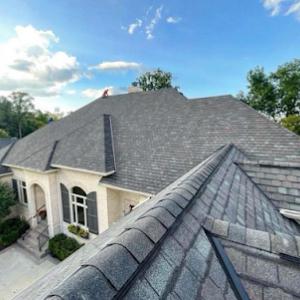
Weathertight Roofing
(317) 983-7663 weathertightroofingllc.com
8945 South St, Fishers, Indiana
5.0 from 279 reviews
Weathertight Roofing is a professional roofing company based in Fishers, Indiana. Our team of skilled and experienced professionals is dedicated to providing top-notch roofing services to residential and commercial customers in Fishers and surrounding areas. We understand the importance of a strong and secure roof. Our mission is to provide our customers with durable, weather-resistant roofing systems that will protect their homes and businesses for years to come. We offer a wide range of services, from roof installation, repair, replacement, and maintenance to roofing systems, such as asphalt shingles, metal roofing, flat roofs, and more. We also specialize in window installation, gutter and siding installation and repair.
3 Kings Roofing & Construction
(317) 268-2561 3kingsroofingandgutters.com
14074 Trade Center Dr Ste 1500, Fishers, Indiana
5.0 from 168 reviews
3 Kings Roofing and Construction, located in the heart of Fishers, Indiana, is your premier choice for top-notch roofing services. As a veteran and family-owned business, we specialize in roof repair, roof installation, roof replacement, roof inspection services, and storm damage roof repair for both residential and commercial properties. Our expert team ensures the highest quality workmanship using premium materials from trusted manufacturers like Owens Corning. Lifetime warranty on materials, labor and workmanship. Offering roof inspections, new roof estimates, and gutter installation, we are dedicated to protecting and enhancing the beauty of your home. Trust 3 Kings Roofing and Construction for reliable "roof repair near me" services.

Blue Ladder Roofing
(463) 222-4839 blueladderroofs.com
12574 Promise Creek Ln Ste 128, Fishers, Indiana
4.8 from 363 reviews
Welcome to Blue Ladder Roofing, your number one roofing company! We're a full-service company that specializes in all types of roofing services. You can depend on our experts when it comes to repairing or replacing your roofing. There is no job too big or small for us to handle!
We Roof Indy
9783 E 116th St #202, Fishers, Indiana
5.0 from 39 reviews
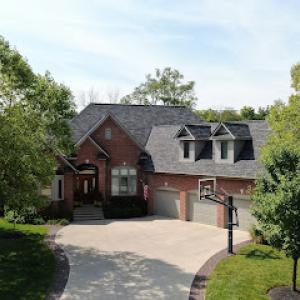
We Roof Indy - Fishers is an exterior restoration contractor. We provide roof repair and roof replacement services as well as fix roof leaks. In addition to roofing, We Roof Indy also offers painting, gutter and siding services. We proudly serve residential and commercial clients in Fishers, IN, Indianapolis, IN, Noblesville, IN, Carmel, IN and all of Central Indiana. We Roof Indy is a GAF Certified Contractor and one of Indianapolis' top rated roofing contractors.
NFL Exteriors
(317) 335-7663 nflexteriors.com
12668 Tamworth Dr, Fishers, Indiana
5.0 from 36 reviews
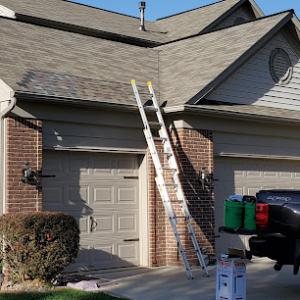
30 years experience! The most honest caring roofing company in Central Indiana! We specialize in all types of roofing, full roof replacements, roofing repairs, siding makeovers, gutter replacement, soffit, fascia, chimney, and all exterior repairs. Please call on us for your next roofing or exterior remodeling project. Go with NFL Exteriors, and you'll score big when you Go Pro for your next project. NFL Exteriors of Indiana is here to provide roofing and construction services for the community and surrounding areas. #PoofYouGotARoof #NoFrigginLeaks 317-335-ROOF Check us out on Facebook and Instagram.
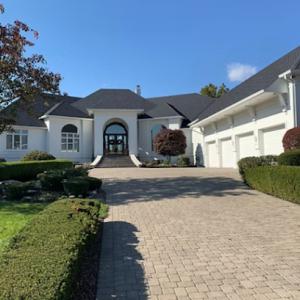
Maximus General Contracting
(317) 608-9873 maximusgeneralcontracting.com
10994 Treyburn Dr, Fishers, Indiana
4.9 from 43 reviews
For 18 years, we have proudly served homes across Indiana, specializing in quality roofing services that stand the test of time. While roofing is our primary focus, we also offer a range of custom services including interior and exterior painting, home additions, remodeling, and electrical and plumbing work. Our strong reputation is built on our commitment to roofing excellence, ensuring that every project, big or small, is completed with the highest standards of service, safety, and quality. From minor repairs to full roof replacements, we prioritize craftsmanship and care in every job, delivering lasting results for our clients.
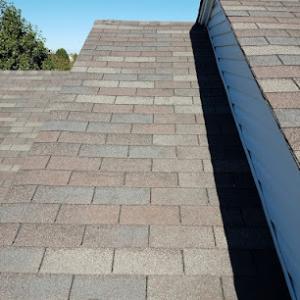
Energy Smart Exterior Restoration
(317) 426-7771 www.energysmartrestoration.com
10089 Allisonville Rd suite c-2, Fishers, Indiana
5.0 from 24 reviews
Energy Smart, Inc. is an installation company located in Fisher, IN that specializes in making your home for energy efficient. We are locally owned and operated. We do business in the Indianapolis area and up to an 80 mile radius outside of Indy Metro. Whether you are in the middle of a home remodel or building a new home Energy Smart, Inc. can help you out!

Kingdom Roofing Systems - Fishers Roofer
(317) 751-1490 kingdomroofingsystems.com
11 Municipal Dr UNIT 200, Fishers, Indiana
4.9 from 35 reviews
Serving Fishers and central Indiana for over a decade, Kingdom Roofing Systems offers residential and commercial roofing services. Our highly trained team consists of low slope and steep slope roofing for homes and commercial flat roofs and exterior wall systems like vinyl siding, James Hardie siding, wood lap siding, and foam back siding. Kingdom Roofing Systems prides itself on being the safest choice for roofing and siding in Indiana. We are among Indiana’s top 1% of contractors awarded Platinum Preferred status by Owens Corning. We look forward to serving you. For more information about Kingdom Roofing Systems, please visit our website.
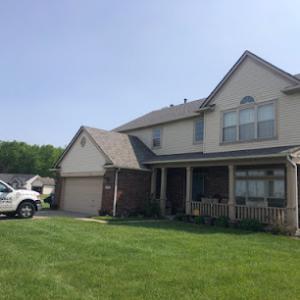
Republic Roofing
(317) 747-0072 www.republicroofing.us
12175 Visionary Way, Fishers, Indiana
4.3 from 70 reviews
Republic Roofing is a trusted roofing contractor in Indianapolis, IN, with over 25 years of expertise in residential and commercial roofing. Our skilled team has completed thousands of roof replacements, showcasing our dedication to quality craftsmanship and customer satisfaction. Based in Fishers, IN, we serve Indianapolis and the surrounding areas with expert roofing, siding, and gutter services designed to protect and enhance your property. As a leading roofing company in the Midwest, we bring the enduring values of Indiana craftsmanship to every project. We’re committed to educating homeowners about roof maintenance, repair, and replacement, ensuring you maximize your investment. Hoosier hospitality combined with exceptional quality.
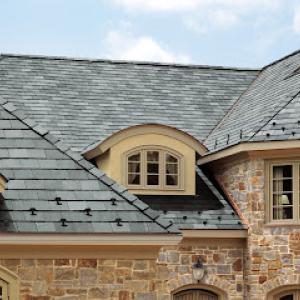
Stay Dry Roofing
(317) 537-0485 www.staydryroofing.com
11650 Lantern Rd #256, Fishers, Indiana
4.7 from 16 reviews
Stay Dry Roofing Fishers is a local Fishers Commercial roofing contractor handling roof replacement and commercial roof repair near you. There is a myriad of different commercial roof types to choose from as well as many coatings and topical applications. We handle EPDM, TPO, Modified Bitumen, PVC, Spray Foam, Metal, Asphalt, and Roof Coatings. Commercial roofing systems come in many forms, which each material specified according to the needs and budget of the owner. Depending on your current roof materials and the time it was first installed will play a vital role in whether you choose roof repair or roof replacement.
Walker & Son's Construction
(317) 798-8192 www.walkerconstructs.com
Fishers, Indiana
4.6 from 10 reviews
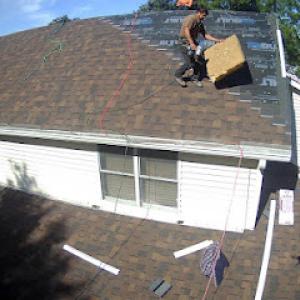
Walker & Sons Construction, LLC, a prominent roofing contractor in Noblesville, serves central Indiana as a leading roofing contractor. Bringing a combined 40+ years of experience in a wide variety of commercial and residential roofing projects. We are a family owned business that prides ourselves in quality of work and customer satisfaction.
A1 Roofing Indiana
(317) 319-7961 a1roofingindiana.com
Serving
4.8 from 44 reviews
A1 Roofing Indiana Is a Full Service of any Kind of Roofing Needs. Great Google Reviews,Also A+ With the BBB,A+ Angies List.Voted Best Roofing Company with Talk to Tucker Realty Company. Established in January 2000. Free No Obligation Roofing or Repair Estimates. Dont Sign a Contract until You get a Free Written Estimate from us. O Money Down,Dont Pay us anything until you are Totaly Satisfied with the Project. We also Provide You with A1 Roofing Indiana Folder with Exactly How We Set up are Jobs and What to Expect.Also References and are Awards and Shingle Samples. Thanks for Taking the Time to Consider A 1 Roofing Indiana.
Asphalt shingles are the dominant roof type in this area, matching the large volume of newer and mid-age suburban homes built in repeated neighborhood phases. This mix means most homes are designed around standard steep-slope asphalt systems that pair well with common attic layouts, insulation practices, and the typical Indiana winter-to-summer climate. When a hailstorm or wind event comes through, asphalt is the familiar baseline for replacement planning, with a broad selection of profiles and color options that fit the look of many Fishers neighborhoods. The market presence of metal is still a secondary specialty, so it often comes as a considered upgrade rather than the default choice.
Metal roofing stands out as a durable, long-lived option, and it tends to be appealing where a homeowner wants enhanced wind resistance, greater impact performance in certain profiles, or a roof deck that can benefit from lighter-than-average load dynamics. In practical terms, metal is most often pursued for homes facing repeated severe weather, where a longer service life and potentially reduced maintenance can align with a multi-decade plan. In a market with frequent hail claims and insurance-driven replacements, metal can influence a policy perspective by offering higher wind ratings and a cooler attic environment when paired with proper ventilation. For most homeowners, metal represents a higher upfront investment, but it can translate into favorable long-term maintenance cycles and a distinctive, low-maintenance exterior that still fits neighborhood aesthetics.
Fishers roofs must endure both winter freeze-thaw cycling and hot, humid summers, so choices hinge on more than appearance. Asphalt shingles excel in cost-efficiency and a familiar installer network, but performance varies by impact resistance ratings, wind resistance, and the attic's heat management. When evaluating asphalt, look for higher-than-average impact resistance ratings and wind-rated layouts that align with local wind patterns, especially after spring hail events. Proper attic ventilation and insulation play a pivotal role in controlling heat gain, reducing attic temperatures, and protecting underlayment and decking from expansion and contraction stresses that come with seasonal swings.
Metal roofs bring their own climate advantages and trade-offs. A metal system often handles wind-driven debris and hail with resilience, and some profiles reflect solar heat, potentially moderating attic temperatures when paired with radiant barriers and adequate venting. The choice should factor in the roof slope, fascia compatibility, and the alignment of fastener patterns with expected hail exposure. In practice, the decision hinges on balancing anticipated maintenance, the long-term life cycle of the roof, and how the chosen system integrates with existing attic ventilation and insulation strategies to minimize heat transfer and condensation risks.
Begin by checking the typical neighborhood appearance to ensure a chosen option maintains curb appeal within the community. Next, review local history of hail events and wind damage to gauge the likelihood of repeated insurance-driven replacements, then align the roof system with a plan that accounts for attic ventilation, insulation, and potential future maintenance needs. For those weighing metal, compare the anticipated service life, repair accessibility, and compatibility with the house's framing and deck structure. Finally, confirm that installation considerations-such as compatibility with skylights, chimneys, and protrusions-are factored into the plan so the final roof delivers predictable performance through Indiana winters and hot summers alike.
In Fishers, pricing shifts when regional hail or high-wind events trigger a flood of requests for roof work. After a major storm, crews are in higher demand, and scheduling can tighten quickly. That means a project can move from a comfortable 2-3 week window to an 6-8 week lead time in peak season. You'll often see material and labor costs drift upward just after a hail event as contractors balance urgent insurance-driven replacements with regular maintenance work. If timing is flexible, you may save a few percentage points by choosing a lull period-early spring or late fall-when local demand eases and crews are more readily available.
Fishers is characterized by attached neighborhood developments, which keeps many projects to straightforward steep-slope tear-offs. Still, costs rise when the inspection reveals decking or structural repairs underneath the existing roof. If the underlayment, sheathing, or fascia require replacement, you're looking at added square footage of work and potential disposal fees. A typical steep-slope tear-off will still be priced per square, but the total can climb noticeably if crews must remove and replace damaged decking or if attic ventilation needs upgrading to meet current insulation and airflow standards. This is especially true for homes that share walls or common eaves where accessibility affects staging and equipment use.
The typical cost spectrum for common roofing materials in the area remains a practical guide, but once decking or structural issues surface, the material price is only part of the equation. Asphalt shingles often remain the baseline, yet metal, concrete tile, or synthetic options, while more expensive upfront, may yield longer-term resilience against freeze-thaw cycles and hail impact. In a subdivision with repeated storm activity, population-level wear can tilt the calculation toward materials with higher impact resistance and longer warranties, even if the up-front per-square price is higher. Expect the labor component to reflect not just installation complexity but the need for extra fasteners, ice/water shield, and possible roof deck repairs.
A comprehensive inspection is worth the time, because uncovering hidden damage can dramatically shift your project from a simple replacement to a more involved rebuild. In practice, you'll see higher quotes when contractors must address rot, warped boards, or compromised vents and chimney flashing. Even if the visible portion looks sound, carpenters will often verify deck integrity and determine whether a partial rebuild or full deck replacement is warranted. These findings broaden the scope, extending labor hours and waste disposal, and they can push a project toward the higher end of the price range for the chosen material.
To manage Fishers-specific pressures, coordinate timing with anticipated demand cycles-favor non-peak months when possible. Build in a contingency for decking repairs and potential additional flashing or ventilation needs that inspectors or crews may flag during teardown. When you receive bids, compare not just the per-square material price but the estimated cost for decking repairs, attic ventilation updates, and the labor mix for a full tear-off versus a layered replacement. A clearly defined scope helps keep scheduling and pricing aligned with local conditions and reduces the chance of mid-project cost surprises.
Get a clear picture of your project costs upfront - no commitment required.
Kingdom Roofing Systems - Fishers Roofer
(317) 751-1490 kingdomroofingsystems.com
11 Municipal Dr UNIT 200, Fishers, Indiana
4.9 from 35 reviews
Republic Roofing
(317) 747-0072 www.republicroofing.us
12175 Visionary Way, Fishers, Indiana
4.3 from 70 reviews

In this area, a permit is typically required when the project involves a full roof replacement rather than treating it as informal maintenance. The local building department will want to see clear project details and contractor information before any work begins. You'll likely be asked to provide a scope of work, proof of licensed roofing expertise, and evidence that the decking and ventilation plan align with current code and best practices. Because Fishers emphasizes steep-slope asphalt and the occasional hail-driven claim, the permit review scene tends to scrutinize the replacement method, attachment method for underlayment, and the condition of the existing decking. plan ahead to have your contractor submit drawings or manufacturer installation guides that illustrate proper underlayment, nail patterns, and ventilation strategy. If you have any questions about whether a particular sequence of work requires a permit, check with the building department early to avoid project delays.
During installation, the building department may conduct periodic reviews, especially if a permit is on file. They will verify that the decking remains sound and free of decay, that vents and exhausts are correctly positioned, and that weatherproofing methods meet code requirements. In practice, this means your inspector could request temporary access to verify decking thickness, the presence of proper nailing patterns, and the alignment of eave and ridge ventilation. Once you're using tiles or shingles suited for the local freeze-thaw cycle, expect the inspector to confirm that flashing details around chimneys, vents, and roof-to-wall transitions are properly sealed to resist wind uplift and water intrusion. Communication with your contractor during these checks helps keep the process transparent and minimizes the risk of rework.
A final inspection upon completion is part of the process, so the job closeout timeline should be understood as including municipal signoff. After the last cap nail is driven and the debris is cleared, the inspector will return to confirm that the work conforms to approved plans and that all components participate in a weatherproof, code-compliant system. Plan for the possibility of a minor touch-up punch list if the inspector notes small discrepancies, such as venting clearances or flashing adjustments. Once the final clearance is issued, you'll receive the formal closure notice, and the project can be officially closed with the permit. Staying organized-keeping copies of permits, warranty papers, and any change orders-helps ensure a smooth transition from completion to home readiness.
Indiana's hail and wind claim environment shapes how a roof is evaluated after a weather event. In this climate, insurers often ask for photos, inspection records, and detailed roof condition documentation to separate fair wear from storm-driven damage. Having clear, organized files helps prevent delays and reduces the risk of a claim being narrowed to small repairs when a larger replacement is warranted. In the local market, adjusters expect to see a cohesive story: what was damaged, what the roof looked like before the event, and what the current condition is after any temporary fixes.
Pre-loss evidence matters just as much as post-loss records. For homes with steep-slope asphalt or other common coastal-concrete blends found on newer builds around Hamilton County, keep dated photos of the entire roof from multiple angles and a simple inventory of visible components-shingle type, metal flashing, underlayment, and venting layout. If a contractor completed an upgrade or repair in the years leading up to a storm, gather receipts or notes that confirm installation details and wind-rated features. After a storm, prompt post-loss documentation should capture not only the obvious damage but also the surrounding context: tree impact patterns, granule loss on shingles, and any interior signs of moisture that may indicate penetration through decking or underlayment. Insurers will scrutinize whether reported issues align with the roof's age and existing condition, so consistency between pre- and post-event records is essential.
Quality matters. High-resolution images that show the roof surface from ground level and from an elevated vantage point help narrate the extent of the damage without speculation. Shots of fasteners, ridge lines, vent flashings, and edge details provide crucial clues about wind-related distress. Include date stamps if possible, and keep a running folder that aligns each image with a short description. For Fishers homeowners, photos taken soon after a storm-before temporary tarps or quick patches are applied-are especially valuable, since these temporary fixes can obscure the true scope of damage.
A well-organized packet travels faster through the system when it includes a simple, consistent timeline: event date, observed damage, inspection dates, and any contractor notes. If an adjuster requests installation details and wind-rating information, having a ready folder with product names, shingle or panel specifications, and manufacturer wind-resistance data can prevent back-and-forth delays. In a market where storm-response contractors are common, the clarity and completeness of documentation can influence whether isolated damage is repaired or the claim moves toward a full replacement.
When replacing a late-model asphalt or composite roof in this area, the teardown stage often exposes decking that looked solid at a distance but cracks or soft spots up close. Freeze-thaw cycles in central Indiana stress marginal plywood and a layer of old underlayment, turning what seemed fine into a warning flag. In practice, many homes reveal gaps, delamination, or rot where the deck meets the flashing around dormers, chimneys, and skylights. The outcome isn't just cosmetic: weakened decking can lead to leaks that travel long distances before you notice them inside the attic or closets. The lesson is simple-inspect and replace deck sections that show even small signs of moisture intrusion, because once water gains a foothold, the repair bill compounds quickly.
Hot summer humidity in this climate makes attic ventilation more than a comfort issue; it directly affects shingle aging and moisture management after a roof is replaced. If attic soffits, ridge vents, or static exhaust vents are inadequate or blocked, you can end up with trapped heat and humidity that accelerates asphalt shingle chalking, curling, and accelerated granule loss. A proper balance between intake and exhaust is essential, especially when the roof line gains a new layer of reflective or darker shingles. Fans and sealed attic spaces may seem convenient, but they risk creating condensation pockets if not paired with robust venting strategy and vapor control behind the decking.
Flashing around valleys, chimneys, and roof-to-wall intersections is a recurring trouble spot after a tear-off. If flashing isn't sealed properly or the new underlayment isn't lapped correctly, micro-leaks become macro problems after the next freeze-thaw cycle or spring rain. In this market, where many homes feature complex roof lines from recent suburban builds, the transition points demand meticulous attention. The consequence of shortcuts is a slow drip that erodes faster than you expect, sometimes showing up as staining on ceilings long after the surface looks pristine.
Look for signs of decking distress-soft spots, squeaks, or any give underfoot during inspection. Prioritize venting assessments in areas with high humidity and suspect attic temperatures, and insist on thorough flashing treatment at all transitions. A replacement is more durable when the crew treats decking, venting, and weatherproofing as integral, not incidental, parts of the job.
You'll notice skylights in many Fishers homes suffer from the same staircase of problems: seal failures around curb, cracked flashing, or sagging curb decks after freeze-thaw cycles. In steady winter cycles, plastic domes can craze, while metal frames may corrode at fasteners. Inspect after hail storms for hail hits on glass or plastic, and check interior ceiling spots for dampness that tracks from above a skylight.
Leak investigations after hail, wind, or winter weather often center on penetrations and transition details rather than field shingles alone. Look at chimney, vent, and gutters where valleys meet skylight flashing. Transition from roof to skylight curb should be tight, with continuous sealant and metal flashing integrated with surrounding shingles. On steep slopes common here, ice dams can drive water sideways under flashing if improper kick-out or counter-flashing exists.
During storm repair, it is common to find that shingles were replaced but flashing and weatherproofing around openings were not fully addressed. When crews focus on obvious losses, leaks persist at skylights and roof penetrations. Ensure the project plan includes a dedicated check of every flashing cone, counter-flash, and sill pan, even if the exterior looks sound.
Homes undergoing storm repair frequently need flashing and weatherproofing review at roof openings during the same project. A practical approach is to co-treat skylight flashing with the main roof replacement, verifying flatness, sealant continuity, and proper integration with drip edge. In neighborhood streets with older, multi-penetration decks, it helps to reroute drainage briefly to avoid tearing into finished interiors.
Find contractors experienced in skylight installation, flashing, and leak repairs to bring natural light into your home.
Weathertight Roofing
(317) 983-7663 weathertightroofingllc.com
8945 South St, Fishers, Indiana
5.0 from 279 reviews
Energy Smart Exterior Restoration
(317) 426-7771 www.energysmartrestoration.com
10089 Allisonville Rd suite c-2, Fishers, Indiana
5.0 from 24 reviews
Republic Roofing
(317) 747-0072 www.republicroofing.us
12175 Visionary Way, Fishers, Indiana
4.3 from 70 reviews
Because this market experiences frequent hail and wind-driven claims, your roof can attract multiple warranty promises from different players. Basic workmanship promises typically cover installation flaws, but stronger manufacturer-backed pathways offer durability guarantees tied to the roofing material itself. In practice, you may find a standard labor warranty paired with a separate material warranty that travels with the product and is honored by the manufacturer or distributor. Understand which parts of the system are covered, for how long, and under what conditions. In this climate, where freeze-thaw cycles stress edges and penetrations, pay attention to whether coverage remains valid after hail impacts, algae growth, or improper maintenance. A local contractor should help you map out which warranties originate from the shingle or panel, and which are tied to a specific installer's workmanship.
Final municipal inspection in this area makes closeout paperwork more important than in places where roofing work is rarely inspected. Ensure the installer submits the completed warranty cards, product certificates, and a detailed receipt package that aligns with the city's expectations. The closeout packet should include a record of venting, underlayment, and any flashing revisions, especially around chimneys and skylights. Retain a copy for your records, and verify that the permit-independent documentation mirrors what the inspector signs off on. A thorough closeout file can prevent miscommunications with the manufacturer and streamline future service.
In a storm-claim-heavy market, keeping warranty documents, photos, and final approval records can matter for future resale and later insurance disputes. Store high-resolution photos from pre-install through completion, plus any hail-damage assessments and post-storm evaluations. If a claim is filed later, these records help establish the timeline and verify that the work met the required warranty conditions. Consider organizing documents by component (shingles, flashing, vents) and by date, so future buyers or adjusters can review evidence quickly.
Begin a dedicated roof warranty folder, both digital and physical. After completion, request an itemized warranty and product certificates, and confirm the installer's name and contact for follow-up. Schedule a reminder to review warranties near their anniversary dates, and maintain ongoing documentation after any storm events that could influence coverage or claim resolution.