Last updated: Apr 19, 2026
In central Indiana, this region experiences spring hail and wind storms that drive a surge of roof claims every year, and Noblesville feels that surge first. The local contractor signal mix skewers toward storm-driven demand, not specialty materials; that means you'll see more crews chasing insurance-led replacements than niche installs. Seasonal pressure also shifts repair and replacement timing. Winter freeze-thaw cycles can complicate both damage assessment and installation scheduling, while the heat of summer can stretch crews thin and push outages into the shoulder seasons. If you want your roof replaced promptly and correctly, treat every spring storm as a potential trigger for a claim, and plan for a fast-moving, insurer-led process that still requires solid on-site verification and quality control.
Storms that hit Noblesville often leave shingle edges curled, granules washed into gutters, and sudden hail impact patterns on the more exposed elevations. If a storm arrives, inspect the roof within days while daylight helpers still remember what the surface looked like before the wind. Look for dents on metal flashings, loose or missing shingles, and small craters that may not be obvious from the ground. Inside, check attic spaces for newly formed water stains or sudden changes in attic insulation. Document with dated photos from multiple angles, including close-ups of damaged areas and the surrounding roof lines. When in doubt, summon a local, reputable inspection that can provide a candid assessment, not a sales pitch, so you don't race into a replacement you don't need.
Spring hail and wind claims tend to flood the market, but installation scheduling follows the seasons. Spring feels ripe for replacements because crews are available and weather tends to cooperate for a continuous job. Fall can also offer a calmer window before winter, but clock is ticking as temperatures drop. Winter freeze-thaw and high heat of summer complicate both assessment accuracy and installation quality, so avoid waiting through peak heat or the coldest snaps. If a claim is opened, you'll want to pin down a realistic start date, a steady crew on site, and a clear plan for moisture management and material delivery that won't stall during storms or price surges.
Insurance-driven replacements arrive with a cadence: assessment, approval, scheduling, then installation, all compressed by homeowner readiness and storm-response demands. You should expect a required scope that aligns with the policy language, plus third-party adjuster input that can influence what gets replaced. Stay proactive: request a written scope of work tied to your assessment, insist on independent verification when disagreements arise, and monitor the project's progress closely. If a contractor pushes pressure tactics or vague timelines, step back and seek a second opinion from a trusted local roofer who understands Noblesville's storm patterns and the insurer's typical expectations.
After a damaging event, contact a local roofer with storm-season experience, not just a general contractor. Schedule a thorough roof inspection within a few days, and insist on a written damage report with photos, a measured estimate, and a proposed replacement plan that accounts for weather windows. Confirm the contractor's credentials, ensure they're familiar with standard insurance claim workflows, and verify their scheduling practices to avoid delays caused by peak storm times. Keep a running log of communications, dates, and decisions so nothing slips through the cracks when approvals come through or changes are needed. In Noblesville, a calm, documented, proactive approach reduces the risk of misalignment between storm damage, insurance expectations, and the realities of spring and fall installation windows.
Rojas Roofing
(317) 747-3498 rojasroofing.com
10340 Pleasant St suite 300, Noblesville, Indiana
5.0 from 233 reviews
Rojas Roofing has been Central Indiana's premier roofing company since 2015. We provide superior roofing and exterior construction solutions throughout Central Indiana including residential and commercial roof replacements, siding and gutter installations, and storm damage repair. Our industry leading 15-Year Workmanship Warranty offers you unbeatable peace of mind knowing we always stand behind our work. Whether your Noblesville home needs a new roof or your Westfield business could use a new lease on life with a commercial roof coating, Rojas Roofing will help you Roof with Confidence. Call now for your free estimate!
Cloud Nine Roofing & Renovation
(317) 900-4262 callcloudnine.com
605 Sheridan Rd Unit 6106, Noblesville, Indiana
5.0 from 75 reviews
Exterior Renovations without the turbulence! Delivering a first class experience from the first call to the final nail! Contact us for all your exterior renovations!
Rhino Roofing & Exteriors
(317) 699-5715 www.rhinoroofingext.com
17585 Cherry Tree Rd, Noblesville, Indiana
5.0 from 109 reviews
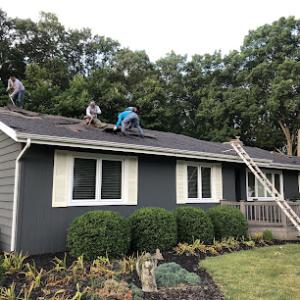
Rhino Roofing & Exteriors is a local roofing contractor in Noblesville, IN that is committed to excellence in every aspect of our business.
Bone Dry Roofing
23 S 8th St, Noblesville, Indiana
4.9 from 172 reviews
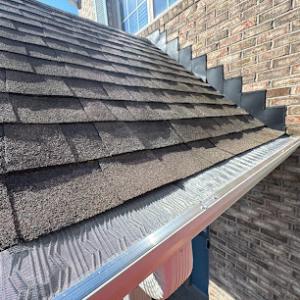
For more than 35 years, Bone Dry Roofing has been proudly serving homeowners across the greater Noblesville area. As a family-owned and locally operated business, we’ve built our reputation on honesty, quality, and lasting results. From roof repairs to full replacements, our skilled team delivers dependable workmanship; each new roof is backed by our 25-Year Craftsmanship Warranty. But roofing is only part of what we do. What truly sets Bone Dry apart is our dedication to providing a seamless, stress-free experience from start to finish. Every project is guided by clear communication, careful attention, and genuine follow-through—core values of The Bone Dry Roofing Experience. Trusted by thousands throughout Noblesville, we’re here to prote
ARAC Roof It Forward
(317) 975-1176 www.roofitforwardin.com
15499 Stony Creek Way, Noblesville, Indiana
4.7 from 309 reviews
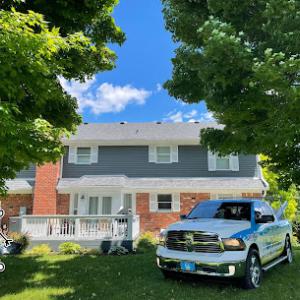
ARAC Roof It Forward is a full-service roofing contractor that specializes in roof repair, roof replacement, roof inspection, commercial roofing, and other services in the Greater Indianapolis, IN area. Visit our website today to schedule a free in-home estimate!
Taylor Home Improvement
(317) 523-7186 www.taylorhomeimprovement.net
11790 IN-32, Noblesville, Indiana
4.6 from 266 reviews
Taylor Home Improvement is a family owned and operated company based in central Indiana offering a variety of solutions for your home. Our roofing, siding, gutter, remodeling, and painting professionals are highly skilled and trained in each of their respective work areas. They are dedicated to providing recommendations to you based on experience, their training, and expertise to help maintain and improve your home.
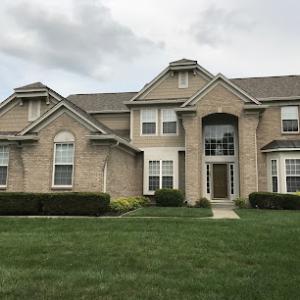
Indianapolis Roofing Contractor
Noblesville, Indiana
4.9 from 16 reviews
Roofing Contractor and Insurance Claims Specialists
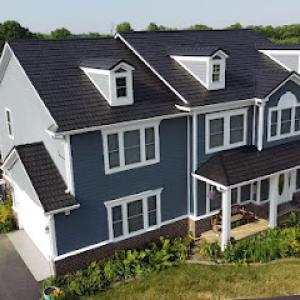
4Ever Metal Roofing
(317) 765-0508 www.4evermetalroofing.com
605 Sheridan Rd Suite 1111, Noblesville, Indiana
5.0 from 14 reviews
4Ever Metal Roofing provides permanent metal roofing solutions across Central and Southern Indiana. Our systems are designed to last for decades with minimal to no maintenance. Homeowners choose us to avoid repeat replacements and protect their homes with proven materials, expert installation, and real manufacturer-backed warranties.
WeatherTight Exteriors
(317) 993-3056 weathertightext.com
Noblesville, Indiana
4.6 from 27 reviews
WeatherTight Exteriors is a full service exterior contractor performing residential and commercial repairs and full replacements. We repair and maintain the home's first line of defense - the roof, siding and gutters. We specialize in storm damage insurance restoration after a hail or wind event. We offer free inspections and estimates for projects of any size. Ask us about our flexible financing options available.
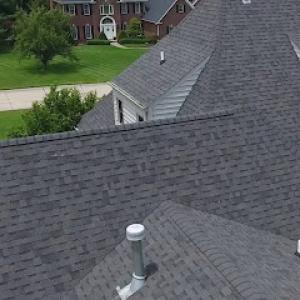
Stay Dry Roofing
(317) 214-6358 staydryroofing.com
23 S 8th St #38, Noblesville, Indiana
4.9 from 10 reviews
Stay Dry Roofing has been serving the Noblesville area since 1999. As a family-owned and operated Noblesville roofing contractor, our team of trusted licensed and insured roofing experts have the knowledge you require and offers the finest residential and commercial roofing services that will treat you with the respect you deserve throughout the duration of our time working together.
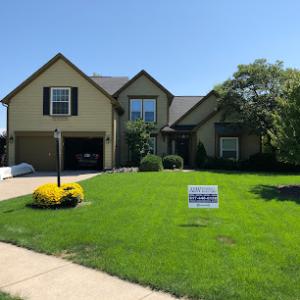
A & W Exteriors
(317) 446-8139 awexteriors.com
7170 Oak Point Cir #9418, Noblesville, Indiana
4.6 from 9 reviews
A&W Exteriors is a licensed general contractor specializing in home exteriors. We're experts in James Hardie fiber cement siding. Choose A&W for siding, roofing, windows, gutters, decks and all of your home improvement needs. We're a Super Service Award winner on Angie's List and have an A+ rating with the Better Business Bureau.
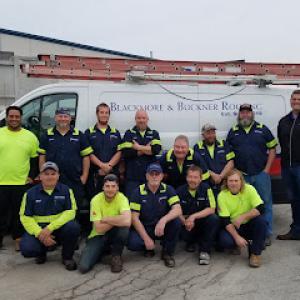
Blackmore & Buckner Roofing, a Tecta America Company
(317) 263-0707 www.tectaamerica.com
9750 E 150th St UNIT 1700, Noblesville, Indiana
4.1 from 16 reviews
Blackmore & Buckner Roofing, a Tecta America Company, LLC, provides expert commercial roofing and sheet metal services across Indiana, with a focus on roof asset management, preventative maintenance, emergency leak repairs, and high-quality installations. Based in Noblesville and serving commercial, industrial, and institutional clients, our skilled crews deliver precision roofing solutions using the latest materials and technologies. Whether you’re managing a new construction project or need ongoing roof maintenance, we offer reliable service backed by decades of industry expertise.
For Noblesville roofs, asphalt shingles sit in the roughly 350 to 700 USD per square range, while metal roofing runs about 600 to 1000 USD per square. Tile products-including clay and concrete-are materially higher, with clay generally near 900 to 1600 USD per square and concrete around 700 to 1100 USD per square. Wood shingles and synthetic/composite shingles land in the middle, typically between 450 and 850 USD per square. These figures reflect the typical options homeowners encounter in this market, where standard re-roofing blends with higher-end choices in newer Hamilton County subdivisions.
Storm-season demand can tighten scheduling and labor availability after hail events, and that pressure tends to push project pricing toward the upper end of local ranges. In practice, that means a roof replacement started in late April or May may experience longer lead times and higher bids than a calm stretch, especially if insurers push for prompt completion. If hail damage is confirmed, expect a faster pace to meet insurance-driven timelines, with crews prioritizing quick, weather-resilient installations. It's common to see material and labor costs skew upward during peak storm windows, so budgeting with a bike-shed cushion helps avoid sticker shock.
The local market features a broad mix of standard asphalt re-roofs and higher-end homes scattered through newer Hamilton County subdivisions. That variety translates to significant differences in job complexity and material choice within the same town. A straightforward asphalt replacement on a mid-century ranch can stay near the bottom of the asphalt range, while a larger footprint on a multi-level home with architectural shingles or metal features may push toward the upper end or beyond. Tile options, though less common on the average lot, can appear on distinctive homes with complex rooflines, further elevating total project cost. In short, price is driven as much by roof geometry and accessory work (attics, ventilation, underlayment) as by the chosen shingle category.
If budget is the driver, asphalt shingles offer the most predictable costs and fastest installation timelines, particularly on standard layouts. For weather durability and longevity, metal roofing provides robust performance-albeit at a higher price point that still aligns with the upper end of the local range. Tile and synthetic options deliver long-term value on select homes, especially where appearance or architectural style calls for them, but expect higher upfront costs. When planning, consider both the insurance-driven urgency from storm events and the potential for longer scheduling windows after hail to align material choice with the home's exposure, slope, and existing structure.
In Noblesville, a full re-roof typically requires a building permit through the City of Noblesville Building Department. This means you don't just grab shingles and start tarring the roof; the project needs to be reviewed and approved before work begins. The permit process helps ensure the work meets local codes for wind resistance, fire safety, and roof deck integrity, especially given the area's spring hail and wind patterns. Even straightforward covering replacements should be checked against current requirements, since standards can shift with the housing stock and recent storm-driven adjustments. Expect the permit to specify the scope of work, the proposed roofing material, and the allowable working area for crews.
Projects involving structural changes may trigger plan review rather than being handled as a straightforward covering replacement. If the replacement includes altering roof pitches, reinforcing trusses or rafters, changing the roofline, or modifying the alignment with existing gutters and overhangs, plan review is likely. In those cases, a structural analysis or engineered drawings may be requested, and the permit timeline can extend. Prepare for additional documentation to accompany the permit submission, and coordinate with the roofer to ensure the submission reflects the actual field conditions.
A final inspection is required after work begins and must be completed to close the permit in Noblesville. The inspector will verify that roofing material install meets local codes, the deck and underlayment installations are secure, ventilation remains adequate, and any penetrations around vents, chimneys, and skylights are properly flashed. If plans or structural changes were approved, the inspector will also confirm that those elements were implemented as approved. Schedule the final inspection promptly after the roof is completed and before any interior finishes are redone, since a failed inspection can delay project closure and may necessitate remedial work.
Have the permit number, contractor contact information, and a copy of the approved plans ready when scheduling inspections. Keep records of all material certifications and installation receipts, since the inspector may request these details on site. If a plan reviewer was involved, bring any revisions or addenda related to the approved drawings. Before calling for the final inspection, do a pre-inspection walkthrough to catch flashing issues, nail patterns, and drip edge alignment that could trigger a pass/fail result.
Coordinate timing with storm-driven replacement demands, especially during spring when hail and wind claims surge. Allow for potential delays if a plan review is triggered, and confirm with the building department that all subcontractors are properly licensed and insured. On the job site, ensure a clear path for inspectors to access the roof and attic spaces, and leave unobstructed access to the mechanical vent lines and skylight penetrations for a smoother final evaluation.
In Noblesville, asphalt shingles are the dominant local material, and that reality shapes practical decisions every spring hail season. The combination of frequent hail events and spring wind means shingles with solid impact resistance and robust granule retention tend to perform more reliably over time. Look for products with good impact ratings and a proven track record of granule adhesion, since hail can knock loose surface particles and accelerate aging. The seal strips on asphalt systems also matter in the Indiana freeze-thaw cycle; a well-sealed edge helps prevent wind-driven uplift during late-season storms and helps resist minor ice damming at eaves. Since most roof shapes here are modestly pitched, maintainers often notice that a high-quality asphalt roof continues to shed water effectively while staying easier to repair or replace patch by patch if a storm does strike. In practical terms, you'll want asphalt shingles with a reputable warranty, a strong wind rating, and a reflective option if heat buildup in summer is a concern. Local crews commonly build up layered protections at the ridge and around penetrations to prevent wind-driven leaks after hail damage, so choosing a shingle that layers well with those details matters.
Metal roofing has a meaningful but smaller local presence, yet it resonates with homeowners seeking durability through Indiana hail, snow shedding, and summer heat. In Noblesville, metal roofs handle hail without the same risk of bruising as some organic shingles, and they shed snow more predictably on steeper pitches. The long-term performance can be excellent, especially when installed with proper underlayment and correctly sealed joints. A metal roof often shows less visible granule loss from hail, which helps preserve appearance after storms. Heat reflectivity is a bonus on hot, sun-baked afternoons, potentially moderating attic temperatures and reducing cooling loads. However, installation quality matters greatly: rust resistance, proper fastener placement, and careful valley detailing are crucial to prevent leaks in that up-and-down spring weather pattern. If you gravitate toward metal for its resilience, work with a local contractor who has experience pairing metal with existing venting and chimney details common on Noblesville homes.
Tile, wood shake, and synthetic products exist in the market but are far less common locally, so repair matching and specialized installation availability can be more limited than for asphalt systems. Clay or concrete tiles offer excellent longevity and a distinct look, but their weight and installation precision can complicate repairs after a hail event or heavy wind. Wood shakes deliver classic curb appeal and good insulation properties, yet maintainable exposure to Indiana moisture, insect activity, and rapid weather shifts may necessitate more frequent maintenance. Synthetic or composite shingles provide some hail resistance and a broader palette of colors, yet the supply chain for matching repairs and the experience base among local roofers can lag behind the asphalt crowd. If you're considering these options, verify that a local crew can source targeted matching materials for repairs, coordinate color consistency across older and new sections, and handle installation details that address expansion joints and weather sealing in our climate. In practice, choosing these materials often means planning for more tailored maintenance and potentially longer lead times for parts or patches after a storm event.
Explore specialists in steel, aluminum, and standing seam metal roofs built to last 50 years or more.
Cloud Nine Roofing & Renovation
(317) 900-4262 callcloudnine.com
605 Sheridan Rd Unit 6106, Noblesville, Indiana
5.0 from 75 reviews
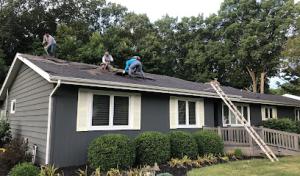
Rhino Roofing & Exteriors
(317) 699-5715 www.rhinoroofingext.com
17585 Cherry Tree Rd, Noblesville, Indiana
5.0 from 109 reviews
Fortress Exteriors
(317) 399-4674 www.fortressexteriors.net
Noblesville, Indiana
5.0 from 26 reviews
Spring and fall are commonly favored in Noblesville because they avoid the worst winter cold and summer heat during tear-off and installation. If you're weighing timing, aim for a stretch when daytime temperatures are consistently mild, and crews can work without extreme heat or mid-winter freezes. This helps sealants set properly and minimizes stress on underlayment. In practice, you'll find the most predictable schedules from late March to early June and from September to early November, when the weather pattern tends to cooperate.
Winter freeze-thaw cycles in Noblesville can stress shingles, flashing, and sealants, making existing defects more visible but replacement logistics harder. If a cold snap or thaw shows up right as you're planning, expect temporary delays and potential added attention to ice barriers and attic ventilation. Autumn wind events and leaf fall can uncover drainage and maintenance issues before winter snow arrives, so use that window to verify gutters, downspouts, and scuppers are clear and functioning. Scheduling in these shoulder seasons reduces the risk of weather-driven surprises.
Look for curling, cupping, or missing shingles after spring hail storms or strong winds typical of this area. Metal flashings that are bent or loose, signs of any roof deck sag, or interior staining near ceilings and walls can signal moisture intrusion. If you notice granule loss in gutters or on driveways after a storm, treat it as a red flag that helps determine whether a full replacement is the right move or if a targeted repair will suffice. In Noblesville, where storm-driven demand intersects with re-roof timing, these indicators often align with insurance-driven schedules.
An insurance-driven timeline can accelerate replacement after a significant hail event or high-wind day. If an adjuster recommends replacement, align planning with the preferred seasons to maximize warranty coverage and workability. Communicate a realistic window to your carrier to avoid peak-season bottlenecks, but preserve the option to move forward promptly when the weather cooperates and the roof deck is sound.
Before tear-off, clear surrounding debris, prune nearby trees, and secure vehicles. After the new roof is installed, inspect attic ventilation and sealing to confirm there are no lingering pressure points that could compromise the installation during Noblesville's winter. A focused autumn inspection, followed by spring touch-ups, keeps drainage clear and reduces the risk of early wear in the first heating season.
Indiana is a regular hail and wind claim state, and Noblesville homeowners often face insurer scrutiny around photo documentation, storm dates, and condition evidence. That scrutiny isn't personal; it's how carriers manage a high-volume area where spring storms collide with a growing housing stock. When a notice goes in after a hail event, expectations around timing and documentation become a critical part of the conversation. Being prepared with clear, unambiguous records helps avoid delays or disputes that drag the process into the next billing cycle.
After active hail seasons, some carriers serving Indiana have tightened deductibles or adjusted roof coverage terms, which directly affects replacement decisions in Noblesville. In practice, that means the insurer will want precise evidence of damage and a credible repair history. Prior to filing, gather elevations (from attic and exterior vantage points), soft metal impacts, interior leaks, and a transparent repair log. Keep dated photos that show roof surface conditions, attic moisture, and any prior interventions. This level of detail reduces questions later and supports a smoother claim review.
Because the area sees recurring storm activity, homeowners benefit from documenting elevations, soft metal impacts, interior leaks, and repair history before filing a claim. If a storm event is fresh, avoid delaying the claim to complete every minor fix-carriers understand some issues need assessment first. Expect an adjuster visit to evaluate both exterior and interior evidence and to verify storm dates align with the claim. Honest, complete records help the process stay on track and minimize the risk of coverage gaps during evaluation.
Connect with contractors who help homeowners navigate the claims process from damage assessment to final approval.
Rojas Roofing
(317) 747-3498 rojasroofing.com
10340 Pleasant St suite 300, Noblesville, Indiana
5.0 from 233 reviews
Cloud Nine Roofing & Renovation
(317) 900-4262 callcloudnine.com
605 Sheridan Rd Unit 6106, Noblesville, Indiana
5.0 from 75 reviews
Rhino Roofing & Exteriors
(317) 699-5715 www.rhinoroofingext.com
17585 Cherry Tree Rd, Noblesville, Indiana
5.0 from 109 reviews
In Noblesville's dominant asphalt-roof market, common post-storm issues include lifted tabs, granule loss, and flashing damage after spring wind and hail events. When hail strikes, shingles can crack or loosen, exposing the underlayment to moisture. Wind can peel up edges or push granules into gutters, leaving the surface less protective. The result is a roof that looks ok from the ground but leaks after the next heavy downpour. Spotting these problems early saves headaches later, especially during the busy spring and early summer months when storm-driven replacements spike.
Freeze-thaw conditions in central Indiana can worsen vulnerable penetrations and edge details, especially where prior repairs were made during emergency storm response. Valleys, vents, and coping details take the brunt of repeated freeze cycles when asphalt shingles crack at fastener points or around flashing. If ice or water backs up behind damaged flashing, you'll notice staining near the attic or ceiling. Repairs that don't address the root cause-loose tabs, lifted edge shingles, or compromised underlayment-tend to fail again with the next freeze cycle. A careful, targeted fix now helps prevent cascading leaks.
The local contractor market shows notable demand for chimney and skylight work, indicating these roof intersections are recurring concern points for area homeowners. Chimneys and skylights introduce extra seams and flashing that are prone to corrosion or improper seating after storms. Wind-driven water can track along flashing into the attic, even when the overall roof surface seems intact. Regular checks around these intersections after any hail or wind event help catch hairline failures before they become active leaks.
After a storm, walk the roof edge and illuminated areas from the attic to verify flashing integrity and shingle alignment. If a rapid storm response occurred nearby, consider a follow-up professional inspection focused on penetrations, edge laps, and flashing seals, as these are the most common failure points that lead to bigger water intrusion problems later.
Find contractors experienced in skylight installation, flashing, and leak repairs to bring natural light into your home.
Cloud Nine Roofing & Renovation
(317) 900-4262 callcloudnine.com
605 Sheridan Rd Unit 6106, Noblesville, Indiana
5.0 from 75 reviews