
Last updated: Apr 19, 2026
Greenfield sits in central Indiana where hail and wind events commonly drive roofing claims, making storm documentation a first-order homeowner concern rather than a secondary issue. When a storm sweeps through, your first move is to document damage thoroughly and promptly. Photograph every angle of the roof from ground level and from accessible attic spaces if you can safely inspect them. Capture close-ups of hail impact on shingles, flashing, gutters, and vent collars, and keep dated notes of what you observe. Save all weather reports and any claim numbers you receive from your insurer. The goal is to build a clear, time-stamped picture of what happened and when it happened, because the insurance review hinges on that sequence, especially in a community where spring hail and heavy rain trigger both new damage and scheduling delays.
Spring hail and heavy rain are a local seasonal trigger for both new roof damage and scheduling delays, so homeowners often need inspection and temporary protection before full replacement can be completed. Arrange a roof assessment as soon as it's safe after a storm, even if you don't see obvious damage from the ground. A licensed roofer can identify hidden issues-like compromised underlayment, fastener corrosion, or granule loss-that a casual eye misses. If damage is confirmed, request a professional temporary protection plan from the contractor to prevent additional leaks while the claim is processed. This might include tarping exposed sections, sealing compromised flashing, or directing drainage away from vulnerable areas. The key is to shore up protection before a forecasted rain or additional wind event, because delays can compound the damage and complicate the replacement timeline.
Autumn wind storms and rapid temperature swings in Hancock County can turn older shingle edge wear and flashing weaknesses into active leaks before winter sets in. If fall weather exposes loosened edges or flashing gaps, don't delay a diagnostic visit. Early detection reduces the risk of wind-driven water intrusion and accelerating interior damage. Focus on edge lifts, missing shingles, and any discoloration or staining on ceilings in attic spaces or upper floors. The moment you notice suspect conditions, contact your insurer and a trusted local roofer for a same-season evaluation. A quick, targeted repair may be enough to stop small leaks from ballooning into larger, more costly problems during cold snaps.
Once the inspection is complete, align the repair plan with the documentation you've gathered. Insurers rely on coherent timelines and clear evidence of damage progression. Make sure the contractor's assessment notes the storm date, observed impact, and the recommended sequence of repairs, from temporary protection to full replacement if warranted. Keep communication organized: file emails and call notes with the claim number, adjuster contact, and any written approvals. In a fast-growing community with mixed older neighborhoods and newer subdivisions, you'll benefit from a contractor who understands how wind uplift, hail granule loss, and flashing vulnerabilities tend to present in this housing stock.
When hail-wind seasons peak, delays in full replacement are common. If your roof shows active leaks or significant granule loss, push for an accelerated assessment and, where appropriate, a staged approach that prioritizes the most compromised areas for temporary protection while the rest of the roof awaits replacement. Coordination between your insurer, the contractor, and any mortgage-related requirements can smooth the process. You are aiming to protect your home's interior, minimize collateral damage, and finalize a safe, code-compliant roof replacement as the weather window allows. Stay vigilant for new storm activity, and act quickly if the roof's condition deteriorates.
Hometown Roofing & Exteriors
(317) 747-0205 hometownrfg.com
5824 W US Hwy 40, Greenfield, Indiana
5.0 from 88 reviews
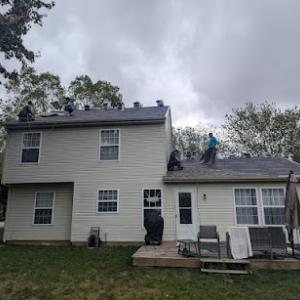
Hometown Roofing & Exteriors (formerly Hometown Restoration) is a roofing contractor specializing in roof replacement, repair, installation, and maintenance, as well as siding repair, gutter repair, and restoration services. We are a local, family-owned company that services both residential and commercial properties in Central Indiana area, including Indianapolis and the surrounding areas. Our team of licensed roofers delivers reliable and professional service, ensuring every project meets the highest standards of quality and safety. From emergency roof repairs to thorough roof inspections, we offer affordable and efficient roofing services tailored to your needs.
Carlton Construction
(317) 326-7566 carltonconstructiongreenfield.com
503 E Main St, Greenfield, Indiana
4.8 from 26 reviews
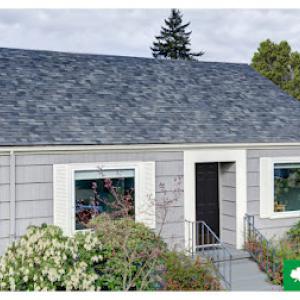
Carlton Construction, L.L.C. in Greenfield, IN, is your premier roofing specialist in Hancock County. Serving Central Indiana since 1997, our expert team excels in delivering long-lasting roofing solutions. We prioritize using only premium materials from trusted manufacturers, ensuring durability and quality in every project. From repairs and replacements to storm damage services or new roof installations, we provide timely, top-notch roofing, gutter, and exterior home improvements. Our personalized consultations include a comprehensive evaluation of your needs and a presentation of diverse roofing and shingle options, helping you make informed decisions tailored to your home and budget. Rely on us for all your roofing needs today!
Tabor Roofing & Exteriors
(765) 465-1208 www.taborexteriors.com
Greenfield, IN
5.0 from 10 reviews
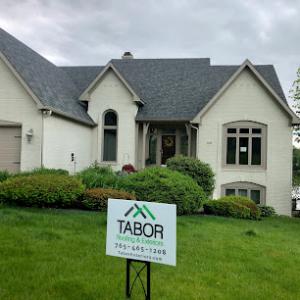
Tabor Roofing & Exteriors takes pride in offering top-notch service, quality material items, and honest laborers. Owner and operator Shawn Tabor has an established and outstanding reputation in the Henry County community and surrounding areas. By showing extreme attention to detail and returning customer phone calls, our team follows through with each project and ensures that each project is finished with excellence.
Gemini General Contracting
(317) 575-6418 trustgemini.com
3001 W 100 S, Greenfield, Indiana
4.2 from 15 reviews
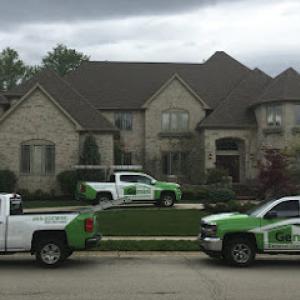
Gemini General Contracting is a family-run roofing and restoration company proudly serving the greater Midwest for over 20 years. With an A+ rating from the BBB, we’ve built our reputation on trust, quality workmanship, and personalized service. We specialize in both commercial and residential roofing, siding, and gutter solutions, helping property owners protect and enhance their investment. Whether you’re managing a large-scale commercial project or taking care of your family home, our experienced team delivers reliable results with integrity and care. At Gemini, we’re big enough to handle complex projects, yet small enough to treat every customer like family.
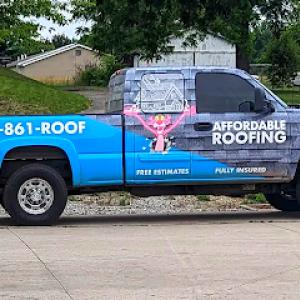
Affordable Roofing
(317) 861-7663 affordableroofingindy.com
Serving
4.9 from 33 reviews
Affordable Roofing is a family owned and operated business that has been servicing the state of Indiana since 1995. We offer affordable options for your home's exterior - roofs, gutters, siding, and more. In addition, we offer free inspections and repair estimates. Affordable Roofing is licensed and insured. Contact us today to schedule your free inspection!
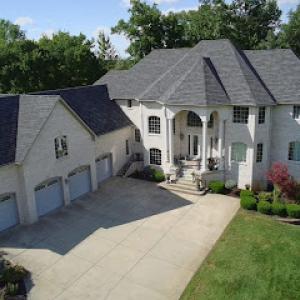
Guardian Exteriors
(317) 830-3305 www.guardiandefends.com
Serving
5.0 from 85 reviews
Guardian Exteriors is your trusted roofing contractor in New Palestine, IN, offering expert roof repair and installation services tailored to both residential and commercial properties. As one of the top roofing companies in the area, we specialize in roof inspections, storm and wind damage repair, and attic venting. Our team of skilled roofers is dedicated to providing comprehensive exterior renovations, including siding repair and replacement, gutter installation and repair, and fascia repair. We also excel among local roofing companies by providing painting services and expert navigation of insurance claims. Count on Guardian Exteriors for reliable exterior services and complementary roof inspections in your area.
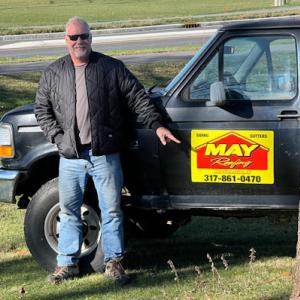
May Roofing
(317) 861-0470 mayroofinginc.com
Serving
4.9 from 10 reviews
Since 1963, May Roofing & Construction has been fixing and installing roofs in & around Hancock County. How can we help you? Wayne May has been on a roof since he was 10 years old! Proud to be part of #NewPalOpen4Biz!
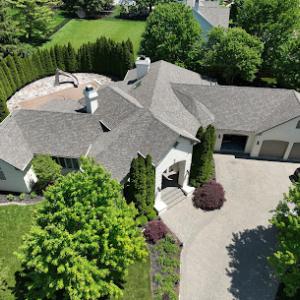
SafeHaven Roofing
(317) 268-2021 safehavenroofingco.com
Serving
5.0 from 33 reviews
SafeHaven Roofing is your trusted local expert in Pendleton, IN, for roof installation, roof inspection, and emergency roof repair. We specialize in residential and commercial roofing, siding installation and repair, soffit and facia work, and gutter installation with debris prevention through gutter guard systems. We serve Indianapolis and the greater central Indiana area.
Roof Masters & Exterior
(317) 364-9511 roofmastersandexteriors.com
Serving
4.9 from 83 reviews
Roofing siding and gutter installations.

Imperial Exteriors Roofing
(317) 207-9642 callimperial.com
Serving
4.9 from 329 reviews
Imperial Exteriors Roofing is a trusted, top-rated roofing company based in New Palestine, serving Indianapolis, Greenwood, Carmel, Fishers, and surrounding areas. We specialize in residential and commercial roofing, including full roof replacements, hail and storm damage restoration, insurance claim assistance, roof inspections, gutter installation, gutter guards, and seasonal gutter cleaning. We also offer professional Christmas and holiday light installation for homes and businesses. Our licensed and insured team is known for dependable service, quick turnarounds, honest communication, and exceptional craftsmanship. We deliver lasting results with integrity and take pride in every job we complete.

C & M Roofing
(317) 485-0316 cmroofingllc.com
Serving
4.4 from 23 reviews
Has a storm recently damaged your home or office? Are you looking into a remodeling project to increase your home's curb appeal or property value? C&M Roofing, LLC in Fortville, IN is at your service. We handle a wide variety of project types, from siding installation and repairs to gutter repairs and new home roof installations. C& M Roofing, LLC can also handle your painting projects as well. With 30 years of experience in residential, commercial and industrial interior and exterior painting, we can ensure your painting project is done professionally and on time!

Amos Exteriors
(317) 359-3414 www.amosexteriors.com
Serving
4.9 from 2982 reviews
Amos Exteriors is a trusted name in exterior remodeling, serving homeowners and businesses across Central Indiana since 1971. As a family-owned and -operated company, we bring more than 50 years of experience to every project—whether it's roofing, siding, windows, doors, gutters, or storm restoration. Our team is professionally trained, certified, and ready to deliver lasting solutions tailored to your needs. We take pride in helping our neighbors protect and enhance their homes with quality craftsmanship and reliable service. With 24/7 emergency support and a 100% satisfaction guarantee, Amos Exteriors is the clear choice for all your exterior remodeling needs.
In this central Indiana market, carriers commonly expect detailed pre-loss and post-storm photos, contractor estimates, and age/material information because hail and wind claims are routine. Greenfield homes sit on a mix of older neighborhoods and newer subdivisions, where roof assemblies range from simple shingles to more complex tile or metal systems. Having organized documentation ready speeds the claim and reduces back-and-forth with the adjuster after a storm. The goal is to establish a clear picture of baseline condition, the damage observed, and the proposed repair or replacement plan.
Damage evidence degrades quickly once tarping or temporary patches are added, or debris cleanup commences. When a storm passes, take fresh exterior photos from ground level and from the yard line of sight that shows the roof edge, gutters, and any exposed fasteners. Document close-ups of hail hits on shingles, granule loss, or dented metal, and note any visible leaks inside the attic or ceiling stains. If a tree limb or debris has caused impact marks, photograph those impacts as well. In Greenfield, where wind-driven debris is common, a wide-angle shot that includes neighboring roofs can help establish relative damage levels and visibility from multiple angles.
Before maintenance or a temporary fix, pull together pre-loss photos that show the overall roof shape, vent stacks, bats, skylights, and any distinctive features. Record the age of the roof if available and note the material type (asphalt shingles, metal, tile) and any integrated underlayment or insulation details you can confirm. For homes with tile, slate, or metal, claim documentation may hinge on whether replacement materials align with the existing roof system, so be precise about material compatibility. If there is an attic vent or roof vent with visible staining or moisture, capture clear interior shots that corroborate the exterior condition.
Adjusters often want a contractor-generated estimate that itemizes both damage and scope of work. In a storm-prone area, it helps to have two independent estimates from licensed local roofers who clearly identify material types, roof square footage, and any required underlayment or(deck) repairs. When estimates are prepared, ensure they reference the same material category as the existing system (tile, slate, metal, or shingles) and indicate any necessary reinforcement for wind zones common to central Indiana weather patterns. If a tile or slate roof exists, estimates should specifically address tile replacement compatibility and roof deck integrity.
Because claim volume spikes after regional storms, preservation of evidence matters. Do not discard damaged shingles, granules, or metal pieces until the claim is settled and the assessor has completed the inspection. Keep damaged samples in a labeled container or a clearly dated folder so they can be referenced later. If temporary tarps or patches are installed, photograph those interventions and the surrounding area as they appear after a few days. This helps verify the roof's condition and supports the appropriate scope of replacement when the time comes.
Prepare a concise packet that includes: current photos of damage, pre-loss photos, a dated log of when damage was observed, material information for the existing roof, and two independent contractor estimates. Attach a simple outline of the roof's age and any known upgrades or replacements. In Greenfield, where storm activity is a regular consideration, presenting a complete, well-organized dossier helps ensure the claim proceeds smoothly and aligns the replacement plan with the actual roof system in place.
Connect with contractors who help homeowners navigate the claims process from damage assessment to final approval.
Hometown Roofing & Exteriors
(317) 747-0205 hometownrfg.com
5824 W US Hwy 40, Greenfield, Indiana
5.0 from 88 reviews
Carlton Construction
(317) 326-7566 carltonconstructiongreenfield.com
503 E Main St, Greenfield, Indiana
4.8 from 26 reviews
Gemini General Contracting
(317) 575-6418 trustgemini.com
3001 W 100 S, Greenfield, Indiana
4.2 from 15 reviews
Greenfield's hot-summer, cold-winter pattern with year-round precipitation creates repeated freeze-thaw cycling that can open shingle seals, stress flashing joints, and widen small penetrations into leak paths. When moisture works into tiny gaps and sealants, the first freeze locks it in, and the subsequent thaw loosens it enough to deepen those paths. Over time, those micro-fissures become channels for water to reach the underlayment and plywood, especially where shingles have already aged or sustained hail or wind damage. The result is a roof that looks fine from the street but leaks when a mid-winter thaw rolls in or a spring rainstorm hits after a cold snap.
Winter snow loads followed by thaw periods are a local durability issue, especially on aging roofs that already took hail or wind damage during the prior storm season. Snow itself isn't the only threat; as it melts, water wicks into the edges of shingles and around flashing, then refreezes at night, pushing against seals and causing micro-cracks to widen. In older sections with mixed roofing ages, you may notice more granule loss, a sign that the asphalt's protective surface is thinning and less able to resist UV and temperature swings. Summer heat and UV in eastern central Indiana accelerate asphalt aging and can shorten the useful life of sealants that then fail during the next cold-weather contraction cycle.
Locally relevant maintenance starts with proactive surface care. Clean gutters and downspouts to prevent backed-up water near eaves, where ice damming can force water under shingles. Inspect the ridge and hip lines for hairline fractures, especially after a hail event or a severe windstorm, and reseal any questionable joints before the next freeze. If the attic has signs of heat buildup-condensation on underside of sheathing or stiff, sweatingfelt insulation-address insulation gaps and ventilation now; more air movement reduces heat-driven aging of the roof deck and flashing. For aging roofs, plan a targeted inspection focusing on existing penetrations such as vent stacks, plumbing vents, and chimney flashing, since these are common leak paths after multiple freeze-thaw cycles.
After a hail or wind storm, assume there could be damage that isn't instantly visible. Look for raised shingle edges, lifted tabs, softened spots, or granules collected in gutters-these are indicators that the seal and surface protection have degraded. If water enters the attic after a thaw or heavy rain, trace the path to an early point of failure in the sheathing or flashing. Addressing these issues promptly prevents small leaks from turning into larger, more costly problems once the next season's freeze arrives. Early, careful documentation of damage helps with insurance discussions and sets the stage for a coordinated repair strategy that fits the local climate pattern.
The most popular roofing material in the US. Find pros who install, repair, and replace asphalt shingles.
Gemini General Contracting
(317) 575-6418 trustgemini.com
3001 W 100 S, Greenfield, Indiana
4.2 from 15 reviews
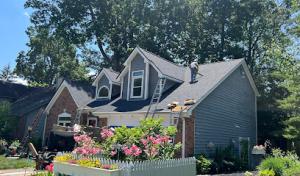
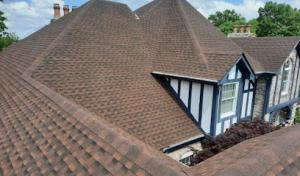
Asphalt shingles remain the dominant practical choice in Greenfield because they fit the area's storm-repair economy and are easier to replace quickly after hail and wind events than heavier specialty systems. You'll find a wide local supply of installers who can handle rapid replacements with minimal disruption to your schedule. In neighborhoods that experience repeated freeze-thaw cycles, ordinary asphalt systems paired with a solid underlayment and proper attic ventilation perform reliably, and their lighter weight reduces the risk of secondary damage to soffits, gutters, and trim during severe weather. For most homes with standard roof pitches, asphalt provides a straightforward balance of performance, availability, and speed when repairs are needed after a storm.
Metal, clay, concrete tile, synthetic/composite, and slate all appear in the local material mix, but Greenfield's freeze-thaw exposure makes correct underlayment, fastening, and flashing details especially important on these less-forgiving systems. Metal can be a smart upgrade where coastal winds or large hail are common, provided the edges and penetrations are sealed with compatible flashing and sealants. Clay and concrete tiles offer exceptional longevity in theory, but their weight and brittle nature demand a sturdy roof deck and precise fastening patterns. Synthetic and slate options can deliver distinct aesthetics or enhanced impact resistance, yet they still require careful integration with flashing and ice-damming precautions, particularly near eaves and dormers. If you lean toward these alternatives, you'll benefit from choosing a local installer who routinely works with Greenfield's climate realities and can tailor the installation to your attic's ventilation and the roof's exposure to wind-driven rain.
Complex materials in this jurisdiction may trigger added documentation or plan review during permitting, which can affect project timing compared with a straightforward asphalt re-roof. In practice, that means heavy or multi-material roofs often demand closer coordination with contractors to align weather windows and deck preparation with your storm-season calendar. Focus on a detailed sequence for removing damaged layers, inspecting the underlying structure, and installing a high-quality underlayment, then select fasteners and flashing that match the chosen material. In all cases, prioritize proper sealing at all penetrations and along eaves to mitigate the risk of ice dams during spring thaws. When choosing materials, consult local crews who understand Greenfield's hail-wind patterns and can map a plan that keeps your home protected through the next storm cycle.
Typical pricing in this market runs about $350-$700 per square for asphalt shingles, $700-$1600 for metal, $900-$2400 for clay tile, $600-$1400 for concrete tile, $350-$700 for synthetic/composite shingles, and $1200-$2800 for slate. This baseline reflects Greenfield's mix of older neighborhoods and newer subdivisions, where roof pitches and attic access vary.
That baseline shifts after central Indiana storm events when demand surges for inspections, tarping, and full replacements across the Indianapolis-area market, and you might see longer lead times and tighter windows for weather permitting.
In Greenfield, projects using metal, clay, or slate can cost more locally not just for material and labor but due to specialty installation crews and added handling requirements. Planning for higher speed demands during hail-wind seasons helps avoid delays.
When you compare bids, isolate material costs from labor and debris removal, then add typical contingencies for weather-related delays. Asphalt shingles should be your starting reference in a storm-wracked season, with metal and higher-end tiles carrying premium figures.
If your home uses metal, clay, or slate, expect the estimator to break out underlayment, flashing, and any reinforcing work; these line items matter in Greenfield where older homes sometimes need additional retrofit.
Typical costs by material, carried forward for quick reference: Asphalt Shingles 350-700, Metal 700-1600, Clay Tile 900-2400, Concrete Tile 600-1400, Synthetic/Composite 350-700, Slate 1200-2800 per square.
Storm-season timing matters in practice. If hail is forecast or winds spike, you may want to start with an inspection quickly, document damage with dated photos, and request a detailed scope from your roofer. In Greenfield, inspectors and adjusters often review the project in stages.
Budget for contingencies of 5-15% for unexpected decking repair or ice-dam mitigation that surface after the initial estimate. Keep a close eye on asphalt shingle warranties versus long-term life expectations when the climate has freeze-thaw cycles that stress edges and seams.
For Greenfield homeowners weighing material choices, consider the long-term performance needs: asphalt remains the most economical upfront, but metal offers strong wind resistance and a reduced fire risk; clay and slate deliver durability at higher upfront costs but can pay off over decades. Concrete tile sits between.
If budget dictates, start with asphalt now and plan a phased upgrade when your storm-damage window or market prices align.
Get a clear picture of your project costs upfront - no commitment required.
In Greenfield, a permit is typically required for a full re-roof and must be pulled before work begins through the local building department. Start the process early in the planning, because permit review can shape material choices and sequencing. Since the community blends older neighborhoods with newer subdivisions, check whether the contractor is familiar with the specific block requirements or any subdivision covenants that pair with city rules. Have the permit packet ready to show stage-by-stage progress if the job extends beyond a single work window. If the plan involves any structural changes or adds roof penetrations for vents or skylights, confirm those details with the inspector so the permit accurately reflects the scope.
The city's inspection routine commonly includes checks during and after completion, with attention to underlayment, flashing, ventilation, and wind-resistance compliance. Expect an on-site review shortly after materials are laid and again when the project is complete. The inspector will verify proper underlayment coverage, correct placement and sealing of drip edge and flashing, and that attic ventilation meets current code standards for the climate and roof type. Wind-resistance considerations are particularly relevant with hail-wind seasons, so ensure fasteners and fastening patterns align with wind-zone requirements and product specifications. Keep a clean, accessible site to facilitate quick inspections and minimize delays.
More complex roof systems such as metal, clay, or slate may require additional documentation or plan review in this jurisdiction, which homeowners should factor into scheduling. If using these materials, your contractor should prepare a detailed layout and engineering for edge detailing, seam coordination, and load distribution. Engage the building department early to confirm whether stamped plans or third-party reviews are necessary. Understanding these steps ahead reduces the chance of rework or inspection hold-ups once work begins. Coordinate permit submittals with any HOA or neighborhood association approvals to avoid hiccups during the inspection cycle.
In Greenfield, repeated freeze-thaw cycles and central Indiana wind-driven rain stress chimney areas more than the rest of the roof. Local contractor signals show repeated homeowner demand around chimney-related roof work, indicating flashing transitions are a common service need in the market. If the chimney flashing begins to fail, even a roof that looks solid elsewhere can leak from inside the attic or ceiling. Pay attention to dark stains along the chimney base, musty smells, or damp spots that appear long after a rain. The key risk is not a dramatic flood every storm, but gradual seepage that undermines attic insulation and accelerates wood rot around the collar and surrounding decking.
Skylight assemblies are a recurring specialty among Greenfield-area roofers, aligning with leak risks at penetrations during freeze-thaw cycles and wind-driven rain. Skylight seals and curb flashing are often the first components to degrade when hail or wind pressurizes water into corners and joints. The most common symptoms are interior condensation on the skylight panes after a storm, intermittent drips near the installation edge, or stained ceiling patches that appear without a dramatic storm event. If a skylight shows any sign of moisture, treat it as a warning-water can travel laterally under shingles and into framing, even when the main roof surface seems intact.
These details become more failure-prone after hail or wind events common to central Indiana, when previously marginal flashing can begin leaking even if the main field of the roof looks intact. Freeze-thaw cycles magnify hairline gaps, allowing water to navigate around seals and into vents, chimneys, and skylight rims. The result is a creeping leak that mirrors the season's rhythm: damp mornings after night storms, or hidden moisture that only surfaces after a warm spell dries the attic air. For homeowners, proactive inspection after a hail or high-wind event is essential to catch flashing or sealant degradation before it compounds interior damage.
A practical approach is to inspect around the chimney base and skylight perimeter for loose shingle tabs, lifted flashing, or dark streaks forming near the edges after a rain. If moisture is detected, seek a targeted assessment of flashing transitions rather than a full roof overhaul unless other signs indicate broader failure. Choosing a contractor with a track record in chimney and skylight work helps ensure the specialty seals-the real weak points-receive proper attention and durable detailing.
Find contractors experienced in skylight installation, flashing, and leak repairs to bring natural light into your home.
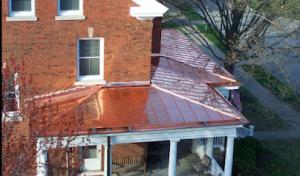
Hail and wind season accelerates roof trouble here, with freeze-thaw cycles stressing shingles and fast-moving storm fronts pushing through Indianapolis-area corridors. Your best bet is a crew that can be inside your project quickly, document damage clearly, and keep cleanup tight after a project is done. A thorough inspection should map damaged areas and fascia exposure so you and your insurer agree on scope.
Greenfield homeowners notice that established and family-owned firms stay visible across neighborhoods, which matters when follow-up service after insurer approval or a supplemental claim review is needed. Look for a team that can reference recent local storm work, provide local testimonials, and have a reliable crew for cleanup and debris management. Consistency in scheduling and on-site communication helps you avoid missed alerts during rain delays.
affordability signals in this market mean you should weigh lower bids against whether the contractor can handle storm damage documentation, claim forms, and tracking the project through to final inspection. Ask for a written damage list, a clear scope of work, and a plan for keeping gutters and landscaping protected during work. A reliable roofer will confirm who handles insurance communications and what to expect if adjusters need a second look.
Ask for a digital photo log of damaged areas before work starts, plus a schematic of repairs and replacements. Ensure the agreement spells out cleanup expectations, disposal of debris, and a schedule that respects your daily routines. Confirm that the contractor will coordinate with the insurer and provide any required lien waivers or proof of completion once the job finishes.
During hail-wind peaks, expect rapid on-site verification, a documented damage report, and a staged replacement plan. A good local roofer keeps you informed at every step, from claim intake through final cleanup, so you never feel in the dark about progress or weather-related delays.