
Last updated: Apr 19, 2026
In Central Indiana, hail and wind events drive claim activity in this area and often push homeowners toward repair-versus-replacement decisions after spring and summer storms. When a fast-moving storm rolls through, you may notice lifted shingles, damaged flashing, or granules accumulating in gutters. These signs aren't just cosmetic-they can indicate underlying moisture pathways that worsen quickly if left unattended. Take photos during daylight after a storm and keep a log of any hail size, wind speed, and timing to support your claim.
The practical reality is that a timely response matters. Insurance carriers respond to storm activity with greater frequency in spring and early summer, which can translate into faster claim processing, but also into crowded schedules for contractors. In a neighborhood with upscale homes and HOA governance, you'll want to align with your HOA's guidelines and the roofer's schedule to avoid backlogs that stretch into peak storm seasons. Early documentation and rapid contact with a reputable roof professional help prevent small issues from escalating into costly decking or structural concerns.
Late spring through early fall is typically the preferred reroof window in this area because winter snow and ice slow work while spring rain can interrupt tear-off schedules. Freeze-thaw cycles in cold winters create a compounding risk: damage that starts with lifted shingles or flashing during a storm can worsen into leaks and decking issues by winter if left untreated. You may notice micro-cracks or lifted edges after a heavy storm, and those flaws can cascade into attic condensation, mold, or compromised insulation if not addressed promptly. Prioritize roof assessments soon after the weather breaks and avoid the temptation to "wait until fall" when delays become more likely.
When assessing storm damage, focus on the condition of ridge lines, valleys, and chimney flashing, which are common failure points in Zionsville's climate. A professional should check for lifted tabs, granule loss, and any signs of moisture intrusion into the decking. If decking appears soft or darkened, that signals actual water infiltration and the need for more than surface repairs. In HOA communities, be mindful of approval timelines and required contractor credentials. Coordinating a timely claim with your insurer and a licensed roofer reduces the risk of moisture migration through the winter and minimizes the disruption to your home's interior during the high-demand season.
Navigation through the claim process requires clarity and urgency. Prepare three things: a concise storm history, a visual record of damage from multiple angles, and a plan for temporary protection if lingering rain is anticipated. Your contractor can help translate observed damage into an itemized scope that aligns with your insurer's evaluation. As the work window tightens in late spring and early fall, the fastest path to a durable repair is a coordinated approach: file promptly, secure pre-approval where possible, and schedule tear-off and roof replacement in a contiguous window to reduce exposure to seasonal weather gaps.
Finally, understand that choosing between repair and replacement often hinges on the extent of wind-driven damage and the age of your existing shingles. If the roof is nearing the end of its service life, a replacement may actually offer better long-term value and a cleaner line for your upscale home's curb appeal. In this climate, asserting a proactive stance-documenting damage, engaging a trusted local contractor, and aligning with HOA expectations-keeps a lid on the risk of escalating leaks and keeps your home secure through another volatile Central Indiana year.
Find local contractors experienced in assessing and restoring roofs after hail, wind, and severe weather events.
Cox Roofing
(317) 600-8838 coxroofingsystems.com
10837 Andrade Dr, Zionsville, Indiana
4.8 from 493 reviews
Eagle Restoration
(317) 832-5702 myeaglerestoration.com
801 S Eaglewood Dr, Zionsville, Indiana
4.9 from 68 reviews
Eads Roofing & Exteriors
(317) 343-2941 www.eadsroofing.com
10890 Bennett Pkwy Ext Ste 300, Zionsville, Indiana
4.9 from 134 reviews
WhiteFlag Roofing
(317) 658-1305 www.whiteflag99.com
Zionsville, IN
5.0 from 61 reviews
An award winning customer service company specializing in residential roofing.
Cox Roofing
(317) 600-8838 coxroofingsystems.com
10837 Andrade Dr, Zionsville, Indiana
4.8 from 493 reviews
Cox Roofing, a family-owned and operated company headquartered in Zionsville, IN, has served Central Indiana since 2013 with the core promise of "Built Smarter | Built Stronger." As an Owens Corning Platinum Preferred Contractor (top 1% nationwide) with HAAG Certified Inspectors, we provide superior residential and commercial services, including all roof replacements, specialized flat roof systems, and 24/7 emergency repairs. We are also the exclusive Indiana dealer for Gutter Shutter systems and handle complete exterior solutions like siding and attic insulation. Proudly maintaining an A+ Rating with the Better Business Bureau, Cox Roofing is committed to being your professional roofing team for life.
Eagle Restoration
(317) 832-5702 myeaglerestoration.com
801 S Eaglewood Dr, Zionsville, Indiana
4.9 from 68 reviews
Eagle Restoration is a locally owned Storm Restoration General Contractor specializing in Roofing, Siding, Seamless Gutters, Doors, and Windows. Licensed, Bonded, and Insured, we are your go to contractor when storms ravage your home. Specializing in Hail and/or Wind Damage, we know how to navigate the insurance claims process and take that headache away from our customers. We don't just handle insurance claims, though, we can handle retail projects as well. Check out our Services Section to see what we specialize in. Our main concern is to give you the best possible customer service experience while delivering quality work as quickly as possible and making sure you are treated well. Eagle Restoration - We'll restore your nest. Call today.
Eads Roofing & Exteriors
(317) 343-2941 www.eadsroofing.com
10890 Bennett Pkwy Ext Ste 300, Zionsville, Indiana
4.9 from 134 reviews
EADS Roofing & Exteriors is a top-rated roofing contractor headquartered in Zionsville, IN, proudly serving Indianapolis, Carmel, Fishers, Greenwood, Kokomo, Plainfield, Southport, and all of Central Indiana. We provide expert residential and commercial roofing, siding, gutters, windows, and storm damage restoration services. Known for quality workmanship, honest estimates, and personalized service, our team helps homeowners, property managers, and business owners protect and improve their properties. From roof repairs to full exterior upgrades, we bring professionalism, attention to detail, and a commitment to excellence on every job. 💡 Listen Better. Plan Better. Build Better.
Prestige Roofing
(463) 319-0871 indyprestigeroofing.com
2246 S 900 E, Zionsville, Indiana
5.0 from 19 reviews
At Prestige Roofing, we believe a roof is more than just a shelter—it’s the guardian of family memories, the protector of your most valuable investment, and a symbol of lasting quality. At Prestige Roofing, we believe a roof is more than just a shelter—it’s the guardian of family memories, the protector of your most valuable investment, and a symbol of lasting quality.
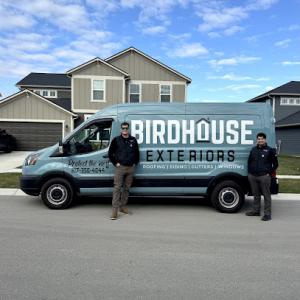
Birdhouse Exteriors
(317) 350-4044 birdhouseexteriors.com
75 N Main St, Zionsville, Indiana
5.0 from 11 reviews
Birdhouse Exteriors is a trusted, family-owned roofing company serving communities across Indiana. We specialize in roofing, gutters, siding, and windows, providing homeowners high-quality workmanship built on integrity, transparency, and care. Our team is dedicated to protecting what matters most - your home and family. Whether you need a roof replacement, storm damage repair, or new siding installation, we deliver reliable results at a fair price. At Birdhouse, we believe in more than great service - we believe in giving back. We proudly support local schools, youth sports, and community programs, because this is our home too. Serving all Hoosier families!
EastWest Roofing
(317) 900-2221 www.eastwestroof.com
Serving
4.9 from 34 reviews
For 20 years we have dedicated our services to excellence and customer satisfaction in residential contracting; we take pride in working closely with our customers while earning their continued business. We believe customers should get the most value possible. New customers are surprised to find that we strive to offer premium quality products and services at lower than industry standard pricing. We look forward to the opportunity to earn your business!
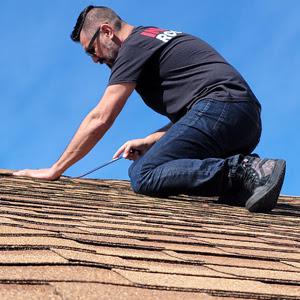
Impact Roofing
(877) 977-4672 impactroofing.com
Serving
4.7 from 26 reviews
At Impact Roofing we understand the many natural threats for roofs around the area of Indianapolis because we have serviced the city for more than 30 years. If you are looking for a professional roofing contractors Carmel based company, then look no further because Impact Roofing can certainly assist. Our company can help you with both residential roofing and commercial roofing and with services such as roof repair, roof replacement, siding & gutter installation and much more. With us you will always get comprehensive warranties, 100% customer satisfaction guaranteed, insurance claims help and all while getting an A+ rated company by the BBB! At Impact Roofing we are your one-stop-shop for all your Carmel roofing needs
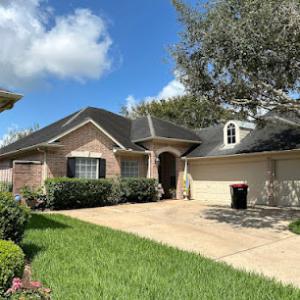
DLV Roofing Indianapolis
Serving
5.0 from 32 reviews
DLV Roofing Indianapolis is the premier roofing company for Indianapolis, IN, and its surrounding areas. Our President, Pete De La Vega, a third generation roofer, established DLV Roofing in 1999. We are a fully licensed and insured general contractor happily serving both residential and commercial customers out of our Indianapolis office. We use only top-rated, premium, quality products while offering competitive prices and a guarantee on all of the work. Our courteous, professional staff provides superior, dependable service with an attention to detail that sets us apart from industry affiliates.
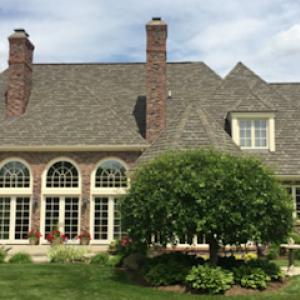
Universal Roofing & Exteriors
(463) 241-3927 www.universalrfg.com
Serving
4.6 from 224 reviews
Residential Roofing Indianapolis The roof is arguably the most important part of the home; in fact, without a roof, a house can hardly be called a home. The roof provides comfort, security, and safety from the elements. So if the roof ends up with any kind of damage, it could end up compromising all of the qualities that the roof is supposed to provide. The roof is particularly susceptible to wear and tear since it is exposed to the elements, and in Indianapolis, those elements can be varied and unpredictable.
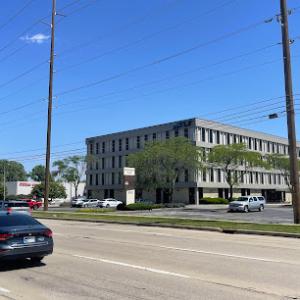
Mighty Dog Roofing Indianapolis
(317) 548-6201 www.mightydogroofing.com
Serving
4.9 from 62 reviews
Mighty Dog Roofing specializes in roofing, siding, windows and gutter services for residential and commercial properties in Indianapolis, IN. Leaky roof? Our roof contractors will provide a free roof inspection to determine if there is any roof storm damage to file a roof insurance claim or if a new roof is needed. We’ll determine if a roof repair or roof replacement is best for you. Need new siding? We offer quality vinyl siding, aluminum siding, steel siding and fiber cement siding such as James Hardie. Need window repairs or replacement windows? A window company that can provide custom replacement windows. Clogged gutters? Our gutter contractors install 5” and 6” seamless gutters. Keep the leaves out with gutter guards.
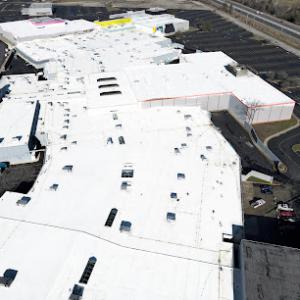
Seamless Roofing
(317) 699-4463 www.seamlessroofingllc.com
Serving
4.7 from 12 reviews
Seamless Roofing, based in Indianapolis, provides expert commercial roofing solutions with a focus on new roof installations and fluid-applied systems. They specialize in seamless, waterproof membranes that eliminate leaks, extend roof life, and reduce maintenance costs. Their energy-efficient, reflective coatings help lower cooling expenses and support sustainable building practices. By avoiding tear-offs, they minimize disruption and environmental impact. Serving businesses throughout Indiana, they deliver long-term value with durable, renewable roofing systems tailored to each client’s needs. Trust their team for reliable, eco-friendly roofing that protects your investment and improves building performance.
Asphalt shingles remain a dominant choice for many homes in this area. In Zionsville, repeated hail exposure and summer heat can shorten appearance life and make granule loss a common replacement trigger. When choosing asphalt, prioritize impact-resistant options and consider an Owens Corning/GAF-style warranty that covers hail-related granule loss. Pay attention to the color and texture you select, since darker shades can absorb more heat and accelerate aging during hot Indiana summers. In neighborhoods with HOA guidelines, confirm color approvals before installation to avoid repainting cost later. Regular inspections after hail storms help catch granule loss before it leads to hidden deck or fascia damage.
Metal roofing is relevant in this market because it handles snow shedding and long-term weathering well, especially on steeper elevations and in areas with heavy wind events. The metal choice often offers improved warranty terms and energy efficiency, which is appealing for homes facing harsh sun and seasonal temperature swings. However, detailing around flashing and ventilation still matters in freeze-thaw conditions. Ensure the metal roof is installed with proper underlayment and sealant integration around joints, penetrations, and chimneys. In Zionsville's climate, a skilled installer should verify that valley and ridge ventilation remains unobstructed by the metal's geometry, so condensation does not back up into attic spaces on colder mornings.
Clay tile, concrete tile, synthetic/composite shingles, and slate appear in higher-end housing stock, where weight, breakage risk, and repair matching become more important than in standard tract-roof replacements. Clay and concrete tiles offer excellent durability in freeze-thaw cycles when properly installed, but their payload requires structural verification-many upscale homes in this area are set up to accommodate this load, yet some subdivisions maintain strict design controls. Synthetic or composite options mimic natural materials while offering lighter weight and easier repair, yet color fading and surface scratching can still occur with hail exposure. Slate delivers timeless aesthetics and longevity but demands precise matching for color and texture after any section repair. When an HOA or architectural review applies, ensure tile profiles and edge treatments align with community standards.
In all high-performance materials, the ability to match existing compositions after a repair is crucial. The locality's storm cycles demand careful color, texture, and profile matching so repairs don't stand out as a future maintenance concern. For any roof type, plan for attic ventilation adequacy, flashing integrity, and proper sealants to navigate the freeze-thaw sequence. With the right approach, each material can deliver predictable performance through Zionsville's blend of hail, wind, and winter conditions.
Reroof work is typically initiated through the Town of Zionsville Building Department, not handled informally by contractors alone. Before any shingle rows are lifted, you should file a formal scope of work detailing the roof's size, types of materials, ventilation changes, and any structural or decking work. A fee is paid up front as part of the approval process. This isn't a hurdle to slow you down; it's the mechanism that ensures the roof replacement aligns with local codes, neighboring property standards, and HOA expectations where applicable. The building department will want a clear plan for drainage, attic ventilation, and flashing details before they stamp the project ready to move.
Your scope should map every major element: roof shape, material choice, underlayment type, flashing transitions around chimneys, walls, and skylights, along with any decking repairs or replacement. If the project touches attic ventilation, provide a venting plan and a statement about attic insulation. Some neighborhoods in town require HOA confirmation or review before installation begins; if that applies, obtain the approval letter and attach it to your permit packet. Having a complete, accurate scope helps prevent delays caused by missing details or revisions during the permit review.
Inspections in this area commonly focus on decking integrity, underlayment installation, flashing at penetrations and transitions, proper ventilation, and the final completion. Expect a sequence: a rough inspection to verify deck and underlayment, a mid-inspection to confirm flashing and venting are installed to spec, and a final inspection once the roof is completed and everything is buttoned up. It's crucial that the decking is sound and that underlayment is properly lapped to resist seasonal freeze-thaw cycles. If you have an HOA, ensure their confirmation or approval is on file before the final inspection so no re-inspection or hold-ups occur at the end of the project.
Neighborhood covenants in this town often tie into HOA review processes, which can affect start times or require additional documentation. Plan to align the permit approval window with HOA deadlines so installation can begin promptly after both approvals are in hand. If the HOA requires a specific color or profile for compatibility with neighboring homes, verify those requirements ahead of scheduling the crew. A smooth path through approvals reduces the risk of work stoppages caused by missed paperwork or mismatched aesthetic standards.
Keep a dedicated folder with the permit application, scope of work, HOA correspondence, and any approval letters. Track inspection dates and ensure access for inspectors during daylight hours. Notify your contractor promptly if a revision to the scope is needed, and confirm that updated documents are submitted so inspections aren't delayed. By aligning permit, HOA, and inspection steps, the reroof proceeds with fewer interruptions and stays on a steady timeline.
Storm damage in Central Indiana can tighten contractor schedules and labor availability in Zionsville, especially after hail events when many homeowners seek inspections at once. That surge means you may see a longer wait for assessments, material pickups, and crew mobilization. Planning ahead for a storm-related reroof can reduce delays, but it's common to experience backlogs in the weeks following a large hail event. If your roof has sustained visible damage, you'll want a timely inspection to avoid compounding issues from freeze-thaw cycles later in winter.
Provided local cost ranges run about $350-$550 per square for asphalt shingles, $600-$1100 for metal, $900-$1800 for clay tile, $700-$1100 for concrete tile, $350-$700 for synthetic/composite, and $1200-$2800 for slate. In upscale neighborhoods with premium materials, costs can skew upward due to steeper architectural rooflines and HOA-driven material matching requirements. HOA expectations may demand color, profile, or shingle type consistency with neighboring homes, which can influence both material choice and labor time.
After hail, contractors often see a rush of inspections and quick-turn bids. Expect potential upcharges for expedited service, after-hours work, or temporary protective measures if rain is forecast while a roof is vulnerable. In Zionsville's hilly layouts, steeper slopes not only require more labor but can push square footage costs higher because roof access and safety measures add time. If your subdivision uses premium architectural shingles or specialty panels, those units can elevate total per-square costs beyond the base ranges.
First, obtain a wind/hail damage assessment from a reputable local roofer and document any granule loss, dented flashing, or cracked vents. Second, compare bids from at least two contractors, paying attention to the scope: some bids may show standard shingles while others include premium underlayment, enhanced ventilation, or upgraded fasteners-these add to the per-square cost. Third, confirm whether the HOA requires specific materials or color-matching, and factor that into your budget, since it can nudge you toward higher-end products. Fourth, plan for a phased schedule if timing around multiple homes in the neighborhood is tight; ask about crew rotation and material lead times so your project doesn't sit idle mid-season. Fifth, set aside a contingency of 5-15% for hidden damage uncovered during roof replacement, which is common after a hail event in this climate.
If your home uses steep architectural lines, anticipate higher labor costs and a larger premium for material compatibility with neighboring houses. For metal or tile options, align selections with the HOA's guidelines early to prevent mismatches later. In any case, storm-season budgeting should reflect the likelihood of shorter windows between inspection and installation, plus potential delays due to demand spikes in Zionsville's market.
Get a clear picture of your project costs upfront - no commitment required.
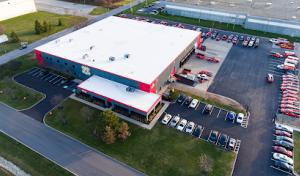

Indy Rooftops - Roofing Repair Contractor
(317) 617-3928 indyrooftops.com
Serving
5.0 from 420 reviews
In Zionsville, hail and wind drive a higher volume of roof claims, and the handful of upscale homes in HOA-managed neighborhoods can add complexity to how damage is documented and approved. Detailed photo records, written estimates, and adjuster-facing scope notes help claims move smoothly through the process and reduce the risk of timelines slipping due to weather or scheduling backlogs. When storms hit, evidence can fade quickly, so timely capture of condition and damage is essential.
You should photograph the roof from multiple angles, including close-ups of granule loss, punctures, and any signs of underlying deck damage. Document gutters, vents, and roof penetrations that could be affected by wind-driven rain. Take a set of interior photos after the attic is dried, showing any staining or discoloration that suggests moisture intrusion. Written estimates from qualified roofers should accompany photo sets, with each line item tied to visible damage and associated workmanship. For adjuster-facing notes, precise scope language that aligns with the observed conditions helps prevent questions later in the process.
Coverage terms, depreciation treatment, and decisions about repair versus replacement can vary by insurer. In this market, reviewing policy language before authorizing full reroof work is prudent. Understand whether the claim covers temporary repairs, the depreciation application, and any limitations tied to structural components or ventilation. If the policy references act-of-nature or wind/hail deductibles, verify how those apply to a full roof replacement versus staged repairs. Clear, policy-aware requests reduce the chance of coverage disputes that delay completion.
Because claim volume rises after regional storms, prompt documentation matters for scheduling inspections and preserving evidence before temporary repairs or further weather obscures damage. Arrange a mutual inspection window with the insurer and contractor, and keep a written trail of communication. If temporary tarping is used, photograph the setup and later removal to document ongoing conditions. In neighborhoods with HOA guidelines, ensure the scope notes align with any HOA-approved materials or color requirements to avoid twice-done work or disputes.
Connect with contractors who help homeowners navigate the claims process from damage assessment to final approval.
Cox Roofing
(317) 600-8838 coxroofingsystems.com
10837 Andrade Dr, Zionsville, Indiana
4.8 from 493 reviews
Eagle Restoration
(317) 832-5702 myeaglerestoration.com
801 S Eaglewood Dr, Zionsville, Indiana
4.9 from 68 reviews
Heavy snow, ice, and freezing temperatures from December through February push roofing problems from scary to urgent. When roofs sit under blankets of cold, tiny leaks can hide behind attic insulation and suddenly roar to the surface once a warm spell hits. In upscale neighborhoods with tight roof lines and careful flashing details, even small storm leftovers can become major issues if they're ignored. The chill also slows inspection and repair crews, meaning a minor drip today can become a full-on interior leak tomorrow if weather shifts.
Snow and ice act like a natural dam, preventing quick access to the roof and complicating temporary fixes. In this climate, full replacements often need to wait for consistently warmer days, which means dry-in measures must be prioritized to keep water out while you wait for a window. If you notice granule loss, exposed nails, or flashing gaps after a heavy storm, treat those as warning signs that the next thaw could drive leaks deeper into the attic or ceiling. Plan for contingencies so you're not guessing when rain returns.
Freeze-thaw cycles in town can open vulnerable flashing transitions and exposed fastener points after earlier storm damage. Those microcracks in sealants and misaligned step flashing become pathways for water as temperatures swing below freezing at night and rise during the day. Inspectments should focus on valleys, skylights, chimney flashing, and the transition from roof to siding. Do not underestimate how quickly a small issue can become a roof-wide prompt for repair once a thaw arrives.
Emergency response is especially relevant locally because active leaks may need tarping or short-term stabilization until weather allows full repair. If you have active seepage, deploy tarps and buckets to contain water, keep interior damage from spreading, and contact a roofing professional promptly for a plan that preserves until a safe window for full repair opens. Time matters when a storm line hits and freezing nights loom.
When you can't wait, these contractors offer fast response times to stop leaks and prevent further damage.
Cox Roofing
(317) 600-8838 coxroofingsystems.com
10837 Andrade Dr, Zionsville, Indiana
4.8 from 493 reviews
Eads Roofing & Exteriors
(317) 343-2941 www.eadsroofing.com
10890 Bennett Pkwy Ext Ste 300, Zionsville, Indiana
4.9 from 134 reviews
While pitched residential roofs dominate this market, some homes and mixed-use properties still include low-slope sections that require different drainage strategies and membrane detailing than the shingles fields. In these areas, the transition from flat or near-flat surfaces to steeper planes is a common source of leaks if flashing and seam work aren't meticulously integrated. Expect drainage challenges where parapets, skylight decks, or balcony connections meet the main roof, especially after freeze-thaw cycles. Regular inspections should focus on these interfaces, not just the visible surface, because hidden edge seals and corner details often show the first signs of trouble.
Skylights and chimney intersections are recurring leak-prone details in a market where inspections commonly emphasize flashing quality. In Zionsville, long months of moisture buildup can push past marginal flashing, particularly where old sealants have dried or become brittle. The risk compounds when these features sit near valley intersections or where multiple roofing planes converge. Prioritize flashing integrity around skylights and chimneys, verifying counterflashing, step flashing, and sealant transitions. Don't overlook the potential for hairline cracks in metal flashing that may not be obvious from ground level yet can drip into living spaces after a heavy rain or rapid temperature swing.
Hot, humid summers in this area increase the importance of ventilation and moisture control around complex roof features and transitions. Adequate soffit intake, ridge venting, and proper attic ventilation help prevent condensation that condenses on cold nights and expands with radiant heat in summer. Pay attention to moisture buildup near dormers, roof-to-wall transitions, and stack vents, where inadequate air flow can accelerate rot and reduce the life of flashing and membranes. In tight neighborhoods with HOA-driven design controls, ensuring that venting strategies respect both performance and aesthetics is crucial.
Find specialists in TPO, EPDM, and built-up flat roofing systems for residential and commercial properties.
Cox Roofing
(317) 600-8838 coxroofingsystems.com
10837 Andrade Dr, Zionsville, Indiana
4.8 from 493 reviews

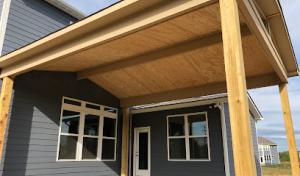
In this town, the roofing market is unmistakably reroof-driven. After hail storms or intense wind events, homes tend to enter replacement cycles rather than wait for minor repairs. Neighborhoods with HOA guidelines tend to favor contractors who can navigate design constraints and meet standard of craftsmanship consistently. When scouting bidders, you'll notice firms that have built reputations on completing full tear-offs efficiently and returning the home to weather-tight status quickly, a relief during Indiana's freeze-thaw cycles.
During active leaks or after a storm, homeowners value a contractor who can respond promptly and manage cleanup without leaving debris in driveways or yards. Local teams that routinely perform rapid tarping, weatherproof staging, and thorough post-job cleanup tend to stand out in Zionsville. Consider how the crew handles material laydown, protection of landscaping, and the sequencing of tear-off and installation so interior rooms stay dry even when outside conditions are unsettled.
Established, family-owned or locally owned firms have the most visible presence and steady word-of-mouth in this market. HOA compliance matters in many subdivisions, so verify a contractor's familiarity with community standards, contractor etiquette, and consistent communication with homeowners associations. When speaking with bidders, ask for recent references within similarly governed neighborhoods and for examples of projects where design guidelines or color-shingle requirements were successfully met without delays.
Given the climate's stress on roofs, you want bids that demonstrate a clear plan for mitigating weather risk during removal and installation. Look for detailed timelines that align with seasonal weather patterns, a clear site-protection protocol, and a plan for ensuring the roofline, fascia, and flashing integrate with the home's overall aesthetic and neighborhood standards. Prioritize contractors who provide visible, durable finished details and who stand behind their workmanship with a reliable warranty posture.
Get a clear picture of your project costs upfront - no commitment required.
Indy Rooftops - Roofing Repair Contractor
(317) 617-3928 indyrooftops.com
Serving
5.0 from 420 reviews
Winter in this Indianapolis-area pattern brings regular freeze-thaw cycles that stress any roof system. Water can seep into small gaps and expand when temperatures drop, nudging shingles loose or lifting metal seams. Summers bring heat and sun exposure that accelerate aging, especially for darker colors and lighter flashing surrounding chimneys and vents. Roofs here experience a push-pull between cold-season contraction and warm-season expansion, which wears materials unevenly across the same house. The result is a mix of soft edges on some shingles, and hairline cracks on others, depending on material, orientation, and shade from nearby trees or eaves.
Neighborhoods range from standard asphalt-shingle homes to upscale properties using clay tile, concrete tile, slate, and high-end synthetic products. Each material behaves differently under that winter-to-summer swing. Asphalt shingles tend to shed granules earlier if they face relentless wind-driven hail, while tile and slate can crack or spall in freeze-thaw pockets. Synthetic composites can offer improved impact resistance and better color stability, but still need proper underlayment and ventilation to perform well in hot Indiana summers. The variety in local roofing means a single replacement path rarely fits all homes; guidance should match material type and expected climate stress.
Neighborhood oversight can shape what options are practical beyond raw performance. Some HOAs prefer certain color palettes, profiles, or roofing textures to preserve curb appeal, which can influence the aging path of a roof. If the visible surface must align with architectural standards, repairs or replacements may involve color-matching challenges and limited product availability. In practice, this means timing reroofs around inspections and approvals can become a factor in how long a roof will last before more substantial work is needed. Planning ahead for HOA timelines helps prevent seasonal bottlenecks during the typical hail and wind seasons.
You'll want a proactive approach that accounts for both flashpoint weather events and long-term material performance. Regular inspections after harsh winters and post-storm checks can catch hidden edge leaks or seam failures before they propagate. When choosing a replacement path, consider the neighborhood's material expectations and the local climate's demands, balancing durability, appearance, and ease of maintenance. For higher-end homes, paying attention to flashing details, underlayment compatibility with tile or slate, and ventilation helps maximize the roof's usable life in this climate.