
Last updated: Apr 19, 2026
Spring in Central Indiana brings those sharp hail bursts and gusty wind events that turn roofs into headlines. In this neighborhood, storm damage and insurance claims are unusually prominent in the local roofing market. When a hailstorm roars through, a quick response matters: delaying a claim or delaying temporary fixes can compound damage and complicate later replacement. Your decision window is often measured in days, not weeks, because repeated wind-driven debris and hail can worsen fast. If rain follows a storm, you risk interior moisture intrusion that undermines attic and decking integrity. This isn't a drill-act with purpose when weather patterns shift.
Because new storms can arrive between estimate and install in spring and early summer, Plainfield homeowners often need fresh photo documentation if damage worsens before replacement. Start with clear, timestamped photos from multiple angles-roof face, gutters, vents, and deck lines where you see shingle granule loss or damaged flashing. Keep a concise damage log: date-stamped notes of what you observe after each rain event, and who you spoke with for updates. If a contractor schedules a window, you should have recent pictures ready to support an expedited claim, especially when a storm predicted to recur could push your project into a critical ownership and occupancy phase.
The local contractor market shows very high prevalence for storm damage, insurance claims, and emergency repair work, indicating that homeowners commonly start the roofing process after weather events rather than age alone. That creates a fast-moving competition for time slots after a storm. Expect rapid outreach from nearby crews, some offering immediate tarp or temporary patch services to mitigate further damage. If you receive an emergency repair option, evaluate safety, adherence to professional standards, and the potential impact on your insurance timeline. Do not delay a decision when shingles are lifted, flashing is compromised, or wind-driven leaks are visible-these signs often escalate quickly with subsequent storms.
Keep a dedicated storm-response plan handy: have a list of preferred local roofers who understand the area's storm pattern and claim processes, along with your most recent storm photos and a simple damage diary. After a major hail event, inventory visible damage around the home-porches, chimneys, vent boots, and skylights, as these components influence claim scope and replacement priorities. If a claim is underway but the forecast calls for more severe weather, request interim documentation from your insurer and contractor to preserve your position and prevent gaps in coverage. In Plainfield, staying proactive with documentation and timely contractor coordination is the best defense against a storm-led headache.
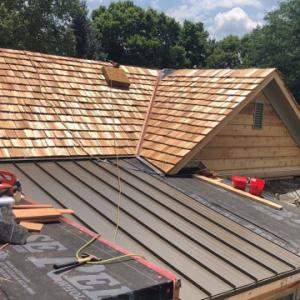
Restoration Builders Indiana
(317) 279-6137 restorbuilders.com
2326 E Main St, Plainfield, Indiana
5.0 from 33 reviews
Welcome To Restoration Builders of Indiana. Restoration Builders of Indiana is a residential & commercial contractor operating in the United States. Our mission is to protect, restore and build properties, strengthen families and support our communities. We are committed locally and ready to serve wide scale for disaster response. Our repair and restoration experts provide assistance with everything from roof inspections and minor repairs to comprehensive storm damage rebuilds and just about everything in between. Contact us for a free inspection: info@restorbuildersIN.com.
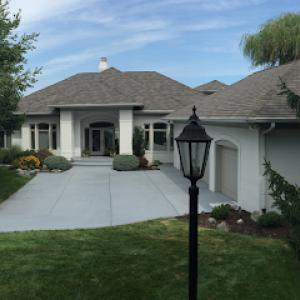
Pro Roof Plus
2230 Stafford Rd #115, Plainfield, Indiana
5.0 from 33 reviews
Pro Roof Plus Owner Joe Shields has been in the Plainfield roofing business for over 25 years. We maintain an A+ Rating with the Better Business Bureau, Angie’s List, and we are Screened and Approved as a professional Plainfield roofing contractor. Professional Roofing Plus is an Owens Corning Preferred Contractor. Pro Roof Plus specializes in roof repair, roof replacement, siding, as well as interior and exterior renovations. Call to schedule a free inspection.
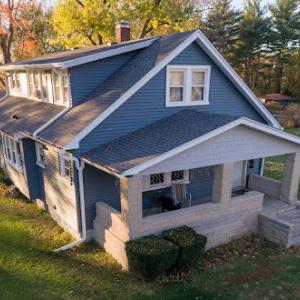
Guarantee Roofing & Fence
(317) 659-6144 guaranteeroofingco.com
830 Creekside Ln, Plainfield, Indiana
4.9 from 34 reviews
Guarantee Roofing and Fence is a home services contractor in Plainfield serving Avon, Danville, Camby, Monrovia and nearby areas since 1919. We offer residential roofing, commercial roofing, fencing, gutters, solar installation, and more. Customers love us because of our quality craftsmanship, excellent customer service, and over a century of reliability. We also have industry affiliations and certifications such as GAF Master Elite 2 Star President Club Award Winner. Contact your reliable Plainfield roofing company for a free estimate!
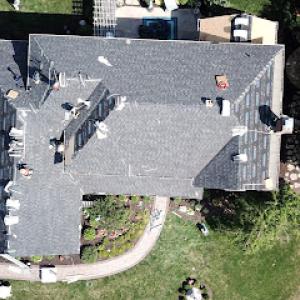
MCP Roofing
2680 E Main St, Plainfield, Indiana
5.0 from 7 reviews
When MCP Roofing and Restoration started we had one goal in mind, to provide not only out standing customer service and excellent workmanship, but to also make sure our customers don’t wait on a project for months on end. We have developed our relationship with our suppliers and roofing specialists so that your project gets done on time without the hassle of rescheduling and delays. If you are looking for a roofing contractor, you are sure to have some questions. Check our website for more information, or to schedule a free inspection.

Honeycomb Roofing & Exteriors
(317) 743-4483 honeycombexteriors.com
Serving
5.0 from 25 reviews
At Honeycomb Roofing & Exteriors, a west side Indianapolis establishment serving as roofing and general contractors, homes enjoy exceptional roofing, siding, and gutter services. Their experience of over 20 years includes proficient handling of repairs to thorough replacements, utilizing materials of the highest quality, some eco-friendly. Recognized for expertise in storm damage repair, Honeycomb is the name you can trust for the safety and beauty of your abode.
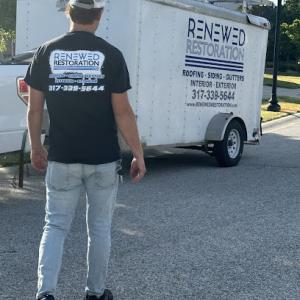
Renewed Restoration
(317) 339-5644 renewedrestoration.com
Serving
5.0 from 18 reviews
Repairing or replacing your roof can be stressful. Thankfully, Renewed Restoration can ease your stress with convenient and affordable roofing services. Our experienced second-generation roofers work in Hendricks County, IN as well as the surrounding areas. You'll have peace of mind knowing you have a sturdy roof to protect your home or business. Our team will help you understand your options and pick one that suits your needs and budget.
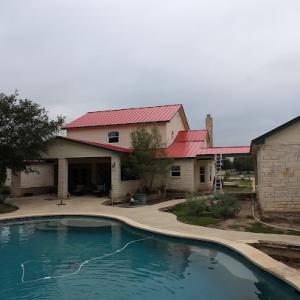
O C Roofing Services
(317) 869-9234 www.olycontracting.com
Serving
4.9 from 50 reviews
O C Roofing Services, a roofing contractor established since 2009, is your trusted specialist for all your roofing needs. Whether it's a new installation or repairs, you can be confident you'll receive the right roof at the right price. With a team of skilled professionals, they offer free inspections and estimates, ensuring you get the best roofing solution for your property. They specialize in a variety of materials, including asphalt shingles, EPDM, TPO, metal panels, and tiles. They also provide gutter installation for a complete roofing system. Contact O C Roofing Services today to schedule an appointment and let them take care of your roofing needs.
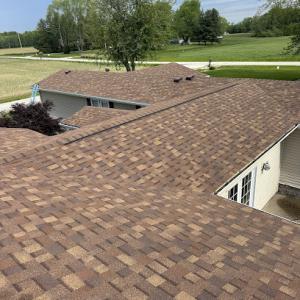
Overton Roofing
(812) 698-1159 overtonroofing.com
Serving
4.9 from 58 reviews
Overton roofing is a veteran owned roofing company. Overton Roofing Installs shingle, metal roofing, and guttering as well as roof cleaning. Over 12 years experience. We’re insured and we have a lot of experience dealing with insurance claims.
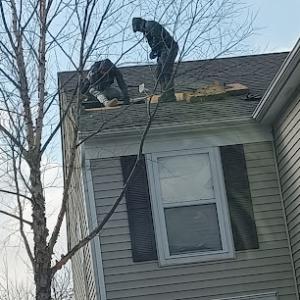
King Kong Roofing
(765) 676-4377 kingkongroofing.com
Serving
4.4 from 29 reviews
King Kong Roofing, in Danville, IN, is the area's leading roofing company serving Hendricks, Marian, and central Indiana since 2012. We offer metal, shingle, and flat roofing, siding, guttering and more. For all your roofing and construction needs, call King Kong Roofing in Danville.

All Seasons Roofing & Restoration
(317) 437-1944 goroofrepair.com
Serving
4.8 from 88 reviews
All Seasons Roofing & Restoration is the reputable choice for home restoration in Indiana since 2017. With experienced specialists in roofing, siding, and fire damage restoration, they ensure superior results, meticulously addressing every need, no matter the size of the project. Their commitment to quality reflects in the transformed properties they leave behind, ensuring a rejuvenated look and heightened functionality. Whether it's a minor repair or a complete restoration, All Seasons Roofing & Restoration promises impeccable craftsmanship and unparalleled customer service.
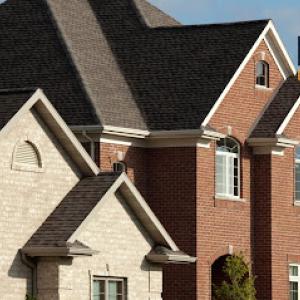
Karis Construction
(317) 515-4044 www.karisbuilding.com
Serving
4.8 from 42 reviews
Karis Construction is your trusted roofing contractor in Greenwood, IN, offering top-notch roofing solutions and customized services to meet your specific needs. We specialize in gutter installation, deck building, drywall repair, and remodeling, delivering expert craftsmanship and attention to detail with every project. Our team of dedicated professionals is committed to ensuring your home or business is safe, efficient, and beautifully remodeled. Karis Construction is the go-to choice for reliable and high-quality general contractors in Greenwood, IN, ensuring every job is executed with care and expertise. Experience the difference of working with a team that prioritizes excellence in every aspect of construction service.
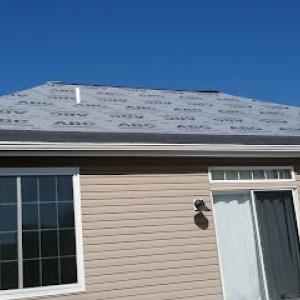
Spurlock Roofing
(317) 417-0759 spurlockroofing.net
Serving
4.8 from 31 reviews
Spurlock Roofing, specializes in complete tear-offs and roof replacements. We serve Camby, IN and surrounding areas with the best materials and workmanship available. Our goal is to treat the most important part of your home like it was our own. We are not satisfied until you are and it shows with every happy customer. Please call today for your inspection.
In Plainfield, cold winters bring snow and freezing temperatures that can delay tear-offs and stiffen shingles. Active work over frozen substrates increases the risk of ice-related leaks as water can shed into open gaps. When temperatures hover near or below freezing, sealants take longer to cure, flashing details become more brittle, and snow accumulation can interrupt staging and access. The practical approach is to target windows when overnight lows stay safely above freezing for a solid stretch, with clear days for crew safety and material handling. If a roof must be worked during cold snaps, plan for extended timelines and keep ice barriers or temporary protections in places most vulnerable to wind-driven moisture.
Hot, humid summers in Hendricks County can slow drying times after heavy rain and complicate installation sequencing. Shingles and underlayment exposed to high heat may soften, making reseating and nail spacing more sensitive to wind gusts. Dry stretches-days with lower humidity and no immediate threat of storms-are preferable for major replacement work. Scheduling during these windows reduces the risk of adhesive cure issues and helps ensure shingles set properly without warping. Expect more aggressive scheduling in late summer if storms narrow the available dry windows, and coordinate ventilation and staging to keep attic temperatures from accelerating moisture migration.
Freeze-thaw cycling through late winter and early spring stresses flashing, sealants, and penetrations where water can penetrate. Ice buildup along eaves and ridges can lift or crack materials during cycles of thaw and refreeze, so targeted attention to edging, drip edges, and boot flashes matters. You should anticipate temporary adjustments to flashing details in shoulder seasons to accommodate shifting around caulked joints and fasteners. A practical mindset is to prepare for a two-part approach: complete the bulk of the replacement during a solid dry period, then schedule critical flashing sealant touch-ups as temperatures stabilize and the last snow clearances pass.
Coordinate with the crew to identify a primary window of several consecutive dry days with moderate temperatures. When a storm front looks likely, secure loose materials, cover susceptible areas, and verify access routes for trucks and equipment. Have a contingency plan for wind-driven rain or sudden cold snaps, including temporary closures of exposed valleys and hips and a strategy for resealing penetrations once conditions improve. For homes with multiple venting or skylight penetrations, map the sequence so vulnerable details are addressed after the majority of the roof is bare yet protected. This city's storm pattern favors decisive action during favorable stretches, with a readiness to adapt quickly if weather shifts.
Asphalt shingles are the dominant value choice in Plainfield, fitting the area's large stock of suburban pitched roofs and keeping replacement demand concentrated in the lower cost bands. When a storm hits and insurance steps in, that balance matters: a quick, cost-conscious asphalt job can keep the project moving without sacrificing reliability. The typical asphalt range is roughly 350 to 650 USD per square, so a standard 20-square roof often lands in the mid- to upper-tens of thousands, depending on color and underlayment. This is the practical starting point for most Plainfield homes facing hail or wind.
Storm-driven surges in re-roofing demand can push scheduling pressure and pricing upward after hail and wind events, especially for fast-turnaround asphalt jobs. In the weeks following a major hail storm, contractors juggle supply, crews, and permits, which can compress timelines and lift material and labor costs. For homeowners, this means that timing matters not just for budget but for roof performance-getting a dependable crew on site promptly helps minimize secondary damage from rain or thaw cycles. If a storm window opens, expect some premium for expedited service, but plan around a target start date to avoid peak demand spikes.
Material choice matters more here because homeowners are balancing winter snow load, summer humidity, and hail exposure against budget. Metal and synthetic products are often considered for durability and long-term performance, rather than appearance alone. Metal roof costs in Plainfield typically range from 700 to 1100 USD per square, while synthetic or composite shingles run roughly 650 to 1100 USD per square. These options can be appealing when roof longevity, wind resistance, and hail performance are priorities, but the initial investment is higher. For many homes, a metal or composite upgrade is weighed against the expected maintenance and the specific hail history of the neighborhood.
When sizing a replacement, align the material with the home's exposure and the neighborhood's storm pattern. For a standard suburban pitched roof in this market, asphalt shingles deliver solid value with predictable long-term cost, while metal or synthetic choices offer enhanced durability under repeat hail and high-wind events. Consider your budget alongside expected weather cycles, typical replacement intervals, and the home's architectural style in Plainfield to settle on a material that balances upfront cost with performance.
When replacing a roof in this suburb, the official permit path starts with a submission to the Plainfield Building Department. In practice, most local contractors take the lead on the permit application, outlining the full project scope and the chosen roofing materials. That means you often don't need to navigate the forms yourself, but you still want to understand what's being filed. A clear scope helps avoid delays if the Inspector asks for details on underlayment, ventilation, and any required ice and water shield in areas prone to freeze-thaw cycles.
Contractors are expected to document the materials and the plan for flashing, drip edge, and ventilation as part of the application. In a climate with hail and strong wind, Plainfield inspectors look closely at how the roof will be secured and how transitions to walls and chimneys will be flashed. If your home uses a metal, asphalt, or composite system, the chosen product lines should be specified, including color or profile if it affects ventilation or attic insulation access. This transparency helps the permit remain active without surprises during inspections.
Inspections in Plainfield occur both during the work and after it is complete. Expect at least a mid-project check to confirm roof deck readiness, nailing patterns, and underlayment installation, followed by a post-installation review focused on flashing detail and chimney or vent transitions. Hail and wind considerations often drive fast-tracked timelines, but the inspection process remains steady: the goal is to verify installation details that contribute to long-term performance, especially around edges, hips, and valleys where storm-driven debris can stress connections.
The final inspection is the pivotal step to complete the permit process. It confirms that flashing, venting, and all penetrations meet code and project specifications. After approval, verify with the Building Department that the permit is closed out; do not assume the contractor has done this. A small, official fee is customary for inspection services, and keeping a record of the final approval helps you avoid future permit hassles if you sell or re-roof later.
Keep copies of the permit application, inspection reports, and final approval notices in a convenient place. If a storm or insurance-driven schedule compresses timelines, stay in touch with the Building Department and your contractor to confirm that each inspection milestone is scheduled and completed. This keeps the project moving smoothly and reduces the risk of delays tied to missing documentation.
Hail and wind losses are a steady rhythm here, so insurers in this market often require thorough damage records and may dispatch an adjuster before any major work is approved. That reality means your documentation isn't just helpful-it shapes whether a claim moves forward smoothly. Be prepared for a process that rewards clarity and a quick, honest account of what happened and when.
In Plainfield, coverage outcomes can hinge on roof age and prior replacements. Depreciation can affect some policies and change the out-of-pocket impact after an approved claim. Because storm damage is so common locally, the path from first report to repair can involve several decisions that depend on the specifics of your roof's history. Expect insurers to want a careful narrative supported by dated images and notes showing how damage progressed over time.
Before any temporary fixes, document elevations and the highest points of impact. Take clear photos of soft-metal impacts, loose granules, missing shingles, and lifted edges. interior leaks deserve the same attention, with locations, ceiling stains, and any mold or moisture progression recorded. A simple timeline with date-stamped progress helps support the claim if the weather reopens a previously damaged area. If you notice new damage after a rain, note that progression too, and grab a quick follow-up shot.
Make temporary repairs only as needed to prevent further damage, and photograph those steps with timestamps. Keep every receipt and note materials used, even for temporary fixes. When possible, avoid long delays between events and documentation, since insurers scrutinize how quickly issues were identified and addressed. If an adjuster is coming, prepare a concise summary of findings, linking photos to specific roof sections.
Understanding that this market often ties approvals to documented evidence helps you stay proactive. A careful, dated trail of damage progression alongside interior impact records can reduce friction and support a smoother claim path, helping you navigate the Storm-to-Repair transition with more confidence.
Asphalt shingles remain the mainstream choice because they align with the local housing stock and replacement rhythm. In this climate, you want a shingle that sheds water quickly after spring storms and holds up through rapid freeze-thaw cycles. Look for shingles with good granule adhesion and a high impact resistance rating to mitigate hail risk. Proper underlayment and a robust ventilation plan make a big difference in longevity, helping prevent ice dam formation in colder months. For homeowners juggling insurance-driven timing, asphalt's ease of repair and faster replacement cadence often translates to fewer logistical headaches when a storm hits.
Metal gains attention from neighbors prioritizing durability after repeated storm cycles. A metal roof can shed rain and hail efficiently and tends to resist wind uplift well. In this market, panels with standing seam construction and corrosion-resistant finishes perform best in the Indiana winter. However, metal requires precise installation to avoid thermal movement gaps, and faster snow shedding can be a double-edged sword when wind-driven snow accumulates along edges. If choosing metal, plan for a precise fitting of flashing around chimneys, vents, and skylights to maintain a seamless weather barrier through freeze-thaw periods.
Heavier tile systems are present in the market but require closer structural and installation consideration in a city where snow loading and winter weather are part of the annual roof stress profile. Clay and concrete tiles offer excellent water shedding and long service life under typical Plainfield ice and snow cycles when the roof structure is rated for the load. Tile performs well against hail impact when properly selected and installed, but the weight and the need for reinforced framing can influence retrofit feasibility. If choosing tile, ensure a professional assessment confirms the structure can safely handle the load and that fasteners and underlayment are rated for freeze-thaw exposure.
Wood shakes provide a traditional look but demand careful maintenance in this climate to prevent coupled freezing damage and moisture infiltration. Treating for rot and ensuring proper air circulation under the roof plane helps extend life. Synthetic or composite shingles offer a more uniform performance with improved resistance to hail and moisture, while maintaining a comparable aesthetic to natural materials. When considering synthetic options, verify that the product line includes weather-resistant sealants and a tested fastener system designed for cold-season expansion and contraction.
Find contractors experienced in skylight installation, flashing, and leak repairs to bring natural light into your home.
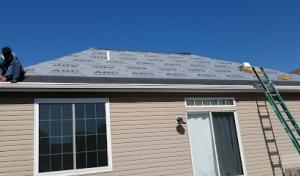
The strong local presence of emergency repair contractors reflects a Plainfield pattern where hail, wind-lifted shingles, and heavy rain can turn minor roof damage into active leaks quickly. A single gust can peel back edges and expose underlayment, and rain falling through a compromised seam or vent flashing can cascade into ceilings in minutes. Understand that a small nick in a corner or along a valley may become a dripping problem after the next shower, especially if storm debris keeps wedging itself into the roof line. Acting fast matters because the clock runs during a thunderstorm window and you don't want attic warmth and dripping to set in before a contractor arrives.
In winter, temporary protection matters because snow and refreezing can enlarge openings and drive water intrusion before a full replacement can be scheduled. Use sturdy tarps or roofing felt anchored well beyond the damaged area, and seal around penetrations with tape rated for outdoor use. Clear gutters and downspouts as soon as it's safe to do so, since backed-up rainwater will find any gap and leak into the attic space. If you can safely access the roof, cover loose shingles with a weatherproof barrier to slow entry, but avoid walking on damaged sections that could fail under your weight.
Fast response is especially important in this market because repeated storm rounds can hit before permanent repairs are completed. If active leaks are observed during or after a storm, call an emergency repair contractor promptly and document the damage with photos and timestamps. Keep a log of weather events, leaks, and any temporary repairs, so the insurer and the contractor have a clear timeline to work from.
When you're lining up a re-roof after a storm, the crew's ability to work around an occupied home matters more in Plainfield than in many other markets. Look for teams that design their tear-off and installation plan to minimize living-room disruption, keep driveways clear, and stage materials so they don't pile up in a busy curb lane. A crew that treats every project like a clocked fleet operation tends to finish faster, with fewer trips for missing shingles or tools. Ask to see a sample sequence from a recent re-roof on a comparable home, noting how long each phase stays active and how the crew manages tarps and debris.
Storm urgency in this area means homeowners demand rapid, tidy service. Prioritize crews who offer a clearly defined start window, a dedicated foreman on-site, and daily cleanups that leave your yard and driveway free of nails and scrap each afternoon. In long stretches of windy days, a responsible crew will have a plan for securing loose materials at dusk and for safeguarding landscaping and vehicles. The best Plainfield crews treat cleanup as part of the contract, not an afterthought, and they communicate adjustments promptly when weather shifts.
The market here blends long-established, family-owned shops with locally owned smaller outfits. That mix rewards two traits: responsiveness and reliability after the job is done. Ask for recent customer references and confirm how the company handles post-install follow-up, warranty questions, and service calls. Compare how quickly a crew can mobilize after a storm and how they coordinate with neighbors who share driveways or access points. In Plainfield, a straightforward, dependable crew that communicates clearly often proves more valuable than the lowest bid.