
Last updated: Apr 19, 2026
In Brownsburg, the local storm calendar is a reality you feel every spring and early summer: hail and wind events are common enough that many local roofers actively market storm-damage and insurance-claim help. Hail can ding shingles, loosen granules, and expose underlayment in ways that aren't always visible from the ground. Wind can peel up edges or lift sections, even on roofs that look intact from street level. The practical implication is simple: timing matters. If a storm hits, the window for timely inspection and mitigation closes quickly, and delayed action can turn a temporary tarp into a longer, more expensive project. A proactive claim approach helps lock in the right crew, the right sequence, and the right temporary protection before another round of weather moves in.
Spring thunderstorms and hail can create localized damage patterns across subdivisions, so neighboring homes in the same block may have very different claim outcomes after the same storm line. One roof might show obvious impact, while the next roof looks mostly fine until a later inspection reveals hidden damage to underlayment or flashing. That's why inspections can't be treated as a single neighborhood verdict. A homeowner should expect a careful, staged assessment that tracks wind zones, tree debris, and hail exposure level for their specific address. Prompt, documented findings help avoid mismatches between what the adjuster sees and what needs to be repaired or replaced on your roof.
Because reroof projects often depend on both weather windows and inspection scheduling, storm-season backlogs can affect how quickly damaged roofs move from tarp to replacement. A dry stretch matters, but so does the calendar around the next storm system and the next rain event. In practice, this means delays can come from several fronts: availability of the roofer's crew, supply chain hiccups for the chosen materials, and the timing of insurance adjuster visits. Planning should account for a realistic pace, with contingency days built into the schedule for weather interruptions and inspection hold-ups. Early coordination with the contractor and clear communication with the insurance carrier can help minimize idle days and keep the project on track when the skies clear.
A focused documentation approach reduces friction when the claim lands on a desk. Immediate photos of damaged areas, dated storm reports, and a concise list of impacted components-shingles, flashing, vent boots, underlayment-create a strong baseline for the adjuster. Keeping a running record of contractor notes, inspection photos, and any temporary tarping you've installed helps prevent back-and-forth delays. In years with heavy hail and wind activity, clear, timely documentation can accelerate approvals and keep the project moving through the inevitable weather-shifted timetable.
If a storm has just passed, contact a local roofer with storm-damage experience within 24 hours to initiate a prompt on-site assessment and documented findings. Schedule a dedicated inspection window that aligns with your weather forecast to avoid repeated tarping and reopenings. Coordinate the claim package with the contractor so your adjuster visit, material selection, and scheduling align, reducing the risk of back-and-forth changes that stall the project. A swift, organized approach helps ensure your roof repair or replacement proceeds through the seasonal rhythm rather than getting stuck in it.

RoofCo
7230 Arbuckle Commons Ste 175, Brownsburg, Indiana
5.0 from 194 reviews
RoofCo is a roofing contractor committed to providing a transparent, educational and straight forward experience for each customer we serve. We are committed to daily growth and a standard of excellence to ensure peace of mind for every customer.

Big Sky Roofing
115 E Main St, Brownsburg, Indiana
4.9 from 286 reviews
Big Sky Roofing, nestled in the heart of Brownsburg, is your trusted partner for all your roofing, siding, and gutter needs. As a locally owned and operated company, our commitment to delivering exceptional craftsmanship, coupled with our unwavering focus on customer satisfaction, sets us apart. Whether you seek to safeguard your property, elevate its curb appeal, or enhance your comfort, our seasoned professionals possess the experience and expertise to bring your vision to life.
Sustainable Roofing & Restoration
(317) 207-7652 www.sustainable-roofing.com
Brownsburg, Indiana
5.0 from 45 reviews
Sustainable Roofing & Restoration is a family owned and operated business located in Noblesville, IN. We serve homeowners throughout central Indiana by providing excellent restoration services with a focus on eco-friendly solutions. Our services include storm restoration as well as residential and commercial roofing. We also specialize in helping our customers navigate insurance claims. At Sustainable Roofing & Restoration our goal is to protect your home while helping the planet.
Cox Roofing
(317) 600-8838 www.coxroofingsystems.com
217 E Main St, Brownsburg, Indiana
5.0 from 43 reviews
Cox Roofing is a professional roofing company in Brownsburg, IN, specializing in top-quality residential roofing and commercial services. With a team of experienced roofers, we offer comprehensive solutions including new roof installations, essential roof repair, and complete roof replacement. We're a trusted commercial roofer, handling projects of all sizes and recognized for our meticulous attention to detail, exceptional workmanship, and unwavering commitment to customer satisfaction, offering comprehensive roof inspection services and dependable maintenance. We pride ourselves on using high-quality materials and delivering dependable roofing solutions. Give Us A Call Today And Let Our Team Help You With Your Roofing Needs!
Stay Dry Roofing
(317) 447-5459 staydryroofing.com
7230 Arbuckle Commons Suite #168, Brownsburg, Indiana
5.0 from 25 reviews
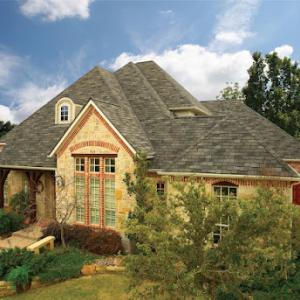
Stay Dry Roofing in Brownsburg is a local 46112 roofing company handling residential roof repair & roof replacement. If you are looking for a new roof installation near Brownsburg you have come to the right place. We offer free roof inspections if your home was hit by hail or has storm damage on the roof or exterior. Call today for a roof inspection near the Northeast side of Indy and near the Brownsburg area. We are available for emergency roof repair work!
Knox Services
554 Pit Rd Ste 107, Brownsburg, Indiana
5.0 from 14 reviews
Knox Services' Brownsburg, Indiana location specializes in providing high-quality roofing and siding services tailored to meet the needs of homeowners and businesses in the area. With a commitment to superior craftsmanship and excellent customer service, Knox Services ensures every project is completed efficiently and to the highest standards. Their experienced team offers reliable solutions for roof repairs, replacements, and siding installations, using premium materials to ensure long-lasting results. Dedicated to customer satisfaction, the Brownsburg location focuses on clear communication, timely service, and competitive pricing. Knox Services is your trusted partner for protecting and enhancing the value of your property.
Eagle Roofing & Restoration Brownsburg
(463) 250-8111 myeaglerestoration.com
7230 Arbuckle Commons Suite 7, Brownsburg, Indiana
4.8 from 22 reviews
Eagle Restoration is a locally owned Storm Restoration General Contractor specializing in Roofing, Siding, Seamless Gutters, and Painting. Licensed, Bonded, and Insured, we are your go to contractor when storms ravage your home. Specializing in Hail and/or Wind Damage, we know how to navigate the insurance claims process and take that headache away from our customers. We don't just handle insurance claims, though, we can handle retail projects as well. Check out our Services Section to see what we specialize in. Our main concern is to give you the best possible customer service experience while delivering quality work as quickly as possible and making sure you are treated well. Eagle Restoration - We'll restore your nest. Call today

Indy Rooftops - Roofing Repair Contractor
(317) 617-3928 indyrooftops.com
Serving
5.0 from 420 reviews
Indy Rooftops is a leading roofing contractor serving Indianapolis, IN, known for delivering high-quality, reliable roofing services. Whether you need roof repair, replacement, or installation, their expert team offers top-notch solutions tailored to your needs. With years of experience and a commitment to customer satisfaction, Indy Rooftops ensures that every job is completed to the highest standards. They specialize in residential and commercial roofing services, using only the best materials and industry-leading techniques. Trust Indy Rooftops for all your roofing needs in Indianapolis.

ATR Roofing
(317) 460-1191 allthatroofingin.com
Serving
4.9 from 170 reviews
Are you seeking a reliable roofing contractor in Central Indiana? ATR Roofing is your trusted local expert, proudly serving residential and commercial property owners since 2020. As a licensed and insured roofing contractor, we specialize in a wide range of services—from roof repair and replacement to maintaining various commercial roofing types including metal roofs, TPO, EPDM, PVC, ballast, spray-on silicon, and traditional shingles. We are committed to using only top-quality materials, delivering exceptional workmanship, and providing personalized solutions tailored to your roofing needs. With ATR Roofing, you can count on professional service, clear communication, and a long-lasting roof designed to protect your home or business
MK Property Solutions
(317) 200-8468 www.mkpropertysolutionsindy.com
Serving
4.9 from 49 reviews
We provide Property Solutions is the leading Indianapolis Roofing Company. With over 13 years of A+ Service and 25+ years of experience. We are a professional partner for your roofing and construction needs in Indianapolis. We offer a variety of services such as gutters, siding, roofing, bath remodels, kitchen remodels, home reconstruction, fencing, and decks while delivering the utmost professionalism. Our customer service is award-winning because it derives from our need to Keep our Customers Satisfied! Specializing in: - Bathroom Remodeling - Concrete Contractors - General Contractors - Kitchen Planning & Remodeling Service - Home Improvements - Home Repair & Maintenance - Building Contractors

Victors Home Solutions
Serving
5.0 from 43 reviews
With almost two decades of roofing experience and a BBB Accredited A+ rating, Victors Home Solutions is the premier roofing and home improvement company across Indiana, Michigan, Ohio, and Kentucky. We provide the highest quality residential roof repairs and replacements, window and gutter installation, and attic insulation services. From our free 21-Point Roof Inspection to our 50-Year Leak Free Guarantee, we’ll protect your home and family for years to come.
O C Roofing Services
(317) 869-9234 www.olycontracting.com
Serving
4.9 from 50 reviews
O C Roofing Services, a roofing contractor established since 2009, is your trusted specialist for all your roofing needs. Whether it's a new installation or repairs, you can be confident you'll receive the right roof at the right price. With a team of skilled professionals, they offer free inspections and estimates, ensuring you get the best roofing solution for your property. They specialize in a variety of materials, including asphalt shingles, EPDM, TPO, metal panels, and tiles. They also provide gutter installation for a complete roofing system. Contact O C Roofing Services today to schedule an appointment and let them take care of your roofing needs.
Asphalt shingles are the practical default for most homes built in the suburban stock that characterizes this area. They fit the typical roof lines and attic spaces found on large numbers of single-family homes, and they're straightforward to replace after hail or wind events. When a storm hits, you'll find a fast, reliable reroof path with these shingles, plus the ability to match color and granule loss with nearby houses. In homes that already use asphalt, a like-for-like replacement keeps the roof visually cohesive and avoids mismatched edges or flashing gaps that can complicate insurance timelines and repairs.
Metal roofing is not rare here, reflecting homeowner interest in longer service life and snow-shedding performance during central Indiana winters. If your home already has a metal roof or you're replacing one that sustained storm damage, you'll benefit from its superior wind resilience and the way it sheds ice and snow away from the eaves. Local specialists understand typical browning and fastener patterns on these systems, which helps manage wind-driven debris and hail impact. However, weight, flashing details, and the need for exact panel alignment can complicate retrofits on older homes. If you're considering metal, plan for professional assessment of structural support, underlayment compatibility, and color-matching options for a seamless look with surrounding houses.
Clay tile, concrete tile, synthetic/composite shingles, and slate show up in the market but are less common in this area. Homes not originally designed for these systems often encounter structural, flashing, and replacement-matching challenges after a storm. Clay and concrete tiles are heavy and can transfer more weight onto framing; they also need precise flashing where walls meet the roof and around chimneys. Synthetic or composite shingles can mimic other materials but may not always respond the same way to hail impact or temperature cycling, which affects longevity and warranty coverage. Slate is prized for appearance and durability but demands significant structural support and exacting installation details, making compatibility with existing roof geometry a frequent sticking point.
In the context of frequent hail and wind events, choose a material that balances ease of replacement after damage with long-term resilience. Evaluate how a roof's weight, flashing design, and panel or shingle profile will interact with typical Brownsburg homes, especially those with valley-heavy designs or complex ridge lines. The goal is a system that can be repaired cleanly after a storm, maintains solid flashing integrity, and blends well with neighboring roofs to preserve curb appeal. When discussing options with a contractor, bring examples of local homes that weathered hail without excessive granule loss or visible edge damage, and ask about panel or shingle warranties that cover impact resistance under central Indiana conditions.
Snow and freeze-thaw cycles in Central Indiana drive a quiet but stubborn risk for roofs: ice damming. When attic heat leaks into the attic space, warm roof areas melt a thin layer of snow at the top edge, which refreezes as it moves toward the colder eaves. Over time, that concerted ice buildup can push water back under shingles and into the attic or ceiling joints. In a typical Brownsburg home, this happens not because the shingles failed, but because the roof system isn't coordinating heat management, drainage, and ventilation as a single, continuous path. That means the problem may originate at the attic level, well above the visible scope of a shingle inspection.
Ventilation is not a afterthought but a critical piece of a code-conscious reroofing approach in this area. Final reroof inspections commonly verify ventilation along with decking and flashing, so upgrades to soffit, ridge, and general attic air exchange aren't merely comfort improvements-they're part of the required, complete roof system. If the attic isn't ventilated well enough to sustain a cool, dry roof deck during winter, moisture can accumulate, and condensation can form inside roof assemblies. That moisture potential becomes a hidden driver of long-term damage, including warped decking, accelerated shingle deterioration, and even mold risks that show up as damp patches on ceilings after a freeze-thaw cycle.
Homes in this part of Indiana can show leak symptoms after winter weather even when shingles look intact, because the failure point may be at eaves, flashing transitions, or poorly vented roof assemblies. Ice dams can press against flashing at valleys or transitions, forcing water to seek alternate entry routes. In some cases, the damage is incremental and cumulative: subtle staining near eaves, small damp spots on ceiling corners, or sparkling mineral deposits along flashing seams that hint at slow leaks. Those signs rarely announce themselves with a loud splash; they whisper through winter and into spring. Paying attention to these hints is essential, especially in homes with older venting layouts or less-than-ideal attic insulation.
A practical approach recognizes that a balanced roof system is more than shingles. When planning a winter-focused restoration or retrofit, prioritize a holistic assessment: ensure attic insulation meets current standards for the space, verify that soffit and ridge vents are unblocked and properly sized, and inspect flashing transitions around chimneys, skylights, and dormers. If a retrofit is needed, plan for a net improvement in ventilation rather than a temporary fix, because the goal is to break the cycle of heat loss feeding ice dam formation. In this region, a proactive stance on ventilation correlates with fewer winter surprises and a more durable, leak-resistant roof performance through the next storm season. Brownsburg homes, with their mix of era and style, benefit from upgraded venting that keeps attic temperatures stable and roof decks drier when the town's next hail-wind cycle arrives.
A full reroof in Brownsburg generally requires a building permit issued through the Town of Brownsburg Building Department in coordination with Hendricks County. Before any shingles are lifted, you or your contractor should file for permit review, ensuring your project details align with local code requirements and neighborhood standards. Because storm-restoration work often moves quickly after a hail or wind event, ask for a clear plan from your contractor about how they will handle permit submittals, inspections, and any required structural or ventilation upgrades. The Building Department typically expects permit paperwork to include roof plan details, vent locations, and a scope of work that covers decking and flashing. Keeping documentation organized-permits, inspection approvals, and any notice of violation or repair order-helps prevent delays if storm-damage documentation or insurance notes are involved.
Local final inspections typically verify roof decking condition, ventilation, flashing, and overall code compliance after completion. The inspector will check that the decking is sound, that attic ventilation meets current standards, and that flashing around chimneys, skylights, valleys, and boundaries is properly installed. It is common for inspectors to confirm proper nail patterns and shingle alignment as part of the final review. Your contractor should be prepared to address any deficiencies flagged during the inspection promptly, since a re-inspection may be needed if issues are found.
Inspection timing in Brownsburg commonly runs about 1-2 weeks after submission, weather permitting, so homeowners should build that timing into storm-season project schedules. In the heart of hail-wind seasons, storms can create backlogs or short-notice inspection requests; plan to coordinate dates with your contractor and the Building Department well in advance. If a weather setback pushes projects back, communicate with both the contractor and the inspector about revised inspection windows. Having a contingency window for inspections minimizes the risk of project standstills and helps preserve the integrity of the reroof during mid-season weather events.
Keep a single, organized file with permit receipts, inspection appointment confirmations, and any correspondence about roof decking or ventilation upgrades. When storms trigger rapid reroof plans, verify that an approved permit is in place before any decking work begins and that the project scope aligns with permit conditions. If you anticipate insurance coordination, confirm that your documentation shows the scope of work clearly for the adjuster and for the final inspector to avoid miscommunications later. Lastly, maintain open lines of communication with your contractor about expected inspection dates and any weather-related scheduling changes to keep the process moving smoothly.
When you price a roof in this area, you'll notice clear ranges by material. Asphalt shingles run roughly from $320 to $650 per square, while metal roofs sit between $700 and $1,400 per square. If clay tile is on your radar, expect $900 to $2,500 per square, concrete tile from $800 to $1,800, and synthetic or composite shingles from $300 to $650 per square. Slate comes in higher, around $1,300 to $2,800 per square. These numbers reflect the local market and the cushioning effect of nearby suppliers who frequently service storm-recovery work.
In years with hail and strong winds, you'll feel scheduling pressure tighten quickly after a big event. Subdivision reroof waves can create backlogs, so response time and crew availability may tighten more than in a typical year. Planning ahead for a preferred crew and timeline becomes practical, especially if your home is in a neighborhood that's neighbors also targeting a quick recovery. If a storm hits, expect lead times to shift and prices to edge upward as crews balance demand with material delivery windows.
Reroofing that uncovers decking damage, needs ventilation corrections, or requires flashing work tends to push the project above the base material price. In Brownsburg, extra decking repair or replacement is not unusual after a thorough inspection following a hail event, and that work adds cost and time. Similarly, upgrading attic ventilation or correcting ventilation imbalances can contribute to the final bill. When those issues surface only after the roof is opened, the project may drift into the higher end of the local ranges, depending on the scope.
Begin with a material budget buffer that addresses the upper end of the local ranges if you anticipate storm-related repairs may be needed. If your plan includes upgrading to metal or a tile option, prepare for a steeper overall investment and a potentially longer replacement window in peak storm seasons. For asphalt shingles, a mid-range plan often makes sense, with a contingency for flashing or decking repair if an inspection reveals hidden damage. In any case, timing around hail and wind seasons matters, as the market tends to tighten and prices to fluctuate accordingly.
Don't let upfront costs delay a critical repair - these contractors offer payment plans to fit your budget.
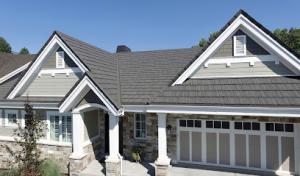
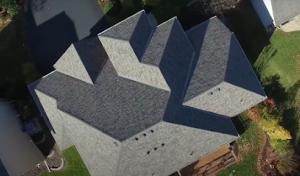
Brownsburg sits in a central Indiana weather-claim environment where hail and wind losses are common enough to influence both policy scrutiny and contractor workflows. That pattern means storm season you know well can trigger tighter insurer review and more complex restoration timelines. When a hail or wind event hits, the clock starts ticking on damage evaluation, claim filing, and the sequence of a reroof if needed. Understanding that dynamic helps you plan realistically rather than chasing a buzz of urgency that isn't backed by the paperwork.
Insurers serving this market typically expect prompt notice of damage, detailed contractor estimates, and before-and-after photos, and adjusters may ask for proof of materials and workmanship. In practice, that means you should document any suspected damage as soon as you can, and keep your contractor's written scope clear and thorough. The claim package often travels faster when the contractor's estimate aligns with the observed damage and includes a full materials list, a description of workmanship standards, and clear photos from multiple angles. In a neighborhood with common shingle wear and wind-driven impacts, shed light on cosmetic issues that might hide structural concerns, because adjusters will review both to determine coverage.
Because some carriers have tightened coverage in higher-risk cases, homeowners need to understand depreciation, matching issues, and whether a repair-versus-replacement decision will satisfy both insurer and local inspection requirements. Depreciation can reduce initial payout, and you may be asked to justify why a full replacement is the proper remedy instead of a patchwork fix. Matching concerns mean new material needs to visually integrate with aging sections, or you risk an insurance denial or a reduced claim. In practice, a well-documented, coordinated plan that shows both immediate repairs and long-term protection often aligns insurer expectations and supports smoother inspections.
When a file moves from conversation to assessment, keep your communications precise and timely. Collect all material samples, warranty details, and installation photos from the contractor, and store them with claim records. If a dispute arises about whether a repair or replacement is warranted, insist on a clear rationale tied to observed damage, code-safe workmanship, and the likelihood of recurring losses from future hail or wind events. A steady, transparent approach helps you protect value while staying aligned with Brownsburg's demanding storm-restoration pace.
Wind in this area tends to stress roofs at the edges where shingles meet ridge caps and exposed flashing. Look for lifted tabs, missing granules along the ridge, and edge blows that loosen the base of the roof line first. Debris-prone transitions, such as where a wall meets the roof or where vents and pipes pass through, often show wear before a full roof reveals its weakness. Inspect along eaves, dormers, and along the soffit line where wind-driven gusts tend to grab material and pull it upward. When you walk the roof, keep a close eye on any sections that look uneven or cracked, even if the rest of the surface looks intact.
Spring hail can bruise asphalt shingles in ways that aren't obvious from the ground. A close, up-close photo audit after a hail event helps capture subtle denting or moisture traps that aren't visible from afar. Focus on the areas around the ridge, capped edges, and mid-tab zones where impact marks often sit. Missing granules can accelerate aging, so look for dull, soft, or pothole-like impressions that dry out and crack over weeks. A careful sequence of photos from multiple angles, including attic entries if accessible, gives a clearer record for adjustments and potential repairs.
Chimney and skylight work shows notable demand, which signals frequent leak diagnosis at penetrations and wall-to-roof intersections. Inspect seals around flashing where metal meets shingles, and study the wall-to-roof interface for any gaps or soft mortar that could admit moisture. Where metal flashing overlaps roof planes, check for lifted edges and corrosion spots. Pay special attention to vent boots and conduit penetrations; these are common leak points after winter thaw, wind-driven movement, or seasonal temperature shifts. A proactive, targeted inspection of these zones often reveals the most cost-effective fixes.
Find contractors experienced in skylight installation, flashing, and leak repairs to bring natural light into your home.

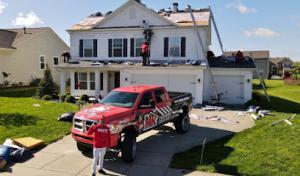
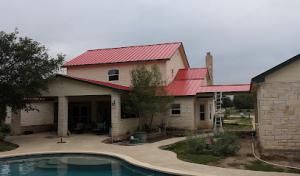
While steep-slope residential reroofing dominates, there is still a smaller but real local market for flat or low-slope sections on additions, porches, garages, and mixed-use properties. These areas often blend into the main roof but behave differently under load, drainage, and wear. Pay attention to the connection points where the low-slope section meets the primary roof deck, as those details drive long-term performance and maintenance needs.
Central Indiana snow and rain patterns mean low-slope sections are more prone to ponding and ice-related issues than the adjoining steep areas. Evaluate drainage paths carefully: ensure that low-slope portions have adequate slope, clear scuppers, and properly sized downspouts that discharge away from foundations. Look for signs of standing water after heavy rain or snowmelt, and check that the edge joints and flashing transitions are designed to resist both wind-driven spray and ice buildup.
Flashing transitions between a low-slope addition and the main roof require meticulous detailing. In these zones, a single misstep on sealant or flashing material can lead to leaks that seem to originate from the interior or from the attachment point rather than the surface. Use metal flashing where possible, with properly sealed overlaps and kick-outs that direct water away from the roof edge. Regularly inspect these transitions for lifted edges, seam separation, or compromised sealant, particularly after hail events.
Homeowners in Brownsburg should treat low-slope sections as separate roof systems during inspections, estimates, and insurance documentation rather than assuming the whole roof is one assembly. Document the age, material type, slope, and flashing details for the low-slope portion separately from the main field. This clarity helps with warranty coverage, claim handling after storm damage, and scheduling maintenance or reroof work without conflating the two distinct systems.
Find specialists in TPO, EPDM, and built-up flat roofing systems for residential and commercial properties.
Metal Roofing Indianapolis
(463) 231-3049 www.metalroofingindianapolis.net
Serving
5.0 from 71 reviews
Roof Replacement Indianapolis
(463) 255-5936 www.roofreplacementindianapolis.net
Serving
4.9 from 50 reviews

The local market shows strong signals for fast response, reroofing, and cleanup included in service packages, so you should expect crews to mobilize quickly after a storm and focus on site protection to minimize interior damage. Look for a contractor who can outline a clear timeline from tarp to finish and who commits to protecting landscaping and gutters during the process. In practice, that means you want a crew that shows up with a plan for securing the site, covering openings, and removing debris in a single, focused visit rather than piecemeal visits.
When multiple homes in a neighborhood are reroofed at once, Brownsburg homeowners often see ads promising low base prices paired with storm and insurance services. The key is to compare scope details: what exactly is included in the tear-off, waste disposal, underlayment, venting, sealant work, and cleanup. Ask for a written scope that shows the sequence of work, protection measures, and whether ancillary tasks (gutters, attic insulation checks, fascia repair) are bundled or billed separately. A robust scope reduces surprises if several roofs are being done in the same area.
Manufacturer-certified installers and warranty-backed crews are present but not dominant, so verify credentials directly. Confirm who will furnish the warranty, what workmanship coverage exists, and how long it lasts. If a contractor cannot provide a clear, written warranty or cannot confirm the installer's qualifications for your chosen material, consider a different option-even if it costs a bit more upfront. This ensures stronger workmanship and system-backed protection for years to come.