Last updated: Apr 19, 2026
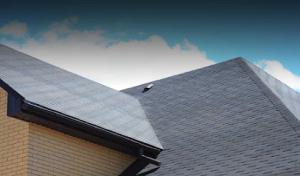
Storm damage in this area often arrives as a cascade: a spring or summer derecho, hail, and sudden bouts of heavy rain that test shingles and flashing. Local contractor signals show storm damage, emergency repair, and insurance-claims help are the most prevalent specialties in the Martinsville market. When wind speeds spike or hail hits, shingles can lift or crack in minutes, and flashing around dormers, chimneys, and vents can fail just as fast. If you notice sags, loose granules in gutters, or a promptly worsening damp odor inside the attic after a storm, treat it as an active leak risk, not a remote problem. Acting quickly can stop a small opening from becoming a costly, roof-wide repair.
Spring storms and occasional hail are a defined local seasonal risk, making wind-lifted shingles, flashing damage, and impact marks a leading homeowner concern here. In a wooded hill country landscape, tree limbs and branches often whip around enough to strike exposed edges and valleys, creating micro-fractures that leak during even light rains. Because rainfall is spread through the year in Martinsville, even small storm openings can turn into active leaks quickly instead of waiting for a distinct dry season. Watch for missing shingle tabs, displaced ridge venting, and dented or torn metal flashing along the rake and chimney lines. If there is any visible daylight in the attic or ceiling stains that appear after a storm event, treat it as urgent and schedule a temporary patch while arranging a formal assessment.
First, document the scene: snap clear photos of any damaged edges, lifted tabs, bruised panels, or flashing gaps, plus the date of the storm and the exact location on the roof. Second, create a temporary shield: tarps or heavy-duty plastic over accessible openings to slow water intrusion while professional help is arranged. Third, reduce interior exposure: place buckets under active drips and protect valuables in upper closets or attics where the water has traveled. Fourth, avoid a DIY fix that risks more damage: professional temporary patches are built to shed water and withstand wind while you pursue a formal repair plan. Fifth, gather a basic chronological history: note each storm event, rainfall amounts if known, and any changes in interior moisture. This history helps adjusters understand the timeline of the leakage when filing an insurance claim.
Storm-damage claims in this market benefit from a focused, organized record. Start by compiling a dated, detailed list of damaged components: shingles that've torn, flashing that's lifted, and visible impact marks. Include the first signs of water intrusion, the rooms affected, and any mats or ceilings showing seepage after a storm. Preserve contractor assessments, temporary repair receipts, and a written outline of recommended long-term fixes. When meeting with an adjuster, present the timeline of events alongside the visual evidence to demonstrate how a localized event evolved into a broader leak scenario. In practice, the faster you document and initiate professional evaluation, the smoother the insurance dialogue becomes and the better the odds of a timely, effective restoration.
Indy Roof Rangers
(317) 244-7663 www.indyroofrangers.com
5839 Volunteer Ln, Martinsville, Indiana
5.0 from 159 reviews
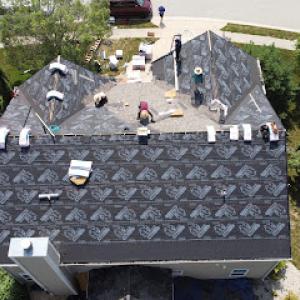
With our unwavering commitment to excellence, Indy Roof Rangers is your top roofing contractor in the area. Dedicated to providing homeowners with superior residential and commercial roofing services, they extend their expertise to siding, gutters, and various other projects, ensuring complete protection and enhanced curb appeal. This fully licensed and insured company is renowned for its unparalleled customer service and unwavering dedication to achieving outstanding results on every project. Indy Roof Rangers stands as a trusted partner, delivering tailor-made solutions with exceptional craftsmanship and meticulous attention to detail.
Oscar Roofing
(812) 545-1381 oscaroofing.com
Martinsville, IN
5.0 from 112 reviews
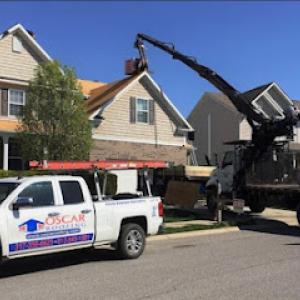
As a Bloomington roofing company serving Indiana since 2003, Oscar Roofing is a local family-owned and operated establishment. With over 20 years of experience, our Bloomington roofers consistently deliver 100% customer satisfaction and high-quality roofing installation, replacement, and replacements for every project. We provide 5-star residential and commercial roofing services, along with gutter installation and interior/exterior painting services. With reasonable prices, high-quality work, and great warranties, there’s a reason our local clients become customers for life. Contact us today for a free roof inspection and quote for your home or business in Bloomington or the surrounding areas. Hablamos Español!
Wes Knox & Sons Roofing
(765) 346-3679 wesknoxandsonsroofing.com
7976 St Road 44, Martinsville, IN
4.9 from 74 reviews
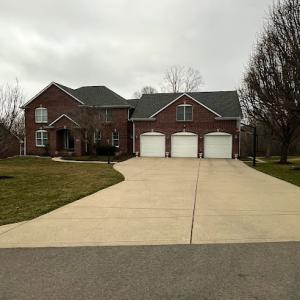
Wes Knox & Sons has been providing exceptional service in residential roofing since 1987. We specialize in complete roof replacements, new construction roofing installations, and roof inspections. Our team gets the job done quickly and correctly, to ensure your investment stays protected against the elements. When you choose Wes Knox & Sons you’re treated like family, not a number. Proud to be veteran owned and operated, contact us to get your free estimate today!
Golden Roofing & Restoration
5560 State Rte 142, Martinsville, Indiana
5.0 from 5 reviews
As your trusted partner in Martinsville, Golden Roofing & Restoration offers a new standard of excellence in roofing and restoration services. Opened in June 2024, our team is dedicated to protecting your home with top-tier craftsmanship and peace of mind. Specializing in everything from expert repairs and full roof replacements to comprehensive building and fire damage restoration, we deliver unmatched quality and reliability. When you choose Golden, you are choosing a commitment to superior results and customer care for all your home's exterior needs.
R.A.Curless Construction
(765) 318-6611 racurlessconstruction.com
2040 Plummer Rd, Martinsville, Indiana
5.0 from 3 reviews
R.A.Curless Construction is a residential and commercial roofing contractor serving Central Indiana. Family owned and operated since 1985.
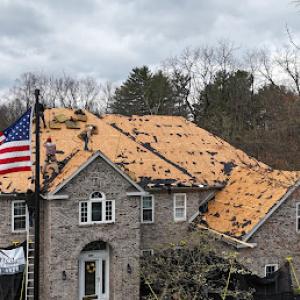
Petersen Construction & Roofing
(317) 584-6768 petersenconstructionandroofing.com
Serving
5.0 from 31 reviews
Petersen Construction & Roofing does roof repair, replacement, and maintenance work for homeowners in Mooresville, throughout Morgan County, into Plainfield, and in the entire Greater Indianapolis Area. With over 21 years of experience, they are skilled at detecting problems early, repairing them efficiently, and doing dependable installation work. They pride themselves on prompt response times, and they offer same-day scheduling and emergency services as far as their staffing will allow. Homeowners can apply for financing, allowing greater opportunity to manage short-term budgets while still getting necessary work done. Call Petersen Construction & Roofing today to get a free estimate.
Taylor Made Roofing & Construction
Serving
4.6 from 30 reviews
Taylor Made Roofing & Construction is your industry-leading roofing contractor in Morgantown, IN and the surrounding areas. We provide a variety of services including roofing installation, roofing repair, gutter cleaning, exterior painting, interior painting, and more. We have the skill and experience necessary to serve as your professional residential and commercial roofing company, offering the highest quality services and customer care in the area.
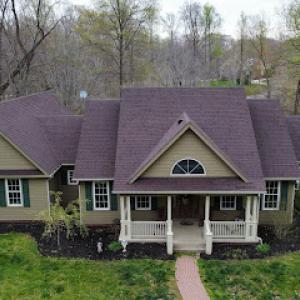
Freedom Roofing & Gutters
(317) 801-0595 www.freedomroofingllc.net
Serving
4.9 from 79 reviews
Looking for high-quality and affordable roofing? Look no further than Freedom Roofing! We're a leading roofing company with over 10 years of experience in the industry. We specialize in all forms of exterior services such as roofing, including asphalt, gutter repairs, gutter replacement, repair shingle, and vinyl siding. No matter what your roofing needs are, we're here to help! We're proud to offer top-notch customer services such as insurance claims and workmanship, and we're dedicated to providing our clients with the best possible experience. Contact us today for a free roof inspection!
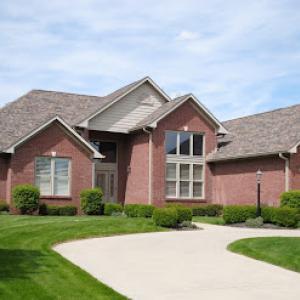
LJS Contractors - Roofing & Restoration
(317) 834-4766 www.ljscontractors.com
Serving
5.0 from 34 reviews
Indiana's Local Roofing Leader! LJS Contractors - Roofing and Restoration has been specializing in roofing since 1995. We have extensive experience working with insurance companies and property owners to restore hail damaged property. What sets John Monaghan apart from many other roofing contractors is the knowledge he has amassed having personally, physically roofed many homes. While he no longer performs the installs he is very involved in each roof that we install. He will inspect your roof for damage, work with your insurance company and oversee the project to its conclusion.
Rapid Roofing & Restoration
(812) 837-9654 www.rapidroofs.com
Serving
4.9 from 116 reviews
Trust your local residential & commercial experts for all your roofing, siding & gutter needs. For over 28 years we've provide top-quality results & customer satisfaction matters to us!

Simple Roofing
(317) 883-7537 www.simpleroofingllc.com
Serving
5.0 from 27 reviews
We understand that your home is your most valuable asset and that when it comes to selecting a contractor there are too many options, with no single source of truth. Simple Roofing was founded in 2017 with the intent to help our community care for and maintain their homes. We stand firmly by our values and all of our work. As a trusted member of the community, we hope to narrow down the number of contractors you have to sort through. Our mission is to partner with every customer that chooses Simple Roofing to deliver them with the highest level of service and to standby our work when the job is done. If our customers aren’t happy, the job isn’t done.
RCV Roofing, Siding & Gutters
Serving
4.9 from 757 reviews
RCV Roofing, Siding & Gutters has been a trusted name for homeowners across the greater Bloomington area for more than 35 years. As a family-owned and locally operated company, we deliver expert roof repairs and replacements, each backed by our 25-Year Craftsmanship Warranty. Our commitment goes beyond installing quality roofs—we focus on providing a seamless, stress-free experience. From the initial consultation to project completion, every job is handled with clear communication, careful attention, and reliable follow-through. That’s what defines The RCV Roofing, Siding & Gutters Experience. Trusted by thousands throughout Bloomington, we take pride in protecting your home and your peace of mind. Contact us today.
Asphalt shingles remain the workhorse for most homes in this market, where the large re-roofing turnover is common after spring storms. In Martinsville, the summer UV exposure and heat cycle can speed up granule loss and sealant aging, so choose a shingle with a proven algae resistance and a robust warranty. When evaluating replacement, consider a architectural or laminate profile, which tends to provide better wind resistance and a longer visual life in wooded lots where shade and debris can magnify exposure. A careful edge detail matters: ensure flashing around chimneys and vents is installed with compatibility to asphalt to prevent edge-fin flashing failures during rapid temperature shifts. For a homeowner handling a storm repair, document any hail impact or wind-blown damage on shingles and request color-matched granules if possible to maintain curb appeal while repairs are performed.
Metal roofing is seen in this area for its snow-shedding performance and resilience to temperature swings. If you pursue metal, pay close attention to flashing around penetrations, valley joints, and transitions to existing roofs or walls. Winter freeze-thaw cycles stress edges and fasteners, so insist on corrosion-resistant materials and a fastening layout that accommodates movement without compromising sealant integrity. A Martinsville project also benefits from proper underlayment and a well-sealed ridge cap to prevent ice damming in shoulder-season temp changes. Consider lighter structural loading implications and confirm attic ventilation is adequate to prevent condensation beneath metal panels, which can be more noticeable in attic spaces with heat buildup during long summer days.
Clay tile and concrete tile are present in this market, but their heavier weight increases installation complexity and can demand structural consultation before a re-roof. If selecting tile, verify the existing structure's ability to carry the load and plan for reinforced rafter spacing or additional support where needed. Wood shakes provide a distinctive look in wooded surroundings, yet they require regular maintenance to guard against decay and insect damage, alongside more frequent inspections after storms. Synthetic or composite shingles offer a middle ground, combining some of the durability of tile with a lighter footprint, and they can be a favorable option for retrofit projects on homes with marginal framing. In any of these heavier systems, budget extra attention to the roof deck condition, dampness, and proper ventilation to avoid moisture-related failures under the weight and during hot, humid Indiana summers.
Weather resiliency, storm response, and long-term performance hinge on a few practical steps. Start by inspecting after every major storm for lifted edges, lifted granules, or damaged flashing, then target quick repairs to prevent leaks from spreading with the next rain. For any non-shingle system, verify that the roof deck is sound, the underlayment is appropriate for the chosen material, and the attic is vented to minimize ice dam risk and heat buildup. In a market with mixed material use, matching sealants, fasteners, and flashing details to the dominant system on the home helps ensure a cohesive, longer-lasting result.
In this area, you'll see local cost ranges that reflect the climate and housing stock: asphalt shingles typically run about $350 to $650 per square, metal from $550 to $1100 per square, clay tile $900 to $1800, concrete tile $800 to $1500, wood shingles or shakes $500 to $900, and synthetic or composite shingles $420 to $850 per square. These figures come from the typical bids you'll see when storms spike demand and contractors rush to repair or replace damaged roofs after the spring and summer weather swings. If you're replacing a whole roof, you'll want to compare bids carefully and ask for a breakdown that mirrors these ranges so you're not surprised by material upcharges, disposal fees, or tear-off costs.
Storm activity in Morgan County areas often drives quick-response repair work, and that urgency can push prices higher for a short window after a big event. In Martinsville, it's common to see bids spike when the weather has left shingles curled, gutters dented, or flashing compromised. If a contractor comes to you within days of a hail or wind event, expect some premium for rapid scheduling and after-hours work. On the other hand, if you can plan for a replacement during a calmer stretch, you'll typically find steadier pricing and fewer expedited-crew surcharges. Budget for a margin that accounts for possible weather-related delays, especially if winter sets in sooner than expected.
The wooded hill country and summer heat in this part of Indiana influence material performance. Asphalt shingles are often the most economical choice and suit typical residential roof lines, while metal can handle rapid temperature changes and ash or pine debris better in some neighborhoods. Clay and concrete tiles bring durability but add weight and require structural checks; in older Martinsville homes, that weight and the attic ventilation play into the installation plan. Wood shingles offer a classic look but demand careful maintenance in humid summers. Synthetic or composite shingles can strike a balance between cost and resilience, especially if you want a longer service life with moderate upkeep.
Expect typical installation timelines to stretch over several days, with crews prioritizing weather windows to avoid moisture intrusion. In the aftermath of heavy storms, you may see multiple crews in the neighborhood, which can create short-term traffic and access challenges. When budgeting, include potential disposal and tear-off fees, as well as any scaffold or debris mitigation required by local constraints. If you're considering upgrades like enhanced underlayment, secondary water barriers, or upgraded vents, align those choices with the chosen material to maximize long-term performance and resale value.
After a damaging event, the documentation you gather matters. Collect before-and-after photos, a clear inventory of affected areas, and a line-by-line material and labor estimate from your contractor. This helps support insurance claims and reduces back-and-forth during settlement. For replacement projects that occur after storms, you'll want a detailed scope that shows material types, square footage, hail or wind evidence, and any incremental costs tied to expedited scheduling. Having this ready saves time when adjusters review your claim and keeps the process from stalling during peak repair season.
Get a clear picture of your project costs upfront - no commitment required.
Wes Knox & Sons Roofing
(765) 346-3679 wesknoxandsonsroofing.com
7976 St Road 44, Martinsville, IN
4.9 from 74 reviews
Petersen Construction & Roofing
(317) 584-6768 petersenconstructionandroofing.com
Serving
5.0 from 31 reviews
Permits in this area are not optional paperwork snakes; they're a real part of getting a full roof replacement done properly. In Martinsville, a building permit is usually required for a full roof replacement through the Morgan County Building Department. The process is designed to verify that the work aligns with local framing, ventilation, and weatherproofing standards, so an earlier contact with the department often saves the project from hold-ups later. Expect the permit office to ask for project details, materials, and a basic plan of how rainwater will be controlled during the job. Having a contractor who knows the local steps can keep the timeline realistic and reduce the chance of delays caused by missing forms or mismatched documentation.
Inspections in this jurisdiction aren't a one-and-done signoff; they're woven into the project timeline. Scheduling typically happens during the work and again after substantial completion. That means you'll likely see a permit inspector come by after the roof deck is prepared, once underlayment and flashing are installed, and again after shingles or panels are in place. Coordinating these visits with weather windows is helpful, especially given Morgan County's tendency toward sudden spring storms and heat-driven dry spells in summer. Planning around inspection dates helps keep the project moving rather than stalling for a missed cue.
Local inspectors focus on practical, on-the-ground details that matter for long-term performance. Venting is checked to ensure attic temperatures don't bake moisture into the deck, and flashing is scrutinized where walls, chimneys, skylights, and roof penetrations meet the field. The goal is to confirm that the installed roofing materials meet code requirements and that installation follows the approved plan. If a contractor is working from a stamped plan, any deviations should be communicated ahead of time to prevent backtracking during a later inspection. Stay proactive by documenting vent locations, flashing transitions, and ventilation paths before the job starts.
Coordinate with your contractor to align the work pace with the inspection schedule, and keep a folder of the permit, inspection dates, and any correspondence from the building department. Clear access for inspectors and a clean, safe work zone reduce the chance of delays. For storm-repair scenarios, having a temporary mitigation plan-such as tarping exposed areas and prioritizing flashing over the most vulnerable penetrations-can help protect the home while awaiting the next inspection window. Remember that if anything isn't up to code during an inspection, corrections will be required before the project can proceed to the next step.
Indiana homeowners in Martinsville generally follow a standard claim process in which adjusters review storm-damage documentation and photo evidence. After a severe weather event, the path often moves quickly from emergency tarping to a formal inspection, with an adjuster meeting you at the property. The key is to keep a clear timeline and keep the weather-driven urgency in mind-the cycle between damage, assessment, and remediation can stretch as storm-damaged roofs reveal hidden leaks once rain resumes.
After severe weather, carriers commonly request detailed photos of shingle damage, flashing failures, interior leaks, and any temporary tarping completed before full repair. Take high-resolution images from multiple angles, focusing on roof edges, valleys, dormers, and areas where water enters the attic or ceilings. Include close-ups of lifted tabs, granule loss, and any hail impact marks. It helps to have pictures from before the event for comparison if available, and to timestamp shots to corroborate the sequence of damage.
Because this market has a strong insurance-claims assistance signal, homeowners in Martinsville are likely to encounter contractors who routinely work alongside adjusters after storms. When you engage a contractor, ensure they document the scope of work in a way that aligns with the adjuster's findings, and that they provide a written estimate detailing shingle replacement, flashing repair, and interior mitigation. Avoid accepting only a verbal agreement or a low-visibility plan; insist on a written scope with photos and a proposed timeline. If a tarp is used, keep receipts and document the condition of the roof and attic space after tarping, as this evidence supports the claim and sets clear expectations for the repair phase.
Be cautious of contractors who press for rapid signatures or promise immediate full payment before inspection. Insurance carriers rely on thorough documentation and photos to justify approved repairs. If the adjuster's findings seem incomplete, request a follow-up inspection or a supplemental claim with additional photos. Staying organized and communicative helps ensure that the claim proceeds smoothly and that the resulting repairs address both visible damage and potential latent leaks.
Connect with contractors who help homeowners navigate the claims process from damage assessment to final approval.
Indy Roof Rangers
(317) 244-7663 www.indyroofrangers.com
5839 Volunteer Ln, Martinsville, Indiana
5.0 from 159 reviews
Wes Knox & Sons Roofing
(765) 346-3679 wesknoxandsonsroofing.com
7976 St Road 44, Martinsville, IN
4.9 from 74 reviews
In Martinsville, the winter freeze-thaw cycle quietly tests flashing details and roof transitions. When water seeps into small gaps around chimneys, vents, and valley edges, repeated freezing and expansion can lift shingles or loosen sealants. The result is slow, creeping leaks that aren't always obvious from the attic. The practical approach is to inspect after thaw periods, looking for dark spots or damp rafters near penetrations, and to keep pathways clear for a quick rain test after a freeze spell ends. If you notice hairline cracks at the flashing base or misaligned step flashing where a chimney meets the roof, address these promptly before a heavy thaw pushes water deeper.
Hot summers multiply wear on shingles, especially on older roofs already weakened by prior storms. In Martinsville's sun-baked afternoons, sealants soften and blister, allowing water to travel under edges that seem sound during spring. Pay attention to curled edges, lifted granules, or dark streaks along the eaves. A routine check mid-summer helps catch mid-season failures before a rainstorm exposes a larger leak. If you see fast-changing shingle edges or soft spots when walking on the roof, plan for targeted repairs sooner rather than later, and consider proactive resealing around vents and flashings.
Autumn winds and rainfall can disrupt installation timing locally, which matters in a market where many projects are re-roofs rather than new construction. Strong gusts can lift vulnerable edges and misalign temporary tarps or underlayment during a repair window. If shingles are fluttering or loose during a windy spell, secure loose edges and verify that underlayment laps are properly overlapped. Schedule critical work before the heaviest rains arrive, but be prepared for weather-adjusted timelines if a contractor is juggling multiple storm-repair projects.
Skylights in this part of Indiana show up often enough in Martinsville contractor signals to be a meaningful specialty rather than a fringe service. When you're evaluating a roof with skylights, pay attention to the curb and the surrounding flashings-not just the glass. In homes that have seen years of freeze-thaw cycles and heavy spring rains, the weakest link is usually where the skylight meets the roof, not the plain field shingles. If a skylight is original, treat replacement as a full system upgrade: better curb sealing, improved flashing, and a properly pitched curb can dramatically reduce hidden leakage that sneaks in after a storm.
Morgan County inspections emphasize flashing, and full replacement jobs need to nail the curb and perimeter detailing. That means the transition from skylight to roof must be sealed with compatible materials that flex with temperature swings. In Martinsville's wooded hill country, the long-term success hinges on how the flashing integrates with nearby shingles, not only at the edge of the skylight but along the entire perimeter. Check for gaps where the curb meets the roof deck, and ensure the drip edge and underlayment extend correctly under the skylight flashing. If you notice staining, peeling sealant, or damp spots along the skylight frame after a rain, it's a sign the perimeter detailing needs attention now, before a winter freeze compounds the problem.
Freeze-thaw stress and year-round rainfall make penetrations and transition flashing vulnerable year after year. Leaks can migrate along flashing joints and hide behind ridge lines or near vents. Regular inspection after heavy storms should focus on the skylight frame, fasteners, and any signs of ice dam buildup near the skylight edge. Address issues promptly to avoid interior damage that compounds as temperatures swing from cold to hot.
Find contractors experienced in skylight installation, flashing, and leak repairs to bring natural light into your home.
Indy Roof Rangers
(317) 244-7663 www.indyroofrangers.com
5839 Volunteer Ln, Martinsville, Indiana
5.0 from 159 reviews