
Last updated: Apr 19, 2026
In Mooresville, spring hail and thunderstorms are a primary roofing trigger, making impact damage to asphalt shingles a leading homeowner concern. That means a sudden storm can leave dozens of nearby homes needing attention within days, not weeks. If shingles show dimpling, granule loss, or a shiny new look where granules have worn away, those signs often appear after a severe spring event. The risk is compounded by high winds that can lift edges, curl tabs, or loosen fasteners. For homeowners, the clock starts ticking the moment the thunder rolls: dents and microcracks can propagate under freeze-thaw cycles, and hidden damage commonly surfaces after a heavy rain or when a cold snap follows a storm. Quick, decisive action reduces the chance of water entry behind fascia, vents, or under flashing, and preserves attic and interior integrity during the long Indiana winter that follows.
Morgan County-area roof projects can stack up after regional storm events, which affects how quickly inspections, tarping, and replacement dates can be scheduled. After a large event, crews can be tied up for days or weeks, and even a reputable contractor may run behind. If the roof shows signs of punctures, lifted shingles, or lifted granules, a prompt, documented claim with an insurer is essential to avoid delays that push work into the next available weather window. Scheduling inspections while the roof is still dry is critical; water intrusion during the transition between spring and summer can complicate damage assessment and lead to disputed coverage. Keep a log of every visible issue-photos taken immediately after the storm, notes from neighbors about observed leaks, and timestamps of rainfall on the affected area. This documentation helps claims adjusters see the urgency and accelerates the path to a proper evaluation.
Fall wind events and leaf buildup, combined with winter freeze-thaw cycles, make timing especially important for leak control and full replacement scheduling in Mooresville. Wind-driven debris can compromise edging, vents, and chimney flashing, creating persistent leak paths that only reveal themselves after a few dry days reveal moisture stains. Leaves clog gutters and downspouts, creating ponding on roofs and around parapets; that standing moisture accelerates shingle wear and can hide microcracks until a heavy rain test comes through. As temperatures cool, small leaks often expand, and the cost of rushing a temporary tarping job versus a completed replacement becomes clear when a late-season storm arrives. The key is to secure temporary protection quickly after a verified damage event and to coordinate with both the insurer and a trusted local roofing contractor who understands how winter conditions will affect material choices, installation sequencing, and the available weather windows.
When damage is suspected, an immediate, staged approach helps preserve claims integrity and minimizes exposure to worsening conditions. Start with a thorough visual inspection, focusing on exposed fasteners, shingle edges, and any irregular flashing around chimneys or skylights. Photograph the affected area from multiple angles and note the date of observation and the exact weather since the last rain. Contact the insurer for a claim appointment as soon as possible, and request a dedicated adjuster inspection within the first week after the storm if damage is evident. Work with a local roofer who can provide a rapid tarping plan to prevent leaks while the claim is reviewed, followed by a scheduled replacement window that respects both the insurer's assessment and the region's typical weather gaps. In this climate, delay is the enemy of a durable, reliable roof. Acting decisively keeps the roof, attic, and interior spaces safer through the remainder of spring and into the next winter.
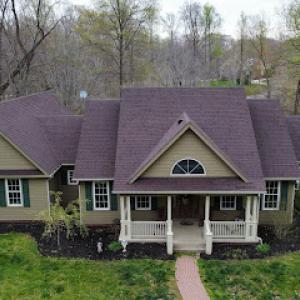
Freedom Roofing & Gutters
(317) 801-0595 www.freedomroofingllc.net
350 E High St, Mooresville, Indiana
4.9 from 79 reviews
Looking for high-quality and affordable roofing? Look no further than Freedom Roofing! We're a leading roofing company with over 10 years of experience in the industry. We specialize in all forms of exterior services such as roofing, including asphalt, gutter repairs, gutter replacement, repair shingle, and vinyl siding. No matter what your roofing needs are, we're here to help! We're proud to offer top-notch customer services such as insurance claims and workmanship, and we're dedicated to providing our clients with the best possible experience. Contact us today for a free roof inspection!
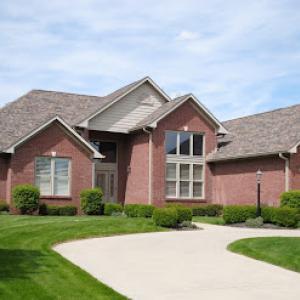
LJS Contractors - Roofing & Restoration
(317) 834-4766 www.ljscontractors.com
125 E Greencastle Rd, Mooresville, Indiana
5.0 from 34 reviews
Indiana's Local Roofing Leader! LJS Contractors - Roofing and Restoration has been specializing in roofing since 1995. We have extensive experience working with insurance companies and property owners to restore hail damaged property. What sets John Monaghan apart from many other roofing contractors is the knowledge he has amassed having personally, physically roofed many homes. While he no longer performs the installs he is very involved in each roof that we install. He will inspect your roof for damage, work with your insurance company and oversee the project to its conclusion.
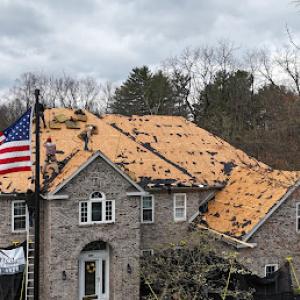
Petersen Construction & Roofing
(317) 584-6768 petersenconstructionandroofing.com
1765 Keys Rd, Mooresville, Indiana
5.0 from 31 reviews
Petersen Construction & Roofing does roof repair, replacement, and maintenance work for homeowners in Mooresville, throughout Morgan County, into Plainfield, and in the entire Greater Indianapolis Area. With over 21 years of experience, they are skilled at detecting problems early, repairing them efficiently, and doing dependable installation work. They pride themselves on prompt response times, and they offer same-day scheduling and emergency services as far as their staffing will allow. Homeowners can apply for financing, allowing greater opportunity to manage short-term budgets while still getting necessary work done. Call Petersen Construction & Roofing today to get a free estimate.
Intelligent Exteriors
(317) 584-5522 www.facebook.com
148 E Main St, Mooresville, Indiana
4.7 from 13 reviews
We are locally owned and home grown, based out of the south side of Indianapolis. We serve Indianapolis and all surrounding cities with our main office operating out of Mooresville. Our goal as contractors is to educate our customers on any and all exterior options. We want to serve our communities as best as possible since we grew up here! High pressure sales tactics do not fall in line with our operational procedures at Intelligent Exteriors! Our desire is to be completely transparent in all things Exteriors. If you invite us to your home, you can expect a full inspection, with pictures & video evidence of any issues at hand.
Archangel Exteriors
9442 Bishop Ln, Mooresville, Indiana
4.7 from 12 reviews
Archangel Exteriors is a roofing company in Indiana that offers roof replacement services. Although we started as a painting company, roofing and siding presently comprises more than one-third of our total projects. When your roof requires more than just a few repairs, a complete replacement might be necessary. We provide free roof assessments to determine if you need a new roof or if repairs will suffice. We use drone for accuracy and provide a free photo inspection report to show you everything we find during the assessment. We take pride in exceptional workmanship and do not sell you something you don't need. We clean up our work area at the end of every workday to respect your property.
Roof Machine
9442 Bishop Ln, Mooresville, Indiana
5.0 from 5 reviews
Roof Machine, LLC is a roofing company in Indiana that offers roof replacement services. When vour roof requires more than just a few repairs, a complete replacement might be necessary. We provide free roof assessments to determine if you need a new roof or if repairs will suffice. We use drone for accuracy and provide a free photo inspection report to show you everything we find during the assessment. We take pride in exceptional workmanship and do not sell you something you don't need. We clean up our work area at the end of every workday to respect your property.
Rascon Roofing & Restoration.
Serving
4.8 from 24 reviews
At Rascon Roofing Restoration, we acknowledge how important it is to have a robust, durable roof over your head. For over ten years, we have been mastering all the necessary tools and techniques, allowing us to provide residential and commercial customers in Camby, IN, with the state's best roofing services.
M&P Roofing
Serving
5.0 from 5 reviews
Here at M&P ROOFING, we are roofing contractors that not only replace roofing shingles but we also replace gutters and house sidings. We are a small local business in the Indianapolis and surrounding areas. Because we are local, your business is our top priority so our jobs are one day service! Call now for a free estimate!
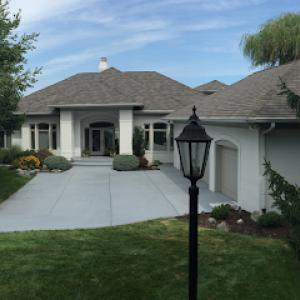
Pro Roof Plus
Serving
5.0 from 33 reviews
Pro Roof Plus Owner Joe Shields has been in the Plainfield roofing business for over 25 years. We maintain an A+ Rating with the Better Business Bureau, Angie’s List, and we are Screened and Approved as a professional Plainfield roofing contractor. Professional Roofing Plus is an Owens Corning Preferred Contractor. Pro Roof Plus specializes in roof repair, roof replacement, siding, as well as interior and exterior renovations. Call to schedule a free inspection.
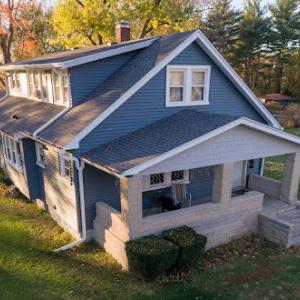
Guarantee Roofing & Fence
(317) 659-6144 guaranteeroofingco.com
Serving
4.9 from 34 reviews
Guarantee Roofing and Fence is a home services contractor in Plainfield serving Avon, Danville, Camby, Monrovia and nearby areas since 1919. We offer residential roofing, commercial roofing, fencing, gutters, solar installation, and more. Customers love us because of our quality craftsmanship, excellent customer service, and over a century of reliability. We also have industry affiliations and certifications such as GAF Master Elite 2 Star President Club Award Winner. Contact your reliable Plainfield roofing company for a free estimate!

All Seasons Roofing & Restoration
(317) 437-1944 goroofrepair.com
Serving
4.8 from 88 reviews
All Seasons Roofing & Restoration is the reputable choice for home restoration in Indiana since 2017. With experienced specialists in roofing, siding, and fire damage restoration, they ensure superior results, meticulously addressing every need, no matter the size of the project. Their commitment to quality reflects in the transformed properties they leave behind, ensuring a rejuvenated look and heightened functionality. Whether it's a minor repair or a complete restoration, All Seasons Roofing & Restoration promises impeccable craftsmanship and unparalleled customer service.
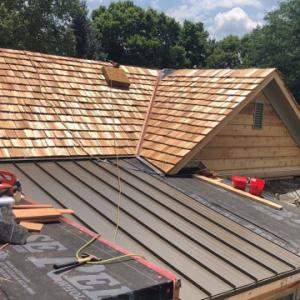
Restoration Builders Indiana
(317) 279-6137 restorbuilders.com
Serving
5.0 from 33 reviews
Welcome To Restoration Builders of Indiana. Restoration Builders of Indiana is a residential & commercial contractor operating in the United States. Our mission is to protect, restore and build properties, strengthen families and support our communities. We are committed locally and ready to serve wide scale for disaster response. Our repair and restoration experts provide assistance with everything from roof inspections and minor repairs to comprehensive storm damage rebuilds and just about everything in between. Contact us for a free inspection: info@restorbuildersIN.com.
In Mooresville, asphalt shingles dominate the market, reflecting the town's history of storm-related re-roofs and insurance-driven replacements. For homeowners facing hail or wind, they're a straightforward choice that you can rely on for a solid balance of cost, ease of installation, and return-to-service speed after a claim. When choosing asphalt, look for those with a higher impact resistance rating and a layered (architectural) profile to better shed water and resist wind uplift. This choice also tends to keep typical snow and rain patterns from creating excessive edge wear along eaves and hips.
Metal roofing has a meaningful local presence, signaling interest in durability through snow, rain, and seasonal temperature swings. If you expect severe weather or want a long service life, metal can be a strong match. In practice, metal performs well under freeze-thaw cycles and can help with rapid shedding of moisture after storm events. However, installation details matter: the flashing at corners, penetrations, and transitions require careful attention to prevent leaks, and the roof deck may need reinforcement for longer spans or heavier panels. A metal option often pairs best with homes that have straightforward, rectangular plans and modern or mid-century styling.
Clay tile, slate, synthetic/composite shingles, and fiber cement exist in the market but are less common. These materials bring distinct aesthetics and performance, yet they demand different structural and installation practices compared to standard shingle tear-offs. Clay tile and slate are heavy enough to require structural evaluation and, in some cases, upgraded decking or support systems. Synthetic/composite and fiber cement can offer good fire resistance and weather tolerance, but the installation details-such as tile patterns or panel fastening-must align with the roof's geometry and the home's existing flashing. For homes with complex rooflines or historic character, premium materials can deliver long-term value if the structure and detailing are properly prepared.
Seasonal weather windows influence planning in this area. If a storm has caused widespread damage, rapid assessment and a plan aligned with your insurance process helps keep the project on track. Homes with shallow pitches or multiple ridges should consider the accessibility of the sheathing and ventilation, since proper attic airflow matters when warming cycles swing temperatures. In any case, the choice should balance the appearance that suits the home, the local storm history, and the long-term performance you expect from the roof.
In this market, replacement costs are framed per square, with ranges tied to material type: asphalt shingles typically run from 350 to 600 USD per square, metal from 600 to 1100, clay tile from 1200 to 2800, synthetic or composite from 450 to 900, slate from 1500 to 4000, and fiber cement from 600 to 1400. The "per square" unit matters in Mooresville because roof sizes, dormers, and tricky layouts can push the total square count quickly, and every added square translates to more material and labor dollars. When budgeting, use these per-square ranges as the baseline and then add allowances for waste, access, and any needed underlayment or flashing work.
In Mooresville, storm-driven demand surges can push labor scheduling and pricing pressure higher after hail and wind events, especially for full re-roofing. When a large neighborhood is hit in a short window, crews often prioritize storm-related work, which can affect availability and lead times. That compression can raise daily labor rates and stretch project timelines, particularly for replacements that require extensive coordinating with multiple trades, staging equipment, and careful debris management. If a claim is involved, expect the scheduling dance to hinge on weather windows and crew availability, not just material stock.
Costs can also shift based on whether the project is a straightforward shingle replacement or a heavier material upgrade that requires more labor, staging, and detail work under local permit and inspection oversight. A basic asphalt shingle job will stay within the lower-to-mid range for that material, but upgrading to metal, clay tile, slate, or fiber cement drives the price up quickly per square, with additional considerations for weight, roof framing, and potential fascia or gutter work. Heavier materials not only add material cost but demand more careful sequencing, additional fasteners, and sometimes structural assessment. Plan for longer timelines and a contingency to cover weather interruptions and debris management when a storm-repair scenario evolves into a full re-roof.
Start with a hail/wind damage assessment that isolates per-square replacement needs by material type, then align that with available contractors who understand the local weather pattern and typical seasonal gaps. If a claim is involved, keep clear records of damage, photos, and inspections, because timing around inspections and approvals can influence when work begins and finishes. For a roof centered on a few slopes or with dormers, anticipate a few extra squares of waste and trimming, which will tune the final cost upward. Finally, discuss staging and access with the contractor to minimize disruption during potentially tight weather windows and to ensure that the project remains on track despite seasonal volatility.
Get a clear picture of your project costs upfront - no commitment required.
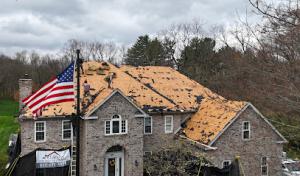
Petersen Construction & Roofing
(317) 584-6768 petersenconstructionandroofing.com
1765 Keys Rd, Mooresville, Indiana
5.0 from 31 reviews
A full roof replacement in Mooresville typically requires a permit handled through the local building department serving Mooresville and Morgan County. The permit process is there to ensure that new materials and installation methods meet current wind-resistance and safety standards, which is especially important given the area's hail-and-wind storm cycles and winter freeze-thaw stresses. The department's review timeline can be influenced by the project scope and the season, so planning ahead helps keep replacement work on track.
Homeowners should expect a permit application review plus inspection scheduling as part of the process. A rough-in inspection may occur during the project, often to verify that the roof deck, underlayment, and flashing details align with code expectations before the shingles go on. A final inspection is conducted after completion to confirm that the installation matches the approved plan and satisfies wind-resistance criteria. In practice, this means the contractor should not assume that simply replacing shingles with the same profile qualifies automatically; the inspection checks installation details, fastener patterns, and edge treatments to ensure long-term performance under Indiana winds.
Local review is tied to compliance with applicable wind-resistance expectations, so replacement scope and installation details matter beyond simply matching the old roof. The inspectors look closely at how new vents, drip edges, step and valley flashing, and starter courses are integrated with attic ventilation and roof-to-wall connections. If new roof framing, deck ventilation, or upgraded underlayment are part of the project, those elements must be clearly described in the permit plans and verified during inspections. Having an up-to-date, code-compliant plan from the outset reduces the chance of delays or rework.
Before applying, gather the property deed number, a detailed roof plan, and product specifications for the chosen materials, including underlayment and fastener types. Have the contractor submit the permit package with the attachment of the construction plan, wind-resistance notes, and a minimal scaffold or safety plan if required. During the project, coordinate rough-in inspection timing with the building department to avoid sequencing delays. After completion, ensure the final inspection date is set promptly so that final approvals are recorded and the project can be closed out with the permit.
Mooresville sits in an Indiana claims environment where hail and wind losses are common enough that insurers often require detailed photos, measurements, and line-item scope documentation. That means when a roof damage event happens, you're likely to be asked for a careful, papered record of what was damaged, how large the affected area is, and exactly what your claim covers. Prepare for a process that moves through photos, notes, and a clear timeline rather than a single receipt of repairs. If a storm hits hard, don't assume a quick settlement will happen simply because the damage seems obvious from the ground. Insurers cross-check visuals with measurements and a detailed scope before moving forward.
Adjusters routinely inspect roofs after a claim, and outcomes can hinge on age, repairability, and whether code-related items are triggered. A roof that's near the end of its life or shows widespread wear may be treated differently from a newer, well-maintained surface. If a line of damage spans shingles, flashing, and underlayment, expect questions about how repairs would impact overall performance, especially in winter freeze-thaw cycles. Documentation matters: clear photos taken from multiple angles, a measured map of affected sections, and a line-item description of each damaged component help the adjuster see the full picture. Understand that some decisions are influenced by code-related considerations, so be ready to discuss upgrades that address current standards, not just patchwork fixes.
Because storm activity drives many local roofing jobs, homeowners in this area benefit from documenting damage immediately after weather events before temporary repairs or further deterioration change the evidence. Take current photos with timestamps, note the date of the storm, and keep any temporary tarps or coverings evident in the images. If you must make temporary repairs to prevent further damage, photograph the repairs as they're done and save receipts. Having a precise, contemporary record helps keep the claim focused on the actual damage rather than on later assumptions, and it reduces the risk that the adjuster considers the evidence less reliable due to intervening conditions. In short, timely, organized documentation can shape the claim outcome as much as the roof itself.
Mooresville's winter freeze-thaw cycle can stress vent seals and underlayment, turning minor flashing weaknesses into active leaks. When cold snaps follow warm spells, rooftop materials expand and contract, loosening fasteners and creating micro-cracks where old sealants sit. Those tiny gaps may seem inconsequential during a dry spell, but once meltwater refreezes in place, these openings can become persistent drips inside ceilings and cabinets. Regular checks after temperature swings help catch issues before they cascade into more extensive damage.
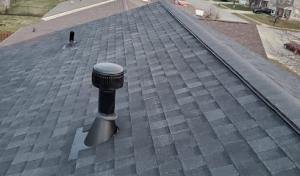
Homes with roof penetrations such as vent stacks and skylights are especially vulnerable when snow, meltwater, and refreezing cycle through the same roof areas. Snow that sits on and around these features can pool and refreeze, pushing against seals and flashing. Over time, that pressure trains water to find any weak seam and then ride down into attic spaces or interior walls. Skylights with aging flashing or vent stacks with brittle booting are common trouble spots after a series of storms. Inspecting these areas after heavy snowfall or rapid thaws can prevent a small drip from becoming a larger intrusion.
This makes mid-season leak response important locally, even when a full replacement must wait for a better weather window. Quick, targeted repairs-such as resealing flashing, replacing worn booting, and addressing loose shingles around penetrations-can stop active leaks in their tracks. Delays in addressing such leaks often lead to hidden rot and insulation damage that complicates an eventual full replacement.
If you notice a drip around a vent or skylight, minimize interior damage by placing a bucket and laying towels to catch water while you arrange a professional inspection. Keep gutters clear of ice buildup where possible to reduce meltwater backing up toward the roof. When a thaw brings sun, monitor the attic during warmer afternoons for any increased condensation or warmth along penetrations, then schedule a targeted fix before the next cold snap hits.
Find contractors experienced in skylight installation, flashing, and leak repairs to bring natural light into your home.
LJS Contractors - Roofing & Restoration
(317) 834-4766 www.ljscontractors.com
125 E Greencastle Rd, Mooresville, Indiana
5.0 from 34 reviews
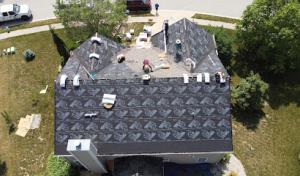
Although Mooresville is primarily a pitched-roof market, some homes, additions, porches, and garages still have low-slope sections that need different materials and detailing. Those areas are the first to reveal moisture issues when fall debris and wet leaves slow drainage during Indiana's wetter seasonal transitions. Understanding where these low-slope zones sit on the house helps target inspections after each storm and during seasonal changes.
Low-slope tie-ins can complicate otherwise simple re-roofing projects, especially when storm repairs are being scoped for insurance. Look for transitions where the roof plane changes pitch, such as where a porch roof meets the main living roof or where a garage roof abuts a daylight basement. In these spots, standard shingles may not provide the same drainage and lap requirements as the primary roof. Pay attention to evidence of pooled water, mineral buildup from wet leaves, or dark staining near seams and penetrations. If a low-slope section exists, plan for a detailing approach that prioritizes proper drainage and appropriate flashing materials.
In practice, choose materials and flashings rated for low-slope performance, and specify "low-slope" or "low-runoff" installation guidelines with the contract. The goal is to maintain a continuous water barrier at transitions and penetrations. For hangers, step flashing, and boot seals, ensure compatibility with the chosen membrane or shingle type. When storm damage calls come in, separate the scope of work for low-slope sections from the primary roof to avoid misalignment on insurance assessments and to ensure timely, accurate repairs.
During Indiana's wet transitions, clear fall debris promptly from low-slope areas and inspect for clogged drainage points. After heavy storms, re-check seals around penetrations and flashing to catch issues before wind-driven leaks take hold. In Mooresville, a proactive, targeted approach keeps these vulnerable sections functioning well through winter and spring rains.
Find specialists in TPO, EPDM, and built-up flat roofing systems for residential and commercial properties.
Residential Roofing Indianapolis
(463) 275-2194 www.residentialroofingindianapolis.com
Serving
4.9 from 44 reviews
In a market with heavy storm-related re-roofing, you should carefully separate what the manufacturer covers for materials from what the contractor is responsible for on workmanship. Material warranties generally promise the performance of shingles, underlayment, and associated components as they are designed. Workmanship coverage, meanwhile, addresses how the roof was installed, flashing details, nail patterns, and sealing integrity. Understanding which portion protects you after a hail or wind event helps you anticipate where disputes may arise and how to document claims if a storm re-roof becomes necessary.
This area often sees a surge of projects after a severe storm, with roofs replaced during busy seasons when crews are stretched and paperwork quality can vary. If a claim is filed through insurance, the quality and detail of your contractor's documentation-before, during, and after the project-matters. Expect itemized change orders, photos of hail impact zones, and clearly logged warranty terms for any upgrades or alterations. A clear paper trail reduces ambiguity about what was installed, when, and how potential defects will be addressed under warranty.
Warranty clarity becomes especially important when replacement includes upgraded materials, flashing changes, or items identified during permit and inspection review. Upgraded materials may carry their own separate warranty terms from the manufacturer, and not all contractor warranties extend automatically to these enhancements. Flashing configurations-transition details around chimneys, vents, and valleys-often drive long-term performance, so confirm that the warranty covers these specifics. If inspections flag code-related changes or required modifications, ensure the warranty explicitly accounts for those items and who bears responsibility for ongoing performance.
Ask for a written warranty that clearly separates material coverage from workmanship, with covering parties identified. Verify the duration, what exactly is covered, and any required maintenance or timely inspections to keep the warranty in force. Request a documented list of upgrades and any flashing or venting changes, plus how those elements are protected under warranty. Finally, ensure the contractor provides proof of manufacturer-backed warranties for any upgraded components, and that those terms align with the project's scope and the home's exposure to storms.