
Last updated: Apr 19, 2026
Portage winters bring repeated freeze-thaw cycling that can age asphalt shingles faster by stressing seal strips, exposed nail areas, and flashing transitions. When the temperature swings above and below freezing, water that wouldn't normally intrude can seep into small gaps and refreeze, lifting shingles and widening gaps at flashing. The result is a creeping process that weakens the roof surface and creates pathways for water to travel inward during a storm or a rapid thaw. In homes with older shingles or compromised flashing, this cycle accelerates deterioration and raises the risk of interior leaks weeks after a big snow event. Treat each winter as a testing field: if you notice curling edges, lifted tabs, or granules in the gutters after a warm spell, address it before the next freeze.
Local inspections emphasize attic ventilation and underlayment, which directly ties to the ice-dam risk homeowners face during winter. Poor ventilation can trap humidity and heat in the attic, warming the roof deck and softening ice dams from above while cold surfaces below push meltwater back toward the eaves. A robust underlayment - especially in regions prone to heavy snow - acts as a secondary barrier once shingles fail to shed water efficiently. If the attic feels unusually warm or ductwork runs across the attic without proper baffles, that heat will travel downward, accelerating dam formation. In practical terms, schedule a winter inspection that focuses on soffit intake, ridge or soffit vent balance, and the condition of the underlayment beneath the shingles. Fixing ventilation and upgrading underlayment now can dramatically reduce the chance of leaks when a heavy storm hits.
Heavy snow followed by thawing is a practical scheduling issue in Portage because active leaks may need temporary protection before full replacement can be completed. Don't wait for a roof collapse to act; plan for staged repairs when mid-winter ice begins to form or when a thaw creates active wet spots inside the attic or ceilings. If a leak is detected during a thaw, temporarily tarp the affected area and redirect interior drips to a safe catch container until a professional can assess flashing, ventilation, and the roof deck integrity. This approach minimizes interior damage and buys time for a more durable solution that can withstand the next cold snap.
In port weather, storms can move quickly and create sudden exposure at critical joints. If a winter storm brings heavy moisture, seal around penetrations such as flashing transitions with temporary flashing or roof-safe sealant to prevent further water intrusion. Check the attic hatch and any penetrations for signs of condensation or dampness after a major thaw. If active leaks persist, prioritize stopping the water source above with temporary measures and arrange a professional assessment as soon as weather allows. The longer moisture sits on a compromised roof, the higher the risk of structural damage or interior mold.
When replacement becomes necessary due to age or damage, timing matters. Freezing temperatures place additional strain on sealants and underlayment, so plan replacements for periods with more predictable precipitation and milder winter days if possible. In severe winters, heavier tile systems will trigger closer scrutiny of roof structure during the permitting process for stiffness and load-bearing adequacy; ensure the roof deck and trusses are evaluated for the added weight and ensure proper ventilation and flashing transitions are implemented during the project. Properly sequenced work - from ventilation and underlayment upgrades to careful flashing and deck repairs - minimizes the risk of premature failure and ice-dam recurrence in the following season.
In Portage, homeowners contend with a full seasonal damage cycle: spring hail and storm leaks, summer thunderstorm wind damage, and autumn wind stress at flashing and underlayment edges. Each season brings its own pressure points-hail pummeling shingles and causing granular loss, heavy winds lifting edges and opening seams, and rapid temperature swings that aggravate existing weaknesses. When the weather shifts from warm and humid to freezing, frozen gutters and clogged attic soffits can magnify issues already started by a brutal storm. Because of that, the roof becomes not just a shelter but a first line of defense against water intrusion and interior damage. The risk isn't limited to obvious dented panels or missing granules; it extends to concealed failures in underlayment, flashing, and the roof-to-wall junctions that quietly erode over time. If a storm hits hard, the clock starts ticking on potential secondary damage, and prompt triage matters as much as the storm itself.
The local insurance environment places heavy emphasis on photo documentation, contractor estimates, and roof condition reports when wind or hail damage is claimed. When a claim is filed, clear, timestamped photos of affected areas-especially attic signs of moisture, ceiling stains, roof edge corrosion, and displaced flashing-strengthen the case. Contractor estimates should be prepared with attention to the specifics of your roof assembly, including underlayment condition and flashing details. A comprehensive roof condition report that notes visible damage and potential hidden weaknesses can help insurers assess the true scope of loss. In Portage, the insurer may request evidence of impact ratings for certain materials and proof of installation quality that meets current standards. Be ready to provide documentation from a reputable roofing professional who can speak to both the observed storm effects and the integrity of the installation.
Insurers in this market may ask for impact ratings and proof of code-compliant installation, so replacement decisions often hinge on a combination of storm evidence and installation records. When a claim involves wind or hail, focus on creating a robust, coherent narrative that connects the storm event to observed damage and to the upgrade path you're proposing. If a roof shows widespread edge damage, flashing lift, or underlayment failure, plan for an assessment that includes the attic space and roof deck condition. Use the storm evidence to frame urgency: if water intrusion is documented or you spot sagging in the decking or batten strips, escalation to replacement rather than repair may be warranted. Coordinate with a contractor who can deliver a detailed, itemized scope that aligns with what the insurer requires, and ensure the installation plan reflects durable methods-proper flashing, sealed edge joints, and ventilation considerations-to withstand Portage's freeze-thaw cycles.
Find local contractors experienced in assessing and restoring roofs after hail, wind, and severe weather events.
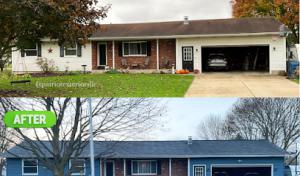
Patriot Exteriors
(269) 443-7200 www.patriotexteriorsllc.com
8108 Shaver Rd, Portage, Michigan
4.7 from 199 reviews
Horner Roofing & Siding
(269) 978-0791 hornerroofingandsiding.com
576 Romence Rd #234, Portage, Michigan
5.0 from 5 reviews
Property Revolution Roofing & Decks
(269) 575-0878 mypropertyrevolution.com
8175 Creekside Dr, Portage, Michigan
5.0 from 2 reviews
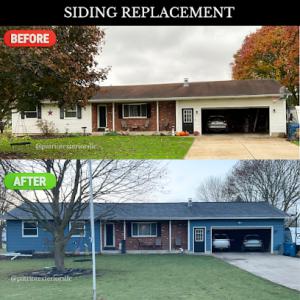
Patriot Exteriors
(269) 443-7200 www.patriotexteriorsllc.com
8108 Shaver Rd, Portage, Michigan
4.7 from 199 reviews
Patriot Exteriors is a trusted home exterior remodeling company proudly serving Southwest Michigan, including Kalamazoo and Portage. We specialize in roofing, siding, window replacement, and exterior repairs that protect and beautify your home. As a GAF Master Elite Certified Contractor, we meet the highest standards of quality, reliability, and customer satisfaction in the roofing industry. Michigan weather can be hard on your home, we make repairs and upgrades simple, honest, and affordable. Guided by integrity, transparency, and craftsmanship, Patriot Exteriors delivers results you can rely on. Contact us today to schedule a consultation and experience the difference true professionalism makes.
R & M Roofing & Exteriors
(269) 290-6446 randmroofing.com
Portage, Michigan
4.7 from 21 reviews
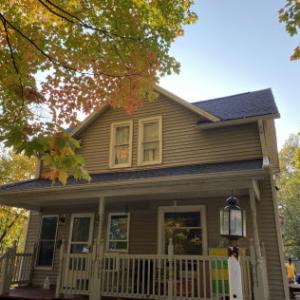
HIRE AN EXPERIENCED ROOFING CONTRACTOR IN PORTAGE, MI If you want to keep your roof doing its job of protecting your home, it's important to work with the right roofing contractor. A less experienced company may not be able to provide you with reliable service, but R & M Roofing and Exteriors can. We're proud to be a preferred provider of residential roofing services in the Portage, MI area. Keep a Sturdy Roof Over Your Head HIRE AN EXPERIENCED ROOFING CONTRACTOR IN PORTAGE, MI If you want to keep your roof doing its job of protecting your home, it's important to work with the right roofing contractor. A less experienced company may not be able to provide you with reliable service, but R & M Roofing and Exteriors can.
White Pine Renovation
(269) 270-7489 whitepinerenovation.com
5148 S Sprinkle Rd, Portage, Michigan
5.0 from 7 reviews
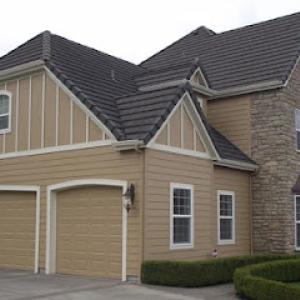
White Pine Renovation provides roofing, windows, siding, gutters, and patio doors throughout the West Michigan area.
Tyler Home Improvement
(269) 364-9660 tylerhomeimprovements.net
8135 Cox's Dr Suite 213, Portage, Michigan
3.9 from 92 reviews
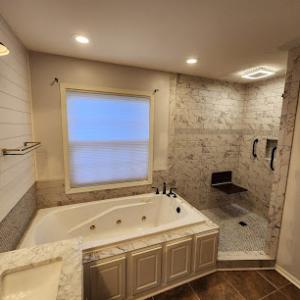
Tyler home improvements is a locally owned and operated company that has been family owned for over 20 years in the Kalamazoo, Battle Creek, and surrounding areas. We specialize in roof, siding, window replacement, and your dream bathrooms and more. Tyler home improvements is dedicated to quality and service. We strive to bring your dream home to reality while maintaining a budget that fits your project.
Horner Roofing & Siding
(269) 978-0791 hornerroofingandsiding.com
576 Romence Rd #234, Portage, Michigan
5.0 from 5 reviews
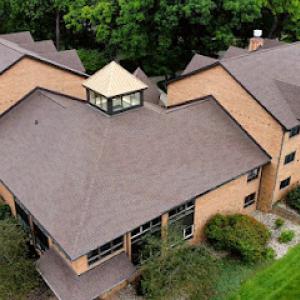
As a premier roofing company dedicated to providing warm, compassionate and helpful customer service, it is important for us to deliver unparalleled workmanship on every assignment, whether its a new roof or new siding. We offer a wide range of services to meet your project needs and ensure durable and cost effective workmanship. As a public service for the Southern Michigan area we give away free inspections on your roof or siding! Contact us through our website or call in and we'd be happy to do our best to help!
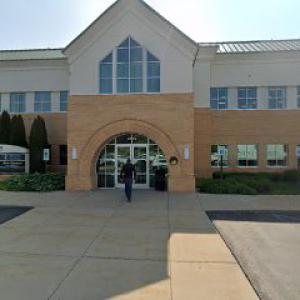
Property Revolution Roofing & Decks
(269) 575-0878 mypropertyrevolution.com
8175 Creekside Dr, Portage, Michigan
5.0 from 2 reviews
Property Revolution Roofing and Decks proudly serves Portage, MI as a family-owned roofing company focused on roof repairs, full roof replacements, and new roof installs. We provide long-lasting results, clear communication, and professional, tidy work from the first inspection to the final cleanup. We also offer siding and deck services. Book a roof inspection and request a free estimate for asphalt shingle or metal roofing made for Michigan weather.
Character Exteriors
(269) 569-6105 www.characterexteriors.com
Serving
5.0 from 143 reviews
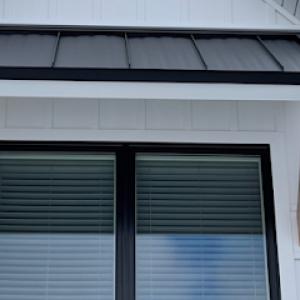
Character Exteriors is a local roofing & residential exteriors contractor in Kalamazoo, Michigan. We provide roofing, siding, windows & Valor gutter guard installation services in West Michigan. Our company is focused on providing quality and a positive customer experience for your next project or service. We believe in working with quality focused manufacturers who provide extended warranties to provide long term value and protection for your home project. Contact our company today or visit our website for more information or to schedule a project review. Our team of experienced installers and project consultants will review options and materials to provide the best result for your project. Do everything with Character.
Sherriff Goslin Roofing Kalamazoo
(269) 342-0153 www.sherriffgoslin.com
Serving
4.9 from 117 reviews
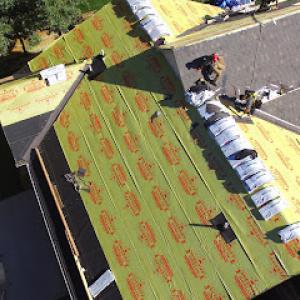
With over a century of experience, Sherriff Goslin Roofing Kalamazoo has earned its reputation as one of the region's most esteemed roofing contractors. Specialized in both residential and commercial roofing projects, they offer a comprehensive range of services including roof inspections, repairs, and high-quality roofing systems, all backed by an industry-leading 10-year free service guarantee. As an Atlas Pro® Diamond Level Contractor, their unwavering commitment to integrity, safety, and quality shines through in every project they undertake, ensuring that their customers enjoy a seamless and satisfying roofing experience from start to finish.

Premier Roofing & Exteriors
(269) 266-8365 www.exteriorsbypremier.com
Serving
4.9 from 88 reviews
Established in 2006, Premier Roofing & Exteriors is a trusted Kalamazoo and Western Michigan area company specializing in comprehensive home exterior renovations. As a locally owned and trusted contractor, their licensed technicians provide residential and commercial customers with roof repair and replacement services, siding and window installation, and gutter systems. Premier prioritizes honest communication and offers no-pressure inspections and estimates on all roofing, window, siding, and gutter projects. They’ve completed thousands of projects and have an A+ rating with the Better Business Bureau. Read their hundreds of 5-star reviews to see why they are Kalamazoo's #1 home exterior contractor.
Worthy Construction
Serving
4.9 from 62 reviews
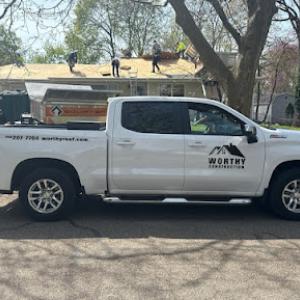
Worthy Construction is a trusted roofing and exterior services company based in Kalamazoo, MI, serving all of Southwest Michigan. We specialize in residential roofing repair, replacement, and inspections, including steel, metal, and flat roofs. Our exterior services include window installation, siding, gutter installation and repair, and attic insulation to improve your home’s comfort and efficiency. Available 24/7 for storm damage and emergency roofing such as roof tarping and ice dam removal, our licensed experts bring over 10 years of experience and a commitment to quality workmanship. Proudly one of the best-rated contractors in the area, we provide affordable, reliable solutions for all your roofing and exterior needs. Call now!
AAA Renovations
(269) 626-5522 aaarenovationsmi.com
Serving
4.9 from 68 reviews
Specializing in roofing regarding hail and wind damage along with financing roof projects in the Kalamazoo County, Kent County, St. Joe County, Ottawa County, Allegan County, VanBuren County, Ingham County, Eaton County, Clinton County and surrounding areas.
Vanbecks Roofing & Siding
(269) 381-5870 www.vanbecks.com
Serving
4.9 from 95 reviews
We specialize in enhancing the curb appeal and functionality of homes and businesses through comprehensive exterior improvement services. Services include commercial and residential flat and shingle roofing, siding, windows, doors, gutters. Emergency repairs and insurance work specialists. For 45 years VANBECKS have been providing Kalamazoo, Portage, Richland, Battle Creek and surrounding areas the highest quality in customer service. Our family tradition has been working for your family for three generations. We strive to deliver the highest quality materials and workmanship for you, at the lowest reasonable price, on time. Customer satisfaction is our commitment we stand by. Find us as a Roofing and siding company near me. Thank you!
In Portage, the combination of warm, humid summers and freeze-thaw winters shapes when a full-window replacement makes the most sense. Warm summers allow crews to install, seal, and test insulation and flashing more reliably without the delays that cold snaps bring. A full replacement in this window tends to hold up better against the humidity-driven expansion and contraction that can occur when a roof and attic are already stressed by moisture loads. If the existing window frame has signs of hidden rot or a history of condensation, planning the replacement for late spring or early summer helps ensure the new unit is sealed and sealed again before the next round of winter weather.
Spring can expose hidden winter damage, and intermittent storms or hail can interrupt tear-off and dry-in schedules. When planning, aim for a window where crews can complete removal, siding or flashing adjustments if needed, and the dry-in without consecutive weather delays. A robust project plan that allows for a contingency day or two can prevent a rushed job when a spring storm rolls through. If you notice interior water staining after a melt, address it as part of the replacement to avoid reinstalling under-leveled or compromised flashing.
Autumn temperature swings in this market can stress flashing and underlayment, making late-season timing more important than in milder markets. Ensure the window installer coordinates with the roofing contractor or roofing crew so the new window integrates with any roof-to-wall flashing and shingle lines that may be altered during the project. The goal is a continuous barrier that resists wind-driven rain and ice dam risks on the adjoining roof edge. Confirm that the installer uses high-quality flashing and backer materials designed to resist long winter cycles and the summer humidity that can creep into gaps if sealants cure too quickly or unevenly.
Begin by evaluating frame material for durability in humid summers and cold winters. Vinyl remains a solid value for typical Portage moisture exposure, but consider fiberglass or composite options if the home has existing heat loss or if the roof has complex flashing where a stiffer frame reduces movement. Look for triple glazing or low-E coatings that address both heat gain in summer and heat loss in winter, plus argon or krypton fills to minimize condensation risk. Finally, verify contractor coordination between window install and roof flashing adjustments to ensure a single, seamless water barrier around the opening.
Get a clear picture of your project costs upfront - no commitment required.
Property Revolution Roofing & Decks
(269) 575-0878 mypropertyrevolution.com
8175 Creekside Dr, Portage, Michigan
5.0 from 2 reviews
Dynasty Home Exteriors - Kalamazoo
(269) 285-0522 dynastyhomeexteriors.com
Serving
4.8 from 18 reviews
Asphalt shingles are common in Portage, but the freeze-thaw cycling and summer humidity make ventilation quality and underlayment choices especially important for service life. A well-ventilated attic reduces dew and heat buildup that can soften shingles and accelerate granule loss. Pair the shingles with a high-quality underlayment that stands up to moisture and seasonal pressure differences, and ensure the attic space has adequate intake and exhaust to move air effectively. In practice, you should verify that eave vents, soffit openings, and ridge or turbine vents align to provide continuous airflow across the roof deck. Consider bolder ice-and-water shields in valleys and along drip edges where thaw cycles tend to pool water and refreeze.
Metal roofing fits Portage's snow-shedding and storm-resistance needs, but detailing at flashing and penetrations matters because summer storms can drive rain hard under poorly finished edges. When selecting metal, emphasize a system with continuous seams and properly sealed fasteners, especially around chimneys, skylights, and vent pipes. Pay attention to edge metal and eaves where wind-driven rain can force water under the cap. Have flashing integrated with the roof deck to create a continuous barrier, and request a factory-coated finish that resists hail impact and rapid temperature swings. Regular inspections after heavy storms help catch loose fasteners or damaged sealants before leaks develop.
Clay and concrete tile are available in this market, but Portage permit review may trigger structural checks because of the added roof load compared with lighter systems. If choosing tile, confirm the roof structure is rated to carry the heavier weight and that the framing accounts for potential additional snow load. Ensure underlayment is rated for tile applications and that flashing details accommodate the tile profile to prevent water infiltration at fasteners and penetrations. Proper alignment of battens, spacing, and tile orientation minimizes wind uplift risk during summer storms and helps maintain long-term performance through freeze-thaw cycles.
Clay and concrete tiles bring distinctive aesthetics and durability, but their performance hinges on precise installation. In practice, discuss with the installer how the chosen tile interacts with the existing roof deck, including deck reinforcement where necessary. For any slope, ensure the substrate remains clean and dry before laying, as moisture during installation can compromise bond and long-term waterproofing. With heavier tile systems, attention to drainage, hip and ridge detailing, and coordination with gutters ensures efficient runoff during rapid summer downpours and thaw periods.
Typical Portage pricing ranges from 350 to 550 USD per square for asphalt shingles, 700 to 1200 for metal, 1200 to 2000 for clay tile, 1000 to 1800 for concrete tile, 600 to 1000 for wood shingles or shakes, and 500 to 900 for synthetic or composite shingles. This spread reflects material choices, labor availability, and the way local crews package a replacement job around winter and storm-season demand. Asphalt remains the most common, but the region's Mufti-season climate makes the higher-end options more sensitive to weather-related scheduling.
Costs in Portage can rise after winter damage or spring and summer storm events when quick-response crews are in higher demand for re-roofing and leak work. When a severe freeze-thaw cycle finishes a project in late winter or early spring, crews are catching up from backlog accumulated during harsher months. In a pattern you'll recognize, a rush job to secure the home before more water intrusion can push pricing upward, especially for materials with longer lead times or limited local supply.
Heavier tile systems can cost more locally not just for material and labor but because Portage may require structural review during permitting. While the permits section covers this in depth, the practical effect is that clay and concrete tiles demand careful assessment of attic framing, trusses, and overall roof deck integrity. That extra step often translates to higher inspection fees, longer timelines, and a modest bump in labor hours to ensure a safe, code-compliant install. If you're upgrading from asphalt to tile, budget not just for the material and install but for potential reinforcement work.
Start with a realistic replacement window, knowing that storm seasons can tighten schedules and push prices higher. If a hail event or heavy rain damages the roof, get on a vetted crew quickly to avoid compounding leaks and to lock in more predictable material pricing. For Portage homes with older decks, factor in the possibility of decking repairs or underlayment upgrades, which can add several hundred to a few thousand dollars depending on the existing condition and the chosen roof system. In the end, your choice of material, local crew availability, and the timing of the project together define the total outlay.
Don't let upfront costs delay a critical repair - these contractors offer payment plans to fit your budget.

Full roof replacements in this area typically require a permit through the local Building Department, and the process hinges on a solid project description and clear contractor details. That means you'll want a thorough scope of work, material specs, and timelines filed with the permit application. If the description is vague or missing essential details, delays are common and can push replacement timelines into a storm season. Prepare to provide contractor credentials and proof of license, so inspections don't stall at the first hurdle.
Portage inspections are commonly scheduled during and after the job, with rough-in and final checks rather than a paperwork-only process. A rushed sequence can hide winter-related vulnerabilities, especially after the attic and ventilation work has started. You should plan for at least one mid-project check to verify flashing transitions, underlayment coverage, and ventilation adequacy, particularly where the roof interfaces with vents, dormers, or skylights. Scheduling early in the project reduces the risk of rework that stretches into the next season.
Inspectors specifically verify code compliance, attic ventilation, underlayment, and flashing installation, and some tile projects may receive added structural scrutiny. If your project includes heavier tile systems, anticipate more detailed structural review and possible adjustments to framing or support members. In Portage's freeze-thaw climate, improper ventilation or flashing can amplify ice dam risk, so expect focused attention on ensuring proper attic air exchange and watertight seams. Keep a transparent line of communication with your contractor and the inspector to address issues promptly and avoid last-minute surprises.
When a storm hits, the speed and clarity of your claim often hinge on organized documentation. Dated photos that capture the roof surface, flashing, and any interior signs of water intrusion should be preserved from the moment you notice damage. Get contractor estimates and a condition report prepared near the loss event, not weeks later when memories fade. In this market, a well-documented case can prevent back-and-forth delays and helps insurers validate what occurred during the freeze-thaw cycles and in humid summer storms.
Product ratings and installation quality matter, especially when wind or hail stress a roof. Insurers in this market lean on wind and hail certifications and on installations that meet current code expectations. Keeping thorough product records and any proof of a code-compliant installation prior to filing a claim makes it easier to justify the need for repairs or replacement. If a claim involves heavier tile systems, readiness for the insurer to review permits or installation details is particularly important, given the tighter scrutiny seen in Portage.
Deductible levels and underwriting standards can materially affect whether localized storm damage is repaired or a full replacement is pursued. In some cases, the insurer may prefer targeted repairs if the rest of the roof remains sound and the attic ventilation helps mitigate future ice dam risk. Understanding how your deductible interacts with the extent of damage helps set realistic expectations for the claim outcome.
Start with immediate documentation: take clear, dated photos from multiple angles and note any interior staining or attic moisture. Gather contractor estimates, a condition report, and any prior maintenance records that show regular upkeep. File the claim promptly, provide all documentation, and request a single point of contact to streamline communication. If possible, obtain a couple of independent assessments to compare notes on wind or hail impact versus freeze-thaw wear, especially in areas prone to ice dams.
Connect with contractors who help homeowners navigate the claims process from damage assessment to final approval.
Patriot Exteriors
(269) 443-7200 www.patriotexteriorsllc.com
8108 Shaver Rd, Portage, Michigan
4.7 from 199 reviews
Property Revolution Roofing & Decks
(269) 575-0878 mypropertyrevolution.com
8175 Creekside Dr, Portage, Michigan
5.0 from 2 reviews
Autumn temperature swings and wind in this area stress flashing and underlayment where roof meets walls, making roof-wall intersections and penetrations recurring leak points. When snow builds, those gaps become routes for meltwater to backflow into soffits and attic spaces, and every swollen seal invites a slow drip that is easy to ignore until damage shows.
The local contractor market shows meaningful demand for chimney-related roof work, which aligns with the need for careful flashing maintenance in a cold-winter city like Portage. Shoddy chimney flashing echoes through tight winters with moisture lingering around brick crowns and step flashing, eventually threatening framing and insulation. Face-seal metal collars and proper counter-flashing are not optional luxuries here.
Leak-prone skylight edges and vent penetrations are not just maintenance issues; during colder seasons, hidden gaps invite ice damming and slow seepage that inspectors will notice. The most vulnerable spots often run along dormer valleys and where skylight flashing meets the curb; in Portage, those seams endure more freeze-thaw cycles than flat planes.
Autumn winds can peel shingles and push against flashing corners, amplifying wear around dormers, valleys, and flush-mounted vents. Proper step-flashing where siding meets roofing, plus a continuous, corrosion-resistant metal cap over vent stacks, helps prevent backflow of moisture during storms that sweep across inland Michigan.
Portage inspectors pay attention to flashing details during roof replacement, so leak-prone areas around chimneys and skylights are not simply maintenance worries but critical inspection items. A meticulous flashing review before cover boards go on can save costly callbacks when violations are flagged in the permit and the job stalls.
Quick checks homeowners can do include looking for hairline cracks around vent collars after storms, testing skylight flanges with a flashlight and a light rain test, and watching for wisps of moisture along wall flashings after heavy winds seasonally.
Find contractors experienced in skylight installation, flashing, and leak repairs to bring natural light into your home.
Sherriff Goslin Roofing Kalamazoo
(269) 342-0153 www.sherriffgoslin.com
Serving
4.9 from 117 reviews

Advantage Roofing & Exteriors
(269) 372-1691 www.advantageroofingandexteriors.com
Serving
4.9 from 713 reviews
Flat and low-slope roofing is a secondary rather than dominant need in Portage, but it remains relevant for additions, garages, and some commercial-adjacent structures in the city. The local climate pushes you to consider drainage reliability as much as the roof's surface. A shallow pitch on these sections means standing water after a heavy storm or a quick thaw can linger, inviting early wear or faster edge deterioration if water is allowed to pond.
Portage's winter pattern with freeze-thaw cycles increases the risk that pooled water will freeze and push at seams and flashing. When snow hides on a low-slope surface, meltwater can back up toward the eave line and overrun gutters or edge details. In practice, you'll want to verify that all transitions away from the main roof shed water quickly and cleanly into properly sized gutters and downspouts. Consider slope adjustments or adding rib spacers for better drainage where you're integrating a low-slope section with a steeper primary roof. The aim is to keep the low-slope area dry as temps swing, which reduces ice dam stress on higher, shingled portions.
When low-slope sections meet shingled main roofs, transition flashing quality becomes especially important during inspection and after storm events. Look for continuous, well-sealed flashings that bridge the change in planes without gaps where ice or water could intrude. Pay special attention to the seam where the low-slope roof meets the vertical wall and around penetrations such as skylights or vents. During or after storms, inspect for lifted edges, compromised sealants, or any movement that could widen gaps. A robust flashing detail here saves you from more extensive repairs later and keeps the roof assembly integral through Portage's volatile spring weather.
Find specialists in TPO, EPDM, and built-up flat roofing systems for residential and commercial properties.
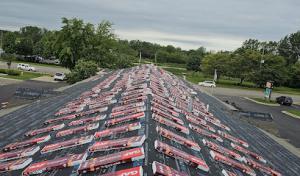
When leaks show up after a window in the thaw or a rapid spring storm, you want a contractor who can show up fast and leave the site clean. In this market, speed matters because ice dam melt and storm debris can damage interior ceilings and nearby insulation. Screen for crews that outline a concrete plan: tarping, staging, debris containment, and a final cleanup that actually leaves the yard and gutters free of nails and stray shingles. A practical expectation here is a clear, written timeline and a post-work cleanup commitment that makes the job feel finished rather than hastily wrapped.
The market leans toward re-roofing rather than niche repairs, so verify who regularly handles full replacement projects and the inspections that follow. When the plan is a complete tear-off, you want a crew with a track record of coordinating underlayment, flashing, and ventilation upgrades to withstand winter freeze-thaw cycles. Ask for a list of recent multi-day replacement jobs with notes on how they managed venting and attic insulation during the project. Realistically, you're aiming for a seamless transition from old to new, with minimal disruption to the home's interior.
Long-established, family-run firms are common and can earn trust with steady scheduling and known crews. Affordability shapes decisions, so you'll want clear scope and a firm commitment to thorough cleanup. Look for contractors who provide a detailed, itemized scope of work, a defined warranty, and a documented post-installation inspection checklist. This helps ensure that the project won't drift into partial repairs or unfinished details, which matters after winter storms and high winds.
Portage homes vary from modest bungalows to larger narratives of attic space and venting needs. When screening, consider how the contractor explains material choices in light of freeze-thaw cycles, potential ice dam risks, and the local storm pattern. You should receive straightforward explanations of how the roof will handle heavy rains, temperature swings, and the specific detailing required for vents and flashing to keep water out for years to come.