
Last updated: Apr 19, 2026
Columbia City homeowners face a two-part damage cycle: winter ice damming and snow load stress followed by spring hail and severe storm claims. The freeze-thaw pattern, paired with wet summers, compounds wear on flashing, seams, and shingle seals. Roofs that survived a cold snap can suddenly show leaks once spring storms arrive, turning a manageable issue into a rushed, high-stakes repair. The pace of damage and the local storm calendar mean you must respond quickly and with solid documentation.
In this market, the insurance process often begins with clear photo documentation, proof of roof age, and a formal estimate before replacement is approved. Start by photographing every affected area from multiple angles-up close to capture cracked seals and flashing, and wide shots to show the overall roof condition. If you can, gather alternates like past service records or maintenance notes that speak to the roof's expected lifespan. Keep a dated log of wind events, hail reports, and any leaks you notice inside the home; this helps establish a credible timeline for the insurer. When you meet with a contractor, insist on a formal, itemized estimate that outlines tear-off if required, new underlayment, flashing details, and shingle or material selections. In a climate where wind-driven hail is common, insurers frequently request proof that the replacement is warranted and that the roof age supports moving forward with full replacement rather than patchwork.
The first phase revolves around winter damage: ice damming can force water under shingles, lift edges, and stress drip edges. If you see staining on ceilings during thaw cycles or sagging gutters, treat this as a high-priority sign. The second phase arrives with spring: sudden storms, gusty winds, and hail can finish the job, especially on roofs already stressed by freeze-thaw movement. Be prepared to act swiftly after a major hail event-consult your insurer's storm claim guidelines, secure temporary protection if leaks are present, and schedule an assessment promptly. Each event stacks onto the previous wear, so delaying a professional inspection can compound damage and complicate a claim later.
Prioritize securing the attic and drainage. Clear debris from gutters and downspouts so meltwater can shed away efficiently; blocked flow increases ice dam risk and water backup. If you notice active leaks, place clean, dry containers under drips and minimize further interior exposure by reducing heat sources in the attic that could drive rapid snowmelt. Schedule a weather window for an on-roof inspection with a contractor who has experience in our area's conditions, particularly for evaluating flashing integrity and shingle seals that are prone to stress from repetitive freeze-thaw cycles. Demand a comprehensive assessment that covers underlayment condition, flashing around chimneys and vents, and edge seal integrity-these are the areas most vulnerable to winter and spring damage.
When a spring storm hits, you're balancing speed with quality. In storms with hail or high winds, lenders and insurers often push to replace damaged sections rather than merely repair them. You should request a written plan from the contractor that includes roof ventilation checks, step-by-step replacement or repair sequencing, and a clear explanation of how the new materials will be sealed against future freeze-thaw cycles. Ensure your contractor prioritizes a proper tear-off (if needed) and resealing strategy that minimizes future vulnerability to ice damming and storm-driven water intrusion. Temporary protections should be installed if you anticipate another round of severe weather before work begins, reducing the risk of secondary damage during the transition.
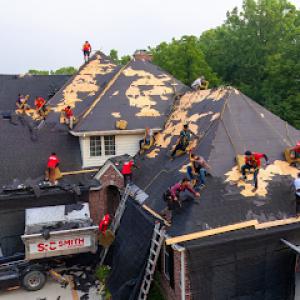
Smith Roofing
(260) 577-8183 www.smithroofingremodeling.com
220 Frontage Rd Suite C, Columbia City, Indiana
4.9 from 336 reviews
Smith Roofing delivers professional roofing, repairs, replacements, and exterior improvements for homeowners and businesses. Our team handles everything from storm damage restoration and leak repairs to full roof installations, gutters, siding, and other exterior upgrades—always with quality materials, clear communication, and dependable service. Serving clients in Columbia City, Huntington, Warsaw, and beyond, we help protect and enhance your property with long-lasting, skilled craftsmanship you can trust. Request a quote today!

Inspire Pro Interior & Exterior Solutions
Columbia City, IN
4.8 from 21 reviews
Company based on quality and promise. Specialized in Roofing, Drywall, Paint, and Concrete. Your go to for home improvements. Free estimates. Financing options available.
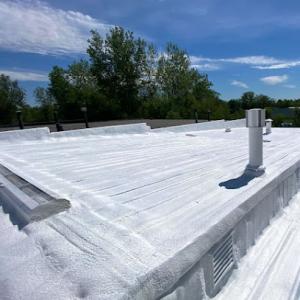
Premier Commercial Roofing
(260) 585-7873 premiercommercialroofing.com
7458 Lincoln Way Rd, Columbia City, Indiana
5.0 from 8 reviews
If you’re in need of a commercial roofing contractor, look no further than Premier Commercial Roofing. With licensed and qualified professionals on staff to serve you with a quick response and high-quality service. We have over two decades of experience in the commercial roofing industry.
Peaks & Valleys
(260) 248-4201 www.peaksandvalleysroofing.net
2011 County Rd 500 S, Columbia City, Indiana
4.8 from 12 reviews
Peaks & Valleys, Roofing and Remodeling Contractor, We uphold a standard of integrity bound by fairness, honesty and personal responsibility. Our distinction is the quality of service we bring to our customers. Accurate knowledge of our trade combined with ability is what makes us true professionals. Above all, we are watchful of our customers interests and make their concerns the basis of our business. Please give us a call today!
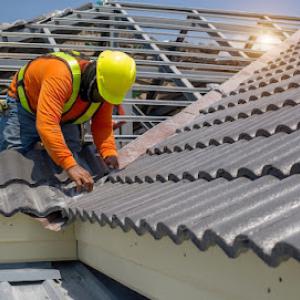
Expert Roofing Services Columbia
3373 W Hill Dr, Columbia City, Indiana
3.7 from 3 reviews
With a commitment to excellence and a dedication to providing exceptional roofing solutions, Expert Roofing Services Columbia stands tall as a reputable roofing contractor in Columbia City, Indiana. Their unwavering focus on quality workmanship, combined with the highest standards of customer service, has made them the go-to choice for both residential and commercial properties in the region.
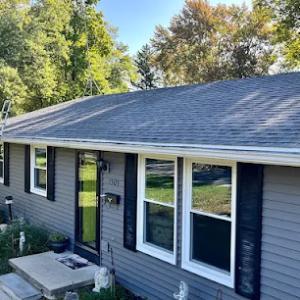
Keep It Simple Construction
(260) 300-3279 www.keepitsimpleconstruction.com
Serving
5.0 from 25 reviews
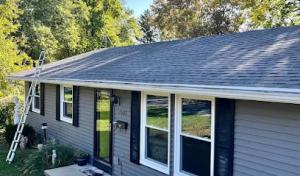
Keep It Simple Construction is committed to providing top-quality roofing, siding, and painting services to residential clients in Fort Wayne and surrounding areas. We have earned a reputation for delivering exceptional craftsmanship with a personable, pressure-free approach. At Keep It Simple Construction, we value every relationship we build with our clients and are committed to delivering lasting results that meet their needs and exceed expectations.
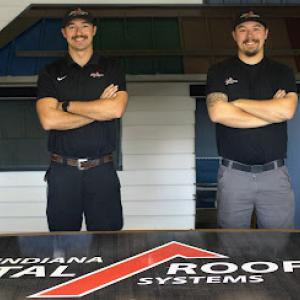
Indiana Metal Roofing Systems
(260) 409-0219 www.indianametalroofingsystems.com
Serving
4.9 from 93 reviews
Indiana Metal Roofing Systems specializes in providing expert metal roof installation and replacement services for both homeowners and businesses throughout Fort Wayne and Northeast Indiana. As a family owned and locally operated company in Churubusco, we’re solely focused on delivering high-quality, locally sourced metal roofing systems built for neighbors battling Midwest weather. Our licensed and insured team provides free roof inspections and no-pressure roof estimates with expert guidance, educating homeowners towards their best roofing solution. With honest pricing, clear communication, and strong workmanship warranties, we’re the trusted local metal roofing contractor in the region. Contact us today for a professional evaluation.

Hoosier Roofing Contractors - Fort Wayne
(260) 739-2631 www.hoosierroofingfortwayne.com
Serving
4.9 from 84 reviews
Hoosier Roofing - Fort Wayne (Hoosier Roofing Contractors) is a local, family-owned exterior remodeling company specializing in roofing, siding, soffit, fascia and gutters; proudly servicing the Greater Fort Wayne Area
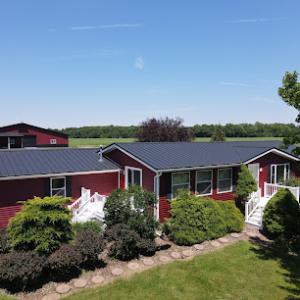
Elevation Exteriors
(260) 909-0870 elevation-exteriors.com
Serving
5.0 from 14 reviews
Elevation Exteriors is your premier local choice for expert roofing solutions. Specializing in high-quality metal and single roofing replacements, we are dedicated to protecting your home with superior craftsmanship. Our team of skilled professionals delivers exceptional service and lasting results, ensuring your peace of mind. Trust Elevation Exteriors to provide a durable and beautiful roof that stands the test of time, enhancing the safety and value of your property.
Senter Roofing
(260) 615-2439 senterroofing.com
Serving
5.0 from 117 reviews
Senter Roofing (formerly The Realtor's Roofer) Takes Pride in Providing the Best Roofer Near Me Service to the Fort Wayne IN Area. We Only Work With Quality and Warrantied Products; We Are Timely; and We Are Affordable. Compare Our Free Estimate to Any Other Professional Roofer. Our Specialties Include Roof Installation, Roof Replacement, Re-Roofing, Roof Repair, and Roof Maintenance for Residential and Commercial Roofs. Please Give Us a Call Today for Your Free Estimate.
2B Restored
(260) 220-8947 www.2brestored.com
Serving
5.0 from 17 reviews
At 2B Restored, nestled and located in Fort Wayne, Indiana, our dedicated team specializes in the art of residential storm restoration, roofing and commercial damage restoration properties alike. With unwavering commitment, we deliver unparalleled excellence in storm restoration, seamlessly transforming the aftermath of nature's fury into a testament of resilience and beauty. From expert roofing, siding replacement and meticulous siding repair to precision soffit and fascia installation, our skilled craftsmen ensure every detail reflects precision and perfection. Embracing innovation, we offer top-tier metal roofing services, safeguarding structures with durability and elegance.
Centurion Exteriors
(260) 746-6108 www.centurionexteriors.com
Serving
4.9 from 1154 reviews
Centurion Exteriors is a veteran and family-owned window replacement company committed to excellence. We provide top-quality replacement windows at competitive prices, focusing on delivering an exceptional customer-first experience. Our military background instills the values of respect, dignity, and honor in every project we undertake. We treat each home as if it were our own, ensuring superior craftsmanship and attention to detail. As part of the Centurion Exteriors family, you'll receive personalized service, professional installation, and our commitment to your complete satisfaction. We take pride in our work and stand behind every installation, providing responsive support whenever needed. Experience the difference of working with a co
The dominant materials around town are asphalt shingles, metal roofing, synthetic/composite shingles, EPDM rubber roofing, and cedar shakes. When choosing a roof, frame decisions around those systems rather than chasing niche products. Asphalt shingles remain the practical backbone for many homes due to broad availability and good all-around performance. Metal roofing provides a long life with strong hail resistance and solid contractor support locally. Synthetic or composite shingles can bridge some gaps between cost, weight, and durability. EPDM is the go-to for low-slope sections, and cedar shakes bring a distinctive look but require attention to maintenance and ventilation. In short, pick a system you can consistently maintain and that your local crew can install well.
Cold winters with snow and warm, wet summers make impact resistance, ice-dam performance, and ventilation more important than appearances. For asphalt shingles, ensure a roof deck is dry before installation and that a proper attic venting plan exists to balance moisture and heat. In practice, that means an effective ridge vent paired with soffit intake to promote continuous airflow, reducing condensation that can worsen ice dams. When hail risk is present, ask about impact-resistant shingles or a thicker profile within the asphalt category, since stronger shingles stand up better to quick hail strikes and wind-driven debris. For metal roofs, look for panels installed with proper underlayment and sealant at edges to minimize wind-driven leaks, and confirm snow guards or snow retention devices if the eaves see frequent heavy snow. If the plan includes EPDM for a low-slope addition or carport, ensure the transition to steeper sections is clean and well flashed to handle spring rain and thaw cycles. Cedar shakes should be properly sealed and re-sealed to resist moisture uptake, with attention to a ventilation plan to prevent moisture buildup under the shakes in damp springs.
Ice dams form where warm attic air meets cold roof surfaces. In this climate, the step-by-step approach is to seal gaps at the attic plane, insulate the attic rim, and maintain consistent attic temperatures to keep the roof cold in winter. For asphalt and synthetic shingles, ensure the attic has at least a balanced ventilation with baffles in the corners and a continuous soffit-to-ridge path. For metal roofs, the risk is lower but not zero if there is insufficient ventilation or poor insulation. EPDM on low-slope areas requires proper edge detailing and flashing to prevent water from pooling near transitions. Cedar shakes demand meticulous sealing at flashing points and a routine where the underlayment remains intact to avoid capillary action drawing water upward during melt cycles. A practical habit is to inspect the attic at the end of winter for signs of moisture or warm spots that could indicate air leakage, then address those spots before the next freeze.
Storm damage can accumulate quickly during a hailstorm or a heavy snowstorm. The local pattern is to document before and after photos, focusing on flashing, shingles edges, and any signs of moisture intrusion in the attic. Keep a dated log from inspections, noting any contractor opinions on material performance-especially for asphalt, metal, or synthetic shingles that have seen hail impact or wind-related damage. If a claim is in play, compile records of prior roof conditions, installation dates, and any maintenance work that could affect coverage decisions. Insurance adjusters typically respond better when there is a clear, organized file showing the sequence of events, the materials in use, and a plan for permanent remediation that matches the building's original system.
Costs in this market align with the following per-square benchmarks: asphalt shingles typically run from 350 to 700 USD per square, metal from 600 to 1100 USD per square, synthetic or composite from 700 to 1000 USD per square, cedar shakes from 750 to 1200 USD per square, and EPDM from 4 to 9 USD per square foot. Those figures reflect typical residential steep-slope replacements on mid- to older-era homes common in the area. When you're evaluating bids, a higher upfront price may reflect longer warranties, better flashing details, or a more thorough attic ventilation plan, but it should still stay within these local ranges. If a bid comes in well outside them, ask for a breakdown by material and labor to verify where the delta is coming from.
Storm activity here drives demand in waves. After a severe hail or wind event, contractors can get booked up quickly, and scheduling may stretch into weeks rather than days. That pressure can push replacement pricing upward faster than in calmer periods, especially for materials with longer lead times or limited local supply. If you're weighing timelines, expect a short-term premium during the immediate aftermath of a storm, then see pricing stabilize as crews return to a steadier rhythm. Plan ahead for weather windows, especially if you have subtleties like high heat in late summer or late-season freezes that can complicate labor in certain neighborhoods.
Full tear-off requirements tied to the permit and inspection workflow are a common driver of price in this market. A complete tear-off typically costs more than a partial removal because disposal, roof decking inspection, and potential deck repairs add to labor and materials. Code-compliant flashing and ventilation details must be verified by the local building department, and skipping these steps rarely saves money in the long run. Expect bids to itemize decking inspection, underlayment choices, flashing transitions around chimneys and vents, and attic ventilation upgrades. If a contractor suggests a cheaper course, confirm whether a full tear-off is included and whether flashing and ventilation updates are threaded into the proposal.
With the typical material ranges in hand, you can compare apples to apples when evaluating bids. For steeper pitches or homes with complex roof lines, you'll see higher costs, especially if synthetic or cedar options are chosen. If hail is forecast for the season, set aside a contingency to cover the risk of scheduling delays, potential upgrades to meet local ventilation standards, or the need for additional underlayment beneath a preferred material. In practice, a well-documented bid will show material costs, labor hours, tear-off scope, flashing/ventilation details, and a clear warranty outline, helping you navigate the price shifts tied to weather and permit-driven workflows.
Don't let upfront costs delay a critical repair - these contractors offer payment plans to fit your budget.

Keep It Simple Construction
(260) 300-3279 www.keepitsimpleconstruction.com
Serving
5.0 from 25 reviews
In this market, a building permit is typically required for a full roof replacement rather than treated as a no-paperwork job. That means your project will be filed with the local department, and not every contractor will treat it as a routine remodel. The process is not optional fluff; it's how inspections are aligned with the weather-driven schedule and the town's safety standards. If a permit is skipped, delays loom, and a surprise stop-work order can derail a project right when spring hail and freeze-thaw cycles are pressing.
The local building department tends to inspect twice: once after tear-off and again at completion. This sequencing makes planning essential for homeowners and contractors. If the tear-off happens before the permit is fully approved, the first inspection may fail or be delayed, triggering red tape and potential rework. A clear, shared timeline helps ensure that the contractor's crews aren't stuck performing work that cannot be signed off, and that any required corrections are addressed before the project advances.
Contractors are expected to pull the permit and deliver code-compliant flashing, ventilation, and storm-resistance details before final approval. In practical terms, that means coordinated attention to edge detailing, step and valley flashing, and proper attic ventilation under the new roof system. Inspections will focus on ensuring that the system resists moisture intrusion during freeze-thaw cycles and that any ice-dam mitigation measures are integrated into the installation. It's not just about a neat appearance; it's about enduring performance through Whitley County winters.
Coordinate a start date with a licensed contractor who will handle the permit from day one. Ask for a written plan that outlines tear-off sequencing, the anticipated inspection checkpoints, and a list of code-compliant flashing and ventilation measures. Keep a copy of all permit-related documents on-site, and maintain open lines of communication with the contractor to address any issues the inspector notes promptly. This approach minimizes the risk of rework and helps protect your roof through the region's challenging weather.
In this area, carriers commonly scrutinize hail and wind claims, so expect an adjuster to review photos, the roof's age, and formal contractor documentation. Have recent photos ready that show every damaged area, plus close-ups of hail impacts on shingles or metal edges. A clear timeline of when the hail event occurred and any prior repairs helps the adjuster gauge overall condition.
Pre-work inspections may be requested before any tarping or tear-off starts, and post-work inspections can follow project completion. These requests affect when replacement can begin and how thoroughly damage should be recorded before work starts. If an insurer asks for an independent photos or a certifying contractor report, provide it promptly to keep the process moving. Documenting pre-existing conditions now reduces disputes about what is new damage versus wear.
Because coverage varies by carrier and policy, homeowners need to confirm whether depreciation, matching, and storm-related exclusions affect the economics of repair versus full replacement. Some policies deduct depreciation on older roofs or require exact material matching for the replacement surface. If a claim involves a mix of materials or a steep-slope roof, verify how the insurer handles partial replacement and whether architectural details or color matching matter for the claim settlement.
Resist delays by gathering a concise packet: post-event photos from multiple angles, a dated description of what happened (including wind speeds if known), and contractor-provided damage assessments. Include the roof age, visible wear on flashings, gutters, and vent boots, plus any interior water intrusion notes. In a market like this, insurers will look for a professional evaluation that ties damage to the event rather than normal wear.
Storm damage often coincides with the spring hail window and a freeze-thaw cycle later. Coordinate with a reputable local contractor who can provide a detailed scope and a written, itemized estimate. That documentation helps the adjuster compare the observed damage with the proposed repair plan and supports a realistic path to either repair or full replacement under the policy terms.
Connect with contractors who help homeowners navigate the claims process from damage assessment to final approval.
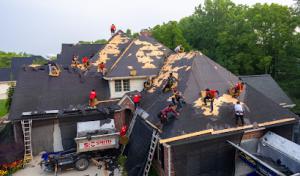
Smith Roofing
(260) 577-8183 www.smithroofingremodeling.com
220 Frontage Rd Suite C, Columbia City, Indiana
4.9 from 336 reviews
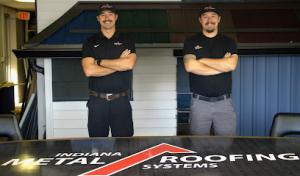
Indiana Metal Roofing Systems
(260) 409-0219 www.indianametalroofingsystems.com
Serving
4.9 from 93 reviews
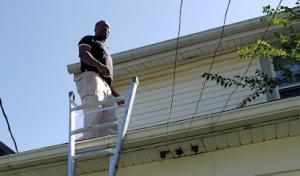
In this market, re-roofing is the dominant service pattern, matching the age and steep-slope layouts found across many older Whitley County homes. Homes with aging asphalt or metal-enabled decks often present the fastest return on investment for a full tear-off and replacement, particularly when the roof has seen repeated freeze-thaw cycles. The common upper story pitches and attic layouts mean that options should be chosen with long-term performance in mind, not quick fixes. When a replacement becomes the practical path, homeowners typically favor durable, low-maintenance solutions that minimize future service calls after winter storms.
Columbia City hosts a stronger-than-average contractor presence in metal roofing, reflecting local interest in long-life options. This means that when considering a metal option, you will likely encounter several qualified bids and clear comparisons to standard asphalt. Metal choices often show advantages in hail-prone springs and in resisting wind uplift on exposed angles, while asphalt remains a straightforward, bake-tested option for many steep-slope roofs. A practical approach is to evaluate how each option handles heat movement, attic condensation risk, and potential for ice dam formation in cold snaps, then balance long-term resilience against initial fit with existing roof framing and attic insulation.
Ice dams and driving winter moisture demand attention to roof edge details and flashing longevity. In this market, a common plan pairs robust edge ventilation with continuous metal drip edges or compatible asphalt flashing to reduce meltwater backup. Storm-ready replacements emphasize sealed joints, wind-rated underlayment, and secure fasteners to withstand arctic air leaks. If storm damage occurred, documentation and a clear record of prior repairs can streamline insurance interactions, as insurers often request evidence of damage patterns and the extent of previous water intrusion on steep slopes.
Fast turnaround and thorough cleanup signal strong local expectations. Many installers offer a tear-off-heavy sequence that prioritizes minimal disruption to driveways and landscaping, with on-site containment to control debris and dust. When selecting a contractor, confirm that temp fencing, drop cloths, and clear yard protection are included, especially near gardens and mature shade trees. A clearly explained sequence of work, from removal to final inspection-ready finish, helps ensure a smooth, clean completion in tighter winter windows.
Explore specialists in steel, aluminum, and standing seam metal roofs built to last 50 years or more.
Smith Roofing
(260) 577-8183 www.smithroofingremodeling.com
220 Frontage Rd Suite C, Columbia City, Indiana
4.9 from 336 reviews
Indiana Metal Roofing Systems
(260) 409-0219 www.indianametalroofingsystems.com
Serving
4.9 from 93 reviews

Hoosier Roofing Contractors - Fort Wayne
(260) 739-2631 www.hoosierroofingfortwayne.com
Serving
4.9 from 84 reviews