
Last updated: Apr 19, 2026
Logansport sits in north-central Indiana, where hail and straight-line wind events are a recurring roofing concern and drive claim activity. The confluence of the Wabash and Eel rivers creates a microclimate with higher humidity and slower drying after storms. That means wind-driven rain can leave hidden moisture pockets on the roof deck and in attic spaces that won't show up on a casual inspection. In this setting, a damaged roof can look fine from ground level and still harbor active leaks or accelerated hail damage underlayment, flashing, or vent penetrations. The "wait and see" approach is a poor choice here-moisture retention can snowball into rot, mold, and weakened structural components faster than you expect.
Spring hail and wind storms can leave a trail of compromised shingles, dented metal, loosened flashing, and facial boards that look intact but aren't. In a climate where drying is slower, the first 24 to 48 hours after a storm are critical. Inspect the roof from a safe vantage point, looking for granule loss, horizon-wide bruising on metal systems, and any lifted edges on shingles. If shingles are curled, granules are embedded in gutters, or flashing around chimneys and vents shows gaps, capture photos immediately. In this market, insurers commonly request photo sets, roof measurements, prior claim history, and post-installation verification. The aim is to document both pre-existing conditions and post-event changes with clear, timestamped visuals.
The humidity peak after a wind-driven rain can push moisture deeper than the visible surface. In attic spaces, damp insulation, dark staining on sheathing, or musty odors signal moisture migration that isn't obvious from the exterior alone. If attic access is practical, check for damp spots near joints, around vent stacks, and along any roof-to-wall intersections. Do not overlook soffits and ventilation intakes-blocked or compromised vents can trap humidity, accelerating rot and reducing roof longevity. Because this area tends to hold moisture longer, timely detection and remediation pay off with fewer long-term costs and less disruption to living spaces.
When preparing for an insurance claim, organize a concise dossier tailored to Indiana's moderate- to high-claim hail and wind state. Start with a dated photo set that shows the entire roof and close-ups of damaged areas. Include measurements of roof sections, the type and condition of: shingles or tiles, flashing, gutters, and any repair work already attempted. Compile a prior claim history so adjusters can distinguish new damage from pre-existing conditions. Post-installation verification should be ready if the roof has been replaced or repaired recently, showing contractor credentials, installation dates, and product specifications. If a claim is anticipated, coordinate with a local, reputable contractor to perform a validation walk-through and provide a detailed report that aligns with insurer expectations. This approach reduces back-and-forth and speeds the path to settlement, especially when humidity and delayed drying complicate the assessment.
Keep a weather-eye on storms that roll in from the northwest-wind directions and hail density can vary year to year. After a storm, perform a careful exterior inspection while staying safe, document everything, and contact a local roofing professional who understands the unique Logansport moisture profile and the insurer documentation expectations. If any portion of the roof shows signs of compromise, initiate a professional assessment promptly, focusing on flashing integrity, vent seals, and deck dryness. Prioritize timely communication with the insurance company and ensure all submitted materials are clear, dated, and accurately reflect both pre-storm conditions and post-storm changes. This targeted approach helps neighbors navigate the claim process with less guesswork and more concrete evidence.
Richards Roofing & Construction
308.5 W Market St, Logansport, Indiana
4.7 from 35 reviews
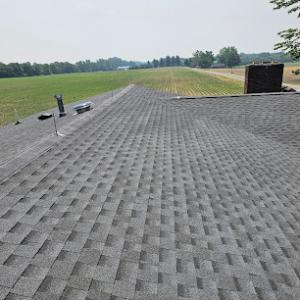
We are a local roofing company that serves Logansport, IN and surrounding areas. We can install your roofing needs and exterior needs. Shingles that we install. 30 year warranty architectural shingles. 50 year warranty shingles. Metal roofs that we install. Metal shingle 50 year concealed fastener. Standing seam concealed fastener snap lock 50 year warranty Regular 5 ribbed curragated exposed fastener 40 year paint warranty metal roof Seamless 6 inch gutter. Other colors available besides white. Fascia wrap/soffit that we install. Vinyl soffit, metal soffit, aluminum Fascia wrap. Metal Fascia wrap. Siding that we install. Vinyl siding. Metal siding of board and batten or 5 rib curragated metal panels. We also do window installation.
Lobo Roofing
(574) 721-2471 loboroofingllcin.com
Logansport, Indiana
4.5 from 19 reviews
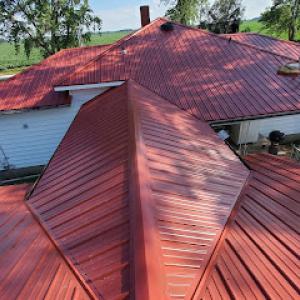
Our team is passionate about delivering high-quality workmanship and exceptional customer service. When you choose us, you can trust that your roofing project is in good hands. We understand the significance of a well-maintained roof and the impact it has on protecting your property. That's why we strive to prioritize safety, integrity, and transparency in all of our services. When you partner with Lobo Roofing, you can expect professionalism, efficiency, and cost-effective solutions without compromising on quality. We invite you to explore our website and see for yourself the vast array of services we offer, from roof repairs and replacements to regular.
OCC Roofing
(574) 721-0207 occroofingllc.com
2021 E Market St, Logansport, Indiana
5.0 from 5 reviews
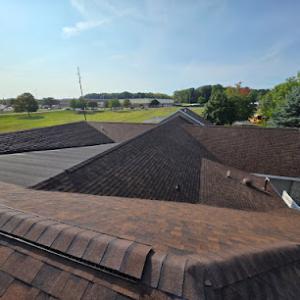
🏠 OCC Roofing – Logansport, IN "Covering Your Roof Needs with Expert Care and Quality Repair!" 🔨✨ 🛠️ Experience the pinnacle of roofing excellence with OCC Roofing, your trusted local partner for durable, reliable, and beautifully finished roofing solutions. Located at 2021 E Market St, Logansport, IN, our team brings years of experience and a commitment to craftsmanship that sets us apart. 🏗️ We specialize in: ✔️ Residential & Commercial Roofing ✔️ Roof Repairs & Replacements ✔️ Leak Detection & Prevention ✔️ Storm Damage Restoration ✔️ Quality Materials & Expert Installation Whether you're fixing a leak or upgrading your entire roof, we deliver results that protect your home and elevate its value 🏡.
Reid Roofing
(574) 753-3798 www.reidroofingco.com
3002 High St:, Logansport, Indiana
3.7 from 3 reviews
Reid Roofing Inc Provides Roofing Contractors, Siding Contractors, Window Installation And Sales, Shingle Roofing, Commercial Roofing Systems, Cement Siding, Seamless Gutters, Roof Inspections, Gutter Cleaning, Snow Removal Services to the Logansport, IN Area.
Primos Roofing
(574) 721-2081 www.primosroofingco.com
Serving
5.0 from 18 reviews
With years of experience and a commitment to quality, we strive to provide the best solutions for all your roofing and siding needs. Contact our local roofing company today to schedule an appointment in or around Logansport, IN.
Conrad & Son Roofing & Remodeling
Serving
5.0 from 2 reviews
Family owned business who specializes in roof repairs ..rubber roofs ..steel roofs ..new construction ...full roof tear offs and relays ....inside full room remodels . siding soffitt and fascia work ...3 guys with over 35 yrs experience in roofing field
Grand Roofing
(765) 233-7748 www.grandroofinginc.com
Serving
4.9 from 229 reviews
Grand Roofing is committed to bringing the best possible roofing services, and professional install on your roofing projects. With 23 years roofing experience, you can rest assured you're in good hands. We don't focus on just the best install, but also the best quality customer service!

Giant Roofing & Guttering
(765) 233-7455 www.giantroofing.org
Serving
4.5 from 17 reviews
Giant Roofing & Guttering is a trusted roofing service provider in Kokomo, IN, and surrounding areas. With over 20 years of experience, the team delivers expert roof installations, repairs, and replacements for both residential and commercial properties. In addition to roofing, they provide professional gutter installation and cleaning, as well as siding solutions to protect and enhance your property’s exterior. Every project is handled with care, using high-quality materials and attention to detail to ensure lasting results, improved curb appeal, and reliable protection against the elements. Contact us today to schedule a consultation or learn more about our services.
Kingdom Roofing Systems - Kokomo Roofer
(765) 753-4845 kingdomroofingsystems.com
Serving
5.0 from 81 reviews
Serving central Indiana for over a decade, Kingdom Roofing Systems offers residential and commercial roofing services. Our highly trained team consists of low slope and steep slope roofing for homes and commercial flat roofs and exterior wall systems like vinyl siding, James Hardie siding, wood lap siding, and foam back siding. Kingdom Roofing Systems prides itself on being the safest choice for roofing and siding in Indiana. We are among Indiana’s top 1% of contractors awarded Platinum Preferred status by Owens Corning. We look forward to serving you. For more information about Kingdom Roofing Systems, please visit our website.
K. Graber Construction
(765) 395-7275 www.kgraberco.com
Serving
5.0 from 40 reviews
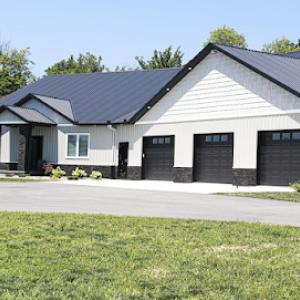
K Graber Construction is a family-owned company that comes from a long line of carpenters - 3 generations with over 30 years of experience. We offer services for metal & shingle roofing, commercial & agricultural pole barns, pole barn homes, steel buildings, new home construction, additions & remodels, concrete contracting, and ICF construction. At K. Graber Construction, our team works hard to cut through the noise and clutter to provide every customer with quality work, excellent customer service, and complete integrity.
Legacy Roofing & Exteriors
(765) 860-9167 legacyexteriors.info
Serving
5.0 from 10 reviews
As a local, family-owned business, Legacy Roofing & Exteriors delivers expert roofing, siding, gutter and window services with a focus on quality, durability and customer satisfaction.
Ace Exteriors & Restoration
(765) 223-1050 aceexteriors.com
Serving
5.0 from 10 reviews
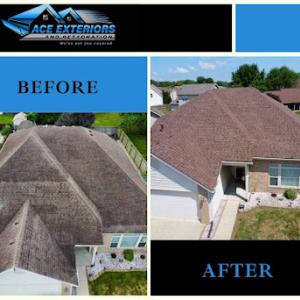
Ace Exteriors and Restoration, your trustworthy roofing and exterior contractor in Kokomo, Indiana and surrounding areas, is dedicated to enhancing the resilience and charm of your property. With a focus on roof replacements, seamless repairs, siding, gutters, and storm damage restoration, our skilled team ensures flawless craftsmanship, ethical service, and protection for your most valuable asset. Expect free inspections, and expert guidance with insurance claims. From routine maintenance to emergency repairs, Ace Exteriors is your go-to partner, proudly serving Kokomo, Greentown, Tipton, Peru, Logansport, Westfield, Carmel, and more.
Cold winters here bring repeated freeze-thaw cycles that test every seam, seal, and fastener. Shingle seals become brittle with layering and contraction, and a small crack near a flashing transition can widen over a season. In areas where roof penetrations meet vent pipes, chimneys, or skylights, the stress from expanding and contracting is amplified. Over time, granule loss accelerates, leaving the surface more vulnerable to sun and moisture intrusion. The result is a roof that looks fine from the ground but leaks or fails to shed water effectively once spring moisture and warm spells arrive.
Flashings are the first line of defense against water intrusion, yet in this climate they endure more movement than a milder environment would expect. Roof-to-wall transitions, step flashings at eaves and balcony edges, and around vents can develop plays between metal and deck if sealants age or ice forces push against joints. Pay attention to hairline gaps along chimney abutments, pipe boots, and valley intersections. If you notice increased moisture in attic corners after a thaw, or damp spots along the ceiling near a vent stack, something is allowing water to bypass the weather barrier. This is especially critical after a winter of frequent snow and ice.
Attic ventilation matters more here than in drier parts of Indiana because balanced intake and exhaust curb winter condensation and reduce summer heat buildup. A poorly vented attic can trap humidity from indoor activities and winter condensation that soaks through insulation and into decking. Regular checks should confirm soffit vents are clear and that ridge or soffit exhausts are not blocked by insulation or debris. In mid-winter and spring thaws, a well-ventilated attic helps keep roof decks closer to outdoor temperatures, slowing expansion and contraction cycles that stress seals and penetrations. If insulation is uneven, or if baffles have shifted, air can short-circuit, increasing cold spots and moisture issues along the deck.
Underlayment quality matters more in this river valley climate because moisture can linger near the deck during melting events. A robust underlayment provides a second line of defense when shingles or seals fail. Ensure that drainage details at eaves and in valleys guide water away from the deck efficiently, especially where snow accumulates on the roof edge. Clogged gutters and downspouts compound freeze-thaw stress by backing water up into the eaves. On shoulders of storms, a slightly steeper pitch helps drainage, but only if the roof structure supports it. When ice dam risks are high, a continuous, properly laced underlayment across penetrations and transitions can slow water ingress during sudden warm spells.
In this climate, a roof may look intact after a mild season but reveal failures after a deceptive thaw or a spring hail event. Keep an eye on loose granules, delaminating shingles, and staining in the attic that grows from a small leak. Pay attention to unusual attic humidity levels in winter, which often signal compromised sealing around penetrations. A careful homeowner will document seasonal changes and note when even small issues become more pronounced after a string of freeze-thaw cycles, as this is when delayed damage tends to surface.
Late spring through early fall is typically the preferred replacement window in Logansport because winter cold can affect sealing and installation quality. The balance of milder temperatures and drier days during this span helps shingles seat properly, nails set cleanly, and flashing to seal without repeated freeze-thaw cycles. When the calendar turns, aim for the stretch from late April to early October, but stay flexible around weather fronts that bring hail or high winds. A roof replaced during this window tends to stay tighter longer and resist wind uplift better once winter returns.
Spring brings hail and heavy storms, so many projects are reactive replacements following weather events rather than purely age-based upgrades. After a storm, you can expect crews to prioritize houses that show obvious surface damage or granule loss. If you notice pocked shingles, dented metal, or visible granules in gutters, plan a professional inspection promptly, but avoid rushing into major work if the roof has limited interior leakage. A careful assessment will determine whether quick maintenance (flashing reseal, missing shingle replacement) or a full reroof is required. In practice this means monitoring the forecast, documenting damage with photos, and scheduling a bid window soon after a storm clears.
Autumn wind and debris pressure older roofs in Logansport before winter, making pre-winter inspections especially relevant for aging systems. That means a focused check for loose flashing, uplift-prone edges, and any signs of previous repairs that may fail under stronger gusts. If shingles are approaching the end of their service life, plan to address ventilation and attic sealing now as part of the reroof, so the system enters winter with maximum performance. Clearing vents, inspecting soffit intake, and confirming proper insulation help prevent ice-dam risk and maintain indoor comfort when the first cold snaps arrive.
If you suspect storm damage, start with a roof-only inspection after the weather calms but before leaves gather on the deck. Photograph affected areas, note any lifted shingles, and compile a simple timeline of storm dates. Reach out to a local contractor who can sequence a bid within a few days of the storm, then compare proposed scopes side by side. If you are approaching the age threshold of your current roof, discuss insulation and ventilation upgrades as part of the reroof plan, since improving airflow now reduces long-term moisture issues. Finally, align the project to avoid the peak of summer heat if possible-high midday temperatures can slow sealant cures and complicate installation.
Asphalt shingles are the dominant choice locally, and they fit well with many older homes in compatible roof pitches. In a river-valley climate with humid summers and freeze-thaw winters, seal failure, granule loss after hail, and aging due to ventilation strain are key concerns you'll want to address with proactive maintenance and proper attic ventilation. Look for shingles that are rated for impact resistance and select an installer who emphasizes proper underlayment, adequate attic airflow, and a geometry that reduces wind uplift in spring storms. In Logansport, ensuring the roof has a robust ventilation plan helps slow granule loss and extends the life of the shingle surface.
Metal roofs perform well for snow shedding and long-term durability in north-central Indiana, where cold snaps meet humid summers. The true value hides in installation detail: condensation control, trim work, and appropriate underlayment matter as much as the panels themselves in this river-valley setting. Choose a panel profile and fastener strategy that minimizes condensation paths into the attic and that accommodates the local wind uplift patterns. A skilled installer will seal around chimneys and vents cleanly and align edge details to guard against wind-driven debris during spring hail events. If you're upgrading from asphalt, metal can reduce noise and improve shedding, but confirm compatibility with existing decking and insulation to avoid cold or heat bridging.
Clay tile, concrete tile, wood shakes, and synthetic/composite products do appear in the market, but heavier systems may be less common on many older local homes unless structure and decking are suitable. If considering these options, have a structural assessment to verify that the additional load can be carried without major reinforcement. Durable as they can be, installation quality matters even more in a humid river-valley climate: ensure watertight tile laps, careful flashing around eaves and penetrations, and a ventilation plan that keeps decking dry. For any of these heavier choices, select an experienced contractor who understands how to integrate appropriate underlayment, sealants compatible with the local humidity, and ridge/valley detailing that resists wind-driven rain during spring squalls.
In this river-valley climate, the best choice balances local weather patterns, roof pitch, existing structure, and the ability to maintain proper ventilation. Look for materials and installers that prioritize attic airflow, effective drainage, and attention to seal details around attachments and penetrations. The goal is a roof that resists hail impact, manages condensation, and ages gracefully under Logansport's spring wind cycles and summer humidity.
Provided local cost ranges run per square from asphalt shingles at 320 to 600, metal at 700 to 1100, clay tile at 1100 to 2100, concrete tile at 900 to 1800, wood shingles or shakes at 700 to 1200, and synthetic or composite shingles at 500 to 900. Those figures reflect the river-valley climate's demand for durable underlayment and proper ventilation. In practice, you'll notice asphalt remains the most common first choice for steady pricing, while clay and concrete tiles climb when a home has the visual style or structural readiness to handle heavier weights. Synthetic options sit in between for balance of cost and performance.
Spring hail and wind events in north-central Indiana can tighten contractor availability and push pricing upward in Logansport. After a big storm, expect short-term spikes as local crews shift to insurance-approved projects and rush through drives, leaving gaps for non-emergency repairs. If a hail event pauses your project, plan for potential scheduling delays and a temporary rise in material lead times. Weather-driven cancellations can ripple through neighboring blocks, so it pays to request firm timelines and written quotes early.
Costs can also move based on older-home tear-off complexity, ventilation corrections required by inspection, and whether drainage or underlayment upgrades are needed for local freeze-thaw conditions. If the roof deck shows sagging, soft spots, or needs improved drainage, crews will pair tear-off with ventilation and drip-edge upgrades, which adds to the square cost. In a river-valley climate, upgrading underlayment to a breathable, water-shedding system and ensuring proper eave and ridge vents become prudent investments to minimize future hail-related damages and moisture issues.
A permit is typically required for a full re-roof in Logansport within Cass County jurisdiction. Before any shingle bundle is lifted, you should contact the local building department to confirm the permit scope and required forms. Gather basic project details: address, roof square footage, roof type, and a rough timeline. The permit process is designed to keep storm-related damage claims in order and to ensure drainage and ventilation meet town standards.
The local building department reviews roofing plans, issues the permit, and conducts inspections during and after installation. Plan review may focus on attic space, ventilation strategies, and drainage considerations. Inspections are scheduled to align with key milestones in the project, not as a nuisance but to verify the workmanship meets minimum code and county expectations. Expect communication about any missing documentation or adjustments needed to move the project forward.
Inspectors may check ventilation, nailing pattern, underlayment, posted permit display, and attic ventilation or drainage details before final approval. Ventilation is especially crucial in the river-valley climate to prevent moisture buildup and ice dam risks in winter. Nailing pattern should align with shingle type and roof slope to withstand spring hail and wind events. Underlayment needs to be continuous and properly overlapped, with seals at eaves and penetrations. Display of the posted permit on the job site helps the inspector verify active authorization. Drainage details, including ridge and soffit vents, help ensure proper attic airflow and water shedding.
Coordinate with the contractor to keep a clear line of sight for inspection dates and required remedies if an inspector notes deficiencies. If an inspection fails, address the cited items promptly and request a re-inspection. Keeping the permit and plan documents accessible on site reduces delays and keeps the project moving through the county process.
Older shingles in this area often sit atop multiple layers, and the age of the decking is a common surprise once the old layer is stripped. In a city at the confluence of two rivers, moisture sits in rafters and may have caused soft spots or cupping that isn't obvious from the outside. Expect a careful deck inspection to reveal repairs or replacements that weren't part of the original plan. That means your reroof project should anticipate additional labor, fasteners, and potential material changes once the surface comes off.
Reroofing in this river-valley climate requires you to respect the attic's airflow and the home's drainage logic. On older homes near the city core, replacing shingles without addressing attic soffit vents, ridge ventilation, or baffle placement can trap heat and moisture, inviting future ice damming and roof deck damage. Drainage paths that once guided rain to proper ground outlets may have shifted over time due to roof angle changes or nearby tree growth. Before selecting a surface, ensure the existing ventilation plan and drainage routes are understood and preserved or improved.
Inspections tend to focus on nail patterns, underlayment integrity, and venting details-areas where older structures often show weaknesses. Expect a reroof proposal to include scope additions that address fastener length, nailing pattern, underlayment upgrades, and ventilation enhancements. Such items can become pivotal to long-term performance, especially after a heavy spring hail or wind event that exposes previously hidden flaws. This is where the project can diverge from newer homes, and where clarity in workmanship and sequencing matters most.
The area sits at the confluence of two rivers, and that humidity works its way into attic spaces and under shingles in ways that single-season climates don't. Freeze-thaw cycling during Indiana winters expands and contracts roofing materials, especially where ventilation is incomplete or moisture is trapped. Shingle granules can shed more quickly in this damp cycle, and metal underlayment can corrode if vents are blocked by ice pellets or spring rains. In practical terms, this means you'll notice gradual wear around penetrations, valve flashings, and eaves, not a single dramatic failure after one storm.
Spring hail and wind can damage a roof without obvious signs from ground level. Small bruises on asphalt shingles or loose granules can build into leaks after a heavy rain, while wind can lift edges and create micro-vents that invite moisture inward. Homeowners here often face a mix of storm damage concerns and moisture-management concerns at the same time. A proactive approach-inspecting after each major storm, checking attic baffles, and confirming that soffits remain clear-helps prevent a cascade of issues during the rainiest weeks. Keeping a simple, dated log of visible damage and repairs makes it easier to track progress year to year and to explain conditions to a contractor.
That combination makes replacement timing, ventilation, and insurance documentation more locally important than in many Indiana markets. Proper attic ventilation reduces heat and humidity buildup that accelerates shingle aging and deck rot. A well-sloped roof and clear drainage path prevent standing water that promotes mold and wood deterioration near hips and ridges. When documenting damage for insurance, pictures that show storm impacts in spring and evidence of chronic moisture in summer can support a claim more effectively than isolated snapshots. Consider adding an infrared or blower-door check when replacing a roof to verify that the attic remains within normal humidity ranges year-round.