
Last updated: Apr 19, 2026
Indiana's hail and wind claim environment is a major roofing issue in Mishawaka, where insurers commonly ask for before-and-after photos, detailed damage documentation, and itemized estimates. A rapid, well-documented response can be the difference between a smooth claim and prolonged disputes that drag on through the spring season. When hail pummels the area, insurers expect a paper trail: clear photos of all affected areas, close-ups of hail damage on shingles, flashing, and vents, and a meticulous record of any interior signs of water intrusion. Do not wait for the adjuster to remind you to gather every fragment of evidence. Start compiling immediately after a storm ends, while the memory of damage is fresh and the details are still clear.
Spring hailstorms are a named seasonal risk in Mishawaka and can create sudden roof damage that quickly turns into insurance claims and contractor demand spikes. The moment you notice dimpling, bruising, or granule loss on the asphalt shingles, treat it as an urgent indicator. Photograph from multiple angles, noting sunrise and lighting conditions to capture color and texture. If shingles show edges curled or lifted, or if there are dented metal components around the roof line, document those too. A vigilant homeowning routine-tied to weather alerts and the typical spring cadence-lets you present a coherent timeline to the insurer: when the storm occurred, what symptoms appeared, and how the roof has evolved since. This is especially critical in neighborhoods with older roofs where insurers historically push for more aggressive remediation.
Autumn wind events and winter freeze-thaw cycles in Mishawaka often compound earlier storm damage, so small shingle loss or flashing damage can worsen before homeowners schedule full replacement. The goal is to prevent a minor issue from becoming a larger claim headache. After a windy spell, inspect ridge caps, valleys, and step flashing along corners and skylines. A single blown-off shingle can allow moisture to migrate under layers, accelerating rot and compromising attic insulation. In the days following windy episodes, check for loose or missing fasteners, cracked sealant around vent pipes, and any signs of ice dam formation when temperatures drop. If you see debris-filled gutters or pooled water, take note-these are red flags insurers will scrutinize when evaluating the condition of the roof system months later. Your documentation should capture not just the visible damage, but also the potential pathways water could pursue during freeze events.
Start a weather-damage notebook that logs storm dates, wind speeds (as reported locally), and observable roof symptoms. After any significant event, perform a thorough walk-around with a camera, focusing on shingles, flashing, soffits, and the attic access. Preserve the original packaging of any temporary patches or tarps you apply, and keep receipts for any emergency materials. When dealing with insurers, present a concise damage timeline paired with your photo set and a detailed list of affected areas. For major damage, obtain multiple itemized estimates from reputable contractors to compare scope and approach, then coordinate with the insurer to align on necessary repairs. Regardless of the season, the core principle remains: act fast, document exhaustively, and communicate with precision to navigate Mishawaka's storm-claim environment effectively.
Cold winters with heavy snow and repeated freeze-thaw cycles are a driving force behind roof deterioration. In older neighborhoods, shingles, flashing, and penetrations take repeated hits from ice dams and pressure from expanding and contracting materials. A small defect today-like a lifted shingle or a loose vent boot-can become a leak next thaw cycle. In these conditions, replacement becomes more likely when the roof shows multiple problem areas, not just isolated issues. This is a practical, city-specific reality: the same roof that survived last winter could fail the next if moisture finds its way around worn penetrations or fatigued flashing. If you notice granule loss, curling shingles, or recurrent damp spots inside the attic after a thaw, plan the inspection as a high-priority task rather than waiting for another rainstorm to confirm concerns.
Warm, humid summers in this area influence how crews operate after wet springs. Tear-off and installation windows tend to shrink when humidity stays high or afternoon storms push crews off the roof. Scheduling becomes more efficient when you align the work with predictable dry spells, often late summer or early fall, after the primary wet-season lull. If the spring has been unusually wet, anticipate a backlog and potential delays in securing a firm start date. The rhythm here isn't the same as in milder markets: wet springs compress the calendar, extend tear-off durations, and push you toward the tail end of summer for the bulk of replacement work. Build a realistic timeline that assumes a few weather-related pauses, and keep the crew in constant contact about anticipated weather blocks.
After a hail event, windstorm, or significant freeze-thaw stress, the decision to replace rather than repair hinges on the extent of material loss and the condition of underlying roof structures. Hail can cause localized dimples or punctures that seem minor but expose the decking to moisture intrusion if the damage runs under flashing or through vulnerable seams. Wind can lift edges or vents, creating gaps that widen with freeze-thaw cycles. If several penetrations or large sections of shingles show accelerated wear, a full replacement becomes a more durable long-term solution than piecemeal repairs. In Mishawaka, this logic aligns with how quickly repeated freeze-thaw cycles magnify previously minor defects around chimneys, skylights, and roof-to-wall transitions. When in doubt, request a thorough inspection that documents the extent of damage across the entire roof plane rather than focusing on the most obvious spot.
Start with a detailed inspection after winter and again after any significant storm. Prioritize areas around penetrations, valleys, and edges where water tends to accumulate. If multiple sections exhibit curling, missing granules, or exposed decking, plan a replacement rather than a patchwork fix. If summer heat and humidity are delaying a scheduled tear-off, ask the contractor for a staged plan that preserves the best possible weather windows while still progressing toward the overall replacement goal. Document visible damage with photos and keep a log of attic condensation or damp spots that recur after thaw events. In Mishawaka, a proactive, season-aware approach can reduce back-and-forth and minimize the risk that a weather change will complicate a later repair or replacement.
Get a clear picture of your project costs upfront - no commitment required.

Horner Roofing & Siding
(574) 318-0316 www.hornerroofingandsiding.com
917 Union St Suite A, Mishawaka, Indiana
4.9 from 274 reviews
As a premier roofing company dedicated to providing warm, compassionate and helpful customer service, it is important for us to deliver unparalleled workmanship on every assignment, whether it be a new roof or siding installation or repairs. We offer a wide range of services to meet your project needs and ensure durable and cost effective workmanship. As a public service for the Northern Indiana area, you can trust Horner Roofing and Siding. Contact us right away through our website or call in and we'd be happy to do our best to help!
A&M Home Services
(574) 914-4408 www.roofsandbasements.com
Mishawaka, IN
5.0 from 61 reviews
Here at A&M Home Services, Inc. we want to thank you for taking the time for considering us in your upcoming projects. Our mission is to make sure you're satisfied from the time of your free estimate through the completion of your project. We take pride in our workmanship and take satisfaction in offering your family affordable rates that work. Remember, from your roofs to your basements "We've got you Covered". Quality work and valued customer services are our main concern for every project we take on. If you're looking for a trusted roofer, we are authorized under GAF Certified Contractor regulations- offering 30 year and 50 year warranties on all our roofs.
No Limit Roofing
(574) 360-0525 www.nolimitroofingin.com
1821 Clover Rd UNIT 2, Mishawaka, Indiana
4.9 from 95 reviews
Welcome to No Limit Roofing - the Roofing Specialists that Greater South Bend, Indiana home and business owners have been choosing for over 15 years. We are the premier locally owned and operated, fully licensed with over 300 certifications in the Roofing industry, insured and bonded serving cities such as Mishawaka, Notre Dame, Granger, Elkhart, Plymouth, Goshen and Greater South Bend, IN. Our owner has over 25 years of experience and supervises all jobs. No Limit Roofing specializes in all Residential, Commercial and Industrial Roofing Restoration Projects including roofing inspections, emergency repairs, maintenance, new construction roof installations and reroofing replacements. Call us today!
Erie Home
3505 N Home St #100, Mishawaka, Indiana
4.6 from 245 reviews
Since 1976, Erie Home has manufactured, supplied, and installed the best-performing roofing on the market. By providing ironclad warranties and convenient financing, we ensure that every homeowner we work with receives top quality service and value for their homes and properties. Erie Home professionals are the roofing company of choice in the greater South Bend, IN area. Whether you need roof inspections or roof damage repair services, Erie Home has been the go-to roofing contractor for nearly 50 years because of our attention to detail and dedication to making sure our customers are satisfied with their results. Contact us today for a quote and see why we're the trusted roofing company South Bend counts on.
Gold Medal Roofing of Indiana
(574) 777-0856 www.goldmedalroofing.com
437 Lincolnway E, Mishawaka, Indiana
4.8 from 58 reviews
Gold Medal Roofing Company assists thousands of homeowners in getting roof repairs, or a completely new roof, through the insurance claims process. Let our team of licensed roofing contractors walk you through the process and help save you thousands of dollars! Book a FREE inspection today!
Sherriff Goslin Roofing South Bend
(574) 259-3544 www.sherriffgoslin.com
12990 McKinley Hwy, Mishawaka, Indiana
4.6 from 90 reviews
Sherriff Goslin Roofing South Bend, established in 1906, has been a trusted local roofing contractor in South Bend and Elkhart for over a century. Their skilled team has attained the highest Atlas Pro® Diamond Level Contractor status, ensuring that each residential home, farm, barn, or church they work on receives top-quality roofing services. Sherriff Goslin is dedicated to providing customers with exceptional services, offering free roof inspections, expert estimates, and unparalleled roof repairs and replacements.
ARK Roofing & Construction
716 W 10th St, Mishawaka, Indiana
3.4 from 5 reviews
ARK Roofing & Construction is a small family own company that is licensed, Bonded and insured. We specialize in Roofing, coatings, siding, soffit and fascia, gutters and more..
Granger Roofing Construction
(574) 259-7004 www.grangerroofingconstruction.com
Serving
4.8 from 35 reviews
BBB A+ rating Servicing St. Joseph County Certified GAF Installers Granger Roofing Construction is proud to be a GAF Certified Roofing Contractor offering home and business owners in the St. Joseph County, Elkhart County, Indiana area high-quality residential and commercial roofing services while keeping the cost affordable. We pride ourselves on the fact that we have helped our customers save more than 40% over our competitor’s prices. We even carry an A+ Rating with the Better Business Bureau.
Reliable Roofing & Construction
(574) 302-7977 www.reliableroofingonline.com
Serving
4.7 from 116 reviews
Proudly Serving Michiana for Over a Decade! Based in South Bend, Reliable Roofing & Construction is your home’s one-stop shop for all its needs. From full roof replacements, flat and metal roofing, and siding to kitchen remodels, bathrooms, basements, framing, and more—we do it all with precision and care. We also serve commercial clients with expert roofing, remodeling, and siding solutions. As a minority-owned business deeply rooted in the community, we bring over 10 years of trusted service to every residential and commercial project. Count on our team for quality work, clear communication, and results that last.
Rooftech Construction
(574) 217-5712 rooftechconstruction.com
Serving
5.0 from 455 reviews
#1 Roof Replacement Company specializing in roof replacement, roof repair, chimney repair, siding, and all other exterior renovations. Proudly voted Readers Choice #1 Roofing and Siding Contractor 2020. GAF recognizes Rooftech Construction as a MASTER ELITE Roofer. We are licensed, bonded, and insured GAF Certified Roofing Installers, maintaining an A+ BBB rating. Our installers are trained in recent local codes and manufacturer specifications to ensure your roof replacement exceeds all expectations and reaches its full life. We have dedicated technicians available 24/7 to service your emergency roofing needs. We offer FREE estimates and NO MONEY DOWN on Residential Roof Replacements! Our work is backed by our Lifetime No Leak Guarantee!
Moreno’s Roofing
(574) 361-9905 morenosroofing.com
Serving
4.8 from 232 reviews
Moreno's Roofing has been serving our community, since 2013, specializing in roof, Siding and Seamless Gutters. We work with insurance claim due to storm damage. Our team offers comprehensive roofing services to ensure your home is secure and protected from the elements.
One Way Construction & Roofing
(574) 800-9750 onewayroofing.com
Serving
5.0 from 100 reviews
One Way Construction and Roofing is one of South Bend’s most trusted roof companies, providing expert roof replacement, roof repair, and roof installation services designed to protect your home year-round. Our skilled team delivers quality craftsmanship, honest communication, and lasting results built for Indiana’s weather. Whether you need a minor repair or a full roof replacement, we take pride in every detail to ensure your roof is strong, reliable, and built to last. Locally owned and dedicated to customer satisfaction, we’re the roofing partner South Bend homeowners count on.
Asphalt shingles stand as the dominant practical choice for most homes in Mishawaka, offering a balanced mix of durability, availability, and ease of repair for our typical lot sizes and roof pitches. Yet the city also has a notable mix of clay tile, concrete tile, wood shakes, slate, and copper on older or higher-end homes. This variety reflects generations of construction and the region's weather-driven needs. When evaluating a replacement or upgrade, consider how the current roofing profile fits with the home's weight limits, attic ventilation, and the surrounding tree canopy. Heavier materials, while attractive and long-lasting, demand careful assessment of the structural frame and roof deck to support the additional load without compromising job quality or performance.
Mishawaka's climate brings winter freeze-thaw cycles that can stress brittle or aging components, making underlayment, flashing transitions, and attachment details as important as the surface material itself. In practice, that means choosing a system with reliable waterproofing details at valleys, vents, and chimney penetrations. For asphalt shingles, ensure the underlayment is rated for cold temperatures and that valley metal and step flashing are properly integrated with the chosen shingle profile. For heavier options such as clay or concrete tile, the weight is not just a matter of the surface; the span and rafters must be evaluated for load distribution during freeze-thaw years. Slate and copper bring distinct aesthetics and longevity, but their installation requires precise sequencing to maintain proper attic insulation and ventilation, preventing ice dams and wind uplift issues that can be especially problematic against Mishawaka's wind patterns and temperature swings.
Heavy materials like slate, clay tile, and concrete tile are part of the local material mix, particularly on older or higher-end homes. Replacement planning for these options may involve structural review and more complex staging than a basic shingle re-roof. Before committing, have a qualified structural professional confirm that rafters, joists, and the overall roof system can support the chosen material over the existing deck. In phased or staged replacements, plan for temporary supports and careful sequencing to avoid overloading interior spaces during removal and installation. For tile systems, pay attention to the substrate and underlayment specifications; proper substrate preparation helps mitigate crack propagation from freeze-thaw stress and ensures a long, maintenance-light performance. Copper roofing, while less common, offers exceptional longevity and a distinct curb appeal, but it also requires meticulous flashing and drainage detailing to prevent galvanic corrosion and water intrusion in colder conditions.
Regardless of material, the Mishawaka climate elevates the importance of air sealing and flashing continuity. The most durable outcomes come from installers who blend surface material choice with thoughtful detailing: continuous underlayment overlaps, well-anchored fasteners that tolerate temperature fluctuations, and carefully transitioned edges where the roof meets walls, chimneys, and skylights. If the home features older dormers or retrofits, ensure the replacement plan accounts for existing footprints and potential retrofits to ventilation and insulation. In all cases, the goal is a cohesive system where the surface layer and the protective, moisture-management components work in concert to withstand hail, wind, and the city's characteristic freeze-thaw cycles.
Typical Mishawaka material pricing runs about $350-$650 per square for asphalt shingles, $900-$1400 for clay tile, $800-$1200 for concrete tile, $600-$1000 for wood shingles or shakes, $1500-$2500 for slate, and $1800-$3500 for copper roofing. These ranges reflect what a homeowner can expect when selecting standard fare for the region's common housing stock. Asphalt remains the most common choice on neighborhood streets, especially for mid-century homes with aging asphalt shingles. If a project leans into heavier materials, the per-square costs rise quickly and so can the overall project timeline.
In Mishawaka, storm-driven demand surges after hail and wind events can affect scheduling and pricing pressure, especially for full tear-offs and insurance-related replacement work. A storm that damages multiple roofs in a neighborhood tends to compress lead times and can push crews to tier pricing for expedited completion. If a claim is involved, expect the contractor to coordinate timelines around insurance adjuster visits, material deliveries, and crew availability. Being prepared with clear documentation and a reasonable removal-and-replacement window can help protect against unexpected delays.
Costs in Mishawaka can rise when homes use heavier legacy materials like slate, tile, or copper, or when unusual roof geometry or ventilation layouts trigger additional review by the local building department. Slate and copper impose not only higher material bills but also longer installation times and potential additional flashing or ventilation adjustments. Complex roof lines, skylights, dormers, or unusual pitches may require additional flashing details, multiple inspections, or enhanced underlayment strategies. When budgeting, plan for possible contingencies of 10-20% to cover these factors, especially on older homes with less accessible eaves and valleys.
For practical budgeting, confirm your target material choice against the city's typical price bands and account for storm-season timing. If the project involves insurance, establish a documented scope that matches the adjuster's assessment and avoids scope creep on upgrades. Heavier materials will demand more square footage and longer labor hours, which translates into higher labor costs and disposal fees. A local contractor with Mishawaka experience can help translate the price ranges into a realistic project plan aligned with weather patterns and scheduling realities.
Don't let upfront costs delay a critical repair - these contractors offer payment plans to fit your budget.
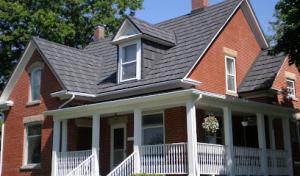
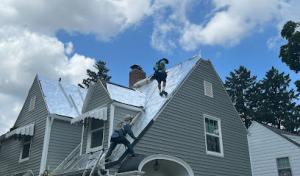
A complete roof replacement typically requires a building permit submitted to the local building department for review before any work starts. If the project involves more than a cosmetic repair, expect the permit process to scrutinize details such as roof deck condition, ventilation, and underlayment arrangements. The goal is to confirm that the new roof system will perform adequately under St. Joseph County weather patterns, including hail and freeze-thaw cycles. Failing to secure the permit can complicate insurance claims, trigger code violations, and create lien risks if work is discovered during a future inspection.
Roofing work in this jurisdiction is generally inspected during construction and again after completion. A final inspection is required before the permit process is closed out, serving as a checkpoint that materials, flashing, ventilation, and drainage are correctly installed. Inspections may catch improper fastening, inadequate attic ventilation, or improper flashing around chimneys and skylights. Plan for scheduling windows that align with weather gaps, since inspections may cause delays if work stops for weather or access issues on the job site. Timely inspection acceptance is essential to prevent lingering permit status and potential compliance questions from lenders or insurers.
Some properties may require plan review when the roof structure is unusual or the ventilation layout is not straightforward. If the attic space hosts nonstandard truss configurations, complex venting runs, or unique roof angles, anticipate a deeper review. In these cases, providing detailed drawings of framing, ridge lines, and vent placements helps the reviewer assess wind resistance and moisture control. Delays can occur if plans are incomplete or if revisions are requested, so coordinate closely with the contractor and the building department to minimize disruption.
Mishawaka's freeze-thaw pattern makes flashing details and roof penetrations a recurring weak point because water intrusion can expand existing defects over winter. In concrete terms, small gaps and painted seams that seem minor after autumn storms can become channels for ice and meltwater once temperatures swing below freezing and back again. Those cycles quietly widen cracks in the flashing around chimneys, vent pipes, and edge details, turning a manageable leak into a noticeable drip before a full replacement is scheduled.
Older roofs in Mishawaka are especially vulnerable after autumn winds and spring hail, when loosened shingles or exposed fasteners can lead to interior leaks before full replacement is scheduled. The combination of wind lifting granules and vibrating roof planes can loosen fasteners in noticeable spots, while hail can ding softer edges and create microcracks that water follows down into the attic. The real danger is not a single storm, but the accumulate-and-forget cycle that leaves a compromised roof sheet by the time spring showers return.
Skylight and transition areas deserve extra attention in Mishawaka because repeated winter movement and humid summer conditions can expose seal and flashing failures. Skylights often trap heat and contract differently from surrounding roofing, stressing the surrounding sealant. Transition zones-where roof planes meet walls, dormers, or chimneys-are natural focus points for water entry during thawing days and muggy summers. Over time, compromised caulking and misaligned flashing here can allow water to seep into attic corners or rafters, quietly undermining insulation and interior finishes.
Inspect around penetrations after heavy storms and after the first thaw of spring. Look for dark staining, peeling sealant, or loose edge shingles near flashings. If a flashing seam shows any movement when lightly pried, treat it as a warning sign rather than a minor bug. Maintain clean gutters and downspouts so water is directed away from transitions. When in doubt, have a local roofer pressure-test the flashing and sealants in problem areas, especially around skylights and chimneys, to prevent through-roof leaks from taking hold during Mishawaka's next seasonal shift.
Find contractors experienced in skylight installation, flashing, and leak repairs to bring natural light into your home.
Advanced Roofing
(574) 674-5165 advancedroofs.net
5776 Grape Rd, Mishawaka, Indiana
4.5 from 117 reviews
Granger Roofing Construction
(574) 259-7004 www.grangerroofingconstruction.com
Serving
4.8 from 35 reviews
In this market, claims often undergo closer scrutiny after hail, wind, and freeze-thaw events. The approach reflects an Indiana insurance environment where documentation quality matters because weather stress can expose older roofing systems in established neighborhoods. Homeowners should expect that insurers want clear, date-stamped proof and a breakdown that distinguishes repairable items from a full replacement scope. While carriers have tightened underwriting during storm-prone periods in parts of Indiana, coverage is not broadly restricted across the Mishawaka region, making documentation quality especially important.
Expect to provide date-stamped photos, clearly showing storm-related damage and its progression over time. Documentation should include evidence of wind-driven leaks, bruised or missing shingles, granule loss, inflated flashings, and any attic or interior damage tied to the same event. Insurers will request line-item estimates that separate repairable items from a full replacement plan, so the narrative should align with the photos and measurements taken on-site. Keep notes linking each photo to a specific roof area and damage type.
Start with fresh photos taken close to the event date and again after temporary repairs. Photograph from ground level and from the ladder to capture eaves, valley metals, flashing, and chimney areas. Save weather reports or meteorological data that corroborate the storm date. Gather any prior roof records, including previous repairs, and secure written statements from neighbors if they observed the same damage. Maintain a simple, dated file that ties every image to a location on the roof.
Contact your insurer promptly and request an adjuster visit. Have your on-site measurements and the line-item estimates ready, along with the photos and notes. During the adjuster appointment, point to each photo and explain how the damage aligns with the storm event. After the visit, collect all correspondence and confirm any required supplemental documentation or additional inspections. Keep a running log of contacts, dates, and agreed next steps.
Poor-quality or dated photos slow the process; never skip the attic or interior evidence if there is visible water intrusion. Delay in submitting documentation can complicate the claim timeline. Avoid vague damage descriptions; tie every item to a specific roof feature and retrofit need. If a contractor's assessment differs from the insurer's, request a second opinion or a written explanation to reconcile the line-item discrepancies.