
Last updated: Apr 19, 2026
Storm season in this area brings sudden wind and hail that wake up major roofing issues fast. Local contractor signals show storm damage and insurance-claim help are the most prevalent specialties in Radcliff, indicating homeowners commonly hire roofers after wind and hail events rather than only for planned replacements. When a hail spike or wind gusts hit, work drains into an overlapping schedule with aging asphalt roofs, and delays in adjuster appointments can compound the stress. Understanding how storms map onto your roof's needs will help you move faster than the next homeowner who waits for the "right" moment.
Radcliff's seasonal pattern includes spring storms and hail, which can create sudden surges in demand that slow adjuster scheduling and contractor availability across Hardin County. The first critical move is to document relentlessly. Take wide-angle shots of the whole roof from ground level, then close-ups of damaged shingles, granule loss, dents, and any lifted edges after every event. Do not rely on memory alone; a visual timeline helps when the insurance company asks about prior wear versus new storm damage. If there is interior evidence such as water stains or attic condensation, photograph those as well and note the date of the event. Keep these records organized by date and event, because insurance adjusters will request them to separate pre-existing wear from storm-related harm.
When an event hits, the insurance path moves fastest with a clear, concise claim narrative and solid documentation. Contact the insurer as soon as you can to report the claim and request an adjuster appointment. Share the photo trail and a simple, damage-focused description of what happened, including the date of the last major storm and any prior-known roof issues. Your roofer can serve as a guide through the process, providing itemized descriptions of observed damage and suggesting the scope of work that lines up with policy language. If a contractor expresses that the claim should cover both immediate repairs and longer-term replacement due to aging, document that recommendation in writing so the adjuster sees the full context.
Radcliff's spring storms can create a cascade: hail reports trigger claims, adjusters queue up, and contractors schedule out weeks in advance. Expect a lull in one part of the season and a spike in another, which means you should prepare to act quickly when an adjuster is available. If a storm has recently passed, do not delay the initial assessment-rooftops can deteriorate fast under sun and seasonal temperature swings, and what looks minor today may develop into a larger claim tomorrow. Prioritize securing a reputable local contractor who can coordinate with the insurer, estimate accurately, and root out structural concerns that may be missed during a hurried walkthrough.
Choosing a local contractor signals a practical advantage: familiarity with the typical roofing materials in use, common storm-related damage patterns, and a track record of working through insurance timelines in Hardin County. A nearby crew understands the quirks of Radcliff homes, including roof pitches that influence debris collection, drainage paths that matter after a hail event, and the best approaches for shingle replacements or metal upgrades when warranted by wind exposure. When talking with a contractor, request a review of both the immediate repair needs and the plan for any necessary follow-up, recognizing that spring storms can uncover pre-existing wear on aging asphalt systems.
Storm-driven work can extend beyond a single afternoon due to multidisciplinary concerns-shingle replacement, flashing, underlayment, and, in some cases, structural checks after hail impact. Have a clear, written schedule from the contractor that lists the sequence of steps, anticipated weather-related delays, and a contingency plan if the insurer's adjuster visits lag. In practice, this means you should be ready to grant access to the property on multiple dates, accommodate temporary protective measures for living spaces, and maintain ongoing communication with both the insurer and the roofing team. Quick, decisive action now minimizes the risk of further damage during a volatile spring period and helps ensure you're prepared for the next weather event on the radar.
The Roof Smith
Radcliff, Kentucky
4.9 from 7 reviews
The Roof Smith is the premier roofing contractor in the Elizabethtown area. We can help you with your roof replacement or repair and you can rest assured that our work will exceed any others you could get. We stand by our work - we're one of the only ones in the area that are manufacturer certified by Certainteed.
D&C Premier Exteriors
(502) 693-9188 kybestroofer.org
Serving
4.6 from 37 reviews
Kentucky’s premier roofing contractor providing the only certified roofing consultants in the state. We provide a free 25 point forensic inspection of your roof in order to determine the course of action in helping your insurance cover the correct scope of damage.
Legacy Renovations
(859) 368-6701 legacyrenovationsky.com
Serving
5.0 from 108 reviews
Legacy Renovations is a family owned business with more than 15 years' experience! our team of professionals train and stay up to date on codes and regulations and specialize in roof installation including shingle, metal, and tpo for both residential and commercial properties! Legacy Renovations also offers a full selection of related services for your homes exterior needs as well! As Experienced contractors we always provide quality work! Give us a call today and let us be the solution to your home needs. All work guaranteed BBB accredited and GAF certified. "HONESTY FIRST, QUALITY ALWAYS"
Hyper Roofing Elizabethtown
(270) 743-1766 hyperroofing.com
Serving
5.0 from 5 reviews
Hyper Roofing is a leading roofing contractor in Elizabethtown, KY, established in 2021. Known for outstanding craftsmanship and dependable service, we offer top-notch residential and commercial roofing solutions, including installations, repairs, and maintenance. Our team is dedicated to using premium materials and modern techniques to deliver durable, high-quality results. Choose Hyper Roofing for expertise, integrity, and a commitment to exceeding customer expectations. Your roof, our focus!
Hingle's Roofing
(270) 805-1206 www.hinglesconstruction.com
Serving
5.0 from 51 reviews
We are a small family-owned construction company located in Columbia, KY. We have been in business since 2003. We specialize in roofing, framing, siding, decks, remodeling, additions, and new residential construction.
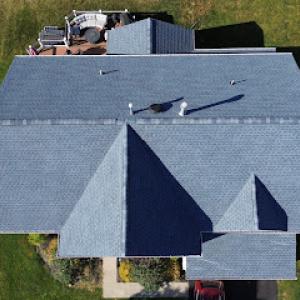
ReliaBuild Roofing & Construction
(502) 408-3214 www.reliabuild.co
Serving
4.9 from 59 reviews
ReliaBuild Roofing & Construction provides expert roof replacement, storm damage repair, and thorough inspection documentation for insurance purposes in Kentucky & Indiana. Licensed and insured, we deliver quality roofs, gutters, and siding with reliable service you can trust.
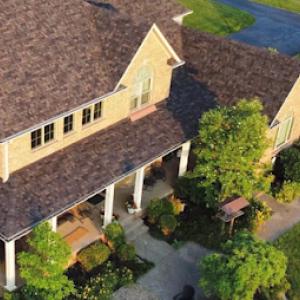
A.L.E. Roofing
(859) 402-5211 aleroofingky.com
Serving
4.9 from 36 reviews
For over 50 years Atlas Contracting, Langham And Sons Roofing, and Elleman Contracting, have been serving Central Kentucky’s roofing needs. We are now rebranding as: A-L-E Roofing BBB Accredited Business
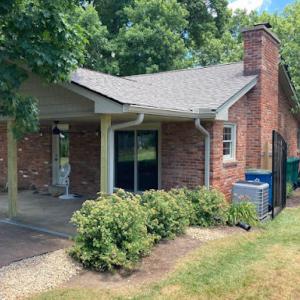
Spangler Roof Services/Systems
Serving
4.7 from 171 reviews
"YOUR ROOFING SPECIALIST"

Big Blue Roofing
(859) 428-7574 bigblueroofing.com
Serving
4.8 from 78 reviews
Big Blue Roofing is Lexington's premier roofing company, specializing in roof replacements and repairs. We make sure to take our time with each roofing project; you don't have to worry about a rushed job here. We take pride in our attentiveness to our projects and customers, communicating from start to finish. Whether it's a storm damage, shingle and flashing repair, or you're looking for a new roof for your home, trust the experts. Give us a call today!
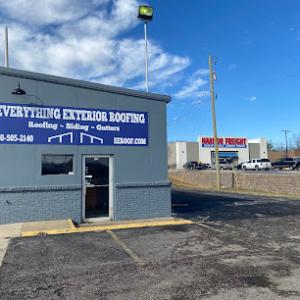
Everything Exterior & Roofing
(270) 505-2140 everythingexteriorroofing.com
Serving
5.0 from 8 reviews
Everything Exterior and Roofing is the leading professional roofer in Central and Western Kentucky and Southern Indiana. If you are located between Lexington and the west end of Kentucky, we can take care of the largest commercial and residential roof installations or roofing repairs.
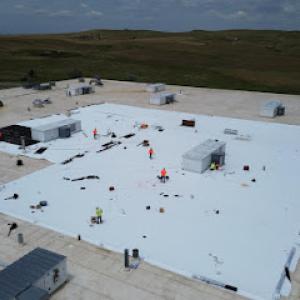
Evolve Construction KY
(800) 222-4100 www.evolveconstruction.com
Serving
5.0 from 19 reviews
Building Better Tomorrows At Evolve Construction, we take pride in helping improve or repair homeowners properties in multiple locations across the United States. Our goal is to build long-term relationships with our clients through our dedication to making them happy and satisfied. We love what we do and share the same values with homeowners in achieving better results.
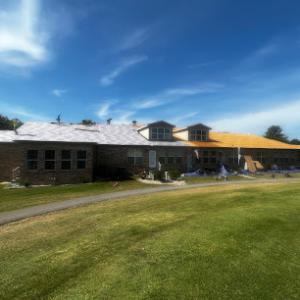
All Tite Roofing
(270) 307-5366 alltiteroofing.net
Serving
4.9 from 115 reviews
All Tite Roofing, located at 802 Rhodes Drive, Elizabethtown, KY, is your go-to expert for roofing solutions, specializing in Roof Repair, Roof Replacement, and Roof Leak Repair. Our skilled team of certified technicians offers comprehensive Residential Roofing services, including thorough Roof Inspections and Roofing Estimates. With over 14 years of experience, we prioritize customer satisfaction through free, detailed assessments. Whether you’re searching for "Roofing Contractors Near Me" or "Roof Repair Near Me," trust us to deliver quality, durability, and aesthetics. Contact us for roofing excellence that stands the test of time.
In this market, wind and hail are common culprits, and insurers routinely ask for photos, scope details, and evidence of prior roof condition before approving a full replacement. The process can feel like a moving target, especially after a big spring storm when adjusters are flooded with claims. You'll want to gather clear, dated records that show the roof's condition before damage, plus a precise description of what the storm changed. If you're looking to protect your rights, you must be prepared to demonstrate the baseline condition of the roof and how the damage moved beyond normal wear.
Radcliff homeowners should keep dated photo sets that chronicle the roof from season to season, not just after a storm. After a strong wind or hail event, take exterior photos from multiple angles, then step inside to document any interior signs of water intrusion, such as stained ceilings or warped panels. Record the date and weather conditions for every shot. Contractor inspection notes should be included as soon as a professional has evaluated the roof, noting observed damage, suspected causes, and any temporary repairs. When temporary patches are made, ensure the details are captured in writing and photos, because these steps can alter evidence of the original condition and affect the claim's credibility.
Kentucky coverage decisions can shift during high-demand periods, so it's crucial to separate storm-created damage from age-related deterioration on older roofs. Look for patterns that align with the storm event: randomly chipped shingles, granule loss concentrated after a hail sweep, or visible storm-related damage around hips, ridges, and edges where wind force concentrates. Conversely, aging typically shows uniform wear, granule loss across large areas, curling shingles, or structural concerns that predate the storm. Having a contractor's assessment that clearly differentiates these elements helps prevent disputes about eligibility for replacement versus repair, and it guides the adjuster's evaluation toward the most defensible position.
Before a claim is opened, assemble a concise summary of the roof's condition that emphasizes what the storm changed, not just what it was. Include a calendar of storms in the past several years if available, with notes on any prior repairs or patches. Inside the home, gather records of leaks, attic moisture, or ceiling stains, and pair them with a timeline of when these issues first appeared relative to the storm. A contractor's inspection report should list observed damage, photos tied to each finding, and a recommended path forward. This packet helps prevent delays caused by missing documentation and reduces back-and-forth with the adjuster.
Active storm periods bring a surge of claims, and that congestion can stretch timelines. If temporary repairs are necessary to prevent further damage, ensure the scope and limitations are documented in writing. Insurers will look at whether those temporary fixes were appropriate and whether they might affect the final assessment. It helps to have a long view: your documentation should show both the immediate storm impact and the roof's condition as it progressed, including any non-storm-related deterioration. By keeping everything dated, organized, and clearly linked to the storm event, you reduce the risk of coverage decisions being hindered by mismatched evidence or timing.
Connect with contractors who help homeowners navigate the claims process from damage assessment to final approval.
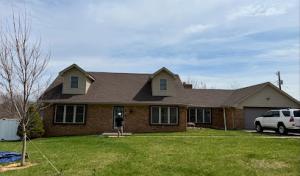
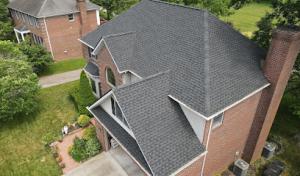
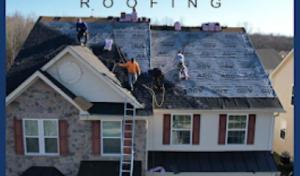
Asphalt shingles are the dominant roof type in this area, and that practical familiarity matters when thinking about storm risk. The locally common exposure to spring hail and seasonal wind means you should prioritize impact resistance and a solid seal-strip performance to keep wind-driven debris from lifting edges or blowing tabs loose. When you inspect or plan a replacement, look for shingles with a high impact rating and reinforced nailing patterns to resist the pounding that hail and gusts bring. A straightforward maintenance rhythm-annual checks after winter storms, with quick resealing where granules are thinning-can extend same-color life and help you avoid surprising leaks during mid-season squalls.
Metal roofing has grown in popularity because it stands up better to seasonal storms and temperature swings than aging basic shingles. If you're weighing upgrades, metal offers a clear advantage for a roof that experiences repeated wind-driven events and hail exposure. In practice, the quicker install timelines, lighter deck loads, and the ability to shed water efficiently can translate to shorter downtime and fewer interior concerns after a severe storm. When considering metal, verify that the system includes appropriate underlayment and corrosion-resistant alloys, and consider contrasting color or texture to reduce heat gain during hot stretches and to improve aesthetic compatibility with nearby homes.
Premium options such as clay tile, concrete tile, synthetic/composite shingles, and slate exist in this market when a homeowner seeks distinct curb appeal and long-term resilience. However, their weight, installation complexity, and cost demand careful planning. Before choosing a premium material, ensure the existing deck structure is capable of handling the load and that framing connections are solid. In practice, this means a pre-inspection of rafters, headers, and any supporting members, as well as a review of attic ventilation to prevent heat buildup that can stress tight underlayments. For replacement cycles, premium materials often translate to longer lifespans, but knocking out an upgrade without addressing deck condition can undermine performance under a heavy storm season.
Storm damage and insurance considerations drive the practical choice here. Asphalt remains a reliable baseline that aligns with local housing stock, while metal upgrades answer the demand for more robust performance against wind and hail. Premium materials reward homeowners seeking extended life and distinct appearance, but they require more careful structural and framing review. In the spring window, plan for a weather-appropriate installation pace that can accommodate potential hail-triggered delays and ensure that new fasteners, underlayment, and flashings are correctly integrated to weather the next season. Your decisions should balance the severity of typical hailstorms, average wind speeds, and the existing roof's condition to arrive at a durable, code-compliant solution.
In Radcliff, asphalt shingles sit in a practical middle ground, with provided local pricing ranges running from 350 to 650 USD per square, while metal roofing typically runs 600 to 1100 USD per square. Premium materials push well beyond these figures in this market, especially after repeated exposure to wind and hail. When budgeting, expect the lower end to cover basic asphalt, while a switch to metal or other high-end options can substantially raise the total, even before labor and tear-off fees are added. The mix of housing stock here-often a resin of older constructions with newer overlays-means you'll see a broad spread in quoted prices from local crews.
Costs in Radcliff can climb after spring storm cycles when insurance-funded re-roof demand increases competition for crews, tear-off scheduling, and material delivery. If a hail event flags your roof for replacement, you may face tighter crew calendars and higher demand for expedited timelines. This can compress your options for scheduling and drive up out-the-door costs, even if your roof material choice remains near the lower end of the range. Planning ahead for spring windows and understanding that you'll likely receive multiple bids can help you lock in a fair pace and price before demand spikes.
Final pricing is also affected by code-driven sheathing, ventilation, and underlayment corrections identified during the local inspection process, not just by the visible roof covering selected. In Radcliff, inspectors commonly flag the attic and roof deck ventilation balance, as well as decking integrity after a storm season, which can add noticeable costs if repairs or upgrades are needed. Subcontractor scheduling and disposal fees for old material can further influence the bottom line. Allow room in your estimate for these contingencies while comparing bids, and verify that the proposal itemizes each component rather than presenting a single lump sum.
Don't let upfront costs delay a critical repair - these contractors offer payment plans to fit your budget.

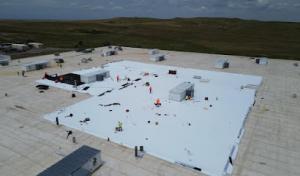
A residential roof replacement typically requires a building permit under the Hardin County/City building code framework. In this market, the goal is to ensure the project aligns with local safety standards and wind- and hail-resilient practices. The permit process is designed to be straightforward but must be followed carefully to avoid delays or fines if a storm drives nearby projects. The building department expects the work to proceed under an approved plan, with attention to venting, underlayment, and roof sheathing. The timeline can be influenced by storm activity in spring, when permit demand spikes, so plan ahead if possible when steel-gray skies threaten a late-season hail event.
In Radcliff, the roofing contractor typically files the permit with the local building department rather than leaving the homeowner to navigate the process alone. The contractor submits the project details, including a scope of work, square footage, and basic structural considerations. This arrangement helps keep the process efficient, since local contractors are familiar with the county's review criteria and any small municipal quirks. As a homeowner, you should verify that the contractor has submitted the permit before any substantial demolition or material purchase begins, and you should request the permit number for your records.
Inspections are conducted during and after installation, with the final review centered on sheathing, ventilation, and underlayment compliance rather than solely the finished shingle appearance. Early inspections typically verify that the roof deck is sound and properly strapped, and that the underlayment is correctly installed in accordance with code. Mid-project checks look at ventilation pathways, attic baffles where applicable, and any penetrations around chimneys or vents to ensure there are no moisture traps. The final inspection confirms that the roof system rises to code conditions, including adequate attic ventilation balance and secure fastening, so the installation will perform well during the region's spring wind and hail cycles.
Coordinate with your contractor to align the reroof schedule with anticipated weather windows, since rain or snow can stall inspections and complicate sequencing. Have your permit number and a copy of the approved plan ready for the building department and for any insurer requests after a storm claim. If an inspector raises notes about ventilation or underlayment, address them promptly-delays in compliance can push back the final inspection and hold up allowing the project to be closed out. For homes with multiple roof penetrations or complex venting, confirm that the contractor has accounted for all vent runs before the final inspection to avoid revisits.
Spring in Radcliff brings storm interruption and hail exposure, so tear-offs started during unstable weather carry higher risk of underlayment exposure and schedule changes. If a roof shows repeated hail hits, delayed leaks after a storm, or wind-driven shingle loss, plan for a window when forecasts look calmer and winds are favorable for safe ladder and debris management. Rushed tear-offs during a thunderstorm threat can leave underlayment compromised and require rework later, so aim to align a replacement with a string of dry days rather than the next sudden squall.
Hot summer conditions in Radcliff affect crew productivity and material handling, which matters for asphalt installation quality and daily work pacing. Schedule roof work for stretches when the sun isn't at peak and temperatures stay tolerable for adhesive and sealant performance. Expect slower progress if temperatures push into the 90s, and plan for more frequent hydration breaks and edge protection. If choosing metal or synthetics, note that heat can expand metal panels and affect fastener seating; plan sequencing accordingly to avoid rework.
Winter freezes, occasional snow, and autumn leaf fall in Radcliff can complicate moisture control, cleanup, and ventilation work during replacement. Frost and standing moisture early in the season can trap moisture in the decking, so ensure proper drying and ventilation before finishing. Autumn debris adds cleaning time and can conceal underlayment edges, making finalization slower. Choose a window that allows complete, clear site access and thorough perimeter cleanup to reduce cold-weather delays.
When damage is confirmed and a replacement is on the table, coordinate the project for a multi-day stretch with predictable weather blocks. Prioritize longer windows of dry weather, avoid peak heat days for asphalt work, and align with crew scheduling to minimize overtime and knock-on delays. A steady rhythm-clear weather, orderly tear-off, precise installation, and final inspection-helps ensure the roof performs well through the next season's storms.
A sudden leak after a storm is a race against the clock. In Radcliff, emergency repairs are a meaningful local specialty, and tarping the roof to control water ingress should happen within hours, not days. Apply a sturdy, watertight tarp or roof patch over the affected area, securing edges well to withstand wind. If shingles are blown loose, cover exposed decking with deck protection and seal any obvious gaps to slow intrusion while a crew arrives.
Spring storms in this area can expose decking quickly, before a permit, adjuster, or full-install schedules are settled. Fast response matters because moisture can travel and cause hidden damage to underlayment, fascia, and attic insulation. Don't wait for a full diagnosis before starting temporary stabilization. A temporary fix buys time and reduces interior damage, especially when rain is forecast.
Temporary stabilization is essential, because later inspections may require corrections beyond the visible leak area. When a contractor arrives, expect a rapid assessment that covers shingles, underlayment, and any affected decking. Documented, professional stabilization reduces the risk of further deterioration and helps the restoration process stay on track once the weather clears and crews can complete a proper repair or replacement.
When you can't wait, these contractors offer fast response times to stop leaks and prevent further damage.
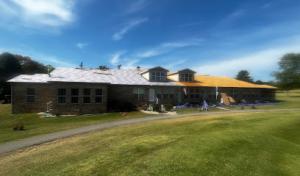
Flat-roof specialization exists in Radcliff but is not the citywide norm. This means a second tier of contractor options and more variable workmanship on additions, porches, and mixed structures. When you see a flat or low-slope section, scrutinize edge detailing and drainage. Poor slope, clogged scuppers, or inadequate flashing here can leak quietly into a ceiling cavity with few obvious signs until damage is substantial.
Chimney flashing and masonry-adjacent roof details show up more often than skylights in this market. Look for cracked mortar, loose step or counter-flashing, and staining along the chimney chase. These issues can push water laterally under shingles and the underlayment edge. If a roofer suggests patching instead of full flashing replacement, pause and demand a careful assessment of the chimney's masonry and crown. A proper seal around the chimney helps prevent hidden leaks after storms.
Final inspections emphasize underlayment and ventilation compliance, so transitions between roof planes, valleys, and penetrations deserve extra scrutiny during re-roofing. Pay attention to how hips meet the main roof, how vent pipes are flashed, and whether the interior attic shows proper airflow. Improperly sealed transitions or misaligned ridge vents can fail under spring wind gusts and hail impact, leaving hidden damage that worsens over time.
Underlayment quality and attic ventilation are not decorative extras here. They govern moisture control and energy performance, and inspectors expect them to meet standard. If soffits or ridge vents are blocked by debris or insulation, you risk condensate, mold, and ice dam concerns that complicate future repairs. A careful walkthrough after a storm can catch telltale signs before costly roofer calls.
Radcliff experiences spring hail and wind events that stress those detail areas most. Use the storm window to check for interior signs and plan follow-up inspections when winds howl or hail rattles the gutters. A measured, patient approach saves misdiagnosis and reduces the chance of later surprises.
Find specialists in TPO, EPDM, and built-up flat roofing systems for residential and commercial properties.
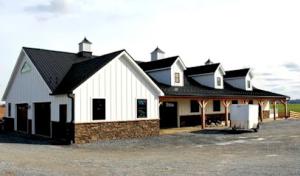

Radcliff homeowners tend to prioritize cleanup speed and a quick response after a storm, a pattern driven by frequent debris and urgent leak concerns. When a contractor answers promptly, with a clear plan to address debris removal, initial tarping, and a defined work window, that is often a better signal than a flashy sales pitch. Look for crews that arrive with a focused, staged approach: secure the area, assess the roof, and outline the next steps with achievable milestones.
Re-roofing is more common than new construction in this area, so choose a contractor who demonstrates solid experience with tearing off, inspecting the deck, and executing a complete replacement. Ask for specifics: how they will inspect sheathing and underlayment, how they handle damaged decking, and what they replace beyond shingles. A reliable team will provide a transparent sequence-from roof removal to flashing, ventilation checks, and final warranty documentation-without skipping critical steps that affect long-term performance.
Within the local market, a smaller but meaningful share of contractors emphasize manufacturer certification, long establishment, family ownership, or local ownership. These signals help distinguish steady operators from storm-chasing sales activity. Prioritize firms with verifiable certifications, a burnished track record, and clear references from nearby neighbors or nearby multi-family and commercial jobs. A contractor with roots in the community is more likely to stay responsive after project completion and to stand behind work when issues arise.
Be cautious of contractors who pressure you to sign quickly, skip the decking review, or avoid providing a written, step-by-step replacement plan. Storm-damaged roofs can attract transient crews; vet by verifying a physical local office, valid state registrations, and a stable crew roster. If a contractor cannot demonstrate a thorough inspection protocol and a documented replacement process, consider moving on to a more established option.