
Last updated: Apr 19, 2026
In a city perched near Lake Pontchartrain and tucked into the Jefferson Parish corridor, the roof is your first line of defense against June through November tropical weather. Even when a roof covering stays in place, wind-driven rain finds its way through ridge lines, flashing, soffits, and edge details. Kenner homes regularly face a squeeze between storm-onset damage and the cluster of repair demands that follow a major event, so the priority is immediate containment and rapid documentation to secure an insurance-backed path to full replacement when necessary.
When a storm pushes rain into the attic or interior, every hour counts. Focus on stopping the water at its entry points: seals around ridge venting and flashing where shingles meet walls, around the edge of the roof where wind can pry, and any compromised soffits that create a direct path for rain. If sheetrock or insulation becomes saturated, limit further interior damage by placing clean, labeled containers under drips and covering interior penetrations with plastic sheeting taped to surrounding surfaces. The goal is to keep the interior dry long enough to preserve structure and to prevent mold growth, which can escalate losses quickly after a major storm.
During a post-storm lull, your objective is to stabilize the roof's vulnerable points while you arrange professional help. Remove debris from the roof surface only if it can be done safely, since loose debris can become projectiles in another blow. If you can safely access the attic, inspect for active leaks and note where water is traveling along rafters or through HVAC penetrations. Install temporary patches using sturdy tarps or roofing paper over the most exposed areas, anchoring them with weight or fasteners designed for outdoor use. Secure tarps along eaves and ridge lines, but avoid creating new openings that could channel wind-driven rain into the attic.
Because storm-hit roofs in this coastal belt see rapid post-event demand, speed matters. Photograph every visible damage detail before and after temporary repairs, focusing on flashing, ridge seams, soffits, fascia, and edge damage. Create a simple timeline: initial damage, temporary measures taken, and any further professional work completed. Keep a running list of dates, weather conditions, and contractor contact attempts. If multiple utilities or components are affected-electrical conduits near the roof line, HVAC, or attic insulation-document those as well, since insurers often view secondary damages as part of the same claim.
The climate and geography shape what tends to fail first in Kenner. Wind-driven rain frequently enters at ridges and along flashing details where roof planes meet walls. Soffit breaches can become openings for water intrusion, while edge details are particularly vulnerable to gusts. This pattern means that even if the roof deck remains intact, the surrounding sealants, flashing, and protective edging carry the highest risk of escalating water intrusion after a storm. Recognize these hotspots so you can coordinate rapid inspection and prioritize their repair or temporary sealing.
After a major event, local contractor demand spikes. Look for a contractor who demonstrates rapid response, clear communication, and a focus on emergency leak control as a first step before full replacement scheduling. Ask for prior experience with insurance-claim projects and for proof of current licensing, insurance, and a solid on-site plan for the dry-in and temporary repairs. Expect a written assessment of water intrusion paths and a staged repair plan that prioritizes the most vulnerable points first. In a clustered response window, you want someone who can document progress and coordinate next steps with your insurer and adjuster so the claim moves forward without undue delay.
Temporary repairs buy time but do not replace a compromised roof system. As soon as the permit- and indemnity-driven process allows, prepare for a comprehensive replacement that addresses all identified failure points, including flashing, fascia, and edge details that weathered the last storm. In this coastal setting, prioritize materials and installation that enhance wind resistance and water shedding at critical interfaces. Schedule the replacement with a contractor who understands the distinctive Kenner exposure to the Gulf storm path, so the final roof assembly delivers durable protection through the next round of hurricane season.
Kenner's hot, humid climate with frequent summer rainfall accelerates deterioration at penetrations and sealant-dependent details, so leaks often start at flashing transitions before the main field of roofing fails. Around chimneys, vents, skylights, and where roof-to-wall transitions tie into gutters, you'll see sealant creep, hairline cracks, and ponding stresses build up over years of humidity. In practice, this means you should treat every flashing joint as a critical at-risk point. If you notice any dark staining along the hips and around penetrations after a heavy rain, don't delay-temporary tar or quick-dry sealant can buy a few hours, but a proper reseal and flashing upgrade is the real fix. When a roof is aging, the risk isn't only a single leak-it's a cascade through the flashing stack that can overwhelm once moisture penetrates from one point to the next.
The truth in this climate is that leaks often begin at transitions where metal, foam, or membrane meet a different material. Valley and step flashing failures, poorly integrated gutter connections, and loose counterflashing are common trouble spots during tropical downpours. The practical takeaway is to inspect transitions annually and after major storms, paying special attention to any movement or separation at the seams. If rain sounds louder near a chimney or along a dormer during a downpour, that's a cue to check nearby flashing. In hot, humid seasons, seasonal expansion and contraction can stress sealants and fasteners, so aggressive maintenance and timely replacement of aging metal, butyl, or silicone joints saves more trouble than chasing a leak after a storm.
Low-slope sections over patios, additions, and commercial-style portions of buildings are especially vulnerable during tropical rain events because standing water and slow drainage compound leak risk. In Kenner, flat or nearly flat roofs can hide trouble until a strong rain blasts water up and under edges. Persistent ponding signals that the drainage system-or the roof surface itself-needs attention. Look for blisters, sagging, or edge seepage near parapets and transitions to low-slope areas. A small amount of standing water can migrate, saturate deck seams, and push moisture under flashing where it won't dry promptly. Routine checks after heavy rains are essential, and addressing drainage blockages or deck membrane punctures early prevents rapid deterioration.
Occasional winter cold fronts in southeast Louisiana can affect sealants and fastening performance, which matters on roofs already stressed by long humid summers. The temperature swing challenges the elasticity of sealants and can cause micro-cracking that invites water intrusion once humidity returns. In practice, this means performing sealant inspections and reapplications in the shoulder seasons, not just after a storm. If you replace or reseal, choose materials rated for hot, humid climates and for freeze-thaw cycles, even when winter seems mild. The aim is to preserve the integrity of joints through the full seasonal cycle, recognizing that a stressed roof is more vulnerable to the next bout of heavy rain.
Find specialists in TPO, EPDM, and built-up flat roofing systems for residential and commercial properties.
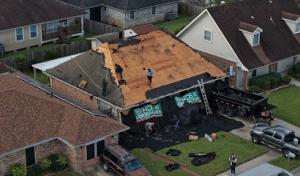
HDS Contractors
(504) 813-1603 hdscontractors.com
1601 Mississippi Ave, Kenner, Louisiana
4.9 from 55 reviews
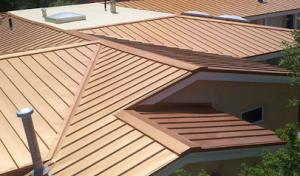
Progressive Roofing & Home Improvements
2504 Kentucky Ave, Kenner, Louisiana
4.7 from 41 reviews
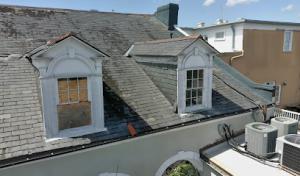
Asphalt shingles remain a dominant choice because they fit the area's large re-roofing market. In this climate, the heat, humidity, and storm exposure can shorten service life compared with milder climates, so you'll want to pay attention to granule retention, nailing patterns, and proper underlayment. A standard 30-year shingle can suffice for many homes, but consider higher fiberglass reinforcement and heat-resistant shingles if you expect heavy sun and quick heat cycles. When evaluating a reroof, ensure the shingles are installed with realistic overhangs, correct starter strips, and continuous ridge ventilation to reduce heat buildup under the deck. In practice, you'll benefit from choosing a color and shingle profile that minimize sun absorption on southern elevations, while still aligning with your neighborhood's appearance. Regular maintenance-clearing debris, inspecting for lifted tabs after storms, and resealing flashings-helps asphalt perform through Gulf humidity and wind-driven rain.
Metal roofing is especially relevant in this market because local contractor specialization is strong and homeowners often weigh wind performance, lower maintenance, and faster water shedding during heavy Gulf rains. When you consider metal, verify the panel layout aligns with anticipated wind loads and that the system uses continuous (not intermittent) fastening to resist uplift. A standing-seam profile often delivers the best balance of durability and weather-tightness in a hurricane-prone region, provided the fasteners and seals are designed for tropical moisture and salt exposure near water. Ask about coatings that resist corrosion from coastal air and about attic ventilation compatibility to prevent condensation and ice-damming-type issues in shoulder seasons. For a Kenner home, non-obtrusive color choices and a roofline that cooperates with existing eaves and overhangs can simplify installation and long-term maintenance, reducing opportunities for water entry around penetrations.
Tile and synthetic products appear in the market as premium options, but their suitability in Kenner depends on structure, fastening approach, and how well the assembly is detailed for hurricane-prone conditions. Clay and concrete tiles offer impressive durability when correctly installed, but they add weight loads and require a sound roof deck and properly engineered fasteners to withstand uplift and shifting in high winds. Synthetic or composite shingles mimic appearance with lighter weight and often easier handling, yet performance hinges on the same careful attachment and vented, sealed interfaces. If choosing tile or synthetic, work with a contractor who understands your home's framing, roof slope, and how to integrate underlayment, flashing, and trim to resist wind-driven rain. In hot, humid months, ensure the installation leaves ample room for expansion and allows for adequate drainage so water cannot pool at hips and valleys after intense Gulf storms.
After a busy storm season, pricing for roof work in Jefferson Parish tends to be higher than the quiet months. Local pricing ranges run about 350 to 650 USD per square for asphalt shingles, 700 to 1300 for metal, 1100 to 2200 for clay tile, 900 to 1700 for concrete tile, 600 to 1100 for wood shingles or shakes, and 550 to 900 for synthetic or composite shingles. Those figures reflect emergency demand, tightened labor, and the pressure to dry in and weatherize quickly after storms.
In the area, costs can rise after hurricanes or major summer storm clusters because emergency demand surges across Jefferson Parish and the wider New Orleans metro area tighten labor availability and scheduling. Roofs with low-slope tie-ins, detached structures, or mixed residential-commercial forms require more flashing, dry-in work, and moisture management, which pushes bids higher even within the same material category. Local crews often prioritize quick water control, which can influence material choice and sequence of work.
When planning a replacement after a clearing storm, expect price bands to widen if supply chains tighten or crews are booked weeks out. Synthetic and asphalt options often move the most, but heavier tiles like clay and concrete can swing more on labor complexity. A typical roof in these conditions should be measured in squares, with costs multiplied accordingly. Always confirm whether the estimate includes underlayment, flashing, and venting, which are essential in flood-prone areas.
You should get multiple written estimates within a short window after a major event to compare scope and timing. Ask for a phased plan that prioritizes critical leaks first, followed by a complete dry-in. If insurance steps in, keep detailed records of weather delays, supply shortages, and crew arrival times to support claim timing.
Choosing materials and color should consider Gulf humidity, heat, and coastal salt exposure. Metal roofs resist wind well but can creak in heat; clay and concrete offer longevity but require firm structural support. Look for warranties that cover wind uplift and algae staining, and confirm maintenance expectations after storms.
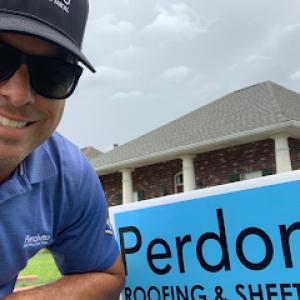
Perdomo Roofing & Sheet Metal
(504) 885-6652 www.nolaroof.com
609 Oxley St, Kenner, Louisiana
4.8 from 212 reviews
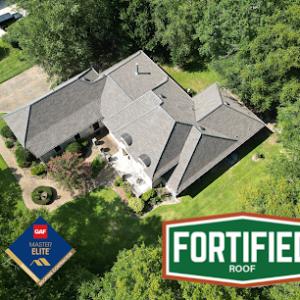
Locally owned by Eric Perdomo. Perdomo Roofing & Sheet Metal started after Hurricane Katrina. We are made up of a highly skilled team with a true passion for roofing and construction. Our team is dedicated to “doing it right” the first time by quality controlling all aspects of the roofing process. We analyze the issue, make a plan to repair or replace your roof and schedule your project timely and on budget. Perdomo Roofing is Master Elite Certified by GAF, the nation’s #1 roofing manufacturer and Haag Engineering Certified Inspector. We have been rebuilding New Orleans for over 17 years! We are proud to be a member of the BBB with A+ rating. Making our region beautiful, one roof at a time! Buy Local, Perdomo Roofing & Sheet Metal!
American Restorators
(504) 810-3033 arestorators.com
4311 Williams Blvd, Kenner, Louisiana
5.0 from 42 reviews
For over 15 years, we’ve been proudly serving Louisiana residents. We’re also proud of our team for the work they have done, as our customers have their roofs intact from the last storm. We’re certified by the Louisiana state Licensing Board for contractors. We offer a wide range of roofing services, from repairs and replacements to new construction. We understand the importance of having a strong and durable roof over your head, and we are dedicated to providing the highest quality products and services to our customers. We use only the best materials and workmanship, so you can be confident that your roof will be built to last. We also offer a wide range of financing options, so you can find a plan that fits your budget.

HDS Contractors
(504) 813-1603 hdscontractors.com
1601 Mississippi Ave, Kenner, Louisiana
4.9 from 55 reviews
HDS Contractors is a roofing contractor in New Orleans and Metairie serving Westwego, Covington, Destrehan, and nearby areas. Our roofing company offers residential roofing, roof replacement, asphalt shingle roofing, metal roofing, and more. We also specialize in gutter and siding installation services. Customers love us because of our comprehensive roof warranties and our affordable roof financing options. We also have industry affiliations and certifications such as GAF Master Elite and more! Contact your reliable New Orleans and Metairie roofing company for a free estimate!
Vinyltech
(504) 469-7590 vinyltechroofing.com
17 Veterans Memorial Blvd, Kenner, Louisiana
4.8 from 122 reviews
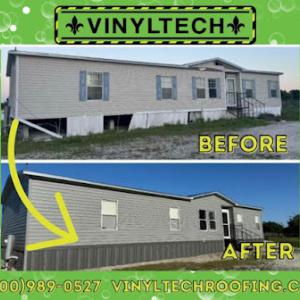
Vinyltech is the best roofing company in New Orleans! Our roofers have been serving Louisiana for over 20 years and we have continued to build the best roofs for the best homes. If your home is in need of our services, we provide roof replacements, roof repairs, gutter repairs, gutter installation, siding repairs, siding replacement, window replacement, door replacement, deck and patio services, and so much more! We believe in providing honest, transparent service. That's why we offer free inspections to assess your home's needs and provide a detailed, no-obligation quote. Our goal is to make your roofing and home improvement projects as seamless and stress-free as possible. Call today for a free inspection!
Raziano Construction
2324 Augusta St, Kenner, Louisiana
5.0 from 16 reviews
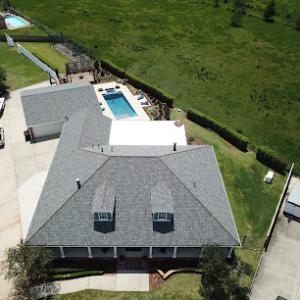
Raziano Construction has 15+ years of experience in Commercial & Residential Service Industry.
Suburban Roofing & Siding
(504) 861-7663 www.suburbanroofingnola.com
1710 18th St STE C, Kenner, Louisiana
4.6 from 62 reviews
Local Roofing & Siding Expert State Licensed. State Insured. - We pride ourselves with an outstanding A+ BBB Membership rating. - Assurance of a licensed Contractor with current customer references. - You get piece of mind with our Workman’s Compensation Coverage.
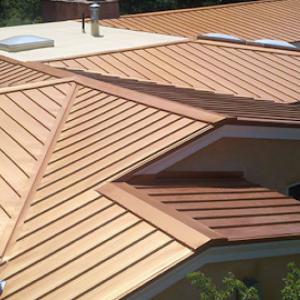
Progressive Roofing & Home Improvements
2504 Kentucky Ave, Kenner, Louisiana
4.7 from 41 reviews
Progressive Roofing & Home Improvements is a trusted, family-owned company dedicated to protecting and enhancing homes and businesses across Kenner, Metairie, New Orleans, and surrounding Louisiana areas. For over 40 years, the Matise family has built a reputation for honesty, reliability, and superior craftsmanship. Led by Chris Matise and his daughters, Danyelle and Christen, we blend time-honored techniques with modern expertise to provide durable, high-quality solutions for your home or business. When you choose Progressive Roofing & Home Improvements, you're choosing a partner committed to providing stress-free service that protects what matters most.
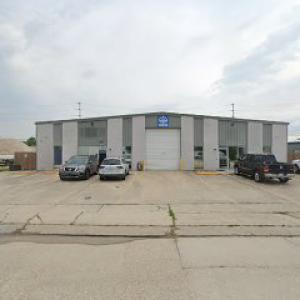
Nu-Worx
(504) 353-1484 www.nuworxllc.com
922 Industry Rd Suite A, Kenner, Louisiana
5.0 from 9 reviews
Nu-Worx provides commercial and residential roofing, commercial seamless gutters, metal cladding installation and roof restoration to the greater New Orleans, LA, area.
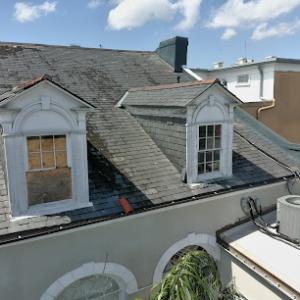
Reinhardt Restoration
730 Village Rd, Kenner, Louisiana
5.0 from 9 reviews
Reinhardt Roofing is a local roofing business specializing in Slate, Tile, Copper standing seam and TPO roofing serving New Orleans, Kenner, Metairie, Gretna, Meraux surrounding areas in Louisiana
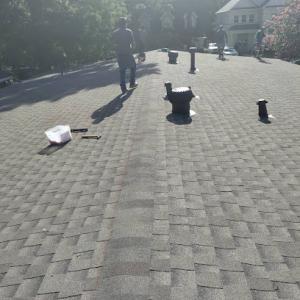
Bring the Light Construction
(504) 308-1013 bringlightconstruction.com
2425 W Metairie Ave Suite B, Kenner, Louisiana
5.0 from 9 reviews
We offer free roof estimates and work with your insurance company

RYCARS Construction
503 Coleman Pl, Kenner, Louisiana
4.1 from 15 reviews
RYCARS makes roofing easy. We provide comprehensive design-build services for our commercial clients. Bring us any roofing project or need, and we can see your project through from start to finish. We conduct an in-depth review of your building, draw up the blueprints, secure the materials needed, and execute the project, leaving you with a secure roof warrantied by the manufacturer of your choice. When your roof is beyond repair, it's important to seek a roof replacement as soon as possible to protect the building and its contents.
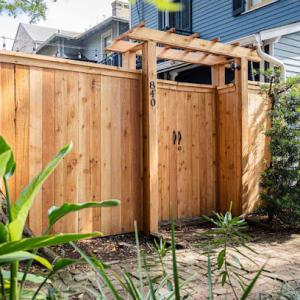
Zuppardo's Renovations Roofing, Siding, Fencing, Painting
(504) 493-7777 zuppardosrenovations.com
Serving
5.0 from 223 reviews
We began as most renovation companies do, as sales and project managers for an esteemed home renovation company. Since then, we’ve fallen in love with helping this community turn their homes or business’ renovation dreams into reality. What makes Zuppardo's Renovations an exceptional company to work with is our focus on communication with our customers and team members. From our initial consultation and estimate to ordering materials, start times, daily/weekly planning all the way to the finished product we communicate with each and every customer.
In Kenner and Jefferson Parish, a building permit is typically required for a full roof replacement rather than treating the work as a no-paperwork maintenance item. That distinction matters because pulling a permit sets the project up for the inspections that verify the roof is installed to current codes and standards, which is especially important after a hurricane event when winds and rain exposure challenge many roofs. If a contractor offers a "permit-optional" approach, it is worth double-checking that plan with the local building department to avoid later compliance headaches or insurance questions.
The permit is generally obtained through the local building department by the contractor or homeowner, and the process is straightforward when approach is planned and documented. Expect to submit job details such as the scope of work, roof type, and, if applicable, underlayment and flashing material choices. The department will assign a permit number and provide the permit documents that must be on-site during construction. Working with a licensed local contractor can streamline the submission, since they often handle the initial plan review and any follow-up requests from inspectors. If you choose to file as the homeowner, make sure you have a clear project plan and contractor contact information ready for the department.
Inspections cover the roof installation scope before final approval is issued. A typical sequence includes an initial inspection during or after roof deck replacement, followed by a final inspection that confirms proper installation of underlayment, flashing, venting, and the roof coverings themselves. Inspections are designed to verify compliance with applicable wind-resistant detailing and drainage requirements, which are especially important after severe weather where fast recovery is a priority. Scheduling these inspections promptly helps minimize downtime and exposure to the elements.
Projects may intersect with wind-mitigation considerations that matter later for insurance documentation and possible credits, so homeowners should keep permit and inspection records. Documentation showing upgraded fasteners, attic ventilation, reinforced roof-to-wall connections, and other wind-resistance improvements can translate into potential insurance discounts in the future. Store all approved plans, inspection reports, and any correspondence from the building department in a dedicated project folder or digital archive. This makes it easier to respond to insurer requests or to document improvements if you apply for credits after a storm.
Maintain a single, organized file with permit numbers, inspection dates, and a summary of work performed. After the project, keep copies of the final inspection clearance and any wind-mitigation certificates. If the project involves repairs that tie into insurance claims, these documents become the backbone of your post-storm documentation. In Kenner, keeping meticulous records helps smooth conversations with adjusters and ensures that the replacement aligns with Jefferson Parish requirements for a compliant, storm-resilient roof.
Louisiana's insurance market has seen elevated storm-related claim activity, and that affects Kenner homeowners through stricter underwriting, renewal scrutiny, and closer review of roof age and condition. When the next renewal rolls around, insurers may ask pointed questions about your roof's history, age, and any prior repairs. A roof that shows advanced wear or a patchwork of repairs can trigger higher scrutiny or even non-renewal risks. Understanding this backdrop helps you prepare a calmer, more organized file before the next policy review.
Adjusters in this market may ask for prior roof condition records, replacement estimates, and documentation of wind-mitigation features, making pre-storm photo records especially valuable in Kenner. Start a simple habit: photograph all angles of the roof, attic spaces, soffits, and interior ceilings after any notable weather event. Save receipts for repairs and keep a dated log of improvements. If you install wind-mitigation features or have a certified report, keep those documents accessible. When a claim is filed, having clear, dated evidence can shorten the review and support the case for replacement or repair decisions.
Because claim timelines can be shaped by broader state-level storm pressures, homeowners in Kenner benefit from documenting temporary repairs, interior water intrusion, and all communication immediately after an event. Covering exposed areas to slow leaks, securing tarps, and noting the exact time and weather conditions can influence the claim's evaluation. Keep copies of messages with your insurer, contractor, and any adjuster notes. In the days that follow, organize photos, repair receipts, and any rodding or decking concerns so the file is ready for rapid communication.
Wind-mitigation features-when properly documented-can meaningfully influence eligibility and settlement outcomes after a storm. Ensure all installed devices are up to code and that inspections, if applicable, are current. If your home already shows compliant seals, shutters, roof geometry, or reinforced fasteners, gather verification now. This foundation helps you face the storm season with a calmer claim process, rather than wrestling with uncertainty when a storm belt hits.
Connect with contractors who help homeowners navigate the claims process from damage assessment to final approval.
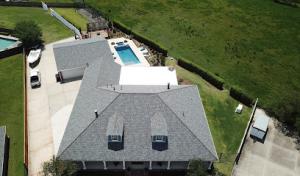
Suburban Roofing & Siding
(504) 861-7663 www.suburbanroofingnola.com
1710 18th St STE C, Kenner, Louisiana
4.6 from 62 reviews

Bring the Light Construction
(504) 308-1013 bringlightconstruction.com
2425 W Metairie Ave Suite B, Kenner, Louisiana
5.0 from 9 reviews
As the dry season edges in, you gain the clearest window for tear-off and dry-in planning. In this stretch, aim to lock in material deliveries and crew calendars before the early-summer showers start. Structural checks and attic ventilation upgrades should be completed while humidity is moderate, to reduce post-install sweating and mold risk. Expect occasional late-season cold snaps that can slow sealant cures, so schedule fastener tightening and underlayment bonding on milder days.
Summer heat and humidity in this region can slow crews and stress materials, so plan for shorter daily work sessions and more frequent shade or break periods. June through November hurricane season can delay tear-off and dry-in planning, so build in buffer days and confirm weather-ready sequencing with your contractor. If a storm threat looms, keep temporary tarps ready and designate a leak-response plan for rapid interior protection.
Fall brings steadier days, but Gulf winds can still complicate high-work procedures and finish-stage sealing. Prioritize roof-critical moves-decking repairs, underlayment laps, and flashing repairs-early in the season to avoid late-season storms. Fall rain can extend timelines even outside peak tropical periods, so maintain daily check-ins with the crew and prepare indoor staging areas to keep materials from absorbing moisture.
Winter rains can stretch timelines, and occasional cold fronts can affect fasteners and sealants on certain installations. Schedule adhesive-heavy steps during milder spells and store substrate materials in dry, shaded areas. Inspect penetrations and flashing after any cold snap to catch minor gaps before they become leaks in a damp season.
When leaks appear, deploy quick temporary measures to limit interior damage, then mobilize a storm-response plan with a trusted local crew. In Kenner, rapid insurance-ready documentation often hinges on timely, weather-aware scheduling and clear communication about observed damage, access, and staging areas.
Flat and low-slope roofing has meaningful local relevance because the contractor market shows active specialization rather than this being a purely pitched-roof city. In the humid, rain-heavy environment, coatings and restorations are most relevant where the existing low-slope assembly is still a candidate for extension rather than where storm-driven water has compromised the system. Understanding your current roof's layering and drainage can save future headaches when Gulf-coast weather rolls in again.
Before touching coatings, confirm that the primary drainage paths are clear and pitched correctly for your flat or low-slope section. In Kenner, even small deviations in slope collect water at seams and transitions, especially around carports, porch covers, and additions. Inspect gutters and scuppers for debris after heavy rain and verify that downspouts carry water away from eaves and foundations. If water ponds for more than 48 hours after a rain, plan a drainage fix before any coating or repair.
Deck-to-wall transitions, vent penetrations, and any roof-to-wall seams are common leak origins in Gulf-coast weather. Pay particular attention to joints where a carport or addition connects to the main roof, and where mixed-slope sections meet. If seams show signs of hairline cracking, peeling coating, or flashing failure, a coating refresh can extend life only when underlying problems are resolved. Do not rely on a coating to fix active leaks; address flashing, fasteners, and sealants first.
Choose coatings that are formulated for low-slope assemblies and high humidity. Look for elastomeric or silicone-rich products with strong waterproofing and UV resistance. In restoration scenarios, confirm compatibility with existing roof membranes to avoid delamination. For Kenner's climate, prioritize products with mildew resistance and proven performance in persistent humidity. If a roof has multiple components (carport, porch, or patio cover), treat each plane with matching or compatible systems to prevent differential movement and joint failure.
Set a practical inspection cadence-after hurricane season and mid-summer storms are common disruption points. Inspect seams, flashing, coating adhesion, and any signs of moisture intrusion. Document any changes with photos seasonal shifts, and keep a simple repair log to guide future restorations or coatings. Quick, proactive touch-ups after storms reduce the risk of larger leaks when the next system rolls through.
Find specialists in TPO, EPDM, and built-up flat roofing systems for residential and commercial properties.
HDS Contractors
(504) 813-1603 hdscontractors.com
1601 Mississippi Ave, Kenner, Louisiana
4.9 from 55 reviews
Progressive Roofing & Home Improvements
2504 Kentucky Ave, Kenner, Louisiana
4.7 from 41 reviews