
Last updated: Apr 19, 2026
Marrero sits on Jefferson Parish's West Bank, where tropical systems from the Gulf can bring wind-driven rain that turns small roof failures into interior leaks quickly. A minor shingle lift, a bruised sheathing edge, or a loose flashing can cascade into attic moisture and ceiling staining in a single downpour. The specific pattern here is swift leak propagation after a storm event, so acting on the first signs-dripping from the ceiling, attic mustiness, or sudden temperature-driven condensation-reduces interior damage and costs down the line. Treat every gusty evening or early morning shower as a test of the roof's integrity, especially after a named storm passes.
The local contractor market shows unusually strong concentration in storm damage, emergency repair, and insurance-claim work, indicating homeowners commonly need post-storm roof service rather than elective replacement alone. If shingles are missing, granule loss is visible, or flashing around chimneys and vents appears compromised, call for an urgent assessment rather than waiting for a weather lull. Expect rapid scheduling after a storm, and have a list ready: roof surface condition, visible leaks, attic signs of water intrusion, and any interior staining. In Marrero, moisture travels fast from roof line to ceiling and walls, so a temporary dry-in-tarps, plastic sheeting, or roofing cement assessment where applicable-can buy critical hours before full repair crews arrive. Keep at least one trusted emergency contact at hand, and document every step with photos for your insurer.
After a storm, your first goal is to prevent further intrusion. If safely accessible, cover exposed areas with a tarp, focusing on valleys, vents, and flashing seams. Do not climb a damaged roof alone; dangerous slip hazards and hidden structural weakness are common after Gulf-side storms. Schedule an emergency diagnostic visit within 24 hours if there is active dripping or standing water in ceilings or walls. Request a written assessment that pinpoints the leak source, the affected roofing components, and short-term stabilization steps. Ensure the contractor marks all potential storm-damage areas and requests the insurer for timely on-site documentation, since insurance reviews often hinge on clear, dated evidence of pre-existing conditions versus post-storm damage.
Given the local pattern of insurance-driven work after storms, gather every relevant item: storm date, meteorological reports, photos from before and after the event, and a detailed bound estimate outlining immediate repair steps, material types, and labor timelines. Insurers in this market expect a concise narrative linking the damage to the recent storm, not to pre-existing wear. A well-documented file accelerates claim decisions and reduces back-and-forth. If a claim number is issued, keep it visible on all notes and photos, and ensure the contractor coordinates directly with the insurer to align inspection timelines with weather windows. In urgent cases, advocate for a temporary dry-in as a bridge to more permanent repair, with a clearly defined completion date to prevent lingering moisture problems.
Hurricane season runs June through November, so prepare for repeated testing of roof systems during that window. Fortify vulnerable areas during calmer stretches: sealant around penetrations, reinforce exposed intersections, and consider retrofit options that withstand wind-driven rain typical of this coastline. Maintain a ready-to-act list of trusted emergency contractors who specialize in storm damage, fast leak response, and insurance-claim workflows. In Marrero, the fastest path from damage to dry interior is a disciplined, documented, and prompt response that treats storm-ready maintenance as a core duty-not an afterthought.
Louisiana's hot, humid conditions and abundant rainfall accelerate roof aging in Marrero, especially where moisture gets trapped after repeated summer storms. In practice, this means every extra day of exposure after a leak becomes a risk to the deck, sheathing, and attic insulation. Plan for a replacement window that minimizes prolonged moisture exposure, and target times when rain chances are lower but temperatures remain manageable for crews and adhesives. If a roof shows early signs of moisture intrusion, act promptly rather than waiting for the "ideal" sunny week that rarely arrives here.
Heavy spring rains can disrupt tear-off schedules and underlayment dry-in, so timing a replacement before the wettest stretches can reduce moisture exposure during the job. Start by identifying a two- to four-week dry spell in late winter or early spring, prior to Gulf humidity peaking. Coordinate with the crew to stage materials and set up containment to limit rain-driven delays. If a candidate window narrows due to an unusually wet spring, consider a staged approach: tear-off on the driest days, with temporary waterproofing measures and careful moisture monitoring between stages.
High summer heat on the West Bank affects crew productivity and material handling, while occasional winter cold fronts can slow adhesive curing on some roofing systems. In practice, push for morning-only or late-afternoon work blocks during peak heat, with shaded rest periods and hydration planning. For heat-tolerant materials, schedule the most labor-intensive tasks during the cooler hours. If a cold front is forecast, use this as a trigger to either accelerate or delay certain adhesive-dependent steps, ensuring the selected products have adequate cure time in the expected temperatures. Have a contingency plan for heat-driven work stoppages, including secure staging areas and temporary tarping to protect underlayment during interruptions.
Hurricane-driven roof damage is a leading concern in Marrero, so align reroof timing with storm season without compromising safety. After a strong storm, rapid tear-off and reinstallation may be necessary, but the priority is a secure dry-in and sawdust-free interior. If a quick turnarounds becomes essential, select a crew with storm-response experience and verify that temporary coverings and leak control measures are in place. In calmer months, focus on pre-emptive dry-in readiness, including attic ventilation checks and underlayment compatibility with the chosen roofing system to speed up subsequent water-proofing steps.
Coordinate with the contractor to block out the most reliable stretch of dry days within a narrow target window, rather than chasing a perfect climate. Lock in exact start dates with contingencies for rescheduling due to unexpected rain. Keep the job site tidy and weather-ready with tarps and ground protection to minimize moisture intrusion when rain becomes unavoidable. Communication matters: establish a clear daily contact routine for weather updates, progress reports, and quick decisions about pausing work to protect fresh layers from afternoon downpours.
Before work begins, inspect the exterior for loose debris, overhanging branches, and potential water pathways that could channel rain onto the new roof surface. Confirm that interior spaces above the work area are protected, and that visibility for the crew is clear in the early morning. Ensure your attic insulation is dry and moisture-free, so the new roof can seal properly without trapped humidity compromising the install. Having these steps ready reduces delays and supports a smooth, storm-conscious reroof sequence.
Geaux Gator Roofing
825 Avenue G, Marrero, Louisiana
5.0 from 21 reviews
The mission of Geaux Gator Roofing is to provide exceptional roofing services to the residents of Louisiana with a focus on quality, customer satisfaction, and integrity. Our goal is to exceed customer expectations by delivering expert craftsmanship, superior materials, and reliable roofing solutions tailored to meet the unique needs of each client. Through our dedication to professionalism, transparency, and superior service, we aim to establish Geaux Gator Roofing as the premier roofing company in Louisiana, known for our commitment to excellence and the highest standards in the industry.
Westbank Roofing | Trusted Roofing Company in Harvey & New Orleans
(504) 340-4977 www.westbankroofing.com
Serving
4.7 from 150 reviews
Westbank Roofing is a trusted roofing company serving Harvey, New Orleans, and the entire Westbank area with expert roof repair, roof replacement, and roof maintenance services. Our skilled roofers specialize in flat roof repair and replacement, pitched roof conversions, fiberglass shingle roof replacement, and gutters and siding. As a certified GAF and fortified roofing contractor, we deliver durable, storm-ready roofing systems built to last. Whether it’s residential or commercial roofing in New Orleans, our experienced & licensed roofing team is here to help. Call today for a free estimate and see why we’re the Westbank’s top roofing company in New Orleans, Harvey and Westbank area.

Lapeyre Roofing
(504) 290-2911 lapeyreroofing.com
Serving
5.0 from 190 reviews
Lapeyre Roofing serves greater New Orleans with hurricane‑ready roofing solutions. As a GAF Master Elite and Fortified certified contractor, we specialize in standing‑seam metal, slate, tile, shingle and commercial flat roofs. Our team guides homeowners through the roof selection process, works intimately through the Fortified Roof process, and is a certified Louisiana LDI grant contractor. We maintain a net‑zero safety record, provide detailed photo documentation and back every shingle roof with the GAF Golden Pledge Warranty.
Hydro Pride
(504) 931-6355 hydropridecontractors.com
Serving
5.0 from 27 reviews
Experienced construction services specializing in framing, painting, drywall, siding, roofing, and gutters. Honest pricing and free estimates. .
Priority Roofing
(504) 810-5346 www.priorityroofers.com
Serving
4.8 from 73 reviews
Fortified Roofing Certified! For more than 10 years, Priority Roofing has provided exceptional roofing services for the Gulf South, serving southern Louisiana and Mississippi. Your roofing needs are our priority. Since 2012 Priority Roofing has provided excellent roofing solutions to homeowners and businesses across the Gulf South. Priority Roofing is a licensed residential and commercial construction company specializing in the roofing industry. We’re proud to be locally owned and operated by founder Sean Killeen. Our team has over 50 years combined experience in the construction industry, and over 500 construction projects, have given them the expertise needed to complete high quality jobs on time.
Eagle Brothers
Serving
4.9 from 13 reviews
Eagel Brothers is a company that works on Roofing, Painting and Carpentry as well as additional services like Ceramic tile installation and siding repair and installations. Our work hours are from 7:30am to 8:00pm. These hours are for messages and calls only. Sundays are closed.
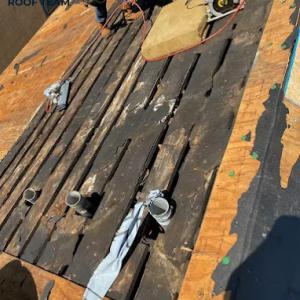
Big Easy Roof Team
(504) 285-5388 www.bigeasyroofteam.com
Serving
5.0 from 24 reviews
Big Easy Roof Team is a trusted, locally owned roofing contractor in New Orleans, LA providing professional residential and commercial roofing services. We specialize in roof repair, roof replacement, storm damage repair, and emergency roofing solutions for homes and businesses. Our licensed and insured roofing contractors offer thorough roof inspections and quality workmanship on every project. From fixing roof leaks to installing shingle, metal, and flat roofing systems, we focus on long-lasting results and clear communication. Proudly serving New Orleans and surrounding areas, Big Easy Roof Team delivers reliable roofing services with fast response times. Contact us today for a free roof inspection and estimate.
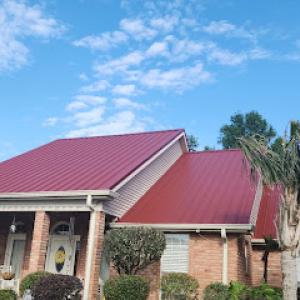
RG Construction Group
(504) 616-0033 rgconstructiongroupnola.com
Serving
4.9 from 80 reviews
Established in 2013, RG Construction Group safeguards homes and businesses in Belle Chasse, LA with superior roofing and siding services. Their expert team tackles all projects, from roof replacements to siding work, ensuring a durable and visually appealing exterior. RG Construction Group prioritizes understanding each client's needs to deliver customized solutions.
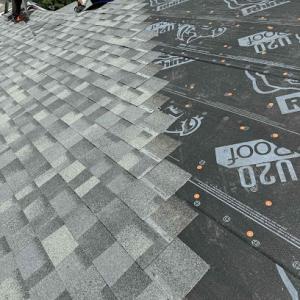
Shifflett Roofing
(504) 329-5665 www.shifflettroofing.com
Serving
4.9 from 239 reviews
Family owned New Orleans roofing company with the best roof warranty and customer experience. Whether you need a roof repair or new roof, we will provide you a through inspection with no cost or commitment.
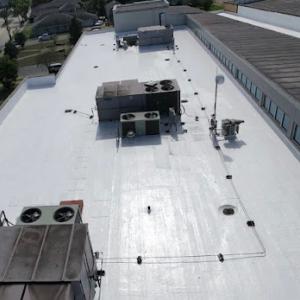
Mackie One Construction
Serving
4.7 from 26 reviews
Established as a premier roofing company specializing in various types of roofing systems. Our sheet metal shop both fabricates & installs all types of metal systems. The Mackie family has been providing commercial & residential services to greater New Orleans since (Hurricane Betsy) 1965 & is now directed by the 2nd & 3rd generations of Mackie professionals. The workmanship of our family can be found in roofing systems throughout the New Orleans metropolitan area for government & private-sector clients, including: showcase homes, public schools, universities, shopping centers, office bldgs. & Industrial parks. Our experience includes managing multiple projects, crews & budgets. Backed by on-budget & high-quality project completions.
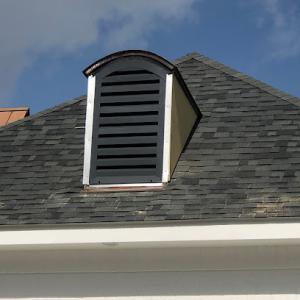
Raycon Contractors
(504) 442-1958 rayconcontractors.com
Serving
5.0 from 60 reviews
Raycon Contractors is a commercial and residential roofing contractor servicing the greater New Orleans and surrounding areas. We are dedicated to offering fair market pricing for our service in a way that is 100% lawful. Unfortunately, roofing contractors have a reputation for not having the licensing, insurance, and qualifications that they should before engaging in business transactions, leaving customers in situations that they should never be in. We believe that by holding ourselves the highest standard of honesty and workmanship, along with partnerships with industry leading brands to supply unrivaled material and labor warranties, Raycon Contractors will bring value that is worth considering for your roofing projects. Thank you.
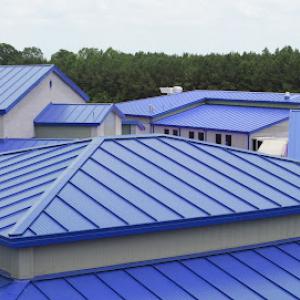
Clayton Construction Service
(504) 641-6111 www.claytonconstructionservice.com
Serving
4.9 from 19 reviews
Clayton Construction Service is a family‑owned, locally‑operated New Orleans roofing and construction company with 25+ years of experience. We specialize in residential and commercial roofing, metal and flat roofing systems, storm and hurricane damage repair, and full roof replacement projects across the Greater New Orleans area. As a GAF Master Elite and FORTIFIED® certified contractor, we deliver superior craftsmanship, lightning‑fast response after storms, and transparent, no‑obligation quotes. Whether you’re addressing wind damage, upgrading to a metal roof, or simply scheduling maintenance, our dedicated team is ready to serve your home or business with integrity and excellence.
In the storm-prone, humid climate around Jefferson Parish, asphalt shingles and metal roofing are the practical backbone of most re-roofs. Asphalt shingles deliver dependable, quick-to-install protection that stands up well to the frequent hail and driving rain paired with heavy humidity. Metal roofing offers notable wind resistance and a cooler surface in the Gulf heat, which helps with attic ventilation and long-term attic moisture management. Other materials-tile, slate, cedar shakes, and synthetics-remain available but are more specialized. Their success depends on the structure, the roof's slope, and the installer's experience with those products. If a home's roof line is complex or needs added fire resistance, specialty options may be considered, but they require careful coordination with skilled crews who understand our local weather patterns and the home's existing framing.
In this environment, resistance to wind-driven rain and repeated wet-dry cycles matters more than appearance alone. Asphalt shingles should be chosen with a robust granule technology and a wind-rated installation pattern to hold fast along the West Bank's gusty fronts. Metal roofs perform well against wind uplift and can shed rain quickly, which reduces the chance of standing water and subsequent leakage around flashings. For those leaning toward heavier or more decorative options, it is important to assess compatibility with attic ventilation, roof deck condition, and the roof's age. A reflective or cool-metal option can mitigate heat gain, which, over time, impacts the entire roofing system's health and surrounding roof components.
Heavier materials such as clay tile and slate require closer attention to structural suitability on existing homes in Jefferson Parish, especially during full reroof projects rather than new construction. The added weight necessitates a professional assessment of rafter spacing, deck condition, and potential reinforcements. If the structure hasn't been updated to accommodate extra load, anticipated costs will include not just the material but also the framing work and additional fasteners. For a typical Marrero home, lighter-weight options-like asphalt or metal-tend to pair best with the existing framing while still delivering durable performance under storm exposure and heat cycles.
Tile, slate, cedar shakes, and synthetic shingles can provide specific aesthetic goals and performance nuances, but their practicality hinges on roof geometry and installer availability. Tile and slate resist impact and have long lifespans but demand robust framing and careful maintenance to prevent leaks at penetrations and near eaves. Cedar shakes offer a classic look but require attention to moisture management and potential susceptibility to rot in damp conditions. Synthetic shingles can blend some benefits of traditional materials with easier installation and weight management, though they still vary in wind resistance and durability. In Marrero, these choices should be weighed against the home's current structure, the desired look, and the local contractor's proven track record with these materials.
Storm readiness hinges on the ability to respond quickly to leaks and wind damage. When selecting a material, consider how fast and effectively roof breaches can be identified and sealed in a hurry. Have a plan for temporary protection and clear steps for documenting damage, as insurance adjustments often hinge on the immediacy and clarity of post-storm reporting. Good communication with the roofing contractor about inspection notes, wind-resistance ratings, and flashings will help streamline any emergency repairs and subsequent claims, especially after a hurricane event.
In Marrero, typical material pricing follows the ranges shown for each roof type per square (one square = 100 square feet). Asphalt shingles generally run from 320 to 640 per square. Metal roofing sits higher, from 700 to 1500 per square. Clay tile often lands between 900 and 1800 per square, while synthetic/composite shingles span roughly 450 to 900 per square. If you're considering slate, plan for 1200 to 2100 per square, and cedar shakes usually range from 650 to 1100 per square. These figures reflect the local marketplace after accounting for hurricane exposure and the need for quick storm readiness and reliable leak response.
Storm-driven demand spikes in Jefferson Parish push scheduling pressure and labor availability after major weather events. In practical terms, this can shorten the bidding window and raise crew mobilization costs, which in turn can push the total reroof price higher than calm-weather estimates. If a major hurricane hits, expect potential lead-time increases for materials and more variable labor timelines. Planning ahead for a storm season buffer helps you avoid the worst of the price spikes and keeps the project on track.
Costs in this area are shaped by whether a full tear-off is feasible or an overlay will do. A full tear-off often reveals moisture-damaged decking that must be replaced, adding labor and material charges. Roof complexity-steeper pitches, multiple ridges, and low-slope sections common on additions or porches-also drives price. In Marrero, those low-slope areas require careful detailing to prevent leaks, which can add time and materials to the project but pay off in long-term performance.
When budgeting, consider your roof's age, existing decking condition, and whether local crews can deliver timely service after a storm. If you're weighing material choices, asphalt shingles offer the lowest upfront cost, while metal and tile bring longer lifespans and different performance profiles in humid, hurricane-prone conditions. Keep in mind that the final cost will blend material price, tear-off realities, roof geometry, and the likelihood of moisture-related decking work once work begins.
Don't let upfront costs delay a critical repair - these contractors offer payment plans to fit your budget.
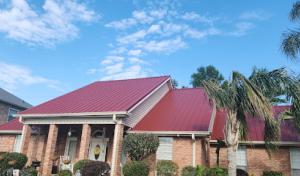
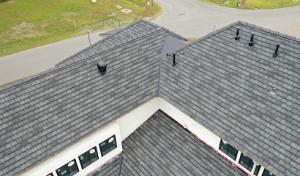
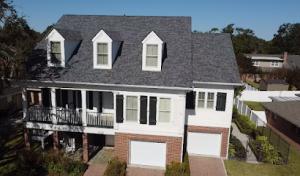
In this area, roofing work is regulated at the parish level, not by a separate city department. That means your roofing project uses Jefferson Parish permitting and inspection procedures rather than a standalone Marrero-specific process. For a full reroof, a permit is typically required, and the roofing contractor usually handles the permit filing with the parish before any hammering starts. Along the way, you'll want to verify that the contractor has submitted the correct paperwork and that the scope of work aligns with parish codes for roofing types, ventilation, and underlayment. Keeping the permit attached to the project file helps ensure the work tracks with what was approved and what inspectors will expect to see on the job site.
Inspections are a practical safeguard for storm-damaged or hurricane-prone roofs and are scheduled at key milestones during a reroof. After the permit is issued and before any shingles go down, an initial framing or underlayment inspection may be required to confirm roof decking and required flashing details meet code. As the project progresses, you'll encounter a mid-project inspection to verify underlayment, drip edge, and ventilation components. The final inspection happens once the roof is completed and all components-underlayment, nails, flashing, and proper sealant-appear as designed. Closing the permit only happens after a successful final review, so treat the closeout as a critical finish line rather than an afterthought.
Begin by confirming with the contractor that Jefferson Parish has been notified and that a permit has been filed in your name or the project's name. Request the permit number and keep it accessible, since inspectors will reference it throughout the job. During the work, maintain visibility of the site so inspectors can easily verify stages like underlayment installation and flashing detail, especially around valleys and penetrations. After completion, verify that all required inspections were logged as passed and that the parish has closed the permit. If any discrepancies arise, address them promptly with the contractor, since deferred issues can delay a proper closeout and require re-inspection. If a storm event has triggered the reroof, having organized permit records and inspection stamps on hand will also streamline any potential insurance review that follows.
Marrero sits in a Louisiana insurance environment shaped by frequent storm-related roof claims and wind events, so adjusters often expect thorough photo documentation and a clear storm timeline. When a claim starts, meticulous records aren't optional-they're the baseline for any dispute about damage scope or repair needs. Be prepared to show the progression from the first impact through subsequent weather events, and keep a dated log of every interaction with the insurer and any contractors.
Some carriers have tightened availability in coastal and parish markets in Louisiana, which can affect both premium costs and replacement decisions for Marrero homeowners. That tightening translates into slower decision timelines, potential coverage gaps, and stricter definitions of covered damage after a hurricane. Losses that seem straightforward can become negotiation points, so the claim may hinge on precise documentation and timely communication rather than on assumptions about what a policy should cover.
Because storm claims are common locally, homeowners should document exterior damage, interior leaks, temporary mitigation, and contractor findings carefully before repairs obscure evidence. Exterior photos should capture roof edges, flashing, gutters, and any displacement of roof components. Interior leaks deserve timestamped notes and sample leak traces that connect to the roof line. Temporary mitigation-tarps, boards, rapid drying-should be photographed and dated. If a contractor's assessment differs from the insurer's, preserve that documentation as a timeline reference to support a rational discussion rather than a drawn-out dispute.
Keep a consistent file: photos organized by date, a storm timeline, contractor reports, and a clear record of all communications. Rely on a steady, methodical approach rather than rushing to repairs; moving too quickly can blur evidence or leave gaps that complicate coverage. In this market, your best defense is a precise, well-documented narrative that stands up under scrutiny.
Connect with contractors who help homeowners navigate the claims process from damage assessment to final approval.
Westbank Roofing | Trusted Roofing Company in Harvey & New Orleans
(504) 340-4977 www.westbankroofing.com
Serving
4.7 from 150 reviews
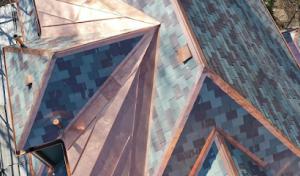
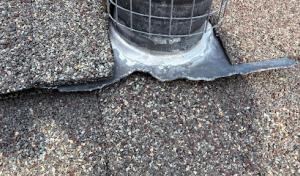
Even when the main house roof is pitched, Marrero homes often have low-slope sections over additions, patios, carports, or porch areas. These patches don't shed water as quickly as the main field, which means ponding, slow-drying moisture, and higher exposure to storm-driven rain. The failure pattern in these zones tends to show up first as localized leaks at seams, transitions, and penetrations.
Low-slope roofs in these homes frequently have accumulated moisture at transitions where roof planes change direction or meet facia and parapet walls. Flashing around vents, skylights, and edges can corrode or buckle under Gulf humidity and heavy rain. Poor drainage at the edge of the low-slope section can create standing water, which accelerates material degradation and invites mold or wood rot in underlying structure.
In this environment, specialized flat- or low-slope repair methods are more common than standard shingle-only work. You'll see more frequent use of modified bitumen, single-pply membranes, or built-up systems tailored for transitions and commercial-grade weather resistance. When a low-slope section is involved, the repair plan should address both the surface membrane and the underlying deck drainage, ensuring fast-slope gradients and reliable flow toward scuppers or gutters.
Begin with a two-year leak-history check: note roof rainfall events that correlate with new leaks, especially after heavy afternoon thunderstorms. Inspect around penetrations and transitions with a flashlight after a rain without climbing onto the roof-look for staining, soft spots, or powdery grit around joints. If you must access the roof, do so only with proper footwear and a stable ladder, and avoid stepping on vulnerable edges or overly thin membranes.
The local contractor market includes a meaningful flat-roof segment, suggesting homeowners regularly need specialized repair or replacement on these sections rather than standard shingle-only work. When selecting a contractor, prioritize those with proven experience in low-slope systems, a clear plan for drainage and flashing, and references from nearby homes with similar configurations. Clear documentation of existing transitions and membrane type helps ensure accurate, durable repairs.
Find specialists in TPO, EPDM, and built-up flat roofing systems for residential and commercial properties.
Westbank Roofing | Trusted Roofing Company in Harvey & New Orleans
(504) 340-4977 www.westbankroofing.com
Serving
4.7 from 150 reviews
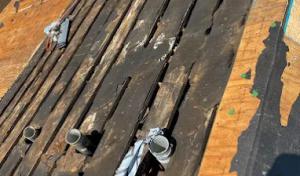
In Marrero's storm-driven reroof market, workmanship quality matters because repeated wind and rain exposure can reveal installation defects quickly. A roof that goes in during a lull may still fail when the first hurricane-sized gust hits or when weeks of humidity stress sheets and nails. Understanding how a roof is put on today can save you from costly, repeated repairs tomorrow.
The local market shows some presence of warranty-offering and manufacturer-certified contractors, which is especially relevant when homeowners want stronger backing on a full reroof in Jefferson Parish. Manufacturer warranties often cover the materials, but the long-term protection depends on how the system is installed. A certified contractor can help ensure the installation aligns with the warranty's expectations, reducing gray areas that surface after a storm.
Because many Marrero jobs happen after weather events, homeowners should confirm exactly what is covered under manufacturer material warranties versus contractor workmanship promises. Material warranties may have exclusions tied to improper nailing patterns, missing underlayment, or incorrect flashing details. Workmanship promises, on the other hand, are contingent on the installer's adherence to industry standards and any manufacturer requirements that apply to labor.
When choosing a contractor, prioritize those with verifiable storm-repair experience and a track record of rapid leak response. Ask for project-specific references and examples of recent reroofs in similar exposure. Verify that the crew leader is seasoned, and that the crew follows a documented process for wind zone detailing, hip and ridge installation, and valley flashing-the areas most vulnerable after a rapid drop in pressure or a driving rain.
Finally, get your warranties in writing as part of the contract, with clear language on what is and isn't covered, the duration, and the process to claim. If a storm hits and a claim is filed, you'll want to know exactly how the coverage layers interact and who is responsible for repairs that may be required months later.