
Last updated: Apr 19, 2026
Gretna sits in Jefferson Parish on the West Bank of the Mississippi River, placing homes in a storm-prone metro area where tropical systems can trigger both direct wind damage and neighborhood-wide demand spikes for roofers. The Gulf hurricane season peaks from June through November, and during that window you will feel the pressure not just from wind, but from delays that ripple through inspections, deliveries, and crew availability. You live in a community where a single intense storm can pull resources from blocks away, so readiness isn't a luxury-it's a duty to protect your home and neighborhood.
When a named storm approaches, your first move is to secure a durable temporary cover that can withstand gusts without tearing off. Use a wind-tolerant tarp setup or heavy-duty roof protection panels that extend over vulnerable roof edges, valleys, and openings. Check gutters and downspouts for debris and standing water that can trap wind-driven moisture. If you have to stage materials or temporary sheathing, keep them away from the eaves where flying debris is most dangerous. In this climate, moisture control is as critical as wind resistance; a small leak now can cascade into interior damage when rain bands arrive. Keep a set of spare fasteners, nails, and corrosion-resistant screws ready, because a storm sprint often means substitutes are scarce once the first bands hit.
Because local permit inspections may be rescheduled after weather events, homeowners in Gretna often need temporary protection plans before full replacement can proceed. Start with a simple, written plan: designate a weather-safe staging area for materials, a clear, accessible route for emergency crews, and a checklist of quick-repair steps you can perform between storms. If a storm disrupts schedules, you need a method to document pre-storm conditions and any interim measures you've taken so when inspections resume, the process can pick up without re-damaging the roof. Durable, reusable temporary materials save time and reduce the risk of wind-driven failure during the delay window. Keep contact information for two local trusted roofers who can mobilize quickly and deliver on a compressed timeline once weather clears.
Neighborhoods in Gretna share roof lines, soffits, and vent layouts shaped by older housing stock. That means a storm can create a domino effect: a single roof that fails can overwhelm nearby crews and push the schedule out for everyone. You should map your neighbors' homes with similar roof types and establish a cluster plan for rapid material coordination and debris management. Maintain clear access routes for mitigation teams and ensure safe egress from attic spaces if temporary repairs are needed. By aligning with nearby homes, you reduce the risk of a fragmented response and speed up the time to a secure, hurricane-season-ready roof.
Frequent thunderstorms in the hot season whip through the West Bank with sudden intensity, and those bursts can loosen shingles, expose flashing, and turn small defects into active leaks long before hurricane season peaks. In this climate, a mossed ridge cap or a loose edge can become a full-fledged drip within a day of a surprise storm. The local housing stock-older roofs with varied shingle ages and mixed material transitions-means vulnerabilities aren't always obvious from ground level. A single summer storm can pry up a corner, lift a tab, or push water under a missing or cracked sealant. The result is a creeping damage pattern: minor shrinkage or cupping one week, followed by conspicuous staining and active leaks after the next front passes. Recognize these signals early, especially after hot, humid days when humidity itself can soften vulnerable joints.
In this market, preparedness is a survival skill. When forecasts show unsettled weather, inspect roof lines for loose or curling shingles, exposed nails, and compromised flashing around chimneys and vent stacks. Quick, temporary measures matter: secure loose materials, seal obvious gaps with temporary coverings, and clear downspouts to prevent water backup near eaves. Document conditions before a weather event hits, because Louisiana's storm-heavy insurance environment rewards detailed records. Take clear photos of all roof surfaces, attic penetrations, and any existing damage, noting the date and visible moisture intrusion. Store these images in a cloud folder labeled with the property address and a daytime timestamp, so you can easily retrieve them when filing a claim.
After a storm, prioritize quick-response tarping and leak control. The goal is to stop any ongoing water intrusion while you arrange a formal assessment. If water drops from the ceiling or beads on insulation, treat it as urgent and arrange a same-day triage with a roofing professional who can perform a rapid, temporary mitigation and a documented inspection. Insurance carriers in this region often require detailed post-loss evidence, so an organized sequence of photos, notes, and a dated, written summary from a reputable roofer helps support a smoother claim process. Keep a log of all temporary repairs and keep receipts for any emergency materials. The sooner you initiate this, the better you protect interior spaces from escalating damage and reduce the risk of secondary issues like mold or structural rot.
In the aftermath of a storm, fast responders are common for Gretna homeowners. Seek a roofer who can provide immediate tarp installation, emergency water control, and a clear plan for permanent repair when the skies finally clear. Ask for an on-site assessment that outlines visible damage, hidden vulnerabilities, and a step-by-step timeline for restoration. You want a partner who understands the unique West Bank exposure, the age and layout of your roof, and the need for rapid, documented action to protect your home and your belongings.
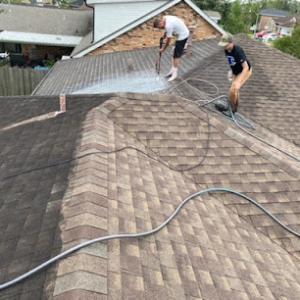
Roof Repair & Leak Experts Plus - Nola
2217 Rose Dr, Gretna, Louisiana
4.2 from 5 reviews
We are a full service Roofing Company, serving New Orleans and surrounding areas. We have 30 years experience in the Industry and can fulfill your every roof need from yearly Roof Maintenance to Repairs and Full Roof Replacements .

Lapeyre Roofing
(504) 290-2911 lapeyreroofing.com
Serving
5.0 from 190 reviews
Lapeyre Roofing serves greater New Orleans with hurricane‑ready roofing solutions. As a GAF Master Elite and Fortified certified contractor, we specialize in standing‑seam metal, slate, tile, shingle and commercial flat roofs. Our team guides homeowners through the roof selection process, works intimately through the Fortified Roof process, and is a certified Louisiana LDI grant contractor. We maintain a net‑zero safety record, provide detailed photo documentation and back every shingle roof with the GAF Golden Pledge Warranty.
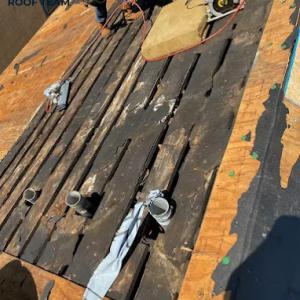
Big Easy Roof Team
(504) 285-5388 www.bigeasyroofteam.com
Serving
5.0 from 24 reviews
Big Easy Roof Team is a trusted, locally owned roofing contractor in New Orleans, LA providing professional residential and commercial roofing services. We specialize in roof repair, roof replacement, storm damage repair, and emergency roofing solutions for homes and businesses. Our licensed and insured roofing contractors offer thorough roof inspections and quality workmanship on every project. From fixing roof leaks to installing shingle, metal, and flat roofing systems, we focus on long-lasting results and clear communication. Proudly serving New Orleans and surrounding areas, Big Easy Roof Team delivers reliable roofing services with fast response times. Contact us today for a free roof inspection and estimate.
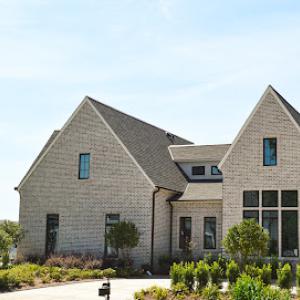
Westbank Roofing | Trusted Roofing Company in Harvey & New Orleans
(504) 340-4977 www.westbankroofing.com
Serving
4.7 from 150 reviews
Westbank Roofing is a trusted roofing company serving Harvey, New Orleans, and the entire Westbank area with expert roof repair, roof replacement, and roof maintenance services. Our skilled roofers specialize in flat roof repair and replacement, pitched roof conversions, fiberglass shingle roof replacement, and gutters and siding. As a certified GAF and fortified roofing contractor, we deliver durable, storm-ready roofing systems built to last. Whether it’s residential or commercial roofing in New Orleans, our experienced & licensed roofing team is here to help. Call today for a free estimate and see why we’re the Westbank’s top roofing company in New Orleans, Harvey and Westbank area.
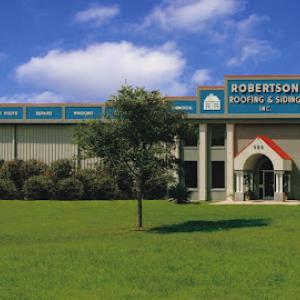
Robertson Roofing & Siding
(504) 394-7200 robertsonroofinginc.com
Serving
4.7 from 36 reviews
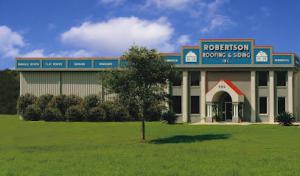
Robertson Roofing & Siding is a professional roofing and siding company that has been in business since 1979. We are family owned and operated, and over the years we have built a reputation of honesty and integrity. We are located in Belle Chasse, LA and service the entire South Louisiana region. In 1999 we built a 12,500 square foot office/ warehouse showing our commitment to our community. We attribute our success to the pride that we take in doing every job with skilled craftsmanship of our employees, and the high quality name brand materials that we use.
Priority Roofing
(504) 810-5346 www.priorityroofers.com
Serving
4.8 from 73 reviews
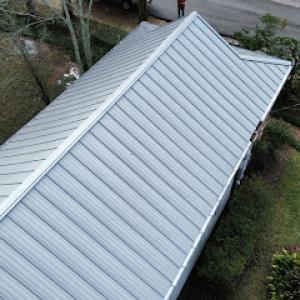
Fortified Roofing Certified! For more than 10 years, Priority Roofing has provided exceptional roofing services for the Gulf South, serving southern Louisiana and Mississippi. Your roofing needs are our priority. Since 2012 Priority Roofing has provided excellent roofing solutions to homeowners and businesses across the Gulf South. Priority Roofing is a licensed residential and commercial construction company specializing in the roofing industry. We’re proud to be locally owned and operated by founder Sean Killeen. Our team has over 50 years combined experience in the construction industry, and over 500 construction projects, have given them the expertise needed to complete high quality jobs on time.
RG Construction Group
(504) 616-0033 rgconstructiongroupnola.com
Serving
4.9 from 80 reviews
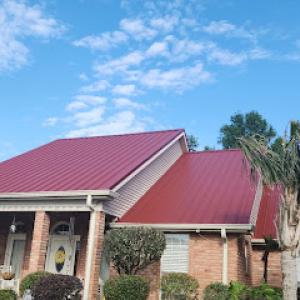
Established in 2013, RG Construction Group safeguards homes and businesses in Belle Chasse, LA with superior roofing and siding services. Their expert team tackles all projects, from roof replacements to siding work, ensuring a durable and visually appealing exterior. RG Construction Group prioritizes understanding each client's needs to deliver customized solutions.
Geaux Gator Roofing
Serving
5.0 from 21 reviews
The mission of Geaux Gator Roofing is to provide exceptional roofing services to the residents of Louisiana with a focus on quality, customer satisfaction, and integrity. Our goal is to exceed customer expectations by delivering expert craftsmanship, superior materials, and reliable roofing solutions tailored to meet the unique needs of each client. Through our dedication to professionalism, transparency, and superior service, we aim to establish Geaux Gator Roofing as the premier roofing company in Louisiana, known for our commitment to excellence and the highest standards in the industry.
Shifflett Roofing
(504) 329-5665 www.shifflettroofing.com
Serving
4.9 from 239 reviews
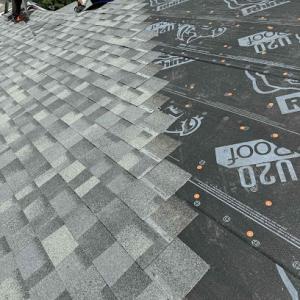
Family owned New Orleans roofing company with the best roof warranty and customer experience. Whether you need a roof repair or new roof, we will provide you a through inspection with no cost or commitment.
Eagle Brothers
Serving
4.9 from 13 reviews
Eagel Brothers is a company that works on Roofing, Painting and Carpentry as well as additional services like Ceramic tile installation and siding repair and installations. Our work hours are from 7:30am to 8:00pm. These hours are for messages and calls only. Sundays are closed.
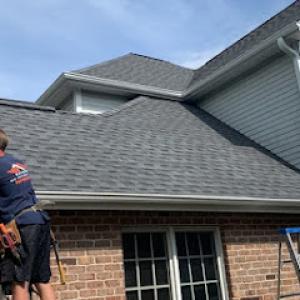
Roofing Repair Orleans
Serving
4.7 from 11 reviews
Established in Gretna, Louisiana since 2015, Sharda Roof Repair has been the trusted choice for residential and commercial roofing needs. Their team of experts tackles everything from routine maintenance to storm damage restoration, ensuring quality craftsmanship and lasting protection for your property.
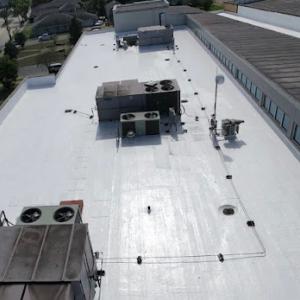
Mackie One Construction
Serving
4.7 from 26 reviews
Established as a premier roofing company specializing in various types of roofing systems. Our sheet metal shop both fabricates & installs all types of metal systems. The Mackie family has been providing commercial & residential services to greater New Orleans since (Hurricane Betsy) 1965 & is now directed by the 2nd & 3rd generations of Mackie professionals. The workmanship of our family can be found in roofing systems throughout the New Orleans metropolitan area for government & private-sector clients, including: showcase homes, public schools, universities, shopping centers, office bldgs. & Industrial parks. Our experience includes managing multiple projects, crews & budgets. Backed by on-budget & high-quality project completions.
A full re-roof in this area generally requires a building permit through Jefferson Parish rather than a city-only roofing process. That means your project will be routed through parish channels, with a focus on ensuring the replacement meets parish-wide code standards and hurricane-related requirements. The permit path is designed to align with the region's storm resilience goals, so keeping your plans clear and complete helps prevent delays when the weather shifts and the parish lifts or tightens inspections.
Begin by preparing a roofing scope of work that details the roof type, dimensions, and any underlayment or reinforcement changes. The parish review will want roof details that show fastener patterns, wind uplift ratings, and attic ventilation plans. After submitting the scope of work, you typically move into a review phase where plans are checked for code compliance and compatibility with existing framing or decking. If the project includes venting upgrades or new attic ventilation, include specifications for intake and exhaust locations, as these points often drive inspection focus later. Once the parish approves the plan, scheduling inspections becomes the next essential step.
During installation, expect staged inspections to verify critical milestones such as decking integrity, underlayment installation, roofing material layout, and fastener installation aligned with wind load requirements. The inspection cadence is designed to catch issues before shingles or tiles are fully set, reducing the risk of wind-driven damage after a storm. After installation, an overall final inspection confirms that the roof system, venting, flashing, and penetrations meet parish standards. In this area, inspections can be delayed or reset after significant weather events, so plan for potential re-inspection windows and keep communication lines open with the contractor and the parish project inspector.
The review and inspection focus emphasizes wind uplift resistance and proper ventilation. In practice, that means ensuring thoroughly secured eave and ridge lines, appropriate roof-vent configurations, and avoidance of ventilation gaps that could trap moisture. If a major hurricane event clears out local crews or disrupts schedules, be prepared for inspection reschedules. Documentation, such as updated wind uplift calculations and venting diagrams, can smooth re-inspection requests if weather interrupts the usual timeline. Keeping an organized file of approvals, plan changes, and inspection notices helps you navigate delays and stay aligned with Jefferson Parish requirements throughout the replacement.
Storm events on the West Bank hit harder on the wallet when the metro is buzzing with demand from New Orleans and surrounding communities. After hurricanes or major thunderstorms, the local market for replacement roofs tightens quickly, and prices tend to shift upward across all major materials. In practical terms, expect asphalt shingles to run roughly 350 to 520 USD per square, metal 700 to 1100 USD per square, clay tile 900 to 1600 USD per square, concrete tile 700 to 1200 USD per square, wood shingles or shakes 450 to 800 USD per square, and synthetic or composite shingles 500 to 750 USD per square. Those ranges reflect immediate post-storm bidding and the scarcity of crews and materials.
Given the spike in regional demand, the price premium can feel sharper when a roof needs to be replaced quickly after a damaging event. Contractors may face compressed timelines, higher material uplift, and limited scheduling slots, which translates into both higher upfront estimates and longer waiting periods before work begins. For homeowners, this means budgeting with a contingency buffer, particularly if the project coincides with peak hurricane season or a spate of severe storms. The same local market dynamics that protect against windborne debris and moisture intrusion also push project costs up when fast response is required.
When choosing a roofing type after a storm, durability against Gulf humidity and tropical weather matters as much as the sticker price. Asphalt shingles remain the most affordable and quickest-to-install option, while metal roofs can offer longer service life and better wind resistance, albeit at a higher initial cost. Tile options-clay or concrete-add substantial weight and installation complexity but can deliver excellent longevity in this climate when the roof structure supports it. Wood shingles and synthetic/composite options occupy middle ground on both cost and performance. In any scenario, the local storm window accentuates the value of selecting a material with a predictable replacement timeline and readily available manufacturers' support.
Planning for a storm-damaged roof in a market with elevated post-storm activity means mapping out stages carefully. Expect potential weather-related scheduling interruptions that can delay inspections, ordering, and progress during the peak season. Build in a realistic timetable with phased milestones: securing a contractor, material availability, delivery lead times, and a contingency plan for weather delays. By accounting for these soft costs and the higher baseline prices, a homeowner can navigate the post-storm repair with fewer financial surprises and a clearer path to a durable, properly installed roof.
Don't let upfront costs delay a critical repair - these contractors offer payment plans to fit your budget.
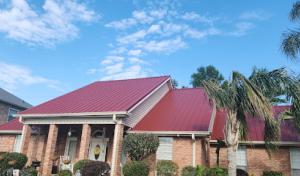
Anything & Everything Roofing
(504) 810-4691 www.anythingandeverythingnola.com
Serving
4.9 from 165 reviews
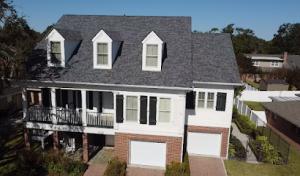
Asphalt shingles remain a dominant choice in this market, largely because they fit the area's extensive re-roofing activity. In the heat, humidity, and frequent storm exposure that characterize the West Bank, the longevity of asphalt depends heavily on ventilation and proper fastening. Poor attic ventilation or undersized soffits can trap heat and moisture, accelerating shingle wear and reducing life span. Choose a shingle with a proven micro-weave or proprietary sealing to resist wind uplift, and pair it with a balanced attic vent plan that moves air through every season. In homes with aging sheathing or limited overhang, opt for higher wind-resistance configurations and ensure fasteners are driven straight and through the correct structural depth to resist uplift from Gulf storms.
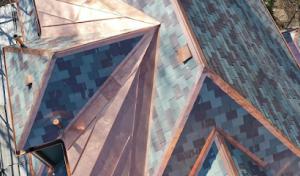
Metal roofing is especially relevant in Gretna's market because local contractor specialization is unusually strong for it, reflecting homeowner interest in wind resistance and long-term durability. A metal roof can outperform asphalt in wind-driven events if installed with proper seam systems, underlayment choices, and maintenance. Look for a standing-seam system or fully sealed panels with curved V-stitched hips on taller homes, where wind channels are a factor. The installation team should confirm that the substrate and decking are sound, as metal's performance hinges on a solid base. In humid heat, metal can stay cooler at the surface if a vented or reflective coating is used, which helps reduce heat transfer into the attic and living spaces.
Tile options appear in the local material mix, but their higher installed cost and structural considerations matter more on older West Bank housing stock where not every home is an easy candidate. Clay and concrete tiles offer durable protection and a distinct look, but they demand a sturdy roof deck and reinforced framing to prevent sagging and collapse under heavy hurricane loads. For existing homes, ensure decking is flat and free of rot, and verify that the anchoring and fastener pattern accommodate the weight and wind requirements of tiled systems. If the budget allows, a tile installation can provide decades of service, but the upgrades to support the weight should be planned carefully from the start.
Across all roof types, Gretna's humidity profile makes ventilation a recurring theme. Effective attic airflow reduces condensation, blunts moisture-driven deck damage, and helps sealing stay effective during storm season. Fastening patterns should be chosen in accordance with local wind considerations, with corrosion-resistant hardware and sealants that handle Gulf humidity. Regular inspections after major storms can catch lift risks early, saving more substantial repairs later. For homeowners evaluating replacements, coordinating underlayment choices with the chosen roof type matters: water barriers and proper overlap reduce the chance of moisture intrusion through the roof assembly in a humid, hot environment.
Gretna's hot, humid summers make attic ventilation more than a comfort issue because trapped heat and moisture can accelerate shingle aging and worsen decking problems. When the attic runs hot and damp, shingles lose their protective performance sooner, and any existing roof deck warping or rot can progress silently. This isn't theoretical-the combination of Gulf humidity and West Bank heat can push a roof from "good enough" to compromised in a surprisingly short window, especially after seasonal storms or a quick re-roofing project that doesn't fully address airflow.
Homes in older neighborhoods often have ventilation setups that predate current reroof expectations, so replacement projects frequently uncover intake and exhaust imbalances. You may discover attic soffit baffles that have shifted, exhaust vents blocked by insulation, or dampers that no longer seal properly. These misalignments let hot air stagnate and moisture linger, which accelerates shingle aging and can contribute to decking issues. If you notice humidity condensing on sheathing or damp framing after a storm, that's a red flag that the ventilation pattern needs attention during the reroof.
During planning, look for a practical airflow plan that addresses both intake and exhaust. The goal is even, continuous ventilation from eave to ridge, with minimal dead zones in the attic. If your current roof design uses limited soffit intake or blocked vents, a replacement provides an opportunity to rebalance the system. If there are ceiling or attic signs of dampness after rain, bring them to the installer's attention and request a diagnostic review of ridge flow and soffit access. Remember, a well-ventilated attic isn't just a line item on a spec sheet; it's a core factor in how long your new shingles and decking stay sound through Gulf storms and humid heat.
Look for musty attic smells, visible mold on wood in the attic, or heat mirages curling from the roof line after a hot afternoon. If insulation has settled away from the rafters or there are inconsistent gaps around penetrations, those issues often go hand-in-hand with poor ventilation. Addressing them now can prevent quicker deterioration later and reduce the need for expensive corrective work after the next storm.
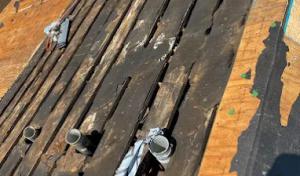
Flat and low-slope roofing has meaningful local relevance in Gretna because contractor specialization in flat roofs is notably present in this market. The shallow pitch often found on porches, additions, and mixed-use buildings makes drainage and seam reliability a daily concern, especially after heavy rainstorms. Understanding how these systems behave in the Gulf humidity helps you spot weak points before they fail.
In Gretna's frequent rain and summer humidity, drainage reliability is non-negotiable. Check for standing water along low joints after a rain event, and inspect transitions where the roof meets walls or parapets. Seams should be clean and properly sealed; look for any lifted or cracked lap seals, especially on older low-slope sections. A slow-drip or dampness along a seam can indicate an aging seal or flashing that needs attention before leaks appear inside.
Flat and low-slope roofs benefit from a proactive maintenance rhythm. Schedule a yearly walk-around after hurricane season and again in late spring. Clean gutters and scuppers, remove debris, and verify that gravel or ballast isn't shifting on older built-up systems. For porches or additions, pay extra attention to joints where different materials meet; these are common stagnation points for moisture and debris. If you notice minor ponding, address it promptly with a shallow repair rather than letting it worsen.
Roof coating appears as a real local service category, suggesting some Gretna owners are extending the life of aging low-slope systems instead of replacing immediately. A reflective, breathable coating can reduce heat gain, slow aging of the membrane, and improve water shedding. Coatings work best when the existing surface is sound and free of major damage. Have a professional assess adhesion, especially on older, weathered membranes.
During a storm, implement quick protection if shingles or flashing show signs of loosening. Cover exposed areas with a weatherproof tarp, then call a local flat-roof specialist for a targeted repair. For mixed-use buildings, prioritize the lowest-risk entrances and skylight seals to minimize interior water intrusion while planning a longer-term replacement strategy. In Gretna, a measured, timely response can keep damage contained and preserve the roof's remaining life.
Find specialists in TPO, EPDM, and built-up flat roofing systems for residential and commercial properties.
Westbank Roofing | Trusted Roofing Company in Harvey & New Orleans
(504) 340-4977 www.westbankroofing.com
Serving
4.7 from 150 reviews
Gretna sits in a Louisiana insurance market with frequent wind, hail, and storm claims, so roofing decisions are closely tied to documentation quality and mitigation features. When a storm rolls through the West Bank, carriers scrutinize not just the roof's current condition but how well it has been cared for over time. If a roof has failed fast in a prior event or shows uneven wear, that history can influence whether a claim is honored or paid in full.
Some carriers in Louisiana have reduced coverage options after major events, making roof age, condition records, and wind-resistance details more influential for homeowners. Decisions during a claim aren't made in a vacuum; the insurer will weigh the roof's resilience features, the presence of impact-resistant materials, and how thoroughly the project is documented. A recent loss can tilt policy terms, so planning with durability in mind matters.
Because claims handling can hinge on post-loss evidence, owners should keep dated photos, permit records, inspection notes, and contractor scopes tied to their Jefferson Parish project. Before trouble hits, assemble a simple filing system: start with a dated exterior photo log, then add professional assessments and repair or replacement plans that clearly map what was observed and what is proposed. If a claim is needed, this trail supports your narrative and helps avoid delays.
The local climate demands roofs that can withstand gusts, hail, and driving rain without compromising structure or interior protection. When choosing materials and detailing, prioritize wind-resistant designs, proper fastenings, and quality underlayment. Insurance considerations reflect those practical choices, so align mitigation features with credible documentation to improve resilience and your recovery options after a storm.
Connect with contractors who help homeowners navigate the claims process from damage assessment to final approval.
Westbank Roofing | Trusted Roofing Company in Harvey & New Orleans
(504) 340-4977 www.westbankroofing.com
Serving
4.7 from 150 reviews
The Gretna market strongly favors quick response and cleanup-included service, which reflects how often homeowners are hiring under storm pressure rather than on a leisurely remodel timeline. When a storm hits, you want a crew that can show up, tarp vulnerable sections, and get debris and damaged material cleared fast so you're not living under a leaky roof for days. Look for a contractor who can outline a restroom/post-storm cleanup plan, gear up with tarps, and stage a temporary fix that buys you days of protection while a full replacement is scheduled.
Re-roofing is more prevalent than niche specialty work in this market, so homeowners should verify whether a contractor's storm-response strength also translates into permit handling and full replacement execution. A reputable storm crew should be able to move from emergency tarping to a complete roof replacement without forcing you to chase a second contractor. Ask for a concrete timeline that starts with rapid, on-site assessment, moves to temporary protection, and ends with a full, code-compliant roof install.
Because Gretna draws from the broader New Orleans metro contractor pool after major storms, homeowners should confirm licensing, insurance, and who will actually perform the work before crews arrive. Defer to a firm that can name the foreman and crew members who will be on your roof, not just a sales contact. Request current proof of general liability and workers' compensation, and verify that the people on site are the same skilled crew that did the initial assessment. This helps prevent miscommunications once the work begins and reduces the chance of unplanned delays.
Coordination matters when the clock is ticking. Expect a single point of contact who can provide daily progress updates, confirm access for material deliveries, and address weather-related delays promptly. In Gretna, rain events can be unpredictable; a plan that anticipates short, frequent storm holds and rapid mobilization keeps your project on track and minimizes exposure to further damage.
Get a clear picture of your project costs upfront - no commitment required.
Westbank Roofing | Trusted Roofing Company in Harvey & New Orleans
(504) 340-4977 www.westbankroofing.com
Serving
4.7 from 150 reviews