
Last updated: Apr 19, 2026
Harvey sits on the West Bank of Jefferson Parish in the New Orleans metro, so roofs are routinely exposed to tropical-storm rain bands, hurricane winds, and wind-driven water during June through November. The pattern of wet seasons and high winds means that a small leak today can become a major soak-and-warp problem tomorrow. The local contractor market reflects that reality with a high concentration of storm-response specialists, emergency repairs, and insurance-claims expertise. When a storm rolls through, you'll likely see crews sprinting from one house to the next, prioritizing rapid tarping, emergency leaks, and quick documentation for claims.
In the immediate aftermath, the top priority is control of active leaks and further interior damage. Start by locating the highest-leak zones-usually around transitions at eaves, skylights, chimneys, vent pipes, and roof-to-wall junctions. If rain is still driving, place a sturdy tarp over the affected area and secure it with roof felt nails or weighted objects on the edges to resist gusts. Do not attempt permanent shingle or tile work in the middle of a storm cycle; local crews know that dry-in windows can be short and weather windows unpredictable, so interim tarping buys crucial time. If water is pooling inside, place buckets or containers under drips and move valuables away from saturated areas to minimize secondary damage.
Because the West Bank environment is so storm-tuned, you'll notice a tight, responsive local market for emergency repair and insurance-claims support. Schedule a fast assessment from a roving crew with storm-damage experience, not a general handyman outfit. Look for roofers who can document damage with dated photos, a clear list of compromised components, and a plan for temporary fixes followed by a formal repair or replacement. Insurance documentation matters here: photograph all affected areas before any tarping, keep receipts for temporary materials, and track every contact with your adjuster, including dates, times, and the names of the people you spoke with. Having a practiced storm-claims partner can smooth the process when insurers require quick verification of wind-related damage and water intrusion.
When a full re-roof is delayed by summer heat or wet spring conditions, many Harvey homeowners revert to rapid leak containment as a bridge to a proper schedule. Temporary tarping is not a one-and-done solution; it needs ongoing checks. Reassess tarps after heavy winds, and re-secure any loosened edges before additional storms threaten. Keep a checklist handy: confirm tarp alignment with the prevailing wind direction, verify edge fastenings, and confirm no water has breached the interior via attic or ceiling penetrations. If you notice damp attic insulation or mold growth, escalate to your contractor immediately, because delays in dry-out can create long-term damage that complicates future repairs or replacements.
Documentation is your ally in this climate. Keep a simple log of every storm event, leak occurrence, and repair attempt, with dates and photos. After each rainfall, inspect ceilings, walls, and attic spaces for new signs of moisture that could signal hidden damage. In neighborhoods like this one, experienced local crews can run rapid triage: first-control leaks, second-structural checks for signs of sagging or shingle or tile displacement, and third, a staged plan for replacement with a focus on storm resilience. Your goal is to minimize exposure to more wind-driven rain and to position your home for a durable rebuild that withstands future storms rather than just patching the most recent breach.
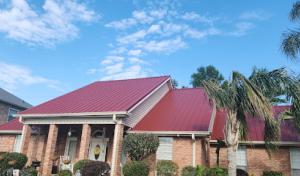
The neighborhood mix leans heavily on asphalt shingles and metal, with clay tile, concrete tile, wood shingles or shakes, and synthetic/composite shingles sprinkled in. Asphalt shingles are common for their balance of cost and repairability, and metal roofs show up on sheds, carports, and some two-story homes where quick installation and wind resistance are valued. In this climate, metal edges can shed water quickly, but exposed fasteners or poorly integrated flashing can become trouble spots after a harsh storm. Clay and concrete tiles sit on a noticeable subset of bigger, two-story homes and additions; their broad footprint can offer solid roof longevity, but their weight matters for framing and underlayment. Tile roofs also catch wind-driven debris and can crack or loosen if a gust hits with enough intensity. Wood shingles and shakes add a traditional look but require more maintenance to resist humidity-related rot and insect pressure. Synthetic or composite shingles offer a newer option that can mimic other materials while delivering improved impact resistance in some installations, but quality varies by manufacturer and installation method.
Clay and concrete tile present a real consideration in this market because their weight shifts the structural and engineering focus. In areas with heavier assemblies, the building department may look for wind-rated components and confirmed structural support to handle the load. If a home in the area has a tile roof added as an afterthought or onto a preexisting structure, anticipate potential reassessment of roof deck integrity and fastener patterns during repairs or re-roofs after a storm. When a tile roof is compromised, cracks and loosened tiles tend to travel water more slowly, but leaks can appear at the deck level well after the initial damage. This means careful inspection of underlayment, tile laps, and flashing around chimneys, vent stacks, and eave lines is essential, especially in wind events that push spray and debris toward transitions.
Low-slope and flat-roof configurations show up in many additions, porches, and some commercial-adjacent homes. These roofs deserve vigilant attention because water can pond and penetrate seam details if drainage plays out poorly or if the membrane shows aging. The most common weak points come from edge flashings where gutters meet the roof, bulkhead penetrations, and any transitions to adjacent roof planes. For homeowners, this means routine checks for blisters, seam lift, and evidence of ponding after heavy rain. In addition, penetrations such as HVAC curbs and skylights require careful sealing-heat and humidity can accelerate sealant degradation here. When patching or replacing a flat section, ensure the chosen membrane and flashing are compatible with adjacent roof types to avoid creating a new vulnerability at the join lines. Regular probing of edges after storms helps catch slow leaks before they become drywall and attic issues.
When you're weighing options after a hurricane season, the dollar signs matter. In this area, typical material pricing runs about $350 to $600 per square for asphalt shingles, $700 to $1,200 for metal, $1,000 to $1,800 for clay tile, $900 to $1,600 for concrete tile, $450 to $800 for wood shingles or shakes, and $500 to $900 for synthetic or composite shingles. Those ranges reflect the frequent spike you'll notice after tropical storms and hurricanes when demand climbs across Jefferson Parish and the wider New Orleans region. If a contractor is racing to accommodate multiple re-roofs, you may see scheduling stretches, and the crew may arrive with tighter windows than you're used to.
Costs in Harvey can rise after tropical storms and hurricanes when demand spikes across Jefferson Parish and the wider New Orleans area, tightening labor availability and extending scheduling. That means you might pay a bit more for both materials and labor, even for the same product you'd choose in calmer months. The same goes for heavier systems like tile, which can require added structural assessment or wind-rating considerations that push the bottom line up. In practice, you'll often see bids that cluster toward the upper end of the typical ranges during the peak of hurricane season, and you'll want to plan for a longer lead time to secure a crew.
Consider how the roof behaves in our climate: high humidity, wind-driven rain, and a tendency for floating debris. Asphalt shingles deliver the most economical path with straightforward repairs, but metal roofs can offer better wind resistance and longer life if installed correctly. Clay and concrete tiles bring a premium in both price and weight; they perform well in wind but require structural verification and careful detailing at eaves and penetrations, which can raise the total project cost. Wood shingles or shakes bring a distinctive look but may be more sensitive to humidity and hail. Synthetic or composite shingles provide a middle ground in weight and durability, often useful when you want a resilient, lower-maintenance profile without the weight of tile.
Start with a detailed seasonal bid from a local contractor who understands wind exposure on the West Bank and the typical Harvey housing stock. Ask for a line-item breakdown: underlayment, flashing, ventilation, and shingles by type, plus any anticipated retrofit of roof deck or fasteners to meet wind considerations. If you're choosing tile, expect a higher upfront cost and a longer installation window; confirm whether any extra framing or reinforcement is recommended. Finally, build a contingency into your budget for after-storm scheduling pressures, which can compress selection options and labor availability.
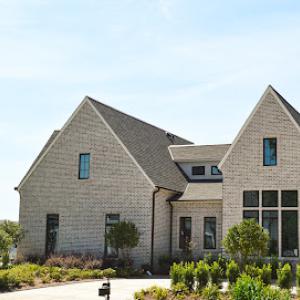
Westbank Roofing | Trusted Roofing Company in Harvey & New Orleans
(504) 340-4977 www.westbankroofing.com
1948 Industrial Blvd, Harvey, Louisiana
4.7 from 150 reviews
Westbank Roofing is a trusted roofing company serving Harvey, New Orleans, and the entire Westbank area with expert roof repair, roof replacement, and roof maintenance services. Our skilled roofers specialize in flat roof repair and replacement, pitched roof conversions, fiberglass shingle roof replacement, and gutters and siding. As a certified GAF and fortified roofing contractor, we deliver durable, storm-ready roofing systems built to last. Whether it’s residential or commercial roofing in New Orleans, our experienced & licensed roofing team is here to help. Call today for a free estimate and see why we’re the Westbank’s top roofing company in New Orleans, Harvey and Westbank area.
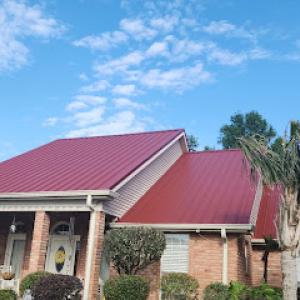
RG Construction Group
(504) 616-0033 rgconstructiongroupnola.com
Serving
4.9 from 80 reviews
Established in 2013, RG Construction Group safeguards homes and businesses in Belle Chasse, LA with superior roofing and siding services. Their expert team tackles all projects, from roof replacements to siding work, ensuring a durable and visually appealing exterior. RG Construction Group prioritizes understanding each client's needs to deliver customized solutions.

Lapeyre Roofing
(504) 290-2911 lapeyreroofing.com
Serving
5.0 from 190 reviews
Lapeyre Roofing serves greater New Orleans with hurricane‑ready roofing solutions. As a GAF Master Elite and Fortified certified contractor, we specialize in standing‑seam metal, slate, tile, shingle and commercial flat roofs. Our team guides homeowners through the roof selection process, works intimately through the Fortified Roof process, and is a certified Louisiana LDI grant contractor. We maintain a net‑zero safety record, provide detailed photo documentation and back every shingle roof with the GAF Golden Pledge Warranty.
Geaux Gator Roofing
Serving
5.0 from 21 reviews
The mission of Geaux Gator Roofing is to provide exceptional roofing services to the residents of Louisiana with a focus on quality, customer satisfaction, and integrity. Our goal is to exceed customer expectations by delivering expert craftsmanship, superior materials, and reliable roofing solutions tailored to meet the unique needs of each client. Through our dedication to professionalism, transparency, and superior service, we aim to establish Geaux Gator Roofing as the premier roofing company in Louisiana, known for our commitment to excellence and the highest standards in the industry.
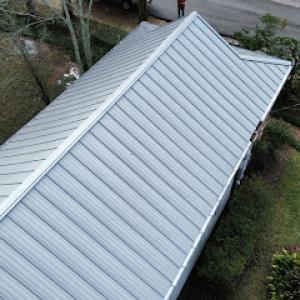
Priority Roofing
(504) 810-5346 www.priorityroofers.com
Serving
4.8 from 73 reviews
Fortified Roofing Certified! For more than 10 years, Priority Roofing has provided exceptional roofing services for the Gulf South, serving southern Louisiana and Mississippi. Your roofing needs are our priority. Since 2012 Priority Roofing has provided excellent roofing solutions to homeowners and businesses across the Gulf South. Priority Roofing is a licensed residential and commercial construction company specializing in the roofing industry. We’re proud to be locally owned and operated by founder Sean Killeen. Our team has over 50 years combined experience in the construction industry, and over 500 construction projects, have given them the expertise needed to complete high quality jobs on time.
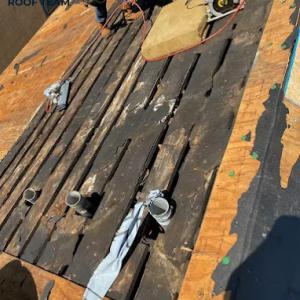
Big Easy Roof Team
(504) 285-5388 www.bigeasyroofteam.com
Serving
5.0 from 24 reviews
Big Easy Roof Team is a trusted, locally owned roofing contractor in New Orleans, LA providing professional residential and commercial roofing services. We specialize in roof repair, roof replacement, storm damage repair, and emergency roofing solutions for homes and businesses. Our licensed and insured roofing contractors offer thorough roof inspections and quality workmanship on every project. From fixing roof leaks to installing shingle, metal, and flat roofing systems, we focus on long-lasting results and clear communication. Proudly serving New Orleans and surrounding areas, Big Easy Roof Team delivers reliable roofing services with fast response times. Contact us today for a free roof inspection and estimate.
Eagle Brothers
Serving
4.9 from 13 reviews
Eagel Brothers is a company that works on Roofing, Painting and Carpentry as well as additional services like Ceramic tile installation and siding repair and installations. Our work hours are from 7:30am to 8:00pm. These hours are for messages and calls only. Sundays are closed.
Robertson Roofing & Siding
(504) 394-7200 robertsonroofinginc.com
Serving
4.7 from 36 reviews
Robertson Roofing & Siding is a professional roofing and siding company that has been in business since 1979. We are family owned and operated, and over the years we have built a reputation of honesty and integrity. We are located in Belle Chasse, LA and service the entire South Louisiana region. In 1999 we built a 12,500 square foot office/ warehouse showing our commitment to our community. We attribute our success to the pride that we take in doing every job with skilled craftsmanship of our employees, and the high quality name brand materials that we use.
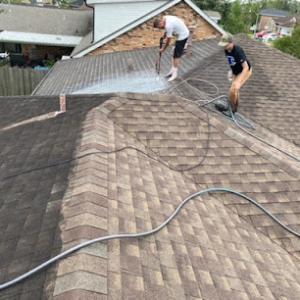
Roof Repair & Leak Experts Plus - Nola
Serving
4.2 from 5 reviews
We are a full service Roofing Company, serving New Orleans and surrounding areas. We have 30 years experience in the Industry and can fulfill your every roof need from yearly Roof Maintenance to Repairs and Full Roof Replacements .
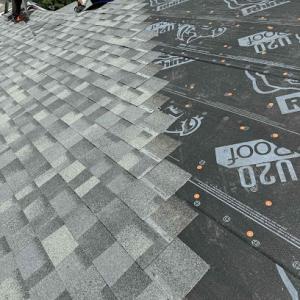
Shifflett Roofing
(504) 329-5665 www.shifflettroofing.com
Serving
4.9 from 239 reviews
Family owned New Orleans roofing company with the best roof warranty and customer experience. Whether you need a roof repair or new roof, we will provide you a through inspection with no cost or commitment.
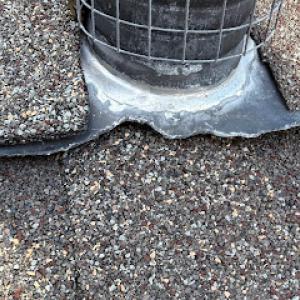
Hydro Pride
(504) 931-6355 hydropridecontractors.com
Serving
5.0 from 27 reviews
Experienced construction services specializing in framing, painting, drywall, siding, roofing, and gutters. Honest pricing and free estimates. .
USA National Roofing Services
(504) 304-3817 usanationalroofing.com
1901 Manhattan Blvd Bldg C - STE 204, Harvey, Louisiana
2.6 from 5 reviews
We are insurance specialists. Was your home damaged in a storm? We can get you the max from your insurance company. Whether it's roofing or siding, skylights, fences, patios, or tarps USA National Roofing Services is your partner in making your home more beautiful because your house is more than just a house, its your home.
A full re-roof project typically requires a permit through the Jefferson Parish building department rather than a separate city roofing office. This process aligns with parish-wide oversight that applies to the West Bank neighborhoods where storm exposure and structural updates are common. When planning a complete tear-off or replacement, expect the permit to cover framing integrity, underlayment, ventilation, and drainage details. Coordinating early with the parish can help prevent permit delays that stall fishing neighborhoods after a storm, especially when crews are juggling multiple reroofs along cul-de-sacs and major streets.
The local process generally includes inspections after work begins at the rough framing or underlayment stage and again after completion. The first checkpoint confirms that structural elements, sheathing, and weather-resistant barriers meet code requirements before shingle or tile installation advances. The final inspection verifies that materials, flashing, gutters, and ventilation were installed correctly and that the roof system functions as intended. Scheduling these inspections promptly can minimize downtime if weather windows are tight between passing bands of rain and the ever-present humidity.
Jefferson Parish can require engineering review or wind-rated components for heavier roof coverings such as tile, which is a key local permitting quirk homeowners should expect. Tile and some clay or concrete systems bring additional load calculations and wind uplift considerations. An engineering letter or stamped drawings may be requested to demonstrate that the existing structure can handle the new weight and wind demands. If tile or heavier options are chosen, prepare for additional review time and possible reinforcement of support members or of the roof deck itself.
Start the permit application early in the project timeline, and keep a copy of the parish checklist handy. Have the contractor submit the required structural details, including any wind-resistance specifications, and be ready to respond quickly to any requests for engineering documentation. After permits are issued, keep a clear record of inspection dates and outcomes, as this will be useful when filing insurance claims or pursuing post-storm repairs. Finally, expect that some storms push a surge of permit activity; coordinating with neighbors can streamline inspections and reduce downtime across several neighboring projects.
Louisiana is a high wind- and hail-claim environment, and tropical-storm and hurricane losses drive how insurers view a roof after a storm. In this area, shingles take abuse from driving rain and gusts enough to peel edges or lift panels. When a claim lands, the insurer's scrutiny will focus on whether the roof was already near the edge of its life, whether the storm caused new damage, and whether installation quality meets recognizable standards. For Harvey homeowners, that means the questions you'll hear most often center on what happened, when it happened, and how well the roof held up to the latest event.
Recent insurer tightening in Louisiana makes proof of roof upgrades, installation quality, and wind-mitigation features more important for shopping for coverage or renewing policies. When a named storm passes, the claims process moves quickly, and slow or incomplete documentation can stall or reduce settlement. Take clear, date-stamped photos from multiple angles before any temporary repairs, and keep a concise running log of every observation and phone call related to the damage. Include the date of the storm, what areas were affected, and any visible progression of leaks or wind-driven damage on different roof faces. This is not speculative-this is the basis the insurer will rely on to determine cause, extent, and responsibility.
After a storm, do not delay even if it seems small. A minor crack or lifted shingle can become a larger leak as the next rain comes through the West Bank's humid air. Capture interior damage as well as exterior, noting the room, approximate time of exposure, and whether a leak was encountered during a particular rainfall. If temporary measures are needed to stop worsening damage, document those fixes with dates and visible indicators of what remains at risk. The goal is to preserve a transparent, chronological record that demonstrates the sequence of events and the roof's condition at each checkpoint.
In practice, storm season in this parish often means that multiple weather events can contribute to a single claim. Keep a running file of all storm communications from the insurer, adjuster visit notes, and any repair estimates. The better you document, the more straightforward the review process becomes, and the sooner you can align on repairs that restore resilience to the specific challenges of Harvey's windy, humid climate.
Connect with contractors who help homeowners navigate the claims process from damage assessment to final approval.
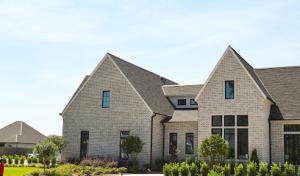
Westbank Roofing | Trusted Roofing Company in Harvey & New Orleans
(504) 340-4977 www.westbankroofing.com
1948 Industrial Blvd, Harvey, Louisiana
4.7 from 150 reviews

The most reliable replacement windows in Harvey are generally the drier, cooler periods outside peak tropical-storm season, because Louisiana heat, humidity, and frequent rain accelerate installation disruptions. A roof crew can work more steadily when the air is cooler and the job site is less muddy, reducing the chance of delays and damaged materials. In a neighborhood built for coastal rainfall and frequent downpours, timing the project to avoid the rainiest stretches helps keep temporary leaks to a minimum and limits back-to-back weather setbacks.
Wet spring conditions in southeast Louisiana can create scheduling delays from storms and muddy job sites before summer hurricane risk ramps up. If you're targeting a spring or early summer start, expect multiple short weather holds as fronts move through and ground saturates. In late summer, heat and humidity increase, which can slow material handling and crew productivity. That makes project timing more consequential than in milder climates. Plan for lighter work during the hottest weeks and be prepared for mid-project adjustments if a major downpour rolls through.
Coordinate a window of 4-6 weeks in the drier, cooler part of the year when possible, with a built-in 1-2 week contingency for late-season tropical activity. Pick a start period that minimizes the chance of back-to-back storms, and align the crew's arrival with cooler morning hours if practical. Have a contingency plan for tarping and quick leak mitigation in case a storm intrudes during the early stages. Communicate with your contractor about preferred sequencing to avoid heavy traffic on the roof during the hottest hours of the day.
Educate property occupants about temporary leaks during heavy rain events, and keep access clear for the crew during any gusty weather. If El Niño or other patterns shift expected rain timing, be flexible with your start date to protect interior spaces and reduce the risk of weather-related delays. A steady pace in cooler, drier periods often yields fewer disruptions and a more predictable finish.
Monitor forecasts closely in the weeks leading up to the project. Have a plan for fast tarp deployment if a storm is forecast within a few days of work. Remember that summer heat may require more frequent breaks for crew safety and quality control, so plan for shorter shifts or staggered days to maintain productivity without compromising workmanship.