
Last updated: Apr 19, 2026
This inland-but-not-quite-inland reality matters every hurricane season. The town sits in Pearl River County close enough to the Gulf Coast to feel tropical-storm and hurricane wind impacts, yet it isn't directly on the beachfront. That proximity means wind-driven debris and gusts can still rattle shingles and threaten decking long before a storm makes landfall. The highest local roofing disruption window runs June through September, when tropical systems and high winds can delay tear-offs, dry-ins, and material deliveries. If your roof is already nearing the end of its life, that four-month stretch can turn a planned project into a scramble. The goal is to avoid starting a tear-off when a named storm is in the Atlantic or in the Gulf, and to have a clear, weather-ready plan to finish before the next round of unsettled weather rolls in.
Shoulder seasons-early spring and late fall-offer the most reliable conditions to complete a reroof without repeated weather setbacks. Humidity and spring rain in this area can soak exposed decking, inviting moisture intrusion and mold risk between stages of removal and resealing. If a re-roof is on the calendar, aim for a dry spell where multiple days in a row look clear, with a forecast that stays stable for at least 48 hours after completion to allow sealants and underlayment to cure. In practice, that means coordinating a start in late September to early March when possible, and treating June-September as the high-risk corridor to avoid if a full tear-off is required. Even in a dry spell, you'll want a plan for rapid mitigation if a pop-up storm arises, including tarp proximity, secure debris nets, and a clear path for quick crew withdrawal if winds climb.
With this climate, moisture can sneak in fast once decking is exposed. If you proceed during the shoulder seasons, expect drier conditions but still monitor for sudden humidity spikes that can compromise treated lumber. A dry-in process matters: shingles or metal can be installed with less interruption, and underlayment can lay flat with fewer wind-related blowouts. Have a contingency clause with your contractor to pause work if a tropical system is approaching and to resume immediately once conditions are safe. This isn't the season to push through a long, drawn-out tear-off with frequent rain gaps; you want a tight, disciplined schedule that minimizes exposure time for the decking.
Storms here drive insurance scrutiny and documentation requirements. Start with a clear project timeline and keep a running log of weather forecasts, wind advisories, and any storm warnings that overlap with your planned start date. Photograph the existing roof before any work begins, then capture every major milestone: removal, deck inspection, underlayment installation, and each day of dry-in progress. If any decking damage is found during tear-off, document it immediately with dated photos and notes, and share them with your insurer promptly. When delays are caused by weather, log the dates and remaining work to show the insurer your proactive risk management. A concise weather-impacted progress report can keep your claim moving and prevent back-and-forth over what was feasible during hurricane season.
If you're contemplating a reroof, align your plan with a dry period in the shoulder seasons and set a firm start window that avoids June-September whenever possible. Build a buffer for potential delays from humidity, rain, and tropical influences, and lock in a communication cadence with your contractor that prioritizes rapid weather-responsive action. In this town, timing isn't just about when to start-it's about when to finish before the next surge in wind and rain. Keep your documentation tight, your photos current, and your plan ready to move at a moment's notice.
In Picayune, roof decisions are shaped more by Gulf-related wind exposure than by snow load or freeze-thaw cycles. The combination of humidity, heavy rain, and tropical storms means that the way a roof handles wind-driven rain, secure edge detail, and rapid dry-out can determine whether a roof lasts through a season or needs an earlier replacement. This section focuses on practical, on-the-ground steps to reinforce wind resilience and to keep insurance documentation solid when storms roll in.
A quick walk around the house after a good rain shows where wind-driven water tends to find its way in. Look at flashing around chimneys, vents, and skylights for any gaps, loose metal, or deteriorated sealant. Edge securement matters just as much as what sits on top: ensure gutter and rake-edge fasteners are tight and intact, and check that underlayment and drip edges are continuous and sealed. If shingles or metal panels show cupping, curling, or loose fasteners, plan a reroof or a targeted repair that addresses those trouble spots first, especially on windward elevations facing the Gulf.
Material selection should align with Picayune's windy, humid climate and the need for dependable wind-rated performance. Asphalt shingles with good wind uplift ratings can provide solid protection with relatively straightforward installation. Metal roofing often performs well in windy conditions when installed with proper fasteners, adequate attic ventilation, and a solid deck. For long-term durability in this area, consider how each option handles wind-driven rain, debris impact, and rapid thermal cycling from hot days to storms. If a roof already has a proven wind-resilient profile, maintaining that system with updated fasteners and correct alignment is a practical path to extend life through hurricane season.
Flashing is the frontline defense against wind-driven rain that seeks weak transitions. Ensure step flashing along walls and transitions is continuous and sealed with a compatible sealant or mastic, not just paint or caulk. Pipe boots should be intact, with seams sealed and the counter-flashing secured. Edge metal or rake boards must be fastened securely to resist uplift; loose edges provide a pathway for air to lift shingles or panels. A reroof in this region should verify that all edges have a robust secondary seal and that any previously missing or damaged flashing is replaced with corrosion-resistant materials.
Ventilation is not cosmetic when wind and heavy rain threaten roof integrity. Adequate attic ventilation reduces indoor moisture and pressure differentials that can pry shingles loose during a fast-moving storm. Check that soffit vents, ridge vents, and any gable vents are clear of blockages and properly sealed where they meet the roof deck. A well-ventilated attic also helps extend the life of roofing materials by reducing heat buildup that can degrade underlayment and fasteners over time.
Insurance carriers serving coastal Mississippi look closely at roof age, material type, and wind-resistance features. From the outset of any reroof or repair, keep a detailed log of materials, fastener choices, flashing products, and installation notes. Take photographs before, during, and after work, focusing on edge details, flashing, and ventilation highlights. If an insurer asks for documentation of wind-resistance upgrades, this organized trail can help substantiate the expected performance improvements and smooth the adjustment process after a storm. In the event of a claim, having clear records of upgrades to flashing, edge securement, and ventilation can translate into stronger support for wind-damage coverage.
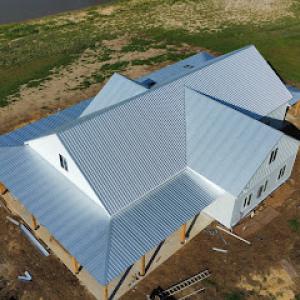
Spencer Roofing Solutions
(985) 210-9215 www.spencerroofingsolutions.com
Serving
5.0 from 22 reviews
Located in Picayune, Mississippi. Local roofing contractor servicing the southern Mississippi and Louisiana coast area and surrounding towns. 17+ years of experience in the roofing industry.
Ameritrust Construction
(985) 250-9701 www.facebook.com
Serving
4.9 from 70 reviews
We are a full-service roofing company serving residential and commercial customers with roofing services, including roof repair, roof replacement, roof restoration, and more!
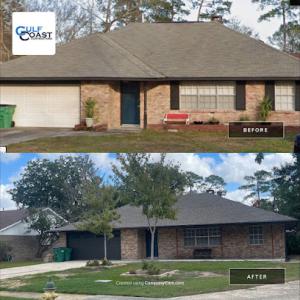
Gulf Coast Roofing
(985) 250-9322 gulfcoastroof.com
Serving
5.0 from 31 reviews
Gulf Coast Roofing is your expert roofing contractor in Slidell, LA, and the surrounding Gulf Coast area. We are committed to delivering reliable and high-quality exterior solutions for both residential and commercial properties. As a fully licensed and insured team, we specialize in the full range of roofing needs. Our services include detailed roof inspection to identify damage and prevent costly repairs; expert roof repair to quickly seal leaks and restore integrity. We handle all materials, including shingles, metal, and flat roofs. We focus on exceptional craftsmanship and client satisfaction, ensuring your roof protects your home for decades. Call Gulf Coast Roofing today for a free estimate!
Legends Roofing
(985) 685-9367 www.legendsroofs.com
Serving
5.0 from 59 reviews
At Legends Roofing, LLC, serving Abita Springs, LA and the surrounding areas, we offer everything from installation to repair and replacement. Our team has worked with homeowners and businesses in the area and provided them with the best solutions for their roofing needs. Whether you need residential roofing replacement services or commercial roofing services, we’re the ones to reach out to. Call Us Today!
Bergens Roofing
(985) 200-5891 bergensroofing.com
Serving
4.9 from 172 reviews
At Bergens Roofing we make fixing your roof feel easy! Our family has provided a full range of residential roofing services to St. Tammany Parish for over 30 years. As a GAF Master Elite Roofing Contractor and IBHS FORTIFIED Roofer we are equipped to offer homeowners the most resilient roof systems available backed by the industries leading warranty. We pride ourselves on providing every homeowner with a detailed assessment, thoroughly educating them on all their options, and most importantly never using high pressure sales tactics to push a homeowner into making a decision they're not completely comfortable with. Call us today to experience the Bergens Roofing difference!
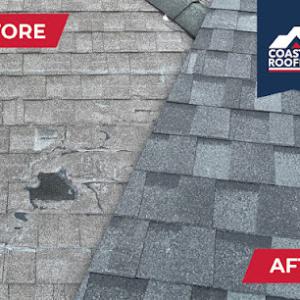
Coastal Roofing
(985) 214-2228 coastalroofing.com
Serving
5.0 from 20 reviews
Coastal Roofing, LLC specializes in Residential, New Construction, Roof Repair, and Replacement, Roofing Accessories, Roof Cleaning, Commercial Shingles, and Commercial metal roofs.
Advanced Roofing & Vinyl Siding, Gutters & Patio Covers
(985) 649-1742 thelocalroofpro.com
Serving
4.9 from 66 reviews
For over 33 years, Advanced Roofing has been recognized as a Top Roofing Contractor in the Greater New Orleans area. We’ve provided clients with a wide range of contracting services for all their remodeling and repairing needs. Be it commercial roofing, residential roofing, vinyl siding or gutter installations our experience and quality of work speaks for itself. We are excited for our recent expansion into South Mississippi where we offer the same quality and repair. We provide roof replacement, roof repair, siding, gutters and Patio Covers. We can service Slidell, Mandeville, Madisonville, Pearl River, Covington or anywhere in between. We offer the same great guarantees.
Blueprint Roofing & Construction
(985) 250-9240 www.roofnola.com
Serving
5.0 from 7 reviews
Blueprint Roofing & Construction is proud to be a leading New Orleans roofing contractor who provides residential and commercial roofing, siding, and gutter services. Established in 2006, our family-owned and operated roofing company has been serving the area for more than two decades as a local roofing contractor.
Real Home Roofing®
(504) 715-5581 www.realhomeroofing.com
Serving
4.9 from 28 reviews
Fortified Roofing Experts installing Fortified Roofs in south Louisiana Real Home Roofing®. Fortified Grant Approved Contractor.
Storm Guard Roofing of Slidell
(985) 202-9736 www.stormguardrc.com
Serving
4.9 from 189 reviews
Storm Guard Roofing and Construction of Slidell is here 24 hours a day for top-quality roofing in Slidell and the surrounding communities. We listen to what you need, determine the best options, and even manage your insurance claim for you. You will have the mobile phone of a dedicated supervisor who will deliver multiple progress reports including photos. We provide high-quality weather-ready solutions, ensuring your home stays strong through Slidell's storms. Whether it's roof repair or installing a new roof, we're dedicated to quality and satisfaction to keep your home safe. Find peace of mind with Storm Guard—let's fortify your home together against the elements! Get in touch today!

David Clawson LLC Roofing & Renovations
Serving
4.9 from 33 reviews
If you call and recieve my voicemail, please leave a message. Due to robo calls, we will not call back unknown numbers. Thank you!
Brads Roofing
(985) 781-2582 brads-roofing.ueniweb.com
Serving
4.7 from 23 reviews
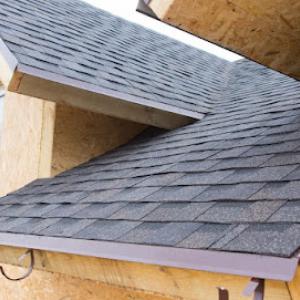
For over 28 years, Brad’s Roofing has provided reliable roof replacement and repair services across Slidell, LA and surrounding areas. We specialize in asphalt shingles, metal roofing, flat roofs, and storm damage repair. Our team is fully licensed and insured, committed to honest work, fair pricing, and dependable service you can count on. Whether you need a small leak fixed or a full roof replacement, Brad’s Roofing gets it done right the first time. Serving: Slidell, Pearl River, Mandeville, Covington, Lacombe, and nearby areas.
Asphalt shingles are a common sight in town, and they work reasonably well in a humid climate with heavy rain bursts. In this environment, however, granule loss tends to accelerate and algae staining can appear after long, hot summers. Adhesive aging also proceeds quicker when heat and humidity combine, which can shorten the effective life of a roof if the shingles aren't installed with weathered to match the season. When you opt for asphalt in this market, pay attention to the attic ventilation and roof underlayment quality, because poor airflow and a damp crawlspace can hasten moisture-related issues. Regular inspections after hurricane season help catch loose granules or curling shingles before leaks emerge.
Metal roofing is a popular locally for shedding heavy rain and standing up to wind-driven stress. In a humid coastal-influenced climate, the fasteners and flashing deserve extra scrutiny. Humidity can corrode poorly sealed fasteners over time, and flashing around chimneys, vent stacks, and edges takes the brunt of seasonal rains. Choose fasteners and gaskets rated for exposure to salt-tinged air if your home sits near open drainage or coastal winds. A well-sealed valley and accurate panel overlaps reduce wind-driven water entry. If the home's existing structure isn't truly compatible with a metal retrofit, ensure the deck or sheathing is checked for moisture damage before any metal goes on, since trapped humidity can compromise the installation's long-term performance.
Clay and concrete tile appear in the local material mix, yet their higher weight can trigger added structural review on some reroofs when homes were not originally framed for tile. If you're considering tile, verify structural support and local wind uplift ratings, because the additional weight changes the load profile and may require reinforcement. In humid conditions, tiles can stay cooler than dark shingles, which can be a practical comfort factor, but they can also experience more pronounced efflorescence and staining on lighter-colored surfaces due to humidity. Keep gutters clear to prevent water backing onto tile edges, and plan for flashing transitions at eaves and penetrations that align with tile profiles to prevent leaks.
The relationship between roof material and humidity in this area centers on how well the system handles moisture movement and rapid rain events. Any roof type should be paired with a moisture-aware installation technique and a robust underlayment. Ventilation remains critical to limit attic humidity and thermal cycling, which can degrade seals around fasteners and flashing over time. In storm-prone seasons, a conservative approach favors configurations with proven uplift ratings, corrosion-resistant fasteners, and floating, flexible sealants that accommodate temperature swings and moisture ingress.
After a severe storm, inspect for wind-driven debris that could pry loose fasteners or underlayment. In the humid climate, check for persistent moisture at eaves, around penetrations, and along valley lines. Address any signs of rust, algae, or curling promptly to prevent deeper damage. Scheduling a professional roof inspection after the peak of hurricane season helps confirm that the chosen material maintains its protective seal across the worst weather.
Typical local material ranges run about $350 to $700 per square for asphalt shingles, $600 to $1000 for metal, $1200 to $2000 for clay tile, $1000 to $1800 for concrete tile, $500 to $1100 for wood shingles or shakes, and $450 to $900 for synthetic or composite shingles. Those figures come from the way Picayune homeowners typically mix climate realities with stock from regional suppliers. The material price band matters, but it's only part of the story you'll face when moving from estimate to install.
Storm-season demand spikes after tropical weather can tighten contractor availability and push reroof pricing upward even when material choice stays the same. If a storm tracks close to the coast or a heavy rain pattern lingers into fall, crews shift to storm repairs and leave limited slots for reroofs. Expect longer wait times for start dates and a premium for scheduling, especially for higher-risk angles or roofs with complex venting, skylights, or chimneys that require careful sealing.
Costs can rise locally when frequent rain requires extra dry-in protection, when humid conditions slow installation pacing, or when heavier materials such as tile require structural review or reinforcement. Dry-in work often adds temporary scaffold, tarping, or additional underlayment steps to protect interiors; those add-ons show up on the final invoice even if the material remains the same. Humidity slows workers, especially on fast-paced projects, and tile or concrete products amplify labor time and the need for careful handling. Structural assessments can be needed for heavier roofs, potentially changing both inspection timing and overall cost.
Start with a midrange material choice and build a cushion for seasonal pricing. If asphalt shingles are your baseline, anticipate occasional upticks during storm season; if choosing metal or tile, factor in longer lead times and potential structural checks. When budgeting, consider not only the per-square rate but also the pace of installation, dry-in protection, and any reinforcement work that might be triggered by the chosen material. In practical terms, set aside a contingency of 10-20 percent to cover weather-related scheduling shifts and the occasional unexpected reinforcement need, especially for roofs with higher profiles or complex layouts.
A permit is typically required for reroof work in this area, with applications handled through the city building department. Before lifting shingles or pulling underlayment, you should confirm the permit needs and gather the materials the department requests, such as the project scope, roof dimensions, and a basic method plan. Keeping paperwork organized helps you avoid delays when the inspector arrives, which can be especially important during the busy storm season. The building department can also tell you whether you'll need any additional approvals if your roof line or eaves project expands beyond a straightforward reroof. Since humidity and heavy rain are common, ensure your schedule accounts for potential weather holds so the permit process doesn't slip behind your project timeline.
Picayune reroof projects are commonly inspected during and after the job to verify installation details such as flashing, ventilation, and overall code compliance. An inspection during the work acts as a checkpoint: the inspector will look at how flashing sits against walls and penetrations, how valleys are treated where water concentrates, and whether venting aligns with code requirements for attic moisture control. After the work is complete, a final inspection confirms that the roof deck is properly vented, underlayment is correctly installed, and the new roofing material has appropriate fastening patterns for wind resistance. If your project includes multiple roofing layers or a reconfiguration of roof lines to improve drainage, be prepared for the inspector to check framing conditions and any added supports. For homes with attic space or limited crawl access, ensure stairways or ladder routes to the attic are safe and clear so the inspector can reach the necessary points without delay.
Projects involving structural changes may need added review beyond a standard reroof permit, which is especially relevant when switching to heavier roofing systems. If you're progressing from asphalt shingles to metal, clay, or concrete options, the city may require engineering notes, updated load calculations, or a review of the roof framing to handle the increased weight. Any plan that alters roof slope, adds new dormers, or modifies chimney connections should be discussed with the building department early in the process to determine whether structural drawings or additional approvals are needed. Communicate openly with your roofer about anticipated changes to ensure the permit package includes the right documentation and that inspections focus on the reinforcement details that matter most in hurricane-prone conditions. By aligning permit submittals with anticipated wind loads and ventilation improvements, you reduce the risk of rework or delays once the project is underway.
Picayune homeowners operate in a higher-claim insurance environment tied to Gulf Coast wind and hail losses from tropical systems affecting coastal Mississippi. That reality means carriers scrutinize roof age, material choice, and wind-resistance features more closely than in milder climates. Reroof timing isn't just about weather windows; it's about how a replacement could shift your insurability. If your roof shows aging or fails wind-resistance tests, a carrier might tighten terms or adjust coverage outlooks after a storm season. Treat a planned reroof as part risk management, not only as a cosmetic fix, because the insurance lens can tilt toward long-term durability and classifying your home's resilience.
When choosing roofing material, consider how the product holds up against Gulf Coast wind-driven debris and hail. Metal and certain synthetics often rate well for wind resistance, but the specifics matter-underwriters look at panel seams, fastener quality, and nailing patterns. Clay or concrete tile can offer compelling durability, yet weight, attachment method, and roof framing must be evaluated for your home. In this market, the overall wind-resistance package you install directly informs insurability, so you can't separate performance from policy terms.
Adjusters commonly want thorough documentation when reviewing claims in this market. Expect date-stamped photos that capture the entire roof surface, close-ups of fasteners and underlayment, and a clear roof diagram showing penetrations, valleys, and eaves. Wind-mitigation details-such as upgraded straps, clips, and crickets-help substantiate the claim and support favorable review. Prepare this package early, not after a storm, to avoid delays or disputes with the carrier.
Keep a running record: material receipts, contractor certifications, and installation dates. If a storm threatens the area, document conditions and any immediate impacts on the roof. When discussing plans with a contractor, emphasize wind-resistance features that align with insurer expectations, and ensure the chosen path supports both protection and future claim clarity.
In this coastal-inland mix, shingles at the edges are routinely the first to lose grip when tropical winds surge. Wind-lifted shingles often reveal compromised ridge and edge details, inviting small leaks that creep toward attic spaces. When a roof edge isn't properly sealed, wind can pry up overhanging material and force water into vulnerable joints. The result is a cascade of tiny leaks along eaves, fascia, and soffits that can go unseen until rot or staining appears inside ceilings.
Flashings around chimneys, vents, and vent stacks take the brunt of heavy rains and blowing debris. In Picayune, storm-driven intervals stress these penetrations, making improper flashing a frequent failure point. Dished or corroded metal, loose sealant, or misinstalled step flashing can all become water paths that travel behind the shingles and into the attic. If left unchecked, flashing issues often mimic more serious deck or ceiling problems, so early detection matters.
Persistent humidity and rainfall can worsen decking moisture when roofs are left open during interrupted installations. If a contractor pauses work mid-shoot or leaves roof openings exposed during a storm window, moisture can saturate plywood or OSB, inviting warping, mold growth, and hidden rot. In Picayune's climate, you may not see the impact immediately, but moisture accumulation accelerates decking deterioration and can compromise entire roof lifecycles.
Algae discoloration and accelerated weathering are more relevant in this warm, wet climate. Dark streaks and surface staining not only look unsightly but can indicate moisture retention and leaf debris buildup in shaded sections. Algae-softened surfaces may also erode protective granules on shingles, reducing UV protection and shortening service life if not addressed.
Storms can leave subtle, long-term damage-lifted tabs, loosened ridge caps, and compromised drip edges. These issues often hide behind the roof line until a heavy rain or wind event forces the problem into visibility. Regular, careful inspections after major weather, and prompt resealing or repairs, help prevent small setbacks from becoming expensive, roof-wide failures.