
Last updated: Apr 19, 2026
In this market, a roof isn't judged by age alone-it's judged by hail and wind history. Fenton sits in the St. Louis regional hail and wind claim zone, so storm-related damage often triggers replacement far sooner than simple wear. If a hail event or a strong wind gusts through, every inch of shingles, flashing, and underlayment should be scrutinized. Waiting for obvious leaks can cost you a full reroof later; a rapid assessment after a storm is essential. Your roof's next life may hinge on how you react in the 48 to 72 hours after a hail event.
Local claim activity tends to spike after spring storm systems, which can quickly tighten contractor availability across Fenton and nearby St. Louis County communities. That bottleneck matters: if you plan to file, you'll want a prepared response road map rather than a scramble. Insurers expect timely documentation and clear photos of visible damage, so gathering evidence while the storm is fresh pays off. When the phone lines fill and crews book out, being proactive with your choice of roofer and your documentation can mean the difference between a smooth claim and a protracted delay.
Insurers in this market commonly scrutinize roof age, prior wear, and photo documentation because hail claims are frequent across the region. Even if your shingles appear to be at the edge of useful life, an insurer may require more evidence before moving to replacement. The more you can demonstrate recent impact damage, granule loss, dented flashing, and compromised vent collars with dated photos, the stronger your case. Expect adjusters to compare current condition with the policy's coverage window and to request access for a roof inspection. Be ready to provide records of prior repairs and any maintenance evidence from the last few years.
First, perform a rapid visual inspection after a storm and document everything with timestamped photos. Second, contact a local contractor who understands the area's storm patterns and who can respond quickly when demand spikes. Third, organize a concise file of prior claims, maintenance notes, and any storm-related reports so your insurer sees a clear damage timeline. Fourth, avoid delaying decisions on a confirmed hail claim-timing matters in this market, and contractor availability can tighten fast after a big event. The goal is a coordinated effort that compresses replacement timing into a window where coverage is strongest and claims are processed efficiently.
Storms don't wait for your calendar, and neither do the crews that fix roofs after them. If a credible hail or wind threat has passed, your best move is to secure an evaluation from a trusted local roofer who regularly handles the St. Louis region's hail patterns. You want someone who can translate insurance language into actionable repair steps and who can align the claim timeline with the weather and supply cycles. In this market, decisive action and precise documentation are the differences between a smooth claim and a drawn-out process. Remember: the window to act is narrow, and the window to secure materials and labor is even narrower.
Storm Guard Roofing & Construction of SW St. Louis
(636) 429-4099 www.stormguardrc.com
405 Biltmore Dr, Fenton, Missouri
4.9 from 393 reviews
Storm Guard Roofing & Construction of SW St. Louis is your local contractor with a national presence, specializing in exterior construction services. Our areas of expertise include all types of roofing flat, pitched, and insurance-related siding installation from fiber cement to vinyl, vinyl and wood window installation for replacements or new construction, seamless gutters and gutter guards of all kinds, and a full range of other exterior construction needs.
Tesson Roofing & Exteriors
(314) 254-4210 www.tessonroofing.com
656 Axminister Dr, Fenton, Missouri
4.9 from 711 reviews
Established in 2009, Tesson Roofing & Exteriors, LLC is a trusted provider of roofing, siding, and gutter installation services. We proudly serve the greater St. Louis area, including Chesterfield, Ballwin, Kirkwood, Mehlville, O’Fallon, St. Charles, Arnold, Fenton, and more. Our team of expert field consultants is committed to working with you to ensure your project meets your specific needs. We prioritize quality workmanship and affordability, striving to deliver efficient, respectful, and satisfying experiences for our clients. At Tesson, we go above and beyond to exceed your expectations and provide unparalleled service in the industry.
RENAISSANCE Historic Exteriors
(800) 699-5695 www.historicexteriors.com
2070 N Lark Dr, Fenton, Missouri
4.8 from 39 reviews
Since 1992, Renaissance Historic Exteriors has provided nationally-recognized historic renovation services to customers throughout the upper and lower Midwest region. Our restoration specialists combine true craftsmanship with state-of-the-art processes to restore copper roofing, slate roofing, tile roofing, architectural sheet metal, historic masonry, historic carpentry, and more. Through a detailed discovery process, we’ll identify areas of restoration work and create a project plan designed to keep you informed every step of the way. Partnering with Renaissance on your historic renovation project ensures your structure will be restored with the utmost care and attention to help your building last for generations to come.
Guardian Roofing & Exteriors
(636) 326-9911 guardianroofingpros.com
1005 Fenton Park Dr, Fenton, Missouri
5.0 from 15 reviews
Here at Guardian we want to stand by our name by keeping your home protected up-above for years to come like a Guardian would. All of our Roofing Technicians have taken many training courses through a substantial amount of Roofing Manufacturing Requirements. We stay up-to-date with current Installation application processes, which are significant to Missouri Homes.

Superior Commercial Roofing Systems
(573) 470-4998 www.stlouisroofing.company
476 Old Smizer Mill Rd #272, Fenton, Missouri
5.0 from 11 reviews
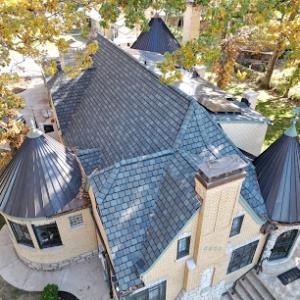
We started roofing as volunteers after hurricane Katrina in 2005 and loved every minute of it. Superior Commercial Roofing Systems is owned by Lee Myers, a roofer in St. Louis, Missouri. For 20 years, Lee has accrued experience and with shingle roofs for pitched roofs and flat roof coatings in the residential field, and metal roofs with modified bitumen systems for the commercial roofing industry. As contractors of the SCRS network, we stand by our work and use reliable and durable roofing supplies with brands like CertainTeed®, Uniflex® and Conklin®. Why? Because we offer to back up our roofs with a 50-year warranty! We believe in honest service & durable quality materials at competitive prices. Call for a FREE quote at 573-470-4998.
L&M Exteriors
(314) 988-3001 lmexteriors.com
13363 Wintergreen Estates Dr, Fenton, Missouri
4.7 from 13 reviews
L&M Exteriors is a Roofing Contractor, Siding Contractor, and Fence Contractor in Fenton, MO. As a successful, veteran-owned Construction Company, we value hard work, honesty, and integrity on every project. L&M Exteriors is a licensed and insured contractor for Residential Roofing, Commercial Roofing, LP Fiber Cement Siding, Vinyl Siding, all manner of Fencing, Soffits, and Fascia repair, installation, or replacement. If you're looking to partner with a local contractor in Fenton for your next project, please give L&M Exteriors a call. Quotes are free, whether you need a total roof replacement, new roof installation, roof repair, siding replacement, siding repair, or a new fence. Thank you for your business and interest in L&M Exteriors!

Covenant Roofing STL
(314) 282-1991 covenantroofingstl.com
795 Lakeview Ridge Dr, Fenton, Missouri
5.0 from 7 reviews
KNOWN FOR ITS 'S TRUST & PERFORMANCE ! WE ARE INSURANCE SPECIALIST ! Covenant Knows how to deal with your Insurance Company. We Specialize in Storm Damage! This Company Has a 5 Star Rating and an A+ with the BBB
Boyster Roofing & Home Improvement
(636) 296-3200 betterroofingstlouis.com
714 Becalyn Dr, Fenton, Missouri
5.0 from 3 reviews
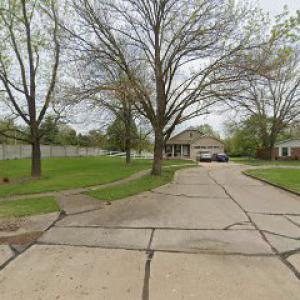
I have been a roofer since 1990. With the knowledge and experience I learned from that experience, I started Boyster Roofing & Home Improvement in 2001. I further concentrated my efforts on gaining more knowledge as well as pursuing outside training in sales and marketing to help solidify the company.
McKeage Roofing & Repair
8 Nolan Hill Dr, Fenton, Missouri
4.5 from 6 reviews
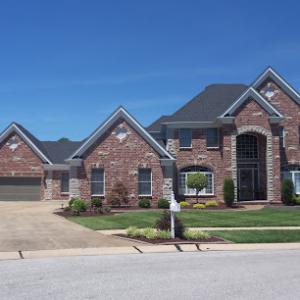
McKeage Roofing & Repair, proudly locally-owned and operated, we specialize in residential roofing services. From meticulous flashing to top-quality shingles, repairs, and installations, McKeage Roofing is your trusted partner for a durable and reliable roof over your head. Experience the difference two decades of expertise make – your satisfaction, our commitment.
Legendz Roofing
(314) 379-7327 legendzroofing.com
Serving
5.0 from 36 reviews
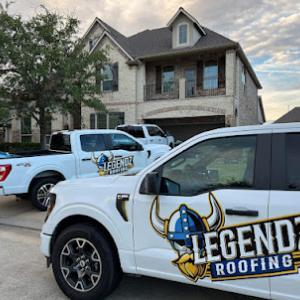
Legendz Roofing — Precision. Integrity. Results. With over 30 years of industry expertise, Legendz Roofing stands as a leader in premium roofing solutions for Sunset Hills and surrounding communities. Founded on a legacy of craftsmanship passed down through generations, our company combines proven experience with advanced technology to deliver results that exceed industry standards. Our team of highly trained professionals specializes in roof installation, repair, and insurance claim management, ensuring every project is completed with precision, efficiency, and uncompromising quality. From initial consultation to final inspection, we provide transparent communication, meticulous workmanship, and long-lasting protection for your property.
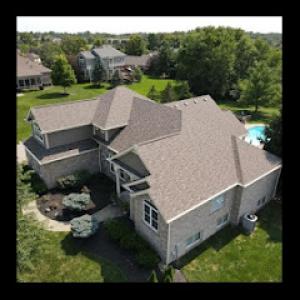
Coldstream Exteriors
(314) 380-8111 coldstreamexteriors.com
Serving
4.9 from 202 reviews
With over 20 years of experience, the team at Coldstream Exteriors can handle all of your home’s exterior needs. With expertise in roofing, siding, windows, gutters, and more, we offer a wide range of services and materials to fit the needs of our clients. Working together with individuals who are looking to enhance their home’s appearance is something we take pride in and we are committed to reliability and delivering results that our clients are proud of. Please give us a call to learn more about what our company has to offer and set up an appointment for your next home improvement project!
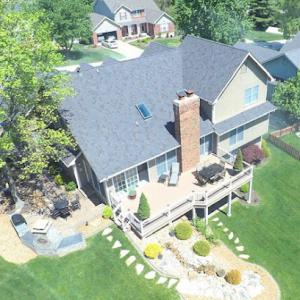
WCC Roofing
(636) 226-4483 www.wccroofing.com
Serving
4.8 from 221 reviews
Need roof repairs or a full replacement? Fast, affordable, and reliable roofing experts. • Protect your home with quality roofing. Free estimates. Local, licensed, and insured. • Storm damage? We help with insurance claims. Call today for a free roof inspection. • Trusted by homeowners for 35+ years. Quality roofs. Fair prices. Satisfaction guaranteed.
Storm season in this area often brings a spike in hail claims and wind damage, which can push scheduling and material costs higher across the county. After a major St. Louis-area hail event, replacement demand surges and contractors shift to meet the backlog, driving up prices and shortening lead times. The cheaper materials aren't immune to this effect, because availability, crew calendars, and weather delays become the gatekeepers of timing as the market responds to demand.
Provided local pricing runs about $350-$650 per square for asphalt shingles, $700-$1200 for metal, $900-$1800 for clay tile, $800-$1500 for concrete tile, $500-$900 for wood shingles or shakes, and $450-$800 for synthetic or composite shingles. These ranges reflect common residential replacements and assume standard underlayment, flashing, and basic ventilation. In practice, the exact number for any project depends on roof complexity, porch or skylight additions, and the chosen warranty tier. For asphalt, the range remains the most common entry point for most homes, with metal and tile representing upgrades in long-term durability and curb appeal.
If a hail event has damaged the roof, the insurance-driven timing matters. Expect rush periods where many homes in a neighborhood enter the queue at once, which can compress scheduling and raise minor costs for expedited material procurement or after-hours work. Planning ahead, coordinating an assessment window with your insurer, and choosing materials early helps keep the project on a predictable path. For asphalt in lighter damage scenarios, it may still be feasible to wait for a calm window, but widespread hail damage often necessitates sooner action to prevent leaks and interior damage.
Asphalt remains the most common choice for most homes, but metal or tile can offer longer service life and better performance in wind-prone conditions. Clay and concrete tiles are heavier and require structural consideration, which can affect installation cost even before weather-driven surges. Synthetic or composite shingles provide a middle ground on price and longevity. If a hail event has already pushed replacement into a crowded market, upgrading to a more durable option can be prudent, especially on higher-end homes or properties with steep slopes and challenging access.
When evaluating bids, compare not only the price per square but also the scope of work, warranty terms, and the pro's experience with storm-related claims. Ask about lead times, scheduling flexibility, and how they handle tear-off, disposal, and debris management during peak demand. In a market where demand can overwhelm supply, a written schedule with milestones and deposit clarity helps protect the project's cadence and final cost.
Get a clear picture of your project costs upfront - no commitment required.

Superior Commercial Roofing Systems
(573) 470-4998 www.stlouisroofing.company
476 Old Smizer Mill Rd #272, Fenton, Missouri
5.0 from 11 reviews
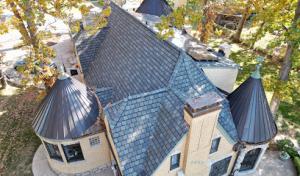
L&M Exteriors
(314) 988-3001 lmexteriors.com
13363 Wintergreen Estates Dr, Fenton, Missouri
4.7 from 13 reviews
In this market, a full re-roof project typically moves through the local building department with a clear set of requirements. A full re-roof in Fenton typically requires a permit submitted through the City of Fenton or St. Louis County building department with project details. The department expects the project scope, materials, and timeline to be spelled out so inspectors can verify compliance with local codes, wind uplift requirements, and drainage provisions. Start by confirming which jurisdiction applies to the property-some neighborhoods fall under Fenton city rules, others under county authority-and align the paperwork accordingly.
Before any roof work begins, you must secure a permit. This means a licensed contractor must submit the application on your behalf, with verified credentials. The department generally expects licensed contractor verification and plan review before work proceeds. Plan review checks are not a formality; they ensure roof assemblies, fastener schedules, underlayment, and venting meet current code expectations given the local climate and typical hail exposure. Expect the review to address roof penetrations, flashings around chimneys and skylights, and proper attic ventilation details. Have the contractor attach a straightforward material list and a brief scope of work so the reviewer can see how the project will meet the existing structure and snow/wind loading considerations.
Gather a solid package: project address, legal description if required, contractor license number, and proof of insurance. The department may request site diagrams or photos of the existing roof structure, along with a materials specification sheet for shingles, underlayment, metal, or tile. If there have been prior hail or wind claims, be prepared to supply claim numbers or insurer correspondence to help the reviewer understand the scope and urgency of the replacement. You may also need to provide contractor contact details and a schedule of the anticipated start and completion dates. Clear, accurate drawings or sketches that show eave and rafter details can speed up the plan review.
Inspections are usually scheduled after completion, but some projects include an intermediate stage. In practice, expect roughly one to two inspections depending on project scope. The first inspection typically confirms that the installation conforms to the approved plan and that underlayment, flashings, and penetrations are properly installed. A final inspection verifies that the new roof is complete, weatherproofed, and that any required ventilations and attic barriers meet code. Schedule inspections promptly with the building department, and have the contractor ready to demonstrate compliance with wind uplift and drainage requirements. If discrepancies are found, a re-inspection will be required after adjustments are made.
Asphalt shingles remain the dominant practical choice for typical Fenton homes, reflecting the suburb's housing mix and widely available installation crews. Yet metal roofing and tile systems are active options on higher-end or carefully updated homes, showing up after hail events or when an owner seeks longer-term durability. The local landscape includes a mix of ranches, mid-century ranches, and updated two-story homes, all of which influence how roof systems perform in real-world weather and daily use. Understanding how each option handles Missouri's climate-hot summers, cold winters, and hail exposure-helps you choose a system that aligns with both performance needs and residential style.
Missouri seasons drive two key concerns: thermal movement and hail impact. Asphalt shingles built for this market should emphasize thick, impact-resistant ratings and granule retention to withstand hail streaks. Metal roofs bring notable durability and wind resistance, but require attention to thermal movement and panel fasteners in heat. Clay and concrete tiles offer excellent longevity and hail resistance when properly installed, yet their weight and support requirements matter on older or smaller structures. Wood shingles/shakes can provide a distinctive look but demand moisture management and higher maintenance in this climate. Synthetic or composite shingles aim to blend impact resistance with lighter weight and faster installation, a combination appealing to retrofit projects after storm damage. Each option responds differently to temperature swings, rapid cooling after summer heat, and the occasional hail-driven stress.
During storm season, many homeowners in this market evaluate whether to reinstall standard asphalt or upgrade to metal or synthetic materials after a claim. If a roof is near the end of its life, upgrading can offer longer intervals between replacements and better resistance to recurring hail events. Metal can provide a longer service life on homes exposed to frequent wind-driven hail, while synthetic shingles deliver improved impact resistance without the weight of tile. Clay and concrete tiles suit homes with specific architectural cues or those seeking maximum durability, but the extra weight and potential for breakage during hail require careful structural assessment. In all cases, align the selected system with existing roof geometry, attic ventilation, and local climate patterns to optimize performance across seasons.
In this area, most projects follow milder spring and fall windows because Missouri summer heat and winter freeze-thaw conditions complicate installation timing. The typical rhythm means crews are busiest when temperatures sit comfortably for asphalt or metal work, and material handling is steady enough to avoid weekend crunches. For a homeowner facing a hail or wind event, the timing becomes a balance between when the damage is assessed, when an insurer approves repairs, and when crews can work comfortably without heat or cold stresses.
Spring storms can interrupt work and create backlog just as demand rises from new hail and wind damage across the St. Louis region. You may see partial days stopped for sudden hail advisories, or crews pausing to protect exposed surfaces. If a roof replacement is triggered by damage after a storm, expect a push of scheduling requests from multiple homeowners in your area. Having a clear plan with your contractor for weather-related delays helps keep the project on track without sacrificing quality or safety.
Autumn is a preferred replacement season in Fenton, but wet weather and wind can delay projects as homeowners try to finish before winter. Dry, moderate days are ideal for roofing work, yet persistent rain or gusty days can push tasks into colder weeks. If you're coordinating post-storm repairs, anticipate shorter work windows as temperatures drop and daylight shrinks. Your contractor may prioritize sealant and flashing work to protect the home as the interior heating season approaches.
Weather and seasonal demand create natural ebbs and flows. Work with a contractor who provides a realistic milestone plan that accounts for potential weather gaps, storm-related backlogs, and contingency days. For a smooth experience, agree on a single point of contact, confirm haul-away and material delivery windows, and flag any anticipated weather delays as soon as they're known. That proactive approach helps prevent misaligned expectations during the spring transition and autumn surge.
When a storm rolls through the St. Louis metro area, insurers expect a clear trail from the moment the hail hits. Gather date-stamped photos that show the roof surface, gutters, and any interior signs of leaks. Your first inspection should note a clear scope of damage: where the shingles are missing, bruised metal, or granule loss, and whether issues seem tied to a recent storm or longer-term aging. In this market, the distinction matters, because it guides how the claim is interpreted and paid.
In the Fenton/St. Louis market, timing can influence outcomes as much as the damage itself. Keep records that trace when the issue first appeared, when the storm occurred, and how conditions evolved since. If a prior leak or aging signs were present, document those too with photos and notes. An organized timeline helps the adjuster see the progression and reduces back-and-forth questions that waste time and potentially complicate settlements.
Depreciation can materially affect payouts here, so understanding how roof age and condition influence settlement strategy before signing a replacement contract is essential. Note any preexisting wear, material quality, and current roof performance. This isn't just about the storm; it's about presenting a complete, honest picture of the roof's overall condition to avoid surprises later in the process.
Because adjusters in this region often review hail and wind claims closely, organized documentation from the first inspection is especially important. If possible, establish a single, coherent file: photos, notes, receipts for any temporary fixes, and a written summary of the damage observed at the initial visit. This foundation helps withstand follow-up questions and supports a smoother claim path.
Connect with contractors who help homeowners navigate the claims process from damage assessment to final approval.
Storm Guard Roofing & Construction of SW St. Louis
(636) 429-4099 www.stormguardrc.com
405 Biltmore Dr, Fenton, Missouri
4.9 from 393 reviews
Tesson Roofing & Exteriors
(314) 254-4210 www.tessonroofing.com
656 Axminister Dr, Fenton, Missouri
4.9 from 711 reviews

RENAISSANCE Historic Exteriors
(800) 699-5695 www.historicexteriors.com
2070 N Lark Dr, Fenton, Missouri
4.8 from 39 reviews
The local contractor mix shows meaningful demand for skylight work and flat or low-slope roofing, indicating these details are recurring service points in the market. You'll notice more aging skylights paired with tired curb details or step flashing on homes with built-up or membrane systems. If your roof includes a skylight or a low-slope section, expect frequent inspections focused on the flashing around the curb, the seal between the skylight and the shingle field, and the connection to any nearby vent pipes. In practice, this means planning for targeted maintenance rather than treating skylights as afterthought add-ons. The payoff is quiet on rainy days-properly addressed penetrations reduce the chance of interior leaks that hit hardest after a mid-winter thaw or a spring storm.
Freeze-thaw cycling in winter and repeated spring storm exposure can stress flashing, penetrations, and transitions more than broad field shingles alone. The typical Fenton roof often pairs asphalt or metal with decorative features, which means more joints, elbows, and terminations to inspect. Pay particular attention to the valley intersections, chimney crickets, vent flashings, and transitions where metal meets membrane or shingle. If flashing shows any lift, curl, or corrosion after a heavy rain, do not delay a professional evaluation. Small issues in these transition zones can escalate quickly into active leaks that track along a ceiling line or intrude behind walls before a storm fully passes.
Emergency response is a real local need because storm-driven leaks often require temporary tarping before full replacement can be scheduled. If a storm hits and you see active seepage, secure access points and place a tarp over the vulnerable area to limit interior water intrusion while you arrange a temporary fix. A prompt, temporary shield buys critical time for a proper repair plan, especially on a roof with skylights or low-slope sections where leakage paths can multiply with each new storm. Having a plan for rapid tarping can preserve insulation and interior finishes during the busy replacement season.
Find contractors experienced in skylight installation, flashing, and leak repairs to bring natural light into your home.
Storm Guard Roofing & Construction of SW St. Louis
(636) 429-4099 www.stormguardrc.com
405 Biltmore Dr, Fenton, Missouri
4.9 from 393 reviews
Fenton's contractor market is heavily weighted toward re-roofing and storm-response work, so homeowners should expect many companies to emphasize speed after weather events. In practice, that means bids can come in quickly, crews may appear on site sooner than other services, and communication cycles can be intense in the days following a hail or wind event. Keep expectations grounded: rapid work is not a substitute for thorough, proper installation and material protection.
Cleanup, affordability, and long-established service are prominent local hiring priorities, reflecting a suburban homeowner base focused on disruption, price, and trust. Look for a contractor who outlines a concrete cleanup plan, including tarping, debris removal, and yard protection. Long-standing firms in this market tend to offer repeatable scheduling, reliable cleanup records, and recognizable crews who return for follow-up concerns.
Because permit approval commonly requires contractor verification, homeowners should confirm licensing, insurance, and who will actually handle the city or county paperwork. In this market, many reputable outfits assign a dedicated project lead who coordinates permits, purchases, and inspections, reducing confusion at the end of the job. Ask for a written statement detailing who will manage the paperwork, how permits are tracked, and who can be contacted for status updates.
When comparing bids, verify the extent of the weather-repair plan, the sequence of work after a storm, and any subcontractors involved. Request a photograph-based record of prior storm projects to gauge consistency in cleanup and workmanship. Check local references who had similar roof profiles and loads, such as asphalt, metal, or concrete tile, to ensure the contractor can handle your specific materials and house style.