
Last updated: Apr 19, 2026
Imperial homeowners face periodic hail events that commonly drive roof inspections, repair decisions, and full replacement timing. When a hail event hits, the roof can look fine from the ground but carry hidden damage that weakens shingles, flashings, and ventilation details. Spring hail storms and high winds are a major local risk and can damage roofs again between initial inspection and scheduled replacement. That gap creates a ticking clock: you may end up with more damage, leaks, and interior risk if you delay decisive action.
Missouri's frequent hail and wind losses create a high-claim environment, making storm documentation especially important in Imperial. Start with clear, dated photos from multiple angles, including attic views if you can safely access the space above the ceiling deck. Capture hail impact on shingles, gutters, vent pipes, chimney flashing, and edge details. Keep a simple damage log: date, weather conditions, observed issues, and any resulting drips or damp spots inside the attic or ceiling. If a contractor or insurer requests notes, your records should show the sequence from storm to inspection to decision-today's evidence can influence insurance timelines and replacement scope.
After a storm, your first eye test should focus on the worst-visited areas: hips, valleys, and roof-to-wall transitions. Look for granular loss in the shingle surface, upward curling edges, and any exposed underlayment or decking near eave edges. Check flashings around vents, chimneys, and skylights for lifting or separation. High winds can blow off shingles in a chain reaction, exposing underlying layers to moisture. In the attic, look for signs of new leaks, dark staining, or fallen insulation. If you notice any damp areas after a strong wind or hail event, don't delay a professional assessment-early detection reduces the risk of interior damage and load-bearing concerns.
Spring hail storms and high winds are a major local risk and can damage roofs again between initial inspection and scheduled replacement. If an inspection reveals enough damage to compromise protection, plan action quickly. A storm-damage assessment should include not just surface wear but the integrity of underlayment and venting strategy. If the insurer signals a probable claim, be ready to provide the storm documentation you've built, plus a professional opinion on whether immediate temporary measures are warranted to protect the home from rain intrusion. Delays can compound risk during seasonal transitions, so align your next steps with the timing of the next weather window and the anticipated pace of repairs.
Begin by securing roof access for a qualified roofer or inspector who understands local exposure patterns. Ask for a thorough inspection of shingles, flashing, underlayment, and venting, with a written report that highlights areas vulnerable to future storms. If you have aluminum gutters or metal flashing, verify it hasn't sustained micro-cracking or loosening from hail and wind, as these issues can telegraph interior leaks after a stretch of dry weather. Request a plan that prioritizes critical flashing and ventilation work first, followed by any necessary shingle replacement, to restore weather-tight integrity as quickly as possible. Consider temporary measures to shield doorways and vulnerable interior spaces during heavy wind events, such as tarps or boards, while you coordinate a permanent fix. Your best protection is decisive action, backed by solid documentation and a clearly defined repair path tailored to this climate.
JH Exteriors
(636) 942-1346 jhexteriors.com
6637 US-61, Imperial, Missouri
4.6 from 50 reviews
JH Exteriors is a locally owned roofing company located in Imperial, MO. As a company dedicated to providing premier customer service, we strive to deliver unparalleled workmanship on every project. We combine our industry knowledge, the highest quality of building materials, and our dedication to providing exceptional service to our clients. A new roof can improve your home's curb appeal & increase your property value. We only use the finest roof materials with the best warranties, ensuring you are protected for years. Plus, we offer free, no-obligation storm inspections! So what are you waiting for? Contact the experts at JH Exteriors. and check out our reviews to see what customers say.

Gold Star Roofing & Exteriors
(636) 296-0110 www.goldstarroofingexteriors.com
3851 Old Missouri 21, Imperial, Missouri
4.1 from 11 reviews
Welcome to Gold Star Roofing & Exteriors, your trusted roofing contractor in Imperial, MO. For over a decade, our family-owned business has been delivering top-notch roofing and exterior solutions with a focus on quality, reliability, and personalized service. At Gold Star Roofing & Exteriors, customer satisfaction is our priority. Our experienced team is committed to exceeding expectations by providing exceptional craftsmanship and maintaining the highest standards of professionalism on every project. Count on us for dependable service and results that stand the test of time.
Ashe & Winkler Restoration
(636) 223-2253 awrestoration.contractors
Serving
4.9 from 55 reviews
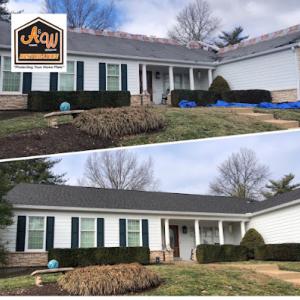
Ashe and Winkler Restoration specializes in roofing and exterior services. We are certified and accredited in the latest installation techniques and are Master Elite GAF Certified. We also offer extended warranties on our roofs. At Ashe and Winkler Restoration, we're committed to meeting all your roofing and exterior needs. We ensure appropriately trained and experienced personnel, fair pricing, and a wide range of products, styles, and colors to choose from. Plus, we offer the best warranties in the business, giving you peace of mind. With so many products available, we’ll help you make “Your Best and Safest Choice.”
Shelby Roofing & Exteriors
(800) 646-1663 www.shelbyroofing.net
Serving
4.9 from 171 reviews
Shelby Roofing & Exteriors is Arnold, MO's most trusted choice for exterior renovation for more than three decades. Call us today to learn more!
CMS Roofing & Exteriors
(314) 717-3268 cmsroofingandexteriors.com
Serving
4.8 from 21 reviews
Roofing & exterior replacement specialist serving the St. Louis area.
Meyers Construction & Consulting
(314) 804-9281 www.meyersconstructionandconsulting.com
Serving
5.0 from 26 reviews
Dreaming of a new roof or need expert guidance on a commercial construction project? Since 2018, Meyers Construction & Consulting has been building trust and quality in the St. Louis area. With over 15 years of roofing expertise, we utilize cutting-edge technology and a commitment to on-time, on-budget project completion. More than just roofing contractors, Meyers offers comprehensive commercial construction and management, ensuring your vision becomes a reality. Choose Meyers Construction & Consulting for roofing solutions and construction done right, backed by a solid workmanship and Johns Manville warranty.
STL Roofing & Restoration
(314) 756-1638 www.stlroofingandrestoration.com
Serving
5.0 from 11 reviews
At STL Roofing & Restoration, we specialize in storm restoration and guiding our clients through the entire Homeowners Insurance Claim process. We provide only the highest quality Roofing, Sidng, & Gutter services. Our expert roofing crews utilize only documented workers and have over 40 years combined installation experience!
1st Choice Construction
(636) 282-0090 1stchoicestl.com
Serving
4.7 from 35 reviews
Welcome to 1st Choice Construction! We are a family owned and operated company committed to excellence in exterior remodeling and customer service. We pride ourselves on being your 1st Choice for roofing and exteriors in the St Louis area.
Revolve Construction
(314) 400-8006 revolve.construction
Serving
4.8 from 24 reviews
Revolve Construction is a roofing contractor based in 7601 River Walk Ct, St. Louis, MO 63129, serving residential and commercial clients in the Greater St. Louis area. With 17 years of experience, our team provides roof repair, roof replacement, flat roofing, attic insulation, and storm damage repair. We focus on reliable workmanship and thorough inspections to help protect homes and businesses.
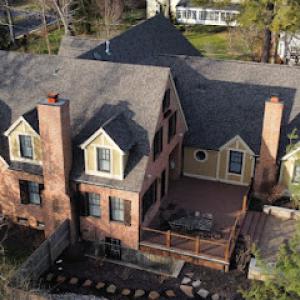
Element Roofing & Exteriors
(314) 420-6983 www.elementroofingmissouri.com
Serving
5.0 from 76 reviews
We are a local full service Roofing, Siding and Seamless Guttering company for Residential & Commercial properties. Message us today to help Protect your biggest investment tomorrow. We specialize in handling Hail/Wind Insurance Claims.
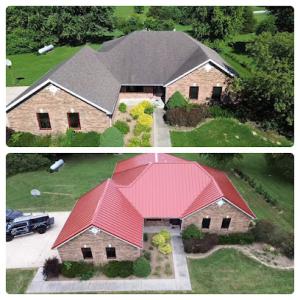
Serenity Roofing Solutions
(314) 485-7663 www.roofwithserenity.com
Serving
5.0 from 34 reviews
Serenity Roofing Solutions is a local woman/family owned business with over 15 years of experience. We are fully insured, manufacturer certified, BBB Accredited, and dedicated to top notch customer service. Our goal is to make even the most difficult projects a serene experience.

Howard Roofing & Home Improvements
(636) 296-1057 www.hhiroof.com
Serving
4.8 from 129 reviews
Since the mid-1960s, Howard Roofing has been helping local homeowners in the St. Louis and St. Charles area to improve the beauty, comfort, and value of their homes. Specializing in the design and installation of advanced roofing systems, we also offer a wide range of top quality roofing and siding services, each one performed by a highly skilled, factory trained professional.
In this climate, insurers commonly expect thorough photo documentation and written damage assessments because Missouri sees frequent hail and wind claims. The emphasis is on showing the extent of damage, not just the visible losses. A clear narrative that ties observed defects to a storm event helps prevent later disputes about whether the damage existed before the claim window opened. Poor or missing documentation often leads to incomplete coverage or delays in decisions about replacement.
Because new storm damage can occur during active claim periods, dated photos and records from the first inspection through project completion are essential. Start with a dated, non-biased assessment from a qualified roofer or adjuster, and keep a copy of every communication with the insurer. If you switch contractors, maintain continuity by compiling all reports, invoices, and work orders in one organized folder. The goal is to be able to show a chronological chain from the initial damage discovery to the final installation once the project wraps up.
Take high-resolution photos that clearly show shingles, flashing, vents, and any hail dents or granule loss. Capture the roof from multiple angles and include close-ups of damaged areas, plus the attic or ceiling around affected spaces to document any water intrusion. Photograph the entire roof line after every major weather event, and create a simple diagram marking the worst-hit areas. Don't forget utility lines, gutters, and downspouts-insurers want to see potential water path and drainage changes. If there are surrounding trees or landscape features that could influence future wind or hail exposure, document those as well for context.
Coordinate photo documentation with written damage assessments to present a cohesive story. Keep all dated notes, weather reports, and vendor inspections accessible in one place. If a second opinion is sought, ensure the new documentation references the prior findings to avoid conflicting claims about the scope of damage. Be proactive in sharing updates with your insurer, especially after heavy storms or unusual weather sequences that could introduce additional damage.
Missing or disputed documentation can slow a claim or affect coverage decisions, so err on the side of thoroughness. Keep originals unaltered, preserve metadata on digital photos, and back up files in the cloud or a physical drive. Understand that insurers may adjust coverage terms based on storm risk and prior claims history, which can influence whether a roof replacement is approved or delayed. In the end, precise, dated documentation anchored by a clear damage assessment is your strongest protection against gaps in coverage.
Connect with contractors who help homeowners navigate the claims process from damage assessment to final approval.
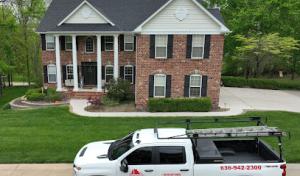
Spring typically offers a stable, work-friendly climate for a roof replacement. After the winter, you can expect a thorough dry spell and moderate temperatures that help shingles seal properly without the rapid thermal cycling that occurs in hotter months. If you're targeting a spring project, aim to complete tear-off and underlayment while the days are consistently above freezing and before late spring storms build up. A calm spring also means fewer weather delays and a better chance to run through flashing, venting, and attic ventilation checks before the heat of summer arrives.
Fall provides another reliable window for Imperial reroofs. Mild days and cooler nights reduce heat exposure for crews and minimize the risk of shingle words buckling from intense sun. Fall timing helps ensure that sealants can cure under moderate conditions and that attic ventilation can be assessed without the distraction of summer heat. Scheduling a fall project allows for a thorough inspection of drip edges, ridge vents, and attic baffles while temperatures remain comfortable for long days on the roof.
Hot summers in this area can accelerate shingle aging and also affect installation conditions during active roofing work. Shingles may become pliable in peak afternoon heat, which can complicate alignment and nailing if crews work during the hottest hours. The risk of heat-related worker fatigue also increases, potentially impacting workmanship quality if the crew pushes through extreme heat. If summer is the only feasible option, plan for early-morning or late-afternoon work windows, extra shade for crews, and hydration strategies to keep installation standards consistent.
Winter freeze-thaw cycles put extra stress on flashing, sealants, and roof joints, which can turn minor defects into leaks. In Imperial, that means more vigilant attention to flashing detailing around chimneys, skylights, and transitions to siding. It's wise to schedule inspections of sealant integrity and flashing during the colder months and to anticipate the need for additional drying time for underlayment as moisture shifts. If a winter project is unavoidable, communicate a clear plan for heat- or moisture-avoidant materials and a robust fastener schedule to prevent issues as temperatures swing.
When lining up a reroof, align the project with the most stable windows-spring or fall-and build in a buffer for inclement weather. Schedule an upfront inspection focusing on venting, underlayment, and flashing before a final inspection window. Consider how wind events and hail history influence the choice of underlayment and fasteners, and coordinate with the crew to ensure that tear-off, ice-and-water shield placement, and venting checks are completed in sequence. By choosing the right season, you reduce the chance of weather-driven delays and keep the project moving toward a solid, long-lasting roof.
Asphalt shingles dominate the local roofing landscape, and for good reason. They pair well with the typical suburban rooflines found around the area, are relatively straightforward to install, and cleanly accommodate the common deck framing in Imperial homes. In the summer, the heat can accelerate aging, and hail exposure can ding the exposed fiberglass and mineral granules. When a hail event stings a roof, you'll often see accelerated granule loss and the potential for underlying felt or the roof deck to take on moisture. The key practical takeaway is to plan for more frequent inspections after hail storms and to watch edge and flashing details closely during the first season after repair or replacement.
Metal roofing is common enough in this market to be a meaningful local option for homeowners comparing storm resilience and long-term cost. Standing-seam or ribbed panels tend to shed hail better than some traditional shingles, and metal can resist wind uplift more readily on exposed ridges. In Imperial's climate, metal often excels in durability and can reduce the frequency of mid-life repairs caused by wind-driven debris. However, metal requires careful matching of flashing, fasteners, and underlayment to the rest of the roof to prevent leaks at transitions. If you're weighing metal against shingles, consider not only the initial material but the long-term performance of seals around chimneys, skylights, and vent stacks after harsh winters and heavy hail seasons.
Tile, synthetic/composite shingles, and slate are present in the local market, but their weight and handling demand attention. Clay and concrete tiles bring excellent weather resistance but add significant weight to the structure; the attic framing and roof deck must be able to carry that load, particularly on older suburban homes. Synthetic and composite shingles offer a lighter alternative with hail resistance advantages and easier repair paths, yet they still require compatible underlayment and flashing details to weather winter freeze-thaw cycles. For slate, the beauty is undeniable, but expect more careful edge detailing and potential complexity in repairs after hail strikes, since brittle tiles can fracture and spread cracks across a roof line.
In this market, the best strategy is a proactive maintenance habit: after major hail events, schedule a professional hail check to identify hairline cracks, lifted granules, or hidden moisture that could lead to leaks later. In high-wind periods, pay attention to flashing seals around valleys and vents, and ensure drip edges and underlayment are intact. If you already have a metal roof, keep an eye on panel joints and fasteners for loosening after storms, and plan for periodic resealing as part of routine maintenance. For tile or slate, keep pathways clear for careful inspection of joints, and recognize that repairs may involve matching contractors with experience in the specific material to avoid compromised seals. This approach helps align material choice with Imperial's climate realities while balancing long-term performance and repair practicality.
In Imperial, the cost landscape for a full reroof is material-driven and reactive to storm activity. Asphalt shingles sit in the mid-range for a practical balance of price and longevity, typically about 320 to 520 USD per square. If metal roofing is in play, expect to see 700 to 1100 USD per square, reflecting its longer life and higher wind resistance. Clay tile climbs higher, generally 900 to 1500 USD per square, with concrete tile running 800 to 1400 USD per square. Synthetic or composite shingles stay more affordable, around 320 to 700 USD per square, while slate sits at the premium end, about 1000 to 2400 USD per square. These ranges reflect local material choices common on suburban Imperial homes and the way a storm-repaired roof can tilt material selection toward higher-performance options after damage.
Storm-driven demand surges in Imperial can affect scheduling and pricing, especially after local hail and wind events trigger many re-roof projects at once. When a hail storm leaves multiple roofs taking coverage simultaneously, a temporary backlog can push timelines from a few weeks to several months depending on crew availability and material stock. Pricing can rise during surge periods due to increased demand for skilled labor and expedited material ordering. If your project is queued behind multiple neighbors, you may encounter longer lead times and selective scheduling, particularly for higher-end materials like clay, concrete, or slate. A storm season strategy is to plan ahead for potential backlogs and discuss interim steps with your contractor if weather windows open and close quickly.
A full reroof in Imperial frequently involves a tear-off plus a careful reflash and venting review to prevent future leaks. The need to correct flashing or venting details can add noticeable cost to the base material price, especially on older homes with compromised flashings or vent stacks. If underlayment inspection becomes part of the job, factor in the added labor and material for a clean, code-compliant installation. In practice, this means you should expect a total project price that reflects not just the chosen shingles or tiles, but also the quality of flashing, vent seals, and the thoroughness of tear-off and disposal. Planning with the contractor around storm timing and potential backlogs helps keep these ancillary costs predictable and aligned with your roof's long-term performance.
Get a clear picture of your project costs upfront - no commitment required.
Archway Home Repairs Inc. Roofing & Gutters
(636) 475-3835 www.archwayhomerepairs.com
Serving
4.1 from 32 reviews
Gallagher Bros Construction
(314) 742-7371 gallagherbrosconstruction.com
Serving
4.9 from 638 reviews
Before any shingle or tile is removed, you typically need a permit that records the scope of work and credentials. The local building department reviews not only what will be done but who will do it. That means your chosen contractor should have current licensing and a solid track record with Imperial projects. The permit helps ensure that tear-off work, material choices, and method align with city requirements, especially in hail- and wind-prone conditions. Prepare for a short back-and-forth if the plan changes-updates to the permit are common when material choices or roof dimensions shift.
During the permit review, expect questions about whether a full tear-off is planned, how the underlayment will be installed, and how flashing around chimneys, vents, and valleys will be addressed. The inspector will look for proper ventilation strategy and a continuous underlayment system that supports your roof's climate. Your contractor should be ready to document wind-rated fasteners, drip edge installation, and any roof deck repair work. This is especially important in Imperial's weather pattern, where wind-driven debris and hail damage can expose decking and compromise flashing if not addressed correctly.
Reroofs in Imperial are typically inspected after tear-off and again at completion. The tear-off inspection focuses on the exposed decking, flashing sleeves, and the readiness of the roof deck for underlayment. The final inspection verifies that underlayment is properly installed, flashing is sealed, and venting is adequate for moisture management. Scheduling matters: timing around weather events matters, and inspections won't pass if the roof isn't properly vented or if flashing details are missing. Communicate openly with your contractor about expected inspection windows and any required corrective steps so the project proceeds smoothly.
During winter in Imperial, freeze-thaw cycling quietly tests the thin lines where flashing meets the deck, along valleys, and at vent penetrations. Water that sneaks past worn seals freezes, then expands, pushing seals and fasteners just enough to loosen them over seasons. When you see hairline cracks in sealant or small rust streaks around flashing, treat it as a warning. The result is gradual leakage that hides behind attic insulation until a heavy storm or a mid-winter thaw exposes it with damp ceiling spots.
The blazing summer sun accelerates aging of asphalt shingles and can dry out the protective granules, leaving the roof more vulnerable when hail season arrives. Warped or cupped tabs lift at fasteners, and old roofs with brittle seals struggle to shed ice and water properly after hail impact. If a roof looks weathered or pale where granules have shed, expect higher risk of leakage after storms that follow intense heat. Regular inspections after summer help catch issues before they balloon.
Autumn in this area brings sharp temperature swings and gusty storms that stress transitions around penetrations and roof edges. Seams near vent stacks, skylights, and chimney flashing are prime failure points when the attic breathes hot air and nighttime cools crack sealants. You may notice peeling sealants, loose shingles, or inconsistent flashing where edges meet. Addressing these weaknesses before winter reduces the chance of hail or wind damage compounding existing gaps.
Where pipes, vents, and edges converge, corrosion and wear concentrate. Small drips or dark staining around edges often signal a moisture track that will worsen with wind-driven rain and hail impact. The weak link is often the first inch of flashing under shingles, so you'll want to monitor transitions closely and plan targeted repairs rather than full replacements whenever possible.
Find contractors experienced in skylight installation, flashing, and leak repairs to bring natural light into your home.

Element Roofing & Exteriors
(314) 420-6983 www.elementroofingmissouri.com
Serving
5.0 from 76 reviews
Archway Home Repairs Inc. Roofing & Gutters
(636) 475-3835 www.archwayhomerepairs.com
Serving
4.1 from 32 reviews
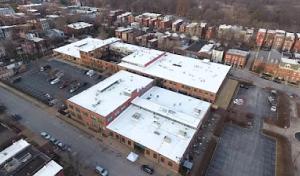
Flat and low-slope roofing is less common in Imperial than its steep-slope counterparts, yet it remains a practical consideration for additions, porches, or secondary structures. Local contractors who handle flat or low-slope roofing tend to focus on systems that can stand up to hail impacts, prolonged wind exposure, and the freeze-thaw cycles that are typical here. In residential settings, a careful evaluation of deck condition, edge flashing, and transitions where the low-slope portion meets higher-slope areas is essential. Even when reroofing a small flat section, the surrounding roofscape and attic ventilation can influence how a low-slope layer performs under storm and winter conditions.
Roof coatings and restoration methods appear as niche services in Imperial rather than the dominant residential solution. These options can appeal when a roof shows surface wear, minor leaks, or when a full tear-off is less desirable for a particular flat or low-slope portion. Coatings can offer a temporary or medium-term improvement in waterproofing and reflectivity, but the underlying deck, flashing details, and ventilation must be solid for a coating to succeed. In practice, coatings are most effective on well-prepared substrates with a history of controlled leaks and sound drainage, rather than on compromised structures exposed to repeated hail impact or severe wind.
Low-slope sections still require the same rigorous hail, wind, and freeze-thaw context as steeper roofs. A thorough inspection should verify decking integrity, confirm proper drainage, and ensure flashing around penetrations and transitions is robust. If a restoration path is chosen, expect a careful surface prep, including cleaning, seam sealing, and targeted repairs to any damaged substrate before applying a coating or membrane. Ongoing maintenance is key: you should monitor for ponding, edge uplift, and flash line performance, addressing issues promptly to preserve the roof's integrity in Imperial's seasonal cycles.
Find specialists in TPO, EPDM, and built-up flat roofing systems for residential and commercial properties.
Meyers Construction & Consulting
(314) 804-9281 www.meyersconstructionandconsulting.com
Serving
5.0 from 26 reviews

When a hail or wind event hits, Imperial homeowners know the market swells with contractors almost overnight. The differentiator becomes how quickly the crew answers calls, returns messages, and shows up for a no-surprise inspection. Look for a company that documents arrival windows, provides a clear on-site coordinator, and commits to a follow-up plan if weather delays occur. A proactive contractor keeps you informed every step of the way, not just after you sign.
Cleanliness on a full tear-off is how neighbors judge the job long after the crews have left. Ask for photos or a walkthrough of the cleanup plan before work starts: roof debris containment, towel-wrapping of landscaping, and a defined disposal path. In Imperial, where driveways and yards are regularly scrutinized by neighbors, you want a crew that treats trash control as a core part of the service, not an afterthought.
Local presence matters. Imperial markets show a mix of established family-owned firms and newer outfits prioritizing affordability and residential service. Prioritize a contractor with a permanent local office or a long-standing storefront, verifiable local references, and a history of storm-related work in Jefferson County. Check that their crew is insured, that they assign a dedicated project manager, and that they provide a written scope with material brands and a clear tear-off plan.
Local ownership often translates to longer-term accountability: you'll have a point of contact beyond the warranty period, and the crew understands the housing stock and common roof challenges around storm seasons. Family-owned teams can offer more personalized scheduling and steady crews, while larger or non-local firms may deliver broader resources but risk impersonal service. Balance these factors against your comfort with communication style and regional reputation.
During the estimate, request a step-by-step timeline from tear-off to final inspection, a daily-wage schedule for crew days, and a clear policy on storm-related delays. Ask for a dedicated point of contact who will be available during and after the project, plus a detailed cleanup protocol with a post-job walkthrough. In a market where responsiveness and visible workmanship set the standard, these questions quickly separate dependable teams from the rest.