
Last updated: Apr 19, 2026
Spring and summer thunderstorms that sweep through the Charlotte-Mecklenburg area keep Matthews roofs under constant quick-moving stress. Wind-driven shingle loss and the need for leak calls are a leading homeowner concern after each storm. Shingles can lift, granules wash away, and flashing joints take the first hit when a rapid downpour follows a gusty front. In neighborhoods with mature trees and close-studded lots, raised branches and hail exposure amplify the risk. Your roof is not just a weather top surface-it's the first line of defense that bears the brunt of temperamental Carolina weather.
North Carolina insurers in this market typically expect thorough photo documentation, age information, and an adjuster walkthrough before approving storm-related roof work. That means you should capture wide and close-up images showing the overall roof, specific damage, skylights, and gutters, plus a dated record of all leaks inside the home. Be prepared to share roof age and any prior repairs, because adjusters compare current damage to existing wear. A clear trail of storms, wind events, and dates helps prevent disputes about whether damage happened suddenly or was long-standing.
Older suburban neighborhoods around Matthews create a mix of aging roofs and newer replacements, which can complicate claim outcomes when insurers evaluate wear versus sudden storm damage. A roof nearing the end of its expected life may attract questions about preexisting conditions, even when a recent hail hit or high winds caused new leaks. In these cases, a detailed log of storm dates, wind speeds if you have them, and professional evaluations can clarify which damages occurred during the storm event and which were longstanding. Expect adjusters to consider both the storm's impact and the roof's overall condition.
First, protect interior spaces by placing tarps or temporary coverings to prevent water intrusion, then document visibility of any new leaks from inside the attic or ceiling. Retrieve and organize photos of damage taken within days of the storm. Contact your insurer promptly to initiate the claim and schedule an adjuster walkthrough, ensuring your documentation aligns with their requested format. If a trusted roofer is available, request an independent assessment to support your claim with professional notes, but avoid making irreversible repairs before the adjuster has inspected the situation. In HOA neighborhoods, coordinate with management about acceptable repairs and materials, as appearance often matters as much as durability and can influence approval timelines. Acting quickly and keeping a meticulous record can help protect your claim from delays and help ensure the appropriate repair path is chosen.
Find local contractors experienced in assessing and restoring roofs after hail, wind, and severe weather events.
Northline Roofing
(704) 741-4183 northlineroofing.com
580 Union W Blvd, Matthews, North Carolina
5.0 from 239 reviews
Liberty Roofworks
(704) 463-8177 libertyroofworks.com
1122 Industrial Dr Suite #106, Matthews, North Carolina
5.0 from 96 reviews
Waynco Roofing
(704) 814-9566 wayncoroofing.com
1300 Matthews-Mint Hill Rd, Matthews, North Carolina
4.8 from 70 reviews

Northline Roofing
(704) 741-4183 northlineroofing.com
580 Union W Blvd, Matthews, North Carolina
5.0 from 239 reviews
Northline Roofing is a top-rated roofing contractor serving Charlotte, NC and nearby areas. We specialize in roof repairs, inspections, full roof replacements, and storm damage restoration.
Eastern Oak Roofing
(704) 669-8218 easternoakroofing.com
1150 Crews Rd Suite F9, Matthews, North Carolina
5.0 from 97 reviews
Eastern Oak Roofing, located at 1150 Crews Road Suite F9, is your premier roofing contractor specializing in comprehensive roofing solutions. Whether you need residential roofing, roof repair, or roof replacement, our expert team is committed to delivering top-notch services. We offer thorough roof inspections and are skilled in addressing roof leaks, storm damage, and emergency roof repairs. As a leading roofing company, we pride ourselves on our commitment to quality, safety, and customer satisfaction. Trust Eastern Oak Roofing for reliable, efficient, and durable roofing solutions. Contact us today and ensure your home's protection with our expert services.
Universal Home Solutions
(704) 249-6655 universalhomesolutions.com
3122 Fincher Farm Rd ste 100-288, Matthews, North Carolina
5.0 from 65 reviews
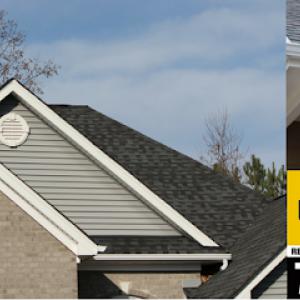
At Universal Home Solutions in Matthews, North Carolina, we offer custom Seamless Gutters and Gutter Guards, Roof System Replacements and Exterior Wood Repairs. *Our Gutter Services include custom gutter installation, gutter guards, gutter repairs and upgrades. *Our Roofing Services include inspections, full replacements and Insurance Claims. *Our Exterior Wood Repair services include damaged soffit/fascia and trim. Your locally owned and family operated business providing fair pricing, quality workmanship and superior customer service for over three decades.
Liberty Roofworks
(704) 463-8177 libertyroofworks.com
1122 Industrial Dr Suite #106, Matthews, North Carolina
5.0 from 96 reviews
At Liberty Roofworks, our customers are our number one priority at all times, and we go the extra mile to make sure you’re totally satisfied with your roof results, whether it is a minor roof repair or major roof replacement. You can trust us to do it better than anyone else in Matthews, NC. As both a residential and commercial roofing company, we are able to provide the following services: - Residential Roof Repair & Replacements - New Roof Installations - Storm Damage Repair - Asphalt Shingle Roofing - TPO Roofing & Repair - EPDM Roofing and Repair - Commercial Roof Repair - Commercial Roof Installations
Waynco Roofing
(704) 814-9566 wayncoroofing.com
1300 Matthews-Mint Hill Rd, Matthews, North Carolina
4.8 from 70 reviews
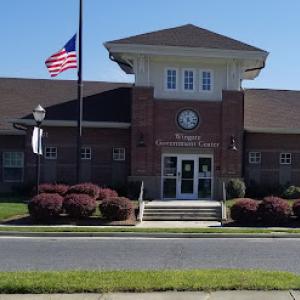
WaynCo Roofing, LLC, is a trusted roofer located in Matthews, NC. We proudly serve the Charlotte metro and surrounding areas with 40+ years of expertise in the roofing industry. We are the area’s most dependable roofing company, providing roofing contract work for both residential and commercial properties.
Nucastle Roofing
(800) 978-5711 nucastleroofing.com
9720 Old Gate Dr, Matthews, North Carolina
5.0 from 21 reviews
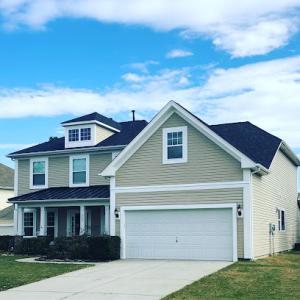
Your roof is your home's main defense against the elements. Let us walk you through the best options to fit your needs and once you feel comfortable with your choice, we'll handle the insurance companies and the complete installation.
A Plus Roofing & Construction Matthews
317 Aurora Blvd, Matthews, North Carolina
5.0 from 5 reviews
If you have been looking for a roof company in Charlotte and Matthews, NC that offers high-quality residential and commercial roofing at an affordable price, A Plus Roofing and Construction is the company you want to call. We are a local roofing company who is able to offer roofing services to get your home or business’s roofing back in great shape. Whether you need to install a brand new roof for your commercial property or your residential roofing requires a repair, you can depend on our roofers to help you.
Storm Guard Roofing of Charlotte
(803) 902-7911 www.stormguardrc.com
Serving
5.0 from 180 reviews
Storm Guard Roofing and Construction of East Charlotte is your trusted local partner for roofing and construction services in the greater Charlotte area, spanning from Mooresville to Indian Trail to Waxhaw. We provide FREE INSPECTIONS and handle projects for single-family homes, churches, and office buildings. With a focus on quality and expertise, our licensed and insured team guides you through the insurance claim and restoration process, ensuring peace of mind. Trust Storm Guard of East Charlotte for top-notch service, backed by a five-year labor warranty. Your satisfaction and property restoration are our utmost priorities.
Shingles Roof Direct
(704) 320-1896 shinglesroofdirect.com
Serving
5.0 from 289 reviews
Roofing Contractor Charlotte NC Serving Charlotte, Concord, Matthews, Indian Trail, Monroe, and the surrounding Union County and Mecklenburg area for over 16 years! We’re one of the best Roofing Companies Charlotte NC who's committed to expert installations that extend the life of your roof and guarantee your satisfaction. With our professional roof installation services, we expect your roof to outlive a 30-year manufacturer’s warranty if the manufacturer’s care instructions are followed. Not only are we local to the Carolinas, but we’re a family-owned company that handles small to large roofing projects with excellent workmanship and expediency. Call Today for a Free Over The Phone Estimate! Financing Available
Rumble Bee Roofing & Gutters
(704) 993-8181 rumblebeeroofing.com
Serving
5.0 from 201 reviews
Rumble Bee Roofing and Gutters is a trusted, family-owned roofing company proudly serving Indian Trail, NC, and surrounding areas. With over 30 years of combined experience, our team specializes in new roof installation, general roofing repairs, and new gutter installation. We’re dedicated to delivering high-quality craftsmanship, honest service, and reliable roofing solutions tailored to protect and enhance your home. Whether you need a full roof replacement or a complete gutter system, we’re here to help. As a local business, we take pride in our strong community ties and commitment to customer satisfaction. Choose Rumble Bee Roofing and Gutters for expert roofing services backed by decades of hands-on experience and professionalism.
Top Notch Matthews Roofing
(704) 751-1667 matthews-roofrepair.com
648 Matthews-Mint Hill Rd, Matthews, North Carolina
5.0 from 1 review
Top Notch Matthews Roofing is the premier roofing contractor in Matthews, NC, offering expert installation and repair services. With a focus on quality craftsmanship and exceptional customer care, we specialize in providing top-tier roofing solutions tailored to the specific needs of our clients. Whether it's a new roof installation or repairing storm damage, our skilled team is committed to delivering reliable and durable results that exceed expectations. Trust Top Notch Matthews Roofing for all your roofing needs in Matthews, North Carolina.
Brent Johnson Construction
1038 Fleming Ln, Matthews, North Carolina
5.0 from 1 review
Roofing contractor
Spring and fall are the windows to aim for when planning a roof replacement in this area. The hot, humid summers accelerate asphalt shingle aging, so allowing a more moderate stretch in the shoulder seasons helps you protect long-term performance. In practice, that means scheduling installs to start when days are comfortably dry and not blisteringly hot. If the spring weather is cooperative and the fall has mild, dry spells, you'll see steadier progress and better shingle handling from the crew. The humid Carolina air in peak summer can push workers to push through heat, which raises the risk of mistakes or heat-related delays. If you can choose dates when temperatures sit in the comfortable range, you'll minimize those productivity dips.
Summer heat and humidity don't just affect you; they influence the crew's pace and the way materials behave during installation. In southern Mecklenburg County, high humidity can make fasteners and underlayment feel heavier and slower to set, and that extra sweat time translates to more breaks and potential scheduling shifts. You should plan for a slightly longer window in July or August if a replacement is required then, with contingency for heat days. Early morning starts can help, as can consistent shade management on the job site to keep crews productive without compromising material performance. Communicate with the contractor about daily heat expectations and hydration plans so that work remains steady without pushing weather limits.
Spring and summer storms can interrupt schedules in this area, especially when pop-up squalls roll through and knock out several consecutive days of work. A common pattern is a burst of dry progress followed by a wet spell that slows tear-off and dries-in work before final shingle installation. To keep the project on track, expect to adjust sequencing around storm timing and to choose replacement days based on a reliable five-to-seven day weather outlook. Fall rain and lingering humidity also slow the final phases, so you want the rain window clearly accounted for in your project calendar and clarified with your contractor upfront.
HOA considerations and the look of the home matter in Matthews, where material choice often hinges on appearance as much as durability. If you're pursuing a replacement during the preferred seasons, coordinate color selection and shingle profile with the HOA guidelines early in the process. Communicate any hard deadlines tied to HOA approval to prevent delays once the crew is ready to install. With humid summers, the fine-tuning of airflow under the ridge line and attic ventilation becomes especially important, helping the roof perform well through Matthews' heat and humidity.
Asphalt shingles sit at the core of Matthews' roofing landscape, shaped by the suburb-friendly stock of single-family homes and typical replacement budgets. This material pairs well with a wide range of house styles, from traditional brick façades to modern vinyl-sided exteriors, and it is commonly selected for its straightforward installation and proven performance in our climate. In practice, asphalt shingles offer a reliable blend of cost efficiency, ease of repair, and decent wind resistance when installed with modern underlayment and starter strips. For homeowners balancing appearance with practicality, this option tends to align well with HOA expectations and neighborhood aesthetic guidelines, while still delivering solid protection against Matthews' humid, warm-season weather. When evaluating asphalt, pay attention to shingle warranty terms, impact resistance ratings, and the roof's slope, as these influence both long-term durability and maintenance needs.
Metal roofing stands out as a meaningful local upgrade for those prioritizing longevity and heat performance in hot, humid summers. In Matthews, metal panels or shingles can dramatically reduce attic heat buildup when paired with a reflective coating or light-colored finish, which translates to cooler interiors and potential energy savings on peak-demand days. Metal also shines in areas prone to severe weather, thanks to its structural resilience and resistance to cracking or curling that can accompany aging asphalt. The trade-off is a more pronounced initial investment and a distinct curb appeal that reads differently from traditional Asphalt Shingles. Homeowners in neighborhoods with strict HOA guidelines sometimes choose metal to meet durability or appearance expectations, especially on homes with broader roof planes or standout architectural features. For a successful metal installation, ensure proper ventilation, a solid substrate, and compatible fasteners to deter corrosion and wind uplift in storm-prone seasons.
Tile-whether clay or concrete-along with wood shakes and synthetic options, appears in smaller numbers locally. These choices are most common where curb appeal, texture, or a specific architectural statement matters, or when an HOA imposes particular aesthetic standards. Clay and concrete tiles offer excellent durability and a distinctive silhouette, but they add substantial weight to the roof and may require structural checks or modifications to existing framing. Wood shakes provide a warm, natural look that can respond beautifully to traditional Matthews neighborhoods, yet they demand regular maintenance to forestall rot, insect damage, and moisture-related wear in warm months. Synthetic options can strike a balance between appearance and practical upkeep, delivering easier maintenance than real wood or tile while still achieving a premium look. When selecting any of these materials, consider how the appearance aligns with surrounding homes and HOA rules, along with the roof's structural capacity to support heavier systems if needed.
In practice, the best roof type in Matthews hinges on a thoughtful pairing of climate response, structural capacity, and neighborhood standards. A homeowner focused on a straightforward replacement with dependable performance may default to asphalt shingles because they work well in typical suburban layouts and weather patterns. For those envisioning long-term durability and heat management, metal offers compelling benefits, especially in areas with hot summers and storm exposure. If appearance or HOA alignment takes precedence, tile, wood, or synthetic products can deliver a distinctive look while still meeting practical constraints once the structural and budget considerations are weighed. In all cases, the choice should harmonize with the home's architecture, the local climate stresses, and the expectations of the immediate community to sustain both beauty and resilience for years to come.
The most popular roofing material in the US. Find pros who install, repair, and replace asphalt shingles.
Liberty Roofworks
(704) 463-8177 libertyroofworks.com
1122 Industrial Dr Suite #106, Matthews, North Carolina
5.0 from 96 reviews
Waynco Roofing
(704) 814-9566 wayncoroofing.com
1300 Matthews-Mint Hill Rd, Matthews, North Carolina
4.8 from 70 reviews

Typical Matthews pricing follows these ranges per square: asphalt shingles 350 to 650, metal 700 to 1200, clay tile 900 to 1500, concrete tile 800 to 1400, wood shingles or shakes 600 to 1100, and synthetic or composite shingles 450 to 900. Those numbers reflect both material choices and the regional supply chain that can tighten after a major storm. When you're budgeting, use the per-square figures as a baseline, then add for any unique factors on your roof like extra layers, venting needs, or a steep pitch.
Storm-driven demand spikes in the Charlotte metro can tighten contractor schedules and push Matthews replacement pricing upward after severe weather periods. If a hailstorm or heavy weekend wind event hits your neighborhood, expect some price pressure from nearby projects that get priority. Plan for a slightly longer lead time for materials and for scheduling, especially if your roof site has temporary hazards or a difficult access point.
Costs in Matthews can also shift based on HOA-driven material matching, staged inspection requirements for full re-roofs, and the pitch and complexity common on suburban homes with garages, dormers, and rear-facing roof planes. If your HOA asks for a specific shingle profile or color to stay compliant, that can narrow the options and narrow the competitive bidding pool. For homes with multiple roof planes, dormers, or a steep secondary pitch, expect higher labor and sometimes additional flashing or underlayment work.
Start with a two- to four-week window for material selection after an insurance decision, then add a buffer for weather delays common in warm-season humidity. Request a staged inspection plan if the full replacement is required, so you aren't paying for multiple visits. Finally, quantify the gap between your current roof and the proposed style-for example, if you're moving from asphalt to tile, prepare for a higher upfront cost but longer service life and curb appeal that keeps value in check during HOA reviews.
Don't let upfront costs delay a critical repair - these contractors offer payment plans to fit your budget.
21 Roofing Group (Serving The Carolinas)
(980) 277-4421 21roofinggroup.com
Serving
4.9 from 319 reviews

A full re-roof in Matthews typically requires a permit issued through the City of Matthews or Mecklenburg County process rather than being handled informally by the contractor alone. If the project touches any height or setback rules, or if the job involves changing the roof's appearance, the permitting office will expect documentation from the licensed contractor and the owner. Expect a review that verifies job scope, material types, and wind-related design choices meet current codes. If your home sits in a neighborhood with a formal association, the HOA's approval may be tied to the permit submission, so you'll want to align your plan with any architectural guidelines before you file. Lenders and contractors who offer a smooth permit path usually keep a checklist handy, but delays can still surface if drawings or product selections don't match local expectations.
Inspections are commonly staged at tear-off or underlayment and again at final completion, with local review focused on code compliance and wind uplift requirements. During the tear-off/underlayment stage, inspectors look for proper deck condition, ventilation, and roof-to-wall connections that survive seasonal storms. A second pass typically occurs after the roofing material is installed but before finishing details are considered complete; this check confirms that fasteners, flashing, and edge details align with manufacturer specifications and the applicable wind-resistance standard. If any deviation shows up, corrections must be documented and remedied prior to final approval. In humid warm-season weather, be mindful that roofers may temporarily extend the timeline for weather-related interruptions, but the inspection window remains a gatekeeper for safety and insurance eligibility.
Some Matthews neighborhoods and HOAs add their own approval layer for color, profile, or material changes before work begins. It is common to encounter restrictions on light-reflective surfaces, granule color, or profile thickness that don't surface in general code. Begin conversations with the HOA early, and request written guidance or a pre-approval note to attach to the permit package. If the HOA process isn't aligned with the city/county inspections, you risk double handling or delays that press close to storm-season windows. Staying proactive on this front protects you from last-minute changes that could trigger rework or additional inspection steps.
NC homeowners insurance experiences periodic rate pressure, and storm events near Charlotte can trigger closer scrutiny of roof-related claims. In this environment, carriers may ask tougher questions about age, prior repairs, and what happened during and after a storm. That reality directly influences decisions about replacement timing and method, especially when neighboring homes face similar claims. For a homeowner, understanding that the market rewards clarity and documented need can help avoid sudden coverage gaps or unexpected adjustments after a hail or wind event.
Settlement timelines are not uniform and hinge on multiple local factors. Roof age, the volume of claims in a given storm's aftermath, and how clearly the homeowner presents the sequence of events all shape the pace of an adjuster's review. In Matthews, where weather patterns can trigger clustered claims within a season, patience often matters. A straightforward narrative supported by contemporary evidence tends to keep the process moving, whereas gaps in documentation can slow approval and subsequent work.
Keep dated photos that show the roof's condition before the loss, plus any evident damage after the event. Contractor inspection notes can corroborate findings and establish a baseline for needed work. Records from temporary tarping or leak mitigation demonstrate proactive steps taken to protect the home and reduce further damage. When the adjuster visits, a well-organized file that ties together photos, notes, and mitigation efforts helps translate experience into timely, accurate coverage decisions. In this market, clarity is a practical asset.
In Matthews, skylight leaks are a common service request after humid-season storms sting the roof. The transition between skylight curb and roof deck is a prime failure point because sealants age and flashing is exposed to heat, moisture, and temperature swings. Start with a quick moisture check after a heavy rain: look for staining around the skylight edge, a soft spot in the surrounding shingles, or a wicking pattern along the flashing tape. If you notice dampness inside, don't delay. A professional should re-flash the skylight and reseal the curb, paying special attention to the junction where the skylight meets the shingle line and any valley or ridge proximity that could funnel water toward the edge.
When planning a fix, ensure the contractor inspects the entire skylight assembly, not just the visible leaks. Look for degraded or missing sealant around the flashing, chipped or lifted shingles, and any creep of sealant onto mating surfaces that can trap moisture. In humid markets, a dedicated skylight flashing kit paired with proper back-bedding of sealant often outperforms a quick caulk repair. If a skylight is aging or repeatedly compromised, consider a flashing replacement with a more robust membrane that spans the curb and bonds to surrounding shingles. Regular maintenance after storms is key to delaying full replacement.
Chimney intersections with the roof are another recurring hot spot in local contractor profiles. Water tracks down the chimney flashing into the roof deck when the counterflashing pulls back or the step flashing gaps widen from heat cycles and wind-driven rain. Inspect the chimney crown for cracks after major storms, and check flashing continuity along the sides where brick meets shingles. A common failure is mortar deterioration at the base, which lets moisture seep behind the flashing.
For a reliable fix, prioritize flashing that hugs both chimney sides and the base, with properly sealed joints and a continuous waterproof membrane behind the counterflashing. Confirm that the chimney cap is intact and that vent holes aren't allowing water to backwash onto the flashing. In many Matthews homes, a targeted flashing restoration combined with crown sealing stops recurrent leaks and extends the life of nearby shingles, reducing the risk of interior water damage in humid seasons.
Find contractors experienced in skylight installation, flashing, and leak repairs to bring natural light into your home.
Jeff Freeman's Roofing Siding & Windows
(704) 400-0601 www.charlotteroofpros.com
Serving
5.0 from 47 reviews
Charlotte Premier Roofing
(704) 352-1112 www.charlottepremierroofing.com
Serving
5.0 from 79 reviews
In Matthews, the neighborhood texture matters: roofs often survive with asphalt shingles or composite, but storms create active leaks that demand a quick, thorough tear-off and immediate, tidy cleanup. Ask contractors exactly how they handle the tear-off sequence, whether they'll stage material removal to minimize runoff, and what their debris containment plan looks like on a typical high-slope suburban roof. A clean jobsite prevents post-storm complaints from HOA managers and keeps driveways and landscaping intact during the process.
Local homeowners value visible progress and frequent checks. Request a plan that includes staged inspections-initially after roof removal, then after underlayment and flashing, and finally at the end of the project. This helps spot leaks or venting issues early, especially during warm humid weeks when moisture can escalate quickly. Confirm that the crew will perform a mid-project walkthrough with you or the HOA's inspector to confirm alignment on material choice, alignment with neighborhood aesthetics, and any insurance documentation needs.
Long-established, family-owned and locally rooted firms appear prominently here, with a reputation built on reliability and neighborly service. When talking to bidders, ask how the firm's tenure translates into smoother HOA approvals and insurance coordination. Local familiarity often means better coordination with property managers, quicker problem resolution, and a crew that understands typical Matthews houses-sloped roofs, mature landscaping, and the need to protect exterior features during replacement.
Quick response to storm-damage calls is a differentiator in this market. Prioritize crews that can provide prompt site visits, rapid material delivery if storms recur, and a clearly staffed plan for cleanup days. A punctual crew with a documented daily progress log helps you track milestones and reduce intervals where leaks could recur.