
Last updated: Apr 19, 2026
Storms roll through the Mecklenburg County storm corridor with surprising frequency, especially during summer heat and tropical remnants that drift inland from the coast. In this climate, wind-driven rain can lift shingles, expose underlayment, and drive debris into softer edges of the roof line. Hail is a frequent culprit in gusty afternoon storms, leaving dings, granule loss, and micro-cracks that may not be obvious from ground level but become evident after a quick attic inspection. The risk isn't just about the loud thunder or visible shingle curling; it's the hidden water intrusion that travels along roof seams, around vents, and under flashing where a storm pack has stressed the system. This pattern drives repeated claim activity in the local contractor market and means a solid post-storm assessment matters more than a calendar-based replacement plan.
In this area, the best course after a hail or wind event is to arrange a rapid, roof-focused assessment instead of waiting for aging to dictate replacement. A trained adjuster or roofer will check for lifted tabs, torn underlayment, flashing misalignment, and roof-to-wall transitions that often fail first under heavy rainfall. Prioritize a professional inspection within 72 hours of a storm, particularly if neighbors report leaks or you notice attic staining after rain. If damage is found, insist on a written, scope-specific repair plan that covers both the immediate fix to prevent further water intrusion and the long-term solution to restore protective layers. Given the market's tilt toward insurance-driven work, you should expect a process that includes documentation, photos from multiple angles, and a clear timeline for temporary repairs followed by a permanent replacement if warranted.
Your goal is to build a clear, storm-focused narrative. Start with storm date and duration, then describe observed symptoms: missing shingles, granule accumulation in gutters, visible flashing gaps, and damp attic spaces. Capture roof surface photos from multiple elevations and include neighboring homes to establish common exposure. Note any prior repairs or known vulnerabilities in the roof system, such as previous flashing issues or valley failures. Moisture meters or infrared scans, when performed by a qualified contractor, can reveal hidden water intrusion that traditional inspection might miss. Keep a copy of all communications with the insurer, including adjuster notes, repair bids, and a timeline of events. This documentation not only supports a claim but also helps you avoid delays caused by missing or inconsistent information.
Once storm damage is confirmed, you'll want a plan that minimizes disruption and exposure. Request a comprehensive replacement timeline that aligns with favorable weather windows, and coordinate temporary repairs that protect interior spaces while the project is active. Demand a single, cohesive warranty that covers both the roof deck and the new covering, plus a detailed schedule for inspections at key milestones. If the insurer agrees to step in, ensure the scope mirrors the actual condition found during the assessment: upgraded underlayment, improved flashing details, and a roof covering that stands up to local weather stressors, including wind uplift and hail impact. Finally, choose a contractor with a proven track record of post-storm work in heavy thunderstorm environments, deep familiarity with the local housing stock, and a commitment to thorough cleanup so yards and driveways are left clear after the project wraps. By staying proactive and tightly aligned with the claim process, you reduce risk of recurring leaks and extend the life of the new roof through Huntersville's challenging storm cycles.
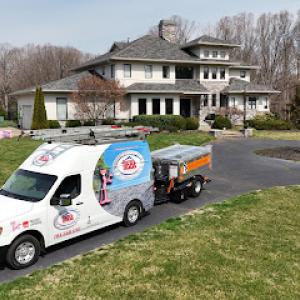
Tidds Roofing Group
(704) 621-2377 www.tiddsroofing.com
11000 McCoy Rd, Huntersville, North Carolina
5.0 from 247 reviews
Since 2009, Tidds Roofing Group, Inc. has been the trusted choice for residential and commercial roofing needs. Based in Huntersville, NC, we are a full-service roofing contractor dedicated to exceptional quality and durability. Our team of licensed professionals is committed to providing top-tier service, from minor repairs to full installations. We utilize only the best materials to ensure your property is protected for years to come. Serving the Lake Norman and greater Charlotte area, we are your partners in superior roofing solutions.
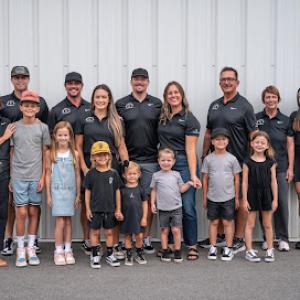
Well Krafted Roofing
(980) 268-2690 wellkraftedroofing.com
14936 Brown Mill Rd, Huntersville, North Carolina
4.9 from 273 reviews
Welcome to Well Krafted Roofing located in Charlotte, NC, where you will get the most professional residential roofing services around! At Well Krafted Roofing, we are committed to providing a great customer experience, and 'well krafted', quality work. We focus on roof replacement, roof repairs, and gutters. Contact us for all your roofing and gutter needs.
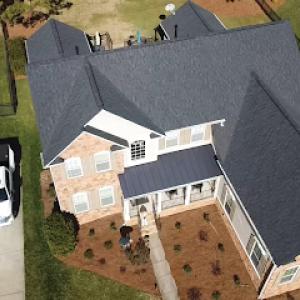
Secure Roofing & Restoration
(828) 312-1606 secureroofingnc.com
Huntersville, North Carolina
4.9 from 174 reviews
Secure Roofing and Restoration, LLC, established in 2018, is your trusted roofing partner serving various counties in North Carolina and neighboring areas. With our experienced team and commitment to quality, we provide prompt and reliable solutions for roof repairs and replacements. Whether it's mending leaks, restoring storm-damaged roofs, or installing durable new ones, we have the expertise to protect your home's integrity. Trust Secure Roofing and Restoration, LLC for a safe and secure roof over your head.
CR3 American Exteriors
8936 Northpointe Executive Park Dr Suite 240/260, Huntersville, North Carolina
5.0 from 68 reviews
CR3 American Exteriors, located at 8936 Northpointe Executive Park Dr Suite 240, is your trusted local roofing contractor, delivering top-tier roofing services you can rely on. Whether you need "roof repair near me," a "roof installation," or an "emergency roofing service," our team of experts is ready to assist. As one of the "best roofing companies" nationwide, we specialize in "shingle roofing," "metal roofing," and offer "affordable roofing" solutions for both residential and commercial properties. With a commitment to excellence, CR3 ensures your roof not only offers protection but also enhances property value. For premier "roofing companies" and "local roofers" dedicated to quality, choose CR3 American Exteriors.
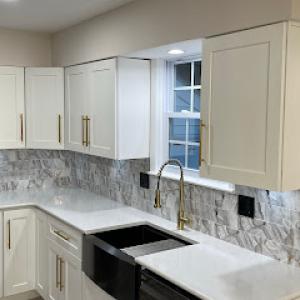
J&J All Around Construction & Roofing
(609) 966-2180 www.jjcontractingnc.com
Huntersville, North Carolina
4.9 from 48 reviews
Top quality work that stands out from the rest in the home improvement industry. What are you waiting for? Give us a call today for a free estimate. Se habla español, We can do it all at an affordable price. Undeniable Quality Guaranteed
Bellator Exteriors
(704) 307-1986 www.bellatorexteriors.com
Huntersville, NC
5.0 from 7 reviews
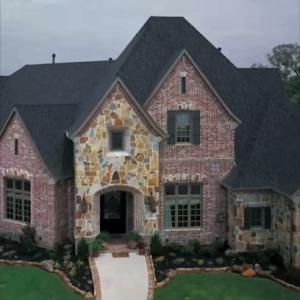
Bellator Exteriors – Business Description Bellator Exteriors is a boutique, exterior remodeling company proudly serving the Lake Norman, Charlotte, and surrounding North Carolina communities. With over 20 years of experience in roofing, siding, windows, and gutter systems, we bring a level of craftsmanship, design expertise, and customer care that sets a new standard in the industry. As a Tamko Platinum Contractor and premier partner with top suppliers, Bellator Exteriors delivers premium materials, precision installation, and tailored exterior solutions for every home. Our team specializes in residential roofing replacement, storm restoration, custom siding design, Marvin & Andersen window installations, seamless Gutters
Tabor Roofing
(704) 915-8785 www.taborroofing.com
10224 Bayart Way, Huntersville, North Carolina
5.0 from 6 reviews
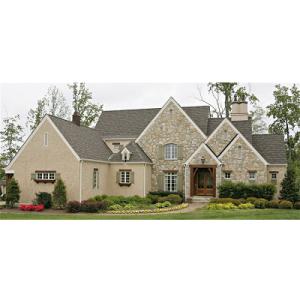
Protect your largest investment with our reliable roofing services. We are a locally owned and operated roofing company currently serving Huntersville, NC and surrounding communities. If you want to make your roof last as long as possible, it is vital that you never put off a roof repair. Small issues with roofing become big issues in a hurry. No matter how major or minor the repair you need, we are here to help. We offer roof repair, residential roofing, and commercial roofing.
Action Construction LKN
(704) 648-3636 www.actionconstructionlkn.com
Huntersville, North Carolina
4.4 from 13 reviews
Since 2013, ActionRoofingLKN has been a trustworthy roofing Company. Whether you need some roof repair or replacement for your home or office, our good reputation in the Mooresville area comes from our exceptional customer support, perfect finishes, and top quality supplies. Get in touch and see what we can do for you!
Dula Construction
Huntersville, North Carolina
3.9 from 19 reviews
Dula Construction is your local home improvement contractor, proudly serving residents throughout the Greater Charlotte area, including Indian Trail, Weddington, and Matthews, North Carolina. The experts at Dula Construction specialize in roof repair and replacement and brand new siding installation. Contact us today for a free estimate!
Skyview Roofing & Restoration
(704) 237-4577 skyviewroofingllc.com
Serving
5.0 from 184 reviews
We’re an experienced team Skyview Roofing has been providing 5-star service to North Carolina and South Carolina for over a decade! You can trust us to complete your roof repair or installation quickly and efficiently. We offer the best roofing products available, from GAF and TAMKO shingles, to beautiful American made metal roofing products! Skyview Roofing and Restoration wants the work we complete on your home to last for many years to come. Our Wilmington, Cornelius, NC company uses only the best roofing products on the market today, including: GAF shingles Certainteed shingles TAMKO shingles Owens Corning shingles American-made metal roofing materials
Great State Roofing
(704) 912-1240 www.greatstateroof.com
Serving
4.9 from 177 reviews
Great State Roofing is North Carolina’s trusted roofing company, known for quality, honesty, and lasting results. Our team specializes in expert roof repair, durable roof replacements, and full-service installations for homes and businesses. As a skilled metal roofer, we build roofs that stand up to North Carolina’s weather—combining craftsmanship, efficiency, and care in every project. We’re committed to protecting what matters most with reliable service and five-star customer satisfaction you can count on year-round.
Freedom Roofing, Windows & Siding
Serving
5.0 from 28 reviews
Based in Cornelius, Freedom Roofing, Windows and Siding is a veteran-owned business offering complete residential and commercial roof replacements and roof repairs, window replacements, siding replacements, and gutter system installation. We are an Owens Corning Platinum Preferred Contractor, and are certified with multiple commercial low-slope EPDM, TPO, and PVC roofing manufacturers such as Johns Manville and Mule-Hide. We offer asphalt, metal, and membrane roof solutions for our residential, commercial, multi-family, and industrial customers in and around Mecklenburg County. Various communities we serve are Huntersville, Charlotte, Cornelius, Mooresville, Concord, Hickory, Steele Creek, Matthews, Ballantyne, Statesville, and Belmont.
The lake-adjacent climate shapes every roof in this area. Humid conditions linger after rain, and Lake Norman's heat can keep roof surfaces damp longer than inland markets that dry out more quickly. That extra dampness feeds algae, mold, and mildew in shaded areas and on slower-drying decks of older homes. In many neighborhoods, sun exposure is uneven, with the southern and western slopes taking the brunt of the heat. This means you'll see more pronounced aging on those sun-exposed surfaces, especially on newer subdivisions where rooflines are prominent and large, open-exposure planes are common. Understanding these microclimates on your own roof helps you plan maintenance before problems become visible from the street.
Hot, humid summers in the north Charlotte area push asphalt shingle materials to work harder. Granule loss progresses faster when shingles endure prolonged heat cycles, and those granules that wash away function as a rough indicator of accelerated wear. The sealants used around flashing, vents, and penetrations suffer more from thermal cycling, which can lead to small gaps or micro-leaks that aren't obvious until a heavy storm tests them. Metal roofs respond to heat with expansion and contraction that, over time, can loosen fasteners if the installation wasn't perfectly accounted for. In short, sun-exposed slopes age differently from shaded areas, making a roof's overall wear pattern uneven across the home.
Mild winters shift the emphasis from ice dams to moisture-related issues. Humidity sustains attic condensation and can drive rust on metal components, mold growth in soffits, and wood decay in under-eave connections if attic ventilation is inadequate. Attic insulation that settles or becomes uneven compounds the problem by allowing more dew-point-driven moisture to reach roof decks and sheathing. Because evaporative cooling is less effective in the most humid stretches, you'll notice attic temperatures that stay higher than expected, feeding heat buildup into the roof assembly. Proper ventilation-balanced intake and exhaust-helps manage this, reducing stress on shingles and underlayment and slowing overall aging.
On a roof in this locale, look for granular sheathing that looks worn or washed away near ridge lines after summer storms, and check for dark streaks or moss on shaded faces. Inspect flashing around chimneys, skylights, and vent boots for hairline cracks that appear after a couple of hot summers. In the attic, verify that soffit intake and ridge vent exhaust are functioning, and feel for any trapped warm air or lingering dampness after rain. If a roof stain persists or a shaded area shows persistent moisture, it's a cue to address ventilation, cleaning, or resealing sooner rather than later. With layers of humidity and UV exposure at play, timely attention helps prevent interior water intrusion and preserves the roof deck's longevity.
Asphalt shingles dominate in this suburban stock because they fit the large volume of planned-neighborhood re-roofing projects and offer the lowest entry cost among common local materials. In a climate with humid summers, thunderstorms, and the occasional tropical-downpours, asphalt provides straightforward installation, reliable wind resistance in standard configurations, and a broad service network for quick follow-up after storms. For homeowners juggling insurance documentation and post-storm repairs, asphalt shingles are predictable: matching colors and textures across a long row of homes is feasible, and contractor familiarity is high. In practice, this means easier scheduling after a hail event or wind-driven damage, plus readily available replacement shingles to maintain a consistent look across a neighborhood.
Metal roofing has a meaningful specialist presence locally, reflecting homeowner interest in longer service life and better performance against repeated storm exposure and intense summer sun. In this market, metal is favored where homeowners plan to stay long-term or want the strongest possible resistance to wind and hail. Metal can shed heavy rains quickly and remains a visually distinct option for a modern exterior, which appeals to some of Huntersville's more contemporary home designs. The trade-off to consider is that metal typically requires precise installation and detailing around vents, chimneys, and skylights to prevent leaks. If a storm-torn roof is on the table, metal offers a durable frame for insurance-ready replacements and can help extend the interval before a full re-roof is needed, provided the roof deck is solid and the attic ventilation supports the system.
Tile, wood shake, and synthetic/composite roofs exist in the market but are more niche in Huntersville, typically tied to higher-end homes or homeowners prioritizing appearance over the lower installed cost of asphalt. Clay or concrete tiles bring a distinctive curb appeal and excel in hot sun exposure, but they're heavier and require a stronger roof structure and careful flashing details. Wood shakes deliver a textured, traditional look that appeals to certain neighborhoods and architectural styles, yet they demand ongoing maintenance to manage moisture and potential decay. Synthetic/composite shingles mimic the aesthetic of tile or wood while offering reduced weight and potentially lower upkeep; they provide a balanced option for homeowners who want a premium appearance without some of the heavier installation demands of real tile or wood. If a landscape favors a specific look or the home's design cues align with these materials, consider them as a long-term design statement rather than a purely cost-driven choice.
When evaluating roof types in this market, connect the choice to storm exposure and neighborhood context. In most cases, asphalt remains the steady baseline for new-work and replacement projects in mature suburban blocks. If the goal is enhanced longevity and higher wind resistance without sacrificing curb appeal, metal offers a strong middle ground with the right install. For standout architecture or unique siding, tile, wood, or synthetic options can be compelling, but require alignment with the home's structure, maintenance plan, and overall aesthetic. In any case, choose a contractor who understands local weather patterns, has experience with the chosen material, and can document a thorough plan for post-storm restoration and insurance-ready detailing.
When a strong storm rolls through the Charlotte metro, you often see a quick jump in demand for roof work here in the local neighborhoods. After a big wind or hail event, labor tends to tighten for a few weeks as contractors juggle emergency tarp jobs, insurance documentation, and full replacements. If you wait until the peak claim window passes, you may face higher pricing due to limited crews and tighter scheduling. In practice, a mid- to late-season storm cluster can push average project timelines from a few weeks to a few months, and the resulting bids can end up clustered higher than off-peak periods. The reality is that timing matters as much as material choice when storms drive the market.
For asphalt shingles, common in many Huntersville homes, expect a typical installed cost range around 350 to 550 per square. Metal roofing generally lands higher, with installed costs in the 700 to 1100 per square band, reflecting faster install times and longer warranties but higher material outlay. If clay or concrete tiles are considered, you'll see broader ranges-clay from about 900 to 1800 per square and concrete from roughly 800 to 1500 per square-reflecting weight, structural considerations, and specialized installation. Wood shingles or shakes usually sit between 600 and 1000 per square, while synthetic or composite shingles tend to run 600 to 900 per square. In neighborhoods with larger, custom homes, these base numbers can shift upward due to added complexities.
The mix of newer suburban builds and larger custom houses in this area means rooflines are often intricate. Steeper pitches, multiple facets, and penetrations from chimneys, skylights, and venting can all lift installed costs beyond the basic material price. A straightforward rectangle roof with standard attic access may stay closer to the lower end, while a complex, multi-level design with numerous projections can push bids toward the upper end of the range. Each added ridge, valley, or transition tends to increase labor time and the number of fasteners, flashing runs, and underlayment layers required. In short, two houses in the same subdivision can end up with noticeably different final numbers once the details are counted.
Get a clear picture of your project costs upfront - no commitment required.
J&J All Around Construction & Roofing
(609) 966-2180 www.jjcontractingnc.com
Huntersville, North Carolina
4.9 from 48 reviews
A full roof replacement in Huntersville typically requires a building permit handled through the local Mecklenburg/Town process rather than being treated as a no-paperwork swap. If a contractor talks you out of permits, you may save a moment now but invite bigger headaches later-especially during storm season when inspections are being prioritized for insurance closeouts. Plan ahead to secure the right permit and keep all documentation tidy so a subsequent review doesn't derail your project.
Inspections are staged, commonly including a roofing or dry-in phase and a final approval, so scheduling matters if a homeowner is trying to close out insurance work quickly. A missed inspection window can stall progress for days or weeks, and that delay can complicate both repair timelines and claim deadlines. Communicate a clear inspection schedule with your contractor and confirm who is responsible for booking each stage. If a storm window hits, expect delays and build in buffer time for weather-related holdbacks.
Huntersville follows the IRC-based local code environment with wind-resistance and energy-related requirements, making permit compliance especially important when replacing underlayment or changing material systems. That means some roof assemblies and underlayment choices may trigger additional testing or specific fastener patterns. Don't assume a permitLess approach will pass the final review-especially if the wind and energy provisions differ from prior installations on the house.
Keep a thorough paper trail: permit numbers, inspection approvals, change orders, and notice of completion. When insurance adjustments are involved, the review team will look for timely permit compliance and finished work that matches the permit scope. If work proceeds without proper approvals, you risk fines, required rework, or coverage denial. A careful, documented process helps ensure the project moves from dry-in to final approval without added stress.
Storm activity in this area drives how insurers view roof aging and prior damage. Wind and hail losses can influence premiums, deductibles, and how aggressively carriers review roof-age and prior-damage history. When a claim comes, the carrier may scrutinize whether the roof has seen earlier repairs, substitutions, or shingle mismatch. The pattern of thunderstorm and tropical-system events increases the likelihood of supplemental claims from partial damage or softening from moisture infiltration, which can complicate coverage decisions. In this climate, a solid paper trail helps prevent disputes that slow or derail a timely replacement.
Local claims commonly require photo evidence, inspection reports, and post-install verification. This makes documenting conditions before emergency tarping or partial repairs begin a practical safeguard. Take wide photos of eaves, valleys, and ridge lines from ground level and from attic access if safe. Capture any hail hits, lifted granules, curled shingles, and attic condensation, noting dates and weather conditions. Keep a dated record of interim repairs, tarps, and contractor notices. When inspection reports arrive, store them with your claim file, so a adjuster can verify the sequence of events and the material condition prior to temporary fixes.
Some carriers serving this region may offer wind-mitigation-related credits, making installation records and final inspection approvals more valuable after a compliant replacement. Retain equipment invoices, shingle or panel specifications, underlayment details, and any installer certifications tied to wind performance. A clear chain of documentation supports endorsements for credit eligibility, and may streamline post-replacement reviews. In the aftermath of a storm, the better-documented your roof's pre- and post-condition, the more straightforward the claim path and settlement discussions can become.
The safest replacement window is often outside the peak late-spring-through-summer storm pattern, when sudden thunderstorms can interrupt tear-offs and expose decking. Plan major work in the milder shoulder seasons, such as early spring after the last hard freeze or early fall before routine autumn storms ramp up. This minimizes weather-induced delays and helps keep project sequencing steady on a typical Huntersville roof.
Hurricane season matters even this far inland because tropical systems can disrupt material deliveries, inspection timing, and contractor availability across the Charlotte region. If a storm system is tracked in the tropics, expect shipment delays, tightened labor calendars, and the potential need for rescheduling several days out. Align the start of a project with a window that avoids volatile tropical activity forecasts whenever possible.
Winter is milder than in mountain or northern markets, but temperature swings can still complicate underlayment adhesion and installation sequencing on certain roofing systems. When planning, consider material-specific tolerances: asphalt and synthetic shingles respond well to moderate temperatures, while clay or concrete tile installers may prefer drier, cooler days for secure bedding and fastener performance. Avoid abrupt temperature swings that could stress newly installed components.
Coordinate with your contractor for a contiguous block of working days rather than a series of short visits. This reduces decking exposure time and mitigates the risk of weather-related rework. If a storm interrupts progress, have a predefined plan with the contractor for rapid resumption and tarp protection to prevent moisture intrusion and further deck exposure while repairs are postponed.