
Last updated: Apr 19, 2026
This area sits on the South Carolina side of the Charlotte metro, so shingles take a direct hit from the same spring thunderstorm tracks and hail-producing cells that drive frequent Carolinas wind and hail claims. Your roof endures rapid shifts between heavy downpours and sharp wind gusts, often within a single afternoon. When a storm rolls through, treat any sign of damage-loose shingles, lifted edges, dented vent pipes, or granule loss-as a potential claim trigger. Prepare a simple storm log: note date, time, wind direction, hail size if visible, and any audible impacts like popping or cracking. The faster you document what happened, the clearer your proof will be for insurers if a claim becomes necessary.
Local replacement timing is often disrupted by pop-up summer thunderstorms, which makes emergency tarping and rapid dry-in especially important after a roof is opened or storm-damaged. If shingles are penetrated or decking is exposed, tarps should be secured promptly to protect the interior from water intrusion while you arrange a professional assessment. In this climate, a dry-in within 24 to 48 hours can prevent interior damage to ceilings, walls, and insulation. Have a trusted tarp setup plan ready-blue or gray commercial tarps with sturdy, weather-resistant fasteners-and keep a roll of temporary edges and ballast weights on hand. Do not delay if winds shift or additional storms threaten; tarping is a shield that buys critical time until the full repair crew arrives.
Because insurers in the Carolinas commonly request detailed photo sets and professional inspection reports, Fort Mill homeowners need pre-repair and post-repair documentation before materials are removed. Start with high-resolution photos taken from multiple angles: close-ups of damaged areas, surrounding roof lines, gutters, and chimney or vent penetrations. Capture overall roof condition before any removal, then again after temporary repairs and after the final replacement. Secure a professional roof inspection report early in the process, and ensure the report notes decking condition, moisture intrusion, and any secondary damage to attic insulation or mold risk. This documentation supports a straightforward claim flow and helps avoid back-and-forth delays.
Once coverage is confirmed and temporary protection is in place, organize the repair sequence to minimize further exposure windows. If the roof deck shows signs of moisture, dry-out measures must precede any material removal or replacement. Communicate clearly with the adjuster about the need for expedited material orders and staged deliveries that align with favorable weather windows. A well-timed repair plan reduces risk of additional weather-driven damage and helps ensure the claim advances without unnecessary hold-ups.
Stay vigilant for new storm activity during the claim process. Thunderstorms can redeploy debris and disrupt tarps or temporary patches. Maintain a repair-ready contact list of local crews with storm experience, and keep the insurance adjuster loop tight with timely photo updates and inspection milestones. Quick, organized actions now protect your home from escalating damage and keep the claim on a steady path toward a complete, weather-resilient fix.
Super Roofing Company
(704) 232-7879 superroofingcompany.com
8811 Charlotte Hwy Ste 102, Fort Mill, South Carolina
4.9 from 227 reviews
Super Roofing Company is a family-owned roofing contractor serving Waxhaw, Fort Mill, Indian Land, and the Charlotte Metropolitan Area, known for delivering a premium, stress-free roofing experience for discerning property owners. We specialize in roof replacement, roof installation, roof repairs, roof leak repairs, and storm damage restoration. Our team provides expert residential and commercial roofing services for homeowners, HOAs, townhome communities, apartment complexes, churches, and commercial buildings, including multifamily properties. Every project is managed with clear communication, meticulous craftsmanship, and protected by up to a 50-year manufacturer defect warranty and up to lifetime workmanship warranty.
Ladder Labor & Roof Saver
(803) 627-8386 ladderlabor.com
120 Academy St Suite 102-124, Fort Mill, South Carolina
5.0 from 95 reviews
At Ladder Labor & Roof Saver, we provide a one-stop shop for the roofing needs of customers in Fort Mill, South Carolina and the surrounding areas. Our goal is for homeowners to turn to us when they need help with their gutters, roof, or siding because they trust us to do the job right. We pride ourselves on offering fair prices and performing each job safely and efficiently. Whether you need a simple gutter cleaning or a full roof replacement, our team can take great care of you. If you would like an inspection due to a recent storm or need an estimate for a new roof, we would love to help you out. Our range of services is sure to cover whatever you need – we even hang Christmas lights. Don’t risk a fall – make the right call!
Merritt Roofing
(803) 902-4586 www.merrittroofing.com
1654 Katy Ln, Fort Mill, South Carolina
4.9 from 244 reviews
You can search far and wide for a professional roofing contractor in Rock Hill, but nothing can come close to the professionalism and high-quality services of Merritt Roofing. Serving homeowners since 2009, the company offers a full range of roofing services including roof replacements, new installations, repairs, inspections, gutter services, and even storm damage restoration. With a team of licensed and experienced contractors including a HAAG certified roof inspector, Merritt Roofing gets the job done right the first time, every time. If something went wrong, however, the company will take full accountability and do everything to make it right. Call now or visit their website to schedule an appointment. Free estimates are available.

Mr. Roofer
1708 Harris Rd, Fort Mill, South Carolina
5.0 from 39 reviews
At Mr. Roofer, we are up for any challenge! From minor roof repair after a storm to complete roof replacement, we’ve got you and your home covered—literally. We can help with any project, large or small, re-roof or new roof, and roof inspections. We have over 20 years of experience in the roofing industry and offer parts and labor warranties. Our loyal customers can all attest to our excellent customer service and quality.
Rike Roofing Services
(704) 334-1691 rikeroofing.com
9160 Northfield Dr, Fort Mill, South Carolina
4.7 from 19 reviews
Rike Roofing is a full service commercial roofing company and has been installing and servicing commercial roofs throughout North & South Carolina since 1936. We are here for you. Come see us today!
Johnson's Roofing Service
(803) 802-6502 www.johnsonsroofinginc.com
1222 Quarry Overlook Dr, Fort Mill, South Carolina
4.5 from 21 reviews
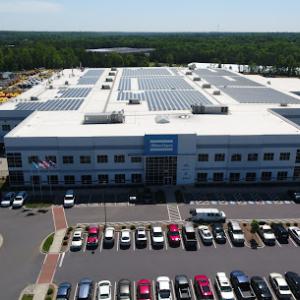
Johnson’s Roofing Service, Inc. serves the greater Charlotte and Raleigh regions as well as York County, SC in industrial and commercial roofing, including both new construction as well as reroofing projects. Johnson’s Roofing also maintains a separate maintenance and service department to assist our customers in achieving the full service life of their roofing investment. Johnson’s Roofing provides the best value in the market by combining modern technology, equipment, and training with an old-fashioned, hard-work ethic.
BCI Metal Roofing
(704) 969-9963 bcimetalroofing.com
Serving
5.0 from 33 reviews
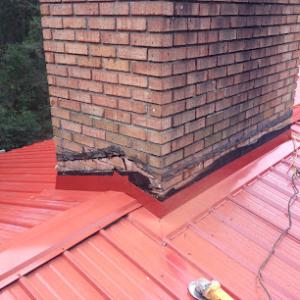
BCI Metal Roofing is a family-operated roofing enterprise that specializes in delivering top-notch residential metal and shingle roofing services to the entirety of North Carolina and most of South Carolina. Our team of dedicated professional roofers are experts in their trade, providing you with the assurance that your newly installed roofing system will endure the test of time. Our establishment has branches situated in several locations, namely Raleigh NC, Fayetteville NC, Jacksonville NC, Chapel Hill NC, Durham NC, and all of research triangle park. Furthermore, we also offer our services to certain parts of South Carolina, including Myrtle Beach, Columbia, and Rock Hill, SC. Call Today for a free quote!
Blue Collar Roofing
(803) 670-0343 www.bluecollarroofingllc.com
Fort Mill, South Carolina
5.0 from 1 review
Hello my name is Matt Tucker. I've been in the roofing industry since 2015. In 2020 I decided to start my own roofing company so that I can help my customers get the best price possible! Let me help you get a new roof!
PRS Construction
(704) 941-1265 www.prsconstruct.com
Serving
4.9 from 70 reviews
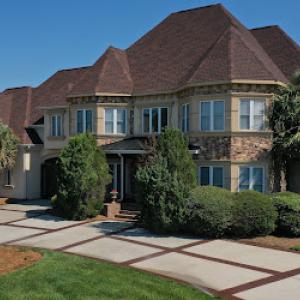
PRS Construction is a licensed General Contractor based in the Charlotte, NC market. We service residential & commercial properties. We are a GAF Master Elite certified contractor offering a full suite of roofing services to ensure your roof is leak-free which include roof inspections, repairs, & replacements. We also offer Mold, Fire, Water/Flood remediation services. As a full-service contractor, we can rebuild your property to its original condition. We also offer gutter & drainage systems to properly route water away from your property. We maintain a 5-star service rating and have an A+ rating with the BBB. We’d love the opportunity to earn your business!

On Top Roofers
(803) 524-5841 ontoproofers88.wixsite.com
Serving
5.0 from 26 reviews
Servicing the Carolinas One Roof at a Time – Quality, Precision, and a 10-Year Warranty. Fixing tomorrow's roof issues today!! Liscenced,Bonded,Insured and GAF certified.
TruROOF
(803) 878-7663 www.truroof.com
Serving
5.0 from 370 reviews
Here at TruROOF we are trusted because we work in responsible ways to fulfill what we understand to be each customer’s desire for their home or business. TRUSTED, RESPONSIBLE & UNDERSTANDING are more than words, they are values we demonstrate every day.
Masters Roofing
(704) 659-1290 www.mastersroofinginc.com
Serving
4.9 from 246 reviews
Masters Roofing is a locally owned and operated residential roofing contractor established in 2012 proudly serving Charlotte and the surrounding areas. We offer full roof replacement services as well as roof repair services. With over 25 years of experience, you benefit from a quality-focused roofer with exceptional customer service and an attention to detail that only a local roofing contractor can deliver. Our goal is to provide our clients with a stress-free experience and a trusting relationship that can continue to build for years to come.
Spring enters with milder temperatures that are common in the Charlotte edge area of Fort Mill, making it a favorable time to start a roof replacement. The aim is to avoid the peak summer heat while still taking advantage of a relatively calm period after the late-winter snows and before the heavy thunderstorm pattern picks up. If a storm track shifts early, a first- or second-week window in March or April can work well, especially when the crew can complete tear-off and shingle installation before the humid air becomes a factor. This window also aligns with homeowners finishing indoor projects from winter and scheduling exterior work before families settle into summer routines.
Fall brings cooler daytime temperatures and generally stable weather, which helps with steady progress from start to finish. In Fort Mill, September through early November often provides predictable drying conditions after typical summer rain, reducing the risk of morning dew delays. This season tends to minimize heat-related wear on shingles during handling and reduces the need for aggressive drying times between steps. Fall can be the most practical stretch for projects that require careful attention to attic ventilation and insulation adjustments, since temperatures are comfortable enough to test those systems without the pressure of a scorching afternoon.
Summer roofing in this area is workable but requires extra planning. High heat and humidity can slow crews, affect shingle handling, and increase the chance of weather interruptions during tear-off. If a replacement must occur in midsummer, scheduling early morning work and targeting cooler, drier days is essential. The risk of pop-up thunderstorms is steady, so a contingency plan for temporary covers and rapid tarp deployment helps protect the work area. In Fort Mill, summer progress often hinges on long, uninterrupted stretches of dry weather and reliable shade for crews during the hottest hours.
Winter is usually workable but comes with frost risk and the occasional cold snap common to the northern South Carolina Piedmont. Cold mornings can slow adhesive and nail-setting times, and inspection scheduling may need flexibility around frost delays. When a winter project is feasible, plan for daytime work during the warmest parts of the day and expect occasional pauses for shingle installation guidance in cooler conditions. Winter can still deliver steady progress if the crew has experience with low-temperature handling and the right materials for cold-weather performance.
Identify a target replacement window that avoids the peak heat and the heaviest warm-season thunderstorm pattern, then coordinate with an installer to lock in dates before that window narrows. Build a weather buffer into the schedule to accommodate late-season storms or early-season cold fronts. Consider a fall kickoff to complete under a single dry spell, or a spring start that finishes before the hot stretch. For storm readiness and insurance documentation afterward, keep a visible, dated record of pre- and post-storm conditions during the chosen season, and ensure debris protection and tarp strategies are in place from day one to minimize surprises if a hail event or thunderstorm hits during the project.
Get a clear picture of your project costs upfront - no commitment required.
Merritt Roofing
(803) 902-4586 www.merrittroofing.com
1654 Katy Ln, Fort Mill, South Carolina
4.9 from 244 reviews
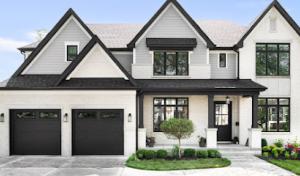
Asphalt shingles dominate the local housing stock because they fit large suburban detached homes and offer a lower-cost path after storm-related replacement. This material is familiar to crews and homeowners alike, which helps when facing rapid repair timelines after thunderstorm events. In Fort Mill's hot, humid summers and frequent thunderstorms, asphalt remains forgiving in installation and repair, with a broad range of shingle profiles that tolerate wind and rain when installed with proper underlayment and nailing patterns. For storm readiness, opting for a multi-dimensional asphalt with good impact resistance and a strong warranty can reduce call-backs after hail events, while ensuring proper attic ventilation to minimize heat buildup that can accelerate wear.
When considering asphalt on a storm-impacted home, pay attention to granule retention after hail and wind gusts. A quick post-storm inspection should focus on missing or loose shingles, visible cracking, and check for soft spots where the deck might have been compromised. If a leak appears, the adjacent shingles may still be sound, so the goal is to identify the entry point rather than assuming the nearest damaged piece is the source. Because these repairs are common in this market, many local crews maintain readily available stock and streamlined processes to restore weather resistance quickly, which can help keep interior damage to a minimum during the next storm season.
From a storm-damage perspective, asphalt is straightforward to patch and re-seal, provided the underlying roof deck remains sound. For homeowners aiming to limit maintenance through repeated thunderstorm exposure, consider asphalt shingles with reinforced fiberglass or algae-resistant features, and verify the roof's color and texture align with existing gutters and siding for consistent water shedding. A well-sealed edge, proper drip edge installation, and sealed penetrations (vents, chimneys, and exhausts) are essential to maintain a leak-free transition from roof to interior space after heavy rain. In practice, an asphalt roof can be a practical balance of performance, ease of repair, and long-term resilience in the Fort Mill climate.
Metal is a strong local option for reducing maintenance from repeated thunderstorm exposure and shedding water quickly during intense downpours. Its high wind resistance and rapid shedding help minimize hail-related dents and water intrusion, which is particularly valuable after a severe spring storm season. Metal roofs tend to resist algae and rot, and many panels come with robust warranties designed for challenging weather cycles. When installed by a qualified local crew, metal can also offer a lighter roof assembly, which reduces load stress on older or damaged structures that may have settled over time.
In storm response, metal roofs shine because fast water shedding limits the amount of moisture entering roof penetrations. For the homeowner, that means fewer opportunities for leaks to start between storms. Maintenance is often simpler, with occasional checks for loose fasteners after extreme winds and periodic cleaning to prevent build-up of debris in roof valleys. The installation choice-standing seam versus exposed-fastener panels-affects both performance and repair ease after hail. A standing-seam system tends to seal better against wind-driven rain, while some exposed-fastener designs may require more careful inspection after hail events to prevent slow leaks from penetrations.
Tile, wood shake, and synthetic products appear in smaller numbers and are more likely on higher-end homes or accent-heavy architecture common in newer master-planned communities around Fort Mill. Clay and concrete tiling offer exceptional durability and a distinctive look, but weight and installation complexity rise in storm-prone zones. Tile can perform well against wind-driven rain when properly installed, yet hail can crack or dislodge individual tiles, creating potential leak paths that require targeted repairs. Wood shakes bring a traditional, rustic aesthetic, but are more susceptible to moisture, decay, and insect exposure if maintenance lapses after storms. Synthetic or composite shingles provide a lighter, sometimes more impact-resistant option with lower maintenance than natural wood, making them attractive for architectural variety in newer neighborhoods.
Storm readiness for these materials involves careful inspection after any hail event. Look for cracked, chipped, or displaced tiles; check the seal between tiles and underlayment; and monitor for granule loss on synthetic products that mimic asphalt. For homes with accent-heavy architecture, ensure the roof's edge treatment and flashing are compatible with the chosen material to prevent wind-driven leaks during downpours. In practice, these options are best reserved for homeowners prioritizing aesthetics and curb appeal, while recognizing the maintenance and weight considerations that come with higher-end installations.
After a Carolina thunderstorm or hail event, the rapid collection of damage evidence matters as much as the repair itself. Start with a clear photo log: timestamped images of every affected area, both exterior and interior, including close-ups of damaged shingles, dented metal, cracked tiles, and interior leaks around penetrations. Maintain a running list of affected rooms, attic signs of moisture, and any warped decking or soffit damage. If possible, capture a short video walking the affected ridge line or valley to illustrate the extent of entry points.
Keep a simple, organized inventory that matches each photo with a date, location, and observed severity. Note nearby trees or debris that may have contributed to impact damage, as well as previous repairs or upgrades. This documentation supports insurance claims and helps a contractor quickly assess scope. When arranging an assessment, provide the roofing contractor with the storm date, the type of hail or wind reported locally, and any known power outages or debris blocks that could have affected access. A well-documented claim can streamline remediation, minimize exposure to further damage, and support a smoother, more timely repair process.
Fort Mill roof pricing is shaped by a fast-growing Charlotte-area housing market, where storm surges can tighten labor availability after major weather events. When a strong thunderstorm or hail event hits the metro, contractors shift from new builds to storm recovery, and crews can become scarce for a week or two. That creates fluctuations in both scheduling and pricing, even for nearby neighborhoods and NC suburbs that feel the same storm system. Homeowners should expect shorter-term spikes in labor and material access after a widespread system, then a gradual normalization as the market catches up.
Material choices sit on a clear spectrum. Asphalt shingles run from 350 to 650 USD per square, a practical balance of cost and reliability for most Fort Mill homes with-chip and shingle rooflines. Metal roofing is typically 650 to 1100 per square, appealing for long life and storm resilience in higher wind scenarios. Clay tile can fall between 1000 and 2500, delivering a high-end, wind-resistant option that suits certain architectural styles but adds weight considerations. Concrete tile sits around 900 to 1800 per square and shares similar resilience with added mass. Wood shingles or shakes run 700 to 1200, offering a distinctive look but higher maintenance in humid summers. Synthetic or composite shingles are 600 to 1100, providing a versatile middle ground that can mimic more expensive materials with potentially better hail resistance.
After a Carolina thunderstorm or hail event, replacement demand spikes across Fort Mill and nearby NC suburbs, not just for damaged roofs but for surrounding homes as well. This surge tightens labor availability and can push up both the price and the timeline of replacements. If shingles or tiles need to be replaced on multiple homes in a neighborhood, crews may allocate resources differently, affecting scheduling for every project in the queue. Being prepared with clear photos and documentation speeds up bids and reduces back-and-forth when insurers become involved.
Insurance documentation after a storm is a practical driver of the project path. Collect and organize before starting: photos of affected areas, moisture or hail marks, and a dated record of weather events. When selecting materials, consider how each option ages under Carolina humidity and storms. For example, metal and synthetic options often present favorable wind resistance, while heavier tile systems demand structural checks. Weigh ongoing maintenance against upfront cost to choose a solution that minimizes future storm-related claims and callbacks.
Don't let upfront costs delay a critical repair - these contractors offer payment plans to fit your budget.
21 Roofing Group (Serving The Carolinas)
(980) 277-4421 21roofinggroup.com
Serving
4.9 from 319 reviews


A full roof replacement in this area is treated like a substantial upgrade, not just routine maintenance. That means the local building department typically requires a building permit rather than a simple repair notice. Treat it as a project with formal oversight, even if the crew has done similar work hundreds of times in nearby neighborhoods.
Before any material comes off or new shingles go on, the owner or the chosen contractor should submit project details and the corresponding fee to the building office. Work cannot legally begin until those steps are completed and the permit is issued. Keep a copy of the permit number in the job trailer or on-site file, and reference it in any communications with inspectors or your insurer. In practice, plan for the paperwork to align with the start of tear-off, not afterward.
Inspections are commonly scheduled at key milestones: tear-off and final completion. At tear-off, inspectors verify that the roof surface has been prepared correctly and that the proposed underlayment and ventilation approach matches what the permit calls for. At final, they check that the installed materials and attic venting meet the approved plan and that everything is securely finished. If the materials shown on the permit differ from what ends up installed, a re-inspection may be required to confirm compliance. That means a change order or extra wait time if selections shift after the permit is issued.
Coordinate closely with the contractor to ensure that the ventilation strategy and underlayment meet the permit's specifications, and have the plans ready for the inspector's review. If you are handling the project yourself, double-check local zoning nuances and any county-specific nuances that might affect roof penetrations or attic venting. A careful, documented handoff between permit, construction, and inspection steps reduces the chance of delays or misunderstandings.
Fort Mill homeowners face a notably active wind-and-hail claim environment. Roof decisions are frequently tied to how quickly the adjuster can inspect, document, and approve repairs. When a storm event hits, the clock starts for both the insurer and your contractor, so timely scheduling and clear records matter. Delays in access for photos or inspection reports can push repairs later, increasing the risk of secondary damage or leaks during rainier stretches. Plan for prompt, organized communication with your insurer and contractor to keep the process moving even amid busy weather seasons.
Carriers in this area may scrutinize repeated storm claims more closely after active weather periods and can adjust premiums or impose constraints after frequent losses. Documentation quality is central: a professional inspection report adds credibility, and accompanying photos should cover the entire roof surface, edges, flashing, and attic signs of moisture. Before any damaged shingles or flashing are removed, obtain a clear pre-repair photo set and an expert assessment. If a second storm occurs before repairs are completed, keep meticulous records of all communications, photos, and repair steps to prevent disputes about damage scope or precedence.
Adjusters often want a professional inspection report plus clear pre-repair and post-repair photos, which is especially important before damaged shingles or flashing are removed. Have a licensed inspector or experienced roofer document the roof's condition, note hail marks, wind-related lifting, and any underlying deck or felt concerns. When you submit estimates, align notes with the report to avoid back-and-forth. After repairs, preserve final invoices, warranty information, and any contractor certifications, since insurers may request them to close the file or assess coverage for future events.
Fort Mill has a high concentration of re-roofing and storm-focused contractors. Homeowners should separate true local operators from crews that show up only after regional storm events. Look for firms with a steady local presence, ongoing portfolio work, and testimonials from adjacent neighborhoods that share the same heavy-thunderstorm and wind-hit history.
Cleanup and quick response are unusually prominent hiring priorities in this market, reflecting how often homeowners deal with active leaks, debris, and insurance deadlines. Be wary of any company that promises a full replacement without first addressing leaks or securing a temporary tarp. A credible team will outline a rapid on-site assessment, a documented plan, and a clear timeline for staging materials and temporary fixes.
The market includes long-established, family-owned and locally owned companies, but verification remains essential. Check that licensing and insurance are current, and confirm that the proposed scope aligns with the actual damage and with the work permitted by local authorities. Favor contractors who consistently work within the Fort Mill area, demonstrate stability, and provide verifiable references from nearby neighborhoods with similar roof styles and exposure.
Ask for physical local references, a written assessment of storm-related damage, and a clear, itemized scope of work. Confirm the contractor's license number, current insurance certificates, and that subcontractors are insured. Request before-and-after photos of comparable storm repairs and a documented plan for protecting interiors during teardown and reinstallation, plus a documented method for handling insurance claim paperwork and lien waivers.
Expect a tangible on-site plan within 24 hours after contact: prompt tarping or temporary repairs, a documented damage summary, and a staged timeline for material arrival. A reputable local roofer will coordinate with you and your insurer, provide ongoing progress updates, and safeguard surrounding landscaping and driveways during the process.