Last updated: Apr 19, 2026
Hot summers and frequent thunderstorms drive real scheduling interruptions on roofs here. Dry spells never feel truly dry, and wind-driven rain can appear between forecast alerts. Exposed decking and underlayment are not something to treat as an afterthought. If sheathing gets wet during a mid-project shower, the risk compounds quickly-especially when a late-summer squall hits during an active re-roof. In practice, that means you need a plan that prioritizes deck and underlayment protection the moment forecasts hint at heavy rain or high wind. Waiting for two good days rarely happens in this climate; proactive containment is the difference between a clean, long-lasting install and a season of moisture-related setbacks.
Harrisburg sits inland southern North Carolina, where hurricane season from August through October more often means wind-driven rain and shingle-lifting events than coastal surge concerns. That pattern makes late-summer scheduling critical. The hot, humid days that follow thunderstorms can dry out materials inconsistently, so temporary coverings and fast, weather-resilient staging become essential. Winter and early-spring thaw cycles can reveal moisture problems in older roofs after repeated wet periods, so timing around seasonal transitions matters even more for homes with aging decks or mixed-material roofs. A practical view is to plan around the storm window, not around a calm week that rarely arrives.
On loaded roofs, visibility of decking and underlayment issues often shows up after a big gust or a sudden downpour. Look for softened edges, cupping, or delaminating shingles beneath the surface. If moisture is present on the decking, put the project on pause and secure the site immediately. Exposed decking during active wind and rain can accelerate wood deterioration and invite blisters or ice-dam risk later. Debris and saturated underlayment are more likely to cause discrete leaks once autumn fronts pass, so identify signs early and communicate with the crew about tarp coverage, fastener checks, and vent line protection. Timing around anticipated storm events is not a luxury-it's a risk-management step.
Check the forecast daily for windows of calmer weather, and coordinate with the crew to maximize dry, wind-stable days. If a credible storm surge or heavy wind is forecast, suspend work, secure open edges, and cover exposed decking with a heavy-duty tarp rated for wind resistance. Document any pre-existing moisture concerns with photos and date stamps so that repairs align with the most critical moments of drying out the structure later. After a storm, perform a rapid exterior inspection from ground level, noting missing shingles, lifted edges, or exposed underlayment, then arrange a prompt, prioritized assessment to minimize additional water intrusion.
Storm timing in this area often compresses the typical re-roof window. Build a plan that treats August through October as high-risk blocks, with contingency days reserved for weather delays. If the schedule slips due to a surge of storm activity, keep the project scope adaptable-fastenings, flashing, and synthetic underlayments should be ready to install as soon as conditions stabilize. The goal is to protect decking first, then complete the roof with a clean, watertight finish before deeper moisture challenges take root.
North Carolina insurers commonly scrutinize roof age, condition, and wind-rated components after storm claims, which directly affects Harrisburg homeowners replacing aging roofs. After a wind or hail event, carriers look for signs that the roof was prepared for heavy weather and that any prior deficiencies were mitigated. If a roof is older or has non-rated features, the adjuster may limit coverage or request more corroboration. This means your roof's stated age, its present condition, and whether it has wind-resistant upgrades can influence how much the insurer covers and how quickly a claim moves.
Because Harrisburg sees weather-related claim activity tied to wind and hail, homeowners should document date-stamped photos, interior leaks, and any emergency tarping before adjuster visits. Start outside with close-up shots of damaged shingles, lifted tabs, granule loss, and any visible hail hits on fascia, vents, and gutters. Move inside to capture any staining, buckling, or moisture in ceilings and walls, noting room location and ceiling height. If tarping is necessary, photograph the temporary protection from multiple angles and keep receipts for materials and labor. On your timeline, capture a sequence: weather event, immediate mitigation actions, and the current state before the claim, so the adjuster sees controlled, documented mitigation rather than surprise conditions.
Adjusters in this market may request roof condition assessments and supporting documentation showing mitigation features or recent upgrades. Have records ready that outline the roof's age, the type of roofing material, and any wind-rated components such as underlayment, decking, or approved fasteners. If you've upgraded to a wind-rated product or added features like improved attic ventilation or additional roof-to-wall connections, gather installation dates, product names, and any warranty details. If you've implemented emergency measures after the storm, provide receipts and contractor notes that verify the work was performed in a timely, code-consistent manner. A clear bundle of documentation helps the adjuster understand the baseline condition and the reasonableness of your repair requests.
Timing matters after a Harrisburg wind event. If the storm arrives during late summer, expect a cluster of claims and potential delays. Promptly report the loss to the insurer, provide the initial photos, and request an in-person or virtual adjuster inspection if travel is limited by weather. During the inspection, point out any mitigation features that survived the storm, such as repair-friendly areas that prevented further damage, and note any prior upgrades that may affect the claim's value. If there are discrepancies between your photos and the adjuster's observations, present a concise, respectful explanation with corroborating evidence. A cooperative, well-documented stance often leads to a smoother adjustment phase.
If you hire a local roofing contractor for a temporary assessment, ensure that the contractor's evaluation aligns with the insurer's expectations. Ask the contractor to provide a written scope of damage and a list of mitigation steps already taken, as well as any upgrades that improve wind resistance. The contractor's report can complement the adjuster's findings and help justify the replacement or repair scope. In markets like Harrisburg, having a contractor who understands how insurers view wind-rated components and installation quality can reduce back-and-forth and expedite the claim's progression. Keep communication clear: your goal is to present a coherent, evidence-backed picture of the roof's condition and the rationale for the recommended work.
Connect with contractors who help homeowners navigate the claims process from damage assessment to final approval.

Roof Life
(704) 999-5990 www.rooflifenc.com
7639 Cotton St, Harrisburg, North Carolina
5.0 from 95 reviews

Roof Life
(704) 999-5990 www.rooflifenc.com
7639 Cotton St, Harrisburg, North Carolina
5.0 from 95 reviews
We are a local Residential Roofing company based outside of Charlotte. We help homeowners through the insurance process until they get approved for their new roof. With 20 years of experience we understand the importance of providing exceptional quality and service. Our goal is always to leave your home better than how we showed up. Our company slogan is "Your Roofer For Life"! So, we are not going anywhere!
Copper Works
(704) 723-6396 www.copperworksnc.com
Harrisburg, NC
4.6 from 9 reviews
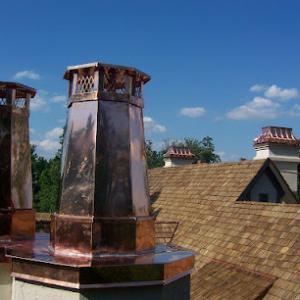
Roofing, Gutters, and Sheet Metal Fabrication
Premier Roofing Company
(704) 601-7663 www.premier-roofing.com
Serving
4.9 from 53 reviews
Premier Roofing Company in Concord, NC, is your trusted local expert for asphalt shingle roofing and hail damage roof replacement. Serving homeowners, businesses, and multi-family communities across the Concord and greater Charlotte area, our skilled roofing contractors deliver exceptional craftsmanship, high-quality materials, and reliable solutions. Choose Premier Roofing Company in Concord, NC, for superior asphalt roofing services, personalized care, and lasting protection for your property.
Metal Roofing Charlotte
(704) 741-8321 www.metalroofingcharlotte.net
Serving
4.9 from 30 reviews
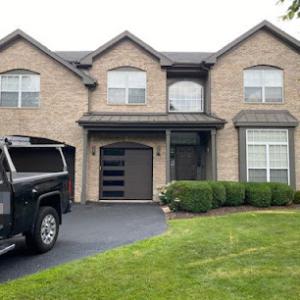
Welcome to Metal Roofing Charlotte, your premier destination for top-tier roof installation and replacement services in Charlotte NC and surrounding areas. Our dedicated team specializes in delivering durable, weather-resistant, and aesthetically pleasing roofing solutions tailored to protect your home or business. With years of expertise, we commit to excellence and customer satisfaction, ensuring each project meets our high-quality standards. Experience the peace of mind that comes with a robust roof crafted to enhance your property's value and curb appeal. While we specialize in metal roofs, we also work on other types of roofing like asphalt shingles, flat roofing, and many more. Contact us today for your FREE estimate!
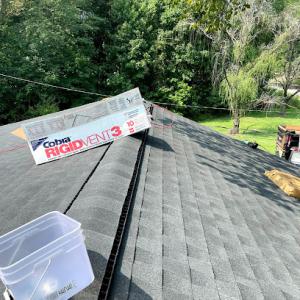
Meck Roofing
Serving
5.0 from 7 reviews
Meck Constructions is a construction service company based in the United States. Created in 1998, Meck Constructions developed innovative projects, using the most recent technology available. We acquired expertise through the development of design-savvy building construction projects for several residential areas to the buildings of kinds of businesses. This expertise is today reflected in the realization of tailor-made construction projects and in the development of Visual Planning, a collaborative scheduling platform for all of our clients. We have sustained our quality measures in the long journey of 22 years of excellence. We construct for our clients with the same core values that have brought them success, quality, and responsiveness.
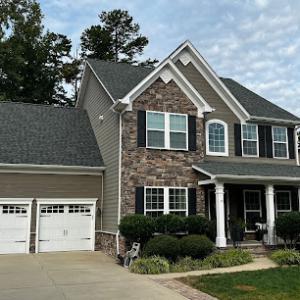
Resilience Roofing
(704) 516-7700 www.resilienceroofing.com
Serving
4.9 from 51 reviews
We are a locally owned and operated roofing company currently serving Harrisburg, NC and surrounding communities. We offer roofing, gutter & gutter guards services.
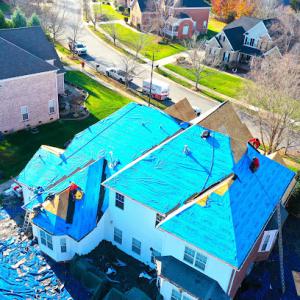
Max Roofing NC
(704) 412-7663 max-roofing.com
Serving
4.9 from 188 reviews
Residential Licensed Roofing Contractor. HAAG Certified. Roofing repairs.Installations. ROOF INSPECTIONS Claims Specialist.
Guardian Exterior Pros
(980) 621-9151 guardianexteriorpros.com
Serving
5.0 from 36 reviews
Protect Your Home with Trusted Roofing, Siding & Gutter Experts – Free Inspections & Estimates Always Looking for reliable roofing, siding, or gutter services near you? Our locally owned and operated company specializes in high-quality exterior home services designed to protect, enhance, and increase the value of your home. We proudly offer FREE roof inspections, no-obligation quotes, and expert help with insurance claims — because peace of mind should never come at a price.
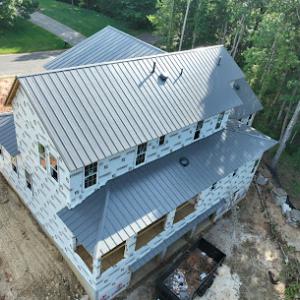
Storm Shield Roofing & Restorations
(980) 202-2263 www.stormshieldroofingllc.com
Serving
5.0 from 6 reviews
Storm Shield Roofing & Restorations specializes in providing expert roofing and restoration services designed to protect and enhance your property. With a focus on quality craftsmanship and customer satisfaction, we deliver reliable solutions for roof repair, replacement, and storm damage restoration. Our team is committed to using durable materials and proven techniques to ensure long-lasting results. Trust Storm Shield Roofing & Restorations for professional service that shields your home or business from the elements and restores its value with expert care.
Crosstown Exterior Specialists
(980) 621-4473 www.crosstownexteriorspecialists.com
Serving
5.0 from 49 reviews
Crosstown Exterior Specialists is a family-owned, BBB A+ Accredited roofing company serving Kannapolis, Concord, Charlotte, Huntersville, and surrounding North Carolina areas. We specialize in roof repairs, full roof replacements, storm damage restoration, insurance claim assistance, and emergency roof tarping. Our team is committed to honest pricing, quality craftsmanship, and dependable customer service on every roofing project.
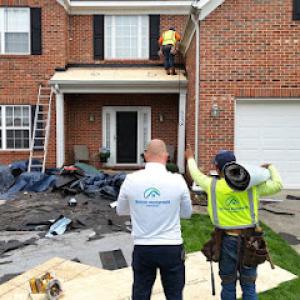
Good Roofing & Restoration
(704) 737-2102 www.goodroofing.org
Serving
5.0 from 43 reviews
At Good Roofing & Restoration, we’re all about making sure you feel secure and cared for. We know roofing is a big step, so we keep things simple: no payments upfront — just quality work, every time. Our team treats your project like it’s our own, focusing on every detail to give you the protection and peace of mind you deserve. We’re here to listen, answer your questions, and guide you through the process with care. Good Roofing isn’t just our name — it’s our promise!
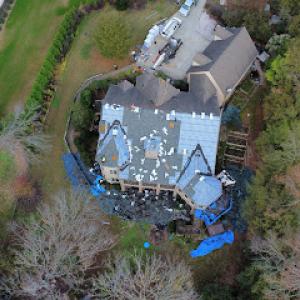
All-Tite Exteriors
(704) 251-9935 alltiteexteriors.com
Serving
5.0 from 24 reviews
All-Tite Exteriors is a trusted roofing contractor based in Charlotte, NC with over 15 years of experience. We specialize in residential roofing, storm damage insurance claims, roof repairs, siding, and gutter services. Whether you need a full roof replacement or quick, reliable repairs, our experienced team delivers top-quality work and honest service. We proudly serve homeowners across the greater Charlotte area with fast response times, free inspections, and expert guidance through the insurance process. Contact us today to schedule your inspection and see why so many homeowners choose All-Tite Exteriors for their roofing and exterior needs.
Asphalt shingles are the dominant practical choice here, fitting the suburban lot patterns and the typical home heights seen around the Cabarrus County edge. The neighborhood climate-hot and humid summers with late-summer wind and rain-puts a premium on more than just the lowest-price shingle. Look for wind-rated layers and proper attic ventilation, because a shingle that can resist wind without lifting only performs well when the attic is well ventilated and the roof deck stays dry. In real terms, that means a solid underlayment, well-sealed penetrations, and a ridge-to-eave ventilation plan that keeps the attic from becoming a heat trap. A well-vented roof helps reduce moisture buildup and extends shingle life in the heat and humidity that define our summers. For the typical Harrisburg home, a shingle that balances a strong wind rating with a robust ventilation strategy is the combination that minimizes wind-driven leaks and heat-related wear.
Metal panels offer a tangible improvement in performance during heavy rain and high-wind events that press late into the hurricane-season period. In this market, metal is not just about longevity; it's about how the fasteners, flashing, and panel seams handle driving rain and gusts, as well as how the roof interacts with a hot, sun-baked attic. When considering metal, focus on the installation details: corrosion-resistant clips, secure seam methods, and a roof deck that can bear the weight over time. Metal's smooth surface also sheds water quickly, which helps during intense downpours. A strategic upgrade to metal often pays off in reduced maintenance calls after storm events, provided the system is designed for the home's pitch, load, and existing trim work. If the goal is improved performance during the volatile stretch of late summer into early fall, a properly chosen and installed metal roof can be a meaningful, long-term enhancement.
Clay tile and slate bring distinct aesthetics and durability, but their weight, installation requirements, and cost make them selective choices for Harrisburg's suburban builds. The structural plan needs to accommodate their heft, and the pitch needs to be appropriate to prevent water ingress on slopes that are too shallow. Wood shakes and synthetic options add texture and style but come with maintenance considerations in a humid climate where mold, moss, and algae can take hold on exposed surfaces. In practice, select these materials when the roof structure is reinforced for the load, the pitch aligns with drainage requirements, and the budget can absorb higher initial and ongoing maintenance costs. Synthetic options can strike a balance between appearance and performance, offering better resistance to moisture and some impact durability, but still require appropriate underlayment and ventilation to handle Harrisburg's rain pattern and humidity level. For most suburban homes in this area, these materials end up as selective fits rather than default choices, guided by structural compatibility and long-term maintenance realities.
When you price a re-roof in this area, asphalt shingles usually land around $350 to $700 per square, with metal from about $700 to $1400 per square. Clay tile comes in higher, roughly $650 to $1500 per square, while wood shingles or shakes typically run $600 to $1200 per square. Synthetic or composite shingles sit in a middle range at $500 to $1000 per square, and slate can push from $1000 to $2500 per square. These figures reflect the realities of a Cabarrus County permitting environment and the kinds of houses common in the late-suburban neighborhoods you see here.
Storm activity drives a real spike in demand after major wind and hail events that affect the Charlotte-area labor pool and spill into Harrisburg. When a big storm hits, you'll notice tighter scheduling and higher short-term pricing as crews swing to respond. If you're evaluating options after a damaging wind event, expect some premium for timely access to crews, expedited material delivery, and quick tarping or deck protection while roofing is staged around the worst weather window. Planning for a window that typically runs late summer into early fall can help avoid peak-pressure periods, but you'll still feel the surge if a hurricane season flushes broader insurance activity into the area.
Costs can move with tear-off complexity and moisture-damaged decking found during wet-season replacements. If sheathing has sustained water damage, or if there are steep suburban rooflines with dormers, valleys, chimneys, or skylights, crews may charge more for the extra labor and precautionary waterproofing work. Dormers and valleys particularly add both material and labor time, while chimneys require careful flashing details to prevent leaks. Keep in mind that while a straightforward, single-slope replacement on a modest home stays close to the base ranges, any of the listed features or decking issues can push the total toward the higher end of the spectrum.
Don't let upfront costs delay a critical repair - these contractors offer payment plans to fit your budget.
A full roof replacement typically requires a building permit reviewed through the Cabarrus County/Harrisburg building department process. That means your project isn't just a local do-it-yourself bid-it's a formal review that checks that the replacement conforms to local codes, ventilation, attic access, flashing, and drainage specifics common to our climate and rooflines. In this area, the permit helps ensure a proper installation that can stand up to our hot, humid summers and the hurricane-season wind and rain events that drift in from the coast and across Charlotte's market. Expect the paperwork to align with the sequence of the job, not as an afterthought.
Inspections are commonly scheduled at the tear-off or underlayment stage and again at final installation. This means the job sequence is tightly tied to inspection timing. If the contractor hits a snag during tear-off-like damaged decking or a needed upgrade to attic ventilation-those issues can push the subsequent inspection and the overall schedule. Plan for the possibility that weather delays or supply changes will ripple through the inspection calendar. Communicate clearly with the contractor about when each inspection is due and confirm the building department's preferred call-in or online scheduling process so you aren't left waiting during a storm-sensitive period.
Permit fees are generally modest, but skipping the permit can create problems when selling, closing out insurance work, or documenting that the roof was installed through the local process. Lenders and insurers increasingly expect that major work like a roof replacement appears in the official record with the local permit and final approvals. If a permit was not pulled, or if inspections were bypassed, you may face delays, rework, or diminished confidence from your insurer at claim time. This is particularly important as storm-related claims trend through the area and audits tighten on documentation. If you're in the mid- or late-summer window, the risk of weather-influenced inspection holds adds extra incentive to stay aligned with the scheduled process. A well-documented permit path protects you when the next wind-driven event rolls in and you need proof the job met local requirements.
Wind-driven rain in this area commonly exposes weaknesses first at ridge caps, valleys, flashing transitions, and shingle edges after summer thunderstorm activity. When storms roll through, the fastest path for moisture is along those transitional points, where a small gap or loose fastener can invite rapid venting of interior heat and moisture. On a typical suburban roof, those edges are the first to show wear, and repeated gusts push water into any loosened seam. The result is accelerated deterioration of underlayment and the first signs of rot along the roof line. The practical implication is clear: if you notice damp spots near the ridge or along seams after a windy rain, treat it as a warning flag rather than a one-off nuisance.
Repeated wet periods in this region can turn small flashing defects into decking and underlayment damage, especially on older roofs already near replacement age. Flashing around chimneys, skylights, vents, and transitions to walls is a fragile line under pressure from wind-driven rain. When flashing pulls away even slightly, water finds its way beneath shingles and into vulnerable decking. Over time, this can lead to soft spots, staining, and mold growth that are far more costly to repair than the original flashing fix. The message is practical: inspect flashing at least seasonally and address any lift or corrosion promptly before it escalates.
Skylights and chimney intersections deserve extra attention in Harrisburg's storm pattern because leak complaints often show up at penetrations before broad field failure is obvious. The seals around skylights and the joints where chimneys meet the roof plane are stress points that contend with both wind pressure and storm-driven moisture. If flashing or sealant is aged, cracked, or improperly installed, wind-driven rain can exploit that weakness quickly. A proactive check after heavy storms or along a routine seasonal walk can catch small issues before they become widespread leaks.
This area experiences a concentrated window of storm risk that coincides with late-summer humidity and hurricane-season activity. The consequence of delaying repairs on these common failure points is a compounding effect: small leaks become decking damage, underlayment deterioration, and, eventually, interior exposure. The practical approach is to prioritize timely inspection of ridge caps, flashing transitions, and penetrations during and after the storm season, applying targeted repairs to keep water from migrating into the attic and living spaces.
Find contractors experienced in skylight installation, flashing, and leak repairs to bring natural light into your home.
Roof Life
(704) 999-5990 www.rooflifenc.com
7639 Cotton St, Harrisburg, North Carolina
5.0 from 95 reviews
Guideline Roofing & Construction
(980) 866-4740 www.guidelineroofing.com
Serving
4.6 from 12 reviews
In a market with frequent re-roofing and storm-related work, the way a roof is installed can make or break long-term performance. Rushed post-storm installs are a real risk during hurricane-season winds and heavy rains, and such shortcuts undermine the durability of any material. A solid warranty paired with careful workmanship can be the difference between a roof that performs through a couple of Charlotte-area storm events and one that needs repairs soon after a claim is closed. Look for installers who document site conditions and follow manufacturer installation guidelines to reduce unknowns after the next big rain.
Manufacturer-backed options carry extra weight here when homeowners want proof of approved installation methods after an insurance-funded replacement. Check whether the warranty requires a licensed installer, specific fastener patterns, and wind-rated components tested for local exposure. If a claim is involved, a reputable warranty will reference the exact installation standards used on your home. Request written confirmation of the installer's adherence to those standards and keep it with the warranty packet.
Documentation of installation date, material type, and wind-rated components is useful in Harrisburg not just for warranty purposes but also for future insurance questions. Store copies in a safe place and consider pairing them with photos from completion and any weather-related notes from the year of installation. When a claim comes up, these records help demonstrate compliance with warranted performance and can streamline communication with your insurer. Maintain a simple, organized packet so you can locate key dates and component specifications quickly.
While most homes here are pitched-roof designs, attached porches, additions, and some multifamily or commercial sections can introduce low-slope areas that behave differently under wet, humid summers and during hurricane-season storms. In these spots, drainage and seam integrity matter more than the shingle field. Poor slope detail or misaligned transitions between main roof and low-slope surfaces can funnel water into vulnerable joints, flashing, and connectors long after the issue seems localized.
Low-slope transitions near deck flashings, skylights, or door canopies are frequent trouble spots. In Harrisburg, prolonged wet spells push water to seepage paths that might not show up as a major leak on the main roof until after a heavy rain event. Seams, fasteners, and metal edge details require careful inspection; wind-driven rain can push water laterally across seams where it pools at joints or drips behind cladding. Make sure transitions to gutters or downspouts are continuous and free of debris that can back up drainage.
During a comprehensive roof check, inspect low-slope areas with a flashlight after a rain event to look for slow drips or staining near seam lines and flashing. Confirm that all counter-flashing remains sealed and that any caulking or sealant around penetrations remains pliable and intact. Check that slope-worthy underlayment extends to the same extent as the main roof and that debris is not obstructing drainage paths. If a low-slope section cannot shed water promptly, plan a targeted inspection or repair alongside any main-roof replacement to avoid creating separate leak points later.
When replacing the main roof, evaluate low-slope transitions at the same time rather than treating them as independent leak problems later. Coordinated work minimizes the risk of mismatched materials, inconsistent flashing, and later call-backs. A unified approach ensures that the drainage plan, flashing continuity, and edging details align across all roof facets, reducing the chance of overlooked vulnerabilities during Harrisburg's storm season. In spring and late summer, coordinate inspections to anticipate wind or rain events and prioritize secure, water-tight detailing.
Find specialists in TPO, EPDM, and built-up flat roofing systems for residential and commercial properties.