
Last updated: Apr 19, 2026
Norfolk's cold winters bring repeated freeze-thaw cycles that relentlessly test every roof edge, flashing transition, and fastener penetration. Water intrudes where shingles overhangs, around vents, and at roof-to-wall intersections, then freezes and expands, widening gaps and loosening fasteners. In practical terms, that means edge ventilation becomes a life-or-death detail for your roof system: lacking proper venting, moisture lingers inside the attic, and ice can back up under shingles, lifting them and inviting the first signs of leakage. The hard truth is that Norwalk homes often show premature wear at ridge caps, step flashing, and drip edges after several winters of mixed precipitation. If you notice a damp attic, dark stains along eaves, or moisture on rafters, act quickly-these are early warnings of deeper fatigue from winter moisture and ice formation.
Winter snow in Norwalk isn't just a snowball fight among neighbors; it's a slow, wearing stress test on a roof. Ice dams form when heat inside the attic escapes to the roof deck, melting snow near the interior and refreezing at the eave where heat loss is greatest. The result is damming that forces water to back up under edges and into the decking. The city's climate makes underlayment and proper nailing technique non-negotiable. If underlayment is skimpy, nailing is shallow or poorly staggered, or ventilation is blocked, the risk of moisture getting trapped increases dramatically. Pay attention to interior signs: a sudden spike in attic humidity, peeling paint in the attic, or staining along the ceiling near exterior walls suggests a leak path created by ice-related damming. Outside look for clogged soffits, blocked vents, and ice buildup along gutters-these are aggressive signals that immediate action is needed to restore proper airflow and moisture control.
Winter storms and thaw cycles don't wait for your schedule. In Norwalk, a tear-off started during a weather lull can quickly become a costly mistake if a fresh storm hits and decks are exposed. Exposed decking is vulnerable during replacement windows, especially when temperature swings create rapid condensation and moisture exposure on bare plywood or oriented strand board. If a re-roof is started during an unstable stretch, gaps can open at fastener penetrations and underlayment seams, intensifying the risk of subsequent leaks once the roof is covered again. Planning your replacement around reliable, drier days is essential; otherwise, the project becomes a moisture management headache that extends beyond the original scope.
The inspection process in this area places a sharp eye on underlayment, nailing, and ventilation-precisely the components most stressed by Norwalk's winter moisture and ice conditions. Underlayment must be continuous and well-sealed at penetrations, with no loose laps that could channel meltwater toward the interior. Nails should be driven to the correct depth and spaced according to the manufacturer's specification, ensuring the shingles hold securely through freeze-thaw cycles. Ventilation must be adequate to equalize attic heat with outdoor conditions, preventing ice dams from forming at the eaves and ensuring the underside of the decking remains dry. When preparing for a re-roof, confirm that the selected system includes a robust underlayment, proper flashing at all transitions, and a ventilation plan that provides consistent airflow across the entire attic space. Without these precise details, a Norwalk winter will find or create a leak path, and the resulting damage can cascade into attic mold growth, faster deck decay, and accelerated shingle wear.
Dry-season windows matter a lot for Norwalk re-roofs because spring storms and hail can interrupt installation and complicate moisture control during tear-off. Plan for a stretch of several dry days in late summer to early fall, when storms are less frequent and humidity is manageable for sealant and underlayment work. If a dry spell extends through a long stretch of days with low moisture, that is the time to target a full remove-and-replace schedule rather than piecemeal shingle work. During tear-off, keep a close eye on ground moisture and attic dryness; even a light drizzle can throw off roof decking exposure if ventilation isn't correctly staged. Have tarps ready for unexpected moisture and a dedicated crew member to supervise drainage and tool management so the work can resume quickly when the sky clears. In Norwalk, coordinating with a trusted installer who can adapt to sudden spring wind shifts helps avoid a stalled project that leaves underlayment exposed too long.
Summer in this area offers longer work windows, but heat can still affect material handling and install pace, especially on darker roofing products that absorb heat. Plan for cooler starts or mid-morning begins to prevent rapid deck warming that can warp underlayment or force premature shingle adhesion. Heat can also affect adhesive strips and sealants, so discuss with the contractor which products perform best in high daytime temperatures and how to protect rolls and bundles from direct sun between install stages. Schedule communication points for mid-project quality checks-proper nailing pattern, ventilation setup, and secure ice and water barriers-since sustained heat can stress fasteners and underlayment if kept too long in exposure. If a heat surge coincides with a storm front, be ready to pause and cover exposed decking to minimize moisture uptake. Summer projects benefit from more predictable daylight but still require a contingency plan for afternoon storms that can trap crews on a steep pitch.
Fall brings wind and wet conditions in this area that can narrow workable scheduling windows before winter weather returns. Early fall is ideal for re-roofs when wind speeds are lower and precipitation risk is tapering off, but the window can close quickly as leaves clog gutters and create shedding challenges on steeper pitches. Ensure temporary containment for debris and secure attic ventilation to maintain a dry interior while roof components are installed. Wind can complicate tear-off staging, so a plan that brands sections of the roof to be worked in sequence and uses protective barriers reduces risk of debris coming loose. If a late-fall project is unavoidable, prioritize a complete tear-off and underlayment application ahead of the first hard freeze, with a verified venting strategy to prevent condensation under the new roofing layers. In all seasons, align the schedule with a reputable crew member who emphasizes thorough moisture control during tear-off and precise nailing and ventilation for a long-lasting, weather-ready seal.
Bo Lacey Construction
(800) 266-9916 www.bolaceyconstruction.com
77 Whittlesey Ave, Norwalk, Ohio
5.0 from 171 reviews
We are a full service, award winning exterior remodeling contractor located in Norwalk with offices local in Ohio. We are your #1 Ranked contractor in Huron County. Experience You Can Trust, Done Right and On Time.
Roof Maxx of Elyria, OH
Serving
5.0 from 21 reviews
Roof Maxx® offers a revolutionary roof restoration service, providing an eco-friendly, cost-effective solution for extending your roof's life. Specializing in roof rejuvenation, our innovative treatment revitalizes aging shingles, ensuring they remain flexible and waterproof. Ideal for roofs over 7 years old, Roof Maxx's unique formula penetrates deep into shingles, restoring their original functionality. This process not only enhances roof durability but also postpones the need for expensive replacements. Our professional roof maintenance services further protect your investment, keeping your roof in top condition. Trust Roof Maxx for sustainable, efficient roofing solutions. Also offering roof repair and complete roof replacements.
Prestige Roofing & Construction
(419) 541-6527 www.facebook.com
Serving
5.0 from 17 reviews
Prestige Construction and Roofing is a locally owned and operated company based in Norwalk, Ohio. They specialize in residential and commercial roofing, siding, and general construction services. Known for their high-quality craftsmanship and commitment to customer satisfaction, Prestige Construction and Roofing has built a strong reputation throughout the Norwalk area. With experienced professionals and a focus on durability and aesthetics, they offer reliable solutions for home improvement and storm damage repair projects.
Horvath Roofing
(419) 656-7663 horvathroofinginc.com
Serving
4.7 from 230 reviews
Horvath Roofing is a roofing contractor in Northwest Ohio serving Huron, Sandusky, Port Clinton and nearby areas. Our roofing company offers residential roofing, commercial roofing, and asphalt shingle roofing, and more. We also specialize in insulation and gutter services. Customers love us because of our comprehensive roof warranties. We also have industry affiliations and certifications such as Owens Corning Platinum, GAF and CertainTeed. If you want to experience how your most trusted Northwest Ohio roofing company embraces our motto “Roof Roof How's Yours", call us now for a free estimate!
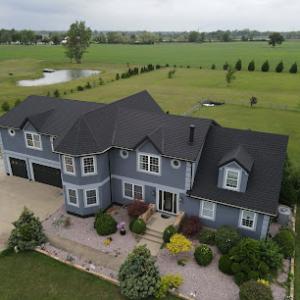
All American Roof Pros
(419) 989-4480 allamericanroofpros.com
Serving
4.9 from 46 reviews
Established in 2018, All American Roof Pros is a local family and veteran owned and operated company with roofing experts that have decades of experience working within the industry and promise that Ohio's Best Roof is “The Last Roof You Will Ever Need.” We back that promise with a 12-hour guarantee that we will take care of any roofing issue within 12 hours of your initial contact.
T-Rex Roofing
(419) 577-4807 t-rexroofing.net
Serving
5.0 from 3 reviews
T-Rex Roofing is a 3rd generation, locally owned business.. T-Rex roofing specializes in standing seam and shingle roofs, residential and commercial. An Owen’s Corning authorized dealer.
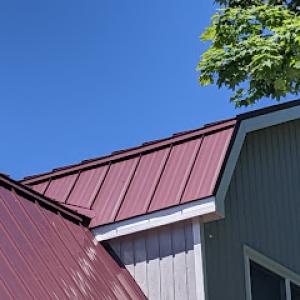
North Coast Roofing of Ohio
(419) 433-2059 www.northcoastroofing.com
Serving
4.8 from 96 reviews
Founded in 2005, we are the areas leading roofing contractor serving Erie, Huron, Ottawa, & Sandusky counties. As your local roofing company we offer Lifetime architectural shingles like CertainTeed Landmark Pro, GAF Timberline HDZ, Owens Corning Tru-Definition Duration. Also standing seam metal, metal shingles, & gutters. We are the only local roofer that is CertainTeed Select Shingle Master & GAF Master Elite certified and offer the 5-Star Warranty & Golden Pledge Warranty ensuring premium protection and peace of mind for your roof investment. We strive to make your roof replacement experience pleasant. We provide free estimates & professional services for residential & commercial customers. Insured & A+ rating Better Business Bureau.
Firelands Home Improvments
Serving
4.8 from 17 reviews
Residential Roofing, Custom roofing, Metal, Asphalt, E.P.D.M. I install most of the roofs for the contractors you pay top dollar to. Most if not all big roofing contractors sub contract the jobs to smaller companies like mine. Save money and cut out the middle man. Contact Firelands Home Improvement. Locally insured & Bonded WE LOVE WHAT WE DO.
Farley's Roofing
(440) 322-1142 www.roofinglorain.com
Serving
5.0 from 33 reviews
Farley's Roofing, Inc., based in Elyria, OH, is the leading roofing specialist in the region, serving Lorain, Amherst, Oberlin, Elyria, and neighboring areas since 1994. We offer expertise in commercial and residential roofing, including re-roofs, tear-offs, flat roofs, and metal roofs. For all your roofing requirements, reach out to Farley's Roofing, Inc. in Elyria.
Petrick Roofing & Remodel
(567) 424-0095 www.petrickroofing.com
Serving
5.0 from 4 reviews
Petrick Roofing and Remodel brings quality roofing and remodel contracting. Our company is insured and available for all projects, large or small! Give us a call for your FREE ESTIMATE. Whether your home requires outdoor repair or inside updates give us a call at 567-424-0095, because "WE NAIL IT THE FIRST TIME" Brief Description of Our Available Services: New Construction Repair Gutters Wood Replacement Soffit Flooring Painting Installation Cabinets Ceiling Repair Door Replacement Sanding Staining PLUS MUCH MORE! Contact us!
Camp Construction
(419) 656-5495 campconstructionoh.com
Serving
3.9 from 22 reviews
Camp Construction provides residential roofing, siding, and gutter services to ensure your home is always protected. With a variety of exterior services, we can transform your home in a way that is both attractive and dependable.
S & S Roofing
(419) 734-1572 www.sandsroof.com
Serving
4.3 from 18 reviews
Best roofing contractor in Port Clinton, Ohio. Specializing in roof replacement, roof repairs, emergency roof repairs and gutter replacement.
In this climate, asphalt shingles and metal roofing are the most practical mainstream choices because they are widely used locally and fit the weather-driven replacement patterns. Asphalt shingles offer straightforward installation, ample local service support, and reliable performance when the underlayment and ventilation are properly addressed. Metal roofs provide excellent durability against heavy snow loads and ice, and they shed moisture well in freeze-thaw cycles when paired with a solid ventilation plan and proper edge ventilation. For many homes in the area, these two options strike a balance between reliability, ease of repair, and long-term performance through Norwalk winters.
Clay and concrete tile are available in this market but carry higher installed cost ranges and require closer attention to structural suitability and winter weather performance in north-central Ohio conditions. These tiles are heavier than asphalt and most metal systems, so the roof structure must be evaluated for the added load before replacement. In freeze-thaw conditions, tile performance depends on a well-sealed underlayment, careful fastener spacing, and a robust drainage plane to prevent water from backing up into the roof deck. If a Norwalk home already has a strong roof frame and a history of dry winters with careful moisture management, tile can be a durable choice; otherwise, consider it as a premium upgrade with attention to wind-driven and ice-dam risks in colder months.
Wood shingles and shakes and synthetic/composite shingles are present in Norwalk's market, but freeze-thaw exposure and moisture management details matter more here than in milder regions. Wood can offer a traditional look, but it is more susceptible to rapid deterioration from moisture infiltration, ice buildup, and rapid temperature swings. If considering wood, ensure a high-quality sealant strategy, regular maintenance, and a ventilation plan that keeps attic temperatures closer to ambient. Synthetic shingles can improve durability and wind resistance, yet they still benefit from a solid substrate, controlled ventilation, and an effective ice barrier at eaves and valleys. In this climate, the performance of any wood or synthetic product hinges on the precision of flashing, underlayment, and attic ventilation to mitigate moisture intrusion during winter.
Ventilation plays a pivotal role in Norwalk re-roofs. A well-ventilated attic helps regulate temperature and reduces moisture buildup that can contribute to ice dam formation and deck rot. Ensure an integrated system of soffit/ventilation intakes and ridge or turbine outlets, matched to the roof's size and slope. The choice of underlayment matters as well: a continuous, weather-resistant barrier beneath the shingles or metal panels provides essential protection during spring thaw and winter freeze cycles. During full re-roofs, verify that nailing patterns align with the chosen material, that fasteners are corrosion-resistant, and that there is a continuous ice and water shield at eaves and in valleys to prevent water intrusion from ice damming. In this market, careful attention to these details translates into fewer call-backs and longer roof life through typical Norwalk winters.
A full re-roof in Norwalk typically requires a permit issued by the local building department rather than being handled informally. That means your project starts with the right paper trail, not a handshake or a garage-door conversation. If a permit isn't secured, you risk city sanctions, potential work stoppages, and a difficult path to getting a proper occupancy or resale certificate later on. The permit process exists to ensure the roof can handle Norwalk's freeze-thaw cycles, snow loads, and the specific underlayment and ventilation requirements that local inspectors demand.
Contractors generally submit project details to the Norwalk building department, and permit processing can take about 1-2 weeks. During this window, the department checks your plan for materials compatibility, proper nailing patterns, and adequate ventilation strategy to address the climate realities of an inland north-central Ohio winters. It's wise to align with a contractor who can provide clear, shop-drawn details showing underlayment type, nail spacing, and vent placement. Delays at this stage can push back start dates, which matters when you're juggling weather windows and the needs of a snow-tight roof.
After installation, Norwalk schedules an inspection to verify underlayment, nailing, and ventilation, making workmanship documentation especially important on local projects. The inspector will look for proper underlayment seams, fastener depth, and the presence of continuous ventilation to prevent ice dam risk and moisture buildup during thaw cycles. Have your installer provide a concise record of materials, fastening patterns, and vent locations, plus photos from key stages. This documentation helps confirm that the roof will weather the local freeze-thaw pattern and that the county-approved details line up with the actual build.
Coordinate the timing of permit submission with your installation schedule to minimize weather exposure and potential rework. Ask the contractor to walk you through the specific ventilation strategy tailored to your attic and roof pitch, and to align that plan with Norwalk's inspection checklist. If the project involves repairs to surrounding structures or existing attic ventilation, ensure those changes are included in the permit and reflected in the inspection notes. Missing or mismatched documentation can trigger re-inspection or additional corrections, so clarity upfront saves time and reduces the risk of a failed inspection.
For Norwalk homeowners, the sticker price on replacement roofs hinges first on material choice. Asphalt shingles sit in a broad range, roughly $350 to $700 per square, which is a workable starting point if your goal is to balance upfront cost with reliable performance through freeze-thaw cycles. Metal roofs run higher, about $700 to $1,200 per square, reflecting their durability and the longer service life in the face of heavy snows and ice. Clay and concrete tiles push costs higher still-clay tiles typically land between $900 and $1,800 per square, concrete between $900 and $1,500-driven by weight, installation complexity, and long-term energy performance. Wood shingles or shakes are usually $600 to $1,000 per square, a choice that handles heat and cold variances but requires careful ventilation and maintenance to prevent moisture problems. Synthetic or composite shingles offer a middle ground, roughly $450 to $900 per square, blending resilience with a comparatively lower price tag.
Norwalk's winter and early spring bring freeze-thaw cycles that complicate roof work. When a cold snap sneaks in or a thaw turns into damp conditions, crews lose productive days, which pushes labor costs upward. Spring storms create compressed scheduling windows, forcing contractors to juggle projects and often pay premium for quicker turnarounds to keep crews moving. In practical terms, that means a reroof can drift from a planned several-day window to a tighter sprint, or require seasonal adjustments that add a few percentage points to the total labor bill. If you're aiming for a full replacement, build in a buffer for weather-driven delays and possible price shifts in the busiest months.
In Norwalk, the unseen costs appear in the sequence, not just the headline material price. A proper full roof replacement demands careful attention to underlayment quality, nailing pattern, and proper ventilation. An efficient crew minimizes waste and rework, which keeps labor costs reasonable even when weather wins the scheduling game. When choosing materials, confirm compatibility with existing ventilation and attic design; products with integrated ventilation or easier installation can shave both time and potential call-backs during inspection. In practice, pairing a well-ventilated, properly underlayment-specified system with a material that suits your climate helps avoid costly repairs or early failures, especially after repeated freeze-thaw cycles.
Plan for the material price range that fits your preference, then layer in a realistic labor buffer tied to Norwalk's seasonal demand. If a wide, long-lasting option is your priority, metal or tile can deliver performance that pays off over time, but require upfront investment and precise installation. Asphalt or synthetic shingles offer a more budget-friendly path with solid protection when paired with proper ventilation. The key is aligning your material choice with the attic and venting strategy to weather Norwalk's winters without premature wear.
Don't let upfront costs delay a critical repair - these contractors offer payment plans to fit your budget.
Bo Lacey Construction
(800) 266-9916 www.bolaceyconstruction.com
77 Whittlesey Ave, Norwalk, Ohio
5.0 from 171 reviews
After hail or a strong wind event, take a quick walk around the roof and gutters to spot obvious impacts: dented flashing, lifted shingles, or granule loss in gutters. In this inland north-central Ohio climate, freeze-thaw cycles can worsen small damages quickly, so note any cracks or curling as soon as it's safe to do so. Photograph everything from ground level and from the ladder line to capture edge and ridge damage. Do not delay removing debris if it blocks water flow, but avoid making permanent repairs before an adjuster's inspection if possible.
Insurers commonly want contractor estimates, photos, and adjuster inspections, so Norwalk homeowners should document damage immediately after storm events and before temporary repairs are removed. After you file a claim, expect an adjuster to review roof, underlayment, ventilation, and any interior signs of moisture. Have a recent elevation photo of the home and the attic access ready. When you receive a contractor estimate, compare line items to the adjuster's scope and ask for clear notes on underlayment, nailing pattern, and ventilation checks. Keep all correspondence organized and note dates of each interaction.
Freeze-thaw exposure increases vulnerability of sealed penetrations and vent stacks, so verify that any replacement shingles or underlayment match your roof's original stack height and ventilation. Be cautious about accepting a scope that omits attic ventilation checks or underlayment replacement needed after a wind event. If a contractor suggests rapid, non-permitted fixes, pause and consult the insurer's preferred procedures to protect both the claim and the roof's long-term performance.
Connect with contractors who help homeowners navigate the claims process from damage assessment to final approval.
The freeze-thaw cycle, snow load, and spring melt in this inland Ohio climate put skylights, curbs, and low-slope transitions under a sharper spotlight during re-roofs. When the snow recedes, ice dams and hidden gaps can suddenly reveal themselves at penetrating details that might have looked solid in milder months. Your roof's performance hinges on how those spots respond to repeated freezing and thawing.
Skylight curbs, flashing edges where the wall meets the roof, and any low-slope transition areas are higher-risk leak points during winter melt and refreeze cycles. If you notice staining, damp spots, or a musty attic smell, inspect the attic access for daylight or warmth near the flashing. The problem often hides behind the aesthetics of a clean surface and only emerges when warmth from sun and night-time cooling collide along those seams.
The local inspection focus on underlayment and ventilation makes detail work around penetrations and transitions especially relevant on Norwalk re-roof projects. Ensure underlayment around skylights and along flashings is continuous and well-seated, and that ventilation paths are unobstructed. Proper venting reduces condensate buildup that can travel along rafters into the attic, bringing along moisture that concentrates at flashings and joints.
Because snow, ice, and spring moisture can expose weak flashing quickly in Norwalk, these areas often need closer evaluation than broad field shingles alone. Ice dam formation can lift or buckle flashing if it was not secured during installation. A careful eye on the valleys where shingles meet metal or vinyl is essential to catch subtle movement before it becomes a leak.
During a re-roof, plan for thorough handling of every penetration: skylight flanges, vent pipes, and transitions from flat roof sections to steeper pitches. The goal is a continuous seal with properly aligned flashings and a vented attic. Small gaps here become real problems after a heavy thaw, so address them with meticulous flashing detail and conservative workmanship.
In practice, a Norwalk home with an aging skylight or compromised low-slope area may show moisture at the ceiling after a warm day along with a cold night. Treat those signs as urgent, and document daylight near edges or fasteners. Catching trouble at the first winter melt often prevents a costly, invasive repair later.
Find contractors experienced in skylight installation, flashing, and leak repairs to bring natural light into your home.
In Norwalk, warranty conversations carry more weight because local inspections verify installation details that directly affect performance through freeze-thaw cycles. Your roofer should outline how underlayment, nailing pattern, ventilation, and flashing are tested during the re-roof process, and how those specifics align with the warranty terms. Expect a written warranty that ties coverage to proper fastening, attic ventilation, and vented eaves. If the claim window relies on observed details, insist that the inspection notes be included and signed by the inspector and the contractor.
Cleanup is a visible hiring priority in Norwalk's contractor market, suggesting homeowners here care about post-tear-off site condition as much as the roof system itself. During the project, request a clearly defined cleanup plan with daily debris removal, cover mats at entryways, and protection for landscaping and sidewalks. A responsible crew minimizes nails, asphalt shingle granules, and torn paper from the old roof, leaving driveways and yards free of hazards. Ask for a final walk-through to confirm all waste is removed and disposed of per local expectations.
Quick response is a strong local market signal, so homeowners often weigh responsiveness and follow-through heavily when comparing re-roof contractors. Gauge how quickly a contractor answers questions, schedules visits, and returns after inspections. A reliable contractor provides a written communications protocol, a point person for questions, and a clear timeline with milestone checks. In winter months, expect shorter windows for service; in spring, prompt scheduling reflects strong local demand.
Ensure the contract references defect coverage for ice dam related damage and ventilation performance, and that warranty language aligns with actual installation steps documented at the job site. Ask for photos of critical details such as attic vent placement and shingles nailed to the attic rim. Request that warranty registration be completed in your name with a copy sent to you.
In Norwalk's freeze-thaw climate, the warranty's terms should explicitly cover performance through repeated ice cycles, including shingle adhesion, sealant joints, and ventilation efficiency after winter. Ask for a written plan that demonstrates how ventilation is adjusted for attic air exchange during winter and how snow and ice will be managed at eaves.