
Last updated: Apr 19, 2026
Amherst homeowners face a two-season damage cycle that blends winter ice damming with spring hail exposure. This means leak sources can disappear after an event only to reappear weeks later once meltwater refreezes, migrates behind flashing, or travels along wall cavities. The highest risk period isn't a single peak; it's the sequence of cold snaps, heavy snow, and then thaw cycles that push water into spots you didn't think were vulnerable. Look for signs of ice buildup along eaves and gutters in late winter, then monitor for damp spots, peeling paint, or wallpaper stains after the thaw. If you notice icicles forming on overhangs or on bay windows during a warm spell, treat those areas as active leak pathways until proven otherwise by a proper roof inspection.
Cold winters with snow and ice followed by freeze-thaw swings make leak sources in Amherst harder to diagnose because damage can begin as ice backup and show up later as interior moisture. That means interior stains or attic condensation can lag behind the actual roofing failure by days or weeks. A small attic drip during a thaw may originate from a clogged gutter, a compromised valley, or a failed boot flashing, all hidden by snow or stored moisture. When spring temperatures rise, moisture can travel along sheathing and drywall before any signs appear on the ceiling. Pay attention to musty smells in ceilings, newly formed stains after rain, and sudden spikes in indoor humidity following a warm spell. Early detection saves you from larger interior repairs down the line.
Spring hailstorms can create local inspection and repair backlogs, so Amherst homeowners often need documentation immediately after an event to avoid delays. Photograph all exterior damage from multiple angles, especially shingles lifted by hail, dents in metal components, damaged vent pipes, and flashing seams near chimneys or skylights. Document dates, time of day, and weather notes (hail size, wind intensity). Keep a written log of any interior signs-water stains, warped drywall, or stained insulation-tied to specific attic or ceiling locations. If insurance is involved, you want a clear trail: notes from neighbors who observed the hail, dates of power outages, and any temporary measures you implemented to mitigate further damage. A quick, thorough dossier can accelerate the inspection timeline and reduce the risk of denial due to delayed notification or missing documentation.
During and after a storm, prioritize removing loose debris from the roof edge and clearing gutters of obstructions once it's safe to do so. Ice dams often drive meltwater under shingles at the eave line; if you see ridges of ice stuck behind intact shingles, do not climb onto the roof without proper equipment. Use a roof rake from ground level to reduce ice buildup where possible, and schedule an expedited roof inspection for any attic warmth irregularities, unusual attic snow loss, or recent hail impact patterns. If interior moisture appears without a clear exterior source, arrange a professional assessment promptly-the two-season damage cycle can conceal the root cause until it manifests inside. Acting quickly preserves the roof's protective layers and reduces the risk of widespread interior damage.
Asphalt shingles dominate the local reroof market because they fit the area's reroof-heavy residential stock and sit at the lowest local cost range among common materials. For Amherst homes facing lake-effect winter cycles, asphalt provides a straightforward, reliable layer that's easier to repair after storm damage or hail. When choosing asphalt, look for thicker shingles with good granule retention and a solid ice-dam warranty if available. The key is ensuring proper attic ventilation and a solid, well-sealed underlayment to keep meltwater from re-freezing at the eave lines.
Metal roofing has a noticeable specialist presence in this market and is often chosen where snow shedding and durability through repeated freeze-thaw cycles matter. If you're aiming to minimize snow buildup on roof edges and reduce ice dam pressure, metal can be a strong fit. In Amherst conditions, the installation needs meticulous flashing and edge detailing so metal seams don't trap moisture or ice. Consider a robust underlayment beneath metal, and ensure fasteners are corrosion-resistant and compatible with the roof deck. Regular maintenance to clear debris that can hold moisture is useful for long-term performance.
Tile and wood products exist in the market, but winter moisture, snow load, and maintenance realities make installation quality and structural suitability especially important. Clay or concrete tiles, while durable in dry climates, can become cracked or delaminated under freeze-thaw stress unless the roof structure is designed to handle significant snow loads. Concrete and clay tiles also demand meticulous ventilation and a solid substrate to prevent water intrusion. Wood shingles or shakes offer a traditional look but can suffer from moisture rot and insect risk if not properly treated and maintained. In damp winters, wood can require more frequent sealing and inspection for fine cracks that let moisture in.
Your target should be a balance between resilience against ice damming, ease of maintenance, and the likelihood of storm-related damage. Asphalt remains the practical backbone for most homes, especially where reroofing cycles are frequent and budget considerations come into play. If the home already has a metal profile or a structure designed for heavier snow loads, metal can pair well with strong flashing and a careful ice-control strategy. For premium looks or certain architectural styles, tile or wood offer appeal, but demand careful assessment of roof deck strength, underlayment, and ongoing maintenance. In any choice, prioritize proper ventilation, effective flashing at chimneys and stacks, and a proven ice dam prevention plan to weather Amherst's freeze-thaw cycles.
In this climate, storm-driven demand spikes in Lorain County, especially after spring hail events when reroofing schedules tighten, can push project calendars and materials pricing. Local pricing reflects not only the roof itself but the surrounding work: tear-off, cleanup, and addressing hidden moisture or ventilation issues that show up once the roof comes off. When winter conditions delay tear-off, underlayment installation, or inspection timing, costs can rise as crews compress work into narrower weather windows. Amherst has a strong reroofing market, so pricing often includes a realistic allowance for restoration of ventilation and moisture control, not just a blanket overlay.
Knowing the typical cost ranges helps you frame bids with clarity. Asphalt shingles generally sit in the lower to mid-range, roughly 350 to 650 USD per square, depending on thickness, warranty, and color. Metal roofing tends to run higher, from about 600 to 1,100 USD per square, reflecting panel profiles and protective finishes that perform better in freeze-thaw cycles. Clay and concrete tiles skew toward the higher end, with clay around 1,000 to 2,200 USD per square and concrete roughly 900 to 1,800 USD per square, driven by weight and the need for specialized fasteners and flashing. Wood shingles or shakes come in around 900 to 1,500 USD per square, while synthetic or composite shingles offer a middle ground of roughly 450 to 900 USD per square. For a typical homeowner, the choice is not only upfront cost but how well the roof holds up against ice damming, wind uplift, and thaw-refreeze cycles.
Costs in Amherst can rise when winter conditions delay tear-off, underlayment installation, or inspection timing, forcing projects into narrower weather windows. That compression can raise labor rates due to limited scheduling or the need for temporary heat and moisture management. If a project experiences storm damage that reveals hidden moisture or ventilation issues, the price per square can climb further, since crews must repair sheathing, install proper ventilation, and ensure the attic is dry before new roofing goes on. In practice, expect bids to itemize tear-off, disposal, underlayment, flashing, and new ventilation components separately, so you can compare apples to apples across contractors.
When budgeting, plan for contingencies tied to spring hail and fall freeze-thaw cycles. Ask for a detailed breakdown that includes estimated tear-off days, disposal fees, underlayment choices, and flashing material quality. If ice damming is a likely issue, ensure bids include upgraded attic insulation checks and soffit-to-ridge venting evaluation, since these items protect the investment over multiple winters. Given the market dynamics, timing your replacement to align with favorable weather windows can avoid premium charges tied to last-minute bookings after a big storm.
Storm-related damage often triggers insurance involvement, but timing matters. Get clarity on how temporary repairs, debris removal, and moisture mitigation are treated in your claim. Some adjustments may be required if the claim affects tear-off, ventilation upgrades, or underlayment quality. Compare bids not just on price, but on the scope and the long-term value offered by each system, especially in freeze-thaw-prone months where performance matters most.
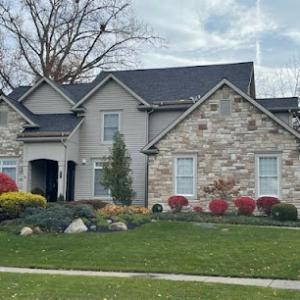
Farley's Roofing
(440) 322-1142 www.roofinglorain.com
Serving
5.0 from 33 reviews
Farley's Roofing, Inc., based in Elyria, OH, is the leading roofing specialist in the region, serving Lorain, Amherst, Oberlin, Elyria, and neighboring areas since 1994. We offer expertise in commercial and residential roofing, including re-roofs, tear-offs, flat roofs, and metal roofs. For all your roofing requirements, reach out to Farley's Roofing, Inc. in Elyria.
Bill Jackson Roofing
(440) 577-5082 billjacksonroofing.com
Serving
4.9 from 41 reviews
Bill Jackson Roofing is a roofing contractor in Elyria, OH serving Avon, Sheffield Lake, Amherst, North Olmsted, Bay Village, and nearby areas. Our roofing company offers residential roofing, asphalt shingle roofing, metal roofing, residential roof repair, residential roof replacement, commercial roofing, and more. Customers love us because of our comprehensive roof warranties and our affordable roof financing options. We also have industry affiliations and certifications such as Owens Corning Platinum Preferred Contractor and many more. If you want to experience how your most trusted Elyria, OH roofing company embraces our motto "Protect Your Home or Business With Expert Roof Installation Services", call us now for a free estimate!
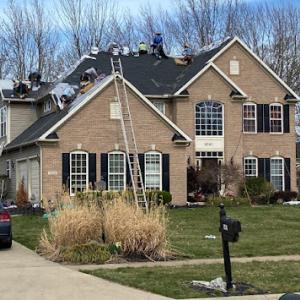
Journey Home Restoration
Serving
4.7 from 99 reviews
We specialize in storm restoration work and help clients navigate the complexities of insurance restoration. Roof, siding and gutters plus interior restoration from water damage.
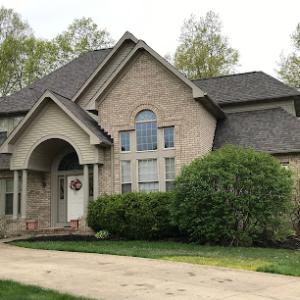
Coates Bros Roofing
(440) 595-4675 www.coatesbrosroofing.com
Serving
4.9 from 60 reviews
Coates Bros. Roofing is located in Lorain County and serves the Cleveland area. We specialize in commercial and residential roofing and gutters. We have built our reputation on quality workmanship and look forward to helping you with all of your roofing needs. Whether you are in need of a small repair or a complete tear-off, we are here to assist you from the beginning phase through completion with professionalism and integrity!
Dan Williams Roofing
(440) 282-6006 www.danwilliamsroofing.com
Serving
4.1 from 9 reviews
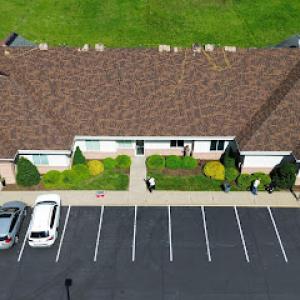
If you need roof repair after a storm or a complete roof replacement, Dan Williams Roofing in Lorain, OH can get your property back in shape. These roofing contractors have been providing expert roofing services since 2000, and they have the skills, experience, and knowledge to complete any project—large or small—safely and properly. When you need roofing services from a contractor who works hard and will get the job done right then contact Dan Williams Roofing. In addition to roof installation and repair, they also provide gutter replacement and skylight installation. To request a free estimate, call (440) 282-6006 or go online.
M&T Roofing & Restoration
(440) 201-4341 mtroofingandrestoration.com
Serving
5.0 from 75 reviews
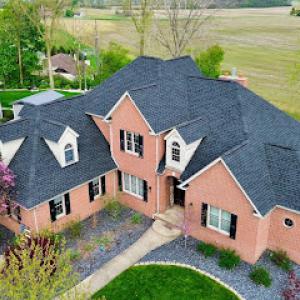
M&T Roofing and Restoration is a trusted, family-owned roofing company based in Elyria, OH, proudly serving Northeast Ohio. As a GAF Master Elite® certified contractor, we specialize in residential and commercial roofing, siding, and storm damage restoration. From full roof replacements to emergency repairs, we deliver expert craftsmanship, premium materials, and industry-leading warranties. Our team services Elyria, Avon, Strongsville, Lakewood, Cleveland, and surrounding areas. We offer free estimates, fast response times, and a strong commitment to customer satisfaction—reflected in our 5-star reviews. Whether you need asphalt shingles, metal roofing, or siding work, M&T Roofing and Restoration is here to protect your home or business.
LuBucks Roofing Company
(440) 371-9981 www.lubucksroofingcompany.com
Serving
5.0 from 12 reviews
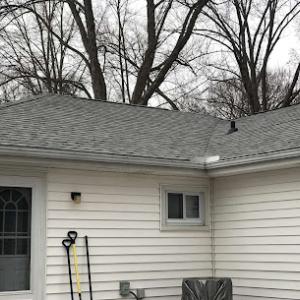
LICENSED. BONDED. INSURED. Residential Roofing Professionals. New Roofs, Re Roofs, Flashing, Gutters, Storm Damage, Insurance Claims, Shingle Repair. Fascia, Leaks, Wood replacement, Venting, Ridge Venting.
Upper Level Roofing & Construction
(330) 410-5320 www.gotheupperlevel.com
Serving
4.9 from 29 reviews
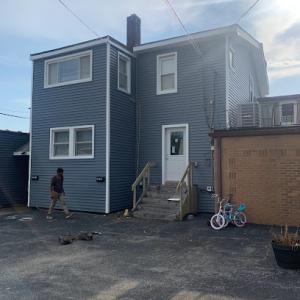
The experts at Upper Level Roofing and Construction, Inc have decades of combined experience providing superior roofing, siding and construction repairs and installation. Our professional, reliable exterior service experts have your complete satisfaction in mind. From new roof installation and repairs through replacement windows and premium siding and additions, our team has real world experience servicing countless customers.
Martin's Home Improvements
(440) 522-8913 www.martinshomeimprovementsoh.com
Serving
5.0 from 32 reviews
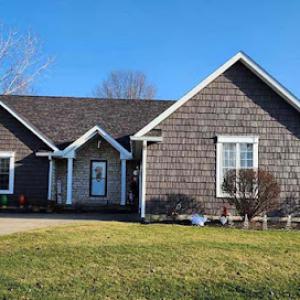
Whether you need to fix some worn-out features or upgrade to a more modern style, you'll need to find a home improvement company that can bring your vision to life. For all your exterior renovation needs in North Ridgeville, Elyria, OH and the surrounding areas, count on Martin's Home Improvements. We've been the go-to for exterior property improvements in our community for over two decades.
AllPro Exteriors
Serving
5.0 from 16 reviews
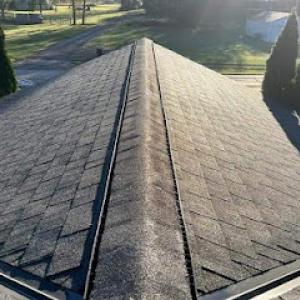
AllPro Exteriors, LLC is the roofing company to call for quality roof repair, replacement, and 24/7 Emergency services. We work with materials like Spanish tile and wood shake, to make your home the pride of the neighborhood.
Legacy Roofing Services North Ridgeville
(440) 739-3498 www.legacyroofing.com
Serving
4.9 from 168 reviews
Legacy Roofing North Ridgeville is an award-winning roofing company specializing in repairing and replacing residential and commercial roofs. We also offer vinyl sliding and seamless gutter installation and give homeowners complete project transparency so they can choose the right roofing materials and appearance that fits their budget. Our emergency service technicians assess damage and begin making repairs so your business can be up and running promptly. We offer extended warranties and work with leading roof material manufacturers to provide the highest quality materials. Our specialties include wind damage assessment and infrared technology to help home and business owners save money. Contact us for a free estimate.
Pro Roofing & Siding Restoration
(844) 776-2349 www.proroofingandsidingrestoration.com
Serving
4.9 from 104 reviews
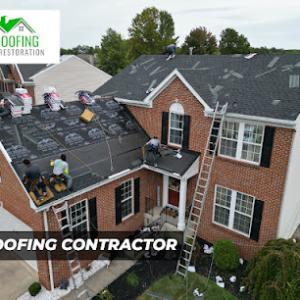
Pro Roofing & Siding Restoration is Northern Ohio’s trusted choice for expert roof replacement, repair, and siding services. We proudly install top roofing brands such as GAF, Owens Corning, and CertainTeed, ensuring long-lasting protection and curb appeal. Our siding specialists work with a variety of materials, including vinyl siding, fiber cement, engineered wood, and insulated siding, to give your home a durable and beautiful finish. Homeowners count on us for free roof inspections and free estimates, especially after severe weather. If your property has suffered wind or hail damage, our team makes storm recovery easy by guiding you through the insurance claims process from start to finish.
A full roof replacement requires a building permit through the local building department, and it can be the contractor or the homeowner who initiates the application. In Amherst, this step is not optional because the permit ensures the project meets local fire code, wind resistance standards, and proper drainage considerations that are critical after winter freeze-thaw cycles. When the application is filed, make sure the plan packet clearly outlines underlayment type, ventilation strategy, flashing details, and the chosen roofing system, because those elements drive the approval path and any follow-up inspections.
Inspections in Amherst are commonly scheduled at project milestones and again at completion. The billing and scheduling cadence often aligns with weather windows, so coordinate early with your contractor to avoid drying-in delays caused by spring thaw or late-season snow risk. The inspector will look closely at underlayment installation, flashing around chimneys and vent stacks, and attic ventilation details to confirm the roof assembly can tolerate Lake Erie-related freeze-thaw stress. Expect a mid-project check to confirm installation accuracy and a final inspection to validate that all components meet code requirements and the permit conditions.
Homeowners should expect the permit to be posted and accessible on site during the job, which is a practical local compliance point during reroofing. The posted permit helps neighbors and the project team verify the active scope and compliance status, and it provides a quick reference if questions arise during grading, venting adjustments, or snow events. Keep the permit visible near the main entrance or near the work trailer, and ensure it remains legible throughout the project. If any amendments to the scope occur, have them documented and resubmitted through the proper channels so inspections reflect the current plan.
Given Amherst's winter climate and spring storm exposure, inspections pay special attention to ventilation strategy, including the adequacy of soffit intake and attic exhaust, to minimize ice dam risk and moisture buildup. Flashing around roof penetrations should be continuous and well-seated, with sealant choices compatible with the chosen roofing system. Underlayment type and installation must be consistent with the local climate demands, ensuring a breathable yet protective barrier that withstands multiple freeze-thaw cycles. If any change is made during roofing, provide a quick amendment to the permit file to keep inspections smooth and prevent rework delays.
Before filing, gather the project details: the roofing system, vent placement plan, flashing details, and a layout of valleys, dormers, and chimney interfaces. Schedule inspections with enough lead time to accommodate weather delays, and maintain open communication with both the contractor and the building department throughout the project. On the day of inspection, ensure access to attic spaces if requested, and have the permit copy, contractor license information, and any material certifications ready for review. This proactive approach helps keep your reroof on track, compliant, and resilient against Amherst's seasonal challenges.
In this climate, Ohio carriers commonly require photo documentation, replacement-cost estimates, and an adjuster visit. That matters in Amherst because hail and thunderstorm claims are a recurring local issue, and the way those components are gathered can tilt the outcome of a settlement. If a storm hits and the roof appears fine from the ground, a carrier might still request a close-up photo set, a professional estimate, and an on-site assessment to confirm any hidden damage. Having clear, dated evidence helps avoid later disputes and reduces the chance that a delay or partial denial derails needed repairs.
There is no statewide blanket restriction on roof coverage, but homeowners may see carrier-by-carrier differences in how wind and hail losses are evaluated. Some companies emphasize visible damage, others rely more on the adjuster's assessment and repair estimates. That means the same hail storm can yield different results depending on who insures the home and how the claim is documented. In practice, this translates to a need for thorough documentation and timely communication with the insurer to align expectations with the contract terms and the adjuster's scope of work.
Because spring storms can create local claim volume, homeowners benefit from documenting date-stamped damage before temporary repairs and before contractor calendars fill. Photograph the roof from multiple angles, capture images of gutters, flashing, and any penetrations, and keep a running note of when damage was first observed. If temporary repairs are necessary to prevent leaks, document those actions and the dates they were performed. Share the photos and notes with the insurer promptly, and coordinate the adjuster visit as early as feasible to avoid a backlog that slows the full repair process.
When communicating with the insurer, reference the date-stamped evidence and request an adjuster appointment in writing. Obtain and relay replacement-cost estimates from reputable, licensed roofers who can speak to the local climate factors-ice control, venting, and flashing upgrades that reduce risk in freeze-thaw cycles. It's prudent to align expectations early on, so the final scope of work reflects practical Amherst realities rather than a generic assessment.
Connect with contractors who help homeowners navigate the claims process from damage assessment to final approval.

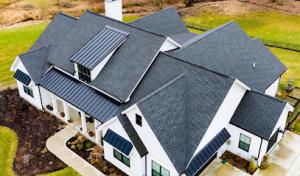
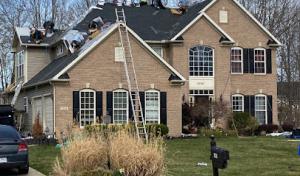
In Amherst, winter snow and ice can delay access for repairs and full replacements, making late spring through early fall the most predictable scheduling window. If a thaw freezes again late in the season, crews may have to pause work to prevent damage to exposed decking or underlayment. Plan for a window that allows consecutive dry days and reliable pull-through from start to finish, rather than trying to sneak a replacement between freezing and thawing cycles.
Summer heat and humidity can affect adhesive behavior during installation, while thunderstorms can interrupt tear-off and dry-in timing. Schedule inspections and material drop-offs when temperatures are moderate, ideally mid-morning through early afternoon, not peak heat. Have the crew allocate extra time for sealing around valleys and gutters, since high humidity can slow curing of underlayment and sealants. If a storm rolls through, the crew may need to tarp and re-seal sections, which shifts your timeline by a day or two.
Autumn leaf drop and wind can complicate visibility and cleanup in Amherst, especially on homes where valleys and gutters already collect debris before winter. Before work begins, have a thorough debris-clearing plan for gutters, downspouts, and roof lines. Expect additional cleanup passes, as wind can loft leaves into freshly repaired areas. Scheduling the project to finish before peak leaf fall reduces post-install cleanup and inspection headaches.
While you're lining up a replacement, build in a contingency for weather-related delays and soft spots in the roof deck that might require additional structural work. Coordinate with your contractor on the sequence-tear-off first, then moisture barrier, then rapid-dry-in-to minimize exposure time of the roof deck. If insurance timing is involved, align file and approval steps so that the actual replacement can proceed promptly when weather windows open.
In Amherst's freeze-thaw climate, flashing around skylights and chimneys is a recurring weak point because repeated expansion, contraction, and moisture exposure can open pathways for leaks. The way the house breathes through winter and the way rapid spring thaw cycles stress the roof line means those penetrations often tell a story years after a simple shingle replacement would begin. You may notice staining, damp patches in attic spaces, or sporadic dripping during warm afternoon thaws when snowmelt re-freezes along the edge of the roof.
Local inspections commonly verify flashing quality, making penetrations more important in Amherst reroof projects than simple shingle-only discussions suggest. If a contractor skims past skylight or chimney flashing, you may not see trouble until the next freeze cycle. The flashing should be continuous, properly layered, and sealed to resist wind-driven rain and ice dam formation. Look for toe-nails or fasteners that have corroded, sealants that have split, and metal transitions that show any sign of movement after temperature swings.
Contractor signals in this area show meaningful skylight and chimney-related service demand, indicating homeowners frequently need repair work at roof penetrations rather than only field shingle replacement. When planning a reroof, prioritize a thorough inspection of all penetrations, especially around older chimneys and skylights. If you notice unusual attic condensation, icicle buildup along eaves, or damp patches near these points after storms, schedule a full flashing assessment. In cold snaps, keep an eye on any sudden changes in ceiling color or texture beneath these features, and address early to prevent wider water intrusion.
Find contractors experienced in skylight installation, flashing, and leak repairs to bring natural light into your home.
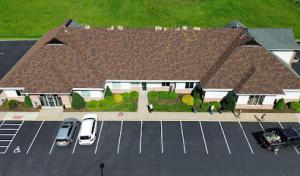
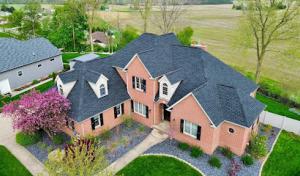
When a storm hits, you want a contractor who can provide temporary protection fast and schedule a full replacement with clear steps. In Amherst, responsiveness and cleanup practices matter more than flashy credentials. Look for a crew that arrives with tarps, provides site protection, and documents all damage before work begins. A solid estimator will walk the roof and attic, pointing out ice dam risks that recur in our freeze-thaw winters.
After the crew completes a roof, you should see thorough debris containment and a clean yard. Ask how waste will be disposed of and whether nails and shingle scraps will be picked up on the same day. Local homeowners respect crews who leave the property broom-clean and who handle disposal with minimal disruption to neighbors. If temporary protection is needed again, reliable contractors follow up quickly and honor an agreed schedule.
The presence of long-established firms matters after hail events when homeowners may want contractors familiar with senior inspections and inspection expectations. Choose a company that can align with Amherst-style permit sequencing and coordinate with the insurer throughout the process. A veteran local roofer can explain how weather gaps, ventilation needs, and precise flashing choices influence long-term performance.
Because Amherst winters swing between freeze and thaw, ask about ice dam prevention measures and ventilation upgrades as part of the plan. Reputable crews discuss insulation and attic sealing, moisture control, and proper shingle exposure to minimize meltwater entry. Clear communication about when temporary protection ends and when a full reroof is staged helps avoid delays during the busy spring window. Ask for written timelines, milestone photos, and a single point of contact for coordination with your insurer. This helps align expectations.