
Last updated: Apr 19, 2026
Sandusky's position directly on Lake Erie exposes roofs to lake-influenced wind, moisture, and temperature swings that intensify shingle wear and flashing stress. Storm gusts, salted spray, and higher humidity near the shore accelerate granule loss on asphalt and wear through metal panels faster than inland roofs. When lake breezes slam the eaves, flashing around chimneys, vents, and skylights bears the brunt of the movement. This combination shortens roof life and makes routine maintenance feel urgent, especially after a harsh winter or a windy spring when roofs face back-to-back assaults from wind-driven moisture and temperature shocks.
The city's cold winters regularly create freeze-thaw cycling, a key local driver of ice damming, loosened seal strips, and water intrusion at eaves and roof penetrations. As water freezes in tiny gaps, it expands and pries apart shingles, underlayment, and flashing. When temps swing above and below freezing, those micro-mplits become channels for meltwater to back up under shingles and into the attic or ceilings. In homes with older sealant bands or aging ridge vents, those weak points fail sooner, turning a small leak into attic and ceiling damage that compounds from the inside out.
Spring in the Sandusky area brings hail and high-wind claim activity, making post-storm inspections especially relevant for homeowners near the lakefront and open exposures. After a hail event or a strong gust front, you can't rely on a quick visible fix. Hail may hide under shingles, pop up granules, or bruise panels-especially on metal roofs where the impact can cause denting and premature fatigue. Wind-driven debris can loosen vent collars, fascia, and drip edges, creating hidden pathways for water that escalate during the next rainfall. That makes a thorough, professional inspection after a storm not a luxury, but a necessity to prevent slow leaks that damage insulation, attic spaces, and interior finishes.
You should schedule an inspection as soon as conditions calm after a storm, focusing on eaves, valleys, and around any roof penetrations. Look for lifted corners of shingles or flashing along the ledger, vent stacks, and chimneys, and listen for unusual tapping or whistling sounds during windy nights. Clean gutters and downspouts to ensure proper drainage, but avoid overreliance on exterior flashing alone-sealants and underlayment degrade with lake winds and freeze-thaw cycles. If new granules appear in gutters or if you notice shimmeringaluminum panel edges bent from impact, call a local roofing pro for an in-depth assessment before hidden damage escalates.
In Sandusky, replacement timing is commonly pushed to late spring through fall because winter snow, ice, and freeze-thaw conditions complicate tear-offs and sealing. The window installation itself benefits from moderate temperatures and lower interior humidity, which helps ensure seals settle properly without rapid thermal cycling. Plan projects for late spring, after residual winter moisture has diminished, and avoid peak summer heat when possible to reduce interior glare and rapid temperature shifts that can affect framing and flashing around openings.
Summer humidity and heat in northern Ohio can affect installation conditions, especially for products that are sensitive to temperature during handling and sealing. Asphalt-based products, in particular, respond to heat by becoming more pliable, which can aid during installation but also demands careful handling to avoid scuffing or gapping. Outdoor crews should schedule the most demanding steps for cooler parts of the day, and interior work should be coordinated to maintain consistent indoor conditions that support long-lasting seals.
After spring storm cycles, local demand can spike quickly, which can lengthen scheduling for full replacements in Sandusky. Wind-driven rain and hail years can loosen exterior finishes before replacement begins, so a pre-project weather window matters. A practical approach is to target openings with the most exposure first, while avoiding days with forecasted high winds or thunderstorms. Having a flexible crew and a staged plan helps when weather shifts, reducing the risk of weather-related delays that stretch into summer heat.
Before ordering materials or entering a tear-out phase, verify that exterior siding, trim, and surrounding structures have been prepared for a window swap. Look for signs of water intrusion around existing frames, as those leaks often track behind the siding and into wall cavities during thaw cycles. A thorough inspection should identify any moisture underlays, sill rot, or compromised jambs, so the window replacement can address not just the opening but the long-term enclosure of the wall assembly. Clearing vegetation and debris from the opening perimeter also helps prevent moisture retention and insect issues once new units are installed.
Choose window types that hold up to lake-area exposure and freeze-thaw cycles. Look for high-performance seals, inert frame materials, and glazing that reduces condensation in humid summers. If long-term energy performance matters, prioritize units with proven airtight multipoint hardware and weatherstripping designed for mid-latitude climates with maritime influences. Matching exterior finish to existing siding and trim reduces maintenance needs and improves the roof-windows interface by minimizing pathways for water intrusion near the roofline.
Coordinate closely with an installer who understands the local climate and house stock. Confirm lead times around late spring and fall windows, and ask for a written window-by-window plan that includes removal, weatherproofing steps, and interior finishing. In practice, maintain simple backup dates to accommodate any lingering thaw or heatwave delays. Clear communication helps ensure the replacement aligns with the region's typical weather windows and minimizes interior disruption during Sandusky's variable shoulder seasons.
Get a clear picture of your project costs upfront - no commitment required.
North Coast Roofing of Ohio
(419) 433-2059 www.northcoastroofing.com
3912 Tiffin Ave, Sandusky, Ohio
4.8 from 96 reviews
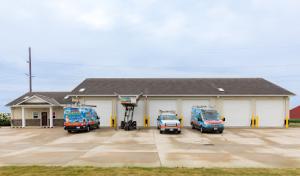
North Coast Roofing of Ohio
(419) 433-2059 www.northcoastroofing.com
3912 Tiffin Ave, Sandusky, Ohio
4.8 from 96 reviews
Founded in 2005, we are the areas leading roofing contractor serving Erie, Huron, Ottawa, & Sandusky counties. As your local roofing company we offer Lifetime architectural shingles like CertainTeed Landmark Pro, GAF Timberline HDZ, Owens Corning Tru-Definition Duration. Also standing seam metal, metal shingles, & gutters. We are the only local roofer that is CertainTeed Select Shingle Master & GAF Master Elite certified and offer the 5-Star Warranty & Golden Pledge Warranty ensuring premium protection and peace of mind for your roof investment. We strive to make your roof replacement experience pleasant. We provide free estimates & professional services for residential & commercial customers. Insured & A+ rating Better Business Bureau.
Firelands Home Improvments
3315 Bardshar Rd, Sandusky, Ohio
4.8 from 17 reviews
Residential Roofing, Custom roofing, Metal, Asphalt, E.P.D.M. I install most of the roofs for the contractors you pay top dollar to. Most if not all big roofing contractors sub contract the jobs to smaller companies like mine. Save money and cut out the middle man. Contact Firelands Home Improvement. Locally insured & Bonded WE LOVE WHAT WE DO.
All American Roof Pros
(419) 989-4480 allamericanroofpros.com
Serving
4.9 from 46 reviews
Established in 2018, All American Roof Pros is a local family and veteran owned and operated company with roofing experts that have decades of experience working within the industry and promise that Ohio's Best Roof is “The Last Roof You Will Ever Need.” We back that promise with a 12-hour guarantee that we will take care of any roofing issue within 12 hours of your initial contact.
Prestige Roofing & Construction
(419) 541-6527 www.facebook.com
Serving
5.0 from 17 reviews
Prestige Construction and Roofing is a locally owned and operated company based in Norwalk, Ohio. They specialize in residential and commercial roofing, siding, and general construction services. Known for their high-quality craftsmanship and commitment to customer satisfaction, Prestige Construction and Roofing has built a strong reputation throughout the Norwalk area. With experienced professionals and a focus on durability and aesthetics, they offer reliable solutions for home improvement and storm damage repair projects.
Horvath Roofing
(419) 656-7663 horvathroofinginc.com
Serving
4.7 from 230 reviews
Horvath Roofing is a roofing contractor in Northwest Ohio serving Huron, Sandusky, Port Clinton and nearby areas. Our roofing company offers residential roofing, commercial roofing, and asphalt shingle roofing, and more. We also specialize in insulation and gutter services. Customers love us because of our comprehensive roof warranties. We also have industry affiliations and certifications such as Owens Corning Platinum, GAF and CertainTeed. If you want to experience how your most trusted Northwest Ohio roofing company embraces our motto “Roof Roof How's Yours", call us now for a free estimate!

Roof Maxx of Elyria, OH
Serving
5.0 from 21 reviews
Roof Maxx® offers a revolutionary roof restoration service, providing an eco-friendly, cost-effective solution for extending your roof's life. Specializing in roof rejuvenation, our innovative treatment revitalizes aging shingles, ensuring they remain flexible and waterproof. Ideal for roofs over 7 years old, Roof Maxx's unique formula penetrates deep into shingles, restoring their original functionality. This process not only enhances roof durability but also postpones the need for expensive replacements. Our professional roof maintenance services further protect your investment, keeping your roof in top condition. Trust Roof Maxx for sustainable, efficient roofing solutions. Also offering roof repair and complete roof replacements.
Camp Construction
(419) 656-5495 campconstructionoh.com
Serving
3.9 from 22 reviews
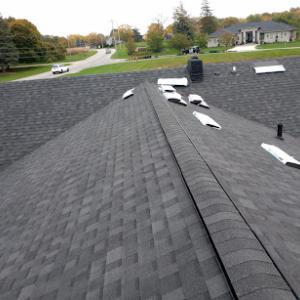
Camp Construction provides residential roofing, siding, and gutter services to ensure your home is always protected. With a variety of exterior services, we can transform your home in a way that is both attractive and dependable.
S & S Roofing
(419) 734-1572 www.sandsroof.com
Serving
4.3 from 18 reviews
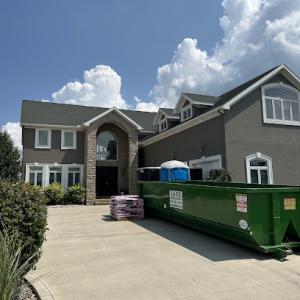
Best roofing contractor in Port Clinton, Ohio. Specializing in roof replacement, roof repairs, emergency roof repairs and gutter replacement.
Bo Lacey Construction
(800) 266-9916 www.bolaceyconstruction.com
Serving
5.0 from 171 reviews
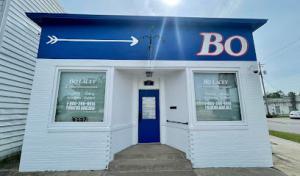
We are a full service, award winning exterior remodeling contractor located in Norwalk with offices local in Ohio. We are your #1 Ranked contractor in Huron County. Experience You Can Trust, Done Right and On Time.
Petrick Roofing & Remodel
(567) 424-0095 www.petrickroofing.com
Serving
5.0 from 4 reviews
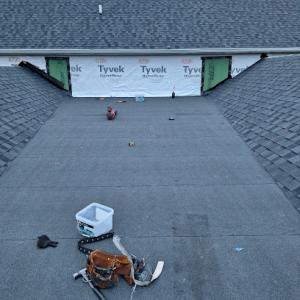
Petrick Roofing and Remodel brings quality roofing and remodel contracting. Our company is insured and available for all projects, large or small! Give us a call for your FREE ESTIMATE. Whether your home requires outdoor repair or inside updates give us a call at 567-424-0095, because "WE NAIL IT THE FIRST TIME" Brief Description of Our Available Services: New Construction Repair Gutters Wood Replacement Soffit Flooring Painting Installation Cabinets Ceiling Repair Door Replacement Sanding Staining PLUS MUCH MORE! Contact us!
Vodika Roofing & Maintenance
Serving
5.0 from 33 reviews
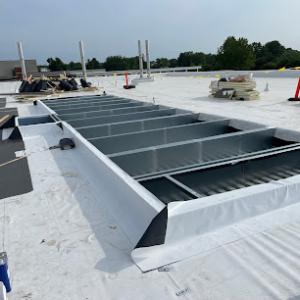
VODIKA ROOFING: Commercial Roofing Built on Trust and Faith. With 25+ years of experience in commercial and industrial flat roofing, we deliver solutions guided by our commitment to excellence and faith-based values. We believe in earning your business through superior quality, expert applications, and a full-service Maintenance and Repair department equipped for any need, day or night. We provide free commercial roof inspections to give you peace of mind that your investment is safe. Contact us to experience the difference genuine integrity makes.
Damschroder Commercial Roofing
(419) 556-6510 www.damschroderroofing.com
Serving
4.2 from 33 reviews
Damschroder Roofing is a full-service commercial roofing company in Fremont Ohio. We are dedicated to providing unsurpassed workmanship and expertise in commercial roofing and proactive maintenance and repairs. Our technicians are masters in the industry, and our customer service extends far beyond the completion of your roofing project. Offering top commercial roof repair, replacement, and other services covering all of the Tri-state area. If you’re looking for an experienced commercial roofing contractor who puts customer satisfaction before anything else then look no further than Damschroder! Contact us today for a free quote on your commercial roof repair or replacement needs.
Asphalt shingles remain the dominant practical choice for homeowners dealing with Lake Erie's shoreline exposure. In this climate, repeated winter freeze-thaw cycles and hot summer days put extra stress on the granules, and you may notice more rapid granule loss, curling, and the need for earlier replacement cycles than would occur farther inland. When choosing asphalt, look for thicker, validated Owens Corning/IKO-like products and consider a higher-quality underlayment and good ventilation to offset the melt-freeze cycle at the eaves and ridges. Your local crew will tell you that the best performance often comes from a shingle line engineered for windy exposure and moisture resilience, paired with proper attic insulation and intake-exhaust balance. Regular inspection after severe storms is essential, since wind-driven hail can loosen granules and expose the asphalt mat to UV and moisture sooner than expected.
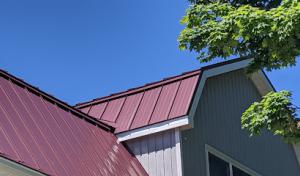
Metal and aluminum roofing are especially relevant here because local contractor activity shows a meaningful specialty presence, and these systems are often considered for durability in exposed lake-influenced conditions. Metal panels and standing-seam configurations resist wind uplift better than many other options and shed rain and snow efficiently, which matters during harsh springs and wet seasons. In Sandusky's climate, aluminum offers a lighter, corrosion-resistant alternative to steel, with favorable performance near the lakefront where salt spray and humidity are considerations. However, metal isn't a one-size-fits-all fix: ensure the system is properly sealed at transitions, flashings are continuous along all valleys, and roof-to-wall interfaces are designed to handle freeze-thaw movement without joint failure. A thoughtful choice of color can also help manage heat gain on hot summer days, reducing thermal expansion stresses on the panels. When a metal roof is well-installed, the combination of fast installation, low maintenance, and strong wind resistance can translate into longer intervals between major overhauls, particularly if a certified local contractor handles the job with lake-specific detailing.
Clay and concrete tile appear in the local material mix, but their weight and brittleness make structural suitability and freeze-thaw performance important considerations in this climate. The substantial weight imposes needs for a reinforced deck or truss system, and the weight becomes a particular concern on older homes or those with marginal framing. Freeze-thaw cycles can induce cracking in unvented or poorly drained systems, and exposed clay in particular can become brittle after years of sun and moisture cycling. If choosing tile, pay careful attention to the roof's slope, deck strength, and the ability to manage drainage so that standing water does not linger at eaves or on flat sections. In coastal-influenced conditions near Lake Erie, ensure flashing around chimneys, plumbing vents, and skylights is robust, and that expansion joints accommodate seasonal movement. Tile can deliver long lifespans in the right structural context, but installation quality and climate-aware detailing are critical to prevent early failure from freeze-thaw stress. When a Sandusky attic breathes well and the roof structure is reinforced for tile, these systems can offer a distinctive, durable option that handles wind and moisture with proper maintenance and inspection.
In this lakeside town, pricing is tightly tied to the square and the material chosen. Local pricing should be framed per square using the ranges: asphalt shingles 350 to 650, metal 500 to 1100, clay tile 900 to 1600, concrete tile 600 to 1100, synthetic/composite 450 to 800, and aluminum 600 to 1000. When a roof needs full replacement, the typical ballpark you'll encounter starts with the material cost per square and then adds labor, disposal, and any decking or flashing work. Because houses in this area often have varied roof lines and some older decking, actual totals frequently land higher than the basic material price alone.
Asphalt shingles are the most common choice up the hill from the lakeshore and still the most budget-friendly per square. Metal roofs show up more as a long-term, wind-tolerant option, and clay or concrete tiles can be found on a handful of bungalows and larger homes with a stronger curb presence. Synthetic/composite shingles offer a middle ground, while aluminum roofs sit in a similar range to metal but with different long-term durability. The key is to translate "per square" pricing into a real project estimate for your house, factoring in the roof's complexity and overhangs that Sandusky homes often feature.
In spring, when Erie County experiences a cluster of hail and wind events, schedules tighten and storm-driven demand climbs. That dynamic can push contractor calendars forward and compress supply, nudging prices higher than the base ranges. If a project is pushed into late spring or summer due to weather patterns, expect some premium for faster turnarounds and limited crew availability. Conversely, if work can be staged for calmer periods, there may be a modest opportunity to negotiate timeline-based savings.
Ice-dam damage, decking rot, or flashing issues that arise from freeze-thaw cycles near Lake Erie's shoreline commonly add to the bottom line. Each of those elements requires careful inspection and repair, which can push the project past the base material cost. If the existing roof carries unusual angles, dormers, or multiple ridges, the labor component will rise accordingly. It's also common for ventilation and insulation adjustments to surface during replacement, contributing to total project cost beyond the raw material pricing.
Don't let upfront costs delay a critical repair - these contractors offer payment plans to fit your budget.
A full roof replacement in Sandusky is treated with paperwork rather than as a simple maintenance item. This city context reflects the lake-facing climate realities and the need for formal oversight when replacing a roof that spans multiple seasons. If a full replacement is planned, expect that a building permit is required rather than a no-paperwork approach. The process ensures that the project meets local codes for roof assembly, ventilation, and energy efficiency, which are important given freeze-thaw cycles and lake-effect exposure.
The contractor handles the permit submission in most cases. The application is filed with the City of Sandusky Building Department and should include a clear project scope, the materials to be installed, and licensure information for the contractor or any subcontractors. It helps to have a detailed plan that notes ice-dam considerations, ventilation strategy, and the alignment with existing roof framing. This step should occur before any removal or shingle stripping begins, so a planned sequence is documented and approved from the outset.
Inspections are arranged through the City of Sandusky Building Department and occur during the work as well as after completion. Expect municipal sign-off as part of a full replacement. The inspector will verify that underlayment, fasteners, and ventilation meet code requirements and that the overall installation stands up to the region's spring wind events, moisture, and freeze-thaw cycles. Plan your project timeline around these inspections, and coordinate access to the attic and roof line for peeking behind the scenes checks. If an issue is found, address it promptly to keep the project moving toward final approval.
In Sandusky, hail and wind are the most relevant insured roof-loss triggers because spring storms are a recurring local damage source. Those events can leave visible impact on shingles, flashing, and vents, even when the overall roof looks intact from the ground. The challenge is that damage may show up gradually as granule loss or hairline fractures, making timely inspection essential after a storm. Insurance coverage in this area often hinges on catching the right kind of damage early, before it blends with normal aging or freeze-thaw wear.
Ohio insurers generally expect documentation such as photos, a clear loss description, and a contractor-prepared scope before approving hail or wind-related roof claims. Photos should capture when the damage occurred, close-ups of damaged areas, and the broader roof view for context. A concise description that ties the observed damage to a specific storm event strengthens the file. A contractor-prepared scope helps communicate exactly what needs replacement or repair, avoiding delays caused by vague or speculative requests.
Because freeze-thaw wear can exist alongside storm damage in Sandusky, homeowners need documentation that separates sudden covered damage from older age-related deterioration. Look for fresh impacts, displaced granules, lifted shingles, or damaged flashing that align with the storm timeline. Pair these findings with an independent inspector's note about existing wear patterns, so the claim clearly differentiates new damage from preexisting conditions. Keeping these records organized supports a smoother claims process and reduces the risk of coverage disputes when the claim is reviewed.
Connect with contractors who help homeowners navigate the claims process from damage assessment to final approval.
North Coast Roofing of Ohio
(419) 433-2059 www.northcoastroofing.com
3912 Tiffin Ave, Sandusky, Ohio
4.8 from 96 reviews
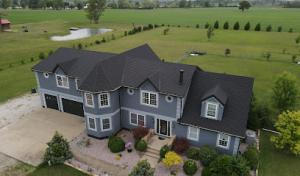
Ice damming is a named seasonal risk in Sandusky and is one of the most locally relevant causes of leak calls during cold-weather periods. When heat from the attic escapes to the roof, the snow melts near the eaves and refreezes at the overhang, creating a dam that backs water under shingles. That backflow can travel inward, dripping along ceilings and into walls. It's not just a nuisance-repeated freeze-thaw cycles quietly deteriorate roof deck, underlayment, and gaps around flashing.
Snow accumulation on roofs affects both roof condition and project scheduling, with winter work windows more limited than in warmer markets. Heavy snows slow inspections and repairs, while mid-winter thaws followed by sudden freezes can create fresh damming. If a leak shows up after a thaw, it may reflect damage done during the prior cold snap rather than the current storm. Plan for a window in late winter or early spring to evaluate dry conditions, verify attic insulation, and address problem areas before the next round of lake-effect storms.
Homes that already have vulnerable eaves, flashing transitions, or older shingle systems are especially exposed to leak development during freeze-thaw cycles. Aged shingles can allow meltwater to seep under edges, and poorly sealed flashing around chimneys, vents, and valleys invites water intrusion as ice forms. If you notice icicles forming along eave lines, damp ceiling patches, or attic condensation, treat it as a warning sign. Prioritize attic insulation and ventilation checks, remove loose debris from gutters, and schedule targeted inspections to head off escalating damage before spring winds and rain set in.
When you can't wait, these contractors offer fast response times to stop leaks and prevent further damage.
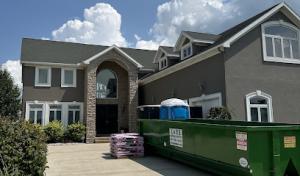
In this lake-influenced climate, skylight curbs and surrounding flashing are common weak points. Repeated expansion and contraction from freeze-thaw cycles, plus ice buildup, open leak paths where shingles meet the curb. Slender sealant joints and old cements tend to fail first after a harsh winter. Each spring, check the first few feet around the skylight for damp staining or granule tracking on shingles. If you see any moisture hook or frost-filled gaps, address them before a heavy rain. A properly flashed skylight should shed water uniformly; if you notice pooling on the curb or ice dams forming along the base, that's a sign the flashing or curb needs service.
Low-slope sections tolerate only a thin layer of water before leaks appear, and lake effect weather compounds that risk. Standing moisture in valleys, around penetrations, and at the edge of parapets is more common here than on steep roofs. In practice, that means more frequent ice buildup along transitional zones and greater chances of wind-driven debris forcing gaps open. Inspect the flat-to-slope transitions after storms, and look for soft decking under the low-slope area after heavy snow melts. When in doubt, treat any irregular moisture staining as a potential leak path rather than a temporary nuisance.
Schedule two focused checks each year: once after the snow recedes and once mid-summer when storms are fresh in memory. Focus on skylight flashing, curb integrity, stone ballast (if present), and any sealant around the base. For low-slope roofs, inspect seams, edge metal, and drainage scuppers for rust or macro-cracking. Clean debris that can trap moisture, and keep an eye on ice dam formation along the lower edge of the skylight well. If signs of seepage appear, don't delay.
If flashing shows separation, or you detect persistent dampness beneath shingles, bring in a local contractor who handles skylight and flat-roof work. The local market supports recurring service needs in these areas, so timely attention saves bigger repairs later.
Find contractors experienced in skylight installation, flashing, and leak repairs to bring natural light into your home.
The strongest local hiring signal is quick response, reflecting how homeowners value fast leak control and storm follow-up after wind, hail, and winter weather events. In practice, you notice crews that answer calls within hours, show up promptly for tarp and temporary fixes, and schedule inspections quickly after a storm. Rapid triage minimizes interior damage and buys time for proper replacement decisions. For a lake-exposed home, knowing a contractor can be at the house on short notice is more than convenience-it's a practical safeguard.
Re-roofing is more prevalent than niche new-build work in this market, so homeowners are often comparing contractors on replacement execution rather than design-build capability. That means focus on how the job gets planned, how the tear-off is managed, and how cleanup is handled. Ask for a written sequence of steps, a realistic schedule, and a clear warranty path. Local crews accustomed to Lake Erie's wind events tend to have established crews, better debris containment, and reliable haul-away practices.
Cleanup, insured status, and some manufacturer-certified presence matter in Sandusky, but the market appears more service-driven and response-oriented than dominated by large specialty firms. A responsible contractor carries liability and workers' compensation, protects your property with containment, and can document manufacturer-certified presence to signal product compatibility and access to warranty support.
When evaluating bids, prioritize references from storms similar to local lake-effect events, and verify follow-up service after the initial repair. Ask about storm-damage protocols, ice dam mitigation, and how inspections are scheduled after a severe winter or hail season. Winters can quickly expose weak points, so a contractor that documents exterior ventilation, attic insulation, and roof edge protection tends to deliver longer-lasting results.
In practice, homeowners benefit from building a relationship with a local team that understands late-spring to fall replacement windows caused by lingering debris and seasonal storms. Choose a crew that respects property, communicates clearly about delays caused by weather, and leaves a clean, dry attic space and a properly sealed edge trim. The right local partner blends responsive service with solid workmanship and realistic scheduling.
Get a clear picture of your project costs upfront - no commitment required.
North Coast Roofing of Ohio
(419) 433-2059 www.northcoastroofing.com
3912 Tiffin Ave, Sandusky, Ohio
4.8 from 96 reviews