
Last updated: Apr 19, 2026
Storm season here arrives with a sharp mix: brutal hail and straight-line wind from northeast Oklahoma storm systems, followed by days of attic heat that push roofs past comfort thresholds. The result is not just missing shingles on the street-the damage can hide in plain sight, especially where flashing meets the roof-to-wall interface, or where sealant laps have aged and lifted under pressure. This city endures a high-claim insurance environment, and losses routinely trigger documentation requests and post-storm roof evaluations. When spring severe weather arrives, the risk compounds quickly: a single hail event can break the surface and, unseen, compromise underlayment, drip edge, and attic ventilation pathways. In practice, this means a rapid, targeted response is not optional-it's essential to protect your home from progressive water intrusion and escalating interior damage.
The moment the storm passes, treat your roof as a time-sensitive component of your home. A fast, strategic response reduces the chance of leaks and secondary damage. If you notice moisture on ceilings or damp patches in an attic, act immediately to shut off affected areas and minimize interior exposure while you arrange help. Do not delay securing a temporary tarp for exposed sections; even a light check from the ground can identify shingles that have fractured or curled, but hidden flashing failures often require an up-close inspection to confirm. In Sapulpa, where wind uplift can peel layers without obvious surface loss, every storm leaf-strewn morning deserves a careful walk-around of the ridge line, intersection valleys, and chimney flashing. The goal is to prevent a small leak from turning into a stubborn, costly water intrusion problem that disrupts living spaces or, worse, compromises insulation and drywall.
Clear documentation matters more here because post-storm claims routinely trigger requests for outdoor and interior evidence. Start with timed photos that capture the whole roof from multiple angles, including the attic hatch, soffits, drip edges, and any visible flashing. Take close-ups of hail impact marks, loosened or curled shingles, and areas where granules have washed away-these hints can be key when the adjuster reviews the claim. Keep a simple repair log: dates of storms, any temporary repairs, and communications with your insurance carrier. If debris blocked a downspout or created gutter overflow, document that as well. When speaking with the insurer, reference the storm characteristics typical for this area-hail size, wind direction, and duration-as a way to frame the damage in the context of your policy's terms. Expect requests for follow-up evaluations; prompt, organized responses can keep the claim moving and prevent delays that stall repairs.
In this market, storm-damage specialists dominate the local contractor landscape. Look for teams that emphasize post-storm assessment and claim support in their track record. The best responders will offer a swift on-site assessment, a transparent plan for temporary fixes if needed, and a clear, documented path to a permanent roof replacement if warranted. Reviews in the surrounding neighborhoods consistently highlight the importance of choosing a contractor who communicates anticipate issues-particularly flashing and leak-prone seams-and who can align the roof replacement plan with your insurer's scope. Verify that the contractor is comfortable coordinating with the adjuster, has proven methods for protecting interior space during work, and can provide a diligent cleanup to avoid debris migration into the yard or gutters. In practice, a trustworthy local contractor becomes a partner, not just a service provider, guiding you through the claim process and ensuring the roof system restores resilience against the next spring squall.
After the immediate flood of requests and evaluations subsides, focus on fortifying the roof against the next round of hail and wind. Consider how flashing details, sealants at penetrations, and attic ventilation performance contribute to wind uplift resistance and water shedding. Regular inspections following major storms help catch creeping damage before it escalates, and a proactive maintenance plan can reduce claim friction if another event hits. In this market, a routine, preventative mindset translates into fewer surprises during the next insurance review and a more predictable path to a durable, weather-ready roof.
Find local contractors experienced in assessing and restoring roofs after hail, wind, and severe weather events.
Metalsbetter Roofing & Sheet Metal
(918) 633-7663 www.metalsbetter.com
508 E Dewey Ave, Sapulpa, Oklahoma
5.0 from 55 reviews
Red Dirt Roofing & Construction
(918) 804-4094 www.rdroofingok.com
Sapulpa, Oklahoma
5.0 from 7 reviews
Metalsbetter Roofing & Sheet Metal
(918) 633-7663 www.metalsbetter.com
508 E Dewey Ave, Sapulpa, Oklahoma
5.0 from 55 reviews
We are pleased to be a full-service roofing company providing all roofing systems for today’s home and business owners. Our name may say “Metalsbetter” but that certainly does not mean “metal only”. We love metal roofing but have installed hundreds of traditional roofing systems. We offer competitive pricing and quality craftsmanship, in fact, we are known for it. There are an increasing number of options for roofing systems and we provide homeowners with multiple options such as a side-by-side comparison of metal vs. shingle. This allows the customer to see the facts when considering what system they prefer in style, price, and benefits.
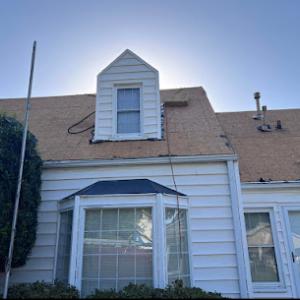
Red Dirt Roofing & Construction
(918) 804-4094 www.rdroofingok.com
Sapulpa, Oklahoma
5.0 from 7 reviews
Red Dirt Roofing & Construction is a locally owned roofing and exterior contractor serving Sapulpa, Tulsa, Glenpool, Sand Springs, Jenks, Bixby, Kellyville, and nearby Oklahoma areas. We specialize in roof repairs, full replacements, storm and hail damage restoration, metal roofing, siding, gutters, soffit, fascia, and emergency leak services. We provide free roof inspections, clear communication, quality materials, and dependable workmanship built for Oklahoma weather. Call today for fast, reliable roofing and exterior service you can trust. Serving Sapulpa, Kellyville, Bristow, Tulsa, Glenpool, Jenks, Bixby, Drumright, Mannford, Sand Springs and Surrounding. 918-804-4094
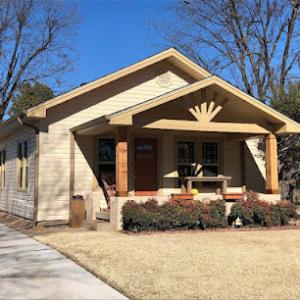
Horizon Roofing & Exteriors
Sapulpa, Oklahoma
5.0 from 6 reviews
"We are so much more than just a roofing company!"

Elevated Commercial Services Roofing Contractor
(918) 994-0228 www.elevated.services
19 N Park St, Sapulpa, Oklahoma
5.0 from 5 reviews
Elevated Commercial Services provides TPO, PVC, Modified Bitumen, and Elastomeric Coatings for commercial roofing, as well as Metal Roof and Wall Panels Systems, Architectural panels, Rain Screens, and Insulated Wall Panels. We serve Tulsa and the surrounding areas, Oklahoma City, Norman, West Arkansas to Little Rock, South Kansas, and South Missouri. Our team offers comprehensive solutions tailored to your needs, from regular inspections and maintenance to emergency repairs and full roof replacements. Contact us today for exceptional roofing and exterior building envelope solutions.

A G Roofing
25405 OK-33, Sapulpa, Oklahoma
5.0 from 2 reviews
A G Roofing provides roofing installation and roofing repair services to the Sapulpa, OK and surrounding areas.
Native Roofing
(918) 552-0655 nativeroofingok.com
Serving
5.0 from 360 reviews
Native Roofing + Construction is a locally owned roofing company serving Tulsa, Broken Arrow, Bixby, Jenks, Owasso, Sapulpa and nearby communities. We provide residential and commercial roofing services including inspections, leak repairs and full replacements backed by strong warranties and certified workmanship. As a Native American owned business, we value honesty, quality and clear communication. We offer free inspections, help with insurance claims and treat every home with care.
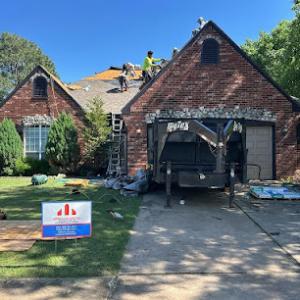
American Capital Roofing & Construction
(918) 902-2277 www.oklahomaroofpros.com
Serving
4.9 from 60 reviews
American Capital Roofing & Construction offers residential and commercial roofing services, including roof repairs, reroofing, roof inspections, and roofing for new custom homes, to the Oklahoma City and Tulsa Metro areas and beyond.
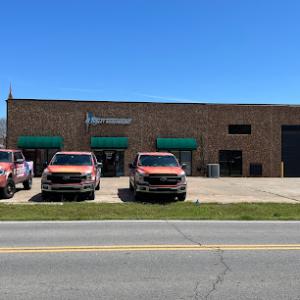
R Turley Roofing - Tulsa Roofing
(918) 813-1334 rturleyroofing.com
Serving
4.9 from 417 reviews
R Turley Roofing - Tulsa Roofing is your premier choice for top-notch roofing needs at 531 West H St Suite E. Recognized among the best roofing contractors, we specialize in comprehensive residential roofing services and are leaders among commercial roofing companies. Our expert team offers reliable roof repair services, including emergency roof repair and detailed roof leak repair. Whether you need roof replacement services or precision roof installation services, we've got you covered. We ensure your roof’s longevity with our roof maintenance services and thorough roof inspection services. Trust R Turley Roofing for quality and reliability you can count on.
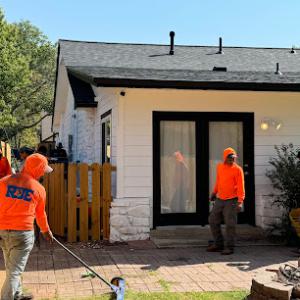
RBE Roofing & Construction
Serving
5.0 from 79 reviews
RBE Roofing and Construction is a locally owned roofing company in Tulsa, OK, proudly serving Tulsa and surrounding areas. We specialize in residential and commercial roofing, seamless guttering, and general construction. As trusted roofing contractors Tulsa homeowners rely on, our expert team provides free inspections and helps with every step of the insurance claim process—from damage assessment to meeting with adjusters and ensuring smooth project completion. We install all types of roofing systems and offer Class-rated shingles that may qualify for discounts. Most projects are completed in one day, with thorough cleanup and customer satisfaction. For reliable roofing companies Tulsa trusts, choose RBE Roofing—your trusted Tulsa roofer.
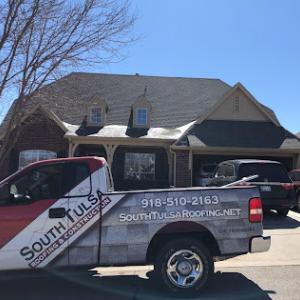
South Tulsa Roofing & Construction
(918) 510-2163 southtulsaroofing.net
Serving
4.8 from 16 reviews
Roofing Contractor ,roof repair, Tulsa's best roofer, Tulsa roofer, Jenks roofer, Bixby roofer South Tulsa Roofing

HCS Roofing & Restoration
(918) 876-3344 www.hcsroofingandrestoration.com
Serving
4.8 from 85 reviews
The premier roofing and restoration solution to your home or business. Our team is ready 24/7 to provide integrity, craftsmanship and results. When you choose HCS, you get a team of experts that go above and beyond to care for your home with integrity, quality workmanship, and unparalleled results. We don’t start our work until we have a solid understanding of your goals and we don’t end our job until you’re 100% satisfied. We proudly serve Tulsa and the surrounding areas as a licensed, insured, bonded roofing and restoration company available 24/7. Whether you’re facing minor damage to your home or total disaster restoration, HCS has you covered from start to finish.
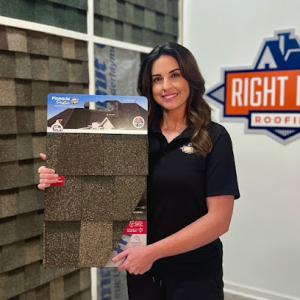
Right Now Roofing & Solar - Tulsa
Serving
4.9 from 94 reviews
Right Now Roofing & Solar – Tulsa, OK Your trusted local experts in residential & commercial roofing and energy-efficient solar solutions in Sand Springs, OK. We Specialize In: - Roof Repairs & Replacements - Asphalt Shingle, Tile, Metal, & Flat Roofing - Solar Panel Installation - Storm Damage Restoration & Insurance Support - Siding & Gutter Installation Whether you need a quick fix, a full roof replacement, or want to power your property with solar, we’re committed to completing every project with care and precision. Our Tulsa team combines top-quality materials with expert craftsmanship to deliver lasting results - backed by manufacturer warranties. Contact Right Now Roofing & Solar today for fast, reliable service you can count on.
Replacements are typically best scheduled in spring or fall to dodge the peak heat of summer and the more uncertain winter weather. In Sapulpa, the shoulder seasons bring moderate temperatures that help the roofing crew work steadily without forcing rapid on-the-deck decisions to beat the heat. Planning a spring or fall project also means fewer weather-induced delays and more predictable access to the attic and roof surface for inspections, underlayment, and ventilation adjustments. If a hail or wind event creates urgent damage, use those windows to align a quick-start plan with daylight, calm winds, and a dry forecast, then lock in the crew before the next round of storms.
Summer heat in this part of Oklahoma accelerates asphalt aging and can slow installation on exposed roof decks. Hot afternoons bake shingles and underlayment, making the roof feel like an oven and the install pace creep. A practical approach is to target mid-mate mornings for the bulk of shingle work, with crews pausing during the hottest hours. Roof ventilation becomes more than a box to check; it directly influences heat buildup under the deck and the long-term performance of the new roof. If asphalt is the chosen material, expect a slightly longer schedule in the height of summer, and plan for temporary ventilation checks and moisture management to prevent heat-related decking damage.
Winter freezes and occasional ice can complicate installs and extend project timelines, even though winters are not as severe as farther north. In Sapulpa, those cold snaps can disrupt torch-down or adhesive-based tasks, slow nail placement, and complicate sealant work. When a winter window arises, preparedness matters: protect exposed areas from moisture infiltration on days above freezing, and coordinate with the crew to use temporary coverings during overnight cold spells. If possible, choose a window that avoids the night-to-day freeze-thaw cycle risk, which can affect shingles and underlayment integrity. Expect a need for additional drying time and more frequent inspections if temperatures flirt with the lower end of the range.
Storm damage, insurance documentation, and fast leak response are the lead topics for this area. After a hail or wind event, the priority is to reduce interior exposure while awaiting a final roof installation. Schedule a preliminary assessment as soon as feasible, document damage with clear photos, and establish a plan to cover active leaks temporarily if needed. In Sapulpa, storm seasons can cluster, so coordinating with a roofing crew that can mobilize quickly helps minimize additional interior damage and keeps the reroof on track. A rapid-response mindset means flagging damaged areas, securing tarps, and setting expectations for weather-driven adjustments in the installation timetable.
Ultimately, the best reroof timing balances weather patterns, material behavior, and the urgency created by storm damage. You want a window that minimizes heat-related slowdowns, avoids the worst of winter freezes, and allows a steady crew pace from first lift of shingle to final sealant. Create a flexible schedule that builds in potential delays from heat spikes or cold snaps, but also allows the project to proceed without unnecessary interruptions when a favorable stretch appears. Communicate clearly with the contractor about preferred start dates, anticipated daily progress, and backup plans for hot afternoons or frosty mornings.
Asphalt shingles are a dominant roof type in this area, and that familiarity comes with a unique set of challenges. In Sapulpa, hail bruising is a frequent concern, and granule loss from repeated hail impacts can accelerate aging of the roof surface. The heat of Oklahoma summers also drives faster wear, especially on darker shingles that absorb more sun. When evaluating an asphalt roof, you'll want to visually inspect for bruising, curling edges, and granule shedding after hail events, and plan for more frequent maintenance or early replacements if the roof has been through several severe storms. A practical approach is to track storm damage promptly after storms, document suspect areas, and consider protective measures like upgraded shingles with higher impact resistance if you're in a wind-prone neighborhood or an alley with frequent hail events. In this climate, the realistic life cycle of asphalt shingles hinges on how well the roof keeps debris out of the valleys and how effectively heat is managed around attic ventilation.
Metal roofing is common in this market because it handles repeated wind and hail exposure differently than shingles. It tends to shed hail better and resist granule loss, which translates to fewer visible signs of surface damage following a hail event. However, detailing at fasteners, flashing, and penetrations matters a lot in storm-prone conditions. In Sapulpa's wind corridors, ensure that fasteners are secure and that flashing is consistently sealed to prevent wind-driven leaks. Pay particular attention to edge trims and transition zones around chimneys and vent pipe penetrations, where a loose seal can become a leak path after a heavy rain. While metal roofs offer excellent durability, improper installation or aging sealants can undermine performance during a severe Oklahoma storm, so proactive inspection after major hail events is a smart habit.
Tile, wood shake, and synthetic/composite roofs appear in the Sapulpa material mix, but each carries trade-offs you'll want to weigh carefully. Tile systems provide excellent longevity and a distinctive look, yet impact exposure and the weight load require careful structural assessment; a heavy storm can compromise a system if the roof wasn't designed for it, and repairability after Oklahoma storm events can be limited by the fragility of certain tile types. Wood shakes offer natural beauty but can be susceptible to hail impact and weather-induced cracking, as well as maintenance challenges in a climate with strong sun and humidity swings. Synthetic or composite shingles aim to blend resilience with versatility, yet performance varies by product; some emulate traditional shingles well but may behave differently under repeated hail exposure and heat cycles. In all cases, confirm the roof's ability to resist impact, evaluate potential interior leak risks from fastener or flash line failures after a storm, and consider a professional inspection right after a damaging event to pinpoint weaknesses before further weather arrives.
Sapulpa cost ranges run about $350 to $700 per square for asphalt shingles, $700 to $1200 for metal, $900 to $1800 for clay tile, $800 to $1500 for concrete tile, $500 to $900 for wood shingles or shakes, and $450 to $900 for synthetic or composite shingles. When a hail or wind event hits, roofs in nearby neighborhoods often shift from normal sales to surge pricing quickly. That means a contractor may start with a ballpark and then adjust as crews schedule becomes tighter and material shipments lag for a few days. In practice, a homeowner paying attention to the storm window can avoid some of the worst of this by planning ahead for the most common material choices and confirming a firm price in writing before work starts.
Storm-driven surges in demand can push reroof pricing upward when many homeowners are replacing roofs after the same hail or wind event. In Sapulpa, this is especially true after large hail days when referrals flood in and crews chase quick turnovers. The best defense is a documented estimate from a reputable local contractor, plus a clear schedule that captures who is doing the work and when. If the roof is visibly damaged and leaks begin, a temporary patch can buy time and keep secondary damage from creeping in until the chosen material gets delivered and the full deck is ready for replacement. Expect a few days to weeks of variability after a major hail blitz, depending on crew availability and the size of the storm's footprint.
Project timing affects local pricing because spring and fall are preferred replacement seasons in Sapulpa, while summer heat and winter weather can reduce crew efficiency and extend schedules. Hot July days slow crews, shorten shingles' seal time, and raise the chance of weather interruptions. Fall brings cooler temperatures and steady scheduling, often giving crews a tighter but more predictable window. If a storm hits in late spring or early fall, anticipate potential backlogs; plan for a window rather than a single date. Coordination with insurance, material delivery, and permit-driven timelines can influence both cost and timing.
Get a clear picture of your project costs upfront - no commitment required.
Metalsbetter Roofing & Sheet Metal
(918) 633-7663 www.metalsbetter.com
508 E Dewey Ave, Sapulpa, Oklahoma
5.0 from 55 reviews
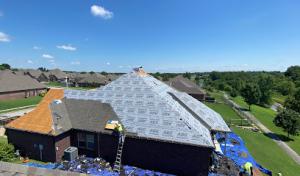
Reroof projects in this area typically require a building permit through the City of Sapulpa Building Department. The process starts with understanding that the permit isn't just a box to check; it guides the work to meet local code, venting, and flashing requirements that keep roofs performing through hot summers and hail seasons. Before any nails go in, confirm with the Building Department whether your project needs a permit based on roof type, scope, and any structural work. Keeping a clear line of communication with the permit office helps avoid delays that can arise from missing paperwork or misunderstood code expectations.
Before work begins, prepare a concise project scope that outlines the roof's extent, underlayment, flashing details, vent placement, and the chosen roofing materials. Sapulpa's process emphasizes documenting the materials to be used, so include brand names, shingle or panel types, color selections, and any vents or fans being installed or relocated. Submitting this information for review allows the Building Department to verify that the planned system aligns with local wind and hail considerations, attic ventilation needs, and proper flashing around soil stacks, chimneys, and skylights. If storm damage is involved, include photos and notes about existing conditions to support a smooth review. Having the submittal ready and accurate helps prevent back-and-forth requests that can slow the project once crews are onsite.
Inspections occur in two critical milestones. First, a post-installation inspection ensures the roof has been installed to code, with attention to deck integrity, proper nailing patterns, underlayment, and edge details. A key focus in this area is verifying that venting and flashing are correctly placed and sealed to stand up to the region's hail exposure and heat. The inspector will check that attic ventilation is adequate and that penetrations are flashed to prevent leaks. The final completion inspection confirms that all permit conditions are satisfied and that the roof system, plus any related code-required components, is fully compliant. Keep nearby all installation records, product approvals, and any contractor notes so the inspector can verify the correct materials and methods were used. If adjustments are needed, address them promptly to keep the project moving toward final approval.
Because Oklahoma is a frequent hail and wind claim state, Sapulpa homeowners may face more insurer scrutiny than in lower-risk markets. After a storm, you can expect adjusters to question the true condition of a roof, especially if it's older or made from materials that aren't considered top-of-the-line for the area. That means every step of the claim-documenting damage, presenting the roof's age and history, and choosing a replacement path-needs to be handled with care. A rushed or incomplete submission can slow repairs and leave you negotiating from a weaker position.
In this market, insurers often want a detailed before-and-after narrative of your roof, not just photos of the latest hail hit. Take clear, timestamped photos from multiple angles, focusing on granule loss, chipped edges, and any soft spots or water intrusion visible inside the attic or ceilings. Note the age of the existing roof and any prior repairs. If shingles or tiles show bowing, curling, or missing sections, capture those specifics too. The more precise your documentation, the less room there is for dispute when the adjuster reviews the file.
Sapulpa policyholders should expect requests for detailed estimates, photos, and post-event evaluation reports after storms. Get estimates from reputable local roofers who understand the regional weather patterns and the likelihood of hail damage on common Sapulpa roofing styles. Your insurer may require an independent evaluation; be prepared to share both the insurance estimate and the contractor's cost assessment. Keep copies of every communication-emails, letters, and notes from phone calls-so you can track progress and respond quickly if questions arise.
Some insurers have tightened underwriting in high-risk Oklahoma areas, making roof age, condition, and material choice more important when replacing a Sapulpa roof. If you're facing a replacement decision, you'll want a solid, weather-appropriate choice that aligns with the insurer's expectations for long-term performance. Be mindful of shortcuts or marginally aged components that could trigger additional scrutiny or reduced claim support. A careful, well-documented approach helps protect your home and your claim settlement.
During reroofs, inspectors look for more than neat shingles. They verify that venting paths and roof flashing are in place and properly integrated with the new surface. In this market, a small mismatch around a vent boot or a flashing corner can become a flag-worthy workmanship issue. If venting isn't seated correctly, attic moisture can back up into the decking, inviting mold or wood decay that you'll notice long after the crew has left. The message is simple: these details aren't cosmetic; they are the frontline between a dry attic and an ongoing drip.
When a storm rolls through, Sapulpa's wind-driven rain can exploit even minor flashing defects around chimneys, skylights, and vent stacks. A fast breeze can push rain horizontally along roof planes, finding any crease or seam that isn't sealed perfectly. The result isn't always dramatic at first glance-a quiet drip in the attic can be the visible tip of a larger problem. If you notice damp spots near transitions or a damp ceiling after a storm, treat it as a warning sign rather than a routine nuisance. Prompt attention to these vulnerable points saves more extensive repairs later.
Autumn winds bring a mix of leaves, dirt, and small branches that accumulate in valleys and around edge vents. Sapulpa roofs often develop moisture pockets where debris traps moisture, especially on older installations or near roof-to-wall transitions. If maintenance is delayed, that buildup can corrode flashing, clog drainage, and create localized leaks that widen with every season's swing. Regular cleanup and rapid response to any staining or soft spots around these areas helps prevent bigger trouble after the next wind or hail event.
Your approach should be proactive: after storms, inspect around penetrations and transitions for lifted shingles or loose flashing. Keep valleys and gutters clear to reduce standing moisture. If a leak appears, address it quickly with a temporary, safe remedy to slow interior damage while arranging a proper fix. In this climate, small issues can escalate quickly, so timely attention matters more than you might expect.
Find contractors experienced in skylight installation, flashing, and leak repairs to bring natural light into your home.

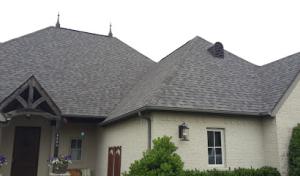
Flat and low-slope roofing is an active specialty in the Sapulpa market even though the city is primarily residential reroof-focused. After storms, low-slope sections often need different repair or restoration strategies than steep-slope shingle roofs. This section lays out practical paths for that niche, grounded in the local climate, hail exposure, and attic heat cycles.
When a hail or wind event hits, inspect low-slope areas first, especially around transitions, edge details, and any vent penetrations. Look for blistering, granule loss, soft spots, or staining on interior ceilings near the roofline. In Sapulpa's heat, sun-driven deterioration can accelerate the need for timely upkeep, so document any changes within a few days of a storm and note sun exposure on the affected sections.
For eligible low-slope roofs, consider restoration strategies that focus on preserving the existing system. Surface cleaning to remove debris, followed by targeted sealant or fabric reinforcement can buy time on aging membranes. If the original membrane shows consistent bulging or seam failure, a partial overlay or patching of compromised sections is often more practical than a full tear-off. In Sapulpa's context, stable areas may tolerate a careful, professional reseal while heat cycles continue to play a role in material performance.
Coatings appear as a smaller but real local specialty. A reflective, elastomeric coating can reduce heat buildup and extend service life on eligible low-slope roofs. Ensure the coating is compatible with the existing membrane, and verify surface prep requirements. Coatings are most effective on roofs that have no advanced delamination and good substrate integrity.
Establish a routine for quarterly checks after storm seasons, focusing on seam integrity, edge flashings, and penetrations. Keep drainage clear and verify that any patchwork remains watertight through seasonal temp swings. Document changes with photos and note any new signs of distress for future planning.
Find specialists in TPO, EPDM, and built-up flat roofing systems for residential and commercial properties.
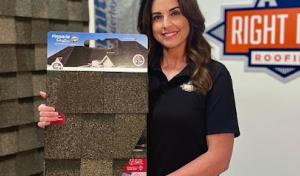

In this market, quick response, reroofing, and cleanup are the priorities homeowners mention after hail and wind events. Late-night leaks or rising attic heat spike quickly during Sapulpa summers, so a roofer who can show up fast and handle debris removal promptly makes a real difference. Look for crews that spell out same-day or next-day arrival as part of their storm service.
Residential work dominates the area, but there is still a meaningful commercial contractor presence. Favor a residential-focused firm if your project is a home and you want project management that keeps siding, gutters, and attic venting aligned with the new roof. Check how long the company has been active locally, and whether staff have experience with common local shingle and metal systems that endure hot attic heat and hail.
A smaller share of contractors market themselves as long-established, family-owned, or locally owned-and that distinction matters. Local operators typically provide steadier warranties, clearer communication, and longer-term follow-up after a storm. Be wary of crews that show up with aggressive marketing, vague timelines, and unclear paperwork. Ask for local references and verifiable projects completed in the neighborhood.
Request a written project outline that includes debris cleanup, haul-away plans, and a defined project timeline. Confirm the crew's capability to coordinate roof replacement with any adjacent exterior work so the job proceeds without leaving sections exposed. On-site assessments should identify hail-dail damage, wind-driven uplift risks, and age-related vulnerabilities common to Sapulpa-style storms. A practical roofer will provide a candid assessment, a reasonable schedule, and a clean, documented handoff upon completion.