
Last updated: Apr 19, 2026
McMinnville sits in the Willamette Valley, where the seasonal pattern of wet winters followed by dry summers drives how reroof projects must be scheduled. The valley's moisture swings mean that a roof tear-off and installation headline a narrow dry installation window. Winter storms and heavy rainfall can drag work days, expose exposed decking to moisture, and push projects into a damp environment that slows progress and risks long-term performance if moisture is allowed to penetrate between layers. Understanding this window helps homeowners align material delivery, crew availability, and weather forecasts so the roof replacement progresses efficiently from first tear-off to final detail.
In practice, local crews look for a stretch of dry, relatively mild days without persistent rain to begin and complete a re-roof. A dry installation window is typically preferred locally because winter storms and heavy rainfall can delay tear-off and increase moisture exposure during the project. The window can shift each year, but a clear target is a block of consecutive dry days in late late-fall through early spring, with peak activity aimed at early-fall or late-summer when a lull in harvest-related delays exists. When planning, consider how a quick, clean tear-off reduces the exposure risk for attic spaces and interior ceilings. If the forecast shows rain coming in within a few days of the planned start, it's smarter to postpone the tear-off rather than race to beat the weather, because each day of lingering moisture can complicate underlayment protection and ventilation setup.
Fall wind and rain in the valley can complicate scheduling and leave roofs exposed to debris and moisture if projects run late. In practice, roofing crews in McMinnville will target a firm start or finish date before the onset of storm season. Debris, leaves, and windborne dust can accumulate on exposed decks, gutters, and newly installed layers if a project slips into winter conditions. So, a steady pace with predictable progress is preferred, even if it means adjusting material orders or contingency plans for a later start date. If a fall storm edge appears imminent, crews may accelerate the tear-off and underlayment phases while dry weather persists, then pause for any lingering moisture before applying the final shingles or metal panels. The goal is to complete the more moisture-sensitive phases before the first serious wet spell, then finish the cosmetic and detailing work during the later dry days if possible.
Wet-winter planning focuses on moisture management from day one. Proper ventilation, a well-sealed underlayment, and a careful staging of bundles to minimize contact with rain are essential. The willamette valley climate makes attic and roof deck ventilation particularly important to avoid trap moisture, which can compromise decking, insulation, and roof penetrations. If any rain is forecast during tear-off, the crew should have a plan to cover exposed areas promptly and to prevent standing water on sheathing. Temporary covers and drip edge protection help minimize moisture intrusion during short rain bursts. During installation, a dry, stable surface underlayment and a weather-tight roof system are prioritized, with fasteners and sealants chosen for the local humidity and mild but persistent rainfall typical of winter months. The result is a roof that can shed moisture efficiently while the interior remains dry and protected.
A strong approach in this climate is to reserve the hottest, driest part of the late summer and early fall for major reroofs whenever possible. Dry summer conditions allow for more predictable shingle alignment, faster nail penetration, and reduced risk of moisture-driven delays. If a late-summer start is practical, it allows the project to progress through the bulk of underlayment and shingle installation before fall tends to bring wind-driven debris and pre-winter storms. The aim is to finish critical weather-sensitive steps well before the onset of the rainier months, leaving the final detailing, gutter integration, and cosmetic touches for the tail end of dry-season windows. This staggered approach helps ensure a durable, well-ventilated roof that holds up through a Willamette Valley winter.
In this region, the Willamette Valley's wet-winter pattern isn't just a backdrop-it reshapes every reroofing decision. The heavy, prolonged exposure of autumn and winter drives moisture deep into attic spaces if a roof isn't paired with effective ventilation and a robust underlayment system. When moisture lingers, it can corrode underlayment, invite mold and mildew, and reduce the drying potential that keeps roof assemblies healthy through repeated cycles of damp weather. The risk isn't theoretical here: the valley's humidity profile magnifies the consequences of any lapse in moisture management, turning a routine reroof into a slow-burn maintenance issue that surfaces only after the next cold, damp spell.
Inspectors in this market are trained to look closely at underlayment and ventilation at final inspection, and for good reason. If the attic isn't adequately vented or if the underlayment isn't compatible with the roof design, moisture can migrate into framing or between layers, quietly undermining the roof's long-term performance. This isn't about cosmetic flaws at the ridge vent; it's about the integrity of the roof system when the Willamette Valley winter arrives with its usual intensity. The final checks for underlayment seams, fastener patterns, and ventilation balance aren't perfunctory steps-they're a practical hedge against lingering dampness that can show up as peeling interior paint, musty odors, or compromised attic insulation.
Homes reroofed with a ventilation plan that doesn't align with the roof's geometry are more likely to trigger inspection issues. The Willamette's wet-season reality means attic air needs a clear, well-planned path to exit without creating condensation hotspots or dead air pockets. If the new roof geometry alters airflow paths, the ventilation details must be recalibrated to maintain continuous air exchange. A design mismatch here isn't a minor aesthetic concern; it's a moisture risk that can become a structural problem over multiple damp seasons. Contractors who anticipate this nuance learn to model airflow in tandem with the roof's new shape, ensuring soffit intake, ridge exhaust, and mid-roof vents cooperate rather than compete.
You should treat attic moisture control as a first-order design constraint, not an afterthought. During planning, verify that the chosen underlayment is appropriate for the valley's wet winters and the roof's slope, and confirm that the ventilation strategy accounts for the roof's geometry and any changes in layout. If the project involves changing roof lines, look for adjustments to attic vents, gable vents, or mechanical exhaust routes that sustain a steady, dry circulation through the attic space. Communication between the roofing crew and the insulation or HVAC teams is essential so that no damp corner or hidden vent gets overlooked as the project progresses. In the end, a careful, climate-aware approach preserves not only the roof surface but the integrity of the entire attic assembly across Willamette winters.
You'll find asphalt shingles remain the dominant local choice, reflecting the practical balance between performance in wet winters and a broad installation window during the dry spells. In McMinnville's Willamette Valley climate, asphalt sits at the lower end of the cost spectrum and aligns well with the typical reroof market here. When planning a renewal, consider how the material's installation sequence pairs with a narrow dry window, ensuring rain doesn't interrupt the process and that ventilation remains part of the plan to manage moisture once the new roof is in place.
Metal roofs are a common sight and a sensible pick for homeowners who want durability through repeated wet seasons without sacrificing ventilation and drainage efficiency. The metal option tends to involve a higher upfront material and installation effort, but its performance characteristics-snappy shedding of moisture and robust longevity-can be a strategic fit when timing around the valley's wet months matters. If you anticipate higher humidity levels or want enhanced attic ventilation compatibility, metal can align with those goals while preserving the roof's long-term integrity.
Clay tile, concrete tile, synthetic/composite shingles, and slate are present in the local material mix, but heavier systems can complicate reroof planning when homes were originally built for lighter coverings. If considering a heavier option, expect a closer look at the roof frame, decking, and attic support to ensure the structure can handle the weight without compromising framing or ventilation. For older or more modestly framed homes, lighter-weight alternatives may reduce retrofit demands while still delivering durable protection against the region's wet winters.
Given the Willamette Valley pattern of wet winters and dry summers, emphasis on moisture management during installation matters as much as the choice of material. Adequate roof ventilation must be part of the plan, especially if upgrading to a system with higher insulation or denser underlayments. Proper ventilation helps control condensation risks inside the attic space once the reroof is complete and supports the roof's overall performance across seasonal shifts.
When weighing options, consider how each roof type interacts with common local construction practices, including typical attic layouts and decking conditions found in the area. Asphalt shingles are easy to integrate with standard framing and ventilation, while metal options can offer longer service life with favorable performance during repeated wet seasons. If a homeowner is drawn to heavier materials, verify compatibility with the existing structure and plan for any necessary improvement work to avoid future maintenance concerns.
Washington Roofing Company
(503) 472-7663 washingtonroofingcompany.com
Serving
3.9 from 42 reviews
At Washington Roofing Company, we’ve built our reputation on our commitment to integrity, loyalty, quality, and building relationships. We’re proud to deliver superior roofing services and high-end, long-lasting results to businesses and homeowners throughout Oregon. Our excellence is highlighted by our comprehensive safety policy, environmental and social sustainability practices, outstanding communication, and personalized service. Our goal is to provide state-of-the-art roofing products and technology to meet the needs of our clients. We’re committed to designing and delivering custom solutions for both new construction projects and existing properties. You’ll love our work…
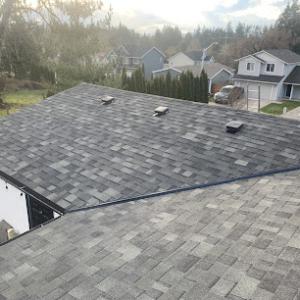
Maddox Roofing & Construction
(971) 241-0778 maddoxroofingconstructionllc.square.site
Serving
5.0 from 14 reviews
Maddox Roofing and Construction specializes in all types of Residential and Commercial Roofing repairs, tear-offs, and complete roof replacement. Family owned and operated, with over 15 years of experience - we can handle almost all composition, metal, or shake roofing repairs or re-roofing projects, using high quality materials, and trusted methods. We really care about our customers. We also specialize in many other home improvement needs, including siding, decks, fences and remodel. When you get an estimate from us, you will meet the owner of our company, and be able to have all of your questions answered by one of the most qualified and experienced contractors in Yamhill County.
Optimus Construction
(503) 883-9597 optimusroofing.com
Serving
4.9 from 52 reviews
Optimus Construction, LLC provides roofing, siding, and deck services to the McMinnville, OR area.
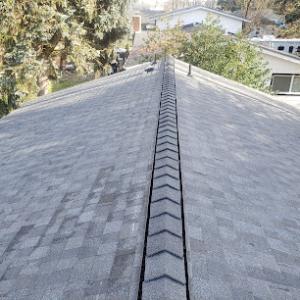
Topline Roofing & Construction
Serving
4.7 from 13 reviews
Topline Roofing and Construction strives to provide customers with the best quality and workmanship. With over 15+ years of experience, we take pride in our work. Give us a call for a free estimate!
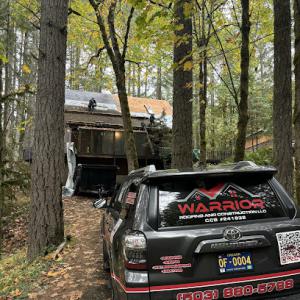
Warrior Roofing & Construction
(503) 880-5798 www.instagram.com
Serving
5.0 from 9 reviews
Warrior Roofing is a family-owned and operated company built on integrity, hard work, and over 15 years of hands-on roofing experience. Every member of our roofing team has extensive experience in the trade and takes pride in delivering quality craftsmanship on every project. We provide dependable residential and commercial roofing services, specializing in steep roofing, flat roofing systems, repairs, and preventative maintenance. Our approach is straightforward — honest assessments, clear communication, and work done right the first time. When you hire Warrior Roofing, you’re working directly with experienced professionals who stand behind their work and treat your property with care and respect. Contact us today for a free estimate!
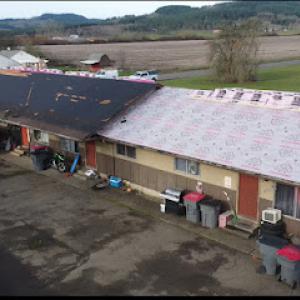
Delta Roofing
(971) 716-0470 deltaroofllc.com
Serving
5.0 from 11 reviews
At Delta Roofing we specialize on roof replacement, repairs and maintenance.
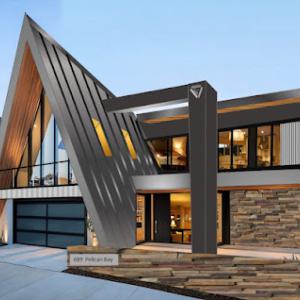
Swedenborg&Finch
(503) 853-1396 swedenborgandfinch.org
Serving
5.0 from 11 reviews
Roofing Contractor: CCB 232674 General Contractor: Professional Installation of: Asphalt Architectural Shingles Metal Roofing Membrane Flat Roofing Tile Roofing Structural Roofing Repairs Perform or hire most portions construction work; roofing, framing, electrical, plumbing, concrete, drywall, siding, etc. AutoCAD software: Develop construction drawings (drafting services) for interior residential or commercial remodeling. Priority One: safety on the job site. Our Best Customers? Our Employees. Strong Relationships, Collaboration, Design, Build.
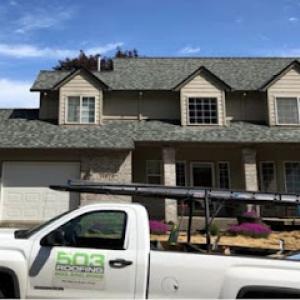
503 Roofing & Construction
(503) 550-2062 www.503roofing.com
Serving
4.8 from 71 reviews
503 ROOFING is a residential roofing contractor with over 20 years experience
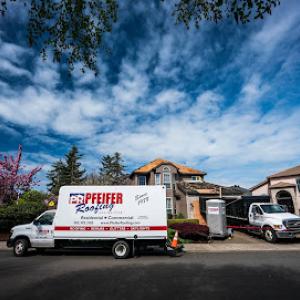
Pfeifer Roofing
(503) 393-3185 www.pfeiferroofing.com
Serving
4.8 from 503 reviews
Pfeifer Roofing is a family-owned roofing business operating in the greater Willamette Valley since 1978. As certified roofing contractors, we work with all types of buildings, including residential homes and commercial buildings. Our expert crews are ready to install, replace, or repair your roof today!
Dylan's Quality Roofing & Construction
(503) 800-8238 www.dylanroofing.com
Serving
4.9 from 34 reviews
Welcome to Dylan's Quality Roofing & Construction, where expertise meets excellence in every project. With over 20 years of experience, our dedicated team specializes in Roofing Repairs, Roofing Replacements, Flat Roofs, Leaky Windows, and Siding Installation. As a trusted name in the industry, we take pride in delivering top-notch craftsmanship and unmatched service to enhance the durability and aesthetic appeal of your property. From fixing leaky roofs to complete replacements, our seasoned professionals bring a wealth of experience to ensure each project is executed with precision and quality.

A&L Roofing
(503) 371-0179 www.alroofingsalem.com
Serving
5.0 from 166 reviews
A&L Roofing - Servicing Salem, Keizer, and all of the Willamette Valley. Call to schedule a new roof estimate today.
OR Advanced Roofing
(971) 375-2644 oradvancedroofing.com
Serving
4.9 from 75 reviews
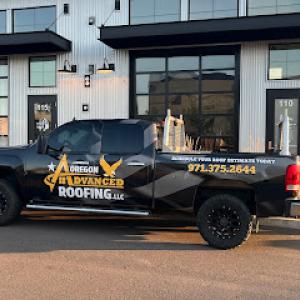
With a commitment to excellence and unwavering attention to detail, OR Advanced Roofing, a family-owned roofing contractor, proudly serves Salem, Portland, and Vancouver, WA. Their skilled team specializes in tailored residential roof replacement, repair, and new gutter installation or replacement. As certified Owens Corning Preferred and IKO RoofPro contractors, they ensure every project meets the highest standards of craftsmanship and durability. Their mission is to provide top-quality roofing solutions to protect your home or business with lasting confidence.
When you price a reroof, start with the local material ranges you'll encounter. Asphalt shingles in this area typically run from about 350 to 700 USD per square. If you're leaning toward metal, plan for roughly 900 to 1400 USD per square. Clay tile commonly lands between 1200 and 2400 USD per square, while concrete tile sits around 1000 to 2000 USD per square. Synthetic or composite shingles pull in at about 500 to 900 USD per square, and slate can range from 1500 to 4000 USD per square. These numbers reflect the Willamette Valley's mix of homes, from modest ranches to more complex rooflines, and they're the best starting guide for budgeting.
In a place with a narrow dry installation window, costs can rise when homeowners try to compress work into the peak of favorable weather. You'll often see higher labor bids or expedited schedules as crews juggle deadlines, which translates into higher overall cost. If your roofing crew has to gather permits, order special materials, or lay out temporary protections during the wet season, those factors push up the price further. The practical takeaway: plan for a realistic schedule that avoids peak pressure periods, even if that means waiting a couple of weeks for a drier spell. The calendar matters here, and so does coordinating with the crew to minimize callbacks caused by unexpected weather.
Projects that alter roof geometry or add complex details tend to cost more in this market. The city and local installers sometimes require additional documentation or installation notes to clearly show how the new roof will be installed. That extra step can add to both material and labor expenses. If you anticipate a retrofit, dormers, skylights, or multiple ridges, expect a step-up in cost beyond the base material price. Being clear on the scope early helps keep surprises to a minimum and aligns timing with the valley's typical weather patterns.
When planning a full reroof, the project typically requires a building permit through the City of McMinnville Building Department. This ensures that the work meets local codes, safety standards, and the Willamette Valley climate realities-especially the emphasis on moisture management during wet winters and the timing considerations for dry summer installation. The permitting process helps document underlayment choices, ventilation schemes, and fastener patterns that are suitable for the specific roof geometry of your home.
Applications can be submitted online or in person at the Building Department office. Before submitting, gather documentation on the chosen roofing system, including underlayment type, ventilation details, and any plan notes or manufacturer installation instructions that apply to your roof's layout. If the roof geometry involves unusual hip-and-valley configurations or changes to roof pitch, expect the city to request additional notes or plan details to confirm compliance with installation standards. The online portal provides checklists to help ensure all required information is included.
After completion, a final inspection is required. Local inspectors verify that the underlayment is properly installed for the valley and eave intersections, that the ventilation strategy is in place and functioning as intended, and that nailing patterns follow the manufacturer's guidelines and code requirements. They may compare actual installation to plan notes and to installed materials to confirm conformity with the approved permit. If the project includes deviations from standard roof geometry, inspectors may request manufacturer installation instructions or additional plan notes to validate the approach.
Coordinate timing with the dry-season window when possible, so moisture intrusion is minimized during installation and inspection windows are clear. If an on-site alteration is proposed after permits are issued, notify the Building Department promptly, because changes to roof geometry can trigger the need for updated plan notes or additional documentation. Keep copies of all permit approvals, installation instructions, and any correspondence with the inspector, as those documents help verify compliance during the final review and any potential future home resale.
Spring hail events are a named seasonal risk locally, often landing after a wet winter when roofs are already stressed by moisture. In the Willamette Valley, wind season can arrive suddenly, lifting edges, loosening shingles, and nudging minor flaws into costly leaks. The combination of lingering moisture and a sudden storm makes May and early June a critical time to assess and address roof vulnerabilities before new precipitation sets in.
If damage is suspected, you must photograph the roof from ground level and with a ladder only if safe. Capture close-ups of dented metal, torn shingles, lifted tabs, and granule loss, then wide shots of any visible leaks inside the attic or ceiling. Do not rely on temporary tarps alone; plan for a proper evaluation by a licensed contractor within days if possible, since wet conditions can mask the true extent of damage and delay repairs.
Oregon insurers often want photos, documentation, contractor estimates, and confirmation of material warranties. Keep a dated file of all damage reports, repair plans, and communications. If an early spring storm has compromised your roof, gather documentation before any temporary fixes obscure the underlying issues. A clear, timestamped record helps ensure the claim reflects the actual condition rather than the post-repair appearance.
Timing matters in this climate. After a wind or hail event, the window to secure a solid claim and begin repairs is narrow, especially when lingering winter moisture lingers. Prioritize a fast, documented assessment, and coordinate with your contractor to align repairs with the dry spell opportunities before the next wet pulse.
Dry, hot summer spells in McMinnville can stress shingles even though the city is better known for wet winters. During peak heat, asphalt and composite shingles absorb sun and cook the underlayment, which can accelerate aging if ventilation isn't balanced with roof venting. That same summer period that offers the best installation weather can also reduce daily working windows during hotter stretches, forcing crews to pause for safety and material protection.
Heat tightens and expands roofing materials, pushing fasteners and seals to work harder. In sun-baked afternoons, brittle shingles or misaligned tabs can start to lift if attic intake and exhaust ventilation isn't adequate. In McMinnville, the mix of dry air and lingering valley humidity can create condensation pockets under the deck if the attic isn't properly vented. Proper attic ventilation becomes a practical win, not a luxury, for long-term shingle life.
Homeowners planning replacement in McMinnville need to balance the preferred dry season against heat-related scheduling slowdowns. Plan a window early in the season when a sequence of mild days reduces heat stress but still reaches that dry, wind-cleaned condition. If a heat wave stretches across the planned roof work, anticipate temporary pauses for safety and material handling, and coordinate shade and water availability for workers.
Coordinate with the roofer to set a staggered install plan that avoids peak afternoon heat, and prioritize ridge and vent placement to maximize cooling capacity. Ensure soffit, gable, and attic vents are clean and unobstructed before work starts. On hot days, ask for longer breaks, protective coverings for underlayment, and shaded staging areas. After installation, confirm that the roof breathes properly with balanced exhaust and intake to mitigate heat buildup for the hottest weeks.