
Last updated: Apr 19, 2026
Newberg sits in a damp Willamette Valley pocket, where wet, cool winters leave roofs with persistent damp surfaces. That moisture feeds moss and mildew between replacements, especially on shaded hillsides or homes with mature trees overhead. You'll notice moss can take root not just on the roof face but along roof-to-wall junctions and near gutters where splashback lingers. This cycle tends to push aging signs forward: once moss gets established, it traps moisture longer, softens shingle edges, and accelerates coating wear. Understanding this cycle helps you plan and time replacements so the roof can dry out adequately between layers of work.
homeowners in Newberg often plan replacement work from late spring into early fall because the city's relatively dry summer stretch reduces weather delays and helps crews keep tear-off areas exposed for less time. In practical terms, that means aligning your project with the season when rain likelihood is lowest and days are longer. If you're approaching a typical 15- to 25-year shingle cycle, map your preferred replacement month to a window when moisture is lower and access compression on the job is minimized. The goal is to keep tarps, underlayment, and deck exposure to a minimum, so the crew can move quickly and leave the site secure before nightfall.
Between significant damp spells, even minor wear-unsealed fasteners, loose flashing, or small gaps-can become active leaks once winter returns. In practice, this means you should monitor your roof after heavy rains dip into late autumn and again after the first thaw of spring. If you see dark staining, surface algae, or soft spots near valleys, flashing, or eaves, treat them as early warning signs. In Newberg's climate, those signs often precede material failure by a season if left unchecked. The moss itself isn't the only culprit; its moisture-trapping habit amplifies any existing drainage or flashing weakness.
To slow the cycle, you'll want to stay ahead with a proactive maintenance routine. Each dry-season year, inspect and remove surface moss from the most sun-exposed slopes first, then extend treatment to shaded faces where moss persists. Clean gutters to prevent water backup that can force moisture under edges. Address minor drainage issues promptly: verify that slopes shed water away from fascia and that downspouts route flow away from foundations. A focused, yearly refresh of flashing around chimneys, vent pipes, and transitions reduces the chance that a late-winter or early-spring storm turns a small issue into a leak before access to the main season.
Plan around a late-spring start date to maximize dry weather exposure and minimize tear-off time. If a leak is already present during winter rain, prioritize a temporary fix that protects interior spaces while a full replacement is scheduled for the dry window. In Newberg you can expect a longer-acting solution to moss-related deterioration if you address both the surface and the underlying drainage path. The aim is to keep your roof in a state where the wet season won't push minor problems into costly repairs, and to ensure that once the season starts, the project proceeds with as little weather-induced delay as possible.
In Newberg, late spring through early fall is typically the preferred installation window because crews face fewer rain interruptions than in winter and early spring. This seasonal rhythm matters for choosing the best re-roof window because the timing influences how much moisture can penetrate under the new roof and how quickly adhesive or integrated underlayment systems set. If you aim to minimize re-work, plan for a stretch when the Willamette Valley humidity is manageable and temperatures aren't repeatedly driving condensation behind the sheathing. The window also aligns with fewer calls from neighbors after a storm, helping your crew keep debris and tarps under control as the neighborhood houses transition into the dry season.
A key factor driving the choice of roof system in this area is moss growth and moisture management. The approach you take with a re-roof window should address not just the top surface but the underlayment and ventilation around vent stacks, chimneys, and dormers. Moss loves consistent moisture, and that means substrates can age more quickly when they stay damp. Selecting materials that resist moss holdover or that shed moisture effectively, and pairing them with proper attic ventilation, can slow deterioration and extend the life of the roof line around skylights or the re-roof transitions. In practice, this means considering products with robust water runoff, compatible sealants, and a tight, corrosion-resistant flashing system that can hold up to repeated exposure to dew and mist during the wet months.
The region's typical roofing materials-whether asphalt shingles, metal, or concrete/ceramic tiles-each interact differently with a re-roof window. Asphalt shingles offer straightforward compatibility and straightforward flashing options, but the added weight and expansion needs of metal or composite windows require careful detail work around flashing, drip edge, and gasket integrity. For metal roofs, the expansion and contraction with heat can alter sealants around the skylight frame, so a window system with integrated thermal breaks and a flexible, weather-tight seal is advantageous. If clay or concrete tiles are part of the roof, the window installation must accommodate tile-cutting margins and tile-to-flashing transitions that resist moss retention. The goal is a flush, continuous barrier that prevents moisture migration from the outer roof edge into the attic and living spaces.
Summer heat in Newberg is usually drier but can still affect handling and expansion of metal and composite products during installation. When planning the re-roof window, coordinate with crews to minimize long exposure to direct sun on sensitive sealants and adhesives. Heat can cause sealants to cure too quickly or unevenly, so timing the work for the cooler parts of the day or a shaded portion of the roof can improve seal longevity. Afternoon heat can also create glare that complicates flashing alignment, so steady, early-day sessions are often preferable for precision around openings.
After the installation, continuous moss management remains part of the equation. Regular clearing of debris near the skylight and the roof's ridge line reduces moisture retention that feeds moss. Treat the surrounding shingles with moss-safe products according to manufacturer guidance, and keep the area around the re-roof window clear of overhanging branches that shade the install and reduce drying efficiency. A well-sealed skylight installation in this climate should resist wind-driven rain and provide reliable insulation, but annual checks of flashing joints, sealant beads, and step-flashing integrity around the window are prudent practice to protect the interior from moisture intrusion.
503 Roofing & Construction
(503) 550-2062 www.503roofing.com
8075 NE Dog Ridge Rd, Newberg, Oregon
4.8 from 71 reviews
503 ROOFING is a residential roofing contractor with over 20 years experience
All About Roofs
(503) 538-5066 www.allaboutroofsllc.com
2505 Portland Rd #102, Newberg, Oregon
4.1 from 28 reviews
All About Roofs provides residential and commercial roofing services to the Newberg, OR area.
Roof Maxx of Tualatin
Serving
5.0 from 16 reviews
Roof Maxx® is a scientifically formulated and 100% safe, plant-based roof rejuvenating spray treatment that was developed by renowned scientists from the world’s largest private research and development company. Roof Maxx of Tualatin also provides flexible financing options through Wisetack and Advancial Credit Union.
Advanced Roofing Technologies
(503) 339-7234 artroofingor.com
Serving
5.0 from 21 reviews
Advanced Roofing Tech is the premier roofing contractor in the Willamette Valley for over 20 years. We provide both commercial and residential roofing installation and repairs, painting, siding, windows, doors, and attic ventilation repairs.
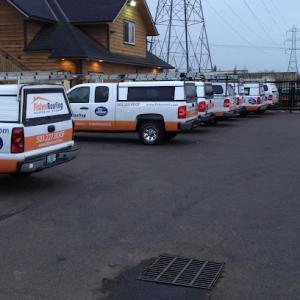
Fisher Roofing
(503) 227-7663 www.fisherroof.com
Serving
4.8 from 238 reviews
Fisher Roofing has the most experienced roofing crews in the Portland area. We never use roofing subcontractors and hold to the highest levels of professionalism.

Guardian Roofing, Gutters & Insulation
(503) 299-1260 www.guardianroofing.com
Serving
4.9 from 427 reviews
Since 2005, Guardian Roofing, Gutters & Insulation has been the trusted partner for top-of-home solutions in Wilsonville, OR, and throughout the Pacific Northwest. With nearly two decades of experience, our award-winning team specializes in roofing, roof repair, gutter installation and repair, K-Guard clog-free gutter systems, masonry, and attic insulation. As an Owens Corning Platinum Contractor—an honor held by only 1% of roofing contractors nationwide—we offer unmatched craftsmanship and extended warranty protection for the life of your roof. Every project is driven by honesty, precision, and a commitment to doing it right the first time. Schedule your service today and experience the Guardian difference!
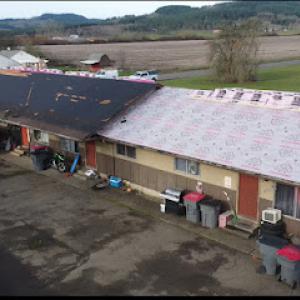
Delta Roofing
(971) 716-0470 deltaroofllc.com
Serving
5.0 from 11 reviews
At Delta Roofing we specialize on roof replacement, repairs and maintenance.
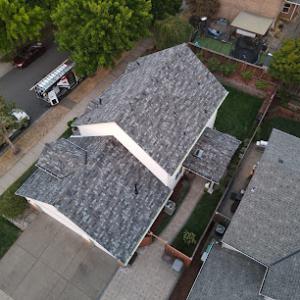
Powerful Roofing & Construction
Serving
5.0 from 66 reviews
Powerful Roofing & Construction is a local family owned and operated business in Wilsonville, Oregon. Powerful Roofing is owned by Maria Vega and Diego Arechiga who both are dedicated and driven individuals. Their goal is to provide excellent facilitating customer service and quality work. Their hopes are to continue to connect with the community and demonstrate that Powerful Roofing is mastered in Interior/ Exterior construction services. If you are in the process of looking for a local contractor to guide you through a roof replacement or a home repair, Powerful Roofing Family is prepared to help through this process. Powerful Roofing is ready to provide a complimentary assessment.

Exterior Care Pdx
(503) 925-3907 www.exteriorcarepdx.com
Serving
5.0 from 91 reviews
Exterior Care Pdx provides roof replacement, repair and maintenance, deck services, concrete services and pressure cleaning and 24-hour emergency service to the Tualatin, OR area.
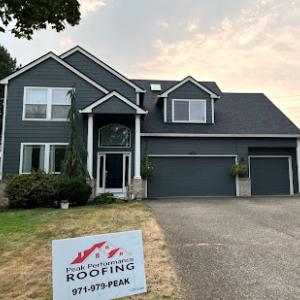
Peak Performance Roofing
(971) 979-7325 peakperformanceroof.com
Serving
5.0 from 206 reviews
Peak Performance Roofing is a local, family-owned business specializing in full replacements of roofing, siding, and windows, as well as exterior painting. We proudly serve Portland and it’s surrounding areas.
Ckb Services
(971) 444-2121 www.ckbservicesllc.com
Serving
5.0 from 200 reviews
CKB SERVICES specializes in roof installation and repair. We also offer an array of roof cleaning and moss removal, but we also offer a variety of exterior and interior cleaning services. Every job is an opportunity to establish a new relationship, showcase our talents, and solidify our position in the community as a reliable roofing and cleaning company. We respond quickly to customer requests, for estimates and job starts. We have earned our great reputation for the exceptional services we provide and attention to detail. We also paint all types of projects — interior and exterior residential, commercial, public, and industrial buildings.
United Construction & Roofing
(971) 379-7163 www.unitedconstructionroofing.com
Serving
5.0 from 78 reviews
United Construction & Roofing are trusted Beaverton roofing contractors specializing in expert residential and commercial roofing services throughout the Portland Metro area. We specialize in roof installation, repair, replacement, and maintenance for asphalt shingle, standing seam metal, and TPO roofing systems. Whether it’s a roof leak repair, storm damage restoration, or a full roof replacement, our team delivers professional service that is fast and reliable. We prioritize quality craftsmanship, exceptional customer care, and durable results for every project. That’s why so many property owners turn to us when searching for top-rated Beaverton roofing companies that truly stand apart. Contact us today to schedule your free consultation.
Asphalt shingles dominate the local scene because they fit the city's large re-roof market and a broad range of residential budgets. You'll see them on everything from small bungalows to bigger Craftsman-inspired homes. In the Willamette Valley's damp climate, you'll want a sealed, preferably architectural or laminated profile that provides better wind and moisture resistance. Installers often pair asphalt with moisture barriers and ridge ventilation to mitigate moss growth and slow aging. When choosing colors, look for lighter tones that reflect summer heat, but still blend with older neighborhoods where clay-and-earth tones are common. If you're replacing a roof that has moss or lichen starting to take hold, consider a shingle with a longer warranty and a better algae-resistant rating to extend the interval before a full replacement is needed.
Metal is common enough in Newberg to matter on mid- to high-end renovations, especially where owners want longer service life and a lighter roof deck load. Metal panels handle the valley moisture well, and fast installation reduces exposure to wet weather. The practical caveat is summer expansion and contraction during the warmer dry season. In practice, that means you should ensure proper panel spacing, secure fasteners, and appropriate seam details to avoid panels shifting or buzzing in dry heat. Choose exposed-fastener or concealed-fastener systems based on local roof pitch and the existing look you want to preserve. For style compatibility with older homes, a standing-seam option can mimic traditional lines while delivering modern performance. Adequate underlayment and sealing around penetrations keeps moss and moisture from creeping under the edges over time. Regular inspections after hot spells help catch any sealant or gapping issues before they become leaks.
Newberg's housing stock includes wood shakes, clay tile, concrete tile, and synthetic options, so replacement decisions often involve matching older roof styles found across established Yamhill County homes. Wood shakes bring a natural look and good insulation, but require more maintenance in a moss-prone climate and a higher canopy moisture environment. If you're leaning toward wood, plan for periodic cleaning and a moss-control strategy to extend the interval between treatments. Clay and concrete tile deliver a distinctive, long-lasting profile but can be heavy and may demand structural assessment to prevent deck sag over time. Clay's color choices work well with traditional neighborhoods, while concrete tiles offer a broader palette and potential for mixed-hue designs. Synthetic shingles bring a low-maintenance alternative that can imitate wood or tile textures while resisting moss buildup; a good option when trying to preserve a historic appearance without the heaviness of real tile.
The valley climate means moisture-driven aging is a primary factor in decisions about full replacements. If moss is spreading quickly, or if shading from deciduous trees creates persistent damp patches, you may see accelerated wear on shingles or underlayment. In practice, plan replacements around the drier late spring through early fall window to minimize moisture intrusion and maximize ventilation during installation. When evaluating materials, choose products with moss and algae resistance ratings, and consider installation methods that maximize airflow at the ridge and eaves. Regardless of material, periodic inspections after wet winters help identify early signs of moisture damage or moss infiltration, guiding timely maintenance before a complete roof overhaul becomes necessary.
In this valley town, a full roof replacement typically starts with a building permit from the City of Newberg before any work kicks off. Leaving permit duties unchecked can mean delays, stop-work orders, or penalties that interrupt your project during the driest part of the season. The city's pace tends to align with the late spring through early fall window, but that timing does not excuse skipping the administrative step. If the project team asks you to skip permitting to save time, clock the risk and insist on proper channels.
During the replacement, inspections are a normal and expected part of the process. The building department generally requires at least one or more inspections as framing, underlayment, and ventilation components are installed, then again as the roof is sealed and finished. In Newberg, weather-driven moisture and moss pressure make every stage critical; an inspection ensures that underlayment overlaps are correct and that attic ventilation meets current code expectations. Plan for these visits by coordinating access to the attic and roof lines, and keep a copy of your permit and approved plans handy for the inspector's review.
A final inspection seals the project. It confirms that the new roof is properly installed, that venting is unobstructed, and that no structural modifications were left unsupported or inadequately documented. A smooth final pass reduces the risk of later issues tied to roof leaks or ventilation problems, especially important in a wet Willamette Valley environment where moisture can accelerate aging if detailing is off.
When submittals go in, expect plan notes that cover underlayment type and placement, venting strategy, and any structural modifications tied to the re-roof. The city may require documentation showing the specific underlayment, the number and placement of vents, and any changes to roof framing or decking to support new materials. Having these notes prepared in advance helps prevent back-and-forth with the permitting office, reducing the chance of weather-driven delays once the project begins. In practice, timely, thorough submittals keep the project moving through the Newberg approval process without costly pauses.
In this wet Willamette Valley climate, roofs in Newberg age differently than inland areas. Moss and persistent moisture shorten shingle life and push many homeowners toward full replacements rather than gradual repairs. You'll often see aging asphalt, metal, or tile roofs hit the point where a full re-cover is cleaner and longer-lasting than patchwork. The drier late spring through early fall window remains the practical time to plan and execute a replacement, especially when weather fronts stay away from prolonged wet spells.
For asphalt shingles, costs in Newberg run from 350 to 650 USD per square. This material choice remains common on a wide mix of Newberg homes, particularly those with standard roofing decks and modest structural upgrades. If moss pressure is light and decking is solid, asphalt can be a straightforward replacement. Expect that moisture exposure over years will influence underlayment and nail-guard considerations, which can nudge the project a notch higher on the price scale.
Metal roofing ranges from 700 to 1200 USD per square and offers strong resistance to thermal cycling and moss persistence when installed with proper ventilation. Clay tile, at 1000 to 1700 USD per square, and concrete tile, at 900 to 1600 USD per square, bring long-term durability but also heavier decking and careful roof-penetration work. If your roof reveals moss with surface wear or tiles that have spalled from repeated wet-season cycles, metal or tile can be a favorable long-term replacement, though initial costs will reflect the material's heft and install complexity.
Wood shingles or shakes run from 700 to 1400 USD per square, a choice that brings natural aesthetics but greater maintenance in damp climates. Synthetic or composite shingles come in at 500 to 900 USD per square and can balance durability with lower weight and moss resistance. In Newberg, where moisture and moss are real factors, synthetic products often provide the best compromise between lifespan and upkeep.
As moisture promotes faster aging, the decision to replace often hinges on achieving a dry, uninterrupted installation window. Pricing reflects not only material but the labor needed to address deck moisture, proper underlayment, and potential additional replacement of damaged sheathing. In this market, you'll see the most predictable outcomes by aligning your project with a dry-season schedule and selecting materials that balance moss resistance, longevity, and upfront cost.
In a Willamette Valley climate like Newberg's, wind-driven rain and spring storm activity are the real claim triggers, not a flashy hail pattern like in interior markets. The sequence often starts with a wind gust that loosened shingles, followed by moisture that seeps into softer spots. Keep an eye on attic signs and exterior gaps after any notable wind event.
Because damp air blurs the line between sudden storm damage and long-term deterioration, documentation right after a wind or leak event is especially important. Take clear photos from multiple angles, capture any visible granule loss or lifted shingles, and note dates of weather events. Collect basic roof-only estimates for quick reference, and store them with your records in case an adjuster needs them.
Oregon insurers serving this area commonly require photos, estimates, and adjuster review, and roof age can affect both claim outcomes and ongoing eligibility. Early, thorough documentation helps establish a solid timeline and supports whether damage is storm-related or routine aging. Be prepared to provide roof condition notes from a trusted contractor.
Because Newberg's damp climate can mimic slow leaks as well as sudden breaches, an inspector will assess moisture patterns, roofing transitions, and flashings. If a leak follows a wind event after a dry spell, treat it as a potential storm-related claim, but recognize that persistent moisture over time can complicate the picture.
Move quickly to minimize interior damage: capture the current state, protect exposed areas, and avoid delaying a professional roof assessment. Coordinate with your insurer early in the process, and rely on a local, experienced roofer who understands how moisture behaves on Newberg roofs year after year.
Connect with contractors who help homeowners navigate the claims process from damage assessment to final approval.
503 Roofing & Construction
(503) 550-2062 www.503roofing.com
8075 NE Dog Ridge Rd, Newberg, Oregon
4.8 from 71 reviews
All About Roofs
(503) 538-5066 www.allaboutroofsllc.com
2505 Portland Rd #102, Newberg, Oregon
4.1 from 28 reviews
Skylights are a frequent source of trouble in Newberg's contractor market, where flashing and curb details matter more than fringe issues. In wet winters, misfit flashing around a skylight can show moisture creeping into the roof deck long before shingles fail. When inspecting, look for rust or staining at the curb, loose or missing sealant, and any movement in the skylight frame. If you notice condensation between panes or water staining near the skylight edge after a rain, plan for resealing or flashing upgrades. In practice, the curb should be integrated with a continuous drip edge and properly sealed with a compatible, long-lasting sealant to withstand repeated freeze-thaw cycles.
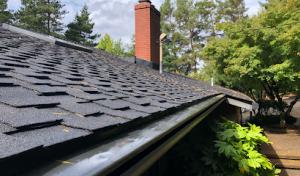
Chimneys and where masonry meets roof sheathing are common leak points in older homes. In Newberg's drizzle-heavy climate, small cracks around mortar joints or where chimney flashing meets shingles can leak during the wet season. Inspect the step and counter-flashings at the chimney, as well as the boot at any vented chase. Look for hairline cracks in mortar, spalling brick, or loose shingles adjacent to the chimney. If deterioration is visible, prioritize flashing replacement and resealing the joints to reduce recurring leaks before larger roof areas are affected.
In the rainy season, failures around penetrations-skylights, chimneys, vent pipes-often become visible well before widespread field-shingle failure. Noticeable signs include damp ceilings below, damp attic vents, or staining along ridge lines near penetrations. Such symptoms indicate that the flashing or installation details around the penetration have weakened. Addressing flashing, sealant degradation, or improper slope at these points can prevent more extensive roof damage from developing during wet months.
Plan targeted inspections after the wettest stretches and before the spring lull. Emphasize penetration points during walk-arounds: skylights, chimneys, vent pipes, and roof-to-wall transitions. Prioritize repairs that restore a continuous weather barrier around these features rather than postponing until broader shingle deterioration appears. A proactive approach keeps moisture intrusion from compounding on aging roof systems in this climate.
Find contractors experienced in skylight installation, flashing, and leak repairs to bring natural light into your home.
503 Roofing & Construction
(503) 550-2062 www.503roofing.com
8075 NE Dog Ridge Rd, Newberg, Oregon
4.8 from 71 reviews
All About Roofs
(503) 538-5066 www.allaboutroofsllc.com
2505 Portland Rd #102, Newberg, Oregon
4.1 from 28 reviews
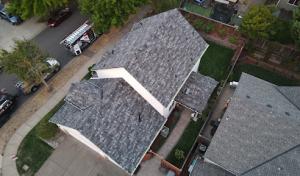
Flat and low-slope roofing is active enough in Newberg to warrant separate attention, especially on additions, garages, and mixed-roofline homes. The Willamette Valley moisture cansometimes drive quicker wear on these sections, so drainage and waterproofing deserve deliberate planning. When a main pitched roof is updated, the adjacent low-slope areas often inherit the same aging pattern, so treat transitions as integrated parts of the whole roof system rather than afterthoughts.
Winter rain and wet leaves can overwhelm narrow drains and parapet edges, making slope and drain placement more critical than on steeper main roofs. A practical approach is to verify that each low-slope plane has a clearly defined drainage path with uninterrupted slope to a primary gutter or drip edge. Consider surface materials that shed water reliably at low pitch, and prioritize underlayment systems that provide continuous protection across transitions. When choosing materials for a garage or addition, ensure compatibility with the main roof so that expansion and contraction at tie-ins do not create micro-leaks.
When replacing the main pitched roof while deferring attached low-slope sections, leak complaints can persist at transitions and tie-ins. Pay particular attention to flashing where the low-slope meets the main roof, as well as around skylights, chimneys, and vent stacks. Sealant joints should be fully integrated with the underlying underlayment, with extra attention paid to seasonal movement and freeze-thaw conditions typical of the wet season. Insist on a unified flashing plan that extends seamlessly from the main roof onto the low-slope area, with tested seams at all penetrations.
In Newberg, plan for semi-annual checks focused on low-slope planes-especially after heavy rains or winter storms. Clean and re-secure edge detailing, confirm that gutters are free of debris, and inspect for moss that can trap moisture on flat surfaces. A coordinated replacement or overlay strategy that treats both the main roof and its low-slope neighbors as a system tends to yield fewer transition leaks and longer service life.
Find specialists in TPO, EPDM, and built-up flat roofing systems for residential and commercial properties.
United Construction & Roofing
(971) 379-7163 www.unitedconstructionroofing.com
Serving
5.0 from 78 reviews