Last updated: Apr 19, 2026
This area follows the Willamette Valley pattern of wet winters and relatively dry summers, so full tear-offs are commonly timed for the dry season to keep decking and underlayment from prolonged moisture exposure. The dry window often runs from late June through September, with some flexibility depending on the year. In practice, waiting for a stretch of several consecutive dry days matters more than squeezing a project into a specific calendar date. When rain margins tighten, a partial tear-off or a staged approach may be considered to avoid trapping moisture in the attic or between layers. The goal is to complete roof removal, underlayment, and final ventilation setup while the surface is exposed to sun and air rather than soaking rain.
Spring in this part of the Northwest can bring unsettled transition weather that can interrupt multi-day roofing schedules even after winter storm season eases. That means a project started in March or April can stall for several days at a time, dragging out the completion timeline and increasing the chance of temporary weather-related issues on exposed decking. A practical approach is to build in buffer days for rain events and to schedule the most moisture-sensitive tasks, like underlayment and roof-to-wall detailing, during the driest stretch available in late spring. Fall projects in Wilsonville face both returning rain and shorter daylight windows, which can slow installation and drying-sensitive details. If a fall window opens only briefly, plan for accelerated workflow where possible and ensure crews have reliable lighting and space to work after dusk if needed. The short days also demand precise sequencing so that sealants and penetrations cure fully before the first cold, damp nights.
First, verify a reliable forecast for a continuous dry period of at least two to three weeks. If a tear-off is planned, coordinate with the crew to maximize daylight use while temperatures stay above the minimum necessary for adhesives and consistent shingle setting. For a complete tear-off, schedule the removal at the onset of the dry window and reserve the following days for underlayment, flashing, and ventilation installation, with contingency time in case a shower or late storm arrives. If the project must begin earlier due to weather pressure, consider a staged approach: remove and install underlayment on exposed sections, then pause to wait for drier weather to finalize the remaining sections. This helps prevent moisture intrusion during transitional seasons.
During any dry-season work, keep the roof deck dry and clean before laying down underlayment. Use tarps for temporary weather protection when short rain gaps occur, and coordinate with the crew to avoid long exposure of the deck if delays creep in. Ventilation is a priority; ensure ridge vents, soffit intakes, and any turbine or powered vents are positioned to promote cross-draft drying, reducing the risk of trapped moisture behind new shingles. If moss-prone shade or mature trees surround the home, plan for a quick moss treatment or cleaning beforehand so that the new roofing has a clean surface to seal against. The unique mix of historical neighborhoods and overhanging eaves in this market means flashing transitions at parapets and chimneys should be checked twice-once during tear-off and again after the underlayment is in place.
The Willamette Valley's long damp season makes moisture management more important in this area than heat resistance alone. When planning a re-roof, pay close attention to underlayment laps, flashing transitions, and attic exhaust paths. If any of these moisture-control details aren't airtight and properly integrated, a single wet winter can reveal leaks that were invisible during a dry-season window. In Wilsonville, you'll want underlayment that resists moisture intrusion at every seam, with flashing that lids vulnerable transitions-vent stacks, chimney crickets, and roof-to-wall intersections-properly sealed and reinforced. The rhythm of the calendar matters: a re-roof timed for a dry window reduces the chance of moisture seeping into vulnerable laps before the final membrane and shingles are fully installed.
Shaded roof planes common in established western Oregon neighborhoods tend to hold moisture longer, which accelerates moss and debris-related wear on asphalt, wood, and composite roofs. Moss isn't just a cosmetic nuisance; it traps moisture against the roof surface and can lift granules or even pry apart shingles over time. In Wilsonville, where mature trees shade many homes, you'll see moss establish itself earlier and more aggressively than in sun-drenched areas. When you re-roof, factor in a thorough roof cleaning plan and consider materials that tolerate or resist moss growth. Regular inspections after installation should focus on moss-prone zones, especially on north-facing slopes and overhangs where shade persists into the afternoon.
Dry-season re-roof timing matters here more than elsewhere. The goal is to complete the installation with the roof fully watertight before the winter rains resume. In practice, that means coordinating a schedule that minimizes exposed underlayment and flashing during multi-day wet spells. If the forecast turns unsettled, contractors should have contingency steps ready-tarps, temporary coverings, or the ability to stagger phases so the most vulnerable areas are protected. Even a short lapse in moisture protection can lead to slow leaks that take time to locate and repair once winter storms begin. A well-timed project also helps ensure attic ventilation pathways stay clear and functional, reducing the risk of condensation issues after re-roofing.
Attic exhaust paths play a pivotal role in Wilsonville's moisture strategy. Inadequate ventilation magnifies condensation under shingles and can accelerate moisture-related deterioration, especially where underlayment laps and flashing transitions are already stressed by wet weather. Ensure that soffit, ridge, and gable vents are integrated with the new roof plan, and verify that attic baffles remain in place to maintain air flow. After installation, a practical check is to observe how the attic air moves on a warm, sunny day-breathing unobstructed air generally indicates healthy ventilation. If you notice musty odors, damp insulation, or hot spots in the attic during summer heat, it's often a sign that ventilation needs adjustment.
City inspections after re-roofing commonly verify underlayment, flashing, and ventilation details, reflecting how critical these moisture-control components are in Wilsonville conditions. The practical takeaway is straightforward: don't skip a post-work walkthrough with your roofer. Look for continuous flashing beads around dormers and chimneys, confirm that all vent openings have proper seals, and ensure there are clear, unobstructed vent paths from soffits to ridge. In neighborhoods with mature trees and dense shade, a second-year check-in helps catch moss buildup or minor flashing separations before they become expensive repairs.
Find contractors experienced in skylight installation, flashing, and leak repairs to bring natural light into your home.
Powerful Roofing & Construction
8560 SW Salish Ln #900, Wilsonville, Oregon
5.0 from 66 reviews
HER Roofing
(503) 303-3893 www.herroofing.com
9425 SW Commerce Cir B13, Wilsonville, Oregon
5.0 from 3 reviews
United Construction & Roofing
(971) 379-7163 www.unitedconstructionroofing.com
Serving
5.0 from 78 reviews
Asphalt shingles are the backbone of most homes in this area, reflecting a robust re-roof market and a broad mix of suburban architectural styles. They install relatively quickly, tolerate a broad range of slopes, and handle the region's wet winters with reasonable resilience. In a town where long rainy seasons shape maintenance cycles, asphalt remains forgiving when a fall or early spring re-roof window opens up between storms. Look for dimensional or architectural shingles if you want better wind resistance and a longer apparent life, which often aligns well with shade-prone yards that experience moss tendencies. When you plan a re-roof in the dry season, you can maximize lifespan by pairing asphalt with a quality underlayment and adequate attic ventilation to minimize moisture buildup during the wet months.
Metal roofing has established a loyal following for homeowners who value rapid shedding of rain and lower maintenance in the Willamette Valley's wet season. Metal panels or shingles install well over existing roofs when properly prepared, and they often bring a longer service life with fewer seasonal soft spots compared to some other materials. In this climate, metal's performance is enhanced by crisp chimney and vent detailing to prevent water intrusion around penetrations. If your home has mature shade or large tree canopies nearby, metal can help resist moss spread and reduce the frequency of softening felt layers beneath the roofing. The dry-season window remains ideal for metal because it minimizes exposure time of exposed edges and flashings to winter moisture before the first heavy rains return.
Clay tile and concrete tile both appear in the Wilsonville market, often on homes with distinct rooflines or Mediterranean-inspired aesthetics. They bring impressive longevity and a classic look, but their performance hinges on careful detailing for persistent winter moisture. These tiles can be susceptible to cracking if not installed with attention to substrate rigidity, proper fastener spacing, and wind Mooring in exposed Oregon gusts. During dry-season re-roofing, ensure the roof deck is clean and flat enough to support the heavy tile weight and that underlayment wraps securely around hips and ridges to prevent re-seepage in early spring rains. For best results, coordinate tile choice with a competent installer who understands Oregon moisture patterns and can specify roof-to-wall transitions that guard against seasonal leaks.
Wood shakes offer authentic texture that suits certain Wilsonville neighborhoods, but they demand careful maintenance in damp climates to slow moss growth and edge rot. If selecting wood, emphasize kiln-dried stock, proper gap spacing, and a proven treatment plan for seasonal moisture. Synthetic or composite shingles mimic wood's warm character while often delivering improved resistance to moss and fewer maintenance cycles; they can be a favorable compromise where you want a natural look without the same level of upkeep. For any wood-based or synthetic choice, ensure detailed flashing around dormers, skylights, and chimneys so that persistent winter moisture has a well-sealed path away from the underlayment.
Across all materials, the dry-season re-roof timing makes the most sense when you avoid the wet months entirely for the main install, then address final sealant work as the season dries. In Wilsonville's climate, the best result comes from pairing a suitable material with meticulous edge and penetrations detailing, a high-quality underlayment, and a plan for moss prevention in shaded zones. The goal is a roof that not only sheds rain efficiently but also holds up through the Willamette Valley's damp winters while you maximize the long-term performance of your chosen system.
Winter storms and heavy rainfall in Wilsonville can quickly turn small flashing or shingle failures into active interior leaks because roofs stay wet for extended periods. If you notice any lifted shingles, damaged flashing around chimneys, vents, or skylights, treat it as a red flag. Water tracking from a single compromised seam can saturate insulation, ceiling plaster, and even drywall, especially on shaded, moss-prone roofs where moisture sticks around longer. Do not wait for a perfect sunny window to address it-storm-season realities mean moisture can linger for days, amplifying damage.
Local homeowners often need rapid temporary protection during storm events since exposed roof areas may not dry out quickly enough for immediate permanent repairs. Grab a sturdy poly or canvas tarp, a supply of roofing nails or galvanized staples, and a helper. Secure the tarp over the affected area, letting it extend several feet beyond the perimeter to shed wind. Use battens or boards to keep the edges from flapping, and weigh down corners with heavy rocks or sandbags if wind threats exist. If tarping a vent boot or flashing, avoid pulling on the flashing itself-lift and secure the tarp beneath to prevent further tearing, then monitor for leaks and relocate on dry days for a proper seal.
Insurance documentation after storms in Oregon commonly includes photos, roof condition notes, and event history, making early leak and damage records especially important in Wilsonville. Take clear photos from ground level and from a ladder if safe to do so, focusing on flashing, shingle lift, and any interior staining. Maintain a simple log of dates, rainfall amounts if known, and observed leaks or moisture entry points. When calling for service, this documentation speeds assessment and helps ensure repairs address the underlying issues rather than just patching symptoms.
Find local contractors experienced in assessing and restoring roofs after hail, wind, and severe weather events.
Powerful Roofing & Construction
8560 SW Salish Ln #900, Wilsonville, Oregon
5.0 from 66 reviews
United Construction & Roofing
(971) 379-7163 www.unitedconstructionroofing.com
Serving
5.0 from 78 reviews
In this part of the Willamette Valley, the price spread for a re-roof is wide and meaningful. Asphalt shingles sit at roughly 350 to 700 USD per square, while clay tile climbs to 1000 to 1800 USD per square. Metal roofing and concrete tile land in between, with wood shakes and synthetic/composite shingles offering mid-to-upper ranges. That spread reflects not just material choice but labor, attic ventilation needs, and the long dry-season window that tends to drive crews into peak-season scheduling. In Wilsonville, the cost picture shifts when the crew can be on a dry roof for several consecutive days, so timing matters as much as the material itself.
Wilsonville cost planning should account for the city's strong re-roof market, where scheduling pressure rises during the dry summer installation window. If you target July through early September, expect higher demand and potentially tighter lead times, which can push both material acquisition and labor costs upward. The local reality is a crowded calendar, so budgeting for a premium window is prudent. If your schedule can tolerate late spring or early fall, you may find more availability and potentially more favorable pricing on labor, though you'll still contend with a fair share of wet-weather contingencies.
Costs can rise in Wilsonville when wet-season weather protection, replacement of moisture-affected sheathing, complex flashing work, or ventilation corrections are needed to satisfy final inspection. The Willamette Valley's wet months mean more potential moisture exposure during teardown and installation, which can necessitate additional tarping, dehumidification, or temporary drainage solutions. If moisture damage is discovered, expect a bump to the base material price to cover rafter/sheathed-wood repairs and upgraded flashing or ventilation work. In practice, choosing a durable, moisture-tolerant option and planning for a longer dry-season window can help stabilize overall project cost and timeline in this market.
Don't let upfront costs delay a critical repair - these contractors offer payment plans to fit your budget.

Peak Performance Roofing
(971) 979-7325 peakperformanceroof.com
26601 SW Stafford Rd, Wilsonville, Oregon
5.0 from 206 reviews
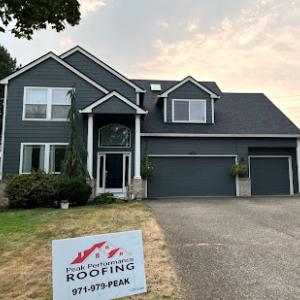
Peak Performance Roofing is a local, family-owned business specializing in full replacements of roofing, siding, and windows, as well as exterior painting. We proudly serve Portland and it’s surrounding areas.
Guardian Roofing, Gutters & Insulation
(503) 299-1260 www.guardianroofing.com
27350 SW 95th Ave #3022, Wilsonville, Oregon
4.9 from 427 reviews
Since 2005, Guardian Roofing, Gutters & Insulation has been the trusted partner for top-of-home solutions in Wilsonville, OR, and throughout the Pacific Northwest. With nearly two decades of experience, our award-winning team specializes in roofing, roof repair, gutter installation and repair, K-Guard clog-free gutter systems, masonry, and attic insulation. As an Owens Corning Platinum Contractor—an honor held by only 1% of roofing contractors nationwide—we offer unmatched craftsmanship and extended warranty protection for the life of your roof. Every project is driven by honesty, precision, and a commitment to doing it right the first time. Schedule your service today and experience the Guardian difference!
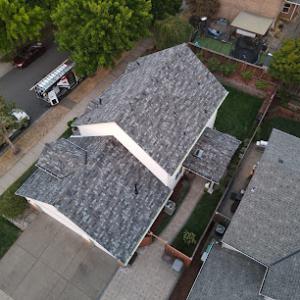
Powerful Roofing & Construction
8560 SW Salish Ln #900, Wilsonville, Oregon
5.0 from 66 reviews
Powerful Roofing & Construction is a local family owned and operated business in Wilsonville, Oregon. Powerful Roofing is owned by Maria Vega and Diego Arechiga who both are dedicated and driven individuals. Their goal is to provide excellent facilitating customer service and quality work. Their hopes are to continue to connect with the community and demonstrate that Powerful Roofing is mastered in Interior/ Exterior construction services. If you are in the process of looking for a local contractor to guide you through a roof replacement or a home repair, Powerful Roofing Family is prepared to help through this process. Powerful Roofing is ready to provide a complimentary assessment.
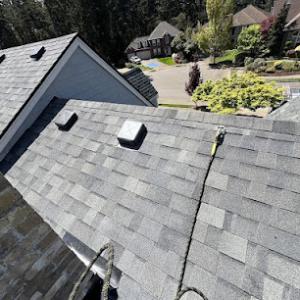
HER Roofing
(503) 303-3893 www.herroofing.com
9425 SW Commerce Cir B13, Wilsonville, Oregon
5.0 from 3 reviews
HER Roofing will handle all of your roofing needs with Honesty, Equality, and Respect. We're proud to provide expert roofing services to the Wilsonville, Oregon City, Sherwood communities and beyond. Our services include roof replacement or repair, skylight installation, ventilation and more. In addition to those services, we offer a maintenance program for our customers to bolster roof protection and boost curb appeal. We are committed to providing exceptional customer service, quality workmanship, and professional guidance in selecting the best materials for your home. Call us today to schedule your free consultation!
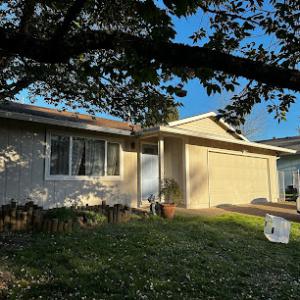
Ckb Services
(971) 444-2121 www.ckbservicesllc.com
Serving
5.0 from 200 reviews
CKB SERVICES specializes in roof installation and repair. We also offer an array of roof cleaning and moss removal, but we also offer a variety of exterior and interior cleaning services. Every job is an opportunity to establish a new relationship, showcase our talents, and solidify our position in the community as a reliable roofing and cleaning company. We respond quickly to customer requests, for estimates and job starts. We have earned our great reputation for the exceptional services we provide and attention to detail. We also paint all types of projects — interior and exterior residential, commercial, public, and industrial buildings.
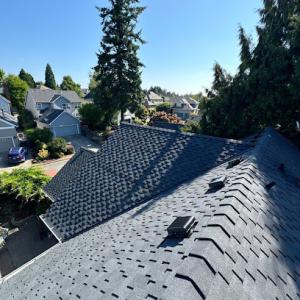
United Construction & Roofing
(971) 379-7163 www.unitedconstructionroofing.com
Serving
5.0 from 78 reviews
United Construction & Roofing are trusted Beaverton roofing contractors specializing in expert residential and commercial roofing services throughout the Portland Metro area. We specialize in roof installation, repair, replacement, and maintenance for asphalt shingle, standing seam metal, and TPO roofing systems. Whether it’s a roof leak repair, storm damage restoration, or a full roof replacement, our team delivers professional service that is fast and reliable. We prioritize quality craftsmanship, exceptional customer care, and durable results for every project. That’s why so many property owners turn to us when searching for top-rated Beaverton roofing companies that truly stand apart. Contact us today to schedule your free consultation.
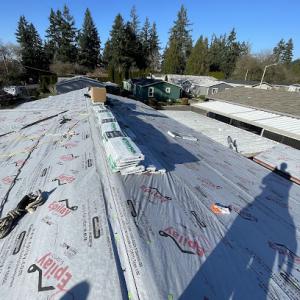
Mr Roof Pro
Serving
5.0 from 14 reviews
We are professional roofing company, we offer services like roof replacement gutter cleaning, roof cleaning, moss removal, moss treatment, roof repair, gutter repair.
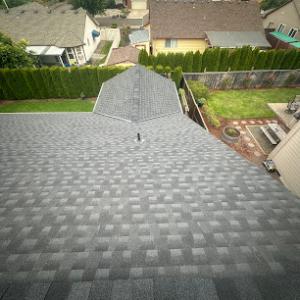
Woodburn Roofing & Restoration
Serving
5.0 from 8 reviews
We provide professional roofing services with an emphasis on transparency and simplicity for our customer. Family owned, operated, and locally based. We have strong core values of establishing trust with our clients, getting the job done right with our team, and making sure we serve our customers every step of the way in the roofing process. In the Pacific Northwest, we experience heavy rain and strong winds. Having a properly installed roof exterior is crucial to preventing water from damaging your valuable home. Even a slow-drip leak can cause extensive damage and potential mold growth. Give us a call and we can help. We specialize in -Roof Replacements -Roof Repairs -Roof Inspections -Leak Diagnosis/Mitigation -Tarping Services
Fisher Roofing
(503) 227-7663 www.fisherroof.com
Serving
4.8 from 238 reviews
Fisher Roofing has the most experienced roofing crews in the Portland area. We never use roofing subcontractors and hold to the highest levels of professionalism.

Exterior Care Pdx
(503) 925-3907 www.exteriorcarepdx.com
Serving
5.0 from 91 reviews
Exterior Care Pdx provides roof replacement, repair and maintenance, deck services, concrete services and pressure cleaning and 24-hour emergency service to the Tualatin, OR area.
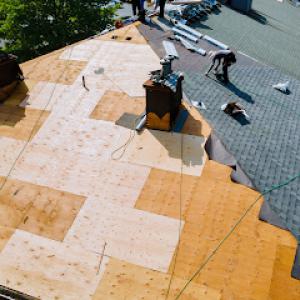
Affordable Roofing & Gutter Company
(503) 575-7267 affordableroofingandguttercompany.com
Serving
4.7 from 121 reviews
Affordable Roofing and Gutter Company in Tualatin provides professional roofing and gutter services. We specialize in roof installation, new roofing, gutter installation, and leaf guard systems to keep your home well-protected and looking great. Our team also offers thorough gutter cleaning and repair services to prevent water damage and ensure your gutters work efficiently year-round. With a focus on quality and reliability, we’re dedicated to delivering excellent results that enhance your home’s durability. Whether you’re in need of a new roof or routine gutter maintenance, we’re ready to help. Contact us today for professional care you can count on!
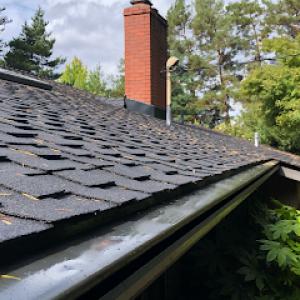
Reliance Roof Pros
(503) 303-7180 relianceroofpros.com
Serving
4.9 from 80 reviews
A ROOFING COMPANY DESIGNED BY HOMEOWNERS FOR HOMEOWNERS. Based on interactions and feedback from hundreds of homeowners like you, you told us that you oftentimes felt uncomfortable dealing with salespeople. You didn’t really know if you could trust the salesperson you were dealing with because of the inherent conflict of interest that occurs when the salesperson gets paid based on how much you buy. You also told us that you were uncomfortable with much of the hidden agendas and the lack of transparency. We have designed systems to ensure transparency and give you the process you described to us-- with friendliness, professionalism and quality.
A full re-roof in Wilsonville typically requires a permit through the City of Wilsonville Building Division. Before any shingles come off, check the project scope with the permit desk to confirm required plans and documentation. Even if the job seems straightforward, a permit helps ensure the roof structure, underlayment, and ventilation meet local codes and Willamette Valley moisture demands. Schedule a pre-submittal review or call-in questions early to avoid delays once work starts. Having the permit in hand signals to inspectors that the project is planned and compliant from the outset, which helps with smoother closeout.
Inspections in this area are generally scheduled after the roofing work is completed, rather than as a routine mid-project sequence. That means the post-work review will look at how well the roof was installed in context with local weather patterns and shading from mature trees. Plan for the inspector to verify that all components align with code requirements after the new roof is in place. If the timing window coincides with a period of heavy rain or sustained cool and damp conditions, coordinate with your contractor about weather exposure and temporary protections to preserve the integrity of the installed layers until inspection day. Understanding that inspections aren't mid-project checkpoints helps you manage contractor expectations and avoids unnecessary hold-ups.
Final inspection attention commonly includes underlayment, flashing, and ventilation details, so expect those items to affect closeout. Underlayment should be continuous and properly lapped at eaves and rakes to prevent moisture intrusion. Flashing around vents, chimneys, skylights, and transitions must be sealed and integrated with surrounding surfaces to resist the Willamette Valley's wet conditions. Ventilation details-including ridge and soffit configurations-play a crucial role in long-term roof performance and attic moisture control. A thorough pre-inspection walkthrough with the contractor can help ensure these elements are correctly installed and documented for the city closeout.
When a storm rattles the Willamette Valley, insurers in Oregon commonly ask for photos and detailed roof condition documentation before processing claims. You should capture high-quality images of any damaged areas, the attic venting, and the underside of shingles if accessible. Keep a dated record of maintenance, cleanings, and any pre-existing wear. Before cleanup or temporary repairs, take fresh photos that clearly show the roof's condition, because those images often steer the claim's path and avoid delays.
Coverage decisions in this market can be influenced by roof age, material type, and whether upgrades such as wind-resistant underlayment or improved attic ventilation are part of the replacement scope. If the roof is toward the end of its expected life, or if the material has known vulnerabilities in wet climates, the insurer may scrutinize whether the current installation meets modern performance expectations. Upgrades that bolster wind resistance and moisture management can shift the adjustment toward a more favorable outcome, but those upgrades need to be documented and aligned with the claim's scope.
Because the weather risk is driven more by repeated rain exposure and winter storms than by extreme hail zones, insurers may focus closely on pre-loss condition and maintenance history. A roof that has consistent maintenance, clear guttering, and evidence of recent minor repairs can reassure a claims adjuster that the roof has been cared for, potentially affecting how damages are evaluated. Conversely, a neglected maintenance history can complicate the claim and extend settlement timelines.
Ahead of any weather event, keep a simple, ongoing record of inspections and repairs, dated photos from multiple angles, and notes on attic ventilation and underlayment condition if accessible. After a storm, prioritize safety, then document promptly, and coordinate any temporary coverings with clear, timestamped photos. This proactive record-keeping helps ensure that coverage decisions reflect the actual pre-loss condition and the true scope of needed repairs.
In this area, contractor demand for low-slope roofing is real, and it matters when you're planning a re-roof. Low-slope projects require careful surface prep and drainage planning, especially where mature shade creates moss-prone conditions that can compromise flashing and edge details. Start by lining up a crew with proven experience on flat or near-flat decks, with emphasis on proper seam installation and field-application of underlayment. Dry-season windows matter here: schedule critical work in a period with dry spells to minimize moisture intrusion while edges and penetrations are being sealed. Expect longer in-progress times if the roof must be stripped to the deck and re-sealed, since any dampness can complicate adhesive and seam processes.
Skylight work is particularly relevant in this damp valley climate because curb, flashing, and seal failures tend to become recurring leak points during long rainy periods. When you plan a re-roof that includes skylights, inspect curb condition, flashing counter-flashing, and seal integrity as a bundled scope rather than a separate add-on. Choose flashing materials compatible with your roofing system and ensure that the flashing is integrated with the chosen underlayment and drip edge. Confirm that the skylight flange sits level and that any surrounding moss growth is removed to keep the seal true. If a skylight is aging or damaged, replace it as part of the project rather than deferring to a later repair cycle.
Solar-integrated roofing exists but remains a specialty in this market, so treat panel and roof interface detailing as a distinct scope rather than a standard re-roof add-on. Coordinate with the installer to align panel mounts with roofing fasteners, while preserving venting routes and drainage. Ensure the roof deck around mounting points is sound, and that sealant transitions at penetrations are robust enough to withstand heavy winter rain. And plan for a clean, accessible interface between panel rails and the roof surface so that future maintenance or re-roofing can occur without disturbing the system.
Find specialists in TPO, EPDM, and built-up flat roofing systems for residential and commercial properties.
Powerful Roofing & Construction
8560 SW Salish Ln #900, Wilsonville, Oregon
5.0 from 66 reviews
United Construction & Roofing
(971) 379-7163 www.unitedconstructionroofing.com
Serving
5.0 from 78 reviews