
Last updated: Apr 19, 2026
Cold winters in this Susquehanna Valley town bring heavy snow that sits on your roof, then melt-and-freeze cycles that hammer the eaves, flashing lines, and the very edges of shingles. When the melt runs down, refreezing at the eave creates ice dams that push against underlayment, push against attic air leaks, and force roof joints to carry water where it shouldn't. This is not a cosmetic problem when you see icicles; it's a warning that water can back up under shingles, seep into fascia, and damage ceiling planes and insulation. The harshest impact shows up where vent stacks and chimney flashing meet the roof line, where tiny gaps multiply into big leaks after a few dozen cycles. The practical consequence is accelerated deterioration, higher risk of interior staining, and a longer road to long-term performance if the roof isn't finished with careful attention to venting and moisture control.
In this climate, replacement work is routinely pushed to late spring through early fall because winter conditions and repeated thaw-refreeze periods complicate tear-off and sealing performance. If you attempt a full tear-off in the heart of winter or during a harsh thaw, you risk trapped moisture, failed seals, and a protracted, risky repair window. You deserve a plan that minimizes ice dam risk during the project and yields a roof assembly that can resist the next freeze-thaw cycle. Scheduling with this in mind means coordinating a dry, stable stretch of weather when decking is clean and gutters can shed water freely. A properly staged replacement lets the installer install underlayment and flashing with full control of heat and moisture paths, so you don't wake up to new leaks when the first thaw hits.
The permit review may ask for attic venting or ventilation details, which directly ties roof replacement planning to ice-dam prevention and moisture control rather than just exterior materials. In Bloomsburg's winters, attic health becomes a shared responsibility: you need enough intake and exhaust to keep the roof deck closer to the outdoor temperature during cold spells, reducing condensation that can saturate insulation and user-friendly living spaces. Insufficient ventilation creates warm, moist attic air that vents into cold sheathing, amplifying ice dam risk at the eaves. Expect installers to assess attic insulation levels alongside venting strategies, sealing air leaks at the highest practical level, and guaranteeing continuous venting paths from soffit to ridge. A well-vented roof system doesn't merely shed water; it curbs the hidden moisture that drives rot, mold, and shingle edge deterioration after repeated freeze-thaw cycles.
Edge zones, flashing lines, and the first row of shingles bear the brunt of rapid temperature swings. In this market, even a slight lapse in edge detailing invites water ingress behind the siding and into sheathing. Expect precise alignment of valley and step flashing, a continuous drip edge, and proper sealing at all penetrations. When the ice dam risk is highest, the goal is a tight, wind-resistant assembly that keeps meltwater moving toward gutters rather than backing up under shingles. Your crew should deliver a roof that not only looks finished but also presents a continuous, watertight barrier along ridge lines and eave edges, built to resist sludge-like meltwater with a robust underlayment and reinforced fastener pattern.
Prioritize a pre-inspection that focuses on attic ventilation, insulation gaps, and potential ice dam hotspots around dormers, hips, and chimney openings. Ask for a detailed plan that demonstrates how the new roof will manage moisture, including vent sizing, insulation upgrades if needed, and strategic flashing placements. Insist on a staged replacement approach that minimizes exposure to severe cold and allows for a complete, tested seal at every transition from roof deck to flashing to gutters. If you notice attic condensation or ceiling stains before work begins, flag these points early so the contractor can address them within the replacement schedule. The aim is a roof crafted not just for today's appearance, but for tomorrow's performance, reducing the likelihood that Bloomsburg's next winter will force you into a repeat repair cycle driven by unresolved ice dam stress.
In this area, the dominant materials you'll see range from Asphalt Shingles and Metal Roofing to Clay Tile, Concrete Tile, Slate, and Fiber Cement Shingles. Homeowners frequently choose among lightweight and heavy-slope systems, which means a single "one-size-fits-all" approach won't work. The seasonal shift-from cold, wet winters to humid summers and leaf-laden falls-puts a premium on how a roof handles freeze-thaw cycles, moisture, and ventilation. When choosing a material, picture not just the look, but how the roof ages under Bloomsburg's unique weather pattern and how easy it is to repair if a winter storm lands a heavy snow load.
Winter conditions here are unforgiving on edges, fasteners, and any entry points for water. Asphalt shingles age faster when summers heat the asphalt, then winter freeze-thaw cycles push edges and sealants to the limit. Metal roofs can shed snow well, but fasteners and panel seams must be carefully installed to prevent ice dams at the eaves and overhangs. Clay and concrete tiles bring a distinctive Northeastern look, but their weight means structural suitability and secure anchoring become essential in a climate where freeze-thaw cycles stress connections. Slate offers longevity and a classic profile, yet its brittleness under impact and the need for specialized labor can complicate repairs after heavy snows. Fiber cement shingles provide a middle ground, with better impact resistance than asphalt and lighter maintenance needs than natural stone options.
Ventilation and attic condition drive the long-term performance of any roofing system. A well-ventilated attic helps prevent condensation, reduces attic temperatures in hot summers, and slows the cycle of moisture entering decking during winter thaws. For full replacements, this is a key topic with inspectors and builders. If the attic is poorly vented, even the best material may fail sooner due to accelerated aging from heat buildup or trapped moisture. Plan a system that supplies adequate intake and exhaust, with consideration for ridge and soffit placement, to keep the attic closer to outdoor humidity and temperature swings. In practical terms, this means coordinating with the roof design to preserve venting paths when choosing tile or slate, which can be heavier and more constrained.
Older Northeast housing stock often looks best with slate or clay tile due to its authentic character and proportion with historical façades. However, weight, structural support, and the availability of qualified labor for tile work matter more here than in markets that rely predominantly on asphalt. If the home has a lighter structure or limited attic space, asphalt shingles or metal may be the safer bet for reliability and easier maintenance, particularly when winters bring ice and heavy wind-driven debris. Fiber cement shingles offer a compromise, balancing style with durability and lower weight than natural tiles. When considering a switch from one system to another, evaluate how brick or stone accents, chimneys, and roof penetrations will affect installation complexity and future repairs.
Begin by evaluating the existing roof deck and attic-look for signs of moisture, uneven fasteners, and insulation gaps that foster heat loss or ice dam formation. If your home leans toward tile or slate in appearance, ensure the structure can bear the weight and that yards or access routes can accommodate occasional heavy replacements or repairs. For asphalt-heavy homes, plan for upgraded attic ventilation and consider reflective or higher-end shingle options that resist aging in heat without compromising cold-weather performance. When considering metal, ensure panel seams are precisely sealed to manage freeze-thaw-related expansion and contraction. In all cases, discuss with a local contractor who understands how seasonal swings interact with each material, how to address potential ice dam points, and how ventilation strategies should be tailored to Bloomsburg's climate.
Spring in the Susquehanna Valley brings volatile weather: sudden wind gusts, hail, and thaw-by-night cycles that punish aging roofs. Even if a roof was installed recently, the combination of high winds and hail can crack shingles, loosen flashing, and expose underlayment to moisture. In this area, a storm's impact isn't limited to the moment of impact-hidden damage from hidden ice dam remnants and accelerated wear after freeze-thaw cycles can emerge days or weeks later. A storm's aftermath is a local concern that demands prompt attention.
Insurers typically cover hail and wind damage, but larger claims demand solid documentation. Expect to need clear photos and a formal estimate to support your case. Adjusters in this region will scrutinize roof age and any prior repairs closely. If evidence points to preexisting wear, the claim may be reduced or denied. Your goal is to establish a clean boundary: what damage happened during the latest storm, and what damage is from ongoing aging and freeze-thaw cycling. Don't rely on memory-collect verifiable evidence.
Begin with a careful exterior walk-around after a storm, noting loose shingles, damaged flashing, dented vents, and granule loss in gutters or downspouts. Use a ladder from ground level only if you're confident and weather is safe; otherwise call a pro. Inside, inspect attics for new brown stains, damp insulation, or light leaks around rafters. Take dated photos from multiple angles, including close-ups of missing granules or cracked shingles. Create a simple log noting the date and time of each observation, and keep all receipts for emergency tarping or temporary protections.
Local coverage decisions can hinge on distinguishing new storm damage from older freeze-thaw wear. Gather prior roof assessments, maintenance notes, and any records of past leaks or repairs. When you speak with your roofer or adjuster, present a clear timeline: pre-storm condition documented by photos, followed by post-storm observations. This separation helps ensure that a storm claim reflects the recent event rather than cumulative aging, reducing the risk of claim disputes.
If damage is evident, arrange temporary tarping or boarding to minimize water entry while you await adjuster inspection. Schedule a same-season assessment with a local roofer who understands how Bloomsburg's climate accelerates wear around valleys, dormers, and exhaust vents. Quick, decisive action protects your attic and supports a smoother claim process.
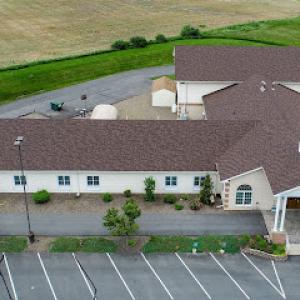
MDi Roofing
Inside MDi Built, LLC, 1033 Alliance Park Dr, Bloomsburg, Pennsylvania
4.5 from 4 reviews
Committed to Passion and Integrity: Our brand exemplifies hard work and professionalism, delivering quality roofing solutions that prioritize care and value for a better living.
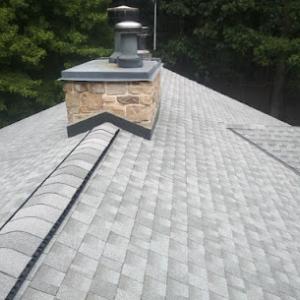
Maldonado Construction
Serving
4.2 from 30 reviews
Home Improvement contractor specializing in standing seam metal and shingle roofing, siding, seamless gutters, and much more.
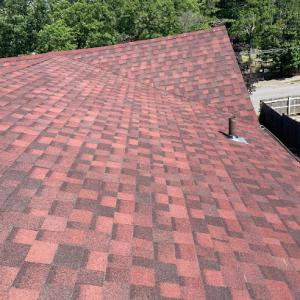
DeLeon Construction
(272) 223-1785 deleonconstructionpa.com
Serving
5.0 from 36 reviews
Roofing & General Construction
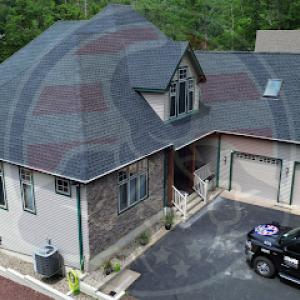
RWB Roofing & Construction
Serving
4.7 from 55 reviews
At RWB Roofing & Construction, your satisfaction is our top priority. We're committed to providing exceptional services for your residential and commercial needs. Our skilled professionals excel at enhancing the visual appeal of your property with top-notch roofing, siding, gutter, and deck designs. We also offer storm damage restoration services to assist you with insurance claims. Let us breathe new life into your space while delivering an unparalleled experience in craftsmanship and customer service.
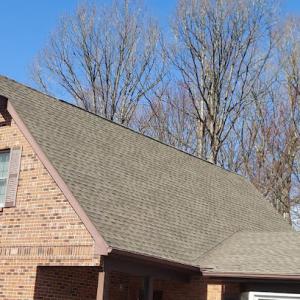
Tri-State Roofing Siding & More
Serving
5.0 from 3 reviews
We are a family owned and operated business serving NEPA. Our company specializes in roofing and siding with the best warranties in the area. We also offer many other services. Call for a free estimate any time.
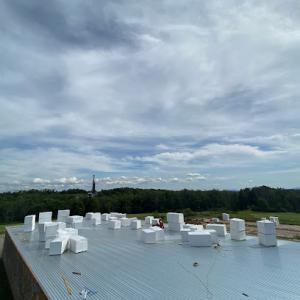
Cornell Commercial Roofing
(570) 441-7683 www.cornellcommercialroofing.com
313 Welliversville Rd, Bloomsburg, Pennsylvania
Cornell Commercial Roofing specializes in providing top-quality metal roofing solutions, advanced metal roof coatings, and comprehensive commercial and residential roofing services. Our expertise in the field ensures durable, aesthetic, and energy-efficient roofing options tailored to meet the unique needs of each project. Whether you're looking for a robust commercial roofing system or a stylish yet sturdy residential roof, our team combines state-of-the-art technology with time-tested techniques to deliver exceptional results. Trust Cornell Commercial Roofing for all your roofing needs.
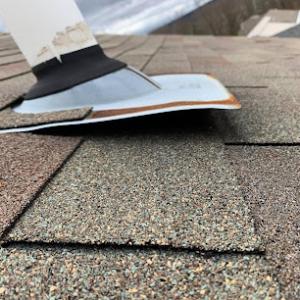
Patriot Home Pros
Serving
Craving a change of scenery? You don't have to remodel your home. Instead, give your roof a little TLC. Not only will roof repairs boost your property value, but they'll also extend the life of your roof. Your neighborhood roofing contractor has your best interests in mind. Patriot Home Pros is a family- and veteran-owned roofing company based in Hazle Township, Pennsylvania. While we focus on asphalt shingle roof repairs and replacements, we also install siding and windows. You can count on us to get the job done within your budget and timeline. Get started right away-call today to ask a roofing contractor for a free estimate.
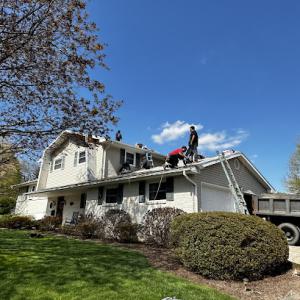
Angelo’s Roofing
Serving
At Angelo’s Construction & Roofing we offer all of our customers nothing but the best quality work and services when it comes to either Roofing, Siding, Decks, Windows, Porches, Remodeling Etc. Give us a Call.
In Bloomsburg, typical pricing by material runs about $350-$650 per square for asphalt shingles, $600-$1100 for metal roofing, $900-$1600 for clay tile, $800-$1400 for concrete tile, $1200-$1900 for slate, and $400-$700 for fiber cement shingles. These ranges reflect the mix of mid-sized local crews, transport costs, and the region's preference for durable options that handle cold snaps and spring thaw. Asphalt remains the most common choice for a straightforward replacement, while metal offers longer life with thinner profiles and faster installation. Stone-esque or high-end options like slate and clay tile show up more on older, character homes or neighborhoods with distinctive designs where homeowners are matching historic appearances rather than chasing the lowest price.
Costs in Bloomsburg can rise when homeowners choose slate or tile systems that require more specialized installation and may be selected to match older regional home styles rather than purely for budget reasons. These premium systems bring higher workmanship requirements, including careful roof deck prep, precise fastening patterns, and potential underlayment upgrades to ensure performance under our freeze-thaw cycles. Even within the same material class, differences in shingle thickness, warranty terms, and local crew availability can push quotes upward or downward. If a roof replacement is tied to a dramatic change in roof shape, pitch, or exposure to wind-driven rain, expect corresponding adjustments to labor time and materials.
Seasonal demand can affect pricing locally because many replacements are concentrated from late spring through early fall after winter damage is discovered and before cold-weather installation conditions return. In practice, that means you may see tighter scheduling and higher bids in late May through September, especially after a harsh winter or during a busy contractor window. Scheduling flexibility can help lock in material pricing and labor availability, but you should still plan for lead times on rarer materials like slate or high-end tile. Keep an eye on weather patterns; rapid thaw cycles followed by cold snaps can complicate decking prep and ventilation planning, subtly nudging overall costs higher if adjusted installation sequences are needed.
A building permit is usually required in this borough for a full roof replacement, with the local building department issuing the permit. Before any shingle tear-off begins, pull the permit through the appropriate office, and confirm which documents are needed. Because Bloomsburg cherishes orderly construction reviews, gathering the right paperwork up front helps avoid delays once work starts. The department may request contractor license numbers and proof of insurance as part of the application, so have those on hand to keep the process moving smoothly.
A notable local quirk is that the permit review may ask for attic venting or ventilation details. Expect questions about venting strategy-both intake and exhaust paths, and whether the existing soffit, ridge, or turbine vents will be upgraded as part of the project. In cold winters here, proper ventilation is tied to long-term roof longevity and to reducing ice dam risk, so be prepared to discuss how the new attic ventilation will operate across seasons.
Bloomsburg commonly requires a final inspection after completion. Inspections may also be scheduled after tear-off and again after the new roof is installed. Coordinate with the building department to set milestones for a tear-off review, a mid-renewal check (if required), and the final walkthrough. Timely scheduling helps prevent back-and-forth holds that can push completion dates into peak seasonal periods when weather can complicate material delivery and installation.
Keep copies of the permit application, contractor license numbers, and any ventilation calculations or product specifications used for the roof installation on site. Have the contractor's contact information readily available for the inspector in case any questions arise. If the permit review indicates ventilation adjustments are needed, bring diagrams or notes showing updated attic vent layouts and any changes to soffit or ridge vent coverage. Clear, organized documentation supports a smoother approval process and reduces the chance of a re-inspection.
During the permit review and inspections, inspectors may walk the attic space to verify venting or confirm that attic ventilation upgrades align with the proposed plan. They may also spot-check details like nailing patterns, underlayment, and flashing around vents and chimneys as part of a comprehensive review. Being proactive about ventilation and documenting those details at the outset helps align local requirements with the goal of a durable, weather-ready roof that holds up through freeze-thaw cycles.
Fall in this valley town brings a thick layer of leaves that cling to shingles and gutters longer than expected. The season's leaf drop increases surface moisture retention on the roof and adds weight to edge details. In Bloomsburg, that extra moisture can linger in cool mornings and trap heat along ridges, accelerating wear on asphalt shingles and smoothing out edges where runoff should depart. When leaves sit, they form a damp mat that slows drainage and creates small pockets of standing moisture, especially near hips, valleys, and along the eave line.
Leaf-packed gutters are not just a gutter issue; they influence roof edge performance. Bloomsburg's climate means moisture travels quickly from leaf clutter into roof edges and valleys as temperatures swing. Valleys are particularly vulnerable, since packed leaves seal off natural drainage paths and hold water against flashing. Ice formation in late fall or early winter can back up under shingle joints where leaves already compromise surface flow. The consequence is accelerated edge deterioration, increased likelihood of ice dam formation, and higher risk of moisture seeping under shakes or underlayment near vulnerable connections.
Autumn cleanup should be treated as a roof preservation tactic, not a cosmetic chore. Clearing leaves from the roof surface and concentrating attention on eaves, valleys, and flashing reduces hidden moisture and eases the transition into winter conditions. While gutters are part of the system, ensure the roof-side drainage paths are clear first, so meltwater can move freely into downspouts without pooling at the edges. The goal is to maintain a steady, unobstructed path for water to leave the roof, minimizing freeze-thaw stress in the weeks ahead.
As leaves thin out and the calendar shifts, edge and valley protection becomes more critical. Inspect flashing for gaps or lifting where leaves once clung, and verify that any snow guards or ice-damming controls sit securely. Because trapped moisture heading into winter worsens freeze-thaw stress, address suspicious spots promptly, even if they seem minor. A well-timed autumn cleanup and targeted edge checks can extend edge details and valleys through Bloomsburg's seasonal transitions with fewer dry-weather repairs in the heart of winter.
In this area, the path to a fair settlement often hinges on the quality of what you show the insurer. When a hail event or high-wind episode hits, start gathering photos as soon as safely possible: wide shots of the whole roof, close-ups of any bruising, granule loss, curling shingles, or impacted flashing. Take date-stamped images from multiple angles, including eaves and valleys where snow and ice tend to accumulate. If you can, photograph the attic after a thaw to capture any signs of moisture intrusion, such as staining or drips along rafters. Keep a running record of weather conditions that day, because insurers may correlate damage with specific events in this climate.
In parallel, collect contractor estimates for the repairs you're contemplating. Insurers in this market frequently want an estimate from a professional, not just a wallet-sized sum from a friend or neighbor. A written, itemized bid that shows materials, labor, and any underlayment or ventilation considerations helps the adjuster understand the scope. If the roof has experienced prior patches or repairs, note those in your file with dates and what was installed, since age and patch history can influence payout decisions.
The Bloomsburg climate places stress on roofs during freeze-thaw cycles and during rapid warming followed by cold snaps. Document any signs consistent with ice damming or wind-driven damage: lifted shingles, damaged underlayment, or gaps around vents and chimneys. Insurers will scrutinize age and prior patching, so your file should present a clear chronology: when the roof was installed or last replaced, updates you've made, and the sequence of events that led to the claim. Photos paired with a professional estimate create a coherent narrative that reduces back-and-forth with the adjuster.
Store the storm photos and estimates in a single, organized folder-digital and, if possible, a few printed copies. Label files by date, location on the roof, and the issue observed. If a subsequent event occurs, update the folder with new images and revised estimates. In this market, a well-documented claim can matter as much as the damage itself, helping to demonstrate the extent of the loss and the necessary scope of replacement or repair.