
Last updated: Apr 19, 2026
Winter in this area cycles through freezing nights and warmer days, which pushes moisture in and out of shingles. Freeze-thaw cycling can open shingle seals, stress flashing, and contribute to ice dam formation. When a Nor'easter rolls in, wind-driven rain becomes a primary attack vector, lifting loose edges, shifting shingles, and forcing water under the roofline. Those storm-driven gusts, paired with heavy rainfall, can produce random shingle loss and water intrusion even if the hail outlook stays quiet. The local climate sits inland in northern Delaware, so the mix of regular precipitation and humid conditions without the full coastal exposure of beach communities creates a distinct wind-moisture wear pattern that shows up year after year in Newark's rooftops.
The strongest warning signs aren't usually big hail impacts; they're moisture and wind events that feel ordinary until they start showing up in your attic. You might notice higher attic temperatures on sunny days following a cold snap, which accelerates ice dam risk when days soften and gutters clog. Shingles can appear loose at the edges after a windy rain, and flashing around chimneys, vent stacks, and skylights often takes the first hit during a spring storm or a late-winter cold snap. In this climate, ice dams form not just from a single freeze but from back-to-back freeze-thaw cycles that push water under seals and underlayment, then refreeze at the eave line, crystallizing problems into costly interior leaks. It's not exotic to Newark residents; it's predictable if action is delayed.
You should inspect after every significant storm and after the deepest freezes. Look for lifted shingles, especially along the lower roof edges and around flashing penetrations. Check gutters and downspouts for sudden debris clogs that can back up water to the eaves, creating extra weight and moisture pressure on seals. Inside the attic, pay attention to signs of moisture staining, musty smells, or wood that feels damp near corners and penetrations. If you see granules washing into gutters, that's a signal the shingle surface is tracking wear from winter cycles. Addressing these issues quickly helps prevent hidden rot and shared moisture paths between roof and ceiling.
Start with targeted repairs to seal edges and flashing, prioritizing areas around chimneys, vents, and skylights. Keep drainage clear; a simple seasonal gutter cleaning and downspout check reduces the chance of water backing up to the eaves during a Nor'easter. Consider adding reflective or vented attic insulation to moderate interior temperatures and slow ice dam formation. If you notice persistent moisture intrusion after storms or after warm spells thin the ice, call a local roofer who can verify flashing integrity, reseal seals, and, if needed, re-cover sections with durable materials designed to handle Newark's wind-moisture mix. In this climate, preventive maintenance isn't luxury-it's response discipline that prevents small leaks from turning into big, disruptive problems.
Asphalt shingles are the dominant roofing material in Newark, shaping the day-to-day decisions homeowners face after a wind-driven rain or a sting of winter freeze-thaw cycles. The heat-related granule wear, winter brittleness, and algae-prone moisture retention are the most common homeowner concerns tied to this material here. Because the housing stock leans toward conventional asphalt systems, maintenance and replacement planning for most homes naturally centers on shingle details rather than exotic or ultra-premium assemblies. The practical upshot: understand how granule loss, nail security, and seam or starter-strip performance play into your home's weather exposure, especially through spring storms and the heavier snows that can linger into early spring.
When assessing an asphalt roof, prioritize shingles that balance good granule retention with resistance to wind-driven rain. In this climate, consider shingles with enhanced granule adhesion and a tougher surface layer to slow granule loss after late-winter freeze-thaw cycles. Pay attention to the roof edge and valley details, where wind-driven rain can force moisture into the eave line and around flashings. A common Newark scenario is a roof that looks sound but shows brittle edges after a harsh winter; the remedy is often upgrading to a shingle line with better frost resistance and improved wind uplift ratings, plus ensuring existing underlayment and flashing are in solid shape. Be prepared to evaluate the condition of chimney and vent flashings alongside the main roof surface, since joints in those areas are frequent failure points during storm events.
A practical approach combines proactive upkeep with timely response to weather cues. In late winter or early spring, inspect for lifted edges or cracked shingles, which signal freeze-thaw damage or wind uplift. Look for areas where algae or moss are starting to take hold, particularly on shaded sections, since moisture retention there can accelerate deterioration between seasonal cycles. After heavy rains, check the gutters and downspouts for shingle debris that can indicate accelerated granule shedding or compromised roofing intervals. Create a simple seasonal routine: a mid-spring check after the wettest months, a late-summer look to catch heat-related effects on granules, and a mid-fall evaluation to prepare for winter winds. If you spot curling, blistering, or missing granules concentrated along the rake and valley lines, plan a proactive shingle replacement or a targeted maintenance repair before the next winter spell.
Even though asphalt is the default choice, there are practical reasons to consider variations within the same family. For homeowners who want longer service life through Delaware's wet winters and hot summers, exploring architectural or high-wreathed asphalt shingle profiles can yield better wind resistance and improved aesthetic performance while staying within the familiar maintenance footprint. In contrast, if a project goal emphasizes minimizing future re-roof cycles or maximizing energy efficiency under heavy summer sun, you might weigh the benefits of a higher-end asphalt product with a tougher surface and reflective properties. However, for most Newark homes, the conversation stays rooted in shingle system details-edge protections, underlayment quality, and flashing integrity-while keeping specialty assemblies on the periphery unless a current roof demonstrates true cost-effective advantages from a higher-tier asphalt option.
Spring and fall are the preferred roof replacement windows in Newark because they are typically drier and milder than peak summer and winter periods. When planning, target a stretch of calm weather with daytime temperatures in a comfortable range and nights above freezing. This reduces the chance of rapid moisture intrusion and helps the crew work steadily without chasing weather. If a project is needed after a harsh winter or a windy spring, schedule the crew as soon as soils are workable and forecasts indicate a dry spell of several days.
Spring projects should align with the typical thaw cycle and steady rain patterns common to the season. Start after the heaviest winter moisture has dried but before late-spring storm fronts intensify. Early spring offers more predictable temperatures for underlayment and sealant performance, reducing the risk of premature aging on newly installed materials. If you're balancing the academic year housing stock, aim for mid-spring when crews can finish before students return to full schedules and before heat and humidity rise.
Fall is prized for cooler days without the full bite of winter cold. Schedule after leaves have fallen enough to keep gutters clear and safe access available, but before any early frost or freeze-thaw danger tightens the schedule. A fall replacement allows sealants to cure in moderate temperatures and avoids high summer UV exposure that can accelerate aging of asphalt shingles and degrade synthetic products. If a fall window slips into late autumn, keep an eye on early snowfall predictions and adjust accordingly.
Summer heat and humidity in Newark can accelerate asphalt shingle wear and affect sealant performance during installation and aging. If summer is the only feasible window, plan for early morning or late-day work to minimize heat exposure. Ensure the crew uses proper hydration, tracks weather closely, and postpones tasks that require precise sealant curing during peak heat. Be mindful that prolonged heat can stress rooftop components and shorten the window for a clean, thorough installation.
Winter scheduling is riskier locally because cold-weather installation coincides with freeze-thaw stress and a higher chance of leak calls after storms. If winter is unavoidable, prepare for shorter workdays and rapid response to any moisture intrusion. Ensure temporary tarping and drainage strategies are in place to manage meltwater and prevent ice dams during and after the job. Acknowledging the higher risk, some homeowners prefer to push replacement to spring for a more predictable outcome.
Get a clear picture of your project costs upfront - no commitment required.
Class Roofing
(302) 405-2392 roofingwithclass.com
16 Ardmore Rd, Newark, Delaware
5.0 from 219 reviews
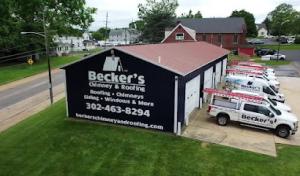
Becker’s Roofing Siding & Chimney Contractors
(302) 205-1820 www.beckerschimneyandroofing.com
Serving
4.9 from 302 reviews
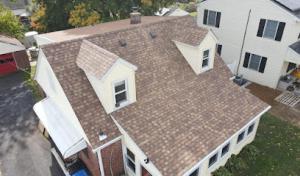
Class Roofing
(302) 405-2392 roofingwithclass.com
16 Ardmore Rd, Newark, Delaware
5.0 from 219 reviews
Reach out to Class Roofing today to arrange your roofing and gutter services. Our friendly team will happily answer your questions and work with your schedule to find an appointment time that suits your needs. We pride ourselves on responding quickly, working efficiently, and getting the job done right. Contact us today to get started.
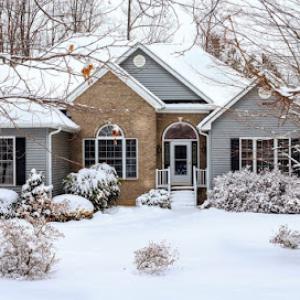
Advance Inc - Roofing Windows Siding Doors & Decks
(302) 324-8890 www.advancemyhome.com
645 Dawson Dr, Newark, Delaware
4.9 from 286 reviews
Advance is the premier exterior home improvement contractor for Southern Pennsylvania, Delaware and Eastern Maryland. We specialize in Window Replacement, Roofing, Doors and much more.
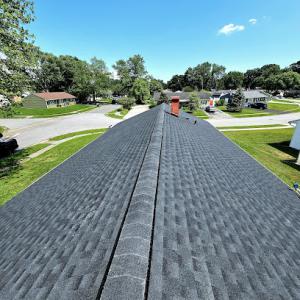
Perfect Roofing
(302) 743-1968 www.perfectroofing.us
701 Dawson Dr, Newark, Delaware
5.0 from 57 reviews
Perfect Roofing is a trusted local roofing company serving Newark, Wilmington, Greenville, Bear, and surrounding Delaware communities. We specialize in full roof replacements, storm damage repairs, roof inspections, and emergency leak fixes. Our team works with all roofing systems, including asphalt shingles, flat roofs, and metal roofing. Whether you're in a historic Wilmington home or a large Greenville estate, we bring expert craftsmanship, honest pricing, and fast response to every job. Licensed, insured, and Google Guaranteed—contact us today for reliable roofing done right.
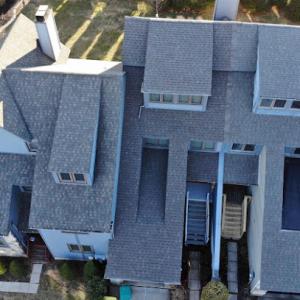
R&R Roofing & Remodeling
(302) 654-7663 www.rnrroofing.com
830 Crossan Rd, Newark, Delaware
4.9 from 122 reviews
At R&R Roofing and Remodeling company, we provide affordable and reliable roofing services. As one of the best roofing installation companies and trusted roof repair contractors in Wilmington, Delaware, we offer comprehensive roofing and remodeling solutions. Our expert team specializes in new roof installation, replacement, and repair services for both residential and commercial clients. With over 25 years of experience, we offer top-tier commercial roofing, roof coatings, window replacement, and siding installation. As a trusted roofing company and local roofing experts, we proudly serve Wilmington, DE, and surrounding areas, including Hockessin, Newark, Bear, Greenville, and parts of Maryland and Pennsylvania.

CTA Exteriors
91 Blue Hen Dr, Newark, Delaware
5.0 from 46 reviews
CTA Exteriors is Newark, DE’s trusted choice among local roofing companies, known for honesty, craftsmanship, and five-star customer care. Our experienced team provides expert roof installation, roof repair, and roof replacement for homes and businesses. Every project is handled with precision and respect, using durable materials built to last through Delaware’s changing weather. Homeowners count on CTA Exteriors for clear communication, dependable timelines, and lasting results. Whether you need a small repair or a full replacement, we make the process simple and stress-free. For quality you can see and trust, CTA Exteriors is the name Newark turns to for reliable roofing done right.
Ferris Home Improvements
(302) 998-4500 ferrishomeimprovements.com
1908 Capitol Tr, Newark, Delaware
4.7 from 475 reviews
Ferris Home Improvements is a trusted name in residential and commercial remodeling, proudly serving Delaware, Maryland, and Southeast Pennsylvania from offices in Newark and Rehoboth Beach, DE. Known for their exceptional craftsmanship and customer-first approach, Ferris specializes in a wide range of services, including windows, doors, roof repair, full-scale roofing services, siding, and interior renovations such as bath and kitchen remodels. Whether you're dealing with storm damage or adding a deck, their experienced team delivers reliable solutions tailored to your needs. Ferris Home Improvements uses top-quality materials and maintains a strong commitment to timely, professional service.
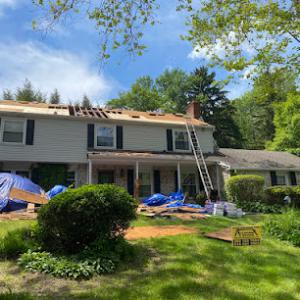
All Roofing Solutions
(302) 740-7727 allroofingnewark.com
4142 Ogletown Stanton Rd #313, Newark, Delaware
5.0 from 16 reviews
Established in 1998, All Roofing Solutions is a trusted family-owned business dedicated to providing top-tier exterior home improvements. With over 25 years of experience, we specialize in a full range of services, including expert roof replacement and repair, professional gutter, siding, window and door installations. We are committed to protecting and enhancing your home with quality craftsmanship and reliable solutions, ensuring every project meets the highest standards of excellence.
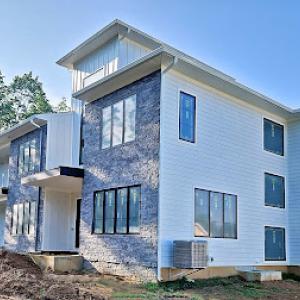
HRL Exteriors
(302) 363-8906 hrlcontractor.com
517 Concord Bridge Pl, Newark, Delaware
5.0 from 15 reviews
HRL Exteriors is your trusted partner for roofing. WE HAVE 24/7 EMERGENCY SERVICE Local ownership and service in Newark, Delaware area. Ranging from roofs to siding, gutters, decks, and more.
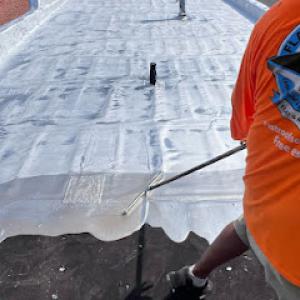
Flat Roof Company
(302) 621-8423 flatroofcompanyus.com
2201 Ogletown Rd E, Newark, Delaware
5.0 from 12 reviews
Flat Roof Company is a leading roofing contractor in Newark, DE, providing trusted, high-quality roofing solutions for both residential and commercial clients. We help property owners protect their investments, enhance curb appeal, and achieve long-lasting results with expert craftsmanship and reliable service. Our core services include roofing contractor solutions and full-service roofing repairs, maintenance, and installations. Serving Newark, DE, and nearby areas, we are committed to safety, efficiency, and customer satisfaction on every project. Partner with Flat Roof Company today and experience the difference of working with experienced, results-driven roofing professionals.
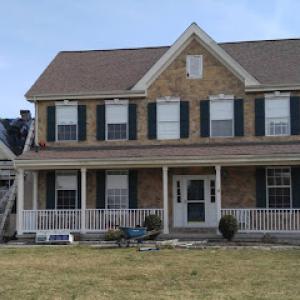
Eagle Roofing
(302) 737-8000 www.eagleroofing.us
454 Polly Drummond Hill Rd, Newark, Delaware
4.5 from 37 reviews
Eagle Roofing is a local, fully licensed and insured roofing contractor. We offer a complete range of roofing installations, repair and construction services. We do more than just nail on shingles, we install entire roofing and ventilation systems that not only keeps you dry, but enhances the beauty of your home and increases the value of your property. Commercial, residential, and all other types of general roofing, Eagle Roofing does it all, regardless of the size. We have over 50+ years experience, are A+ rated by the Better Business Bureau, and offer a 100% Customer Satisfaction Guarantee. Contact EAGLE ROOFING Today!
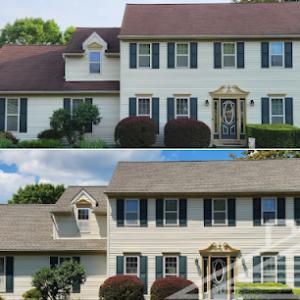
G. Fedale Roofing & Siding
(302) 527-6825 www.gfedale.com
2417 Pulaski Hwy, Newark, Delaware
4.9 from 10 reviews
G. Fedale Roofing & Siding has been a competitive leader in the home improvement and commercial roofing industry since 2002. Gaining a major market share through the specialized talents of our employees, we pride ourselves on the success of our rapidly growing company. We are dedicated to the highest install and repair standards and our extended workmanship warranties guarantee coverage long after work is completed. Our mission at G. Fedale is to provide the best value and craftsmanship for our customers and the communities we serve through service, education and commitment.
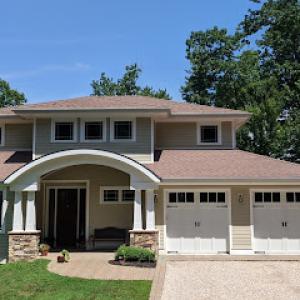
Panaro Construction
(302) 300-0684 www.panaroconstruction.com
111 Continental Dr, Newark, Delaware
5.0 from 8 reviews
We have the most competitive pricing for roofing installations in the tri-state area.
In Newark, the spring and winter cycle brings wind-driven rain and freeze-thaw events that stress roofs quickly. The mix of college-town housing and older, standard sloped residential roofs means asphalt remains the most common option, but those same spring storms can reveal why some homeowners opt for longer-lasting materials. Replacement decisions here hinge on weather reliability, material availability, and the pace of local storm-response crews.
Typical Newark material pricing runs about 350 to 550 USD per square for asphalt shingles, 600 to 1000 for metal, 1100 to 1800 for clay tile, 1000 to 1600 for concrete tile, 650 to 1100 for wood shingles or shakes, and 500 to 900 for synthetic or composite shingles. These ranges reflect the neighborhood mix where standard roofs are prevalent, yet specialty materials can be found on a few homes near the university or on higher-end renovations. In practice, asphalt shingles remain the most cost-efficient and fastest to install in this market, especially when time is tight after a winter storm.
Costs in Newark can rise after nor'easter events when storm-related demand increases and quick-response crews are booked out. In the weeks following a major storm, labor availability tightens and material suppliers pull from local inventories, pushing per-square prices upward. If a project requires expedited scheduling or off-hours work to minimize disruption during a school semester, expect a further premium. Planning ahead and lining up a reputable crew before the next forecasted spike helps keep the project on track.
The city's housing mix includes many standard sloped residential roofs where asphalt remains cost-competitive, but specialty materials such as tile and wood are less common and can carry higher sourcing and labor premiums in this market. If the roof has complex geometry, or if a homeowner seeks enhanced wind resistance and longer service life to withstand Newark's Nor'easter-season winds, metal or tile options may be considered, though they come with higher upfront costs and sometimes longer lead times.
Practical steps to navigate costs start with a clear assessment of roof condition after winter. Get two to three local bids and ask for a detailed breakdown by material, underlayment, flashing, and disposal. If long-term durability is a priority, discuss wind-rated underlayment and fasteners suited to freeze-thaw cycles. For those on a tight budget, asphalt shingles provide reliable protection at the lower end of the cost spectrum, while synthetic options offer a middle ground between price and performance.
Don't let upfront costs delay a critical repair - these contractors offer payment plans to fit your budget.
Class Roofing
(302) 405-2392 roofingwithclass.com
16 Ardmore Rd, Newark, Delaware
5.0 from 219 reviews
A full roof replacement in Newark typically requires a building permit through the City of Newark Building Division. The process is city-led, not managed solely at the county level, so the permit lives and dies with the city's office. Before any shingles come off or new underlayment goes on, verify that the permit is obtained in your name or your contractor's name and that the project scope matches what the city approves. Inspections are conducted after the roofing work is completed, and a final inspection is required to close the permit. If the final inspection does not occur, or the city finds deficiencies, the permit cannot be closed, and that unresolved status can complicate resale or insurance claims later on.
Keep a clear paper trail: permit numbers, approved plans, dated inspection notices, and a copy of the final inspection report. When scheduling the job, confirm with the contractor that they will arrange the required inspections and will be present for the city's final review. Have your contact information and the project address ready for the Building Division in case the inspector needs to follow up. Plan for potential weather-related delays during the inspection window, since Newark experiences winter and spring fronts that can push timelines beyond you and the contractor's expectations.
Because Newark permitting is handled at the city level rather than only through county administration, homeowners should confirm permit closure with the city before making final payment. A final payment without a city-approved closure can leave lingering questions about compliance, which might later affect warranties, insurance, or the ability to file a claim if an issue emerges after the roof is completed. If the final inspection notes deficiencies, arrange immediate corrective work and a re-inspection until clearance is granted. Taking a proactive approach helps avoid a drawn-out hold-up that can complicate spring thaw and any post-storm moisture concerns.
Bring all relevant documents, including permit numbers and any contractor-verified inspection reports. The inspector will review installation details, ventilation, flashing, ice-dam barriers, and attic moisture controls that matter in a climate with freeze-thaw cycles and wind-driven rain. A clean, accessible attic access and clear eave overhangs help the process go smoothly; expect a few questions about underlayment and fastener patterns, especially if the replacement involved metal or synthetic shingles.
In Newark, roof insurance claims most often track standard Delaware practices for wind and storm losses rather than a special catastrophe-driven market. After a covered loss, insurers commonly expect photos, contractor estimates, and other documentation, and adjusters may request added detail before approving full replacement scope. Start gathering evidence the moment you assess the damage: take clear photos from ground level and from the attic or loft to show interior moisture intrusion, then organize a timeline of when each issue appeared.
Capture the entire roof via wide shots and close-ups of missing shingles, lifted flashing, and any exposed underlayment. Keep a dated folder of all communication with the insurer, including messages, letters, and emails. Obtain at least two detailed contractor estimates that itemize materials, labor, and disposal, with scope notes that match the observed damage. Request a written summary from the contractor that correlates with the photos and the estimates, and have the contractor sign and date it. If an adjuster visits, provide a clean copy of your photo log and a highlighted map of affected areas on the roof.
Wind-related roof damage can affect premium considerations and endorsements in Delaware, but there is no statewide market-wide insurer pullback shaping Newark decisions. Be prepared for back-and-forth on the scope, especially for fascia, vents, and secondary water barriers. Clearly document pre-existing conditions to differentiate new damage from prior wear, and keep receipts for temporary protections like tarps if weather stalls a response.
Connect with contractors who help homeowners navigate the claims process from damage assessment to final approval.
HRL Exteriors
(302) 363-8906 hrlcontractor.com
517 Concord Bridge Pl, Newark, Delaware
5.0 from 15 reviews
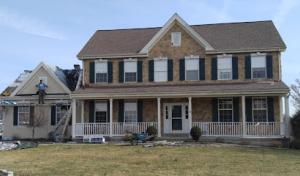
Eagle Roofing
(302) 737-8000 www.eagleroofing.us
454 Polly Drummond Hill Rd, Newark, Delaware
4.5 from 37 reviews
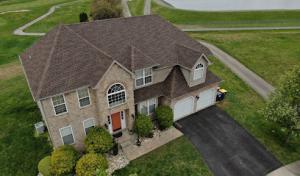
Thunderstruck Roofing & Restoration
(302) 298-1049 www.thunderstruckrr.com
Serving
4.9 from 82 reviews
Although pitched residential roofs dominate Newark, the local contractor market shows meaningful demand for flat and low-slope work, indicating attached sections, porches, additions, and some multifamily or mixed-use buildings are a recurring service need. That mix means many homes encounter weather patterns that aren't addressed by standard steep shingles alone. The spring wind-driven rain and the freeze-thaw cycle can drive moisture into seams, edge details, and transitions that aren't as critical on a fully pitched roof. Understanding where these low-slope areas sit on your property helps with early recognition of trouble spots before leaks appear.
On low-slope sections, standing water and moisture retention are more relevant risks than hail-driven puncture narratives. Water tends to pool along eaves and in corner interfaces where flashing and drainage converge. In Newark's climate, meltwater and wind-driven rain can push moisture into even small gaps, so the priority is thorough drainage planning and robust edge detailing. Transitions between main shingle roofs and low-slope rear additions are a locally important leak point because they combine different drainage behaviors under the same weather cycle. Gravelly decks, flat porches, or porch roofs adjoining a primary roof often hide subtle defects until a cold snap exposes them.
Cast a careful eye on sealant joints, flashing at wall penetrations, and the condition of any skylights or vents that sit on low-slope surfaces. Look for soft spots or damp patches after storms, even if the surface seems dry. For attached sections, ensure drip edges and edge metal extend beyond the membrane or roofing layer to direct water away from foundations and ledger areas. Regular cleaning of debris from low-slope drains or scuppers reduces the risk of slow leaks that mimic more obvious failures after a freeze.
A reliable drainage plan for these roofs emphasizes redundancy. Where possible, create multiple directs paths for water to exit, and connect transitions with properly contoured slopes that favor rapid shedding toward the primary drainage network. Membranes or coatings used on low-slope areas should be compatible with the adjacent shingle system, reducing the chance of edge-lift or adhesive failure at the seam. In homes with attached additions, coordinate the rooflines and flashing strategies so that weather cycles align with the building's overall drainage expectations.
Find specialists in TPO, EPDM, and built-up flat roofing systems for residential and commercial properties.
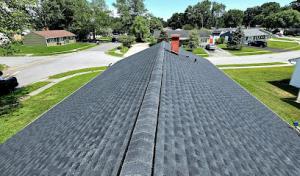
Perfect Roofing
(302) 743-1968 www.perfectroofing.us
701 Dawson Dr, Newark, Delaware
5.0 from 57 reviews
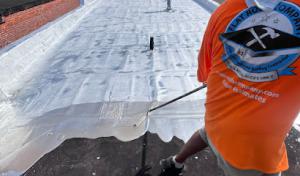
Flat Roof Company
(302) 621-8423 flatroofcompanyus.com
2201 Ogletown Rd E, Newark, Delaware
5.0 from 12 reviews
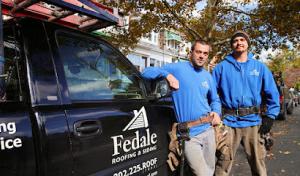
Newark homeowners often hire for quick response, affordability, and cleanup included, reflecting a practical market where re-roofing volume is high. In this environment, the contractor's willingness to return after a storm, fix latent leaks, and tidy the site matters as much as the day of installation. Look for a company that lists a dependable post-project service window and a clear plan for follow-up contact, not just a fast start.
The contractor base includes a meaningful share of long-established and family-owned companies, which matters in a city where permit closeout and post-storm follow-up can be as important as installation day. Ask for written confirmation that workmanship is covered by a robust warranty and that the manufacturer's warranty is in force on the same contract. If the bid splits coverage, ensure both sides-labor and materials-are described with specific timeframes and what triggers a claim.
Manufacturer-certified and warranty-offering firms are present but not dominant, so homeowners comparing bids in Newark should verify whether workmanship and product coverage are both included. A trustworthy bid will spell out who handles warranty claims, how claims are filed, and what documentation is required. Inspectors or third-party reviews can illuminate a contractor's reliability in the winter's freeze-thaw cycles and spring wind-driven rain, proving a company's capacity to stand behind its work when weather-footing becomes a long-term concern.