
Last updated: Apr 19, 2026
York, SC sees frequent summer storms, making wind and hail damage a leading trigger for roof inspections and replacement decisions. The timing of damage and insurance response in this market is highly weather-driven, with a good portion of roof work hinging on how quickly a homeowner can mobilize after a storm, how fast the insurer can review the claim, and how soon a contractor can commit to the project. The seasonal pattern means a tight cadence follows every severe wind event or hail visit, and that cadence can be disrupted by lingering weather, contractor backlogs, or regional demand spikes.
In this South Carolina market, insurers commonly handle wind and hail roof claims and often expect pre-loss and post-loss photos plus a detailed roof condition report. The window for supplying these materials is not generous. Pre-loss photos set a baseline, but post-loss documentation must clearly show the damage in sunlight after the storm, with highlights of curling shingles, granule loss, lifting seams, or dented metal. A professional roof condition report that notes shingle alignment, flashing integrity, attic moisture signs, and any interior staining can decisively move a claim from a written estimate to an approved replacement. Delays in submitting complete documentation can stall a claim or shift the decision from "replace" to "repair," which may not align with the true extent of damage after a summer storm.
Spring storms and sporadic hail can both damage roofs and delay contractor schedules in York, creating a narrow window between inspection, claim filing, and repair start dates. Contractors juggle multiple storm-impacted homes across the Piedmont, so demand peaks immediately after a major event. This can translate into longer wait times for an inspection slot, expedited claim processing, and front-loaded project starts. If a claim is approved, the clock often starts ticking toward a replacement timeline rather than a simple patch. Homeowners should anticipate possible overlaps between weather setbacks, material lead times, and crew availability. The consequence is that the safest path to a timely result is proactive planning in the days immediately following a storm-without skipping the due-diligence steps insurers require.
First, document the roof as soon as safe access is possible after a storm. Take wide shots of the entire roof and close-ups of any lifted shingles, dents, or granule loss, and compare with any prior photos if available. Second, coordinate promptly with the insurer to understand what constitutes acceptable post-loss evidence in your file, and ask for a dedicated claim adjuster contact if possible. Third, engage a local contractor who understands York's typical storm patterns and who can provide a realistic schedule based on current demand. Ask for a written timeline that includes inspection, claim review, material lead times, and crew start dates, and request weekly updates during the process. Fourth, prepare for potential weather-related delays by keeping essential interior rooms protected and minimizing access routes to the attic and attic storage, reducing the chances of secondary damage while waiting for repairs to begin.
You should have a ready set of documentation and a point of contact for both the insurer and the contractor. Ensure the roof's exterior and attic spaces are surveyed for signs of moisture migration, as delayed reporting can lead to more extensive-and more costly-repairs later. When a storm rolls through York, acting quickly with accurate documentation and a realistic, contractor-verified plan increases the odds of a smooth, timely replacement rather than a drawn-out patch job. The summer cycle is predictable enough to plan around; leverage that predictability to protect your home and your wallet.
Find local contractors experienced in assessing and restoring roofs after hail, wind, and severe weather events.
Eason Roofing
(803) 631-4505 easonroofing.com
6175 Charlotte Hwy, York, South Carolina
4.9 from 77 reviews
Roofing Hero
(866) 430-4376 www.roofinghero.biz
168 Court House Ave, York, South Carolina
5.0 from 35 reviews
Paul Browns Roofing Company
(803) 980-7663 brownsroofingcompany.com
421 E Liberty St, York, South Carolina
4.9 from 58 reviews
Eason Roofing
(803) 631-4505 easonroofing.com
6175 Charlotte Hwy, York, South Carolina
4.9 from 77 reviews
From fixing minor problems to installing complete new roofs, our professional roofers are known for using only the highest quality materials and the most impressive workmanship you can find from a roofing contractor. We have built strong relationships and alliances with trusted roofing manufacturers, which is how we are able to provide our clients with state of the art materials at affordable prices. Our roofing company has taken a great interest in staying up to date with current roofing techniques through constant education and setting the bar for the roofing industry. This allows us to offer you a satisfaction guarantee upon completion. Call today for roof repair, a roofing inspection, roof replacement on asphalt and metal roofs.
Roofing Hero
(866) 430-4376 www.roofinghero.biz
168 Court House Ave, York, South Carolina
5.0 from 35 reviews
Stylish brand new roofs, all within a week, and a contractor on-site during install!
Paul Browns Roofing Company
(803) 980-7663 brownsroofingcompany.com
421 E Liberty St, York, South Carolina
4.9 from 58 reviews
Paul Brown's Roofing Company, a cornerstone in residential and commercial roofing since 1989, stands as a testament to reliability and excellence. Our craftsmen, armed with three decades of honed skills, provide exceptional solutions for roof repairs, replacements, gutters & siding across North and South Carolina. Boasting superior attention to detail, our passion for customer service, and competitive pricing are what truly set us apart. Experience the Brown's Roofing Company difference today and discover why we are the name that homeowners and businesses trust for their roofing needs.
Ronnie's Roofing & Construction
(803) 493-4395 www.ronniesroofing.com
2218 Filbert Hwy Suite 110, York, South Carolina
4.9 from 41 reviews
Ronnie's Roofing is a family-owned and operated roofing company that has been providing quality roofing services to the Carolinas area for 20+ years. We offer a wide range of roofing services, from repairs to new installations, along with bathroom and kitchen remodeling services. We always use the highest quality materials available. We are fully licensed and insured and we offer free estimates. We also offer 24 hr EMERGENCY Services.
Luigis roofing & exterior
(704) 831-1523 usacatopbusi.top
432 Vermilion Dr, York, South Carolina
5.0 from 1 review
Stunning
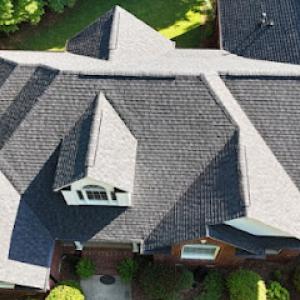
Edgewater Roofing & Construction
(704) 879-1669 www.edgewaterroofingandconstruction.com
Serving
5.0 from 26 reviews
Edgewater Roofing and Construction is a premier service provider specializing in comprehensive roofing solutions and construction services. Known for our commitment to quality and customer satisfaction, we offer a wide array of services ranging from roof installation, repair, and maintence to complete construction projects. Our team of seasoned experienced professionals are dedicated to delivering top-notch workmanship. Whether you’re in need of a simple residential roof replacement or a full-scale construction endeavor, Edgewater Roofing and Construction is your trusted partner, providing reliable, efficient, and high-quality services to meet all your needs. Our Goal is to Elevate the roofing standards one Roof at a Time!
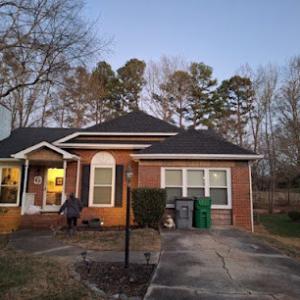
Carolina Roofing Pros
(803) 903-3161 www.carolinaroofingprosllc.com
Serving
4.9 from 100 reviews
Carolina Roofing Pros is a reputable roofing company serving various areas in South Carolina and North Carolina. We offer a range of services including roofing, siding, gutters, windows, soffit and fascia. Our team of skilled professionals is committed to providing top-notch craftsmanship and exceptional customer service. Whether you need a new roof installation, siding repair, gutter replacement, or window installation, we have the expertise to meet your needs. Contact Carolina Roofing Pros for all your roofing and exterior improvement projects.
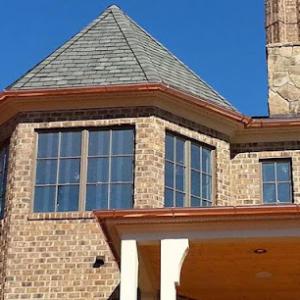
Palmetto Roofing Siding Gutters
(803) 274-5753 palmettorsg.com
Serving
4.8 from 105 reviews
At Palmetto Roofing Siding Gutters, all our expert teams are fully licensed and insured. We have vetted each employee for honesty, and a dedication to the work required to do the job. Let us provide the perfect solution to your commercial/residential roofing, siding and gutter issues in the Rock Hill. SC and Charlotte, NC area. Call today to book the services you need with affordable prices and top-quality workmanship.
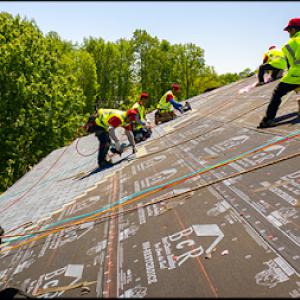
Best Choice Roofing
(803) 770-5342 bestchoiceroofing.com
Serving
4.6 from 140 reviews
Best Choice Roofing is your trusted roofing expert and the Best Choice when it comes to choosing a roofing company with a commitment to impeccable customer service. In business since 2009, Best Choice Roofing’s industry-leading contributions to the roofing industry include a customer-first mentality, a dedication to top-quality products and a leadership team focused on the growth of its people. Because of this framework, we have created a loyal base of customers all over the United States.

The Roofing Guy
(803) 386-2000 www.roofingguyllc.com
Serving
4.6 from 43 reviews
Family Owned Local Roofing Contractor serving the Charlotte North Carolina, Concord North Carolina and Rock Hill South Carolina Markets. Storm Damage and Insurance specialist. Insurance approved. North Carolina General Contractor and South Carolina Licensed and Insured. Residential and commercial roofing. Asphalt Shingles, TPO Roofing, Roof Coating.
Modern Roofing
(803) 902-3934 modernroofingusa.com
Serving
4.8 from 348 reviews
Modern Roofing offers top residential roofing services in Rock Hill, SC, with a focus on insurance claims. With 10+ years of experience and high-quality materials, we ensure safety and satisfaction from start to finish. Trust us as your roofing partner for excellent service and results.
Merritt Roofing
(803) 902-4586 www.merrittroofing.com
Serving
4.9 from 244 reviews
You can search far and wide for a professional roofing contractor in Rock Hill, but nothing can come close to the professionalism and high-quality services of Merritt Roofing. Serving homeowners since 2009, the company offers a full range of roofing services including roof replacements, new installations, repairs, inspections, gutter services, and even storm damage restoration. With a team of licensed and experienced contractors including a HAAG certified roof inspector, Merritt Roofing gets the job done right the first time, every time. If something went wrong, however, the company will take full accountability and do everything to make it right. Call now or visit their website to schedule an appointment. Free estimates are available.
York's hot, humid summers push adhesive performance to the limit and slow crew productivity during installation. Asphalt shingles can still lay down reliably, but the heat makes the drying time longer and the risk of wind uplift higher if socializing with neighbors isn't optimal. If a homeowner needs to plan a roof replacement around storm season and heat, this is the period where you'll see crews taking more breaks and working shorter days to stay safe and avoid mistakes.
Local replacement work is commonly steered toward spring or fall to avoid peak summer heat and the highest storm risk periods. In spring, you benefit from cooler mornings and more predictable weather, which helps materials cure properly and crews stay on schedule. Fall offers similar advantages with milder days and less intense humidity, making adhesive sets more reliable and installation faster. If you're coordinating with insurers or deadlines, aim for windows that avoid the late-summer surge of storms and the abrupt shift to cooler, wetter weather.
If a job must begin in the summer, plan for a staged approach rather than a full tear-off in one long continuous stretch. Schedule the most heat-sensitive tasks for early mornings or late afternoons, when temperatures are lower and the sun isn't at its peak. Expect more down-time for hydration breaks and re-securing materials that expand with heat. Communicate with the crew about shaded staging areas and shade breaks to protect both the crew and the shingles' adhesive performance.
Winter in this part of South Carolina is usually mild, but occasional freezing rain or ice can still pause tear-off and installation work. Cold snaps slow the curing of sealants and can make nails harder to drive cleanly, so the crew may spread weather breaks across a few days if a light glaze forms. If a project runs across a cold spell, you'll notice shorter productive windows and a tighter schedule when temperatures rise again. Keeping a close eye on weather forecasts helps you plan a quick resumption as soon as conditions improve.
When you're weighing dates, think in 2-3 week blocks of stable weather rather than a single date. Have a contingency plan for a couple of rainy days, and choose a contractor who communicates clearly about daily goals and weather-related delays. If a storm is predicted within the planned window, consider shifting to a nearby dry-run slot in spring or fall to minimize risk. Finally, coordinate with your insurer early in the process so any storm-damage assessments or adjustments don't stall the work once favorable weather returns.
Asphalt shingles are a dominant choice in York because they fit the area's common residential re-roof market and lower entry cost range. They handle the Piedmont thunderstorm exposure well enough for most homes, and the availability of varied profiles helps match a wide range of house styles found in the area. When you consider this option, focus on higher-quality composite shingles with good impact resistance and stronger warranties, since rapid weather shifts in summer can stress roofs more than a mild climate would. In practical terms, ask about nail-down vs. interlocking systems, and look for shingles with a sealed asphalt adhesive that improves wind resistance-important during sudden gusts after a storm. Regular inspection after a storm is still essential; asphalt surfaces can suffer from lifted granules or minor leaks if flashing around chimneys or vents is compromised.
Metal roofing is also active locally and is often considered where homeowners want stronger performance against repeated storm exposure and high summer heat. Metal panels shed water quickly and resist denting when hail is a factor, which reduces long-term maintenance compared to other materials. In this market, standing-seam or concealed-fastener metal systems are common on mid- and higher-end homes, and they tend to align well with existing soffits and gutters in a way that minimizes drip edges and overflow issues during heavy rains. Climate awareness matters: metal roofs can get hotter under direct sun, so pairing with reflective coatings or lighter panel colors helps keep attic temperatures lower and supports better overall energy efficiency. When selecting metal, pay attention to the substrate and underlayment, especially over older roof decks, to ensure a solid, moisture-tight installation that holds up during the region's frequent summer storms.
Clay tile, concrete tile, wood shingles or shakes, and fiber cement shingles are present in the York market but require closer attention to structural load, moisture behavior, and repair matching after storm events. Clay and concrete tiles are aesthetically pleasing and offer long life, but their weight can demand a reinforced truss system and careful assessment of attic ventilation to prevent moisture buildup. Tile fasteners, flashing, and sealants must be matched precisely to avoid cracking during freeze-thaw cycles and strong winds. Wood shingles or shakes bring a classic look but can be more vulnerable to moisture and mold when not properly vented and dried; they also require compatible underlayment and careful storm repair practices to ensure uniform appearance after patchwork. Fiber cement shingles provide a middle ground, combining durability with a more forgiving weight profile, yet still require attention to matching trim, color shading, and siding transitions after any storm-related repairs.
Storm events demand reliable repair matching so that temporary fixes don't create long-term vulnerabilities. When choosing between materials, consider how easy it is to source matching shingles or panels for patchwork after a hail hit or wind damage. In a small market, the ability to align color, texture, and edge detailing with existing roofing components matters for homeowner peace of mind and for resale value. Choose installers who keep a stock of common profiles and colors and who understand the nuances of flashing, vent penetrations, and chimney detailing. After a storm, quick, coordinated inspections help prevent hidden damage from becoming costly leaks.
Regardless of material, York weather rewards roofs that are checked after storms and maintained with timely cleaning of gutters and drainage paths. Proper attic ventilation minimizes moisture buildup that can compromise certain materials, especially wood and tile. Regular inspection of flashing around penetrations, ridge lines, and transitions to siding prevents slow leaks from turning into bigger issues after a fast-moving storm system. In this climate, selecting materials with robust warranties and local service support provides the best long-term resilience against the area's characteristic thunderstorm exposure.
The most popular roofing material in the US. Find pros who install, repair, and replace asphalt shingles.
Eason Roofing
(803) 631-4505 easonroofing.com
6175 Charlotte Hwy, York, South Carolina
4.9 from 77 reviews

Provided local cost ranges run from about 350 to 650 USD per square for asphalt shingles and 600 to 1200 USD per square for metal roofing, with tile products running substantially higher. In York, those numbers reflect a market tight on supply after storm events and the specialized crews that often get booked weeks out. When estimating, treat asphalt as the baseline for most homes, then raise expectations if metal or tile materials are chosen. Concrete and clay tiles sit near the top of the spectrum and can push per-square totals well beyond the asphalt baseline, especially if longer lead times press crews to bring in imported stock or schedule multi-day sequences.
Storm-driven demand spikes in York can raise pricing pressure and extend lead times when many homeowners seek repairs after the same weather event. If a hail storm or strong derecho hits, expect bids to arrive within days and to shift upward quickly as crews reallocate crews from nearby markets. Scheduling a project amid a weather-driven rush can also compress the window between contract signing and material delivery, making contingency funds more important. The practical takeaway is to plan for a shorter, more intense bidding window after a major event and to prioritize material selection and entry date confirmation to avoid the worst of the crunch.
Costs in York can also move based on whether the project is a straightforward re-roof or includes code-related venting, flashing, or underlayment corrections identified during inspection. A simple tear-off and reseal with basic underlayment stays near the lower end of the per-square ranges, but adding upgraded underlayment, more complex flashing around penetrations, or venting improvements can push totals upward. If an inspection uncovers attic ventilation needs, ridge vents, or attic baffles, budget accordingly, as these items influence both material and labor time.
Material choice drives the strongest cost delta in York. Asphalt shingles remain the most economical and quickest to supply, aligning with typical roofing cycles in a small county market. Metal roofing expands the budget substantially but offers longer life and faster installation windows when weather windows align. Tile options, especially clay or concrete, are the most expensive and sensitive to local roof geometry; they often require longer custom ordering and potential structural checks. When storms loom, aligning material selection with local supply realities and anticipated lead times helps keep the project on track and within a practical budget.
Get a clear picture of your project costs upfront - no commitment required.
Roofing Hero
(866) 430-4376 www.roofinghero.biz
168 Court House Ave, York, South Carolina
5.0 from 35 reviews
Ronnie's Roofing & Construction
(803) 493-4395 www.ronniesroofing.com
2218 Filbert Hwy Suite 110, York, South Carolina
4.9 from 41 reviews
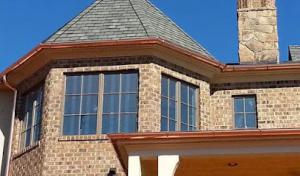
A building permit is typically required for a full roof replacement in York County and the City of York. If the project involves substantial tear-off, fascia or structural work, or changes to ventilation, a permit path becomes even more essential to follow. The permit process helps ensure the new roof withstands Piedmont thunderstorm exposure and local wind loads, and it creates a documented record should future roof work or insurance questions arise. If a contractor does not bring the permit to the table, you should pause and confirm who is responsible for initiating it before any materials are ordered or work begins.
In this jurisdiction, the contractor usually submits the permit application and schedules inspections with the local building department. This streamlined approach can save time, but it also means you are relying on the contractor to coordinate the timeline and required notifications. Expect at least one inspection during the installation to verify sheathing, nailing patterns, and underlayment install meet code. If the scope includes venting changes or new underlayment work, additional inspections can be triggered. These checks are not mere formalities; they are meant to catch issues that could affect leak response and storm resilience years down the line.
A final inspection is typically required after completion, and it marks the official approval that the roof is ready to perform under York's storm-prone springs and summer storms. Plan for this step to align with any weather-dependent curing or adhesive-setting windows your contractor notes. A successful final inspection confirms the installation fulfilled permit conditions and local code requirements, which supports smoother insurance coordination if storm damage ever recurs. If anything during the job does not pass muster, address it promptly with the contractor to avoid delays in the final sign-off and the start of the roof's effective service life.
York's combination of humidity, summer heat, and repeated storm exposure makes flashing, venting, and nail placement especially important failure points during final inspection. When moisture saturates attic spaces, improper flashing around chimneys, vents, and dormers can trap water at seams that look sound from the ground but leak once pressure builds during storms. Vent pipes and exhausts that aren't sealed correctly invite condensation that rots sheathing and invites mold behind the scenes. Nails driven too shallow or with incorrect clips leave fasteners proud of the surface, inviting loosening under a rising breeze or a quick, hard rain. In a tight roofline like many local homes have, even small misalignments accumulate into a noticeable drip that interrupts living space and complicates insurance claims. The takeaway is not to wait for a visible drip before rechecking these details; a proactive, inspection-led approach helps catch hidden gaps before a storm test reveals the consequences.
Wind-driven storm events in this area commonly expose weak shingle seals, ridge details, and vulnerable roof penetrations before they would fail under age alone. Ridge cap closures can crack or peel, allowing wind to pry up edges and lift shingles in rows closer to the ridge. Valleys and step-flashings are frequent failure points where water can pool and then surge underlayment if a storm leaves behind gusty blows. Penetrations for vents, plumbing stacks, or skylights sit at a higher risk when sealants break or flashings shift. The result is a sudden, localized leak that can masquerade as an aging roof problem, triggering insurance coordination and a rush to restore watertightness.
Debris from fall winds and storms is a recurring local issue that can complicate cleanup and hide damage around valleys, gutters, and roof edges. Shingle granules accumulate in gutters and at the eaves, while branches wedged against shingles can tear protective coatings over time. Debris can also conceal lifted shingles or damaged flashing when an inspection is delayed, making a minor storm mark look like a larger, preexisting problem. As a homeowner, you should schedule removal of debris promptly after events and insist on a thorough inspection of roof edges, valley junctions, and gutter lines to prevent small issues from escalating into costly water intrusion.
Find contractors experienced in skylight installation, flashing, and leak repairs to bring natural light into your home.
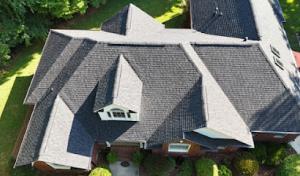
Edgewater Roofing & Construction
(704) 879-1669 www.edgewaterroofingandconstruction.com
Serving
5.0 from 26 reviews
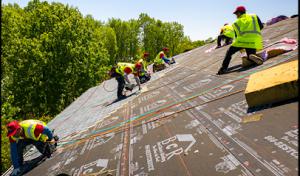
South Carolina is a high-claim wind and hail environment, so roof age and material can affect whether insurers lean toward repair, depreciation, or full replacement. In this climate, a roof that's already showing wear or is made from less durable material is more likely to trigger a complete replacement after a damaging storm. Understanding how your roof's age interacts with its current material helps set expectations when the adjuster reviews options.
York homeowners should keep date-stamped photos and written condition notes because adjusters in this market often ask for documentation showing what changed after a storm. Start a storm folder: photograph the entire roof from multiple angles shortly after a storm, then repeat after any exterior repairs. Note visible cracking, curling, missing shingles, or granule loss. When you meet an adjuster, bring the folder and a simple timeline of repairs, shingle type, and any previous damage, so decisions about repair versus replacement stay aligned with the actual condition.
Insurance outcomes here can influence whether homeowners choose a like-kind replacement or upgrade to a material with different durability and cost characteristics. If the roof is near the end of its service life, an insurer may approve a full replacement, but if a newer material would offer better hail resistance or wind performance, you may opt for an upgrade. Consider whether a stronger warranty or a more storm-resilient profile aligns with your long-term plans for your home, and discuss these options with your adjuster early in the process.
When a summer storm hits, a fast response can keep interior damage from spiraling. In this market, temporary leak control and tarping are expected first steps before a full replacement is scheduled. The goal is to seal the most vulnerable openings quickly so rain doesn't drive moisture deeper into ceilings and insulation.
If you notice active leaking, place a sturdy container under drips and move valuables away from affected areas. Then, arrange temporary tarping or quick-coverage over the compromised roof sections, paying careful attention to seams around chimneys, vents, and skylights. A tarped area should look secure enough to weather a windy York night, not just taped up for a moment.
York's humid conditions can accelerate interior moisture problems once leaks begin. Do not delay the temporary fix while waiting for a "perfect" weather window. After tarping, inspect ceilings, walls, and attic access for signs of condensation or mold growth. Document any staining or bulging promptly to prevent insurance disputes later.
Before any temporary protection is installed, take clear photos of the damaged roof and exterior surroundings. After tarping, photograph the covered area and the anchoring method used. This visible trail helps clarify what was protected and when, which matters as storm repairs move toward a permanent solution.
When you can't wait, these contractors offer fast response times to stop leaks and prevent further damage.
Ronnie's Roofing & Construction
(803) 493-4395 www.ronniesroofing.com
2218 Filbert Hwy Suite 110, York, South Carolina
4.9 from 41 reviews
Edgewater Roofing & Construction
(704) 879-1669 www.edgewaterroofingandconstruction.com
Serving
5.0 from 26 reviews
In this storm-heavy market, homeowners should distinguish between manufacturer material coverage and workmanship coverage for flashing, venting, and installation details. Manufacturer warranties typically cover defects in the product itself, while workmanship guarantees address how the roof was installed, including how flashing integrates with skylights, chimneys, and joints. Knowing which party backs each element helps you plan for future repairs and potential claim needs.
When you sign off on a replacement, request a written scope that outlines attic ventilation, roof-to-wall flashing details, and the method for securing underlayment. The final installation should show continuous drip edges, properly sealed vents, and nailed shingles aligned with local wind expectations. In this jurisdiction, the clarity of these details is a practical measure of workmanship quality and long-term performance.
The final inspection should closely examine nailing patterns, flashing transitions, and vent penetrations. Look for consistent nail placement, close spacing on high-wind edges, and flashing that remains watertight around chimneys and roof-to-wall junctures. A thorough walkthrough helps ensure there are no overlooked gaps that could lead to latent leaks after a storm surge.
Because many local projects are insurance-related re-roofs, warranty clarity matters when replacement is completed quickly during post-storm demand surges. Ensure the contractor provides clear documentation of warranty start dates, what triggers coverage, and any maintenance requirements to keep the warranty active. This helps both parties stay aligned once the insurer finalizes the claim.
Keep a detailed packet: the written warranty, installer's scope, and any manufacturer endorsements. If a post-storm repair is needed, refer back to these documents to determine eligibility and the proper repair approach. A well-documented warranty path reduces ambiguity and supports smoother future service.