
Last updated: Apr 19, 2026
The Central Texas hail and wind corridor means spring storm cells can slam a roof with little warning, leaving you facing rapid damage, elevated leak risk, and a surge of repair calls from neighbors. In this area, roofs endure repeated hail impact and gusts that can lift shingles, dent metal, or crack tiles, so timing matters. Actions taken in the first 24 to 72 hours after a storm can determine whether minor damage stays minor or becomes extensive, costly, and disruptive.
After a storm, conducting a careful assessment is essential. Start by checking for obvious signs of damage on the highest exposures of your roof: missing shingles, dented metal, granule loss in gutters, and any curled or lifted edges. If attic space shows staining, light leakage, or unusual warmth from the roof plane, treat those findings as urgent indicators of water intrusion. Because crews from nearby communities in Williamson County often migrate to the worst-hit areas after a regional storm, planning your evaluation and securing a reliable contractor quickly helps avoid scheduling bottlenecks.
Documentation is your strongest ally when dealing with insurers and restoration timelines. Photograph every angle of the roof and any interior signs of water entry, date-stamp the images, and keep a simple damage log noting the time of discovery and the storm's approximate window. When you have evidence ready, you reduce back-and-forth with adjusters and speed up the inspection process. In a town where storm-damage work can outpace purely age-based reroofing, timely documentation becomes a shield against delays and miscommunication.
If you must tarp or temporarily secure vulnerable areas, act fast to minimize exposure. A sturdy tarp or temporary board coverage over damaged sections can prevent further water intrusion during squalls or gusty spring days. Prioritize access points that feed into the attic or ceiling cavities, since wind-driven rain often travels along roof lines and through penetrations. Keep ladders stable and use a partner for footing and safety. Quick, practical mitigations protect your interior and buy you time to select the right contractor without rushing into a subpar repair.
Choosing the right local contractor matters more in a storm-prone market. Look for a company with a proven track record handling hail and wind damage, solid references from neighbors with similar roof types, and transparent communication about inspection findings, repair sequencing, and temporary protections. In this market, many crews specialize in storm-related work and insurance coordination, so insist on scheduled, on-site assessments, a written estimated scope, and a clear plan for temporary protections and permanent repairs. If a contractor tries to oversell or pressure you into a rapid full replacement before a second opinion, pause and seek a second expert to confirm the assessment.
As the weather cycles through Hutto's growing housing stock, trucks and crews move between neighborhoods in Williamson County. That means you may face wait times after a regional storm. Plan ahead by establishing trusted contacts before a storm hits: a known local roofer, your insurer's preferred adjuster list, and a short list of questions to ask during the first on-site visit. Clear, prompt decisions reduce exposure to water damage and keep your home's structure and interiors safer during the peak repair window.
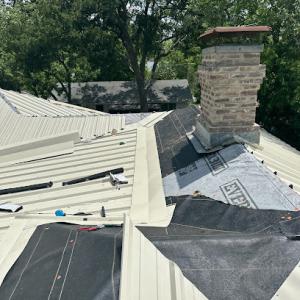
Reindeer Roofing
(512) 591-6003 www.reindeerroofs.com
3333 Co Rd 119 #96, Hutto, Texas
5.0 from 82 reviews
We take pride in protecting your home and your memories

Roof Royale
(512) 379-7933 www.roofroyale.com
520 Co Rd 108 Unit 43, Hutto, Texas
5.0 from 79 reviews
Family owned and veteran operated, Roof Royale in Hutto TX provides expert residential and commercial roofing services including repairs, maintenance, replacements, and emergency response. Our team focuses on delivering durable, long lasting roofs to build a more sustainable and aesthetically pleasing community. We specialize in asphalt shingles, slate, metal roofing, modified bitumen, and TPO, handling every project with precision and care. We are licensed, insured, and experienced. We offer free consultations and transparent upfront estimates. When time matters, our rapid emergency roof repairs for leaks, storm damage, or fire give you peace of mind. When you choose to work with Roof Royale, you are choosing a company local to Hutto, TX.
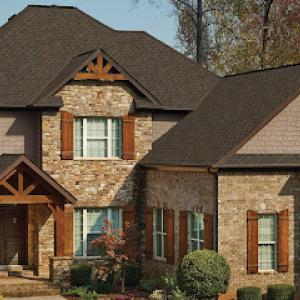
New Rüf - Residential & Commercial Roofing Hutto
101 E Front St #104, Hutto, Texas
4.9 from 272 reviews
Located in the heart of Hutto, TX, New Rüf Roofing & Restoration sets the gold standard for roofing services in the region. From meticulous roof repairs to comprehensive roof replacements, we have you covered. Specializing in metal roofing? Look no further. Our services include roof design, repair, replacement, and expert inspection in Hutto and the surrounding areas. As a licensed and fully insured company, we place the utmost importance on transparency, honesty, and dedication with every job. With thousands of successful projects under our belt, our reputation for top-notch roofing services and unwavering integrity speaks volumes.
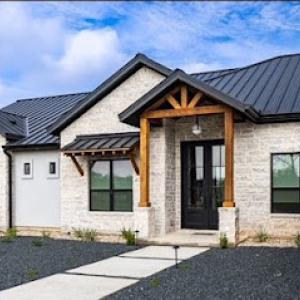
Fults Roofing Company
(512) 383-5133 fultsroofing.com
2535 FM 685 suite #540, Hutto, Texas
4.9 from 54 reviews
Fults Roofing Company is built on the cornerstones of Honesty, Integrity, and Quality. Established in 2017, we take pride in offering top-tier roofing solutions to our community. Our dedicated team specializes in residential and commercial roofing, new roofs, metal roofing, siding and gutters, and more. At Fults Roofing Company, we are known for our meticulous attention to detail, ensuring that every aspect of your roofing project is handled with precision. We take pride in our thorough post-roofing cleanup. Our dedication to cleanliness extends beyond the completion of the project, providing you with a hassle-free and enjoyable experience. Our goal at Fults Roofing Company is providing you with a seamless experience from start to finish.

BesTex Solutions
(833) 766-3748 btsconstruction.org
275 Private Road 900, Hutto, Texas
4.8 from 269 reviews
Family owned and operated local roofing company with a combined 22 years of experience. At BesTex Solutions, we offer a range of services in Central Texas including roofing, solar panel installation, remodeling, water mitigation, remodeling, and emergency services.
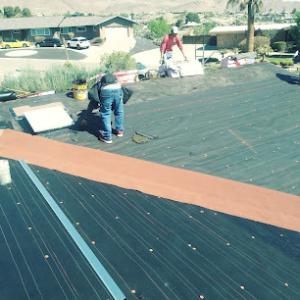
SAC Contractors
(915) 540-4452 saccontractorsllc.com
Serving
5.0 from 21 reviews
SAC Contractors possesses a distinguished legacy of over 20 years in the construction industry. We provide a wide range of construction and roofing services to residential, commercial, and institutional clients, always emphasizing our core values: discipline, respect, honesty, and quality. Our commitment to these principles has earned us a reputation for excellence. We take pride in serving our clients with honor and gratitude, ensuring that every project is handled with the utmost professionalism and reliability.
Smiley Roofing & General Contractors
(512) 537-7227 smiley-roofing.com
Serving
4.9 from 70 reviews
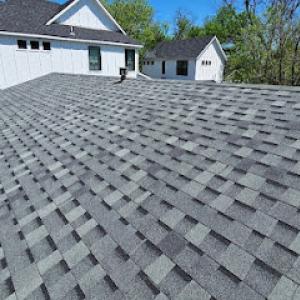
Smiley Roofing & General Contractors proudly serves Leander, TX and surrounding areas, providing top-quality roofing and general contracting services. We specialize in roof replacements, gutter installations, roof inspections, pressure washing, garage door services, interior and exterior painting, and more. Whether it's a small repair or a full renovation, our experienced team is here to help. Call us today for a free estimate and reliable service you can trust!
RTS Roofing
(512) 769-1050 www.rtsroofs.com
Serving
4.9 from 79 reviews
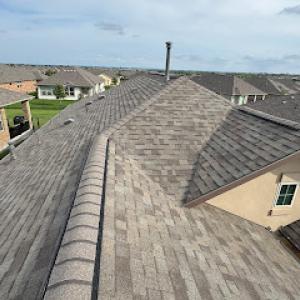
RTS Roofing, with a positive history of quality since 2002, offers roofing repair, roofing replacement, siding and fascia. As a quality roofing contractor and roofing company serving Round Rock, Georgetown, Leander, Cedar Park, Hutto, Pflugervile, Kyle, Buda, Austin, Taylor, Burnet, Liberty Hill, Elgin, Manor, TX, and neighboring areas, we specialize in storm damage roof repair, roof replacement, and seamless gutter installation. Trust RTS Roofing for unparalleled craftsmanship, backed by their 10 year labor warranty and commitment to customer satisfaction. RTS Roofing works will all insurance companies and can help navigate the claim process. RTS Roofing is Licensed, Insured and a long standing recognized member of the BBB.
Architecture Roof Systems
(512) 789-6317 artechroofaustin.com
Serving
5.0 from 72 reviews
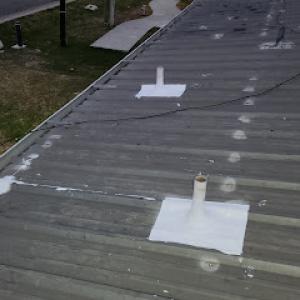
At Architecture Roof Systems, we care about three things: honesty, integrity, and quality. We pride ourselves on providing you with the best service possible and giving you a high-quality roof that will last a lifetime. Our team is compiled of expert builders who will ensure that your building has a sturdy and efficient construction. No matter if you’re in need of a replacement, restoration, or installation of a brand-new roof, we’ll always do the job right and provide you with an experience that you won’t soon forget.
Dynamite Roofing & Construction
(512) 505-8008 dynamiteroof.com
Serving
4.9 from 365 reviews
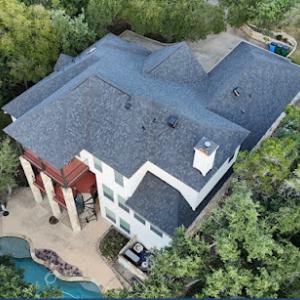
Dynamite Roofing & Construction in Pflugerville is locally-owned and operated—so we know a thing or two about Texas roofs! We focus on residential roofing needs, including roof repair, replacement, restoration, and gutter installation. With a combined 52 years of residential roofing experience, our experts take care of all your roofing needs from start to finish.
Texas Home Roofing & Exterior Solutions
(512) 773-7172 texashomeroofs.com
Serving
5.0 from 16 reviews
Welcome to Texas Home Roofing! We are a team of experienced professionals dedicated to providing top-notch roofing services to homeowners in Texas. Our company understands the importance of having a reliable and durable roof over your head. That’s why we offer a wide range of roofing services that cater to your specific needs and preferences. Whether you’re looking for roof repair, installation, or maintenance services, we’ve got you covered. Our team consists of skilled and knowledgeable experts who are passionate about delivering quality workmanship and exceptional customer service. We use only the best tools, materials, and techniques to ensure that your roofing project is completed to the highest possible standards. Contact us today!
Estate Roofing Solutions
(737) 280-4202 estateroofingsolutions.com
Serving
5.0 from 44 reviews
When it comes to the care of your home's roof, you won't find a better residential roofing contractor around. We take the utmost care of our client's property and make sure they're 100% satisfied with our service. No matter what type of roofing service you need, we'll be there for you.
Texas insurers closely scrutinize hail and wind claims, and in Hutto that matters because recurring storm activity makes roof age, prior repairs, and photo documentation especially important. When a storm passes, the window to capture evidence before roof experts or weather can alter what a claim covers is narrow. If a roof is nearing the end of its life, or shows patchy repairs from past events, carriers may question whether the current damage is storm-related or simply wear and tear. You owe yourself a timeline that lines up with when hail seasons and heavy winds were reported in your area, not just when the claim gets filed.
Detailed documentation of shingle bruising, lifted metal panels, cracked tile, interior leaks, and dated storm timelines is especially important before adjuster visits in this market. Take clear photos from multiple angles, including close-ups of bruised or missing granules on asphalt shingles, bent fascia, and any water intrusion on ceilings. Keep a running record of when each storm occurred, what you observed immediately afterward, and who inspected the roof (even a casual neighbor's observation can help corroborate timing). Fire up a simple, chronological folder on your phone or computer: photos dated, notes dated, and any receipts for temporary protections or prior roof work. This material helps distinguish a legitimate hail or wind event from routine wear, a distinction that matters when the adjuster builds a case for replacement versus repair.
Insurers in this market prefer tangible, dated evidence, and adjusters are trained to weigh prior repairs, age, and material condition against the claim. Be prepared to show the adjuster your storm timeline, the extent of observed damage, and any evidence of leaks that appeared after specific events. If a prior repair is visible, point to its location and describe its condition, since that can influence whether a full replacement is deemed necessary. If the roof is under consideration for partial vs. full replacement, present the strongest documentation first, then share additional photos and notes to support your assessment. A calm, organized presentation often accelerates the process and reduces back-and-forth questions.
Homeowners in Hutto may encounter tighter underwriting or tougher renewal terms because carriers have become more cautious in hail-prone Texas markets. That vigilance often translates into more meticulous reviews of claims history, repair records, and how well a roof has withstood subsequent storms since the event in question. To navigate this reality, keep your pre-storm maintenance documented and up to date, and ensure any prior repairs are supported by receipts and professional notes. Clear, consistent documentation reduces the chance that renewal terms bite you later because a claim was perceived as excessive or inadequately substantiated.
Even after a settlement, continue to monitor the roof for delayed leaks or hidden damage revealed by continued Texas weather. Maintain a file of any new photos, notes, or professional assessments tied to the current roof's condition and your storm history. If the settlement is contested or a portion of the claim is denied, you have a path to review-often involving a second opinion or independent adjuster. The more organized the evidence, the more you can protect yourself against unexpected denial or insufficient coverage in the future, especially as the market's scrutiny remains intense after major hail and wind events.
Connect with contractors who help homeowners navigate the claims process from damage assessment to final approval.
Reindeer Roofing
(512) 591-6003 www.reindeerroofs.com
3333 Co Rd 119 #96, Hutto, Texas
5.0 from 82 reviews

Roof Royale
(512) 379-7933 www.roofroyale.com
520 Co Rd 108 Unit 43, Hutto, Texas
5.0 from 79 reviews
New Rüf - Residential & Commercial Roofing Hutto
101 E Front St #104, Hutto, Texas
4.9 from 272 reviews
Asphalt shingles are common in newer suburban neighborhoods, and that's a practical reason you'll see them everywhere in town. In this climate, repeated heat exposure and hail impact can shorten service life compared with milder climates. If you choose asphalt, pick heavy-weight shingles with good wind resistance and a warranty that covers hail impact. Consider a lighter, reflective granule mix to curb heat absorption. In practice, you'll want a solid underlayment and properly sealed edges to better withstand the Central Texas sun and afternoon storms. Keep in mind that hail can cause granular loss or bruising that isn't always visible from the ground, so post-storm inspections should be thorough and documented.
Metal roofing is relevant in this market for durability, and a meaningful share of local contractors actively specialize in it. Metal shines in Hutto's heat and hail cycle: it sheds wind debris better and resists impact when installed with appropriate fasteners and sealants. If you're weighing metal, look for a contractor who can show you color-matching and panel-profile options that align with your house style, because matching the look is usually as important as the edge-to-edge performance. Expect longer service life and fewer age-related concerns, but also prepare for a higher upfront cost and potential solar or attic venting considerations. In storms, metal tends to score well for rapid repairs, so establish a plan with a local crew you trust before hurricane-season-style hail events.
Clay and concrete tile appear in higher-end Central Texas home styles around Hutto, but hail can crack individual units and repairs often depend on matching profile and color. If you like the aesthetic, be aware that tile roofs require a robust structural support system and careful installation to prevent crack propagation during hail. Repairs aren't just about replacing a broken tile; you often need a color- and profile-matched unit, plus a skilled crew to reseal and re-bed surrounding tiles. For maintenance, check for broken or loose tiles after major hail events and request a quick assessment of the underlying roof deck as soon as practical. Tile roofs can deliver excellent life when installed correctly, but they behave differently under impact than asphalt or metal.
Planning for hail and wind damage means thinking ahead about inspection practices and documentation. After a significant storm, document all affected sections with timestamped photos, then contact a local roofing professional who understands how the area's climate interacts with your chosen material. Prioritize quick, temporary protection if shingles or tiles are displaced, and keep a running log of repairs and communications for insurance purposes. For any material, establish a plan for seasonal inspections, especially after harsh hail events, and keep an eye on fastener integrity and flashing around vents and chimneys, where wind pressure can create cascading issues.
A proactive maintenance routine pays off in this market. Schedule semiannual inspections that focus on granule loss, rust on metal edges, cracked tiles, and sealant integrity around skylights and vents. Address issues promptly to prevent moisture intrusion and accelerated wear from heat. For homes with asphalt or tile, consider a protective roof coating or reflective treatment if recommended by your roofer. In all cases, align maintenance with the local weather pattern, so you're not surprised by summer heat spikes or hail-season swings.
Replacement timing hinges on a hot, exposed roof deck and the Texan swing between scorch and storm. In this city, the pattern is very hot summers, periodic thunderstorms, and a spring hail season that can leave attic heat with early signs of moisture. You plan reroofing around the weather windows that keep crews safe and materials from baking on the rack. Avoiding peak summer heat can improve installation conditions for crews and materials on exposed Central Texas roofs. If possible, target late September through mid-October or late February through early March to reduce the risk of heat-related delays while still giving a long dry spell before winter storms.
Central Texas storms bring brief but intense wind bursts and hail that can compromise the deck and flashing. A roof that has lost granules, or has blistering and curling edges, often shows damage beyond surface leaks. In spring, hail season can demand fast decisions, since hail damages may not be obvious from the ground. When a full replacement is on the table, you want to align installation with calm periods between fronts to minimize wind-driven debris and to keep underlayment dry as it's laid over the deck. Fall can be productive for reroofing in Hutto, but wind swings and ventilation performance still matter as temperatures fluctuate and moisture returns.
Begin with a checklist tied to the calendar and to local weather history. Confirm a clear week of mild days, then coordinate with the crew to remove old roofing and install new underlayment before the coldest part of the year. If choosing metal or tile, talk through wind uplift considerations and ventilation needs, since proper exhaust and intake balance matters more when temperatures swing. Avoid a start in the middle of a record heat wave; schedule delivery of shingles or panels for early morning so materials aren't piled in sun at noon. Fall is a practical target, and you can usually find a window where the crew can complete the job before night dampness returns.
If shingles show extensive curling, missing tabs, or a rapid loss of granules, replacement becomes more cost-efficient than patching. Leaks that persist after patching, or attic signs of sustained moisture during storms, indicate you should plan for a full reroof rather than a series of small repairs. A practical homeowner keeps a simple record of storm dates and any insurance-related documentation to guide the decision process and to streamline the next claim if necessary.
When planning a roof replacement, you'll notice pricing bands closely follow the material you pick. For asphalt shingles, expect 350 to 600 USD per square. Metal roofs typically run 700 to 1100 per square. Clay tile sits higher at 1200 to 2100 per square, while concrete tile ranges from 1100 to 1900 per square. Synthetic or composite shingles land around 450 to 900 per square, and slate rises to 1800 to 3200 per square. In practice, most suburban reroofs here lean toward asphalt for price responsiveness, but the local mix can tilt when a customer wants a longer-term or heavier system.
Storm-driven demand spikes can tilt both scheduling and pricing after major hail events affecting the broader Austin-Williamson County area. After a big hail season, crews may be booked weeks out, and material availability can tighten, nudging the bottom line upward. If a hail storm changes the plan mid-project, you can see changes in crew size, overtime, and delivery windows. Planning with a buffer helps tame the stress and avoid rushed decisions when the weather window reopens.
Material choice matters more here because heavier systems like tile and slate can increase labor complexity, while common suburban reroofing with asphalt shingles is usually the most price-competitive option in the local market. Weight considerations alone can trigger structural checks, plus additional anchoring or removal steps. Clay and concrete tiles deliver durability and a distinctive look but demand stronger framing and longer installation times. Synthetic or composite shingles offer a middle ground, combining reasonable durability with price efficiency. Slate, while premium, is the least forgiving on budget and crew timing.
If you want a cash-flow friendly option, asphalt shingles in the 350-600 range per square deliver solid value with quick install times and widespread local familiarity. For longer lifespan and a more premium profile, consider metal at 700-1100 per square, especially if you're upgrading for wind resistance. If your home features existing tile or you're pursuing a distinctive curb appeal and can accommodate the weight, clay or concrete tile can be a good long-term bet at 1100-2100 per square and 1200-1900 per square, respectively. Synthetic options hover around 450-900 per square, often striking a balance between cost and durability. Slate is a clear premium choice at 1800-3200 per square for homeowners prioritizing longevity and a unique finish.
Don't let upfront costs delay a critical repair - these contractors offer payment plans to fit your budget.
Friendly Restoration Services
(737) 403-3425 www.friendlyrestorationservice.com
Serving
5.0 from 50 reviews

Rhino Roofers: Austin Roofing Company
(512) 859-5184 www.rhinoroofers.com
Serving
5.0 from 27 reviews
Before any shingles come off or a new layer goes on, a permit through the City of Hutto Building Department is typically required. That process is designed to ensure the work meets local codes, especially given the Central Texas climate where attic venting and roof ventilation play a big role in long-term performance. Start by submitting a scope that clearly describes the materials, layers, underlayment, and attachment method. Getting the permit in place early helps prevent delays that can arise from plan revisions or required site visits later on.
Inspections in Hutto commonly occur at rough-in and final stages. During rough-in, the focus is on underlayment, improper or missing flashing details, and how the roof deck is being prepared to receive the new covering. At final inspection, attention shifts to proper ventilation, attic access, and secure attachment of the chosen roofing system. If anything looks out of spec-such as inadequate nail spacing or flashing that doesn't seal around chimneys and skylines-the inspector will flag it. Planning with this sequence in mind helps keep the project on track and avoids rework.
The city can require added notes related to venting and attic insulation when applicable, so scope documentation matters before the permit is approved and closed out. Document every aspect of the reroof plan, including venting configuration, attic insulation level, and any enhancements to seismic or wind attachments if relevant. Clear, precise notes reduce the chance of last-minute changes that hold up the final sign-off.
Hutto's hot summers intensify the need for robust attic ventilation and proper insulation levels. Inspections will verify that ventilation paths remain clear and that intake and exhaust vents align with the roof design. If the plan includes radiant barriers or upgraded soffit vents, ensure those elements are described in the permit package and reflected in the final inspection items.
As the permit nears closeout, confirm that all code-specific attachments, flashing details, and underlayment transitions are documented in the final report. Keeping a complete, clear record helps the city validate compliance and reduces the risk of lingering issues that delay post-work confirmations.
In this part of the northeast Austin prairie, hail storms are a regular test for roofs. Hail bruising on shingles may not look dramatic from the ground, but it compromises the protective granules and can pave the way for premature aging and leaks. When inspecting after a storm, look for dark spots or soft areas on asphalt shingles, and don't ignore small dents on metal sheets or edge denting on other materials. Bruising weakens the surface and can hide cracks that only show up after heat exposure or a heavy rain event, so a careful up-close check is essential.
Thunderstorms often bring gusts that lift tabs or loosen edges. Shingles may peel back at corners or along the rake and eave lines, creating pathways for water intrusion. If wind damage is left unaddressed, lifting can extend underlayments or flashings, increasing the risk of interior staining and attic moisture problems during subsequent rains. Pay attention to lifted corners, curled tabs, or missing granules near the edges after a windy stretch, and plan a professional inspection if any suspect areas are found.
Flashing around chimneys, skylights, vents, and transitions is a common weak point when heavy rain arrives. In many homes, flashing that was marginally installed or degraded over time fails first under persistent downpours, leading to slow leaks or sudden seepage in attic spaces. If noticeable dampness appears on walls or ceilings after heavy rain, examine the flashings closely for separation, corrosion, or sealant failure. Prompt resealing or flashing repair can prevent more extensive water damage and mold risks.
Tile roofs, including clay and concrete, can sustain impact cracks that are not obvious from ground level. Impact cracking may compromise water tightness even while surface appearance seems intact. After a major hail event or thunderstorm, a close, hands-on inspection to check for hairline cracks, broken tiles, or displaced fasteners is essential. Small cracks can grow with temperature swings and moisture, so targeted replacement or reinforcement helps maintain the roof's long-term integrity.
Although winters are milder here than in other regions, unusually cold years still expose moisture-control weaknesses in attics and roof assemblies. Condensation, ice dams, or trapped humidity can lead to rot or mold behind ceilings. A well-vented attic, intact baffles, and properly sealed penetrations help prevent moisture buildup during brief cold spells, reducing the risk of hidden damage that only becomes visible after a thaw.
In Hutto, although the market is dominated by pitched-roof homes, there is meaningful local contractor activity around low-slope sections, skylights, and solar-integrated roofing. After hail or wind events, these features demand extra attention because penetrations and transitions are common leak points long before the main field shows failure. Start with a focused post-storm walk: look for damaged skylight curb flashings, cracked glazing, loose seals, and any lifted membranes at transitions to higher slopes.
Skylight units and their surrounding flashing are primary trouble spots on hail fronts. Inspect curb flashings for deformation, burrs, or displaced sealant. If a skylight shows condensation between panes or a wavy glass edge after a storm, plan a professional inspection promptly. Repair or reseal the flashing with manufacturer-approved products, and ensure that any new flashing integrates smoothly with the existing roof surface to avoid creating a secondary leak path.
Solar arrays add load paths and penetrations that can complicate leaks. Check mounting brackets, rails, and sealant at roof penetrations for signs of drying, cracking, or movement after severe weather. Panels should be securely fastened, with flashing fully integrated into the roof plane. If a panel is damaged or sealant around a mounting point is deteriorated, arrange for timely remediation, and verify that replacement hardware matches the original wind-resistance specifications.
Low-slope transitions and mixed-roof configurations in newer subdivisions can create hidden leak vectors. Pay particular attention to field-to-flashing transitions, edge details, and drip edges at entry points where different roof pitches meet. Use high-quality sealants compatible with the roofing system and ensure all penetrations are properly back-sealed after any repair. When these features exist, insist on confirming the overall drainage path remains clear and no standing water forms near transitions.
After a significant storm, perform a targeted inspection of skylights, solar inlets, and low-slope zones. Document any damage with photos showing close-ups and wider context. If leaks appear only after a heavy rain, treat it as a priority diagnostic item and schedule a professional assessment quickly to prevent interior damage and water intrusion into attic spaces.
Find specialists in TPO, EPDM, and built-up flat roofing systems for residential and commercial properties.
Roof Royale
(512) 379-7933 www.roofroyale.com
520 Co Rd 108 Unit 43, Hutto, Texas
5.0 from 79 reviews
Because this market is highly storm-driven, homeowners should expect many contractors to emphasize quick response, reroofing, and cleanup after severe weather. When evaluating bidders, confirm hands-on experience with the exact roof type on your home-tile, metal, or composites are not interchangeable. Ask for recent dry runs on similar roofs, and request details on underlayment, fasteners, and ventilation that suit your material. Hutto homes range from compact suburban to newer builds, so ensure the crew has done roofs like yours in similar climate and exposure.
Residential reroofing is the dominant local hiring pattern, so homeowners should verify experience with the specific material on their home rather than assuming every storm contractor handles tile, metal, and specialty systems equally well. Look for a local address, a dedicated office line, and a project portfolio featuring storm repair work. Ask for homeowner references who had hail-related work and contact them about workmanship quality, responsiveness, and whether the contractor followed through after the last weather event.
Because Hutto's market centers on rapid response, it's common to see crews finish quickly but leave debris or vague cleanup promises. Set clear expectations up front: daily site protection, magnet sweeps, and a final debris haul-out. Require a written timetable with start and end dates, and designate a single project lead who can coordinate with you on tarp placement, dumpster access, and any incidental repairs beyond the roof line that may arise during reroofing.
Warranty language matters in Hutto because repeated hail exposure can blur the line between installation defects and storm-caused damage over time. Insist on a clearly written warranty that distinguishes workmanship from material coverage, with documented criteria for what triggers coverage and how claims are handled after installation. If possible, obtain a warranty that specifies periodic inspections and a straightforward process for addressing future storm-related concerns without ambiguity.
Storm-driven cycles can compress scheduling. Prioritize a contractor who can commit to weather-aware planning, protective measures for landscaping and driveways, and contingency options if a late-season hail event interrupts work. Ensure the crew has a dedicated supervisor on site during every phase of the project and a plan for rain days that minimizes exposure and interior risk.