
Last updated: Apr 19, 2026
Cleburne homeowners face the highest roof damage pressure during spring hailstorms, high-wind events, and occasional tornado or microburst activity. The combination of hail-driven impact and gusts that rip at edges and flashing means the roof you're protecting today can be compromised in a single afternoon. Timing your inspection, claim response, and replacement window around the weather cycle keeps you from chasing leaks and structural damage later. Moderate temperatures are the sweet spot for replacing a roof, so think in terms of spring and fall as your main windows rather than the heat of high-summer days or the chill of deep winter.
Spring is when roofs in this area take the brunt-hail bruises shingles, bruised granules accelerate wear, and wind can lift edge shingles and loosen flashing. The urgency is real: a compromised underlayment or torn flashing invites moisture intrusion that undermines sheathing and attic insulation fast. After a hail event, a rapid, professional assessment matters. If damage is found, early planning is essential to keep the project moving when contractors are stretched thin. Waiting too long lets mold, wood rot, and additional wind uplift compounds accumulate, turning a minor repair into a full-scale replacement later on.
The hot Texas sun makes spring and fall the preferred replacement windows after storm season because moderate temperatures are better for installation conditions. You're aiming to avoid extreme heat that can stress new underlayment and shingles during installation, and avoid cold snaps that slow synthetic underlayment curing and adhesive settings. If a storm has stripped confidence from your roof or revealed compromised decking, set a target for a window of several weeks in calmer weather. Arranging work in a cooler lull between fronts helps crews finish with proper nailing, flashing, and ventilation, which matters on a full replacement.
Post-storm demand surges in this part of North Texas can compress contractor availability and slow project scheduling after major hail events. If a hail batch hits your neighborhood, expect a bottleneck from nearby homeowners who weathered similar damage and are racing to secure timely replacements. To position yourself ahead of the rush, initiate a candid conversation with a preferred contractor as soon as the damage is confirmed. Have a clear plan for roof removal, debris handling, and attic vent protection so the crew can lock in a concrete start date rather than guesswork. You'll reduce the risk of weather-driven delays that push work into peak heat.
Get a professional inspection promptly after any significant hail or wind event, and document all damage with photos. If you receive an insurance claim, align your contractor's inspection with the insurer's timeline to minimize back-and-forth and to preserve the right sequencing for teardown, underlayment, flashing, and nail spacing. Prioritize arranging a crew and a staged plan to keep the project within a favorable weather window, not after the next storm sweeps through. By acting decisively, you protect your roof's integrity and secure a smoother installation during the season when the threat is strongest.
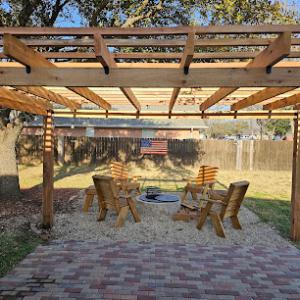
My Roofing
(817) 659-5160 www.myroofingonline.com
109 Westmeadow Dr Suite A, Cleburne, Texas
5.0 from 62 reviews
My Roofing is Cleburne's trusted home expert since 2012—serving Johnson County with BBB A+-rated roofing, storm response, and complete home solutions. Founded by Kevin Jones, our 13+ years of expertise spans roofing (roof replacement, repair, storm damage) and home improvement (bathroom remodeling, custom decks, professional painting). My Roofing roofers handle emergency calls within hours and offer transparent assessments—no upselling, just honest expertise. Our customers appreciate both our emergency response capability and our role as their "whole home partner" for planned improvements. Google 5★ rated. Serving Cleburne, TX and throughout Johnson County. Your neighbors in roofing + your complete home solution provider.
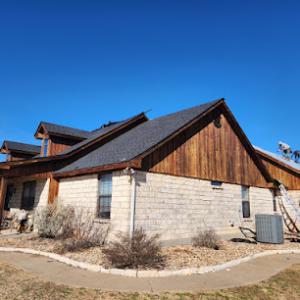
NLC Roofing & Construction
(817) 659-6052 www.nlc-construction.com
1503 S Main St Suite 300, Cleburne, Texas
4.9 from 107 reviews
NLC Roofing and Construction, located in Cleburne, TX, is a family-owned business that specializes in roof installations and a variety of exterior services for residential and commercial clients in the Dallas-Fort Worth area and surrounding communities. Our team of trained professionals offers quality services at competitive prices. We specialize in roof installations, gutters, exterior and interior renovations, and many other home improvement projects. Established in 2016, we are committed to delivering superior customer service and quality workmanship. Our team is insured and certified to ensure our customers receive the best workmanship and service.
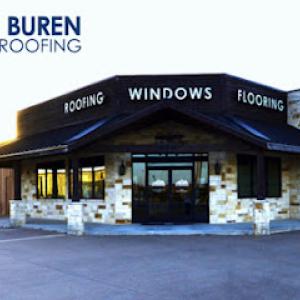
Stevan Buren Roofing, Windows, & Flooring
(817) 558-6997 www.stevanburen.com
919 N Nolan River Rd, Cleburne, Texas
4.9 from 245 reviews
If you’re looking to transform your home, Stevan Buren Roofing, Windows, and Flooring is here to help. Based in Cleburne, TX, we have proudly served Johnson County and nearby communities since 2005. As your local neighbors and trusted contractors, we are dedicated to exceptional service. Whether you need a durable new roof, energy-efficient windows, beautiful flooring, or a complete remodel, we handle both residential and commercial projects with expertise. Customer satisfaction is our priority, and our deep community roots ensure that you’re in capable hands throughout the entire process. Let us help you bring your vision to life!

Torres-Boren Roofing
(817) 202-0374 www.torresborenroofing.com
1202 Wendell St, Cleburne, Texas
4.9 from 85 reviews
Welcome to Torres-Boren Roofing company, your trusted roofing contractor! With years of combined residential commercial experience, we are committed to delivering high-quality roofing services for both residential and commercial properties. Our skilled team of professionals specializes in roof installation, repairs, and maintenance, ensuring your property stays safe and protected. We understand the importance of reliability, efficiency, and customer satisfaction, which is why we strive to exceed your expectations with every project. Whether you need a new roof or just a minor repair, trust Torres-Boren Roofing to provide exceptional service and results that will stand the test of time. Contact us today for a free consultation!
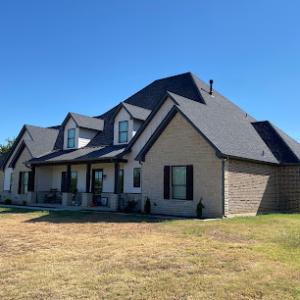
Smitty's Roofing & Construction
(817) 778-8731 smittysroofing.com
608 W Industrial Blvd Bldg. 200, Cleburne, Texas
5.0 from 30 reviews
General Contractor for Residential & Commercial projects. Storm Restoration Contractors with experience in roofing, windows, gutters, siding & remodeling. Serving Cleburne, TX & surrounding areas.
ER Roofing & Solar
(817) 330-9121 erroofingsolar.com
1 N Walnut St Suite 5, Cleburne, Texas
5.0 from 30 reviews
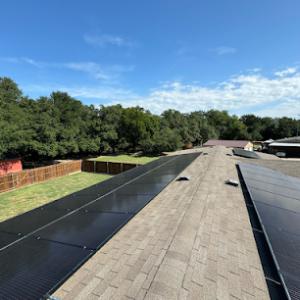
ER Roofing is your trusted partner in all things roofing! With a commitment to excellence and a passion for protecting what matters most, we are your premier destination for top-quality roofing solutions. Whether you're a homeowner in need of a roof repair, a business owner looking to upgrade your commercial roofing system, or someone seeking expert guidance on roofing maintenance, you've come to the right place. At ER Roofing, we bring decades of experience, unmatched expertise, and a dedication to customer satisfaction to every project we undertake. Your roof is more than just a shelter; it's an investment in the safety and longevity of your property.
Ramirez Roofing
(817) 357-5020 www.ramirezroofs.com
Cleburne, TX
5.0 from 23 reviews
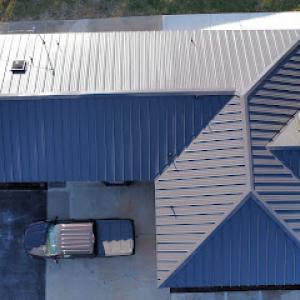
Ramirez Roofing provides expert roofing installation, repairs, and maintenance services, serving homeowners and businesses throughout the greater Fort Worth, TX area. We are dedicated to ensuring durability and protection for every repair, roof repair and roof replacement, using only high-quality materials and proven techniques. Customers choose us for our unwavering commitment to craftsmanship, transparent pricing, and reliable roofing services that stands the test of time. Our experienced service team prioritizes safety, efficiency, and customer satisfaction, consistently delivering superior results that safeguard investments from Dallas storm damage. Trust Ramirez Roofing for all your roofing construction needs. Residential & Commercial.
A&m roofing & remodeling
902 Poindexter Ave, Cleburne, Texas
5.0 from 21 reviews
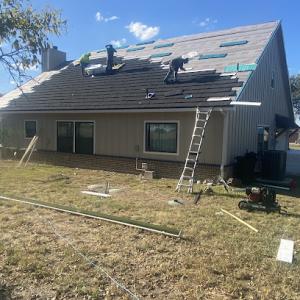
We are an individually owned roofing and remodeling company out of cleburne tx,what sets us apart from other company's is we put 110% into everything we do, never cut corners. And always strive for customer satisfaction.
Longhorn Commercial Roofing
1550 E Henderson St Ste 2, Cleburne, Texas
5.0 from 19 reviews
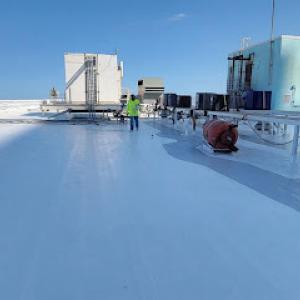
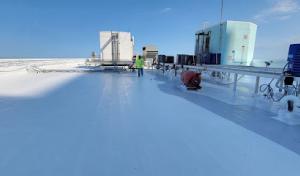
Longhorn Commercial Roofing aims to provide innovative commercial roofing solutions by creating value through excellent team members and customer service. Our goal is to become the most trusted an prominent commercial roofing provider in the state of Texas.
Limitless Roofing & Construction
(817) 659-3055 limitlessroofingandconstruction.com
401 S Main St, Cleburne, Texas
5.0 from 11 reviews
Limitless Roofing and Construction is more than just a storm restoration business. We can meet many of your home upgrade ideas. Contact our experienced roofers to ensure a professional and warranted roof after installation.
Carrington Roofing & Construction
(214) 770-7978 carringtonconstructiondfw.com
4230 US-67 #104, Cleburne, Texas
4.4 from 33 reviews
Welcome to Carrington Roofing and Construction – Your Arlington, TX Roofing Experts! We are the top choice for roofing services in Arlington and the Dallas Fort Worth area, specializing in residential and commercial roofing. Our services include thorough roof inspections, precise repairs, and reliable replacements, ensuring your property has a durable, long-lasting roof. Beyond roofing, our team enhances your property's value and appearance with services like home remodeling, room additions, siding upgrades, and fresh paint jobs. Carrington Roofing and Construction delivers exceptional results every time!
Texas Elite Roofing & Construction
(817) 760-0323 texas-elite-roofing-construction.com
Cleburne, TX
5.0 from 4 reviews
Texas Elite Roofing & Construction specializes in a wide range of services, including roof installations, repairs, and replacements, as well as comprehensive construction solutions. We understand the unique challenges posed by Texas weather, Our mission is to provide our clients with personalized service and tailored solutions that meet their specific needs. We believe in building lasting relationships based on trust, transparency, and integrity. From the initial consultation to project completion, we work closely with our clients to ensure their vision is realized.
Texas hail and wind claim volume directly affects homeowners in this market, with insurers commonly expecting photo documentation and detailed post-storm damage records. After a storm, assemble a concise log that tracks date, wind speeds observed, hail size if known, and any vegetation or property impacts. Photograph every roof face, gutters, vents, and flashings from multiple angles, along with close-ups of damaged shingles, granule loss, and any visible leaks inside the attic or ceiling. Save receipts for temporary repairs and keep a running list of contractor communications. In practice, the most helpful records show a clear before-and-after comparison and timestamped notes from any on-site observations.
On-site adjuster coordination is a normal part of the roof replacement process after spring storm events. Schedule the visit as soon as practical, and have the property representative present to note discrepancies and answer questions. Expect a thorough walk-around, with the adjuster marking damage and estimating repair scope on site. Bring your documentation kit, including the damage report, photos, and a calendar of interrogatories for questions about the scope and sequence of repairs. If additional damage is discovered later, request an addendum rather than starting over. Understand that the adjuster's role is to validate claims for coverage and depreciation, so keep a calm, organized file of conversations and decisions. In-person coordination helps prevent gaps between what's documented and what ends up in the final replacement plan.
Coverage terms and pricing pressure in Texas can influence whether homeowners stay with standard asphalt shingles or consider more impact-conscious replacement choices. When the insurer reviews the claim, they may weigh the long-term performance under North Texas hail and wind exposure. If the documentation shows recurring damage risk or high wind zones on the roof line, the replacement strategy becomes more straightforward. This market reality can push conversations toward materials that balance resilience with available coverage, rather than the lowest upfront option. Before finalizing the material choice, review the claim notes, the adjuster's recommended scope, and any depreciation holdbacks. A practical approach is to align the chosen roofing type with proven performance under local hail patterns and wind loads, while ensuring the replacement plan satisfies the insurer's documentation standards to keep the claim moving forward.
Connect with contractors who help homeowners navigate the claims process from damage assessment to final approval.
My Roofing
(817) 659-5160 www.myroofingonline.com
109 Westmeadow Dr Suite A, Cleburne, Texas
5.0 from 62 reviews
NLC Roofing & Construction
(817) 659-6052 www.nlc-construction.com
1503 S Main St Suite 300, Cleburne, Texas
4.9 from 107 reviews
Stevan Buren Roofing, Windows, & Flooring
(817) 558-6997 www.stevanburen.com
919 N Nolan River Rd, Cleburne, Texas
4.9 from 245 reviews
A full roof replacement in Cleburne typically requires a building permit issued by the City of Cleburne. This process is designed to ensure that the work meets local wind, exposure, and underlayment standards that are common to North Texas seasons. The permit acts as a formal checklist for the project and helps align material choices, installation methods, and flashing details with what the city expects for a durable, code-compliant roof.
Before any materials arrive, contact the City of Cleburne's building department to confirm whether a permit is needed for the exact scope, and to understand current inspection windows. Gather basic project details: roof size, chosen roofing system, underlayment type, flashing plan, and a rough schedule. A common pitfall is submitting plans too close to an outdoor work window; the permitting staff can indicate typical review times and any required wind-mitigation documentation. Have a licensed contractor or roofer pull the permit, since missteps here can delay the project and complicate insurance claims after hail and wind events.
City inspections are expected during and after installation. Expect a sequence: rough-in (structure and underlayment), mid-build checks (nail spacing, fastener type, and nailing pattern for the chosen system), and a final inspection to confirm flashing and vent installations are sealed and weather-tight. The focus is especially strict on underlayment quality, nail spacing, and flashing joints where walls meet the roof and around chimneys or vents. A properly integrated underlayment and well-spaced fasteners help withstand spring hail impacts and wind gusts typical of North Texas summers.
When relevant, wind-mitigation documentation can play a critical role in the approval process. Gather records such as notices of compliance from the installer, roof component specifications, and any contractor-certified installation details that demonstrate enhanced wind resistance. This paperwork may be requested to streamline the permit review or subsequent inspections, particularly after severe wind events that prompt insurance-driven replacements.
Plan for possible inspection-slot queuing, especially in busy spring months following hail or strong winds. Coordinate with the contractor to align delivery, tear-off, and reinstallation windows with inspection slots. Leave buffer time for potential re-inspections if a detail-such as flashing laps or nail spacing-needs correction. Clear communication between homeowner, contractor, and the city helps prevent delays and reduces the risk of rework that can complicate insurance timelines.
After installation is complete, a final inspection confirms that all components, including flashing, underlayment, and vent penetrations, meet code expectations. Once the final approval is recorded, keep the permit closure documentation for warranty and insurance records. If any issues are flagged, address them promptly with the contractor to avoid extended exposure to weather during the remodel.
For asphalt shingles, typical local pricing runs about $350 to $700 per square in this area. Metal roofing tends to land in the $700 to $1400 per square range, reflecting the faster installation and longer life of metal panels common in Cleburne homes. Clay tile sits higher, usually from $950 to $2500 per square, with concrete tile following at $800 to $1800 per square. Wood shingles or shakes often fall between $900 and $1600 per square, while synthetic or composite shingles run $600 to $1200 per square. These ranges align with how each material behaves under local heat, wind, and hail exposure, and they reflect the mix of older homes with retrofit needs and newer houses built to accommodate higher wind loads.
Spring hail storms drive a rapid surge in demand for roof work in this market. When a hail event hits, scheduling becomes tighter, crews get booked out, and even stable material pricing can translate into higher overall replacement costs due to labor pressure. The timing matters: a roof replacement scheduled in the immediate aftermath of a hail event may incur premium labor rates, expedited material orders, and compressed timelines that increase the chance of minor extras turning into add-ons. If you're working through an insurance claim, those spikes can also influence the pace at which decisions are made and the sequencing of any repair versus full replacement.
In practice, the combination of storm-driven demand and the local permit-like coordination (inspections, documentation tied to wind or insurance work, and related soft costs) adds time and budget considerations to full replacements. Even when the base price for material remains within the stated ranges, the overall project can drift upward due to crew availability, travel time to a storm-impacted neighborhood, and the need to align multiple trades for underlayment, flashing, and venting that meet the area's expectations. When weighing options, consider not just the sticker price per square but the total window of disruption, the reliability of the contractor's crew during peak season, and how the chosen system interacts with your home's existing components.
If you're prioritizing cost predictability and a quicker return to service, asphalt shingles remain a solid choice, provided the roof is sized and installed to handle the local wind loads. Metal offers longer life and excellent wind resistance, often justifying the higher upfront cost, especially on newer builds or upgrades. For long-term durability against hail and heavy rain, clay or concrete tiles deliver resilience but come with steeper installation demands and higher initial costs. Wood shakes provide distinctive aesthetics but may require more maintenance in heat and moisture, while synthetic shingles strive to balance cost and performance. Align material choice with your home's age, roof pitch, and expected replacement timeline driven by weather patterns and insurance conversations.
Don't let upfront costs delay a critical repair - these contractors offer payment plans to fit your budget.
Community Construction & Roofing
(817) 774-1298 www.yourcommunityroofer.com
Serving
5.0 from 80 reviews

Asphalt shingles remain a dominant choice in Cleburne because they fit the local re-roof market and are widely used after hail-related replacements. For a homeowner facing spring hail and strong winds, asphalt provides a straightforward path to reliability without excessive weight. In this climate, opt for shingles with good impact resistance and a high wind rating, and plan for a robust underlayment and correct nail spacing to satisfy the city's scrutiny during full replacements. A practical approach is to choose a shingle line with a proven track record in hail zones and pair it with a watertight flashing detail at valleys, chimneys, and roof-to-wall transitions. Regular inspection after severe storms helps catch loose tabs or lifted edges before they become leaks in the hot Texas sun.
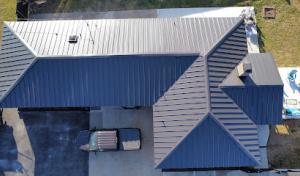
Metal roofing has meaningful local traction in Cleburne, reflecting homeowner interest in durability under heat, UV exposure, and recurring storm cycles. If longevity and minimal maintenance matter, metal can outperform asphalt in this setting. Look for a profile that sheds wind well and resists denting from hail, with proper attic ventilation to reduce heat buildup. Metal roofs also respond well to energy-efficient finishes that reflect radiant heat, which helps curb inside temperatures during peak summer. Proper installation matters: secure panels with corrosion-resistant fasteners, seal penetrations thoroughly, and maintain a generous drip edge to control wind-driven rain. A metal roof can be a practical, long-term choice when replacement timing aligns with storm-driven insurance considerations and a homeowner aims to minimize future roofing disruptions.
Tile and synthetic options exist in the market, but their fit depends on how homeowners balance storm resilience, weight, appearance, and replacement cost in North Texas conditions. Clay and concrete tiles offer distinct curb appeal and excellent durability under sun, yet require a beefier roof structure and careful installation to avoid wind uplift. Synthetic shingles provide a lighter alternative with varied aesthetics and often lower maintenance needs, making them a reasonable compromise for storm cycles. In areas prone to hail, choose products tested for impact resistance and ensure installation emphasizes secure fasteners, proper underlayment, and meticulous flashing. Tile and synthetic roofs may demand more upfront planning, but can pay off in appearance and long-term performance when matched to housing style and structural capacity in this market.
Explore specialists in steel, aluminum, and standing seam metal roofs built to last 50 years or more.
Longhorn Commercial Roofing
1550 E Henderson St Ste 2, Cleburne, Texas
5.0 from 19 reviews
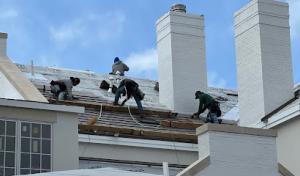
In this hot Texas pocket, roof surfaces soak up a lot of sun and heat, and the UV rays arrive with a stubborn glare. Asphalt shingles can become brittle faster, while metal panels may show faster panel expansion and contraction. Over years, underlying felt or underlayment can degrade if radiant heat isn't managed well. The result is more pronounced wear along edges, hips, and valleys where sun exposure is relentless. Homeowners should expect a steeper aging curve than milder climates deliver, especially on roofs with open attic spaces or insufficient ventilation.
High summer temperatures don't just wear the shingles; they complicate the install itself. Adhesives cure too quickly, underlayment can dry out, and nail settings must be precise to avoid looser flashing or wind uplift. Warm days also tempt contractors to push through tear-offs without optimal drying times, which can trap moisture. That's why spring and fall are often favored for planned replacements, offering steadier conditions and a longer-lasting fastener and seal.
Timing matters because sustained heat and sun exposure shape long-term performance. If a replacement is scheduled, a plan that avoids the peak heat window reduces stress on installation crews and improves shingle seal formation. A mindful rhythm can preserve the roof's integrity for more seasons, reducing the chance of early edge lifting or seal failures that come from rushed work in the height of summer.
Even when winter temperatures stay mild, fall and early winter rain can interrupt tear-off and dry-in schedules. Wet conditions curb proper sheathing drying, slow flashing work, and complicate membrane sealing. When planning around this season, expect possible delays and design the replacement sequence to accommodate delays without compromising underlayment protection.
Choose materials with heat resistance and UV stability in mind, and prioritize products designed to tolerate direct sun exposure. A roof that balances reflective properties with robust sealing details tends to hold up better under the region's harsh sun. Insist on thorough attic ventilation and carefully spaced fasteners to minimize heat-induced issues and ensure a durable, long-lived roof.
In Cleburne, spring storms can deliver sudden hail and wind damage that undermines roofing integrity fast. Because spring storms in Cleburne can produce sudden hail and wind damage, temporary dry-in and leak control are often needed before full replacement begins. The goal is to keep interior living spaces safe and dry while assessments are made. If water is actively intruding, prioritize tarping or temporary barriers to redirect leaks away from wiring, ceilings, and valuable belongings. Quick, decisive action minimizes interior damage and buys time for a proper plan.
Wind-driven shingle lift, dented vents, and damaged flashing create hidden pathways for water. Look for loose nails, lifted underlayment, and torn seals around chimneys or skylights. In a storm-damaged home, flashing needs careful inspection even if shingles appear intact from the ground. Leaks often appear far from the visible damage, so focus on attic staining, pantry ceilings, and exterior wall penetrations. If temporary dry-in is used, ensure all penetrations are sealed with weather-rated material and that any temporary coverings are secure against then-strong winds.
Project disruption from tornado or microburst events is a real local risk, making fast response especially important after severe weather days. A contractor that can mobilize quickly reduces exposure time and stabilizes the roof system sooner. Expect crews to perform a rapid interior check for moisture intrusion and to establish temporary containment before a full replacement window opens. The emphasis is on measurable action: stop the leak, secure the roof, and arrange for a detailed assessment and permanent repair plan.
Document all impacted areas with photos and notes, including attic and attic hatch evidence of moisture. Provide a prioritized temporary repairs list and a clear timeline for the full replacement while weather and insurance factors are resolved. After the storm, consistent communication helps homeowners navigate the transition from emergency leak control to a scheduled, code-compliant replacement.
When you can't wait, these contractors offer fast response times to stop leaks and prevent further damage.
Stevan Buren Roofing, Windows, & Flooring
(817) 558-6997 www.stevanburen.com
919 N Nolan River Rd, Cleburne, Texas
4.9 from 245 reviews

Torres-Boren Roofing
(817) 202-0374 www.torresborenroofing.com
1202 Wendell St, Cleburne, Texas
4.9 from 85 reviews
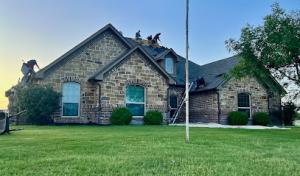
When a storm hits, the contractor scene shifts fast in this area. The market leans toward re-roofing rather than niche specialty work, which matters for homeowners replacing storm-damaged roofs. You'll notice many crews stacking projects quickly after hail events and wind surges, so a reliable crew should balance speed with solid craftsmanship. Look for teams that show a steady stream of completed homes rather than a single-season flash. The best choice keeps a steady cadence through spring turnover and can still stand behind the work years later.
You want a crew that can meet you soon after a claim is filed and commit to a clear cleanup standard. In practice, that means prompt on-site assessments, transparent timelines, and a plan that covers debris removal, nail clean-up, and waste containment. Ask for a written schedule with daily progress notes and a designated supervisor you can contact. A reputable local crew will treat cleanup as part of the job, not an afterthought, and they will follow up to fix any overlooked detail after the main work is finished.
Long-established, family-owned, and residential-focused companies are common in this market, giving you a spectrum of tenure and service style to compare. You should expect crews that are comfortable coordinating with insurance adjusters and that have a track record with typical North Texas weather patterns. Ask for recent references from similar homes and hail-worn elevations. Compare how each candidate handles flashing, underlayment, and nail spacing-critical details a thorough re-roof inspection should reveal.
During the interview, request a point of contact who will be on-site for the project's duration. Confirm that the crew uses a dedicated supervisor who conducts a mid-project quality check and a final walkthrough. Inquire about a written workmanship warranty and how they manage storm-season scheduling to minimize exposure to weather. For peace of mind, require a prestart checklist that covers venting, drip edge, and attic vent alignment, ensuring the crew signs off on each item before proceeding.