Last updated: Apr 19, 2026
Spring hailstorms and heavy rain are the cockpit of danger for your roof in this area. If a storm pelts your fascia with hail or you notice dented gutters, loose granules, or shingle edges kicked up, treat it as a potential major failure. A single uptick in wind can peel tabs or lift vent flashing, especially on aging asphalt systems common in the local housing stock. Do not delay a professional inspection after a hail event, even if you don't see obvious damage from the ground. Hidden delamination or hail impact can hide under granules and around the attic access, and those issues compound quickly in the heat and sun.
After a storm, walk the roof only if it's safe and you have a sturdy ladder and someone to assist. Photograph high-impact zones: hail hits on the ridges, smooth edges of shingles, and any soft spots visible from the eave line. Capture attic signs as well-damp insulation, water stains, and condensation around penetrations. Create a fresh, time-stamped record of what you observe and compare it to pre-storm photos if available. Share this evidence with your insurer and your chosen roofers early in the process so you can get repair windows scheduled before storm debris fills the calendar.
Autumn wind events can lift shingle tabs and scatter debris across roofs, particularly on older asphalt shingles. This debris can trap moisture and accelerate deterioration. When debris is present, prioritize clearing the gutters and downspouts to maintain proper drainage and reduce standing water near the fascia. If a contractor recommends a temporary dry-in, plan for that window carefully: long stretches of wet weather or heat waves can extend the drying-in period. Coordinate with your roofer to reserve a dry-in slot that aligns with forecasted weather and your interior protection needs.
Storm activity in Johnson County drives a surge in demand, and project backlogs become a real risk after significant weather. If your neighborhood was hit hard, expect temporary delays for assessments and material availability. Start your outreach immediately after you've stabilized safety concerns at the top of the house: secure loose shingles, tarps over vulnerable zones, and cover openings to prevent additional water intrusion. Communicate clearly with your insurer about the scope of damage and the expected timeline for a full replacement versus targeted repairs. Having a firm plan and a known contractor can reduce the time your home spends exposed to the elements.
Look for a local roofer who understands how spring hail, heavy rain, and autumn winds interact with typical Texas roofs. Ask about their process for documenting damage, their ability to mobilize quickly after a storm, and their familiarity with insurance-driven projects. A contractor should offer a transparent timeline, a staging plan that minimizes interior disruption, and a robust method for protecting interior ceilings and insulation during repairs. Tie this to a clear communication schedule so you're not left guessing when crews will arrive or how long the dry-in will last.
Early-season inspections are essential after long winter saps and summer heat cycles. Pay attention to attic ventilation, flashing around chimneys and vent pipes, and the condition of edge metal and drip edge. In this climate, proactive maintenance reduces the risk of cascading damage and keeps your home safer through the next round of storms. If you notice sagging, moisture persistence, or peeling sealant around penetrations, address it promptly rather than letting it fester until the next big weather hit.
Texas is a high roof-claim state because hail and wind losses are frequent, so you need dated photos, material notes, and roof-age records before filing. In Johnson County, storms pack a punch, and the surrounding North Texas heat accelerates shingle aging. That combination means an adjuster will expect a tight, paper-trail case that shows what existed before the event and what was damaged after. If your file looks messy, expect longer processing times or pushback on coverage. The goal is to present a clear story: when the damage occurred, what was harmed, and how the replacement aligns with the actual roof assembly you have.
Adjusters commonly ask for photos, contractor quotes, and notes on the roof material and age, so documentation quality directly affects claim handling in this market. Start with dated, wide-angle roof photos that include the entire field, edges, and any penetrations. Then capture close-ups of hail impact marks, missing granules, curled shingles, or compromised sealants. If you've had prior repairs, document those locations with dates and materials used. Keep a simple log noting weather conditions during each storm and any sudden changes in roof appearance after those events. In Texas, many homes carry asphalt, metal, or clay/concrete tile; each material has unique failure signatures and corresponding documentation needs. For metal roofs, note panel seams and dent patterns; for clay or concrete tiles, photograph broken or shifted units and any underlayment exposure. For asphalt, focus on granule loss and edge damage that may reveal the underlayment.
Start with a current copy of the roof-age record if you have one, plus the material spec from your original installation or most recent replacement. Gather two or three independent contractor quotes that address the same scope of work, including tear-off, underlayment, flashing, and full replacement where needed. Include a simple, layperson-friendly description of the chosen roof system and why it's appropriate for your climate and house design. Attach a short chronology: date of hail or wind event, date you noticed damage, and dates of subsequent inspections. If you've previously filed a claim or had prior work done, include the claim number and summary of work performed. Keep the bundle organized by section (photos, logs, material notes, quotes) and reference each item in your claim form so the adjuster can follow your reasoning quickly.
When you open a claim, be explicit about the roof's age, the known material, and the observed damage. In hail-prone markets like Johnson County, carriers often tighten terms or raise deductibles; a line-item replacement estimate commonly yields more reliable coverage decisions than a broad "all-new roof" proposal. If an adjuster requests more documentation, respond promptly with the most recent photos, a current material note, and a clean copy of the quotes. Documentation quality shapes claim handling and helps prevent unnecessary delays during storm season. Keep a single, written timeline for the entire process and share it with your contractor so everyone aligns on the expected flow.
Connect with contractors who help homeowners navigate the claims process from damage assessment to final approval.
Capitol Roofing & Services
(817) 453-8555 www.capitolroofingservices.com
217 FM2738, Alvarado, Texas
5.0 from 24 reviews
Emerald Isle Roofing & Restoration
(817) 586-8201 www.ei-roof.com
3839 N Cummings Dr, Alvarado, Texas
4.9 from 19 reviews
Loyalty Contracting & Restoration
(469) 600-1640 www.loyalty-contracting.com
916 County Rd 207, Alvarado, Texas
4.8 from 34 reviews
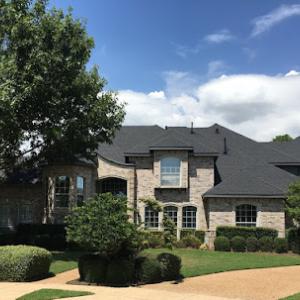
Capitol Roofing & Services
(817) 453-8555 www.capitolroofingservices.com
217 FM2738, Alvarado, Texas
5.0 from 24 reviews
Capitol Roofing & Services is the number one roofing company in the DFW area because we believe in putting your needs first.
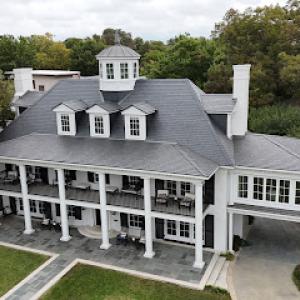
Emerald Isle Roofing & Restoration
(817) 586-8201 www.ei-roof.com
3839 N Cummings Dr, Alvarado, Texas
4.9 from 19 reviews
Residential, commercial Roofing specialist since 1995. Repair, replace, new construction. Insurance restoration & speciality roofing.
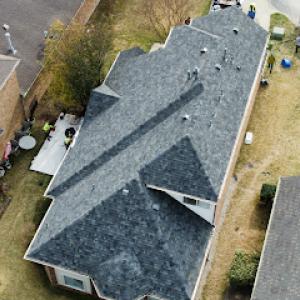
Loyalty Contracting & Restoration
(469) 600-1640 www.loyalty-contracting.com
916 County Rd 207, Alvarado, Texas
4.8 from 34 reviews
Family owned and operated
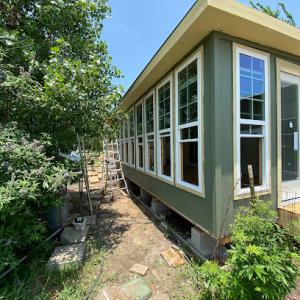
The Reliable Contractor
2916 Harold's Ct, Alvarado, Texas
5.0 from 12 reviews
We specialize in roofing installation and repair. We also offer a full range of home construction work. We do jobs big or small, in or out.
Beyond Roofing Services
Alvarado, TX
5.0 from 2 reviews
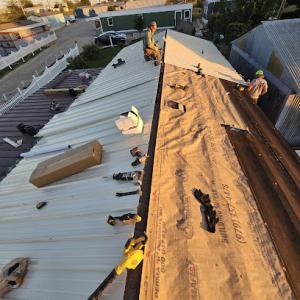
We are a Roofing Company near Arlington that has been repairing and replacing roofs for our customers. Roof leaks from storm damage can be fixed quickly and by professionals. Our areas of expertise are Roof leaks, Roof Replacements, Metal Roof Repairs, Metal Roof Replacement, Gutter Replacement, Roofing Insurance Claim Assistance, Insurance Claim Roof Replacement. Voted #1 Local Roofing Company. We are the Roofing Company near you! Emergency Roof Repairs and Replacement is available. 24/7 Roof Repairs in Arlington. Roof Damage can be fixed quickly by our team of roofing contractors in Arlington. Call Us today and schedule for a free Roof Inspection, Allow my Team the opportunity to earn your business.

Western Colloid - Dallas/Fort Worth (Area)
(682) 400-4044 westerncolloid.com
4204 Longhorn Dr, Alvarado, Texas
4.3 from 4 reviews
Since its inception, Western Colloid has been recognized in the roofing industry as a leader in Fluid Applied Roofing, Reflective Coating Systems and Premium Asphalt Sealcoats. -If you are a Building Owner or Manager, we can recommend and specify systems that will meet your needs. -If you are a Specifier or Architect, we have a variety of specifications to deliver systems you can count on. -If you are a Contractor or Distributor, we can deliver the quality products and services that will help make you successful.
Honey Bees Roofing
(817) 668-6131 honeybeesroofing.com
Serving
5.0 from 239 reviews
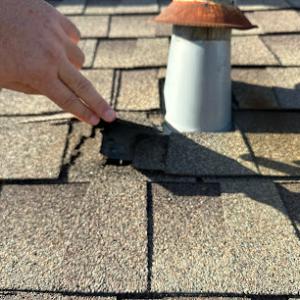
Honey Bees Roofing is the leading Roofing Contractor in Fort Worth, TX & the surrounding areas. We proudly offer Roof Repairs in Fort Worth, TX! We offer the following services: Roofer Fort Worth TX Roofing Company Fort Worth TX Roof Repair Fort Worth TX Roofing Contractor Fort Worth TX Commercial Roofer Fort Worth TX We proudly service the Fort Worth, TX area & pride ourselves on offering the best Roofing Company services. Please contact us for all your Roofing Contractor needs. Roofer near me Roofing Company near me Roof Repair near me Roofing Contractor near me Roofing Contractor near me Fort Worth TX Roof Repair near me Fort Worth TX Roofing Company near me Fort Worth TX Roofer near me Fort Worth TX
GC Roofing & Construction
(737) 734-2992 gcroofingtx.com
Serving
5.0 from 34 reviews
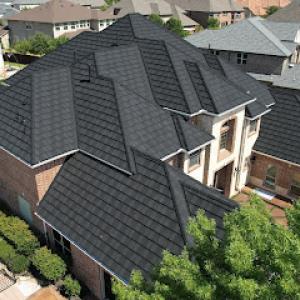
GC Roofing and Construction is a Texas based company servicing the Metroplex in both Residential and Commercial Roofing and Solar applications. We specialize is all roofing and Solar systems, Asphalt/Stone Coated Steel/Metal/TPO and Coating systems.
Carrington Roofing & Construction
(214) 770-7978 carringtonconstructiondfw.com
Serving
4.4 from 33 reviews
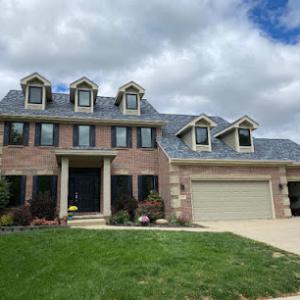
Welcome to Carrington Roofing and Construction – Your Arlington, TX Roofing Experts! We are the top choice for roofing services in Arlington and the Dallas Fort Worth area, specializing in residential and commercial roofing. Our services include thorough roof inspections, precise repairs, and reliable replacements, ensuring your property has a durable, long-lasting roof. Beyond roofing, our team enhances your property's value and appearance with services like home remodeling, room additions, siding upgrades, and fresh paint jobs. Carrington Roofing and Construction delivers exceptional results every time!
Harvey Roofing & Construction
(817) 422-4847 www.harveyroofingtx.com
Serving
5.0 from 103 reviews
Harvey Roofing & Construction, located in Joshua, Texas, is your premier choice for high-quality roofing services in the Dallas–Fort Worth metro area. As a top-rated roofing contractor, we specialize in comprehensive roofing solutions, including expert roof repair, roof replacement, storm damage repair, and roof leak repair. Our team excels in residential roofing service needs, offering thorough roof inspections and professional roof installations, including energy-efficient metal roofing systems. We are certified installers of leading shingle products like Malarkey, Atlas, and CertainTeed. Trust Harvey Roofing for reliable, long-lasting roofing services that enhance your home's protection and appeal. Contact us for a free inspection today!
Most High Roofing
(817) 528-3433 www.mosthighroofing.com
Serving
5.0 from 20 reviews
We are a business located in Burleson that also serves surrounding areas. Offering many construction services, but specialize in roof replacements and repairs. We connect with the community by providing great customer service and offer quality services at an affordable price. “Whatever you do, whether in word or deed, do it all in the name of the Lord Jesus, giving thanks to God the Father through him.” Colossians 3:17
HD Roofing & Construction
(817) 420-4048 www.hdroofing.net
Serving
4.9 from 18 reviews
A Small Company, Delivering Big Results HD ROOFING & CONSTRUCTION GENERAL CONTRACTOR We are a family-owned residential and commercial roofing company and general contractors for new roofs, roof repairs and roof replacements throughout the DFW Metroplex and surrounding areas. Our team is also skilled and experienced to complete your next home renovation or remodeling project. Call for your appointment and let our 10 years of experience, history of satisfied customers, and quality craftsmanship work for you! General Contractor Hail Damage Roof Hail Damage Roof Repair Metal Roofing New Roof Residential Roofing Roof Leak Repair Roof Repair Roof Replacement Stone Coated Metal Roofing Stone Coated Steel Roofs
Central Texas summer sun delivers intense UV exposure that accelerates granule loss, brittleness, and surface aging on asphalt roofs common around Alvarado. In practical terms, shingles can start to look chalky or curled sooner than expected after several harsh summers. That accelerated aging often shows up as more frequent granule loss in gutters or require more frequent inspections for surface cracking and exposed felt. A roof that's been under full sun for years will also heat up faster, which can contribute to faster wear on the underlayment and flashing over time. The result is a roof that may still be within its nominal life span but behaves more like a "weathered" roof when a summer storm rolls through.
Replacement timing is not a simple age question in this climate. A roof that survived a dozen summers may still be a better candidate for action after a spring hail event, when damage can be hidden beneath granules or shingles that look intact from the ground. In Alvarado, the combination of summer heat stress and hail exposure in spring often means roofs reach a point where action is prudent even if the shingle count isn't at the end of its rated life. Plan ahead so that installation can be completed in a window with milder daytime temps, reducing heat-related handling challenges for crews and minimizing the risk of heat-induced gaps in adhesive or sealants. If a roof has shown accelerated aging, scheduling a replacement for late summer to early fall often aligns with improved temperatures and more predictable sequencing for underlayment installation and ventilation checks.
Winters here bring occasional freezes and sharp temperature swings. While severe winter loading isn't the main design issue, those swings can complicate installation scheduling. Freeze-thaw cycles can stress newly installed materials if the job is rushed or scheduled during the coldest days. When planning, consider a window where nighttime temperatures reliably stay above freezing, allowing adhesive and sealants to cure properly and minimizing the risk of shingle lift during early spring winds. A thoughtful approach also accounts for brief cold snaps after spring hail, which can affect post-installation curing and the performance of attic ventilation during the transition from heating to cooling seasons.
Asphalt shingles remain a dominant choice locally because they fit the area's residential re-roofing market and lower entry cost, but they are the most exposed to UV aging and hail bruising in this climate. In practical terms, you'll notice faster granule loss on overheated afternoons, which accelerates aging if the roof isn't shaded or vented well. For homes with limited attic space or modest overhangs, consider a higher-quality asphalt option with reflective granules and a wind-resistant instalation that's rated for our strong winds. When hail season rolls around, keep an eye on shingle edges and look for bruising or broken tabs after a storm, and document any damage promptly for an insurance review.
Metal roofing has strong relevance in Alvarado because it handles intense sun well and is actively offered by local contractors, but detailing at fasteners, flashing, and penetrations matters in heavy-rain events. If you lean toward metal, choose a system with a proven coating for our sun and heat, and insist on up-to-date installation practices around valleys and vent pipes. Metal can shed rain efficiently, but improper flashing or misaligned fasteners can create leaks during heavy downpours. A metal roof can also wear differently under hail-the paint or coating may dent or chip, so plan for inspection after storms and proactive maintenance.
Clay and concrete tile appear in the local material mix, but in hail-prone North Texas they require attention to impact damage, underlayment condition, and the added structural and labor complexity of replacement. Tiles that crack or loosen during hail can expose underlayment to moisture, and the weight of these materials demands solid framing and careful installation. If you're replacing with tile, confirm the structure is reinforced to handle the load and that the underlayment is a high-quality, weather-appropriate layer. Tile roofs also demand precise flashing around penetrations and skylights to prevent leaks in heavy rains.
Across all options, you'll benefit from keeping a close eye on the attic environment-adequate ventilation and a dry barrier help materials resist heat and hail-related stress longer. When storms loom, document rooftop conditions and any damage with photos, and maintain a simple habit of quick post-storm checks to catch issues before they cascade. In hail-prone years, plan replacements around North Texas storm seasons so repairs don't linger and moisture doesn't compromise interiors.
North Texas storms frequently push demand up after major hail events, and Alvarado sits squarely in that pulse. When a storm hits, crews get booked fast, trucks and materials tighten up, and scheduling shifts to accommodate insurance-driven work. That combination can lift the short-term price point across materials and labor, even for relatively straightforward tear-offs and re-roofs. If you're evaluating bids soon after a hail event, expect a tighter window and a need to confirm start dates and staging plans that avoid project overruns caused by rain delays or material back-orders.
Material choice has a strong influence on the bottom line in this area. Asphalt shingles run roughly from 350 to 750 USD per square, making them the most budget-conscious option if the roof structure and climate allow. Metal roofing typically ranges from 700 to 1300 USD per square, offering durability and hail resistance that can pay off over time but with a higher up-front outlay. Clay tile sits between 900 and 1700 USD per square, providing a long-lived, high-profile roof that's common on updated homes but requires a solid deck and careful installation. Concrete tile is usually about 800 to 1500 USD per square, offering weight and weather resistance suitable for storm-prone climates when the structure supports it. Wood shingles or shakes fall in the 500 to 900 USD per square band, providing a distinctive look but needing more maintenance in heat and humidity. Synthetic or composite shingles sit around 500 to 1000 USD per square, offering decent performance with often better impact resistance than plain asphalt. In practice, your selection will affect not just price but installation time, weight considerations, and potential hail-related claim outcomes.
Full tear-offs can cost more when hidden storm damage is found at decking, flashing, or ventilation details during inspection stages required by the city. If the inspector uncovers compromised underlayment or framing, the project price can climb due to necessary repairs and replacements beyond the visible roof deck. Planning for a thorough upfront inspection helps prevent surprise cost jumps, but be prepared for the possibility that the scope expands once decking or flashing details are exposed. A cautious contractor will document findings with photos and notes to support insurance coordination and ensure the replacement target remains aligned with your actual needs.
Don't let upfront costs delay a critical repair - these contractors offer payment plans to fit your budget.
Community Construction & Roofing
(817) 774-1298 www.yourcommunityroofer.com
Serving
5.0 from 80 reviews
A permit is typically required for a full re-roof, with review handled by the City of Alvarado Building Department. That process is not a formality you can skip, and pulling the permit sets expectations for the project timeline, material choices, and inspection milestones. If you're dealing with an insurance-driven storm replacement, the permit step remains your backbone to keep work compliant and resalable. Budget extra time upfront for the permit review so you aren't surprised by a delay that stalls your start date.
Inspections in this town are scheduled during and after the roofing job, not just at final completion. That means you'll need to have certain details ready for review while the work is underway. The contractor should coordinate access for these checks, but you're the driver of ensuring that the in-progress items are addressed promptly. If a condition comes up during underlayment or early flashing work, expect the inspector to pause a section of the project until it's corrected. Delays at this stage ripple into weather windows and hot-season timing, so clear communication with your crew and the Building Department is essential.
City inspection focus centers on underlayment, flashing, and venting compliance. Proper underlayment installation, properly sealed flashing around chimneys, vents, and at roof edges, and venting that meets code all influence scheduling and punch-list corrections. If any of these elements is missing or out of spec, you'll face corrective work before the project can move forward. Plan for potential rework cycles and ensure your contractor prioritizes these specifics so the overall timeline stays workable and the finished roof performs when storms come back through this corridor.
In this climate, the places where flashing meets the deck or where penetrations pass through the roof are high-risk zones. Heavy rain often follows hail or wind events that already loosen roof components, so a small flashing gap can become a big leak quickly. You should inspect collars, boot seals around vents, skylight transitions, and chimney abutments after any storm, looking for loose metal, lifted shingles, or degraded sealant. If you see creases or missing caulk, address it promptly before water finds its way under underlayment and into the attic.
Ventilation defects matter more in this hot Central Texas pattern because trapped attic heat can intensify shingle aging and shorten service life. A poorly vented attic accelerates curling, cracking, and drying out of the roof deck. Check soffit intake and ridge vent flow on a calm day, listening for air movement at peak attic points. If the attic feels stifling or the living space above is consistently hotter than comparable homes, plan a ventilation upgrade. Proper balance between intake and exhaust is essential to slow fast aging of the roof system.
Tile and specialty roofs in this market often fail first at underlayment or accessory details rather than the field material itself, especially after repeated storm cycles. Look for roof-to-wall transition details, hip and valley underlayment, and edge metal. After hail or high winds, water can track under tiles even when the surface looks intact. Inspect for delamination, blown-off underlayment, or displaced step and counter flashings around edges and penetrations, and address these issues before they propagate deeper into the roof structure.
Find contractors experienced in skylight installation, flashing, and leak repairs to bring natural light into your home.
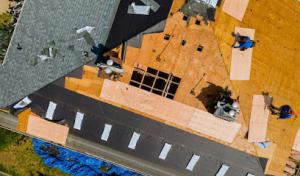
Even though most homes in this area rely on pitched assemblies, you will still encounter flat-roof work on additions, porches, or small commercial properties. When planning these sections, pay close attention to drainage and edge detailing. Flat roofs in the Texas sun can heat up quickly, so a deliberate, well-sealed vapor barrier and proper insulation detail at transitions to the main roof is essential to prevent water intrusion and energy losses. Local contractors who advertise flat-roof services may be juggling fewer projects, so verify their recent flat-roof experience and request a sample detail sheet showing how they handle seams, penetrations, and parapet edges.
Solar-integrated roofing appears in the local contractor mix, but it remains a smaller specialty. When combining roofing and solar work, emphasize flashing quality and penetration details. In storm-prone seasons, high wind and hail can exploit marginal flashings around racking, vents, and skylights. Ensure the contractor differentiates between roof warranty coverage and solar system warranty, and confirm that penetrations through the roof deck are reinforced with proper waterproof flashings. If a system is added after an initial roof installation, verify that the existing flashing is not compromised and that the penetration sleeves are rated for multiple weather cycles.
Roof coatings exist in this market but are not the common first choice for most homes. Coatings can be suitable for certain retrofit scenarios or to extend the life of a specific low-slope surface, but they should be selected with caution. Evaluate the compatibility of the coating with the underlying membrane or shingles, the expected temperature swings, and the local hail history. A coating-only approach may not provide the long-term protection a full reroof can offer after a hail event. If considering a coating, insist on a clear plan for surface preparation, adhesion testing, and a realistic expectation of performance under North Texas storm cycles.
When assessing low-slope sections or coating ideas, request a detailed drainage plan, edge and parapet detailing, and a comparison of how any added solar penetrations will interact with existing roof hardware. Have the contractor walk you through a phased approach: confirm existing deck condition, address flashing integrity, and then verify that any future solar work can be integrated without compromising the primary roof system. In this market, the goal is a durable, weather-resistant envelope that remains responsive to the region's hail and wind exposure.
Find specialists in TPO, EPDM, and built-up flat roofing systems for residential and commercial properties.
Queen Bee Roofing & General Contracting
(817) 518-4100 www.queenbeeroofing.com
Serving
5.0 from 32 reviews