
Last updated: Apr 19, 2026
In this area, a storm can drop hail as big as a golfer's ball and winds that shake shingles loose in minutes. Adjusters expect you to show the roof's condition before and after a storm, so you need clear, timestamped photos from multiple angles-especially of the roof surface, edges, and any visible granule loss. The moment a storm ends, start documenting while conditions are fresh. Loose granules, dented vents, lifted flashing, and damaged skylights are all details insurers will want captured in color photos. If you have gated access or hard-to-reach peaks, plan ahead with a safe, ladder-accessible path and a trusted pro who can stage professional-grade shots without delaying the claim.
Spring hail and heavy rain are the disruptors most homeowners face here. You'll often see neighborhoods spike in replacement demand within days of a storm, with multiple roofs being evaluated and replaced in a narrow window. That accelerated pace means you must act decisively: contact your insurer promptly, request an adjuster appointment that aligns with the strongest days after a hit, and line up a roofing contractor who can provide a swift, accurate assessment. Because the storm pattern is so predictable in this area, having a pre-registered contractor you trust can prevent delays and reduce the risk of under-insuring or misreporting damage.
In North Texas, adjusters expect a full, honest accounting of the roof's condition. You should be prepared to discuss shingle aging, previous repairs, and any interior signs of water intrusion. If you've noticed staining on ceilings or attic insulation dampness, document and share these too. The conversation will quickly move from "Does it look damaged?" to "What replacement options best survive future hail events?" Be ready to discuss not just replacing what's there, but upgrading to more impact-resistant materials when the loss justifies an improvement based on climate and performance. This is a practical moment to consider long-term resilience, especially given the pattern of hail-driven damage that repeats after every heavy season.
Choose a contractor who understands Midlothian's typical housing stock-think asphalt, metal, and tile options that handle hail impact differently. Local teams can tailor a plan that aligns with the neighborhood's exposure, the home's orientation to prevailing wind and sun, and the homeowner's tolerance for maintenance in hot months. Ask for references tied to recent Midlothian projects, verify that photos will be included in documentation packages, and confirm the contractor can coordinate a seamless, storm-season timeline with the insurer. A trusted local partner helps ensure the claim progresses without gaps, while establishing a durable, hail-resilient roof that stands up to the next round of spring weather.
In this part of North Texas, replacement windows aren't just about comfort and curb appeal. They play a key role when a hail-damaged roof is being replaced, and the combination can influence insurance documentation and claim outcomes. The hot summers drive heat gain through unsealed openings, so choosing a window that resists UV fading and reduces thermal transfer helps keep attic temperatures in check after a new roof goes on. When spring and fall bring milder conditions, crews can install windows more steadily, reducing the risk of rushed workmanship that might show up later in heavy storms. The seasonal swings also mean that new windows should be selected with flashing transitions and weather sealing in mind, so seams stay tight through windy spring events.
For Midlothian's climate, vinyl and fiberglass frames tend to offer durable performance with lower maintenance. Vinyl provides solid energy efficiency and a cost-effective path, while fiberglass holds up better under high heat and can resist warping over time. In homes with older siding and roofing, a coordinated approach helps prevent gaps where wind-driven rain could infiltrate during storm swings. Focus on high-performance glazing: double- or triple-pane units with low-emissivity coatings reduce heat gain in the attic and help preserve interior finishes after a new roof is in place. Look for windows with reinforced sashes and integrated nailing fins or flashing details that align with roof-to-wall transitions, ensuring a continuous, weather-tight envelope as the roof is replaced.
When a hail event has damaged a roof, the goal is to restore a leak-free, energy-efficient envelope quickly. During the replacement window process, ensure a seamless tie-in between roof decking, flashing around penetrations, and the window rough opening. This matters more in spring and fall, when wind can tug at exposed edges on older roofs and windows alike. If the existing venting or soffit details are compromised, plan for corresponding adjustments so that attic ventilation remains balanced after installation. Verify that window units come with impact-resistant glass or a suitable protective layer if nearby hail exposure is a concern, especially on upper floors where hail impact can be more damaging during a storm.
Select a contractor who understands how a hail-damaged roof interacts with window work. The preferred window installation window should occur when outdoor conditions are mild, typically in spring or fall, to minimize thermal and installation stress on both the roof and the new glass. The crew should outline a sequence that protects newly revealed roof edges and flashing while the window openings are being prepared and sealed. Finally, confirm that the installation plan includes a thorough inspection for gaps around the window perimeter, ensuring adequate sealing against wind-driven rain during the next seasonal weather swings.
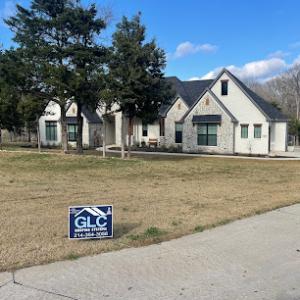
GLC Roofing
517 Quail Hollow Dr Midlothian , Texas 76065 843 Sailboat Dr. Corsicana ,Texas 75109, 517 Quail Hollow Dr, Midlothian, TX
5.0 from 108 reviews
GLC Roofing is a family owned and operated company. We have been serving the DFW metroplex and surrounding communities for over 20 years. We are always available for you, and take pride in the services that we provide. Our approach to operating the company is very simple. Taking care of our customers is our #1 priority. We believe building relationships is the foundation that will allow us to build business. Our vision is to bring back the good ole days, where your word is your bond! Quality work at a fair price, along with friendly, faith based values is our top priority. These core values will deliver one great job after another.
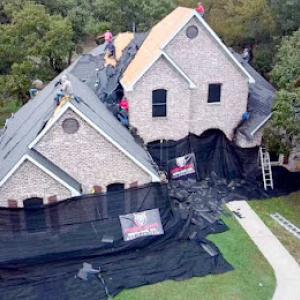
Highland Roofing
(877) 766-3852 www.highlandroofing.co
3111 Bryson Ln, Midlothian, Texas
5.0 from 107 reviews
Highland Roofing is your trusted roofer near me, specializing in top-quality roof replacements, repairs, and free inspections across DFW. We work closely with homeowners and realtors, offering expert insurance claim assistance and innovative solutions like the Catch-All System to protect your property during installations. Every new roof comes with free material upgrades, improved attic ventilation, and a lifetime workmanship warranty. With a 5-star Google rating, we prioritize exceptional service, ensuring lasting results. Contact Highland Roofing for reliable, professional roofing you can count on!
Pinnacle Roofing & Exteriors
(214) 233-4383 www.pinnacle-dfw.com
209 S 5th St Ste 202, Midlothian, Texas
5.0 from 55 reviews
Welcome to Pinnacle Roofing We are a residential roofing company located in Ellis County, serving all of the DFW areas. We have over 25 years of experience in construction and our goal is to put our knowledge to use by not only offering you the best quality craftsmanship but also making the process of replacing your roof as worry-free as possible. In most cases, we can work with your insurance provider to make sure all of the details are covered on your insurance claim. We take pride in managing every job from start to finish and will see to it that you are satisfied once the job is complete. Your home is your number one investment. Why not hire the best to ensure your investment is protected for years to come.
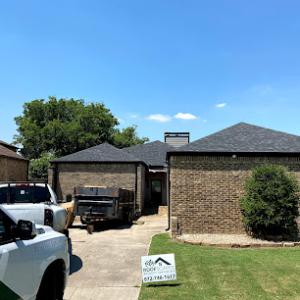
RoofScapes
(972) 333-8872 roofscapesdfw.com
Midlothian, Texas
4.9 from 93 reviews
RoofScapes is a full service exteriors company. We are set on providing you with the best products, warranties, and customer service possible. Specializing in roofing, roof inspections, landscaping, fencing, gutters and chimney repair. From roofing to landscaping we do it all!
Titan Contractors
(817) 473-7663 therooftitan.com
207 E Ave East, Midlothian, Texas
4.7 from 85 reviews
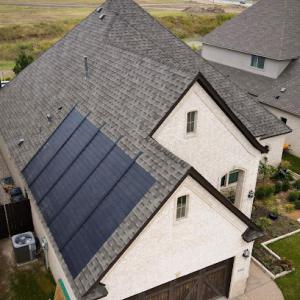
Titan Contractors is a family owned general contractor that has been in business since 2004
Midlo Contracting
(214) 366-4356 www.midlocontracting.com
222 Henderson St, Midlothian, Texas
4.6 from 133 reviews
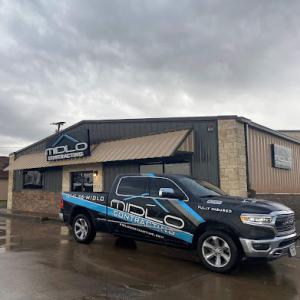
Midlo Contracting is a local, family owned company and we pride ourselves in providing exceptional customer service and an excellent finished product. We provide fencing, roofing, gutters, pergolas, siding, and painting services. With two convenient locations in Frisco and Midlothian we service the entire DFW metroplex.
Roofco
Midlothian, Texas
5.0 from 19 reviews
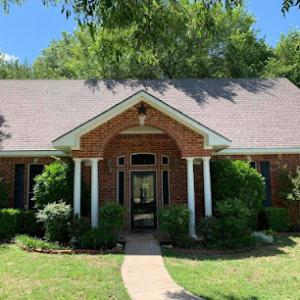
At Roofco, we are proud to be your local trusted source for residential and commercial roof replacement and repair. We have nearly 30 years of roofing experience and our professionals are here to provide roofing service that fits any budget, starting with a free inspection. The Roofco contractors are able to install or repair tile roofs, flat roofs, asphalt roofs, metal roofs and install gutters. We are insured for your protection. We provide an honest and professional estimate for your roofing repair needs. We can provide emergency roof tarping if you have experienced storm damage. Roofco professionals can also assist with insurance claims due to roof damage.
VIP Roofing
211 E Avenue G Suite 66, Midlothian, Texas
5.0 from 19 reviews
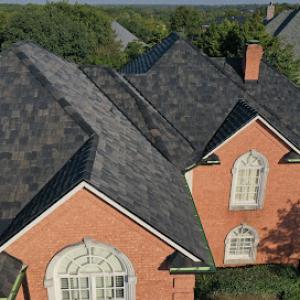
You can expect to obtain quality service and fine workmanship led by a qualified team of roofers. From roof repair to emergency roofing service, VIP Roofing in Midlothian, TX has you covered. We are committed to rebuilding roofs, protecting families and sheltering homes with durable, top-notch roofs. Call 972-978-6328 for additional information. * Roofing Contractor Services * Roof Replacement Services * Roof Repair Services * Emergency Roofing Services * Roof Installation Services * Home Remodeling Services * House Renovation Services
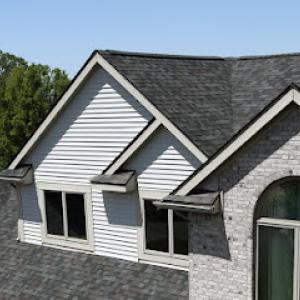
Impact Contracting
Midlothian, Texas
5.0 from 14 reviews
We at Impact Contracting are a trusted, leading contractor committed to delivering professional and top-quality services. Specializing in both commercial and residential construction and repairs, our skilled team ensures durable and reliable solutions. With a focus on excellence, we also extend our expertise to various aspects of commercial and residential construction. Trust Impact Contracting for unparalleled craftsmanship and customer satisfaction.
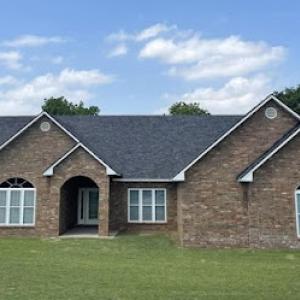
Dream Team Roofing DFW
(972) 961-9397 www.dreamteamdfw.com
101 S 3rd St suite 100, Midlothian, Texas
5.0 from 12 reviews
Dream Team Roofing proudly calls Texas home. With 30+ years of industry experience, we are here to serve you with a level of dedication that sets us apart. Our team’s passion for quality craftsmanship shines through in every project we undertake. From the first consultation to the final nail, we prioritize your needs and vision, making your satisfaction our top priority. We understand that your property is more than just a building; it’s a part of your story. That’s why we go above and beyond, advocating for you at every step, and ensuring a smooth, hassle-free process. At Dream Team, we’re not just in the business of roofing and construction; we’re in the business of turning your dreams into reality. Discover our commitment today!

Heath Roofing & Construction
(469) 716-0886 www.heathroofs.com
3370 Bobby Smith Ln, Midlothian, Texas
4.8 from 17 reviews
License and insured with Free Roof inspection, repair, replacement for residential and commercial. Insurance claim specialist, emergency repairs and emergency tarping. Attic insulation, gutters, fencing, glass replacement and window screens, general home repairs, siding and trim repair and replacement. We stand behind every roof and every project that we put on and we will be here in the future to meet your next roofing need. We will prove that you can trust Heath Roofing and Construction to get the job done right by sharing with you the back-up information we used to make manufacturer and material choices.
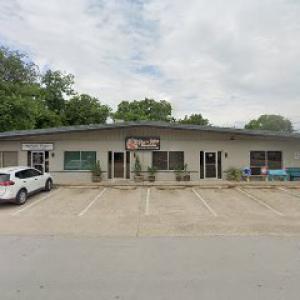
Star 1 Contracting,LLC
(972) 775-5324 star1contracting.com
112 N 6th St, Midlothian, Texas
4.1 from 18 reviews
Star 1 Contracting, LLC is a General Contractor that is licensed in multiple states. We specialize in storm restoration due to natural disaster but we can do it all.
When planning a replacement, use these Midlothian ranges per square as a practical guide. Asphalt shingles run from 350 to 650 USD per square. Metal roofing typically sits between 700 and 1200 USD per square. Clay tile projects commonly fall in the 900 to 1700 USD per square range. Concrete tile tends to be 600 to 1100 USD per square. Wood shingles or shakes are usually 450 to 900 USD per square. Slate rounds out the list at 1100 to 2000 USD per square. These figures reflect the mix of hot Texas sun, hail exposure, and the need to match existing roof lines and attic ventilation while aiming for a durable finish in a fast-growing community.
Storms drive noticeable pricing shifts in this area. After a hail event, homes in this neighborhood often require inspections, tarping, and full re-roofs in a compressed timeline. That surge can push scheduling pressure onto crews and suppliers, which translates to higher bids and shorter lead times. If a storm hits, you may see estimates that cluster around the upper ends of the ranges as crews coordinate access, material ordering, and site safety cleanup. Planning for a potential storm window can help you lock in a preferred contractor and material choice before demand spikes.
Mid-structure homes in this region have to withstand intense summer heat, frequent sun exposure, and the North Texas hail pattern. That combination influences not just the sticker price but the quality of the finished roof. Expect bids to reflect underlayment quality, nailing patterns, and adequate ventilation chosen to meet local expectations for energy efficiency and long-term durability. The labor component matters, too: careful step-ups for venting, proper shingle or tile installation angles, and meticulous final cleanup add to the overall cost but pay off with a roof that resists heat gain and hail damage. In asphalt, the emphasis is on wind resistance and sealant integrity; in tile options, weight considerations and substrate strength drive labor time. Concrete and clay tiles require careful handling and framing checks, while metal roofs demand precision sealing at joints and penetrations. For anyone budgeting, it helps to compare not just material price per square but the total package: warranty coverage, expected life, and the contractor's ability to deliver a clean, code-conscious install in a tight timeline after a storm.
Asphalt shingles stand out as a practical baseline for Midlothian homes because they fit the local price band and come with a straightforward replacement path. However, the heat and strong UV exposure of North Texas weather accelerate granule loss and seal-strip deterioration, while hail and wind can lift tabs or ding edges. When selecting asphalt, look for higher wind resistance ratings and factory-applied sealant options designed to reseal after hail impacts. Regular inspection after major storm activity helps catch weak spots before leaks form.
Metal roofing holds a strong niche in this market, especially for homeowners who face repeated hail seasons and want a longer-lived cover than standard shingles. In addition to hail resistance, metal panels shed sun and resist thermal movement well, which helps reduce expansion-related issues during brutal summer days. If choosing metal, ensure the system includes adequate underlayment, proper seam protection, and corrosion-resistant finishes suitable for the local climate. A skilled crew matters for precise panel alignment and flashings that keep wind-driven rain out.
Clay tile and concrete tile are present in the area, offering distinctive curb appeal and solid durability when installed correctly. After hail events, these materials require careful evaluation because brittleness or chip patterns can hide underlying deck damage. Repairing a single tile often isn't feasible; instead, replacements or cut-to-fit patches may be necessary, and matching color and texture becomes a factor. Choose a contractor with experience in tile spacing, underlayment compatibility, and slope-specific installation to prevent cracking from ground-shock or hail impact.
Wood shingles and shakes bring warmth and texture to many Midlothian homes, but their performance under hail and intense heat requires thoughtful planning. The organic material can suffer expressive cracking, cupping, or warping after hail strikes, and repairs tend to be uneven because every piece settles differently. If wood is retained, prioritize treatments that reduce moisture uptake and specify fasteners that resist thermal expansion. For hail-prone roofs, consider replacing with a denser or more impact-resistant option when repairs exceed the cost of a considered upgrade.
Slate provides a classic, high-end look that some homes feature. Its inherent brittleness makes selective repair challenging after hail, and it often requires specialized crews for both patching and re-laying. The sequence matters: broken pieces must be replaced with matching weight and thickness, and the surrounding slate must be stabilized to prevent future failure. Slate can be a durable long-term choice, but weigh the availability of matching material and the skill level of local installers before proceeding.
Explore specialists in steel, aluminum, and standing seam metal roofs built to last 50 years or more.
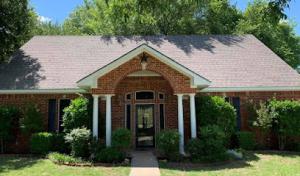

Optimal Development & Restoration
(469) 383-9503 www.youroptimaldevelopment.com
Serving
5.0 from 24 reviews
A full re-roof in Midlothian typically requires a building permit filed with the city's building department. The process is not a courtesy check after the fact; it's an official step that shapes how your project proceeds from day one. Because hailstorms and rapidly rising housing stock are part of the local rhythm, the permit acts as a formal record that your roof replacement meets current safety and energy standards. Before any materials arrive, confirm who is pulling the permit and who will be the point of contact with the city. A misstep here can stall delivery timelines and complicate the insurance documentation you'll need after a claim.
Midlothian inspections are scheduled during and after installation, with attention to underlayment, nailing, ventilation, and overall code compliance. The city's inspectors expect you to follow the sequence and to have all components available for review: deck preparation, underlayment type and placement, nailed fastener patterns, drip edge, proper attic ventilation, and penetration details around chimneys, vents, and skylights. If the roof is part of a storm-damage claim, the inspector will look for repairs that restore the roof to its designed performance, not just its cosmetic appearance. Because this is inspection-based rather than a purely cosmetic update, the timing of each phase matters. Poor coordination between material delivery, roof deck repair, and the inspection schedule can result in rework, additional permit checks, or delays that ripple into insurance documentation and claim processing.
Because Midlothian uses an inspection-based process rather than treating re-roofing as purely cosmetic work, homeowners should confirm who is pulling the permit before materials are delivered. If the contractor or a sub tradesperson handles the permit, ensure they provide you with copies of permit numbers, inspection appointment windows, and any required city-supplied checklists. Clear communication prevents a scenario where materials arrive without a valid inspection window, or where inspections conflict with the planned work pace. In practice, schedule the permit filing early in the project so the first inspections line up with deck prep and underlayment installation. Finally, keep a ready record of all city correspondence, inspection notes, and any corrective actions; this documentation often becomes essential when filing or substantiating a hail-related insurance claim.
Midlothian homeowners are operating in the broader Texas insurance environment where frequent hail and wind claims can influence premiums, deductibles, and carrier scrutiny on roof losses. That reality travels with every claim in this region, and it often colors the decisions you make after a storm. Understanding how your carrier views storm-related damage helps you set realistic expectations for repairs, replacements, and how your policy now treats a long-term roof system.
Insurers handling Midlothian claims commonly compare pre-loss and post-loss condition, making date-stamped photos and inspection records especially important. Before any work begins, gather roof images from different angles and note visible wear that predates the storm. After the claim is open, maintain a clear trail of every inspection report, correspondence, and receipt. Consistency here reduces opportunities for dispute and speeds the adjuster's reconciliation of what was damaged versus what was replaced.
In Midlothian, insurance decisions often affect material choice because repeated storm exposure pushes some homeowners toward longer-lasting systems after a covered replacement. If a claim is approved, the insurer's review can influence the selection of shingles or panels that hold up better against hail and wind. This isn't simply a matter of price; it's about long-term performance under North Texas conditions and how that performance is viewed in your policy's terms.
Post-storm, insurers may scrutinize the overall condition of the roof and surrounding structures to ensure the replacement is justified. Honest, thorough documentation helps you present a complete picture, but also expect questions about the age of surrounding components, attic ventilation, and attic moisture control. Clear, consistent records reduce back-and-forth and support a smoother transition from claim approval to a weather-resilient finish.
Connect with contractors who help homeowners navigate the claims process from damage assessment to final approval.
GLC Roofing
517 Quail Hollow Dr Midlothian , Texas 76065 843 Sailboat Dr. Corsicana ,Texas 75109, 517 Quail Hollow Dr, Midlothian, TX
5.0 from 108 reviews
Highland Roofing
(877) 766-3852 www.highlandroofing.co
3111 Bryson Ln, Midlothian, Texas
5.0 from 107 reviews
Pinnacle Roofing & Exteriors
(214) 233-4383 www.pinnacle-dfw.com
209 S 5th St Ste 202, Midlothian, Texas
5.0 from 55 reviews
In Midlothian, repeated heat exposure and day-night temperature swings can shorten the life of sealants and stress flashing details. The intense summer sun plus cool nights cause expansion and contraction that fatigue mastic joints, chimney and vent seals, and valley linings. Over time, this leads to micro gaps that invite moisture intrusion, especially around penetrations like plumbing stacks and skylights. You'll notice more granule loss on asphalt shingles and faster curling on edges where heat concentrates. Regular inspection after peak heat periods helps catch sealant fatigue before it leaks.
Flashing details are a common failure point when aging, or when previous repairs were rushed. In areas with long roof runs, metal step-flashing corners can loosen where nails back out or corrosion begins. In homes with multiple penetrations-vents, skylights, and dormers-the risk compounds. When flashing is compromised, wind-driven rain finds its way behind shingles and into the roof deck. Local conditions mean this failure often sits just beneath the surface, making moisture buildup easy to miss until staining or mold appears inside the attic.
Wind events in spring and fall are a recurring problem for older roofs with already-loose shingle edges or weakened fastening. Even well-installed shingles can start to lift at edges after repeated gusts, allowing water infiltration during subsequent storms. Once edging loosens, shingles become vulnerable to uplift, hail exposure, and accelerated wear along rakes and eaves. A focused inspection of edge fasteners and sealants after big wind events can prevent accelerated damage.
Heavy spring rain in Midlothian can turn small hail or wind damage into active leaks quickly, especially where flashing and penetrations were already aging. Leaks often surface first in ceilings or attic insulation near poorly sealed valleys, chimneys, or vent pipes. Persistent moisture in the decking or underlays invites rot and mold, complicating a straightforward repair later.
Different roof types age differently under our climate. Shingles may show faster granule loss; metal roofs can develop seam leaks at panel joints; clay and concrete tiles can crack or loosen with temperature swings. Wood shingles and shakes are especially susceptible to weathering and insect attacks when coatings fail. Regular assessment of material integrity-shingle edges, fastener patterns, and color changes-helps prioritize targeted replacements before minor damage becomes widespread.
Find contractors experienced in skylight installation, flashing, and leak repairs to bring natural light into your home.
Titan Contractors
(817) 473-7663 therooftitan.com
207 E Ave East, Midlothian, Texas
4.7 from 85 reviews
Southern Brothers Roofing Company
(214) 399-1570 www.southernbrosroofing.com
Serving
5.0 from 33 reviews