
Last updated: Apr 19, 2026
Burleson sits in a North Texas hail and wind corridor where spring storms can create sudden neighborhood-wide roof replacement demand. The pattern is real: a line of storms can sweep through in a matter of hours, leaving multiple homeowners scrambling for assessments, inspections, and contractor time. The heat of summer further compresses the window for tear-off and installation, so the most practical approach is to treat spring and fall as the primary replacement seasons. When a big storm hits, the risk isn't just a few damaged shingles; it's a coordinated surge that can overload local crews and push scheduling forward or backward in unpredictable ways.
Within days after a storm, inspect for dented gutters, granule loss on shingles, and stalled hail marks along the edges and ridges. Look for lifted tabs that catch light differently or peeling flashing around chimneys and vents. Interior signs sometimes show up first: soft spots on ceilings or repeated staining near roof lines after a heavy rain. If you notice curled or cracked shingles, or a strange pattern of hail impact across several roof faces, assume the worst and begin documenting with photos and notes. In this climate, hidden damage behind attic insulation can exist; if you've got attic warmth or unusual attic odors after a storm, it's worth a professional roof inspection.
Storm aftermath carries a time-sensitive urgency. The longer a leak goes untreated, the more secondary damage risk climbs-so securing temporary, weather-tight protection is priority. Cover exposed sections with a tarp or heavy-duty plastic if safe access is possible, and avoid making permanent repairs in the middle of a weather event. If you're working with a contractor, request a written plan and a staged timeline that aligns with the local spring or fall window, when temperatures are manageable enough to safely tear off and install roofing materials. Keep gutters clear so water can drain away from the house; backyard drainage should be checked to prevent water pooling near the foundation after a new roof is installed.
After major storms, homeowners in this market can face contractor scheduling pressure and inspection backlogs tied to weather-driven surges. To navigate this, establish priority with your roofer: confirm the proposed start date, daily work pace, and expected completion window before work begins. Ask for a clearly defined sequence-inspection, mitigation, tear-off, and installation-with contingencies for weather delays. If your roof is heavily damaged, discuss staging options that protect interior spaces during rain events while the crew handles exterior work. Build in buffer days for the inevitable weather hiccups that Texas springs throw, and maintain open lines of communication with the contractor so you're not caught off guard by unexpected downtime.
In a storm-prone market, insurance-driven decision points determine when replacement happens. Collect and organize all communications with your insurer, including initial adjuster notes, repair recommendations, and any scope changes. When an adjuster visits, ensure they review all affected roof faces, attic spaces, and any secondary damage areas that could influence the replacement plan. If the policy requires a partial replacement or a complete roof refresh, align your contractor's plan with the insurer's approved scope to prevent delays. Keep a running file of photos from before and after each stage, and note the dates of all key milestones to avoid misalignment between insurance timelines and contractor scheduling.
Texas is a high-claim hail and wind state, and Burleson homeowners should expect insurers to require thorough photo documentation and professional roof condition assessments. When a storm hits, the path from the first hail strike to an approved replacement can hinge on the clarity of your records. Insurers want a precise before-and-after story: dated photos of exterior surfaces, attic conditions, and interior leaks, plus a professional evaluation that confirms the roof's condition and the cause of damage. Without that documentation, it becomes far harder to justify a claim, even if the storm clearly caused issues. The consequence for a neglected file is delayed or denied coverage, with you stuck carrying the burden while repairs wait.
In the aftermath of a spring hail event, you should capture wide and close-shot images of all roof faces, vents, skylights, fascia, and gutters. Take dated photos showing hail impacts, missing granules, and any visible leaks inside the attic or ceiling. A dated record matters when months pass between the storm and the claim, because insurers will look for a consistent timeline. A professional roof condition assessment should accompany your photos; this report provides a written, objective baseline that describes hail impact patterns, wind-related damage, and overall roof health. In neighborhoods with older or layered roofs, the assessment helps distinguish preexisting wear from storm-induced deterioration, reducing debates about causation during the claim review.
Because storm losses are common in this region, you need dated exterior, attic, and interior leak evidence before temporary repairs and before adjuster visits. Temporary fixes may be necessary to prevent further damage, but documenting their placement and purpose is critical. Photograph any temporary tarping or patchwork with the same level of detail as the original damage, noting dates and who performed the work. When the adjuster arrives, you want a clear, chronological trail: what you noticed, when you documented it, what a professional assessment concluded, and how any temporary measures fit into the overall damage assessment. A well-documented file reduces back-and-forth, speeds up decisions, and strengthens your negotiation position.
Statewide insurance volatility affects Burleson owners through higher deductibles, tighter coverage terms, and in some cases preferred contractor program pressure. It is common for insurers to rely on a networked approach to repairs, sometimes steering toward pre-approved contractors or specific vendor channels. That reality makes clear, consistent documentation even more vital. If a contractor appears on a preferred list, your own independent documentation can serve as a useful check against assumptions about the extent of damage, ensuring that the claim reflects actual needs rather than anticipated repair costs.
Begin by compiling a dated, comprehensive photo log of the roof, gutters, soffits, and interior signs of water intrusion. Obtain a professional roof condition assessment early, ideally before the adjuster's visit, and ensure the report directly links observed damage to storm events. Keep a simple chronology: date of storm, date of first damage notice, date of photos, date of professional assessment, and date of any temporary repairs. Share all documents with your insurer promptly and maintain copies for your records. A careful, honest record set not only supports a fair assessment but also protects you from later disputes about what was or wasn't damaged by the storm.
Connect with contractors who help homeowners navigate the claims process from damage assessment to final approval.
Honey Bees Roofing
(817) 668-6131 honeybeesroofing.com
525 E Bethesda Rd, Burleson, Texas
5.0 from 239 reviews
Storm Warden Roofing & Exteriors
4280 FM1187, Burleson, Texas
5.0 from 108 reviews
Community Construction & Roofing
(817) 774-1298 www.yourcommunityroofer.com
321 NW Hillery St, Burleson, Texas
5.0 from 80 reviews
Honey Bees Roofing
(817) 668-6131 honeybeesroofing.com
525 E Bethesda Rd, Burleson, Texas
5.0 from 239 reviews
Honey Bees Roofing is the leading Roofing Contractor in Fort Worth, TX & the surrounding areas. We proudly offer Roof Repairs in Fort Worth, TX! We offer the following services: Roofer Fort Worth TX Roofing Company Fort Worth TX Roof Repair Fort Worth TX Roofing Contractor Fort Worth TX Commercial Roofer Fort Worth TX We proudly service the Fort Worth, TX area & pride ourselves on offering the best Roofing Company services. Please contact us for all your Roofing Contractor needs. Roofer near me Roofing Company near me Roof Repair near me Roofing Contractor near me Roofing Contractor near me Fort Worth TX Roof Repair near me Fort Worth TX Roofing Company near me Fort Worth TX Roofer near me Fort Worth TX
Storm Warden Roofing & Exteriors
4280 FM1187, Burleson, Texas
5.0 from 108 reviews
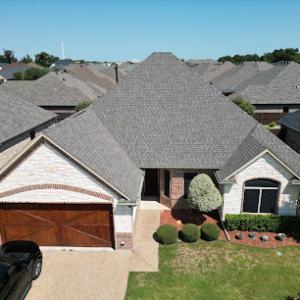
Veteran owned/operated roofing and contracting company. We are setting the standard when it comes to protecting your home from the elements. Communication, integrity, and accountability are the biggest facets this company focuses on with the highest regard to customer satisfaction. Our job isn't done when the project is complete. We will leave you with no doubt that Storm Warden Roofing and Exteriors will be your household go-to for anything exterior construction related. We take pride in our ability to set our customers, team, and families up for personal and professional success.
Community Construction & Roofing
(817) 774-1298 www.yourcommunityroofer.com
321 NW Hillery St, Burleson, Texas
5.0 from 80 reviews
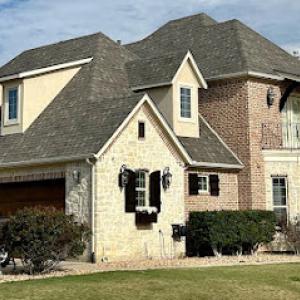
Community Construction & Roofing is a locally owned, family-operated roofing and construction company serving the DFW Metroplex since 2003. The company provides residential, commercial, and metal roofing services, along with general construction support. Community Construction & Roofing quality workmanship, professional service, and ethical business practices. Warranty options are available, and customers may receive a complimentary annual roof inspection to help maintain their property. The company also participates in community support efforts by offering financial assistance to qualifying individuals when possible. Financing options are available
Burly Roofing
(817) 819-5888 www.burlyroofing.com
113 NW Ellison St, Burleson, Texas
4.9 from 109 reviews
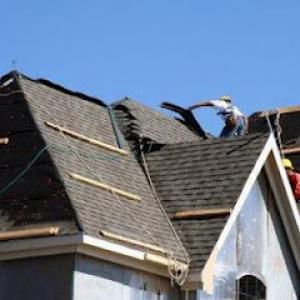
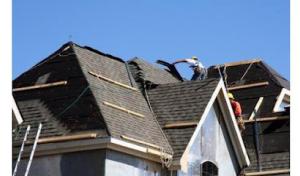
Burly Roofing in Burleson, TX specializes in expert roof replacement services tailored to the needs of local homeowners. From aging shingles to hail damage common in North Texas, we provide durable solutions that protect your property and enhance curb appeal. Our team handles complete tear-offs, precise installations, and thorough inspections to ensure your new roof withstands Burleson’s unpredictable weather. With a focus on quality craftsmanship and attention to detail, we’re dedicated to delivering results you can count on. Choose Burly Roofing for experienced roofers who bring professionalism, skill, and local expertise to every project.
Brainiac Construction
(817) 360-9792 www.brainiacco.com
809 Burleson Retta Rd, Burleson, Texas
5.0 from 51 reviews
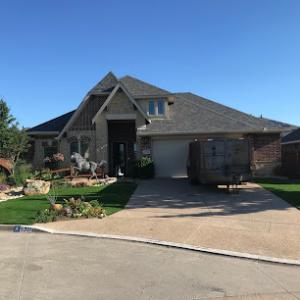
Brainiac Construction is the premier roofers in Texas. We have extensive experience working with insurance companies to ensure our customers get the maximum benefits they are entitled to. We have experienced project managers and skilled roofing crews to ensure your project is completed quickly with the highest level of quality. Brainiac is a reliable company with a name you can trust. We offer a premium warranty on all of our roofs that customers can rely on, and we plan on serving our customers for decades to come! We are insured for your protection.
New Image Solar Roofing & Construction
(817) 806-7746 newimagesrc.com
5440 FM1187, Burleson, Texas
5.0 from 46 reviews
We are local to DFW & Veteran Owned. We specialize in residential and commercial roofing services, including roof installation, roof replacement, roof repairs, and roof inspections. In addition to roofing, we offer comprehensive construction services such as remodeling, renovations, solar installation, and all general contracting for projects of all sizes. We are located in Burleson and Mansfield area but we service all of DFW/Texas! Our experienced team is committed to delivering the best experience, the most durable solutions, honest communication, and superior craftsmanship on every project. Contact us today for professional service backed by experience, reliability, and local expertise.
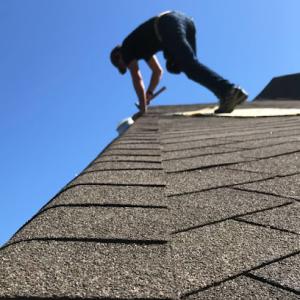
Craven Roofing & Construction
(888) 611-5522 www.cravenroofing.com
3120 Bairds Ln, Burleson, Texas
4.9 from 91 reviews
Craven Roofing & Construction, Inc. is a residential and commercial roofing company, servicing the DFW area.
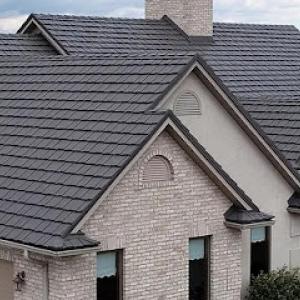
Texas Best Roofing Solutions
(817) 919-4310 www.texasbestroofingsolutions.com
5001 FM1187 suite 270, Burleson, Texas
4.9 from 65 reviews
Texas Best Roofing Solutions, LLC is your premier choice for top-quality roofing services in Burleson and the greater Dallas-Fort Worth area. As a family-owned business established in 2015, we specialize in roof repair, roof replacement, and comprehensive roofing services, delivering excellence to homeowners and businesses alike. Our expert team ensures every roof aligns with local building codes using premium materials. Located at 5001 E FM 1187 Suite 270, we're known for our reliability, competitive pricing, and seamless insurance claim handling. Need a roof inspection? We're nearby and ready to assist. Contact us today to experience the best in roofing services and solutions.
Mike Huddleston Roofing Systems
133 S Scott St, Burleson, Texas
4.9 from 58 reviews
Mike Huddleston Roofing Systems stands as the epitome of excellence in roofing solutions. Our insured company boasts hardworking crews who provide unparalleled service. Specializing in metal roofing, roofing company services, roofing contractors, and more, we are your go-to experts for all roofing needs. Our commitment to quality extends to every aspect of our work. Whether it's roof repairs, addressing roof hail damage, or replacing roofing, our team ensures meticulous attention to detail and expert craftsmanship. As seasoned shingle roofers and tile roofers, we provide home installations that are appealing and durable against harsh weather, call us today and experience the expertise that ensures your home stays protected.
GC Roofing & Construction
(737) 734-2992 gcroofingtx.com
301 Ryan Ave, Burleson, Texas
5.0 from 34 reviews
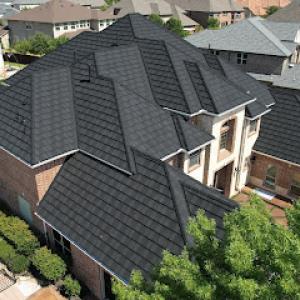
GC Roofing and Construction is a Texas based company servicing the Metroplex in both Residential and Commercial Roofing and Solar applications. We specialize is all roofing and Solar systems, Asphalt/Stone Coated Steel/Metal/TPO and Coating systems.
Queen Bee Roofing & General Contracting
(817) 518-4100 www.queenbeeroofing.com
264 Market St Suite 1QB, Burleson, Texas
5.0 from 32 reviews
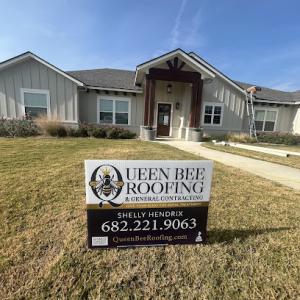
Woman owned & operated residential/commercial roofing & general contracting company located in Burleson Texas, serving all of Dallas/Fort Worth, and surrounding cities. Roofing, painting, fence, drywall, windows, gutters, siding, concrete, demolition. Give your roof the royal treatment!
Ramsey Roofing
(833) 425-5766 ramseyroofingcompany.com
649 Christopher Ln, Burleson, Texas
4.9 from 45 reviews
At RAMSEY ROOFING CO. LLC we put "PEOPLE BEFORE PROFIT". We are a family owned and operated company in Burleson Texas but we serve all over the state. We strive to deliver the HIGHEST VALUE and EXCEPTIONAL SERVICE with INTEGRITY first and foremost.
In Burleson, cost swings are driven by storm-season demand. When North Texas hail activity ramps up, crews, materials, and even disposal services get booked faster, which nudges overall project quotes higher. Asphalt shingles stay the most affordable option, but during spring hail spikes you may see wider price gaps between suppliers and local installers as availability tightens. If a hail event is recent, be prepared for quicker scheduling windows but also tighter negotiation leverage on time-sensitive components like underlayment and flashings. In practice, plan for a few weeks of scheduling volatility around peak storm months to avoid last-minute price bumps caused by rushed crews.
Asphalt shingles remain the dominant lower-cost choice in this market. For a typical Burleson roof, expect asphalt shingles to run roughly from 350 to 650 USD per square, depending on the shingle brand, warranty, and roof complexity. Metal roofing, while carrying higher installation costs, offers heat resilience and storm durability that many homeowners consider a practical long-term trade-off. Metal installations commonly fall in the 700 to 1500 USD per square range. Tile options, including clay and concrete, sit at a premium level: clay tile generally runs from 1200 to 2500 USD per square, while concrete tile spans about 1100 to 2100 USD per square. For wood shingles or shakes, plan on 600 to 1100 USD per square, and synthetic or composite shingles sit around 500 to 900 USD per square. These ranges reflect typical Burleson projects, where roof pitch, roofline complexity, and attic venting influence material and labor overheads.
Heat and storm exposure shape the practical value of each option. Metal roofs resist hail impact and high temperatures well, which can translate into longer service life in this area, albeit at a higher initial cost. Tile roofs offer excellent thermal performance and a distinctive look, but installation complexity and weight require careful structural assessment, especially on older homes common in the region. Asphalt remains appealing for budget-conscious homeowners who need reliable weather protection without a steep upfront investment. When Burleson experiences dry, hot stretches followed by sudden hail events, contractors often emphasize improved attic ventilation and upgraded underlayment, which can add modestly to the cost but pay off in long-term durability and energy efficiency.
Spring and fall are the traditional windows for roofing work, aligning with milder weather and fewer extreme temperature swings. In Burleson, those same seasons can compress contractor calendars because demand climbs after storms and before holiday scheduling slows down. As a result, material delivery and crew availability may tighten, nudging bid timelines and potentially increasing labor costs slightly. To mitigate this, homeowners should gather multiple bids early, confirm lead times before signing, and consider mid-season starts if the calendar allows. If you're balancing replacement timing with insurance processes, align your roofing start date with a window that minimizes overlap with peak storm response periods to avoid double-dipping on rush charges.
Start with asphalt if the budget is the primary driver and longer-term maintenance flexibility is acceptable. If heat resistance and storm survivability are priorities, consider metal or tile, understanding the premium cost. Weather- and storm-season demand can push prices up, so secure estimates ahead of peak periods and confirm available installation slots. For a typical Burleson project, mapping the timing of your decision to local demand cycles helps stabilize both cost and scheduling, especially when coordinating within busy spring windows.
A full roof replacement in Burleson typically requires a permit submitted by the homeowner or contractor to the Burleson Building Department. The permit process brings a practical touch of accountability to the project, especially after spring hail events when many homes need timely replacement. Before any shingle or panel goes on, check that the permit is active and the project address matches the job site. The permitting step also helps confirm local code compliance for ventilation, attic access, and drainage details that are critical in our hot Texas climate.
Burleson inspections are commonly scheduled at underlayment, roof installation, and final stages rather than only at project closeout. This more granular approach helps catch issues early-before the roof has all its finish work. If an inspector flags a problem during underlayment, resolve it promptly to avoid backtracking later. Expect the schedule to coordinate with the contractor's crew and weather windows, since a come-and-go inspection cadence can keep a project moving even through spring storm spurts.
Local approval may hinge on ventilation and attic access details, and unusual roof geometries can trigger added plan review before work proceeds. Proper attic ventilation matters for long-term roof performance and indoor comfort during hot months, so be prepared to discuss intake and exhaust locations, soffit vents, and any ridge or turbine components. If the roofline features complexity-multiple hips, dormers, or an unconventional pitch-plan on a plan review step that ensures the proposed material, flashing, and drainage align with local expectations. Having a clear site plan and venting strategy documented can smooth the review process.
Communication is key in Burleson's permit routine. Share your calendar constraints for the inspection milestones and confirm what the inspector expects to see at each stage. A good practice is to have the contractor or a licensed representative on site for the underlayment and installation inspections so any questions get answered right away. If a plan review is triggered by unusual geometry, stay proactive: ask for a written checklist or a preliminary sketch that demonstrates how the roof's vents, attic access, and drainage will be implemented.
Before each inspection, ensure access to the attic and a clear path for the inspector to review ventilation and access points. Keep a copy of the permit, any approved plan notes, and a rough sketch of attic vents and eave details available. If your project includes a nonstandard roofline or material change, have the engineered components or manufacturer specifications on hand. Being prepared reduces the chance of re-inspection and helps keep the project on track for a timely completion in our local climate.
In this part of North Texas, homeowners often choose asphalt shingles, metal roofing, clay tile, concrete tile, wood shingles or shakes, or synthetic/composite shingles. Asphalt remains common because it balances local hail exposure with install ease, but its longevity hinges on shingle grade and proper ventilation, especially during a hot summer. Metal roofs respond well to Burleson heat and storm cycles, offering strong hail performance and quick shedding of heat, but require careful matching of panels and fasteners to roof pitch and to expansion in high heat. Clay and concrete tiles bring superb hail resistance and a distinctive look, yet their added weight and potential for breakage under severe impact mean careful structural review and precise installation. Wood shingles or shakes provide a traditional appearance, but struggle more with heat aging and potential moisture-related issues in attic spaces. Synthetic or composite shingles blend resilience with lighter weight, often delivering a middle path between cost, impact resistance, and heat tolerance. Your choice should reflect both the roof line and the attic's ventilation budget, because the Burleson sun is no joke when it sits on a dark roof all afternoon.
Summer heat in Burleson accelerates asphalt aging, making shingle grade and ventilation more consequential than in milder climates. For asphalt, a high-quality underlayment and a well-ventilated attic pair with the shingle choice to slow granule loss and curling. Ventilation should aim for continuous intake along the eaves and exhaust at the ridge, ensuring hot air doesn't stagnate over the decking. For tile or metal roofs, plan for adequate attic heat management as well, since heat transfer can affect adjacent living spaces and roof-edge performance. A radiant barrier between decking and attic space helps keep the roof cooler, improving long-term performance and comfort.
Heavier tile systems in Burleson need careful evaluation on replacement projects because material choice affects both storm performance expectations and installation cost. Clay and concrete tiles offer excellent impact resistance when installed properly with appropriate battens and secure fasteners, but their weight demands a structural check and a thoughtfully engineered layout. If the structure isn't designed for heavy tiles, a lighter alternative like synthetic composite or metal with reinforced decking may provide a safer, equally durable path. Regardless of material, ensure coatings, fastener spacing, and edge-of-roof details are configured to withstand both hail impacs and the season's strong winds.
The most popular roofing material in the US. Find pros who install, repair, and replace asphalt shingles.
Burly Roofing
(817) 819-5888 www.burlyroofing.com
113 NW Ellison St, Burleson, Texas
4.9 from 109 reviews
Queen Bee Roofing & General Contracting
(817) 518-4100 www.queenbeeroofing.com
264 Market St Suite 1QB, Burleson, Texas
5.0 from 32 reviews
Prism Roofing
(682) 386-0353 www.prismroofingllc.com
13744 Old Oaks Dr, Burleson, Texas
5.0 from 23 reviews
Hot Burleson summers push attic temperatures well above outside air, increasing heat transfer into the roof deck and accelerating shingle aging. Proper attic ventilation helps move hot air out and bring cooler air in, reducing heat soak that can soften underlayment and speed granule loss on asphalt and composite shingles. Practical improvements include balanced soffit and ridge vents, with baffles to keep airflow uninterrupted above insulation. If your attic lacks a vented eave area or shows signs of stagnant air-musty smells, condensation on rafters, or warped sheathing-it's worth prioritizing a ventilation upgrade during roof work. A well-ventilated attic supports longer shingle life, steadier indoor temperatures, and more comfortable attic spaces for storage or future remodeling.
During a roof replacement, inspection steps may specifically require approval of ventilation and attic access details. Be prepared to demonstrate how new soffit intake and ridge exhaust will be routed, and how attic hatch placements or scuttle access are incorporated without compromising insulation or vapor barriers. In practice, this means coordinating with the crew on plan views that show baffle placement, vent sizing, and access points that stay clear of exhaust routes. If the attic holds HVAC plenums or moisture-sensitive components, ensure these are shielded from direct debris and that joist space is preserved for airflow paths. This attention can prevent delays and helps keep the project moving through inspection milestones.
Replacement planning in warm months often accounts for avoiding peak summer windows because heat can affect crew productivity and material handling. Scheduling cooler shoulder seasons or early-morning work blocks can reduce deck heat exposure, keeping shingle temperatures closer to their intended performance range and easing adhesive curing for certain roofing products. Coordinate ventilation work and attic insulation adjustments so that air exchange remains consistent as crews peel back roof layers. A considered sequence-vented attic prep first, followed by decking and underlayment, then shingles-helps preserve roof integrity and minimizes indoor heat transfer during the project.
A home with unusual roof geometry tends to draw more scrutiny during the approval process, and Burleson permit review can become more involved when the roof isn't a straightforward re-roof. If your plan includes intersecting planes, multiple valleys, or dormers, expect extra inspection milestones and a longer wait before scheduling the actual replacement. The delay isn't a sign of hidden problems; it's the system catching every valley, hip, and edge for proper water flow and flashing. Plan for slower progress if the roof's geometry isn't textbook.
Skylight penetrations deserve extra attention because storm-driven rain and hail events can expose weak flashing details quickly. In a town accustomed to North Texas hail exposure, even well-installed skylights can suffer from accelerated deterioration around seams and curbs. Before you commit to a full roof replacement, inspect the flashing around every skylight, vent, and chimney. If a retrofit is needed, consider upgrading to a curb-mounted skylight with reinforced flashing and a continuous sealant belt. Don't overlook the potential for interior condensation or water staining after a spring hail event.
Homes with multiple penetrations or intersecting roof planes may see longer approval and scheduling timelines in Burleson than simple gable re-roofs. Each penetration adds potential flash point for leaks and each cut in the deck requires careful moisture assessment. Build in extra time for the inspection cadence, and coordinate closely with the contractor to ensure flashing details are planned, inspected, and sealed in all critical junctions. This reduces the risk of a costly call-back after the first heavy storm.
Find contractors experienced in skylight installation, flashing, and leak repairs to bring natural light into your home.
HD Roofing & Construction
(817) 420-4048 www.hdroofing.net
6617 County Rd 527, Burleson, Texas
4.9 from 18 reviews
Steve Sherrill Construction
(817) 903-0425 stevesherrillconstruction.com
Burleson, TX
4.7 from 31 reviews
In Burleson, the distinction between manufacturer material coverage and contractor workmanship promises matters as much as the brand names on bids. Material warranties usually follow the product line and may require proper installation and regular maintenance to stay valid. Workmanship warranties tie to the crew you hire and the company's quality control. When evaluating storm-season bids, make sure the proposal clearly separates what the shinier label covers from what the local crew guarantees in the field. If a bid blends these items, push for a written split that identifies coverage periods, required maintenance, and any actions that could void either promise.
High-volume post-storm replacement periods in this area mean crews can move quickly from tear-off to reinstall. That speed can affect final punch work, cleanup, and documentation. A solid warranty plan anticipates this reality by spelling out who handles debris removal, who inspects for latent leaks, and how promptly warranty issues get addressed after the roof is installed. Your goal is a warranty that withstands Burleson's spring hail cycles and the accompanying wind stresses, without leaving gaps in coverage or overlapping exclusions that only show up after rain.
Before final payment, require a complete punch list and timely sign-off on all visible work. Document every storm-related repair with photos, dates, and the installer's notes. This helps protect both material coverage and workmanship promises if questions arise later. Ensure the contract states who approves warranty claims, response times for calls or emails, and how service visits are scheduled during busy storm periods. A robust warranty process reduces the risk of recurring leaks and guarantees that your investment is supported long after the crew has left.