
Last updated: Apr 19, 2026
Kilgore sits in East Texas where spring hailstorms and frequent thunderstorms are a primary driver of roof damage and replacement demand. The pattern is familiar: a big hail event, a rush of phone calls to local crews, and a handful of insurance adjusters rolling into town in the days that follow. In this market, storms and insurance work drive the rhythm you'll feel as a homeowner. The surge after a hailstorm can be intense, but the window to act decisively is narrow. Delays can mean longer disruptions, higher risk of interior leaks, and longer rebuild times when dry spells finally arrive.
Local contractor signals show insurance_claims and storm_damage as the two strongest specialties. That means you'll often get the fastest guidance by prioritizing your claim process and working with a contractor who understands the insurance flow, not just the roof membrane. A common scenario: an adjuster schedules an inspection, then issues approval or denial in waves. If your claim is approved, you're positioned for a more predictable tear-off and replacement timeline. If decisions stall, the best ally becomes a contractor who can communicate real-time status updates and coordinate weather-sensitive steps. Expect a tight relationship between claim activity and scheduling, with the pace dictated by approvals and dry periods.
Seasonal rains in spring and fall can interrupt tear-off and dry-in schedules in Kilgore, so post-storm replacement timing often depends on both claim approval and short dry-weather windows. Spring storms bring frequent, sudden shutters of rain and humidity, which can push any roof project into a bottleneck. Fall's cooler, drier spells create windows, but those windows are short and often book up fast after a busy storm season. The practical consequence: if you wait for the "perfect" weather, you may lose the opportunity to complete a full tear-off before winter, increasing the risk of moisture intrusion and secondary damage. You need to plan for a window that favors speed and reliability.
First, photograph the roof promptly after a hail event and after any high-wall rainfall. Clear, useful images help the claims process and reduce back-and-forth with adjusters. Second, secure a local, storm-focused contractor with proven experience handling insurance work and rapid scheduling. Ask for a documented plan that aligns the claim approval timeline with a phased work schedule, so you won't be left waiting for a dry spell that never comes. Third, establish a realistic sequence: claim approval, material order, tear-off, and dry-in. In Kilgore, rain can interrupt the critical dry-in phase, so a crew that can mobilize quickly once the weather window opens is essential. Finally, maintain open lines of communication with your contractor and adjuster. Frequent updates prevent misaligned expectations and help you lock in a solid, efficient path from inspection to a weather-tight roof.
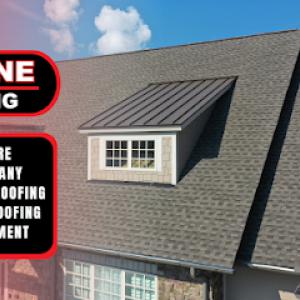
Redline Roofing Company Kilgore
(903) 515-5441 www.redlineroofingtx.com
100 N Kilgore St Suite 2, Kilgore, Texas
5.0 from 7 reviews
Redline Roofing is an exceptional roof repair and replacement company in Kilgore, Texas. They have proudly put their customers first in East Texas for over 16 years. Redline Roofing is committed to honesty and transparency, providing customers peace of mind through the roof purchasing process. From roof repairs, replacements, and inspections, they have services to help all sorts of homeowners and business owners. Redline also helps customers navigate through the insurance claims processes. Whether you are looking for traditional roofing, metal roofing, or commercial roofing, Redline Roofing Kilgore is ready to meet your needs. Contact Redline Roofing at 100 N Kilgore St Suite 2, Kilgore, TX 75662

Juarez C&M Services
(430) 267-2510 www.juarezcmservices.com
Serving
5.0 from 23 reviews
Juarez C&M Services is a proud veteran-owned general contracting company serving East Texas with integrity, precision, and a commitment to excellence. We specialize in residential and commercial construction, including roofing, renovations, spec homes, and fix & flip projects. Whether you're looking to build from the ground up, upgrade your property, or restore storm damage through insurance claims, our experienced team delivers quality craftsmanship and dependable service.
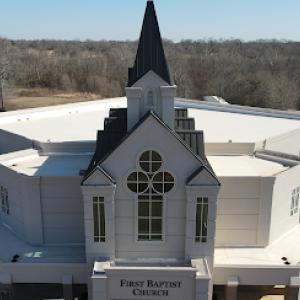
PeeWee Roofing
(903) 500-7174 www.peeweeroofing.com
Serving
4.9 from 43 reviews
PeeWee Roofing is a skilled commercial roofing company in Longview, Tyler, and all of East Texas with over 35 years of experience. We are also a veteran and family owned company that is committed to building relationships with you through our outstanding services, ethics and workmanship.
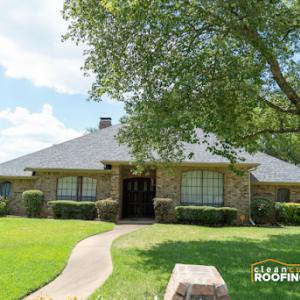
Clean Cut Roofing
(903) 291-0848 www.cleancut.com
Serving
4.9 from 681 reviews
As one of East Texas’ top-rated roofing companies, Clean Cut Roofing is built on more than 40 years of industry leadership and a team of seasoned professionals who’ve spent decades protecting homes and businesses across our region. We’ve constructed thousands of roof systems and know how to maximize the life of yours—starting with honest assessment and cost-saving repairs whenever possible. And when replacement is the smartest long-term choice, we deliver unmatched craftsmanship and durable, high-performing roofing solutions. Your roof is one of your most valuable assets; trust Clean Cut to help you protect it with excellence.
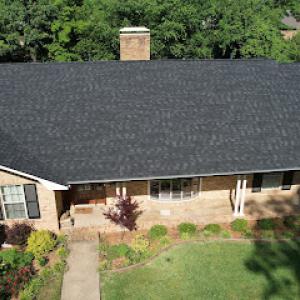
Sky High Roofing
(903) 920-7663 www.skyhighroofingtyler.com
Serving
5.0 from 85 reviews
At Sky High Roofing Tyler, we aim to provide the best roofing contractor services in the Tyler Texas area as well as surrounding areas! We specialize in shingle roof replacements and metal roofs replacements, as well as roof repairs! Our team selects the best available materials to provide the highest possible quality of work! As we strive to provide the best roofing contractor services in Tyler, we pride ourselves in providing transparent, honest and outstanding customer service. When you contact us, you not only get the best roofing contractors in Tyler but you join our long term family of happy and satisfied customers! It is our promise to not only do the best roofing job possible but to exceed all of your expectations!
Langford Roofing
(903) 790-1964 langfordroofingservice.com
Serving
5.0 from 220 reviews
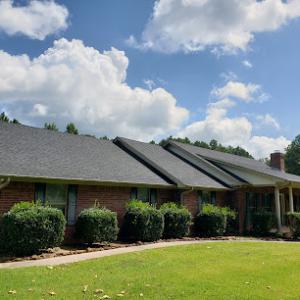
We Go Above and Beyond to Restore Your Roof CHOOSE OUR GILMER, TX-BASED ROOFING CONTRACTOR FOR ROOFING SERVICES The roof is an essential feature of any building. Don’t wait another day to repair your roof if it’s damaged. Langford Roofing offers the residential and commercial roofing services you need. The Longview, TX-based roofers at Langford Roofing restore roofs at homes and businesses throughout the area, including Longview, Tyler and Gladewater, TX. We’ll travel up to an hour from our home office to serve you. You can trust us to get your roofing job done safely and efficiently. Reach out to us now to schedule your roofing project.
Five Sons Roofing
(903) 500-2505 www.fivesonsroof.com
Serving
5.0 from 32 reviews
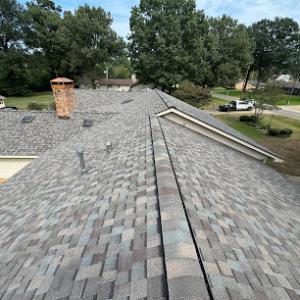
Our motto is simple: We will do good work. At a profit if we can, at a loss if we must, but always good work! We're a family owned roofing company servicing the East Texas area for all residential and commercial roofing needs! Thank you for the opportunity! We are pleased to now offer financing starting at 0% interest for your roof project!
J.A. Kay Roofing
(903) 759-6745 www.jakayroofing.com
Serving
5.0 from 20 reviews
With a legacy spanning four decades, J.A. Kay Roofing has been a trusted name in providing comprehensive roofing solutions. Since 1984, our expertise has extended beyond traditional roofing to include the intricate installation of skylights, inviting natural light into your spaces. Our commitment is to protect and enhance your investments with quality craftsmanship and reliable service, ensuring peace of mind for every project.
Flores Construction/Roofing
Serving
5.0 from 21 reviews
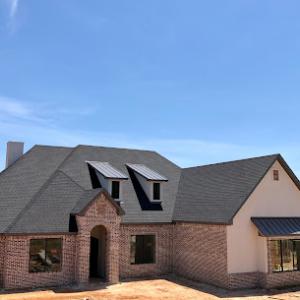
Flores Construction/Roofing is a trusted construction and roofing company serving Longview, TX and surrounding areas. With our team of skilled professionals, we provide top-notch services including new construction, renovations, and roof installations. Our commitment to quality craftsmanship and customer satisfaction sets us apart in the industry.
True Roofing
(903) 424-8446 trueroofinginc.com
Serving
4.9 from 46 reviews
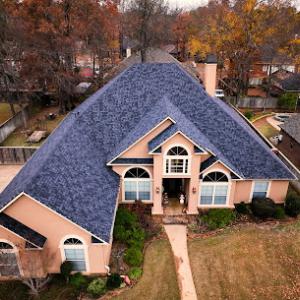
At True Roofing our mission is to build long-term relationships with our clients and the community by providing both residential and commercial roofing systems, as well as restoration projects and new home build. Our mission statement is “We would rather over serve than over promise”
Tru-Built Roofing
(903) 932-7419 www.trubuiltroofing.com
Serving
4.9 from 77 reviews
Tru-Built Roofing is a Family-owned-and-operated company that proudly serves the ETX & DFW areas. Call us at anytime for any of your roofing needs or visit our website to book an appointment. 24/7 EMERGENCY TARP SERVICES.
Gordy Roofing Longview
(903) 636-7464 gordyroofinglongview.com
Serving
5.0 from 53 reviews
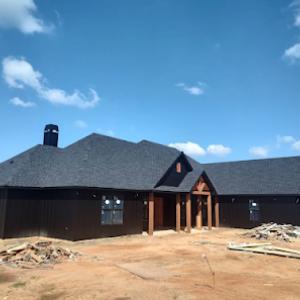
Gordy Roofing Longview is your trusted local roofing contractor proudly serving Longview, TX and surrounding East Texas communities with expert roofing and exterior solutions. We specialize in roof repair, roof replacement, roof installation, and roof inspections for both residential and commercial properties. Our team works with asphalt shingles, metal roofing, tile, slate, and flat roof systems like TPO and EPDM. We also handle storm damage repair, emergency leaks, energy-efficient roofing, and silicone roof coatings. Additional services include siding installation, window replacement, gutter repair, and fence and gate installation. Count on Gordy Roofing for honest service, durable results, and free roof inspections.
In this part of East Texas, the dominant choices are asphalt shingles and metal roofing. Asphalt remains the everyday workhorse, while metal roofs gain popularity for their longevity and resistance to hail. You'll still see clay tile, wood shakes, synthetic/composite, and fiber cement on select homes, often where the roof line or architectural style pushes for a more distinct look. The weather pattern-hot, humid summers with sudden thunderstorm bursts-takes a toll differently depending on the material. Asphalt shingles tend to age faster with the combined heat and humidity, and some synthetic products can chalk and fade sooner in the sun. Metal roofs generally hold up well under Kilgore's sun and storms, but they need proper attic ventilation and sound sealing to prevent heat buildup and moisture issues. Clay tile can be attractive and durable, yet in this climate it benefits from careful underlayment and sealing to counter seasonal freezes and moisture exposure. Wood shakes bring rustic appeal but demand meticulous maintenance to avoid moisture rot and sealant failure in humid air. Synthetic and fiber cement offer middle-ground options with varying resilience to heat and humidity, but installation quality and underlayment choices still steer long-term performance.
The hot, humid summers accelerate aging in asphalt and some synthetic products. Ventilation becomes more consequential than in drier Texas counties, because you need ample attic intake and exhaust to curb heat buildup that can loosen shingles and warp decking. When choosing a roof, prioritize a deck that's dry and clean with a well-sealed underlayment and a ventilation plan that keeps the attic closer to outdoor temperatures. For metal roofs, a standing-seam system with an integrated drip edge and properly sealed fasteners helps weather hail and driving rain while reducing thermal expansion stress. If a clay tile roof is in the mix, ensure the substrate is solid and the tile mortar is maintained to resist humidity-driven cracking. Wood shakes require a durable finish and regular inspection for cupping or splitting that humidity can worsen. Synthetic or composite shingles should be selected with a warranty that addresses heat-induced aging in East Texas summers, and fiber cement should be installed with the right sealants for shifting temperatures.
Seasonal storms arrive with little warning, so a roof that breathes well remains crucial during the spring and summer. Plan a thorough inspection after hail events or severe rain, focusing on sealant integrity and flashing around chimneys, vents, and skylights. In the winter, occasional freezes can test sealants and joints; look for gaps, micro-cracks, or softened edges around the roofline, especially on tile and wood systems that already contend with moisture exposure. For asphalt, check for curled or loose shingles after heavy storms and replace them promptly to prevent water intrusion. Metal roofs benefit from checking fasteners and sealants for loosening from temperature swings. In homes with clay, wood, or fiber cement, inspect mortar lines and surface coatings for hairline cracks that could admit moisture or ice damming during rare freezes. A preventative approach-timely inspections, targeted maintenance, and thoughtful material choice-keeps a roof performing well through Kilgore's thunderstorm season and humid summers.
Storm-driven demand spikes in East Texas push scheduling pressure and pricing upward after hail events, especially for full re-roofs and emergency dry-ins. In Kilgore, hail season can tighten windows quickly, with insurers and locals prioritizing rapid temporary protection and full replacements when warranted. Costs tend to move up fast once crews are booked out, so knowing your roof's condition and your preferred material before a storm wave hits helps keep surprises to a minimum.
Material selection carries more weight locally than in many small markets. Kilgore supports both standard asphalt replacements and higher-cost metal systems, with clay tile present but less common. This mix means you'll see a broader spread in bids and a clearer rationale for choosing premium options if hail damage is widespread. If your roof is near the end of its life, note that a heavier system like metal or tile can provide longer-term durability in the East Texas humidity and storm cycles, but it also changes installation complexity and per-square pricing.
Asphalt shingles generally run about 350 to 600 USD per square. Metal roofing tends to fall in the 700 to 1100 range per square. For clay tile, expect 1000 to 2100 per square, while wood shingles or shakes sit around 800 to 1500 per square. Synthetic or composite options typically run 500 to 900 per square, and fiber cement shingles come in around 450 to 800 per square. These ranges reflect current Kilgore market conditions, storm-driven demand, and the premium crews often command after hail events.
When hail damage is evident, a quick but careful dry-in to protect the home can be crucial. Expect expedited bids and potential upcharges for after-hours starts or weekend work during storm surges. If you're facing a delayed full replacement, a temporary patch can help bridge the gap, but plan for a follow-up roof tear-off and reinstallation once the weather and crew availability align. Having pricing in mind for both a full re-roof and a dry-in option helps you compare apples to apples when the first inspector's report lands.
Start with a trusted local contractor who understands East Texas storms and the Kilgore market. Get multiple bids to capture the material spread and labor variance driven by demand after hail events. Ask for itemized proposals that separate deck, underlayment, and finishing costs, and request a realistic timeline that accounts for weather and crew availability. With fluctuating demand, locking in a preferred material and a staged plan can reduce last-minute price shifts and keep you on a steady path toward a solid, storm-resilient roof.
Get a clear picture of your project costs upfront - no commitment required.


A full re-roof in Kilgore typically requires a permit through the City of Kilgore Building Department. That permit is more than a formality; it signals that work will be reviewed for code compliance, flashings, ventilation, and proper shingle attachment. The process can take longer during storm aftermath when contractors are busy, so plan for a bit of lead time before work starts. Your permit helps ensure the town's drainage and fire code expectations are met, which matters when hail damage drives repairs.
Inspections in Kilgore are commonly scheduled during the job and at completion, often as a rough-in and final inspection sequence. A rough-in inspection typically checks roof deck integrity, underlayment, and fastening patterns before shingles go on. The final inspection confirms finish work, ventilation, and proper sealing around penetrations. Scheduling with the building department and the contractor in advance helps avoid a pause in progress if an inspector needs to visit mid-project.
Homeowners and contractors should check for site-specific notes from the local inspector because those notes can affect how the job is completed or signed off. Small-town inspectors sometimes request details that reflect Kilgore's climate and storm history, such as enhanced attic ventilation or specific flashing methods around chimneys and skylights. If a note is issued, address it promptly; a missed item can stall the final sign-off and trigger re-inspection.
Before work begins, ensure the permit is posted on site and accessible. Coordinate inspection dates with both rough-in and final stages, and keep the permit card visible for the inspector. Prepare safe access routes for the inspector and provide any requested documentation, such as approved roof plans or warranty information. If a site-specific note is issued, follow through with the required adjustments rather than risking a failed inspection.
Avoid starting without a valid permit, as that can lead to fines or required removal of work. Delays often stem from missed inspection windows or incomplete documentation. Build in buffer time for weather-related holdbacks and storm-response scheduling, so your project doesn't get backed into an extended dry spell.
A high roof-claim environment for hail and wind means insurers commonly expect thorough photo documentation and detailed damage records. When a storm rolls through the East Texas pine belt, a small-town roof can show subtle hail marks, lifted edges, or granule loss that only photos and a clear timeline will prove. You want to start with clear, dated images of the entire roof, gutters, and any interior signs of moisture before moving to the adjuster.
Adjusters in this East Texas market often review wind and hail resistance features when evaluating replacement scope. Features such as roof deck condition, ice barrier presence, and fastener quality can influence how much work is authorized. Be prepared to point to any secondary water intrusion risk, and to show that the replacement plan addresses both immediate leak issues and long-term resistance to the next storm season.
Older roofs may receive closer scrutiny from carriers, with deductibles or scope potentially adjusted based on age and condition. If the roof has multiple layers or signs of aging underlayment, the insurance professional may re-evaluate coverage limits or required roof materials. A well-documented history of repairs and proper maintenance helps, especially after a relentless hail season.
Before speaking with an adjuster, assemble a simple damage log from the first storm to the latest event, plus weather reports for days with hail. Include attic photos showing condensation or staining, and keep all contractor notes concise and tied to measurable damage. Honest, detailed records can smooth the path to a replacement that actually protects the home through the next round of storms.
Connect with contractors who help homeowners navigate the claims process from damage assessment to final approval.
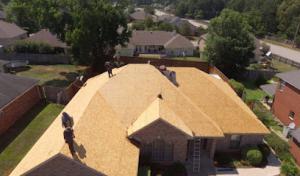
Noble Roofing
(903) 662-2464 www.nobleroofteam.com
736 A US Hwy BUS 259 N, Kilgore, Texas
4.7 from 131 reviews
Redline Roofing Company Kilgore
(903) 515-5441 www.redlineroofingtx.com
100 N Kilgore St Suite 2, Kilgore, Texas
5.0 from 7 reviews
Thunderstorms roll through East Texas with surprising speed, and a leaking roof can escalate fast. If rain is still active or forecasts predict more, focus on stopping the worst drips to protect ceilings and insulation. Place a sturdy bucket under the leak, but also look for active openings around flashing, joints, or missing shingles. If shingles are loosened, lay a tarp over the affected area and weight the edges with boards or bricks to prevent wind uplift. The goal is to keep water from chasing into walls before a crew can start.
Emergency_repair is a meaningful local specialty signal, showing that homeowners in this market regularly seek tarping and rapid response after storm events. A temporary dry-in should cover the opening from the outside with a roof-safe tarp secured along the rake edge and around penetrations. From the inside, seal off affected rooms as best as possible to limit humidity damage and mold risk. Do not delay if interior damage is already visible; even a single wet day can push into insulation and drywall.
Spring and fall wet periods in Kilgore can turn a small storm opening into interior damage if temporary protection is delayed. When a replacement cannot start immediately, prioritize rapid tarping and a quick dry-in to preserve interior structure. Document the damage with photos for your insurer and contractor, especially around vents, chimneys, and skylights that often fail first in hail and heavy rain. Coordinate a response window with your roofer that aligns with forecasted storms to minimize exposure. Act quickly to protect contents and reduce secondary losses.
When you can't wait, these contractors offer fast response times to stop leaks and prevent further damage.
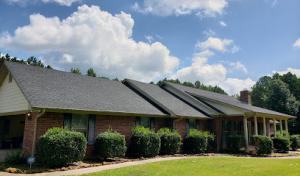
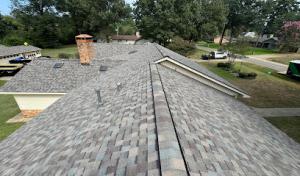
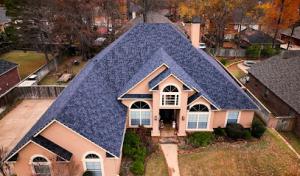
In this market, flat-roof and skylight work sells steadily, even though most houses sport pitched roofs. Skylights in rooms that catch late-afternoon sun and flat sections behind additions are common leak points after strong storms. When a contractor talks about a skylight, check the flashing details around the curb, curb-to-roof interface, and whether the skylight has a proper diverter or sunken curb to shed water. Expect frequent inquiries about curb repair, replacement levels, and compatible flashing kits. A practical approach is to verify that the replacement skylight includes a self-flashing unit or a high-quality counter-flashing detail that reaches the metal edge of the curb, not just sealant.
Storm-season rainfall and thunderstorm bursts put extra load on any low-slope section. In Kilgore, drainage performance and flashing reliability are among the first things homeowners notice after a heavy rain. Pay attention to the transitions where flat or low-slope areas meet steeper roofs, especially around dormers, entrances, and porch connections. Ensure that scuppers, internal drains, and downspouts are sized for East Texas downpours, and that sealant joints are complemented by mechanical fasteners and proper flashing membranes rather than relying on cement or sealant alone. Regular checks should confirm that parapet walls on low-slope bays drain toward the proper outlet, with no standing water or ice dam risk in colder snaps.
A small East Texas city often features additions and porches that blend rooflines, creating complex transitions. Leaks tend to surface at the junctions where flat or low-slope sections meet pitched roofs, or where new materials meet older flashing. Inspect these transition zones for mismatched flashing, improper terminations, or incomplete sealant beds. If a triple-hip or saddle configuration exists over an entry, verify that each seam has both flashing and a protective cap or diverter to route water away from seams. For hands-on homeowners, a careful quarterly walk-around after storms can catch hairline failures in these areas before water finds its way inside.
Find specialists in TPO, EPDM, and built-up flat roofing systems for residential and commercial properties.
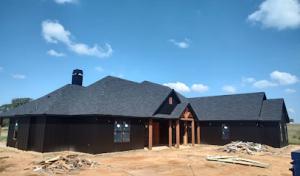
In this market, re-roofing, quick_response, residential work, and cleanup_included define the typical contractor profile after a hail or wind event. Homeowners here tend to value fast scheduling and thorough post-job cleanup, so expect crews to tout rapid start dates and debris removal as standard. Track how a roofer presents their process after a storm: the more detail about a temporary tarp, board-up, and a solid cleanup plan, the more aligned they are with Kilgore expectations.
Affordable pricing is common, and plenty of family-owned and locally run firms operate in the area. However, the absence of explicit manufacturer-certified installers or formal licensing signals means due diligence matters more than ever. When a contractor offers free inspections, use that to your advantage, but demand clear proof of credentials, clean jiob site references, and a written scope of work that matches the storm-related needs (hail damage, wind uplift, attic ventilation checks). If a claim is involved, insist on a licensed professional who can translate the insurer's expectations into a concrete repair plan.
Request a written, itemized proposal from several local roofers, focusing on the scope, materials, and the cleanup plan. Look for consistency across bids: similar damage assessments, identical shingle or metal options, and a defined sequence from tarping to final debris removal. Ask how each crew handles temporary protection during the interim and how they manage waste hauling. In Kilgore, a clean job site is as telling as the final roof, so prioritize firms that commit to thorough cleanup as part of the contract.
Storm recovery here hinges on responsiveness. A practical roofer will confirm inspection findings the same day, outline a realistic start window, and provide regular progress updates through milestones. If a contractor hesitates to commit to a concrete start date or cannot guarantee post-storm cleanup, consider other options. The strongest local teams balance speed with a solid installation plan and a transparent communication cadence throughout the project.