Last updated: Apr 19, 2026
This coastal corridor exposure shapes every attic breeze and roofline in the neighborhood. Spring hail and wind events aren't rare curiosities here; they're part of the rhythm that can peel shingles, dent fasteners, and loosen edges in a single afternoon. Late-summer through fall tropical systems bring sustained wind, heavy rain, and the risk of wind-driven rain sneaking under already compromised seams. When a storm roars through the broader Houston area, you're not spared from the fallout-even if the eye doesn't pass directly over your house. That wind-driven rain can finding its way into the attic and drainage paths, and once moisture enters, the strain on underlayment and decking compounds quickly during these humid Texas conditions. The takeaway is concrete: your roof's readiness isn't a once-a-year thought but a year-round requirement, aligned to the region's storm tempo.
Hurricane season doesn't follow a calendar only for the calendar's sake. A regional outbreak can drive upticks in material shipments, contractor workloads, and scheduling bottlenecks that ripple into Friendswood. If a tropical system pushes bands of rain and wind over the metro area without making landfall near you, the same decision point applies: is the roof prepared to resist continued wind-driven rain, or is there hidden damage that could inflate losses after a minor storm? The most actionable approach is to schedule pre-season assessments and pre-emptive repairs before the peak season, so you aren't scrambling when the demand spikes and crews are booked weeks out. If a major storm has already moved through the Houston corridor, expect longer waits for shingles, underlayment, and skilled labor, even for routine maintenance.
Begin with a thorough exterior inspection after any hail or wind event, focusing on shingle damage, lift at edges, exposed fasteners, and flashing around chimneys, vents, and valleys. Inside, check for moisture intrusion in ceilings, especially along interior corners and near attic access points where moisture can hide behind insulation. Prioritize addressing small penetrations and torn seals promptly; undetected moisture accelerates rot and can undermine long-term performance. When you notice wind-blown debris or missing shingle granules, treat it as a warning sign rather than outlook-only damage.
Consider upgrades that help your roof stand up to repeated wind and rain: higher-quality underlayment, impact-resistant shingles where appropriate, and reinforced flashing at vulnerable joints. For homes with mixed roofing materials or complex rooflines, ensure the installation details are tailored to withstand uplift. Don't overlook attic ventilation and insulation, since hot, humid air and trapped moisture amplify damage risk and can accelerate aging of roofing components. In a storm-prone environment, a proactive replacement strategy-timed to reduce peak-season lag and avoid post-storm shortages-can protect both your home and your wallet when the next system looms on the horizon. The goal is to avoid the scramble and secure a durable roof that performs when wind-driven rain arrives.
You're operating in a tough insurance landscape where repeated hail and wind losses have sharpened the scrutiny on every claim. In this part of the Houston metro, adjusters often look for a clear link between the damage and a specific storm event, rather than attributing everything to heat and humidity over time. That means the outcome of a claim can hinge on how convincingly the hail or wind damage is tied to a named event, and less on generalized aging of the roof. Expect tighter documentation requests, longer processing times, and a stronger emphasis on visible, event-specific evidence. Being prepared with dated evidence of the roof's condition prior to the season can help prevent gaps in later assessments.
Because proof of prior condition matters, long before hurricane season arrives you should gather a simple, organized record. Take current photos from multiple angles of every roof plane, attic access, and visible flashing, noting any preexisting marks, granule loss, or minor surface wear. Store these records in a dated, accessible location. After a storm, compile photos that clearly show new damage-circles or arrows can help agencies see what's been affected. If a contractor has already completed a preliminary inspection, request a written report that highlights pre-existing issues versus post-storm changes. For a community with frequent hail and wind events, this pre- and post-storm documentation creates a straightforward narrative for adjusters and can influence the depictions of depreciation and replacement timing.
Insurance decisions in this market are often driven by whether damage can be tied to a specific hail or wind event. That puts a premium on evidence that links the roof's condition to the storm's timing and intensity. When a severe hail event rattles through the area, you should promptly contact your insurer or a trusted local contractor to begin an assessment and to document the timing of the damage relative to the event. If your roof shows alignment with multiple events, you'll want to clearly separate what damage occurred during which incident. This helps prevent disputes about whether certain issues stem from a single storm or from gradual wear. A cautious approach is to avoid delaying documentation, since selective attribution can complicate future claims and depreciation calculations.
In this market, a prudent homeowner keeps a steady rhythm of maintenance and timely inspections after storms. Maintain clear communication with your insurer and your contractor, ensuring that all assessments reference specific dates and storm names when possible. If you suspect damage after a hurricane season, initiate a professional evaluation promptly to capture the roof's state while it's still fresh in memory and in photos. Finally, avoid quick, unvetted decisions about replacement without a documented storm link; insurers may challenge full replacement if damage cannot be tied to a defined event. Staying organized now reduces friction when the next hail or wind episode tests the roof and the claim.
Connect with contractors who help homeowners navigate the claims process from damage assessment to final approval.
Coastal Roofing Specialists
(281) 312-9121 coastalroofingtx.com
700 S Friendswood Dr Ste G, Friendswood, Texas
5.0 from 238 reviews
C & C Roofing & Construction
(361) 827-3898 ccroofingcompany.com
Friendswood, Texas
5.0 from 131 reviews
SmartChoice Roofing Solutions
(832) 272-8575 www.smartchoiceroofing.net
105 S Friendswood Dr, Friendswood, Texas
5.0 from 69 reviews
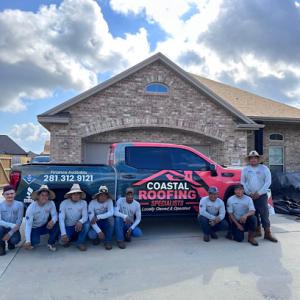
Coastal Roofing Specialists
(281) 312-9121 coastalroofingtx.com
700 S Friendswood Dr Ste G, Friendswood, Texas
5.0 from 238 reviews
Coastal Roofing Specialist is a trusted roofing contractor in Friendswood, TX serving All of Houston and surrounding areas. Our roofing company provides expert residential roofing, roof repair, and more. We also specialize in gutters, siding, and fencing services. Customers choose us for our comprehensive roof warranties and affordable roof financing options. Contact your reliable Friendswood, TX roofers today for a free estimate!
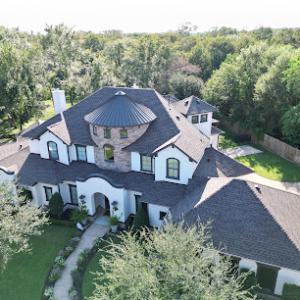
C & C Roofing & Construction
(361) 827-3898 ccroofingcompany.com
Friendswood, Texas
5.0 from 131 reviews
Whether you want to boost your curb appeal or create a more functional property, you're in the right place. C & C Roofing and Construction offers everything you need to transform your property in Friendswood, League City or anywhere else in the greater Houston area. We're here to build your patio, renovate your interior, fix your roof and much more.

SmartChoice Roofing Solutions
(832) 272-8575 www.smartchoiceroofing.net
105 S Friendswood Dr, Friendswood, Texas
5.0 from 69 reviews
SmartChoice Roofing of Houston, TX, was founded by lifelong Houstonians who are passionate about serving their community. Based in Friendswood and proudly serving the entire Houston area, we built our company on a commitment to quality and trust. As one of Houston’s leading commercial roofing companies, we offer expert metal roofing, reliable roof repair, and comprehensive solutions for both residential and commercial properties. Our skilled roofers are dedicated to protecting your property with high-quality materials and exceptional workmanship. At SmartChoice Roofing, we strive to be the roofing company our neighbors can always count on.
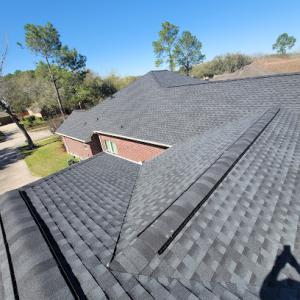
Altitude Roofers
(832) 466-2233 www.altituderoofers.com
304 Eagle Lakes Dr, Friendswood, Texas
5.0 from 69 reviews
Whether it's performing routine roof repairs or replacing your entire roofing system, let one of our highly trained technicians assist you in enhancing your greatest investment. Altitude Roofers has been in the industry for over fifteen years. Let our technical experience, competitive pricing, and customer service be the reason you trust us with your business. Altitude Roofers services the southeast Houston area, including Galveston, Harris and Brazoria county. Our main office is in Friendswood, TX. We look forward to the opportunity to work with you. Call our office anytime for a free estimate or assistance with any of your roofing needs. We ensure a timely response by friendly personnel. FOR A FREE ESTIMATE: 832-466-2233
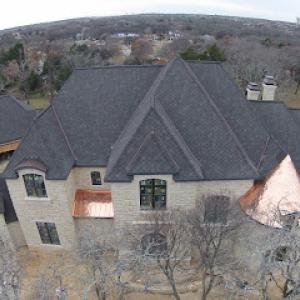
Brinkmann Quality Roofing Services
(281) 480-7663 www.brinkmannquality.com
4311 FM 2351, Friendswood, Texas
4.8 from 471 reviews
A full service roofing business run by a family that has been servicing the Houston and surrounding areas for over 50 years. We offer new construction, roof repair, replacements, commercial and residential products for most types of structures. Whether you are looking for composition shingles, tile, metal, copper or TPO. We provide free estimates for roof replacements, repairs, and additions to our home and building owner clients. Our seamless gutters and standing seam metal products are run onsite for your homes specific needs. Our systems are backed for up to 25 years by nations largest shingle manufactures, GAF and Owens Corning. We look forward to serving your roofing needs. Fortified Roof Certified. Licensed Commercial/Residential.
Eagle Eye Roofing
(281) 706-4013 eagleeyeroofs.com
107 S Friendswood Dr suite a, Friendswood, Texas
5.0 from 91 reviews
Driven by customer satisfaction and quality work, Eagle Eye Roofing is here to serve our community of customers with integrity and honest work. We specialize in the installations of roofs, fences, custom gutters, and many other interiors and exterior renovations for property owners across the Houston, TX area.
Trinity Roofing
(713) 503-2994 texastrinityroofing.com
907 S Friendswood Dr, Friendswood, Texas
4.9 from 58 reviews
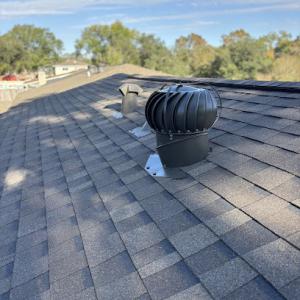
Trinity Roofing, located at 907 S Friendswood Dr, is your go-to roofing contractor for top-notch roof repair, roof replacement, and comprehensive commercial and residential roofing services. Our expert team specializes in roof leak repair, emergency roof repair, and in-depth roof inspection services, ensuring your property's safety and durability. We offer shingle roofing and metal roofing options tailored to meet your needs with competitive pricing. As a trusted roofing company, our commitment is to deliver exceptional quality and customer satisfaction. Contact Trinity Roofing for reliable, professional service and experience the difference. Joshua 24:15 “ As for me & my house , we will serve The Lord”
Handal's Roofing
(832) 525-9679 handalroofing.com
4815 FM 2351 Suite 205, Friendswood, Texas
4.9 from 74 reviews
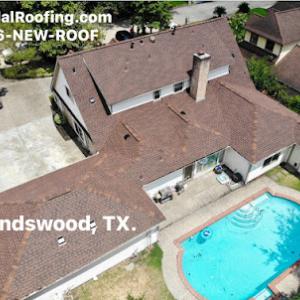
As a GAF, TAMKO & OWENS CORNING Certified Contractor, we utilize premium materials and cutting-edge techniques to ensure your roof remains durable and reliable. With BBB accreditation and an A+ rating, we are recognized as the Best Roofer in Pasadena by Expertise, and our 4.9-star Google reviews highlight our dedication to customer satisfaction. Every project comes with a 10-year warranty, no upfront payments, long-term financing options, a free estimate, and full insurance coverage, making your roofing experience straightforward, stress-free, and budget-friendly. Our services: Roof Replacement, Roof Repair, Roof Maintenance, Roof Soft Wash, Esterior Paint, Siding Replacement, Seamless Gutters and Foundation Repair (House Leveling)
Robert Juelich Roofing
(281) 388-0202 juelichroofing.com
Friendswood, Texas
5.0 from 17 reviews
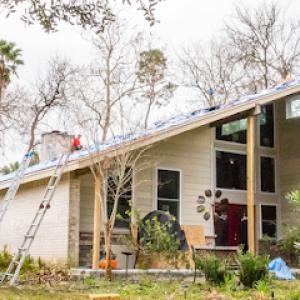
Offering Houston & beyond quality roofing services since 1987.
Dependable Construction
(832) 230-5171 fixmyhousetx.com
5406 Abercreek Ave, Friendswood, Texas
4.8 from 22 reviews
If your roof has been hail-damaged or if you need improvements made to your home, call the experts at Dependable Construction. We proudly serve the Greater Houston Area with high-quality roof repair & home improvement services with the utmost integrity & transparency. We will work with your insurance company to get you the coverage you need. We are a preferred contractor with most major insurance companies, so we can help you get the process started quickly & easily. We are also offer a 100% satisfaction guarantee on all of our work. We want you to be happy with your new roof, so we stand behind our work with a warranty. If you are looking for a reliable & experienced roofer in the Friendswood TX area, call Dependable Construction today!
Bulldog Builders & Contractors
Friendswood, Texas
4.0 from 12 reviews
Bulldog Builders & Contractors is Texas' first choice when choosing a commercial roofing company or roofing contractor. Whether your commercial roofing needs are roof replacement, roof installation, or roof repair, Bulldog Builders & Contractors is your go to commercial roofing contractor. Our roofing services include metal roof, metal buildings, flat roof, roof titles, roof shingles and other types of roofing systems. Roof leaks or entire roof replacements are often covered by your insurance. Call Bulldog Builders & Contractors for your roofing and construction needs. We are happy to answer questions on roof replacement costs and provide a free roofing estimate. We also provide residential roofing services. (866) 359-2279

Bay Area Roofers
(281) 482-1200 www.bayarearoofersinc.com
Serving
4.9 from 404 reviews
Bay Area Roofers is a professional roofing and siding company in Pearland, Texas, since 1983. We offer roofing, siding, patio covers, gutters, insulation, painting, windows, and more. We are locally owned and operated and fully insured. We provide service to the entire Clear Lake area, including Alvin, Deer Park, Dickinson, Friendswood, Galveston, Houston, Kemah, League City, La Marque, Pasadena, Pearland, Santa Fe, Seabrook, and Texas City. We have an A+ rating with the BBB, and have been an Angie's List Super Service Award winner since 2008. We are a Preferred Contractor for Owens Corning and JamesHardie, as well as a Factory Certified Master Elite Weather Stopper Roofing Contractor for GAF. Call for Free Estimate.
Asphalt shingles are common on homes in this Gulf Coast suburb, and the texture and color choices fit well with heat and humidity. In this climate, extended heat, humidity, and thunderstorm exposure can accelerate granule loss, sealant fatigue, and overall aging compared with drier inland climates. When inspecting, look for loose or missing granules, curling edges, and dark streaks from moss or algae growth. In maintenance cycles, expect more frequent cleaning of surface debris and a closer eye on sealant flexibility around vents, flashings, and edges. If you notice brittleness or granule shedding after hail events, document it for insurance discussions and consider scheduling a professional inspection to verify wind- or impact-related damage beyond cosmetic wear.
Clay and concrete tile appear in higher-end Gulf Coast suburban neighborhoods, and their look pairs well with the humid climate. These surfaces demand attention beyond the tile surface itself: the underlayment must be durable, and wind performance matters as much as appearance. When evaluating a tile roof, check for cracked or displaced tiles after storms and confirm that underlayment has remained intact under heat and moisture cycles. Pay particular attention to ridges and hips, where wind-driven rain can push beneath tiles if fasteners or batten systems have aged. Because tile roofs are heavier, ensure the structure has adequate support and consider resealing or replacing underlayment in the same cycle as tile work to maintain a continuous moisture barrier.
Wood shingles and shakes are less forgiving in persistent moisture and storm exposure. In Friendswood, high humidity accelerates rot risk, and heavy rains paired with strong winds can drive moisture into gaps and fasteners. If choosing wood, select treated or naturally rot-resistant species, and plan for more frequent inspections of edges, corners, and ridge lines. During maintenance, monitor for cupping, splitting, or mold growth, and treat promptly to prevent cascading leaks. For existing wood roofs, consider regular resealing and an assessment of ventilation in the attic to minimize interior humidity affecting the roof deck.
Synthetic or composite shingles offer a compromise between traditional look and modern resilience with better resistance to heat and humidity than some natural materials. Slate presents a premium option with excellent longevity when matched with proper installation and underlayment, but it is heavier and requires careful wind and seismic considerations. In Gulf humidity, ensure the installation includes a moisture- and wind-rated underlayment system and proper ventilation. Regardless of material, the goal is a continuous, well-sealed envelope that can withstand storm-driven winds and rapid temperature shifts without compromising the deck beneath.
In this area, the wet spring can stretch tear-off schedules and slow installation sequencing. Start with a concrete plan for a dry-weather block of several days, and target the first clear stretch after a series of storms. If a roof shows accelerated wear from previous hurricane seasons, consider locking in a contractor earlier in the season while crews aren't juggling the busiest weeks. Plan for an extended dry spell to allow underlayment and flashing work to cure without rain interrupts. When you schedule, build in buffer days for wind events that often pop up in spring, so the replacement can run smoothly without rushed steps that could compromise long-term performance.
Summer heat and humidity accelerate aging in asphalt shingles and can push a roof from marginal to marginally unsafe more quickly than you expect. If your shingles are showing curled edges, pronounced granule loss, or obvious heat sag, a proactive replacement before peak hurricane season can be a prudent move. The heat also impacts crew pace and material handling; plan for mid-morning starts and shorter daily shifts to keep workers and materials from overheating. A summer replacement tends to align well with insurance documentation readiness, because a recently completed job yields up-to-date photos and records that support a claim if a storm hits later in the season. Communicate clearly with the crew about tarping, ventilation, and interior protection to minimize heat-related delays.
Late-summer and fall scheduling can become volatile due to hurricane threats and regional storm demand reordering contractor calendars. If a major storm seems likely, expect potential shifts or cancellations. Build flexibility into the timeline and ask the contractor for a defined priority window-ideally a week when weather patterns are favorable and inland systems aren't pulling crews away to other jobs. If timing is driven by insurance-borne decisions, coordinate with your adjuster to set preferred start dates that maximize claim processing speed without exposing materials to prolonged exposure to rain. Have a contingency plan for debris management and storm-ready staging so that when the window opens, the project can ramp up quickly rather than waiting through backlogs. Use the lull between storm seasons to confirm product selections, warranty terms, and scheduled maintenance checks post-installation.
Get a clear picture of your project costs upfront - no commitment required.
Coastal Roofing Specialists
(281) 312-9121 coastalroofingtx.com
700 S Friendswood Dr Ste G, Friendswood, Texas
5.0 from 238 reviews
Altitude Roofers
(832) 466-2233 www.altituderoofers.com
304 Eagle Lakes Dr, Friendswood, Texas
5.0 from 69 reviews
Brinkmann Quality Roofing Services
(281) 480-7663 www.brinkmannquality.com
4311 FM 2351, Friendswood, Texas
4.8 from 471 reviews
In this market, material choice drives a large share of the bill. Asphalt Shingles run roughly from $350 to $650 per square, while synthetic or composite shingles come in at about $400 to $700 per square. Clay tile and concrete tile sit higher, at $600-$1200 and $450-$900 per square respectively, with clay leaning toward steeper, more ornamental roofs. Wood shingles or shakes run $480 to $900 per square, and slate can push toward $900 to $1500 per square. These figures reflect not only material price but the plus side of color, texture, and durability that local storms can demand.
Houston-metro conditions steer pricing up after hail events or tropical weather that drives regional demand. After a storm, tradespeople and materials can surge in response, expanding both labor days and disposal charges. On a typical job, the gap between base material pricing and the final bill widens when crews need to work around complex roof geometries or steeper pitches common on larger, custom homes. That means a straightforward shingle replacement can become noticeably more expensive if the roofline includes tall peaks, multiple dormers, or extensive ventilation work.
Friendswood homes span standard suburban rooftops to larger, high-feature layouts with clay or concrete tile and steep architectural forms. Labor and disposal costs rise with roof size, the number of penetrations, and the need for additional underlayment or ventilation adjustments. A bigger or more intricate roof will push the project beyond base material pricing, especially when contractors account for safe access, debris removal, and staging for tall sections.
Storm-season timing can compress schedules and extend material lead times, affecting both price and project duration. When insurers trigger a replacement after a claim, the urgency to complete can influence whether crews charge a small premium for expedited work or allow a staged, more economical approach. In practice, consider a phased plan if a full replacement feels financially burdensome in a single season, while maintaining preparedness for hurricane-season readiness and continued protection of the interior.
A full roof replacement in Friendswood requires a building permit through the City of Friendswood Building Department. Before any shingles come off, you or your contractor should pull the permit and complete the applicable forms that document the project scope, set of materials, ventilation details, and any attic access modifications. In a Gulf Coast climate with hurricane-season winds and frequent hail, the city's permit process is not just paperwork-it's a safeguard to ensure the roof system meets current wind uplift and moisture management standards. Start the permit process early, and maintain a clear record of the approved plan and inspections as the project progresses.
Friendswood projects are not complete until required inspections are passed, including a final inspection after installation. Inspections are not only a check of underlayment, fasteners, and flashing; they also verify that the ventilation plan has been implemented as approved and that attic access remains compliant with safety and code requirements. Workmanship and material compatibility are reviewed against the approved plan, so deviations can trigger rework or added inspections. Because storm challenges are common in this area, expect the inspector to look closely at how the roof integrates with attic ventilation and moisture control features.
Local review can include documentation tied to ventilation changes and attic access modifications, so scope changes during a re-roof can affect inspection requirements. If the project adds or reduces vents, changes attic hatches, or alters eave and soffit details, anticipate corresponding updates to the permit and potentially additional inspections. Communicate any adjustments to your contractor and keep their compliance milestones organized. Having a clearly labeled file of permit approvals, inspection notices, and photos of the installation at key milestones can smooth the process when the final inspection is scheduled.
Coordinate with a licensed contractor who understands Friendswood's code expectations and the city's inspection cadence. Schedule inspections promptly and avoid delaying material deliveries near critical inspection windows. Maintain accessibility around the work area for inspectors, and keep a simple, orderly record of all permit numbers, inspection dates, and contact information for the building department. This approach helps ensure a timely final inspection and a compliant, durable roof ready for the next Gulf Coast storm season.
Emergency roof calls often follow fast-moving Gulf Coast thunderstorms that produce wind-driven rain before full replacement crews can be scheduled. Those storms push water into vents, chimneys, and any flashing gaps, creating hidden leaks that worsen with each passing hour. If a sudden leak appears, treat it as a top priority: every small opening can become a major interior problem once moisture penetrates insulation and ceilings. In this climate, rapid response isn't a luxury-it's protection for your home's structure and your belongings.
Temporary dry-in work is especially important during active storm periods because repeated rain bands can turn a small opening into interior ceiling and insulation damage. A professional tarping job seals the most vulnerable roof areas, buys time, and minimizes interior water intrusion until permanent repairs can be scheduled. If you notice active leaks, request tarping before the next front passes, and ensure the tarp is securely fastened with proper edging to withstand Gulf winds.
Regional storm demand across the Houston area can delay permanent repairs in Friendswood, making rapid tarping and moisture control a practical first step. Contact your roofer or emergency contractor immediately for a temporary cover, then document every leak with photos and timestamps. Keep moisture-prone rooms vented and avoid turning on ceiling fixtures in leak zones until the area is tarped and inspected. Consistent moisture control during the storm window helps prevent long-term damage to ceilings, insulation, and interior finishes.
When you can't wait, these contractors offer fast response times to stop leaks and prevent further damage.
SmartChoice Roofing Solutions
(832) 272-8575 www.smartchoiceroofing.net
105 S Friendswood Dr, Friendswood, Texas
5.0 from 69 reviews
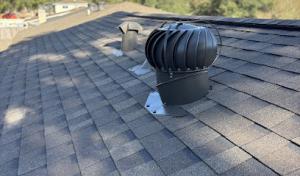
Trinity Roofing
(713) 503-2994 texastrinityroofing.com
907 S Friendswood Dr, Friendswood, Texas
4.9 from 58 reviews
Dependable Construction
(832) 230-5171 fixmyhousetx.com
5406 Abercreek Ave, Friendswood, Texas
4.8 from 22 reviews
Friendswood homes often feature low-slope sections over patios, additions, and transitions that catch ponding and wind-driven rain more readily than the main peaked roof. Those areas can look fine after a storm but hide trouble in the edges and seams. If a low-slope patch isn't flashed correctly or is tied into a weathered higher roof with shifting fasteners, you risk slow leaks that show up as attic drip lines or ceiling staining long after the storm has passed. A practical habit is to inspect transitions with a flashlight after heavy rain and treat any standing water near roof edges as a red flag rather than a minor nuisance.
Because local inspections may review ventilation and attic-access changes, re-roof projects in Friendswood often need more attention to intake and exhaust balance than homeowners expect. A new roof laid over an altered or undersized soffit or a changed exhaust vent can create pressure imbalances that trap warm, humid air. That built-in tension accelerates mold risk and can shorten the life of decking and insulation. Plan for a balanced system that aligns intake vents with exhaust outlets, and verify that attic hatches or scuttles remain accessible after the new roof is installed.
High humidity makes attic moisture management more consequential in this area, especially when a new roof is installed over an older ventilation layout. Inadequate vapor control invites condensation that can corrode fasteners and degrade underlayment. Pay attention to ridge vents, gable end vents, and any changes to attic insulation thickness. A thoughtful sequence-air-sealing hot spots, upgrading vents, and maintaining a dry attic-helps avert hidden moisture problems that quietly undermine a solid roof.
Find specialists in TPO, EPDM, and built-up flat roofing systems for residential and commercial properties.
SmartChoice Roofing Solutions
(832) 272-8575 www.smartchoiceroofing.net
105 S Friendswood Dr, Friendswood, Texas
5.0 from 69 reviews
Brinkmann Quality Roofing Services
(281) 480-7663 www.brinkmannquality.com
4311 FM 2351, Friendswood, Texas
4.8 from 471 reviews