Last updated: Apr 19, 2026
Deer Park sits in the Gulf Coast storm belt east of Houston, so frequent thunderstorms and hail are a primary driver of roof inspections, repairs, and full replacements. The roof faces rapid weather shifts, wind-driven debris, and sudden pressure changes that can compromise shingle seals and concealed underlayment. In this setting, every hail event is a potential trigger for a professional inspection, not a guesswork timeline. When thunder rolls and hail begins to ping, do not wait for a clear sign of trouble-assess promptly and plan decisively.
The local replacement cycle is concentrated around milder months because summer heat, humidity, and active storm periods complicate tear-offs, dry-in timing, and shingle sealing. In practical terms, that means the window for full tear-offs tends to tighten as heat climbs. If your roof has sustained visible damage or there are signs of leaks, scheduling during a cooler stretch with dry days minimizes the risk of shingle lift, adhesive failure, or interior moisture intrusion during the replacement. Plan ahead for a fall or late spring project when the weather pattern is more predictable, and be prepared for lead times if a storm suddenly shifts the schedule.
Hail damage often hides beneath the surface, but in this environment, granular loss, bruising, and denting on asphalt shingles or metal panels can escalate quickly after a single severe storm. A rapid, thorough inspection after hail events is essential. If damage is found, do not delay in documenting it with clear photos and notes for your insurer. The goal is to separate cosmetic hits from functional compromises-loose granules, compromised sealants, and dented flashing can all pave the way for leaks. Timely assessment reduces the chance of hidden rot or accelerated wear in cooler months when shingles are most vulnerable to sealing failures.
Insurance-driven decisions are common here due to the frequency of high-impact storms. After a hail or wind event, the claim process can steer the replacement timeline, sometimes pushing work into the milder season window. You should understand that the insurer often relies on independent adjusters to confirm damage extent, which means prompt scheduling and access to the necessary documentation accelerates your path to a full or partial roof replacement. Gather prior roofing records, photos, and notes from any prior repairs, then coordinate closely with your adjuster to align the scope with what's structurally sound and weather-ready for Deer Park's climate realities.
June through November brings elevated storm activity that can create sudden scheduling backlogs across Deer Park after hail or wind events. When a major storm hits, prioritize securing a reputable contractor with experience navigating insurance timelines and the local weather calendar. If you receive an assignment or a scope approval, lock in a firm start date and a contingency plan for potential weather delays. Stay proactive: advanced preparation reduces the stress of a rushed tear-off and helps ensure a proper dry-in before the next heat spike.
Immediately document any hail impact with timestamped photos and notes, then arrange a professional inspection within a few days of a storm. If damage is confirmed, commence the insurer coordination process without delay, and secure a trusted contractor who understands Deer Park's seasonal window. In the weeks ahead of peak storm season, perform targeted maintenance-clean gutters, inspect flashing, and replace missing or loose shingles-to minimize repair backlog when the next round of weather arrives. Prioritize a plan that keeps you dry, compliant, and storm-ready through the Gulf Coast's dynamic rainfall and hail patterns.
Asphalt shingles remain the familiar workhorse on many homes here, especially after last spring's hail events. They handle the frequent Gulf Coast thunderstorms reasonably well, but hot, humid summers can shorten their appearance life and accelerate granule loss after hail impacts. When selecting a shingle, look for higher wind and impact resistance ratings and a darker color option that hides scuffing from storms. Regular inspection after severe weather helps catch granule loss early, before water damage progresses. If a hail hit preserves the underlayment and decking, you can often time a repair without a full replacement, but a replacement decision hinges on the extent of damage documented for insurance and local permitting.
Metal stands out for handling heavy rain and rapid shedding, a real advantage during downpours that flood the Gulf Coast corridor. Its life cycle can outpace asphalt under frequent storm exposure, reducing the chance of interior leaks between storms. The flip side is the need to plan for expansion and contraction during our extreme summer heat. Properly installed metal roofs use clips or screws with neoprene washers, and the fastener pattern must account for thermal movement. A correct installation also supports better wind uplift resistance, which matters in high-wind storm events. If you're considering metal, ensure the crew follows panel alignment, sealant strategies, and a detailed underlayment plan to prevent moisture migration around fasteners.
Tile and other heavier systems show up in some neighborhoods, but they demand a structure-first mindset. Storm repairs and underlayment performance become sharper concerns when the roof is not just a skin but a load-bearing element. Decking needs to be sound, and rafter spacing must handle the added weight with proper uplift resistance. Heavier systems often mean longer replacement timelines and more careful coordination with insurance documentation, especially after a hail event that damages more than just the surface. If you're in a home with an older or lighter roof structure, a professional should evaluate whether the attic's ventilation and soffit intake properly vent storm-driven moisture.
Storm response in this corridor hinges on paperwork and documented damage. Your roof choice should align with your insurer's expectations for hail-related claims and with the likelihood of needing a rapid, weather-ready re-cover after a major event. Consider how each system handles subsequent hail impacts, how repairs would be documented, and how quickly a replacement can be scheduled if the claim requires it. In practice, the best path stays tied to a clear plan for assessing damage, ensuring proper underlayment, and matching installation details to the anticipated weather cycle.
In this market, roof pricing is commonly quoted per square (100 square feet). Asphalt shingles run roughly 350 to 650 per square, a band that covers basic replacement and minor repairs. Metal roofs tend to sit higher, from about 800 to 1,300 per square, reflecting faster installation and longer life. Clay tile projects tend to be the most expensive upfront, typically 1,200 to 2,300 per square, driven by heavier framing needs and unique installation steps. Concrete tile follows, commonly 900 to 1,600 per square, offering durability with a moderate price bump over asphalt. For wood shingles or shakes the range is 600 to 900 per square, balancing look with maintenance concerns. Slate is the premium option in this area, often 2,000 to 3,600 per square, due to weight, cut complexity, and long-term performance. When discussing a full roof, translate these per-square ranges to your roof's square count, and add about 10% for waste, flashing, and incidental repairs.
Storm-season pressure in this corridor intensifies after hail events, with many homes seeking inspections and re-roofing in a short time frame. That surge can push scheduling and crew availability toward the edge, especially when multiple houses in the same neighborhood request estimated timelines and insurance documentation simultaneously. If hail is reported in your area, expect a tighter window between confirmation and completion and plan for potential minor delays in getting materials and crews on site. Having a clear, step-by-step plan with your contractor and carrier helps lock in a feasible window despite the bang-bang demand.
Spring rain and muddy conditions slow staging and tear-off work, increasing the difficulty of treacherous access and material handling. If a project starts in wet weather, expect longer durations for deck protection, roof removal, and membrane or underlayment work. Summer heat introduces its own cadence: adhesive-sensitive steps and certain fasteners can slow as crews manage heat-related safety and product behavior. In practice, this can translate to longer days or a staged approach to avoid scorching adhesives or shingle shrinkage, especially on higher pitches or complex layouts.
When estimating, compare your preferred material's square price against the season's typical scheduling realities. If hail is fresh in the memory, factor a contingency for quick-start work and potential weekend or after-hours coordination to minimize window gaps. Communicate clearly with the insurer about the exact scope, including tear-off, disposal, and any necessary roof deck repairs, to avoid mid-project changes that can echo into timelines and costs. Keep the project's momentum by securing material pricing in advance where possible, and confirm that the chosen crew can handle the roof's slope, weight, and any complex detailing needed by your chosen material.
Cornerstone Roofing
(832) 221-7693 www.cribuild.com
2502 Solitude Ln, Deer Park, Texas
5.0 from 33 reviews
Quality roof inspections and installations, complex roof repairs, leaks, storm damage restoration, and remodeling are the cornerstone of our services for both commercial and residential. Estimates are always free, we offer warranties, and financing options. Cornerstone Roofing is insured for your peace of mind and we are Master Shingle Applicators and CertainTeed Certified Roof Inspectors. Our sales team has achieved the CertainTeed Roof Inspector Certification so that we can best advise our customers, insurance agents, insurance adjusters, and engineers on proper roof damage assessment. Give us a call today for any of your commercial or residential roofing needs. Cornerstone Roofing – “Building on Quality and Integrity”.
Deer Park Roofing Company
(346) 236-0749 www.deerparkroofingcompany.com
1009 Center St, Deer Park, Texas
5.0 from 26 reviews
Since 2008, Deer Park Roofing Company has been a trusted choice for homeowners seeking reliable and professional roofing services. Located at 1009 Center Street in Deer Park, this experienced team is dedicated to providing high-quality solutions for a wide range of roofing needs. From new installations to essential repairs, they are committed to protecting your home with durable materials and exceptional craftsmanship, ensuring long-lasting peace of mind for their clients.
Image Roofing Company
(281) 479-7111 imageconstruction.net
2318 Center St suite 200-a, Deer Park, Texas
4.7 from 71 reviews
Image Roofing is a family owned and operated full service roofing company since 1983 serving Deer Park, La Porte, Pasadena, Clear Lake and surrounding areas. We offer a variety of residential and commercial roofing solutions to any size structure. With established relationships with the largest industry leading manufacturers and suppliers, our clients' needs are always met with flexibility and adaptability. Image Roofing will consider the condition of your roof and propose a way to extend structure's life with a roof repair or a cost effective roof replacement solution. Whether you are a home owner, business owner, or manage an industrial facility, our team will keep your roof performing at it’s best. Call for inspection today!
eXtreme Roofing & Remodeling
(409) 354-2135 extreme-roofing.com
3802 Filmore Ln, Deer Park, Texas
4.5 from 15 reviews
We have both the skills and the resources necessary to complete every job to your 100% satisfaction. Whether you need a roof repair or a brand-new roof installment, our team of fully trained local roofers can handle any job or task with skill and precision. We work hard to provide you with a top-quality roofing service at a price you can afford. Our customers have come to know us as the roofing company they trust to provide unparalleled service and expert advice – and that’s a reputation we’re proud of. Peace of Mind! We give you peace of mind. All of our work is guaranteed. And of course, we are bonded and insured! We have over 10 years experience! We can't wait to make your day :)
CanalCo Inc - Roof Replacement Contractor, Commercial Roofing Repair Service
Deer Park, Texas
5.0 from 2 reviews
CanalCo is a Reliable Commercial Roofing Company in Deer Park, TX offering Commercial Roofing Service, Roofing Repair and Roof Replacement that has 30 years of experience working in the industry. We are a bonded and insured roof repair, replacement and installation company that you can turn to for exceptional services. Call us today!
Upscale Roofing
(281) 930-7368 upscaleroofingtx.com
Serving
5.0 from 84 reviews
A roofing and construction company located in Deer Park, Texas, but servicing all of Greater Houston. No project is too small or too big for us. We pride ourselves on our hard work, integrity and honesty starting as a family-owned business. Let us know how we can show you the "Upscale Experience."
12 Stones Roofing & Construction
(832) 815-9463 12stonesroofing.com
Serving
4.8 from 82 reviews
12 Stones Roofing & Construction, located at 6933 Olson Ln, Pasadena, TX, is your trusted roofing contractor, specializing in high-quality roof services. Whether you're in need of roof repair, roof replacement, or new roof installation, our expert team delivers exceptional craftsmanship and customer satisfaction. We also offer comprehensive roof inspections, emergency roofing services, and roof tarping to protect your home. Our residential services include asphalt shingle, metal, tile, and slate roofing, while we also provide commercial and multi-family roofing solutions. We work with roofing insurance claims, offer roof warranties, and provide flexible roof financing options. Contact us today for a free estimate!
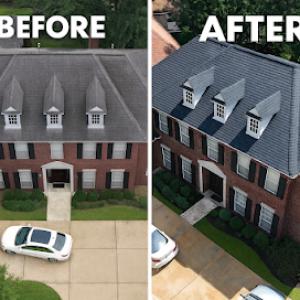
Aesthetic Roofing Systems
(281) 845-7663 www.aestheticroofpro.com
Serving
4.9 from 60 reviews
Aesthetic Roofing Systems is a GAF Certified Plus™, RCAT & HARCA member, and BBB A+ accredited roofing contractor proudly serving Greater Houston, Austin, San Antonio, New Braunfels, Hill Country, Corpus Christi & South Texas. We specialize in residential roof replacement, roof repair & leak detection, storm damage restoration & insurance claim support, and commercial roofing systems including TPO, metal, and flat roofs. Our team also provides roof maintenance, ventilation upgrades, siding, fascia, gutters, and fencing. Texas-trusted, 5-star rated—call 281-845-ROOF (7663).
Impervious Roofing & Construction
(832) 429-3200 imperviousroofingservices.com
Serving
5.0 from 25 reviews
Impervious Roofing provides homeowners and business owners with the most qualified, honest and professional service that extends beyond roofing repairs, installation and project completion. We are committed to going the extra mile with our comprehensive roofing solutions and services to ensure customers understand their options and are completely satisfied with our finished work.
BD Roofing & Contracting
(832) 597-9256 bdroofingandcontracting.com
Serving
4.4 from 34 reviews
We are a family owned business with over 30 years in experience. BD Roofing & Contracting will make sure all customers are satisfied, from the biggest to the smallest jobs. We offer many new roofing systems as well as many different patch repairs. We work on all commercial and residential roofing.
Reliable Roofing & Sheet Metal LLC Pasadena Texas
(832) 512-1461 www.reliableroofingandsheetmetalllc.com
Serving
4.9 from 111 reviews
Since we were established our company has specialized in both commercial and residential roofs and roofing systems. We provide services, which include roof inspection, roof construction, roof repairs, and complete roof replacement in the Houston area. In our 10 years, we have acquired priceless experience that helps us perform and complete any roofing project promptly and in the budget we agreed on. Our specialties consist of premium construction and services in residential roofing. There are so many different options to opt for concerning residential roofing. Every single one of those options has its benefits and qualities. Your Local Houston Texas Roofing Company
Paez Roofing & Remodeling
(832) 576-7272 www.paezroofingtx.com
Serving
4.9 from 44 reviews
Paez Roofing and Remodeling is a family-owned roofing contractor proudly serving Friendswood, TX. Built on honesty, hard work, and strong values, we treat every home like our own. As a trusted local Texas contractor, we specialize in roof repairs, replacements, and remodeling. Our skilled roofers are known for quality work, fair pricing, and reliable service. From storm damage to full remodels, we’ve got you covered. When you want a roofer who truly cares, call Paez Roofing—where family values meet expert service.
In Deer Park, re-roof projects generally require a building permit through the City of Deer Park Building Department. The permit process helps ensure the project meets local code, rain exposure realities, and proper installation practices for this Gulf Coast climate. The permit is typically submitted by the contractor with project scope and specifications, making contractor paperwork quality important for avoiding delays. As a homeowner, you should review the permit package for completeness and clarity before signing, so that the plan aligns with the actual materials and methods chosen for your roof. Knowing that the permit is tied to the re-roof schedule can help you coordinate storm cleanup timelines, insurance timelines, and any required inspections without surprises.
Inspections commonly occur after tear-off and again at completion to verify flashing, venting, and underlayment, followed by a final sign-off to close the permit. The tear-off inspection checks that old underlayment and roof deck conditions are appropriate for the new installation, which is critical after the region's severe thunderstorms and hail events. During the completion inspection, inspectors look at the overall workmanship, including proper flashing at penetrations, chimney and skylight detailing, vent stack integrity, and the alignment of roof penetrations with the chosen material system. If any corrective steps are required, the contractor should address them promptly to avoid delaying the final permit sign-off. It helps to have the contractor present during inspections to answer questions and demonstrate that the installation matches the approved plan.
Storm-driven re-roofing in this corridor often involves insurance-driven timelines. Ensure the permit package, scope of work, and material specifications reflect the insurer's requirements and any endorsements on your policy. If the insurer requests specific flashing materials, underlayment types, or ventilation strategies, confirm these details in the permit documents and with the contractor before tearing off the existing roof. Clear communication between you, the contractor, and the City Building Department reduces the risk of rework after inspections and minimizes the chance of delays that can arise from mismatches between what was approved and what is installed. Remember to retain all inspection notices and final sign-off documents; they are essential for proof of compliance should future claims or code updates arise.
Deer Park is a high-claim Gulf Coast market where hail and wind losses make insurers more likely to request detailed photo records and line-item scopes. The combination of Gulf storms and proximity to heavy industrial corridors means adjusters expect thorough, date-stamped proof of every damaged component. When a storm hits, the pace of claims often accelerates, and the length of the documentation trail becomes a deciding factor in how quickly a replacement is approved. Understanding this dynamic helps you approach the process with fewer surprises.
After active storm seasons, carriers serving this part of Texas may tighten roof-related terms or premiums, especially for older roofs and homes in higher hail-exposure areas. The result is more scrutinized documentation and a greater emphasis on pre-loss condition. If the roof shows prior wear or mixed materials, the adjuster may request additional photos or a line-item breakdown to separate pre-existing conditions from storm-caused damage. That scrutiny is not personal; it's how the claims channel operates in this market.
Because many Deer Park roof jobs follow storm events, homeowners benefit from documenting pre-loss condition, post-loss damage, and all temporary protection measures before adjuster review. Start with a wide exterior shot that captures all elevations and any known vulnerabilities (age, mounting, valley lines, and chimney flashing). Take close-ups of each damaged area, including granule loss on shingles, dented metal vents, and compromised flashing. Keep a dated log of temporary protections-tarps, debris removal, and weatherproofing measures-so the record clearly shows proactive steps taken to mitigate further damage.
Coordinate with your contractor to prepare a detailed scope that aligns with the photos. A clear line-item summary helps avoid back-and-forth with the insurer, reduces the risk of missing damage, and supports a faster review. When talking to the adjuster, present the documented sequence: pre-loss condition, post-loss findings, and all temporary measures in place. A neighborly, organized approach often translates into less friction and a smoother path toward a warranted repair or replacement decision.
Connect with contractors who help homeowners navigate the claims process from damage assessment to final approval.
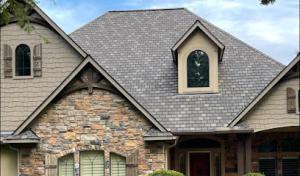
Cornerstone Roofing
(832) 221-7693 www.cribuild.com
2502 Solitude Ln, Deer Park, Texas
5.0 from 33 reviews
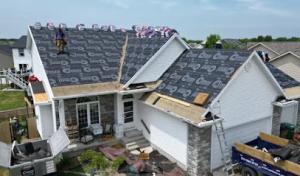
Deer Park Roofing Company
(346) 236-0749 www.deerparkroofingcompany.com
1009 Center St, Deer Park, Texas
5.0 from 26 reviews
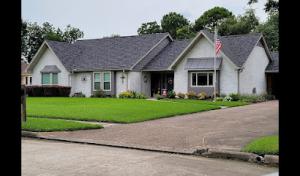
Image Roofing Company
(281) 479-7111 imageconstruction.net
2318 Center St suite 200-a, Deer Park, Texas
4.7 from 71 reviews
In Deer Park, repeated thunderstorm exposure makes flashing, ridge areas, penetrations, and wind-lifted shingle edges common post-storm trouble spots. Shingle edges near eaves and along hips can curl or lift after hail strikes or gusty deluges, leaving tiny gaps that grow with the next round of rain. Flashing around vents, valleys, and chimneys often reveals its weaknesses once moisture pressure builds.
High humidity and heavy rain increase the consequences of small installation defects because minor flashing or underlayment problems can turn into interior leaks quickly. A single overlooked corner or a loose step-stop underlayment can become a channel for water intrusion after a late afternoon storm. Keep an eye on attic vents, ceiling stains, and musty odors after storms, even if the roof seems intact at first glance.
Homes with low-slope sections, add-ons, or transitions are more vulnerable during Deer Park downpours when drainage and tie-ins are not detailed well. Where roof planes meet, or where a small addition joins the main structure, pooling water or slow drainage can force water into undesired paths. Pay attention to carefully caulked transitions and secure edge details where two roof lines share a joint.
After each major storm, perform a careful exterior walk to check for lifted shingles, torn flashing, and any debris caught in valleys. In areas prone to wind-driven rain, even small shifts can become recurring leaks if not addressed promptly. If any suspect areas appear, treat them as indicators to investigate deeper, since the next storm can magnify minor flaws into active leaks.
When you can't wait, these contractors offer fast response times to stop leaks and prevent further damage.
Deer Park Roofing Company
(346) 236-0749 www.deerparkroofingcompany.com
1009 Center St, Deer Park, Texas
5.0 from 26 reviews
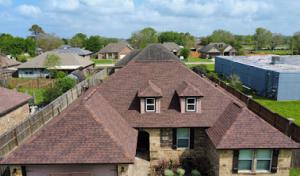
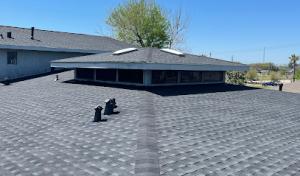
The Deer Park market is dominated by re-roofing and storm-response work, so homeowners are often comparing contractors on response speed, cleanup practices, and insurance-process familiarity. When a storm hits, a reliable roofer shows up promptly, communicates clearly about timelines, and keeps the worksite tidy enough to protect driveways and landscaping from storm debris. A storm-focused crew understands how to document hail damage for insurers and how to coordinate a streamlined replacement without leaving a messy, multi-day tear-off behind.
Accountability is key. Look for long-established, family-owned, locally owned, or manufacturer-certified credentials that signal ongoing accountability after storm seasons. A locally rooted company tends to have better relationships with insurance adjusters and a clearer grasp of the neighborhood roof lines and common vulnerabilities. Check references from nearby homes with similar roof types and verify that crews are trained to handle both quick weather-response jobs and longer, full replacements without compromising cleanup.
Prioritize contractors who can outline a step-by-step storm-response plan: rapid roof assessment, storm-related documentation, and a documented cleanup workflow. Ask for a written timeline, a debris containment plan, and confirmation that any tear-off debris will be disposed of promptly and properly. Request a sample project notebook showing how photos, logs, and insurance forms are organized. Ask about locally familiar workflows for working with insurers and how changes are handled if additional damage is found mid-project. Manufacturer certifications and warranties should be clearly stated and transferable.
Cleanup is a major local hiring priority, reflecting the high volume of tear-off work and the need to keep driveways, yards, and storm debris under control after replacement. Ensure the contract specifies daily site cleanup, protective tarps or containment for nearby landscaping, and a documented post-project sweep to remove stray nails. A reputable roofer will walk you through the end-of-day checklists and provide you with a final cleanup confirmation, so you're not left with lingering debris or left-behind materials after the crew departs.
Get a clear picture of your project costs upfront - no commitment required.
Cornerstone Roofing
(832) 221-7693 www.cribuild.com
2502 Solitude Ln, Deer Park, Texas
5.0 from 33 reviews