
Last updated: Apr 19, 2026
On the Wasatch Front, spring hail and sudden wind events are the roof's most common adversaries. Those sharp spring storms can leave unseen bruising on asphalt shingles or dent metal edges, while gusts yank at ridge lines and vent stacks. The pattern is well known to local crews: a sharp hail pulse followed by rapid melt and freeze cycles that stress flashing, seals, and gutters. That combo creates a spike in emergency calls, inspections, and quick-turn repairs; the demand surge is real and persistent enough to affect scheduling and availability for weeks.
When a hail or wind event hits, the clock starts ticking. Begin with a quick, critical assessment: look for obvious impacts like lifted shingle tabs, dented metal valleys, or dented gutters. If there are signs of moisture intrusion in the attic or attic insulation condensation, treat it as urgent. Safeguard the interior by drying out patched spaces and keeping rain away from any exposed decking. For any area that shows daylight through the roof or active leaks, secure temporary protection right away-think tarps or sturdy plastic sheeting weighted down and anchored-while arranging a full inspection. The local contractor market responds quickly to storm-damage signals, but timely temporary protection minimizes interior damage and loud, disruptive water intrusion.
Documentation matters when insurance enters the process. Take clear, dated photos from multiple angles: exterior roof planes, flashings, vents, and any visible interior leaks. Record the surrounding storm debris and note the street name and date of the event. Reducing ambiguity helps an adjuster understand the scope. Create a simple, room-by-room note of any affected ceilings or walls, with dates aligned to the storm. If temporary protection is installed, photograph that setup as well, including how it's anchored. A thorough photo log and a straightforward timeline reduce back-and-forth and keep the claim moving toward a practical repair rather than a drawn-out dispute.
The market reflects the climate pattern: storm damage, emergency repairs, and insurance-claims work are high in demand and readily visible on active rosters. When selecting a contractor, prioritize those who clearly communicate a storm-response process, show current licenses and insurance, and provide documented, itemized progress photos. Ask for references from neighbors who recently navigated hail repair. In a housing mix where asphalt dominates but metal and tile are common upgrades, seek crews with proven experience across multiple roofing substrates. A dependable local roofer will offer realistic timelines and honor temporary-protection plans without leaving the project half-done in a fickle weather window.
The seasonal rhythm in this region is tight: conditions are most conducive for full replacements in late spring through early fall, yet weather can break the schedule at any moment. If a full replacement becomes necessary, balance urgency with a sound, proactive planning strategy. Immediate interim repairs can bridge the gap, but the objective remains a durable, weather-resistant installation before the next freeze. Because winter precipitation can extend into the cold season, homeowners often have to decide whether to do temporary protection first and schedule full replacement for the late-spring-to-early-fall work window. A trusted local roofer lays out a realistic, weather-aware plan that minimizes exposure and maximizes long-term performance.
Some Guy Handyman Service
434 S 500 E St, American Fork, Utah
5.0 from 85 reviews
Newer contractor to the area. With competitive pricing and quality work We've got you covered. No repair too small no job too big. We even do after hours emergency repairs. If you need us we'll be there. Call today for a free quote.
TruCost Roofing
(385) 334-5206 trucostroofing.com
751 E 700 S #202, American Fork, Utah
5.0 from 68 reviews
We are the #1 Roofing Company in the region Guaranteed!

R1 Roofing & Exteriors – Utah
(385) 993-4487 roneroofing.com
1325 S 500 E #307, American Fork, Utah
4.9 from 103 reviews
R1 Roofing & Exteriors is a fully licensed and insured roofing and exterior contractor serving Utah and Arizona. We specialize in residential and commercial roofing, siding, windows, gutters, stucco, decks, and pergolas. Our team is built for extreme weather conditions, including snow, heat, wind, and hail. We work directly with insurance companies, offer financing options, and provide 24/7 emergency services. Built on trust and backed by results, R1 Roofing delivers quality craftsmanship, premium materials, and reliable service you can count on.
West Desert Roofing
(385) 204-5846 westdesertroofing.com
777 Automall Dr #111, American Fork, Utah
4.9 from 52 reviews
We are a roofing company based in Utah. We do roof installation and repair. We specialize in all kinds of shingles as well as metal roofs and flat roofs. We have an experienced roofing crew, and we give free estimates. We do commercial as well as residential. We also do roofing for model homes.
VRC Construction
(801) 592-8922 www.vrc-construction.com
1349 S 500 E Unit 205, American Fork, Utah
5.0 from 33 reviews
VRC Construction focuses on exterior construction solutions including roof installation and repair/replacement, gutters, and siding at the residential and commercial levels.
Prestige Roofing & Exteriors
(801) 876-7663 www.prestigepros.com
420 W Main St, American Fork, Utah
5.0 from 32 reviews
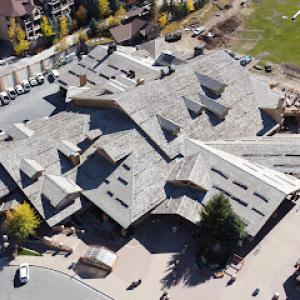
Prestige Roofing is locally owned and has been serving the Wasatch Front from Utah County to Weber County since 2007. Prestige offers a variety of year round residential and commercial roofing services including estimates, repairs, gutter work, re-roofing and new construction. We are licensed & insured and back up our work with a labor guarantee for the warranted life of the roof.
Rooftek
21 E 100 N #201, American Fork, Utah
5.0 from 26 reviews
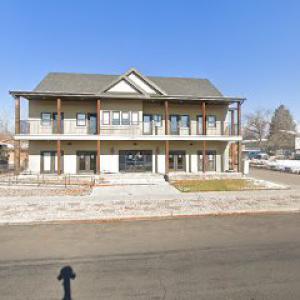
Call RoofTek today!
Raven Roofing & Contracting
(801) 367-7554 ravenroofingandcontracting.com
767 S Auto Mall Dr, American Fork, Utah
4.8 from 46 reviews
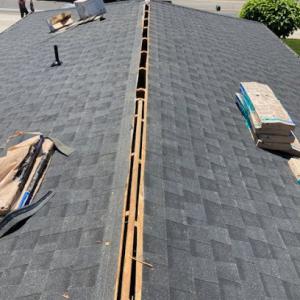
Raven Roofing and Contracting: A family-owned leader in roofing and remodeling in Northern Utah with over 25 years of experience. We excel in residential and commercial roofing, offering services such as new roof installations, comprehensive re-roofing, durable metal roofs, specialized roof repairs, and protective roof coatings for flat roofs. Our remodeling expertise spans kitchen and bathroom renovations, basement finishing, and the creation of custom ADUs and mother-in-law apartments. We proudly serve Davis, Salt Lake, and Utah Counties, ensuring each project meets our high standards of quality and customer satisfaction. Contact us for a free quote and start your project with a trusted local expert.
Royal Roofers
(801) 641-0332 royalroofersutah.com
1002 W 360 S, American Fork, Utah
5.0 from 16 reviews
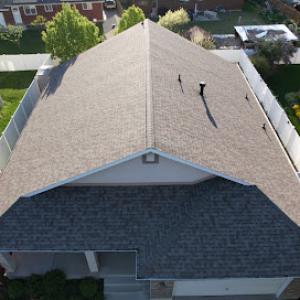
At Royal Roofers, we are proud to ensure that each roofing product is of the utmost superior quality. With our attention to detail, excellent customer service, and determination to create the smoothest roofing processes around, we provide the royal treatment every time! If you have any weather related damage and/or your roof is having issues, we'd be more than happy to conduct a free inspection and advise you on the best ways to move forward. Let us help you protect your kingdom!
AGMG Roofing
(801) 678-0963 agmgroofing.net
1174 N 150 W, American Fork, Utah
4.3 from 6 reviews
Whether you need a new roof installation or repair to a leaky roof AGMG Roofing will find the solution to your problem with the most knowledgeable staff and highly experienced professional roofers in the business.
Olsen Roofing
(801) 854-8163 olsenroofers.com
Serving
4.8 from 41 reviews
Olsen Roofing is a full service roofing company specializing in flat membrane, metal and shingle roofs. We have been in business for 28 years and provide excellent work for our customers
Bartlett Roofing
(801) 980-9385 bartlettroofs.com
Serving
5.0 from 25 reviews
Bartlett Roofing is a trusted roofing company proudly serving Pleasant Grove and surrounding areas like Lindon, American Fork, and Orem. With more than 30 years of experience, our certified team partners with GAF, Owens Corning, and CertainTeed to deliver durable roofing solutions for both homes and businesses across Utah County. Recognized among the nation’s top roofing companies and honored on the Inc. 5000 list, we remain focused on raising the standard of roofing in the community. To make things easier, we also offer 24/7 scheduling for inspections and appointments, while our crews and office staff operate during regular business hours to provide the reliable service and craftsmanship we’re known for.
Spring hail and wind are common claim drivers in this area, and insurers expect a clear link between the storm event and any new damage. The local climate swings-rapid freeze-thaw cycles, bright sun after a storm, and occasional heavy spring hail-mean shingles, metal, and tile can show damage in different patterns. For asphalt shingles, hail impact marks and lifted edges are typical indicators; metal roofs may show denting or loosened fasteners; clay or concrete tiles can crack or displace. Insurers look for a clean storm-repair narrative rather than attributing new damage to aging or prior wear. The goal is to establish that the damage occurred during the recent weather event and is not simply routine deterioration.
Prepare photo documentation that captures the roof from multiple angles, including close-ups of damaged areas and a wider view to show surrounding conditions. Note the roof age and the material type, since adjusters rely on those details to assess replacement needs. Record ground-level evidence such as dented gutters, dented vent caps, or granule loss in gutters, which can support hail-related damage. Keep copies of any previous roof work, including past inspections or repairs, to help separate storm damage from pre-existing wear. If available, include weather reports for the event date and any nearby property damage photos to corroborate timing. In the event of a wind event, document blown shingles or flashing displacement as potential storm indicators.
Adjusters will typically verify the storm date, verify that the roof type and age match the claim, and assess visible damage. Pre-loss and post-loss condition records are valuable, especially to prove the roof's baseline state before the storm. Insurers typically ask for confirmation that replacement work will be code-compliant, so expect questions about attic ventilation, underlayment, and flashing details during the claim. If a prior repair exists, the adjuster will consider whether it affects the scope of a new claim. Expect questions about any internal water intrusion as hail or wind-related damage can create hidden leaks that only manifest after the storm.
State-level coverage decisions can materially affect payout expectations, making documentation especially important after spring storm events. Depreciation often comes into play for wear-prone components, and the exact amount depends on the policy and the material installed. Comprehensive documentation-photos, repairs history, and a clear narrative linking the storm to current damage-helps support a fair adjustment. If a full replacement is deemed necessary, ensure the scope includes all affected surfaces, with attention to matching materials and color where possible.
The short best-installation season for full re-roofs in this region translates into a practical scheduling window after the storm. If damage is confirmed, prioritizing a repair or replacement before peak heat intensifies the work and can reduce risk of new leaks during the process. Coordinate with the contractor and adjuster to establish a realistic timeline that minimizes exposure to ongoing weather events. In cases where a temporary repair secures the roof, document temporary measures and plan for a final, code-compliant replacement when weather allows. Keep communication open with the insurer, especially if the claim involves substantial repairs that extend beyond typical timelines.
Review the documented evidence with the homeowner, verify the storm date, and align the claim narrative with observed damage and roof type. Ensure any pre-loss records are readily available, and prepare to demonstrate post-loss improvements that meet code expectations. If the claim progresses to replacement, confirm that the selected materials and installation approach address both current damage and long-term performance under Wasatch Front conditions.
Connect with contractors who help homeowners navigate the claims process from damage assessment to final approval.

R1 Roofing & Exteriors – Utah
(385) 993-4487 roneroofing.com
1325 S 500 E #307, American Fork, Utah
4.9 from 103 reviews
VRC Construction
(801) 592-8922 www.vrc-construction.com
1349 S 500 E Unit 205, American Fork, Utah
5.0 from 33 reviews
Raven Roofing & Contracting
(801) 367-7554 ravenroofingandcontracting.com
767 S Auto Mall Dr, American Fork, Utah
4.8 from 46 reviews
In this high-desert basin, the best time to schedule a full roof tear-off and replacement is late spring through early fall. Winter snow, cold snaps, and repeated freeze-thaw cycles complicate scheduling and can slow or even stall a project. By targeting the late spring start and finishing by early fall, you align with the period when crews can work consistently, pace their work, and avoid weather delays that are common during the shoulder seasons. If a lot sits through winter, plan for your crew to start once the ground thaws, the hail season has cooled, and temperatures are mild enough for adhesive and underlayment performance to meet expected life.
Spring hail in this area tends to create a surge in inspections and insurance timelines. After a hailstorm, scheduling pressure can push projects later into the season, especially on homes where the roof is aging or already near the end of its service life. The practical approach is to arrange an inspection early in the season, while crews have more flexibility to fit you into a reasonable install date. Prioritize gathering documentation, confirming shingle compatibility, and anticipating any needed repairs beyond the roof deck so the project can keep moving once the weather cooperates.
Hot summer days in this semi-arid climate accelerate aging in some asphalt and synthetic products, particularly on roofs that see intense sun exposure. This can translate to faster wear on the surface and potential for faster sealant curing. When planning a replacement or a substantial repair, choose materials with proven UV and heat resistance for the region, and work with a contractor who respects proper ventilation, deck preparation, and attic insulation to reduce heat transfer during installation. Scheduling early-morning or late-afternoon work blocks can also help maintain shingle performance as the roof comes off and goes back on.
Because spring hail cycles often crowd the workload, a proactive homeowner should contact a local roofer as soon as a hail event is confirmed or when roof concerns arise. If possible, secure a provisional date with the contractor during the late spring lull, then adjust as needed once the installer confirms deck access, attic ventilation status, and any required deck repairs. A practical approach is to aim for a mid-season start that avoids peak heat and aligns with crew availability, ensuring a steady pace from tear-off to finished surfaces.
Get a clear picture of your project costs upfront - no commitment required.
West Desert Roofing
(385) 204-5846 westdesertroofing.com
777 Automall Dr #111, American Fork, Utah
4.9 from 52 reviews
Raven Roofing & Contracting
(801) 367-7554 ravenroofingandcontracting.com
767 S Auto Mall Dr, American Fork, Utah
4.8 from 46 reviews
In this market, spring hail, winter precipitation with freeze-thaw cycles, and hot, dry summers all take a toll on roofs. Asphalt shingles remain the dominant choice, offering a familiar balance of cost, ease of installation, and local availability. However, metal roofing is a common upgrade path for homeowners who want added durability against hail and quicker shedding of snow and ice. When evaluating any material, consider how these seasonal extremes interact with local wind patterns and sun exposure, since prolonged heat can accelerate aging on darker surfaces and impact color fading.
Clay tile and concrete tile appear in neighborhoods across the region, bringing distinctive aesthetics and heavier loads. Heavier systems require careful planning for deck and structural condition during re-roof planning, especially if a roof needs reinforcement or a steeper pitch to optimize drainage and ice dam mitigation. Synthetic or composite shingles provide a middle ground, combining resilience with lighter weight and easier handling, which can be advantageous in areas with variable weather. Slate, while less common, can still be found in some upgrade homes and offers exceptional longevity and a distinct look, but it demands a solid structural assessment before installation.
Material choice is not purely about appearance. Spring hail exposure can cause surface impact damage on softer shingles, while winter snow and melt cycles stress roofing joints and flashing. A roof system that sheds heat well and resists impact can reduce the risk of granular loss and early aging. Metal roofs excel in hail resistance and snow shedding, and they often perform well in rapid temperature swings, but require careful attic and deck ventilation design to prevent heat buildup beneath the metal. Tile systems divide and transfer loads differently, which means the underlying deck must be prepared for heavier applications. If the goal is to minimize maintenance over time, consult with a local contractor who can assess attic insulation, ventilation, and potential micro-cracking, regardless of material choice.
Choosing a roof is about aligning with the house's structure and the seasonality of the region. Spring hail damage awareness should drive proactive inspections and documentation for future claims. For homes with existing shingle or tile installations, verify that the deck structure and fascia are sound enough to support a change in weight class if upgrading. Consider how each option ages under sun exposure and how color selection may influence cooling loads through summer months. In areas where asphalt dominates, upgrading to metal or tile can yield noticeable performance gains in durability and snowfall handling, provided the roof deck and supporting components are prepared to accommodate the added weight and dynamic loads.
When you're planning a roof overhaul in this mountain valley, the numbers you'll see in local bids reflect both material choice and roof complexity. Typical local cost ranges are about $350-$650 per square for asphalt shingles, $700-$1,400 for metal, $1,000-$2,500 for clay tile, $1,100-$2,300 for concrete tile, $450-$900 for synthetic/composite shingles, and $1,500-$4,000 for slate. Those figures line up with the mix you'll see on many American Fork homes, where asphalt covers the majority, but upgraded systems show up on mid- and higher-end builds. If your roof steers into tile or slate, expect labor and inspection attention to push costs higher, especially with heavier systems that require extra underlayment and possible sheathing work.
Spring hail storms can tighten availability for crews and materials, driving up estimates across the local market. After a big hail event, you'll likely face a surge in emergency work and re-roof requests, with schedule and crew availability stretching into the following weeks. If you're aiming for the best price, start planning the project in late winter or early spring, before the rush hits, and be prepared for a tighter window once the weather stabilizes. Because this area experiences freeze-thaw cycles, a late winter or early spring replacement can also help ensure the new roof is fully integrated with seasonal drainage patterns before the dry heat of summer arrives.
Costs move with material choice and roof complexity, especially when heavier tile or slate systems, underlayment replacement, or sheathing repairs trigger more labor and inspection attention. A straightforward asphalt reroof can stay closer to the low end, while upgrading to concrete or clay tile tends to push you into the mid-to-upper ranges and demands more structural consideration. If you're weighing metal versus tile, you'll trade some upfront cost for longer service life and resistance to Utah's sun and wind. For synthetic or composite shingles, you're choosing a middle path-reasonable price with decent longevity, suitable for varied roof shapes commonly found in American Fork neighborhoods.
Don't let upfront costs delay a critical repair - these contractors offer payment plans to fit your budget.
TruCost Roofing
(385) 334-5206 trucostroofing.com
751 E 700 S #202, American Fork, Utah
5.0 from 68 reviews
R1 Roofing & Exteriors – Utah
(385) 993-4487 roneroofing.com
1325 S 500 E #307, American Fork, Utah
4.9 from 103 reviews
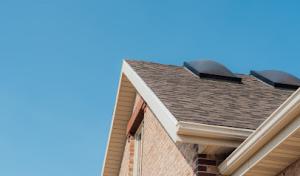
A full re-roof in American Fork typically requires a permit through the City of American Fork Building Department. That permit sets the rules for how the job is planned and executed, and it signals to neighbors that work is being done under recognized standards. If the project involves more than just replacing shingles-such as significant underlayment or sheathing work-expect the permit to cover those elements as well, not just the visible roofing surface. Skipping this step can delay your project and invite unwanted scrutiny later.
The city reviews permit applications, verifies contractor licensing, and confirms that the chosen method and materials meet local code. This isn't a formality; it's a checkpoint to reduce moisture problems, improper ventilation, and hail-related issues that surface after storms. Before work begins, ensure your contractor's license is current and that the project description aligns with the actual scope. If changes occur mid-project, you'll need to update the permit so inspections reflect the real work being done.
Inspections are scheduled at key milestones before final approval. Typical milestones include a framing/underlayment check, ventilation and drip-edge confirmation, and a final roof covering inspection. In the spring and during windows with strong weather swings, keep a close eye on scheduling; the inspector may emphasize underlayment quality and proper fastening given hail risk and freeze-thaw cycles. Delays often come from missing documentation or missed appointment windows, so communicate promptly with the contractor and the Building Department.
Homeowners should expect a final inspection at completion, with possible added checks when underlayment or sheathing work is part of the project. If anything isn't up to code, the inspector will require corrections before approval. Plan for a buffer after the job's visible finish so any interior or documentation gaps can be resolved without pressuring the schedule.
In this climate, winter freeze-thaw cycles are relentless. Small defects that might seem minor at first-hairline cracks, aging seams, or loose fasteners-can become real failures after repeated freeze-thaw cycles. Water infiltrates micro-gaps, freezes, expands, and slowly pries shingles or underlayment apart. You'll notice this most along eaves, valleys, and around chimney flashing. The consequence is accelerated wear, hidden leaks, and sagging edges when a mid-winter melt and refill cycles stress the roof for weeks on end. A careful, moisture-focused inspection after warm spells and before the next freeze helps catch problems early before they sprawl.
Spring hail in this area easily damages shingles and roofing components without leaving obvious marks seen from the ground. You might see a dented metal vent collar or granule loss on the shaded side of a roof, but the surrounding surface can still look intact. That's why documentation-heavy inspections matter here: photos from multiple angles, close-ups of the ridge and along the drip edge, and a note of suspected impact zones. A missed micro-damage point can corrode over time, leading to accelerated aging or hidden leaks that only show up after a heavy spring rain.
The hot, dry exposure of summers compounds wear on older asphalt and some synthetic roofs. Granule loss accelerates, and brittleness creeps into the surface, heightening the risk of crack propagation after a windstorm or hail event. In late life, a roof can feel fine in the shade but crack under direct sun. Pay particular attention to edges, flashing transitions, and around penetrations, where heat-induced movement stresses sealants and joints. Regular checks in late summer can reveal brittle areas before a minor incident triggers more damage.
In this high-desert climate, roof penetrations are a frequent source of leaks even when rainfall isn't heavy. Leaks tend to hinge on flashing quality around solar arrays, skylights, vents, and edge details more than on the roof surface itself. When planning a solar install or skylight upgrade, insist on high-quality flashing transitions, matched sealants, and a careful integration with the existing roof material. If you have asphalt or metal up top, ensure the flashing is compatible with the chosen roof system and that any penetrations are fully integrated with a watertight transition. Regular inspections after installation-especially following spring hail season and strong sun-will help catch sealant degradation or flashing movement early.
Work in this area shows meaningful activity in solar roofing, skylight work, and flat-roof service, indicating these are common homeowner needs rather than edge cases. A practical approach is to select contractors who can manage both the roofing and the associated penetrations in a single coordination plan. When you schedule service, ask for a detailed third-party assessment of existing flashing, membrane seams (if you have low-slope sections), and any prior penetrations. A coordinated plan reduces the risk that a repair for a skylight or a solar array becomes a separate, incremental project later.
Low-slope roofs require particular care in winter, where precipitation and freeze-thaw cycles can stress drainage paths and membrane integrity. Ensure the drainage plan is reviewed-clearing scuppers and drains, verifying that crickets or slopes direct water toward outlets, and confirming that joints and edges have robust, UV-stable membranes. For additions or extensions with flat or low-slope areas, prioritize a membrane condition assessment that focuses on seam integrity, edge terminations, and transitions to steeper roof planes. Even small laps in a low-slope system can become large trouble spots if winter moisture isn't routed correctly. In this climate, proactive maintenance and timely repairs around low-slope sections reduce the likelihood of interior leaks driven by freeze-thaw movement.
When considering solar or skylight work, pair design choices with a comprehensive detailing plan that emphasizes flashing, sealants, and membrane compatibility. Build a maintenance routine that includes seasonal inspections of penetrations and drainage in low-slope areas. In American Fork, the combination of sunny days and spring weather swings makes these details central to long-term roof performance and leak resistance. If you have an addition with a flat roof or a retrofit solar array, verify that the contractor documents every transition point and provides a clear scope for future inspections.
Find contractors who integrate solar panels or solar shingles into your roof for long-term energy savings.
R1 Roofing & Exteriors – Utah
(385) 993-4487 roneroofing.com
1325 S 500 E #307, American Fork, Utah
4.9 from 103 reviews
VRC Construction
(801) 592-8922 www.vrc-construction.com
1349 S 500 E Unit 205, American Fork, Utah
5.0 from 33 reviews
Prestige Roofing & Exteriors
(801) 876-7663 www.prestigepros.com
420 W Main St, American Fork, Utah
5.0 from 32 reviews
In this town, the weather swings from spring hail to winter freeze-thaw, so you want a roofer who can respond quickly after a storm, handle a full tear-off if needed, and leave the property clean after work is finished. Look for crews that prioritize rapid on-site estimates, clear communication about damage findings, and a workflow that minimizes your exposure to ongoing leaks during the job. A contractor that demonstrates organized scheduling and dependable crew rotation tends to handle the short best-installation window more smoothly.
A full-replacement project in this market often means coordinating multiple trades and a careful tear-off sequence. Check a candidate's track record with shingles, metal, and tile options common in the area, since your choice influences installation timing and coordination with weather. You'll want to see examples of how they manage tear-off debris, protect landscaping, and restore attic ventilation during replacement. If hail impact is suspected, prioritize contractors who can present a transparent plan for staging, temporary protection, and rapid mobilization after inspection results.
Because licensing verification matters for full replacements, confirm that the contractor holds current and appropriate credentials for the work you plan. Honest conversations about warranty scope, transferability, and what post-storm follow-up looks like are essential. Local, established firms-especially family-owned operations-often offer more attentive warranty service and easier access to the owner or long-time staff for touch-ups or inspections after the season's busy period.
For hail-related damage, the ability to document clearly and quickly matters. A reliable roofer will provide a concise damage report with photos, help you align repair scope with your insurer, and keep you informed about any contingencies if weather disrupts progress. Ask about written timelines, daily progress updates, and what happens if a delay occurs due to spring storms.
Seek a local team with steady references, a visible local presence, and a plan that matches the community's seasonal tempo. Prioritize firms that can show a demonstrated commitment to cleanup, clear insurance support pathways, and dependable post-installation service well into the following spring.