
Last updated: Apr 19, 2026
Saratoga Springs homeowners face a Wasatch Front pattern where spring hail activity and wind events often create sudden surges in roof inspections, temporary repairs, and replacement demand. When a storm hits, steep-slope roofs on many modern homes can trap damage that isn't immediately obvious from the ground. A single hail event can nick shingles, loosen flashing, or bend edge metal, and a rapid sequence of winds can lift up laps or blow granules into gutters. The result is a cascade: a quick post-storm inspection reveals issues, temporary fixes are pitched to bridge until a full roof replacement, and the window for reliable scheduling tightens as more homeowners report similar damage. In this tight market, getting ahead with a documented assessment and timely action prevents compounding leaks and avoids extended exposure to sun and weather that accelerate wear.
Cold snowy winters followed by freeze-thaw cycling can turn small flashing or shingle issues into active leaks by late winter or spring. Water can migrate behind damaged flashing or through narrowed seams when temperatures bounce between freezing and thawing. The combination of heavy snowmelt and midseason sun accelerates deterioration of seals and sealants, so what looked minor in December can become a noticeable leak by March or April. If there was a February wind event that disturbed edge flashing or vent flashing, those vulnerabilities are likely to surface during the first thaw. In Saratoga Springs, the clock runs fast on this cycle because many homes share similar roof profiles, vent locations, and flashing details. That means the timing of leaks often coincides with neighbors' reports, pushing crews to address multiple homes in a compressed schedule.
Because the city sits on the west side of Utah Lake in a rapidly built residential corridor, many homes have similar steep-slope systems that are inspected for the same post-storm damage patterns at the same time, which can tighten contractor availability after regional weather events. After a major hailstorm, a wind gust, or a deep freeze followed by sun, crews are in high demand. The urgency increases when the storm sequence repeats within weeks, because temporary repairs may fail and homeowners look for more permanent fixes before the next round of weather. Being proactive-documenting damage with photos, noting exact locations of compromised flashing, and scheduling an initial evaluation promptly-reduces delays and helps secure a sensible repair plan before crews book out.
If a storm hits, initiate a thorough inspection within 24 to 48 hours. Focus on signs of granule loss, lifted shingle tabs, loose or missing flashing at valleys, chimneys, and vent pipes, and any damp spots on ceilings inside the attic. After a hail event, check the gutters and downspouts for accelerated granule washing, which can indicate asphalt shingle damage that isn't obvious from the ground. In the week after a wind or hail surge, keep an eye on attic ventilation and soffit intake, since poor ventilation can hasten moisture buildup under the deck or roof deck. Coordination with a local roofer who understands the region's typical fast-swing weather pattern and common post-storm damage themes makes the difference between a temporary patch and a durable repair. If leaks appear, treat them as urgent-temporary tarps are a stopgap, but quick professional assessment prevents corrosion and board rot that complicates replacement later. The goal is to stay ahead of the next sun, snow, or storm, not chase it.
On the west side of Utah Lake, the sun is relentless in summer, and winter brings heavy snow, freeze-thaw cycles, and spring hail. The mix of asphalt, metal, clay tile, concrete tile, wood shakes, and slate is common on Saratoga Springs homes, but UV exposure and winter movement matter more here than in many nearby markets. When evaluating a roof, you're weighing how a darker or lower-grade asphalt system ages under long sun exposure, how winter loads and freezing rocks impact seams, and whether the flashing around valleys, chimneys, and skylights can stay watertight as temperatures swing.
Darker asphalt shingles tend to heat and age faster with prolonged sun on the west-facing slope, so you'll want an option with good UV resistance and ample granule retention. Metal roofs handle sun well but need proper fastening and detailing to resist thermal movement. Clay and concrete tiles shine in heat tolerance, yet their weight and brittle edge conditions demand solid underlayment and precise flashing; improper alignment or movement can crack tiles in freeze-thaw cycles. Wood shakes look rustic and perform well when installed with correct ventilation, but they can suffer from sun drying and accelerated grain checking if the UV exposure is unchecked. Slate offers excellent longevity, yet its heavy weight and delicate edging make underlayment quality and flashing crucial, especially where wind-driven hail hits and joints flex with seasonal temperature shifts.
Tile and slate systems exist in this market, but their weight and detailing needs make underlayment quality, flashing execution, and structural suitability more consequential than on basic shingle re-roofs. If opting for tile or slate, ensure the existing structure is rated for the load, and plan for enhanced flashing at hips, vents, and chimneys. Hail and wind can exploit small gaps, so pay attention to matching fasteners, sealants, and edge Metal or tile transitions. A well-executed installation with continuous underlayment and tested connections stands up better to freeze-thaw cycles and wind events that are common along the lake's edge.
When you assess a roof, start by considering the slope's exposure to the late-afternoon sun and the possibility of wind-driven hail from storms. If selecting asphalt, opt for higher-grade shingles with robust UV resistance and reflective granules, and confirm that ventilation paths are clear to minimize heat buildup in the attic. For metal, verify seam design, proper attic ventilation, and a comprehensive flashings plan that accommodates expansion and contraction. If tile or slate is on the table, insist on a detailed underlayment plan, accurate weight calculations, and a flashing schedule that covers all transitions and penetrations. In all cases, ensure flashing around dormers, chimneys, and skylights is continuous and corrosion-resistant, since heat, snow, and hail stress these joints repeatedly.
Your best bet for Utah Lake side exposure often leans toward materials that tolerate intense sun and freeze-thaw movement without compromising flashing integrity. The choice should align with the home's existing structure, attic ventilation, and the reliability of the installation team. A roof that plans for heat, wind, and snow will outlast a purely cosmetic solution and keep water out during the seasonal shifts that define this neighborhood.
In Saratoga Springs, the dominant steep-slope residential stock means most roofs have pronounced pitch, valley layouts, multiple penetrations, and attached garage rooflines. Those features push labor and flashing complexity higher than flatter, simpler homes. The local climate brings fast cycles of sun exposure, winter snow, freeze-thaw swings, and spring hail, all of which raise the likelihood of rapid replacement needs after severe events. When estimating, expect labor time to reflect not just the roof area, but how many penetrations, chimneys, skylights, and valley intersections the crew must detail and flash properly.
These ranges reflect Saratoga Springs' blend of demanding sun exposure and winter conditions, plus the labor intensity of valley intersections and attached rooflines. Materials with higher inertia against hail and temperature swings can push both material and installation costs upward, especially on steeper pitches where safety equipment and staging add to the schedule.
Storm-driven demand spikes after hail and wind events along the Wasatch Front can push scheduling pressure and replacement pricing higher. In the days and weeks following a hailstorm, crews are in high demand, and lead times can extend. This is particularly true for homes with complex flashing requirements or roofs with numerous penetrations. When a storm hits, expect quick cost shifts not just from material choice, but from the need to mobilize skilled roofers who can work safely on steep slopes and ensure watertight flashing around vents, skylights, and valley intersections.
Project timing often hinges on clarity of access, weather windows, and the ability to coordinate steep-slope work safely. Spring and early summer are the busiest periods, so scheduling can extend beyond the initial start date. If a roof is compromised after a hail event, anticipate tighter windows and potential price shifts due to increased demand. The right plan considers a realistic start after the heaviest of the storm season, plus a buffer for dispute-free material delivery, unloading, and the meticulous flashing work that Saratoga Springs homes require.
Valley lines and multiple penetrations magnify flashing complexity and airflow considerations. Proper installation around chimneys, vents, and skylights demands precise detailing to resist wind-driven rain and freeze-thaw cycles. Ventilation must be verified in each attic zone to prevent condensation and ice dam risk down the line. These elements drive both upfront material choices and the labor hours needed, influencing the overall replacement bill beyond the base per-square price.

Big West Roofing
(801) 336-4840 www.bigwestroofing.com
2455 S Cottage Cove, Saratoga Springs, Utah
5.0 from 60 reviews
Welcome to Big West Roofing Company – Your Utah Roofing Experts Looking for top-quality roofing services in Utah? Look no further than Big West Roofing Company. With a commitment to excellence and years of experience serving the Utah community, we're your trusted partner for all your roofing needs. Our Services: Residential Roofing: Protect your Utah home with our expert residential roofing solutions. Commercial Roofing: Keep your Utah business safe and secure with our commercial roofing services. Roof Repairs: From minor fixes to major repairs, our team has you covered. Roof Replacement: Upgrade your Utah property with a durable, long-lasting roof replacement. Roof Inspections: Stay proactive with our comprehensive roof inspection services
Crest Roofing
(801) 718-9389 www.crest-roofing.com
Saratoga Springs, Utah
5.0 from 76 reviews
Professional Roof Repair & Replacement
Weather Tight Roofing
(801) 361-1367 www.roofinginutah.com
Serving
4.9 from 47 reviews
Serving utah since 1999.
Roof Maxx of Lehi, UT
Serving
4.4 from 12 reviews
Roof Maxx® is a scientifically formulated, and 100% safe, plant-based roof rejuvenating spray treatment that was developed by the world’s largest private research and development company.
Black Wolf Roofing Utah
(385) 395-3294 blackwolfroofingutah.com
Serving
4.9 from 37 reviews
Black Wolf Roofing is a Utah-based roofing contractor committed to setting new industry standards in quality and reliability for residential and commercial roofing projects. With a focus on transparency and high-caliber craftsmanship, Black Wolf Roofing prioritizes integrity at every stage, from estimating and material sourcing to installation and post-project support. Operating in both Utah and Arizona, our team combines local expertise with technical skill to provide long-lasting roofing solutions that meet the needs of a diverse client base, while emphasizing accountability and a results-driven approach in all operations.
Blackridge Roofing
(801) 901-3708 blackridgeroofing.com
Serving
4.9 from 49 reviews
At Blackridge Roofing in Eagle Mountain, UT we have over 50 years of combined experience in roofing, soffit, fascia, rain gutters, and exteriors to residents of Salt Lake, Utah and Davis counties. As specialists in the roofing industry, our main focus is high quality roof replacements and roof repairs, and our biggest goal is to provide a worry-free experience for our customers. We also offer a full suite of exterior and interior remodeling services, from siding to painting to kitchen remodels.
Remi Roofing
Serving
4.9 from 279 reviews
Remi is the new way to roof—pairing quality contractors with technology that simplifies the entire roofing experience. From guaranteed quotes, to clear and consistent communication, Remi delivers the kind of service homeowners expect today.

Conrad's Roofing & Construction
Serving
4.8 from 402 reviews
Conrad's Roofing & Construction
Royal Roofers
(801) 641-0332 royalroofersutah.com
Serving
5.0 from 16 reviews
At Royal Roofers, we are proud to ensure that each roofing product is of the utmost superior quality. With our attention to detail, excellent customer service, and determination to create the smoothest roofing processes around, we provide the royal treatment every time! If you have any weather related damage and/or your roof is having issues, we'd be more than happy to conduct a free inspection and advise you on the best ways to move forward. Let us help you protect your kingdom!
Leatherneck Roofing
(801) 941-9942 leatherneckroofing.com
Serving
5.0 from 48 reviews
Leatherneck Roofing, located at 1749 East Fall Street in Eagle Mountain, Utah, is your top choice for all roofing needs. As a premier roofing contractor, we specialize in gutter installation, emergency roofing services, and comprehensive roof maintenance and inspections. Serving both residential and commercial clients, we excel in roof repair, replacement, and new installations using high-quality materials from brands like Malarkey, IKO, CertainTeed, and GAF. Our skilled team is dedicated to providing durable, energy-efficient roofing solutions with exceptional craftsmanship. For a reliable "roofing company near me," trust Leatherneck Roofing for outstanding service and client satisfaction.
Prestige Roofing & Exteriors
(801) 876-7663 www.prestigepros.com
Serving
5.0 from 32 reviews
Prestige Roofing is locally owned and has been serving the Wasatch Front from Utah County to Weber County since 2007. Prestige offers a variety of year round residential and commercial roofing services including estimates, repairs, gutter work, re-roofing and new construction. We are licensed & insured and back up our work with a labor guarantee for the warranted life of the roof.
Dynamite Roofing
(801) 448-0017 www.dynamiteutah.com
Serving
4.9 from 230 reviews
Dynamite Roofing is Utah’s trusted residential and commercial roofing contractor, proudly serving Salt Lake County, Utah County, the greater Wasatch front, and surrounding communities. With decades of proven experience, we specialize in roof repair, replacement, asphalt shingle roofing, metal roofing, and storm damage restoration. Our certified team uses top-rated materials and photo-documented inspections to deliver durable, warrantied results. Licensed, insured, and 5-Star Rated, we complete most projects in one day with clean worksites and transparent estimates. Call Dynamite Roofing for quality, clarity, and protection that lasts.
When replacing a roof in this city, the work is typically handled through the city building department and requires a building permit rather than informal maintenance. The permit process is designed to ensure that critical elements-venting, flashing, underlayment, and proper attachment-adhere to current code and local standards, which everyone in this neighborhood relies on after freezes, hail events, and strong winds. Expect the city to review the proposed roof plan before any physical work begins, and to verify that the design aligns with the home's ventilation strategy and the flashing details around penetrations, dormers, and eaves.
After you submit the plan for review, two main milestones drive the schedule. First, the plan review itself confirms that the roof system meets structural and drainage requirements, vents are properly located, and flashing details are appropriate for the prevailing weather patterns. Once plans are approved, the permit is issued, and construction can start. The second set of milestones occurs during construction, when inspectors visit at key points: undercladding or venting installation, flashing work around valleys and chimneys, and the final completion inspection. These checks help ensure that the roof performs reliably through intense sun, winter snow, and spring hail, and that attic ventilation remains balanced to prevent condensation and heat buildup.
Homeowners should expect permit issuance to take anywhere from a few days to a couple of weeks, depending on the volume of requests and the specificity of the project. During peak re-roofing season, this window can extend, which may affect your start date. Planning ahead helps minimize weather-driven delays: start the permit process early in the project timeline, and align roofing material procurement and crew availability with the permit status. If your home has complex flashing details, multiple penetrations, or unusual vent configurations, be prepared for additional plan review time.
Engage early with your contractor about the permit package, ensuring all required drawings and specifications are complete and accurate. The city's review commonly focuses on how the new roof interfaces with ventilation, drainage, and flashing-areas that fail to perform in freeze-thaw cycles if not executed correctly. Communicate with the building department about any variable roof features, such as dormers or skylights, to avoid back-and-forth delays. Once the permit is issued, keep a clear record of inspection dates and any notes from inspectors, as those can influence scheduling and coordination with material deliveries and subcontractors. By staying ahead on these steps, the project can progress efficiently from plan review through final completion, with a roof that stands up to Saratoga Springs' climate and seasonal swings.
Hail and wind events along the Wasatch Front prompt a swift follow-up from insurers. In Saratoga Springs, homeowners should expect to see requests for detailed photo documentation, contractor bids, and adjuster inspections. The insurance process can move quickly when regional storms hit, and that pace can pressure homeowners to produce accurate, organized records rather than rushed impressions. Understanding that process helps protect the final replacement from mismatches or gaps in coverage when the roof is not a basic asphalt shingle.
Because the replacement scope can vary by material type, documentation should clearly match the damaged system on the home, especially when the roof is metal, tile, wood shake, or another non-basic assembly. A metal roof, clay tile, or wood shakes carries unique flashing details, fastener patterns, and ventilation considerations that influence how a claim is evaluated. Photos should show not only the surface condition but also the edging, hips, ridges, valleys, and any failed sealant or flashing. When a non-basic assembly is involved, the aim is to convey the exact materials and installation context so the adjuster can assess restoration needs without guessing about compatibility.
Claim activity can rise quickly after regional storms, so Saratoga Springs homeowners benefit from documenting elevations, slopes, vents, flashing, and any interior leak evidence before temporary repairs are made. Take wide-angle shots of the entire roof plane and closer images of suspected impact points, punctures, or granule loss. Note roof slope and access points, as well as attic signs of moisture or condensation. If interior leaks exist, capture ceiling stains, warped drywall, or evidence of attic mold. These details help standardize the claim and reduce back-and-forth between you, the insurer, and the contractor. In time-sensitive situations, communicate clearly with the adjuster about what is being documented, and keep a dated record of all correspondence and material receipts. This disciplined approach helps ensure the settlement reflects the true scope of repairs rather than a piecemeal, later-disputed adjustment.
Connect with contractors who help homeowners navigate the claims process from damage assessment to final approval.
Big West Roofing
(801) 336-4840 www.bigwestroofing.com
2455 S Cottage Cove, Saratoga Springs, Utah
5.0 from 60 reviews
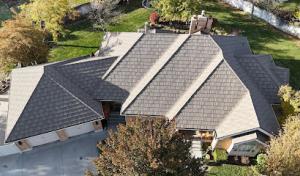
In Saratoga Springs, heavy snow tends to settle on steep roofs for longer stretches, which can delay full roof tear-offs and limit safe access for any maintenance. As melt cycles begin, the roof often reveals overlooked weaknesses in edge detailing and flashing, especially around penetrations and transitions. Snow load can push crews into shorter work windows, so plan for winter work bursts and be prepared for staggered projects when the weather cooperates.
The city's inspection process places particular emphasis on venting and flashing, a reflection of the local pattern where poor airflow becomes obvious during freeze-thaw periods. If attic ventilation is inadequate, warm interior air can condense on sheathing and ice dam formation may worsen along eaves. Edge detailing-where roof deck meets fascia, along soffits, and at roof-to-wall transitions-often shows up as the first sign of trouble after a melt and freeze cycle.
Northern Utah swings from subfreezing nights to bright daytime sun put stress on sealants, underlayment transitions, and roof penetrations. Sealants can lose elasticity, shingles and flashing may misalign, and small gaps can widen as temperatures bounce. When meltwater refreezes at the eaves, it can push against flashing and create slow, creeping leaks that aren't obvious until a warmer day reveals staining or softness in the attic.
You can reduce risk by prioritizing attic airflow checks before the worst cold sets in, ensuring soffit and ridge vents are clear, and confirming flashing seams are sealed well at all penetrations. When snow is present, avoid stepping on ridges or shallow sections to reduce the chance of disturbing delicate edge details. If a freeze-thaw sequence occurs, monitor attic vents and ceiling joists for signs of moisture or frost buildup and address them promptly to prevent larger issues.
As snow melts, the pattern of exposure becomes clear: anything that was under-insulated or poorly flashed will reveal itself. Plan around melt windows and have a trusted roofing pro recheck ventilation and edge details early in the season, rather than waiting for a leak to prove the point. Early attention to these areas can save slow drips and unfinished repairs when the next cold snap hits.
Solar collectors and skylights introduce penetrations that behave differently under Utah's bright sun and winter freeze-thaws. In Saratoga Springs, that means leak risk is highest after a long dry spell followed by a sudden storm, when sealants and flashing are stressed by expansion and contraction. Plan around the roof's existing geometry: align penetrations with high points and consider where missing ridge venting could let attic moisture diffuse into the penetration zone. During replacement, identify every existing penetration and map how each will be treated in the new roof assembly to avoid hidden leaks.
Added rooftop equipment requires careful flashing. Freeze-thaw cycling can widen small installation defects over time, so the flashing detail around a skylight or solar rail should be robust, with continuous sealant, properly mitered corners, and backer rod where appropriate. In this climate, use metal flashing that matches the roof cup or tile profile, and ensure counter-flashing is integrated with the primary system to resist wind-driven rain on gusty spring days.
When replacing roofs, verify how existing penetrations will be detached, reflashed, and inspected so the final assembly passes city review. Have the crew document the removal sequence, preserve or replace underlayment continuity, and confirm that flashing transitions meet the roof-to-wall junctions. Expect the inspector to check that skylight adapters and solar mounts were re-seated without gaps. A clear plan helps avoid iterative rework and keeps the re-roof timeline predictable in fast-growing neighborhoods. This is especially true for homes with clay or concrete tiles, where penetrations demand deliberate sequencing and coordinated flashing replacement during a re-roof. Coordinate with the local inspector early too.
Find contractors who integrate solar panels or solar shingles into your roof for long-term energy savings.
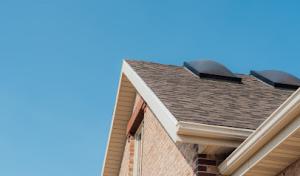
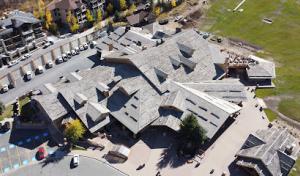
Even in a predominantly steep-slope market, newer homes can feature porch covers, additions, and transitions that use low-slope sections. These areas weather differently from the main roof, and they can catch snowmelt and ponding water more than the surrounding shingles. Pay attention to transitions where a porch roof meets the main roof, or where an addition ties into the exterior walls. These spots often carry the first signs of trouble after a harsh winter or a heavy spring melt.
Low-slope zones move water differently, so shallow drainage transitions become prime trouble spots during thaw cycles. Check for slow runoff at the edge of the low-slope deck or covered entry, and look for standing water that lingers after warming days. In homes with exposed fasteners or aging flashing at these transitions, the risk of leaks rises even if the main roof still appears sound. Keep an eye on any valleys or crickets that were designed to channel water toward a specific point; those details matter more on a low-slope section.
Tie-ins between the main roof and a low-slope section are common leak points if flashing or sealants degrade. Walls, patios, or garage connections that interface with a low-slope roof require careful inspection for hairline cracks, loose sealant beads, or gaps where water can penetrate. In Saratoga Springs, freeze-thaw cycles stress these joints, so a timely check after winter and before wet springs helps prevent hidden damage from becoming active leaks.
If you are replacing only the visible main roof, aging low-slope tie-ins can remain hidden and later leak. Have a scope that includes the low-slope sections, including their flashing, edge details, and any membrane or waterproofing approach used beneath them. When coordinating replacement, verify that the new materials and flashing details align with the low-slope geometry so that water is directed away from walls, patios, and garage connections.
Seasonal checks are key-look for pooling, especially after storms, and inspect flashing at transitions for lifts or corrosion. If a low-slope area shows signs of moisture intrusion, address it before spring rains resume, and keep an eye on adjacent interior walls and ceilings for any dampness that could indicate hidden damage.
Find specialists in TPO, EPDM, and built-up flat roofing systems for residential and commercial properties.
Raven Roofing & Contracting
(801) 367-7554 ravenroofingandcontracting.com
Serving
4.8 from 46 reviews
In a market shaped by re-roofing and fast storm-response, the real protection you're buying lives in the details of the warranty, not just the brand of shingle or panel. Material warranties may cover surface failure or manufacturing defects, but workmanship warranties guard against installation-related leaks, venting gaps, or flashing missteps that tangibly show up after the first few freeze-thaw cycles or spring hail. Pay close attention to what is covered if a storm or heat spike reveals a hidden flaw in how the roof was put together. In practice, a robust workmanship warranty acts as a true shield when a brittle twist in the valley, a loose step flashing, or a misaligned vent boot becomes apparent after a brutal Utah winter.
Since local inspections emphasize proper venting and flashing, the warranty value hinges more on those details than on shingle color or profile. A roof may look new and still leak five years later if attic ventilation is insufficient or if flashing around chimneys, skylights, and transitions wasn't sealed correctly. It is reasonable to expect a contractor to demonstrate where vents and flashings were installed and to explain how the system handles ice dam risk and wind-driven rain. If the installer glosses over these components, the warranty could become a hollow promise when hail-season damage exposes ventilation or flashing failures.
The Saratoga Springs market hosts a mix of long-established firms and fast-response operators, and that mix shows up in warranty credibility. After hail seasons, roofs are often sold quickly, and the real tests of a warranty come years later. Seek a contractor with clear, written coverage for both materials and workmanship, documented timelines, and a local track record of follow-through. A credible warranty includes explicit repair or replacement procedures, proper notice periods, and a defined process for claim resolution-without vague language or unwritten caveats.