
Last updated: Apr 19, 2026
This stretch of the Wasatch Front experiences rapid shifts from sun-baked days to sudden hail and gusty winds, and the roof choices you make can be a hinge point for a successful claim long after a storm event. In this market, decisions are often triggered by spring and summer storm activity rather than aging alone. A single hail hit can set off a chain of inspection requests, coverage reviews, and potential replacements, and that pressure travels quickly through nearby carriers. Roofs in this neighborhood catch the brunt of wind-driven rain and hail that can expose weak spots in a hurry, so the focus is less on "when did you install it" and more on "what happened during the last storm and what did the roof show since then."
Insurers in this market routinely request photo documentation, date-of-loss details, and proof of pre-storm roof condition because periodic hail events drive recurring claim activity in northern Utah. The photo trail should cover the entire surface, including ridge lines, hips, and corner flashing, plus close-ups of damaged shingle mats, granule loss, and any exposed underlayment. The date-of-loss matters because carriers want to anchor the claim to a specific weather event, not a vague timeline. Proof of pre-storm condition helps establish prior integrity and can influence the scope of the repair or replacement. Keep a dated file of existing roof features-valleys, flashing, ridge caps, and any prior repairs-so you can compare against storm-related findings.
In Lehi, wind-driven rain and hail can affect ridge caps, exposed flashing, and shingle mat surfaces, making post-storm inspection timing especially important before damage is obscured by later weather. The window right after a storm is when you'll see the most accurate indicators: dented ridge caps, lifted flashing, soft or bruised shingle edges, and granule shedding in gutters or on driveways. If you wait too long, plain rain or sun can hide or worsen signs, and you'll have to rely more on recollection than documentation. Schedule a thorough inspection promptly-ideally within days of a storm-so you can capture a true record of the roof's condition before the next weather cycle begins.
Begin with a quick, daylight inspection from safe ground or with a ladder and proper fall protection if you need to go up. Photograph all visible damage-ridge lines, hips, flashing, exposed mats, and any insulation or sheathing that appears compromised. Record the weather event details you observed, including hail size if possible, wind speeds, duration, and which elevations were most affected. If a contractor notes damage, request a written explanation that links observed issues to the storm event rather than to general wear. When talking with the insurer, reference the date of loss and attach the storm photos as supporting material, not only for the raw damage but for the condition baseline you established beforehand. If any prior repairs exist, document those with dates and the scope to avoid ambiguity about what's new versus what was already present.
Choose a local, reputable contractor who understands how carriers in this market verify damage and assess pre-existing conditions. A trusted pro can help you assemble a clean, claim-ready packet: dated storm photos, a professional damage assessment that ties observations to specific roof components, and a simple timeline of events from the storm through today. In a fast-moving claim environment, clarity and promptness matter. By staying ahead with precise documentation and timely inspections, you reduce back-and-forth, minimize surprises, and improve the odds of a fair adjustment that reflects the actual storm impact. If a storm has recently impacted your neighborhood, treat the claim as a two-front process: secure temporary protection if needed, then methodically document, photograph, and report with clear, event-specific details.
Find local contractors experienced in assessing and restoring roofs after hail, wind, and severe weather events.
Dynamite Roofing
(801) 448-0017 www.dynamiteutah.com
3300 Triumph Blvd Suite 100, Lehi, Utah
4.9 from 230 reviews
Utah Roofing Experts
(385) 766-3464 utahroofing.com
3300 Triumph Blvd Suite 200 #265, Lehi, Utah
4.9 from 45 reviews
Black Wolf Roofing Utah
(385) 395-3294 blackwolfroofingutah.com
333 E Main St #554, Lehi, Utah
4.9 from 37 reviews
Remi Roofing
1850 Ashton Blvd, Lehi, Utah
4.9 from 279 reviews
Remi is the new way to roof—pairing quality contractors with technology that simplifies the entire roofing experience. From guaranteed quotes, to clear and consistent communication, Remi delivers the kind of service homeowners expect today.
Dynamite Roofing
(801) 448-0017 www.dynamiteutah.com
3300 Triumph Blvd Suite 100, Lehi, Utah
4.9 from 230 reviews
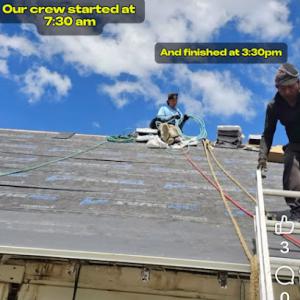
Dynamite Roofing is Utah’s trusted residential and commercial roofing contractor, proudly serving Salt Lake County, Utah County, the greater Wasatch front, and surrounding communities. With decades of proven experience, we specialize in roof repair, replacement, asphalt shingle roofing, metal roofing, and storm damage restoration. Our certified team uses top-rated materials and photo-documented inspections to deliver durable, warrantied results. Licensed, insured, and 5-Star Rated, we complete most projects in one day with clean worksites and transparent estimates. Call Dynamite Roofing for quality, clarity, and protection that lasts.

Conrad's Roofing & Construction
1650 Digital Dr, Lehi, Utah
4.8 from 402 reviews
Conrad's Roofing & Construction
Weather Tight Roofing
(801) 361-1367 www.roofinginutah.com
18 E 820 S, Lehi, Utah
4.9 from 47 reviews
Serving utah since 1999.
Utah Roofing Experts
(385) 766-3464 utahroofing.com
3300 Triumph Blvd Suite 200 #265, Lehi, Utah
4.9 from 45 reviews
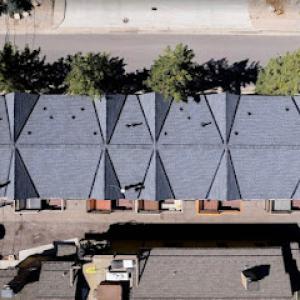
Utah Roofing Experts offers decades of experience in residential and commercial roofing, siding, and gutter services across Utah. Our team specializes in repairing storm damage, including wind and hail, and excels in Re-Roofs, Recovers, and Overlays. We are particularly skilled in working with commercial buildings owned by single proprietors. With a strong focus on trust and customer satisfaction, we provide flexible financing options to help make your home or business improvements more manageable. As a trusted name among roofing companies in Utah, we’re here to ensure your property is well-protected and looking great. Rely on us to get the job done!
Black Wolf Roofing Utah
(385) 395-3294 blackwolfroofingutah.com
333 E Main St #554, Lehi, Utah
4.9 from 37 reviews
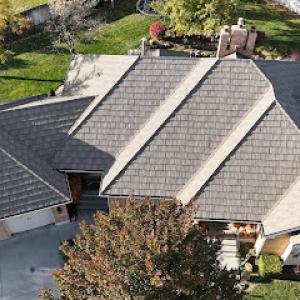
Black Wolf Roofing is a Utah-based roofing contractor committed to setting new industry standards in quality and reliability for residential and commercial roofing projects. With a focus on transparency and high-caliber craftsmanship, Black Wolf Roofing prioritizes integrity at every stage, from estimating and material sourcing to installation and post-project support. Operating in both Utah and Arizona, our team combines local expertise with technical skill to provide long-lasting roofing solutions that meet the needs of a diverse client base, while emphasizing accountability and a results-driven approach in all operations.
HAVN Construction
(801) 810-8322 www.buildhavn.com
3300 N Running Creek Way Building G Suite 200, Lehi, Utah
4.5 from 291 reviews
HAVN provides a wide range of construction services to all residents in Utah. BUILD. ROOFING. REMODEL.
Rooval Roofing
(801) 471-4062 rooval-roofing.com
2526 N Elm Dr, Lehi, Utah
5.0 from 19 reviews
At Rooval Roofing, we specialize in Emergency Roof Repair, providing top-tier Residential Roofing and Commercial Roofing solutions in American Fork. Our skilled team is adept at Roof Installation, ensuring your property is well-protected against the elements. We understand the urgency of Leak Repair and offer prompt, reliable service. Our comprehensive and quick services helps to prevent water damage, enhancing your home's longevity. In the face of unpredictable weather, our team of roof repair experts is ready to support you. Regular Roof Inspection by our experts can catch potential issues early, saving you time and money. Contact our team in American Forks Today to get your roof repair estimate.
MTM Roofing
525 S 850 E suite 5, Lehi, Utah
4.4 from 83 reviews
MTM Roofing Company is a locally-owned business that has been in business for years. We are based out of Utah and have provided roofing installation, replacement, and repairs to all types of homes in Orem. We pride ourselves on our excellent customer service and fast turnaround time. Our goal is to provide you with quality products at affordable prices so you can get your roof fixed as soon as possible. When you call us for a quote, we will send one of our trained professionals over to your house to inspect your roof and give you an estimate of what needs to be done. If we find that your roof doesn’t need any repairs, we will tell you so. However, if there are some issues that need to be addressed, then our experts will let you know.

Sentinel Roofers
(855) 834-9766 www.sentinelroofers.com
3450 Triumph Blvd Suite #102, Lehi, Utah
5.0 from 11 reviews
Empowering Homeowners to Take Control of Their Roofing Projects Without Lifting a Finger!
Hooley Roofing
(801) 995-5852 hooleyroofing.com
42 E 1000 S, Lehi, Utah
5.0 from 2 reviews
Hooley Roofing has 20 years of experience providing quality work and using the best roofing products available to protect and beautify your home.
Progressive Roofing
(801) 208-5510 www.progressiveroofing.us
851 E 675 S unit c, Lehi, Utah
5.0 from 1 review
Roofing Contractor
In Lehi, a practical reroofing window forms when winter moisture risk eases but before the heat of summer brings tougher handling and longer dry-in times. That narrow sweet spot often lands in late spring to early summer, after the heaviest snowpack has melted and there's plenty of dry days ahead, but before the extreme heat of late June through August. This timing minimizes the risk of ice dam complications, reduces moisture-related delays, and keeps crews from fighting both winter weather and peak summer heat at the same project. In a year with late-season storms, a second spring window can appear, but the goal remains completing dry-in before the first truly hot stretch.
Autumn in this area tends to become a rush period because many homeowners try to finish reroofs before snow season. That can tighten scheduling after summer storm demand, so plan ahead. If autumn looks like the only viable option, secure a strong back half of September into early October, and book early with the crew to lock a spot. Weather can swing quickly, so build a small contingency for a few warm, dry days during that window to keep the project on track.
Cold, snowy winters put extra emphasis on finishing ventilation, flashing, and dry-in work before freeze-thaw cycles and snow loading expose weak details. If a winter start becomes unavoidable, expect shorter daily work windows and potential delays from snow removal, higher moisture in framing, and the need for heated or sheltered work zones. In those circumstances, prioritize a staged schedule that allows for attic ventilation checks, sealing of penetrations, and a robust plan for snow load considerations on the finished roof.
1) Assess the current roof and attic moisture: If the attic feels damp or there are signs of past moisture intrusion, address ventilation and sealing first to support a longer-lasting reroof, especially before the hot months. A dry, well-ventilated attic helps the new roofing system cure properly and resist heat aging.
2) Choose an optimal dry-out period: Pick a stretch with multiple dry, moderate days. High humidity or heat spikes can slow installation and dry-in. Favor mid-spring or early fall when temperatures are steady and outdoor work is comfortable for crews.
3) Align with the crew's schedule: Autumn windows sell out quickly as demand rises. Confirm a firm start date, with a backup plan for an early week rain delay or a late-week cold snap. A tight, well-communicated schedule reduces the chance of project creep into poor-weather days.
4) Prepare access and protection: Ensure driveways, landscaping, and gutters are protected. Cold snaps can turn a rushed setup into a fragile process, so lay out tarps and temporary coverings in advance to protect the interior and exterior during installation.
5) Plan for efficient dry-in and flashing: Confirm the plan for ventilation baffles, roof vent placement, and flashing details before work begins. A thorough dry-in strategy minimizes later adjustments and reduces the risk of leaks once the first heavy rain hits.
Certain materials benefit from cooler, milder installation conditions. If choosing shingles or synthetic options, discuss with the installer how weather can affect curing and wind-wind uplift during the early stages of the project. In Lehi's pattern, coordinating with the crew to capitalize on a stable stretch of days helps ensure that ventilation, flashing, and dry-in are completed before heat-driven expansion and contraction stress the new roof.
When you can't wait, these contractors offer fast response times to stop leaks and prevent further damage.
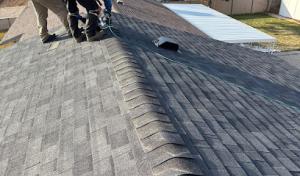
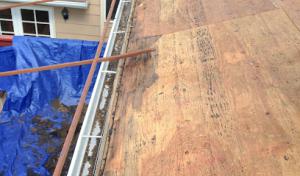
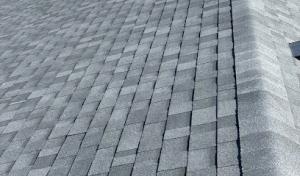
Asphalt shingles remain common in Lehi because they fit mainstream subdivision housing stock and the city's reroof cost expectations, but summer heat accelerates granule loss and aging. In the hot months, sun exposure on south and west slopes can dull color and raise surface temperatures, which speeds up micro-cracking and mat deterioration. When you're evaluating a re-roof or a repair, pay close attention to granule retention, edge lift, and the condition of the underlayment beneath. A well-installed venting strategy helps mitigate heat buildup in attic spaces, which in turn reduces hot-spot wear on shingles. If you're replacing asphalt, consider an option with a reflective or protective granule blend to improve long-term resistance to Utah's high-desert sun.
Metal roofing has a strong niche in Lehi because it handles snow shedding and heat differently than asphalt, but expansion, fastening, and flashing details matter in the city's large temperature swings. When a metal roof is properly installed, it sheds snow more reliably and tolerates rapid temperature changes without the same granule-related concerns seen with asphalt. However, metal expands and contracts with the heat and cold, so fasteners must be chosen and spaced for your roof profile, and flashing around chimneys, attic vents, and transitions needs meticulous detailing to prevent leaks as temperatures swing from frigid to scorching. In homes with large overhangs or complex roof lines, a careful panel-to-panel layout and a high-quality sealant strategy will pay off in fewer weather-related call-backs. If you're considering metal, ask about panel thickness, alloy type, and the specific fastener pattern recommended for your roof pitch and climate exposure.
Tile and synthetic products appear in higher-end Lehi neighborhoods and newer custom homes, where roof structure, underlayment durability, and replacement logistics can materially change project scope. Clay and concrete tiles bring excellent longevity and heat resistance, but they add weight, so the underlying structure must be assessed for load tolerance and appropriate retrofitting. Underlayment choices become critical when tiles are involved, because a robust, weatherproof layer supports the roof's ability to shed moisture during rapid winter thaws and spring rains. Synthetic shingles and tiles offer a lighter alternative with good impact resistance and faster installation, yet still require careful matching of underlayment and flashing to the house's geometry and local wind patterns. In any tile or synthetic installation, consider expansion joints, roof-to-wall transitions, and edge detailing to maintain long-term performance through Lehi's broad seasonal swings.
Your climate demands a balanced view: heat aging and hail or ice-related impacts both matter. For asphalt, inspect granule loss and edge wear during mid-summer inspections, and plan regular gutter and vent checks to prevent attic heat buildup. For metal, prioritize a design and fastening plan that accommodates expansion and contraction, with a focus on seamless flashing around penetrations. For tile or synthetic options, confirm roof structure compatibility, underlayment durability, and replacement logistics early in the planning process to avoid unforeseen complications if a future repair or reroof becomes necessary. In all cases, the goal is a durable, weather-ready roof that maintains its performance across Lehi's heat-snow cycle without excessive maintenance or disruption.
Explore specialists in steel, aluminum, and standing seam metal roofs built to last 50 years or more.
Dynamite Roofing
(801) 448-0017 www.dynamiteutah.com
3300 Triumph Blvd Suite 100, Lehi, Utah
4.9 from 230 reviews
Utah Roofing Experts
(385) 766-3464 utahroofing.com
3300 Triumph Blvd Suite 200 #265, Lehi, Utah
4.9 from 45 reviews
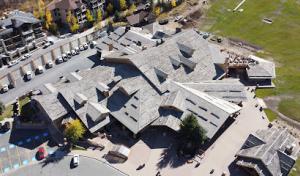
The Wasatch Front clout means long cold snaps followed by rapid thaws. Attic temperatures swing with the sun, roof surfaces heat unevenly, and that mismatch drives ice dam formation. In this environment, attic ventilation and insulation aren't just energy features-they're essential roof performance tools. If insulation is spotty or vents are blocked, warm attic air can melt snow on the upper roof while the eave remains frozen, creating backups that invite leaks and gutter damage.
City inspections emphasize underlayment, flashing, ventilation, and nailing, and that approach lines up with the failure points most likely to show up during Lehi's snowy season. Practically, that means checking for failed or displaced underlayment at valley intersections, step flashing where the roof meets walls or chimneys, and any signs of insufficient nail patterns around eaves and dormers. Ice dam risk often mirrors ventilation gaps: look for narrow attic soffits blocked by insulation or vent baffles that aren't sealing air movement from the attic to the roof deck.
Homes with complex rooflines, multiple valleys, and newer additions can trap meltwater and snow in places a simpler roof wouldn't. If ventilation paths are inconsistent across these features, debris and meltwater can back up, seep behind flashing, or refreeze in tight pockets. Snow retention is also greater in intricate designs, where wind scours or drifts create localized ice hazards. These dynamics make proactive attic air-sealing and balanced intake-exhaust ventilation critical rather than optional.
Prioritize a balanced ventilation strategy that keeps attic temperatures uniform enough to limit partial melt and re-freeze cycles. Ensure insulation reaches the roof deck in cold zones and that baffles maintain clear airflow from soffits to ridge vents. When storms hit, monitor eaves and valleys for ice buildup and address any signs of water intrusion quickly. If you notice repeated ice damming or damp patches in living spaces after storms, plan a targeted assessment of flashing, underlayment, and ventilation paths before the next winter cycle.
Full reroofs in Lehi typically require a permit issued by the City of Lehi, with applications commonly handled through the city's online portal or in person at City Hall. Start by identifying your reroof scope-whether you're replacing like-for-like or upgrading materials-as this influences permit notes and required documentation. Have ready a current plat map or assessor's parcel number, a rough roof plan, and the proposed roofing material. If the project involves any structural changes, venting upgrades, or changes to roof penetrations, be prepared for additional reviews. The online portal is convenient, but in-person visits at City Hall can expedite questions about setback, venting requirements, and any neighborhood-specific restrictions.
Lehi inspectors generally verify underlayment, flashing, ventilation, and roofing nailing during construction, then complete a final inspection after the roofing work is finished. Expect a staged inspection cadence: a rough-in check for underlayment and flashing before shingles go on, a mid-point check as ventilation and penetrations are being addressed, and a final inspection once the entire roof line is visible and completed. During the build, keep access clear for inspectors and have drawings or supplier receipts on hand to confirm material type and installation method. If upgrades are required for attic venting or ice and water shield placement, be ready to implement them promptly, as delays can cascade into scheduling issues. Document any weather-related interruptions, since Lehi's cycle of hot summers and snowier winters can push inspections later in the season.
Because Lehi is a fast-growing city, homeowners should expect permit and inspection coordination to matter on scheduling, especially when storm demand increases reroof volume. Plan for potential resequencing if a storm event creates backlog or if multiple houses in the same area are under permit. Communicate openly with your contractor about expected inspection windows and any required corrections so you can align work days with inspector availability. If an inspector notes a deficiency, address it promptly and schedule a recheck as soon as possible to minimize project downtime. Keep city notifications handy and respond quickly to any requests for additional documentation or revised plans. By anticipating these timing nuances, a reroof can proceed with fewer delays even amid Lehi's growing housing stock.
In Lehi, the local ranges run about $350-$650 per square for asphalt shingles, $700-$1200 for metal, $900-$2000 for clay tile, $900-$2100 for concrete tile, $600-$1400 for wood shingles or shakes, and $400-$900 for synthetic or composite shingles. These figures are per square (100 square feet) and include installation with standard underlayment, basic flashing, and typical attic ventilation. Exact pricing depends on roof complexity, nail patterns, and the chosen warranty and accessory packages. If the roof has many penetrations, skylights, or unusual angles, the range can drift toward the upper end even within a material type. Steeper pitches also press labor time and safety costs upward, especially on multi-plane roofs common in newer subdivisions.
Multi-plane roofs in newer suburbs add valleys, additional hips, ridge runs, and flashings. Each valley and penetration multiplies labor and materials like step flashing and counter flashing. In practice, this means a roof that looks similar in area to a standard design can push toward the higher end of the local price band. A high-attic, exposed-peak profile or long ridge length adds several hundred dollars in flashing and edge work, so expect a tighter quote if the crew mentions extra valleys or complicated geometry.
Prices also move after hail or high-wind events along the Wasatch Front. When demand spikes, reroofs tend to climb, particularly for asphalt on standard pitches where crews can stockpile material and units quickly. For straightforward asphalt reroofs on typical Lehi residential pitches, you stay near the cheaper side of the market. If hail or wind has damaged progressive layers, insurers may favor replacements instead of repairs, shifting the pricing dynamics toward replacement-grade materials and added debris removal costs.
To compare bids effectively, ask for a line-by-line scope: shingles, underlayment, flashing, attic ventilation, debris removal, and disposal. Take clear photos after a storm to document hail impact for insurers. Be prepared for temporary protective measures if a replacement is needed while you shortlist options.
Don't let upfront costs delay a critical repair - these contractors offer payment plans to fit your budget.
Utah Roofing Experts
(385) 766-3464 utahroofing.com
3300 Triumph Blvd Suite 200 #265, Lehi, Utah
4.9 from 45 reviews
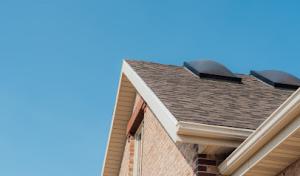
Solar installations and skylights intersect flashing details in a way that can push leaks to the foreground, especially on newer homes built during the growth era. When planning or evaluating, focus on how penetrations meet the roof surface, not just the panel or dome itself. Look for properly integrated step flashing where the rail or racking system meets the shingle line, plus a continuous sealant bed under adjacent flashing. In areas with hot summers and cold snaps, ensure the flashing material remains flexible enough to accommodate seasonal movement without cracking. If a skylight or solar array is retrofit onto an older roof, consider upgrading the surrounding flashing to the next higher standard and verify that the intersection with the drip edge and gutter line remains watertight during snowmelt and freeze cycles. Regular inspections after storm events help catch hairline leaks that originate at penetrations rather than the main field.
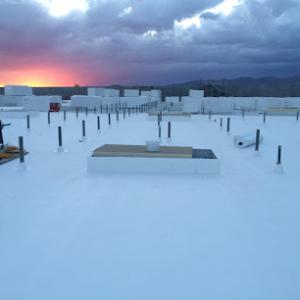
Low-slope sections over porches, additions, and mixed-design homes in this market require attention to drainage and membrane performance that differs from steep-slope areas homeowners typically notice first. Check that the transition from the main roof to the low-slope area is supported by a watertight membrane and that edge details maintain proper runoff toward the drainage plane. Porches and additions can trap heat and moisture, accelerating aging of underlayment and seams. Ensure cladding around these areas is flush and well-sealed to prevent water wicked into friezes and eaves. In heavier snow cycles, ice dam formation tends to begin at these transitions, so verify that the insulation and ventilation scheme behind the penetrations keeps the deck cold enough to minimize melt-refreeze cycles.
In hot summers and snowy winters, penetrations and transitions often become leak points before the main field of roofing fails. Track high-traffic areas where vents, exhausts, and solar equipment intersect the roof plane. Use a quality sealant with good UV resistance around all flashing seams, and consider secondary containment like flashing collars or vent stoppers where appropriate. Plan a routine post-storm inspection to confirm seals around skylights and solar penetrations have not shifted, clogged drainage paths remain free of debris, and any visible flashing edges stay secured. A proactive eye on these zones helps prevent gradual moisture intrusion from escalating into more extensive damage.
Find contractors who integrate solar panels or solar shingles into your roof for long-term energy savings.
Black Wolf Roofing Utah
(385) 395-3294 blackwolfroofingutah.com
333 E Main St #554, Lehi, Utah
4.9 from 37 reviews
Lehi's contractor market emphasizes reroofing, rapid response, and cleanups after storms or debris events, so you should weigh the actual workmanship process and post-job support as heavily as price. A solid job isn't just about shingles or panels laid down in a day; it's about how the crew protects your landscape, seals protrusions, and ties into attic ventilation and drip edges. Look for crews that show up with a detailed plan, use manufacturer-approved fasteners and underlayment, and allocate time for a thorough cleanup that genuinely removes nails and debris. In a high-desert climate with hot summers and snowy winters, these steps prevent early failures and call-backs you'll regret chasing through a busy fall.
Manufacturer-certified and warranty-offering contractors are present in this market, which matters when comparing installation quality on asphalt, metal, and specialty systems. A true warranty often hinges on documented installation standards, not a verbal pledge that evaporates after a storm. Ask for the installer's written coverage map, including what is and isn't covered, how long coverage lasts, and what conditions void the warranty. Favor installers who register systems with the manufacturer, provide product-specific installation manuals to you, and set up routine follow-up checks during the first year. These practices reduce the risk of a dispute when a hail season or wind event leaves you wondering if the leak is from a defect or improper installation.
Because storm-driven sales are common in northern Utah, be prepared to separate urgency from certainty after a claim arrives. A warranty tied to documented installation standards should survive the next windstorm or hail round, while a vague verbal promise often dissolves when you need service most. If a contractor pressures you to sign quickly, request written references and verify their record with the manufacturer's certification programs. For honest comparison, insist on a clear, itemized plan that explains how the system handles venting, flashing, and drainage in your area's freeze-thaw cycles. This approach helps ensure you're not trading short-term convenience for long-term leaks.