
Last updated: Apr 19, 2026
Riverton sits in the southwest Salt Lake Valley along the Wasatch Front, where spring hail events are a recurring roofing trigger and often start the replacement cycle. When a hailstorm rolls through, the clock starts on visible damage, and insurers start counting the days that matter. Small dings can hide larger failures, and missing hail damage on the primary roof surface is a common trigger for delays or disputes. The key is to treat every hail event as a potential house-wide signal: don't wait for conspicuous leaks before you inspect, document, and move toward a plan of action.
Utah insurers commonly ask Riverton homeowners for proof of roof age, prior repairs, detailed photos, and an itemized scope before approving widespread hail or wind damage. This means you should gather evidence as soon as the weather clears. Start with high-resolution photos of all elevations, including any softened shingles, lifted edges, granule loss, dented vents, and damaged gutters. Track the age and known repairs of the roof, and note any attic moisture or staining that could indicate hidden damage. An itemized scope should clearly state the affected areas, the extent of damage, and the proposed replacement strategy. Delays often come from incomplete documentation, so organize a concise packet before contacting your insurer.
Because Riverton has hot, dry summers after spring storm season, many homeowners move from claim approval to replacement during the drier months to reduce moisture-related installation delays. Moisture in the attic and on insulation can stall crews and compromise new materials, so plan around dry periods where possible. If you get a claim approval in late spring, moving quickly to secure a reputable contractor who specializes in hail repairs is essential to prevent weather-driven hold-ups. Conversely, if spring weather lingers, you may still want to schedule a conservative, staged approach-placing temporary protection if needed while the most critical sections are prepared for replacement.
Begin with a post-storm inspection as soon as it's safe, focusing on the roof surface, gutters, downspouts, and attic. Photograph everything from ground level and ladder height, then climb only if you're confident in safety. Create a simple damage map that marks impacted sections by number and location, and pair it with your insurance claim number. Reach out to at least two roofers who handle hail-damage claims and ask for detailed scope proposals that align with the insurer's requirements. While a quick turnaround is important, prioritize contractors who can coordinate timing with dry-season windows to minimize moisture-related delays and ensure a smooth, full replacement when the claim is approved.
Find local contractors experienced in assessing and restoring roofs after hail, wind, and severe weather events.
Mountain Valley Roofing
1262 W 12700 S C, Riverton, Utah
5.0 from 58 reviews
Mountain Valley Roofing
1262 W 12700 S C, Riverton, Utah
5.0 from 58 reviews
Mountain Valley Roofing is Riverton’s trusted roofing contractor, located at 1262 W 12700 South Suite C, Riverton, UT 84065. We deliver expert shingle, metal, tile, and TPO roofing for homes and businesses across Salt Lake County. With over 20 years of local experience, our certified team provides roof repairs, replacements, gutters, and siding — all built to handle Utah’s climate. We’re fully insured and work with top materials from GAF and Owens Corning. Whether you need storm damage repair or a full metal roof installation, we offer lasting solutions and honest service. Call today for a free estimate.
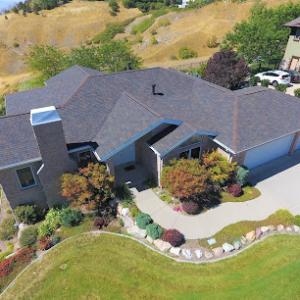
Far West Roofing
(801) 253-7799 www.farwestroofing.net
Serving
4.6 from 139 reviews
Far West Roofing is a highly trained and experience roofing company serving Salt Lake City and Northern Utah. Well known for our reliable and high quality roofing and repair services. With an A+ BBB rating and over 20 years experience, our warranties are some of the best in the industry. At Far West Roofing, Inc. single family homes are our specialty. And there is no aspect of roofing which is more satisfying than transforming a home with a beautiful new roof. Far West Roofing, Inc. knows Commercial Roofs. From the complexities of management and ownership, to the need to avoid business disruption. We cater to the needs of business owners who need roof repairs, roof replacements, or roof coatings.
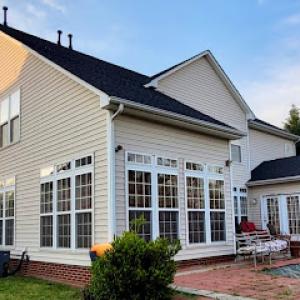
Lasting Impressions Roofing & Improvements
(385) 355-4778 lastingimpressions28.wixsite.com
Serving
5.0 from 78 reviews
Roofing and Repair that lasts! Certified Roofing Repair and Home Inspections Est. 2019 in NC and now servicing all of Utah! Services include: -Complete roof renewal -Roofing repair -Roof tune-ups -Home inspections And much more! Call or visit our website for more information Se habla español
The Roofing Contractor
(801) 738-0736 theroofingcompanyinc.com
Serving
4.9 from 79 reviews
Our family-owned roof company has provided residential and commercial roofing services to residents of Utah and beyond for nearly 40 years, so you can rely on our expertise. We are licensed and bonded and have an A+ rating with the Better Business Bureau. There is no need to worry about the quality of our workmanship or the reliability of our staff. Just read our 5-star reviews! Our specialties include roof repair, balcony repair, gutter installation, & roof replacement. We service all types of roofs including shingle, tile, flat & foam roofs.
MAD Roofing
Serving
4.8 from 298 reviews
MAD Roofing is a roofing contractor in South Jordan serving Salt Lake City, Riverton, Sandy, and nearby areas. Our roofing company offers roof repair, roof replacement, and soffit or fascia repair. We also specialize in gutter services. Customers love us because of our comprehensive roof warranties and affordable roof financing options. We also have industry affiliations and certifications such as Owens Corning. Contact your reliable Salt Lake City roofing company for a free estimate!
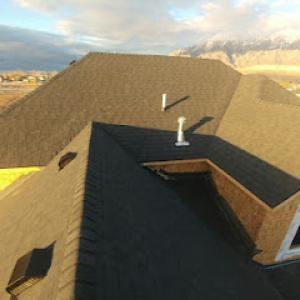
Legend Roofing & Construction
Serving
5.0 from 69 reviews
Welcome to Legend Roofing, the premier roofing company serving customers throughout Salt Lake City UT and surrounding areas. With years of industry experience, we offer a comprehensive range of roofing services, including installation, repair, replacement, and commercial roofing, all at competitive prices. Our team of expert roofers is dedicated to providing exceptional workmanship and customer service. We use only the highest quality materials to ensure lasting results for your home or business. Whether you need a new roof installation or require repair services, we have the knowledge and expertise to get the job done right the first time. Trust Legend Roofing & Construction for all your roofing needs in Salt Lake City UT and beyond.
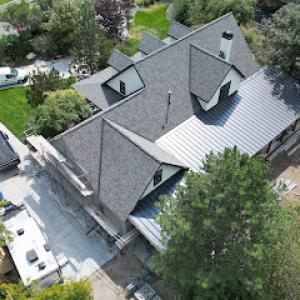
Patriot Roofing & Construction
(801) 760-7631 prcroofingpro.com
Serving
4.8 from 179 reviews
Patriot Roofing & Construction is a 100% veteran owned company that exists to serve our clients and the community. Choose Patriot Roofing & Construction if you’re looking for an experienced roofing contractor to help you care for your roof or make some much-needed updates. With decades of experience roofing in Salt Lake City, and with a 100%, 5-star rating, we offer an exceptional total customer experience. We’d be happy to take a look at your roof regardless of its age or condition. As a top roofer in Salt Lake City, we can offer you a full inspection to determine the state of your roof. Our team will treat your property with respect and work hard to complete your project as quickly as possible without rushing or cutting corners.
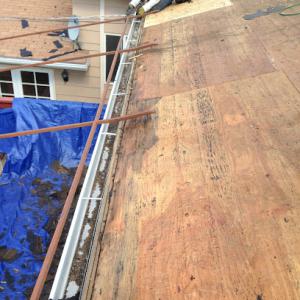
Brady Roofing
(385) 317-3659 www.bradyroofing.com
Serving
5.0 from 43 reviews
Brady Roofing, serving South Jordan, UT, specializes in high-quality roof replacements that protect homes from Utah’s intense sun, heavy snow, and seasonal wind. Our experienced team ensures every new roof is built for durability and performance, whether replacing aging shingles or repairing storm-damaged structures. We take pride in delivering precise workmanship and dependable results that stand up to the region’s changing weather. Homeowners across South Jordan and nearby areas trust Brady Roofing as their experienced roofing contractor for professional service and long-lasting solutions.
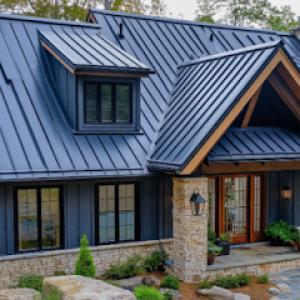
Top Local Roofing
(385) 307-7607 toplocaldevelopment.com
Serving
4.9 from 72 reviews
Top Local Roofing is a trusted roofing contractor in South Jordan, UT, dedicated to protecting your home and business since 2019. Our skilled roofers specialize in residential and commercial roofing, offering insurance-backed roof repairs and comprehensive services including gutters, soffits, and fascia. We use high-quality materials for durable roofs and work with all major insurance providers for a hassle-free experience. Call us at (801) 839-4501 or visit 10929 S Redwood Rd for a free roof inspection!
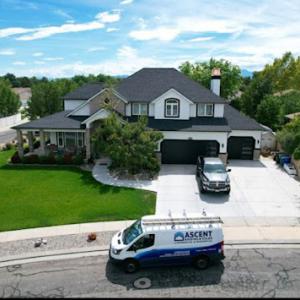
Ascent Solar & Roofing
(801) 644-4640 www.ascentroofutah.com
Serving
4.9 from 225 reviews
Based in South Jordan and proudly serving the Wasatch Front, Ascent Solar & Roofing delivers high-quality solar panel installations, battery storage solutions, and complete roofing services for residential and commercial clients. With over 15 years of industry experience and an A+ BBB rating, our licensed team is committed to craftsmanship, customer care, and energy efficiency. We help homeowners maximize savings through federal tax credits, utility rebates, and seamless system design. Whether you're going solar, upgrading your roof, or adding battery backup, Ascent Solar & Roofing is your local, trusted partner in sustainable energy.
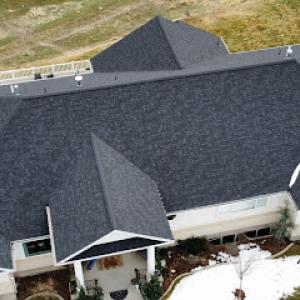
First Stop Roofing & Solar
(801) 706-2556 www.firststoproofingandsolar.com
Serving
4.9 from 69 reviews
Local Roofing Installer. Local solar installer. We Provide Honest Quality Business.
SoloTeck Roofing
(801) 245-0430 www.soloteckroofing.com
Serving
5.0 from 18 reviews
Whether you're building a new home or replacing your home's existing roof, work with SoloTeck Roofing! We strive to make our customers happy with our free estimates, easy scheduling, and quick installation.
Spring in this area often brings sudden hail events that can leave insidious damage on a roof. After a storm, you should perform a careful at-a-glance check of shingles for bruising, granule loss, and any dented metal flashings. In Riverton, dry spring days are the window when storm crews can safely access your roof, so coordination with an insurer or adjuster should aim to align with a dry spell shortly after a hail event. If you have a known claim, document damage promptly with clear photos from multiple angles, including attic signs of moisture or ceiling staining. Early reporting helps lock in inspection windows before contractors' calendars fill up with spring fatigue work and pre-winter reminders. When scheduling inspections, choose days with little wind and no precipitation to keep surfaces stable and safe. Expect to reschedule if a storm rolls in and pushes crews into triage mode, especially around April and May. If shingles show localized damage, plan for a targeted repair rather than a full tear-off when permissible by the insurer. Full replacements driven by hail are common after a couple of seasons of hidden damage, so track the roof's condition year over year and maintain a finger on the claim deadlines.
Dry, hot summers are the preferred installation window because crews can work with fewer moisture interruptions than in snowy or stormy periods. On long, sunny days, confirm roof access paths remain clear of overhanging branches and debris from neighborhood landscaping projects. Concrete, clay, and metal roofs benefit from extended daytime warmth, which helps sealants and fasteners set correctly; however, avoid the peak heat hours if possible to minimize worker fatigue and material expansion. Schedule work early in the week to avoid weekend delays when supply chains tighten and crews shift to maintenance rather than new roofing projects. If a replacement is driven by spring hail already documented, use this period to complete full tear-off with proper ventilation and attic insulation checks to prevent heat gain and condensation issues. In Riverton, summer storms can still track across the valley, so plan for a day or two of downtime in the forecast for sudden cloudbursts or gusty winds that might loosen loose shingles or expose flashing. Once underway, inspections during mid-project help catch edge seal failures before they become leaks.
Fall wind and storm periods in the Salt Lake Valley can add debris, create last-minute leak calls, and tighten contractor calendars before winter. Keep gutters clean and confirm any debris from trees is removed prior to roof work to avoid second-round cleanups. If a claim is open, expect insurer scheduling to cluster around late September and October as weather windows narrow; coordinate with the adjuster to avoid project stalls during peak wind seasons. Rapid diagnostics of wind-blown shingles or lifted flashing should trigger quick temporary fixes to prevent water intrusion as temperatures drop. Fall is also the time to confirm attic ventilation and ridge vent integrity, since cooler nights emphasize any latent moisture issues. Scheduling around dry spells remains key; do not push a tear-off into the first hard freeze window, as riveted substrates and sealants struggle with cold curing.
Cold, snowy winter conditions in Riverton can slow tear-off, reduce safe roof access, and complicate sealing and inspection scheduling. If a winter replacement is unavoidable due to insurer decisions, expect shorter daylight windows and tighter safety protocols on icy slopes. Snow accumulation demands staged work with snow guards in place and clear pathways at the eave line. Inspections should focus on signs of ice damming and interior moisture, since long-term leaks often present as delayed stains after the thaw. When temperatures allow, small, strategic repairs can be completed without full-scale disruption, preserving the roof's integrity until spring hail assessments resume.
When you can't wait, these contractors offer fast response times to stop leaks and prevent further damage.
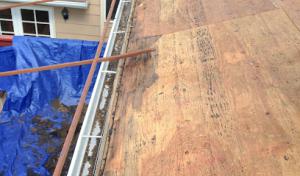
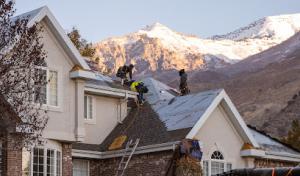
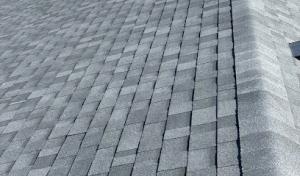
Riverton's roofscape isn't tied to a single material. The dominant residential mix includes asphalt shingles, metal roofing, clay tile, concrete tile, wood shakes, and synthetic or composite shingles. That mix reflects fast-growing neighborhoods where houses range from cozy ranch styles to larger two-story layouts with varied rooflines. For a homeowner, understanding how each option behaves in local conditions helps match a roof's performance to your property's size, slope, and exposure. The practical takeaway is that no single material will reliably cover every home's needs; the best choice depends on how a roof will handle sun, wind, hail, and the home's framing.
The hot summer sun and high UV exposure can accelerate the aging of asphalt shingles. In this climate, shingles may curl or fade faster than in milder regions, shortening the roof's visual life and potentially increasing maintenance. If a home has shallow pitches or gutters that trap heat near the fascia, heat aging becomes a central material-selection issue. When choosing asphalt or alternative coverings, consider lattice or underlayment upgrades, venting improvements, and a shingle profile that resists curling while maintaining a satisfactory warranty reserve. For many homeowners, a high-quality asphalt shingle with a reflective granule layer can strike a balance between cost, sun exposure resistance, and local weather realities.
Newer and larger suburban homes common to the area often feature heavier tile systems. Clay or concrete tiles bring excellent longevity and a distinctive curb appeal, but their weight drives structural considerations and replacement complexity. If the existing rafters or attic structure weren't built to carry heavy tile, a retrofit or reinforcement may be necessary before any replacement. Beyond structure, tile roofs perform well in hail-prone environments when installed with proper interlock and underlayment. The project scope tends to expand with larger footprints and steeper pitches, so anticipate longer installation timelines and careful sequencing to protect interior spaces during replacement.
Metal roofing stands up well to both hail and wind, with options ranging from standing seam to ribbed profiles that shed impact and moisture efficiently. Wood shakes offer a traditional look but require diligent maintenance and fire consideration in certain locales. Synthetic or composite shingles provide a versatile middle ground: lighter than tile, available in varied textures, and designed to resist fading and impact. For homes with dramatic roof lines or complex valleys, metal or synthetic systems can simplify flashing details and reduce weight while preserving performance in storm conditions.
The size and pitch of a roof influence not only material longevity but the replacement's complexity and timeline. Heavier tile systems demand careful assessment of structural capacity and more intricate installation around skylights and vents. In contrast, asphalt or synthetic options may offer quicker recovery with fewer structural adjustments. A thoughtful selection considers how spring hail patterns, sun exposure, and your home's frame jointly shape the practical durability and maintenance needs over the roof's life.
Explore specialists in steel, aluminum, and standing seam metal roofs built to last 50 years or more.
Mountain Valley Roofing
1262 W 12700 S C, Riverton, Utah
5.0 from 58 reviews
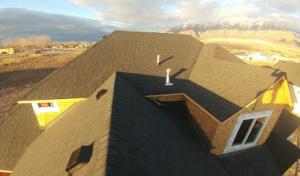
Typical Riverton pricing runs about $320 to $560 per square for asphalt shingles, $600 to $1100 for metal, $800 to $1500 for clay tile, $750 to $1300 for concrete tile, $450 to $900 for wood shingles or shakes, and $350 to $750 for synthetic/composite shingles. In the suburban neighborhoods that line the valley floor, those numbers reflect a mix of standard re-roofs and upgrades when the existing roof needs more than simple patchwork. Material choice matters more here than in many markets because the local supply supports budget-focused asphalt as well as premium metal and tile options on similarly sized homes.
Spring hail drives scheduling pressure across nearby Salt Lake County cities at the same time, and Riverton is not immune. If a hail event hits during a dry spell when crews can't reliably mobilize for weeks, you'll see prices spike and lead times extend. In practical terms, expect delays that push replacement into the mid-to-late spring window or early summer, especially if your insurer requires inspections before approval. When hail is fresh in memory, you'll notice a tighter window for appointments and a quicker turn-around on material orders-that can push costs upward if you're not prepared with a chosen option.
Material choice matters more here because the local market actively supports both budget-oriented asphalt re-roofing and premium metal or tile upgrades on suburban homes. If your roof is structurally sound and you're aiming for long-term performance under hot sun and winter snow, metal or concrete/clay tiles can offer better lifespan and hail resistance, sometimes offsetting higher upfront costs over time. For those prioritizing immediate affordability, asphalt remains the fastest path, but consider upgrading underlayment and ice-dam protection to handle the Wasatch Front winters.
Don't let upfront costs delay a critical repair - these contractors offer payment plans to fit your budget.
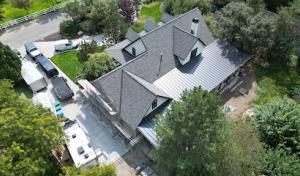

A full roof replacement in this area typically requires a building permit through the local building department. That permit is not just a formality; it signals that the project will be reviewed for code compliance from start to finish. The inspection flow generally includes a roof inspection during construction, followed by a final inspection after completion. This two-step approach helps ensure that the new installation integrates properly with the home's structure and local systems, not just the visible surface.
During the construction phase, the inspector will look beyond the aesthetic results and focus on critical installation details. Ventilation and flashing are high-priority items because they influence attic moisture control, ice buildup risk, and overall roof longevity. Expect checks on ridge vents, soffit or eave intake efficiency, and the connection between the roof and any attic or underlayment layers. If a roof is being replaced, framing integrity and the way new decking ties into existing rafters may also come under scrutiny. Homeowners should be prepared for minor adjustments or additional statements of work to address any noted deficiencies before proceeding.
When the project nears completion, the final inspection verifies that the job was installed per code and approved plans. The inspector will confirm that penetrations for vents, plumbing stacks, and chimneys are properly flashed and sealed, and that gutters and downspouts function with proper drainage. It is common for inspectors to check attic ventilation balance once the roof is closed up, ensuring there is no unintended restriction or blockage created by the new materials. Having a clear record of underlayment type, shingle or panel specifications, and ventilation components on hand can help a smooth final review.
Coordinate with the contractor to schedule inspections promptly and address any deficiencies quickly. Before the project begins, double-check that all ventilation components and flashing details align with local code expectations and the home's attic configuration. If a permit is pulled, keep the permit number, contact information for the building department, and the inspection schedule readily accessible. After completion, ask for the inspection pass card or documented clearance, and store it with the home's warranty and maintenance records. This documentation supports future upkeep and any potential insurance or claim needs.
In this climate, hail and wind claims are common enough that adjusters expect organized documentation before approving full replacement. The mix of fast-growing neighborhoods and older section homes means roofs present in varying conditions across slopes and elevations, so a clear record helps prevent delays or partial approvals that leave you exposed to weather and further damage.
Homeowners should keep records of roof age and prior patching because prior repairs are often reviewed during claim evaluation. A simple timeline of repairs, who performed them, and what materials were used creates a trusted baseline for the adjuster. When a hail event hits, that history can influence whether a full replacement is deemed necessary or if a major repair will suffice.
Detailed photo sets and an itemized contractor scope are especially important in this market when damage is spread across multiple slopes or elevations. Take clear shots from ground level and from attic access where possible, showing matching roof features, venting, and fascia. Document any softening, granule loss, or hail denting on metal components, chimneys, and skylights. Include dates and weather context to help substantiation.
Create a simple binder or digital folder with: a copy of the recent homeowner's policy, the original roof age or replacement date, any prior repair invoices, a current photo inventory, and a preliminary scope from a contractor. When the damage is clearly across several roof planes, this organized package reduces back-and-forth and supports a smoother claim review.
Riverton's active contractor market shows meaningful specialization in skylight work, solar roofing, and flat-roof service. When planning a replacement, expect tradespeople to propose upgrades or compatible additions that match these common requests. If a skylight or solar system is present or planned, align its flashing, sealant, and substrate choices with the main roof to avoid mismatched aging and future leaks.
Low-slope areas on porches, additions, and attached structures often require a different approach than the main pitched roof. Evaluate these sections for edge detailing, drainage, and seam integrity. In practice, this means confirming that any valley or parapet transitions are weathered with the same attention as the primary roof and that underlayment choice accommodates near-surface drainage patterns typical on Riverton additions.
Penetrations and transitions deserve extra attention because storm-driven claim work often centers on whether leaks came from impact damage, flashing failure, or accessory installations. When replacing, insist on a continuous waterproofing strategy across penetrations-vents, screws, and pipes alike-so that flashing transitions between the main roof, skylights, and any solar mounts are unified. Check counterflashing on chimneys and skylight curb flashings for compatibility with the chosen roof system.
If a roof system is paired with solar or a flat-roof accessory, ensure the chosen roofing product provides compatible warranty terms and known performance with that accessory type. For example, surface textures and sealants should complement metal or composite edge details to prevent trap leaks at fasteners and seams.
With Riverton's sun exposure in summer and snow in winter, plan for periodic inspection of high-traffic transition zones after severe weather. Pay attention to the integrity of edge details near overhangs and any newly added attachments. A proactive stride now helps minimize concentrated leak paths later on.
Find specialists in TPO, EPDM, and built-up flat roofing systems for residential and commercial properties.
Mountain Valley Roofing
1262 W 12700 S C, Riverton, Utah
5.0 from 58 reviews
Riverton's contractor market is heavily re-roofing oriented, so you often evaluate crews by how quickly they can mobilize after a storm rather than only their new-construction pedigree. When a spring hail event hits the valley, the first teams on the street may move fast, but speed without solid workmanship can cost you down the line with leaks or improper nail patterns.
Post-storm cleanups are a local hiring priority, and a tidy site matters as much as the new material. A crew that leaves nails, shingle fragments, and debris scattered across driveways or yards invites damage to landscaping and pets, plus potential injury for kids playing outside. Check how the crew plans for debris containment, daily cleanup, and a final walk-through before final payment.
Warranty offers matter in Riverton because many homeowners are replacing roofs after weather damage and want confidence that flashing, ventilation, and installation details were not rushed during peak season. A comprehensive warranty should cover workmanship and system components, not just the shingles themselves. Be wary of short-term assurances that don't address attic ventilation, chimney and vent flashing, or attic access points where moisture can infiltrate later.
In evaluating warranties, look for specifics: what exactly is covered, for how long, and under what conditions. Confirm that flashing is sealed with compatible sealants and that roof penetrations are flashed to handle Wasatch Front temperature swings. Ventilation should be adequate for the attic, with baffles or soffit exhaust that prevent moisture buildup in winter and heat buildup in summer. The installation method should reference shingle alignment, nailing pattern, and adherence to manufacturer wind-speed requirements relevant to the local climate.
Finally, choose crews with verifiable references and a track record of clean, complete site cleanup. Ask about post-job inspections, how quickly issues are addressed after completion, and whether the crew assigns a dedicated supervisor on the job. A reliable team keeps you informed and leaves the yard safer than before they arrived. Trust a crew that documents every step with clear photos and notes.