
Last updated: Apr 19, 2026
Payson sits in southern Utah Valley along the Wasatch Front, where spring thunderstorm and hail activity is a recurring roof risk rather than a rare event. The typical weather pattern brings sudden hail and gusty winds that stress roofs on exposed slopes first, then across the rest of the house as storms roll through the valley corridor. On many homes, hail bruising pairs with wind-lift on steep or directionally exposed sections, leaving a mix of dented shingles, lifted edging, and granule loss. This isn't a single event type to file away; it's a multi-phase damage pattern that can show up quickly after a storm and evolve over days or weeks. Treat every hail day as a potential claim trigger, especially if you notice missing shingles, bruised surfaces, or displaced flashing.
Because Utah carriers commonly ask for photos and date-specific documentation after hail or wind events, Payson homeowners need slope-by-slope photo records before temporary repairs or replacement decisions. Start with clear, date-stamped images of each roof plane from ground level and, if safe, from a ladder or drone vantage that captures each slope. Focus on hail hits, bruising, granule loss, and any shingle curling or cracking. Photograph attic interior signs if leaks appear, with timestamps from the day of the storm. Catalog accents like skylights, vents, and chimney flashing that could be vulnerable. A simple, dated notebook noting the storm date, wind direction, and approximate hail size helps insurance adjusters correlate the damage with the event. Do not shy away from capturing framing or fascia damage, as strong winds can push force into edges where damage isn't obvious from the ground.
Utah carriers often request slope-by-slope documentation and a clearly dated claim window. Before any temporary repair, organize photos by roof plane, label each slope, and attach the storm date and wind speed estimates if you have them from a weather source. When an adjuster arrives, expect questions about the storm's path through the Wasatch Front corridor and how it shifted across your home's exposure. Be prepared to explain why a quick tarp or temporary repair was chosen, especially on slopes facing prevailing winds, to prevent additional leaks and further granule loss. If a claim is approved, ensure the scope aligns with the actual observed damage on each slope, not just the most severely impacted area.
On exposed slopes, hail damage often clusters on the front-facing or windward sides, making a full roof replacement more likely than a localized repair in some cases. Compare material choices with seasonal exposure in mind: asphalt shingles offer value, while metal roofing withstands hail and wind with fewer fastener failures; clay and concrete tiles differ in weight and thermal behavior. Yard-to-roof access matters when scheduling crews after a heavy storm; anticipate temporary protections for gutters and vent flashings to prevent water intrusion during the claim process. For complex roof lines and foothill-adjacent homes, ensure the contractor's plan accounts for varied slope elevations and the potential need for additional flashing or underlayment upgrades to restore resilience.
If a hail event just happened, photograph all roof planes now, label slopes, and note the storm date. Contact your insurer with the slope-by-slope documentation as soon as possible after the event, keeping the record organized and easily shareable. Schedule a rapid roof inspection with a qualified local roofer who understands how spring hail and wind travel through the valley and can identify hidden bruising that isn't yet visible. Finally, plan for a scope that prioritizes the most exposed slopes first, then move inward as weather allows, ensuring your claim reflects the true, multi-plane damage pattern typical in this area.
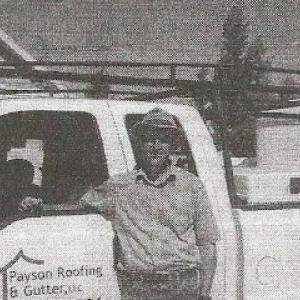
Payson Roofing & Gutter
1347 S 830 W St, Payson, Utah
5.0 from 3 reviews
over 40 years in the roofing business
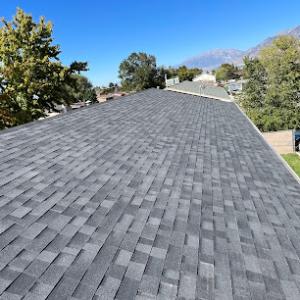
Epic Roofing Contractors
(385) 200-4040 www.epicroofingutah.com
Serving
4.9 from 53 reviews
We work for you, you keep us in business, your satisfaction in our roofing services is #1 priority. We are a roofing company that takes service to an epic level, from start to finish. Whether you need a new roof, roof replacement, roof recover or roof repair we are the roofing contractor that will go beyond quality roofing. Why, you ask?Because our service is legendary! Not only do we care about quality work, we care about the experience you have and the relationships built along the way. Don't settle for any roofer for your roof installation. You and your property deserve better! We serve Orem, Provo, Lehi, Pleasant Grove, American Fork, Spanish Fork, Alpine, Highland, Cedar Hills, Payson, Salem, Santaquin, Springville, Lindon, Ut. county.
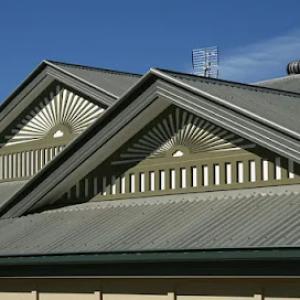
B&T Roofing
(801) 420-7696 www.btroofinginc.com
Serving
5.0 from 13 reviews
Protect your largest investment with our reliable roofing services. We are a locally owned and operated roofing company currently serving Spanish Fork, UT and surrounding communities since 1993. If you want to make your roof last as long as possible, it is vital that you never put off a roof repair. Small issues with roofing become big issues in a hurry. No matter how major or minor the repair you need, we are here to help. We offer roofing contracting, shingle roofing, and roof replacement.
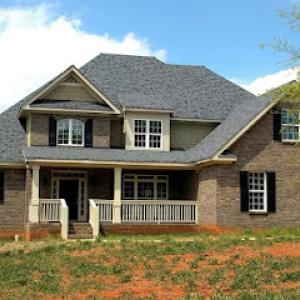
Fury Roofing
(801) 923-1384 furyroofing.com
Serving
4.8 from 24 reviews
In Spanish Fork, Utah, Fury Roofing is a reputable TPO roofing company that offers insured and licensed roofing services for residences and commercial buildings. With accuracy and care, our staff manages storm damage repair, emergency service, inspections, complete replacements, and roof repairs. Serving Spanish Fork, Provo, Salt Lake City, and the surrounding areas with pride, we provide dependable work supported by robust warranties. Our staff is prepared to assist you with maintenance or urgent repairs. To discuss your roofing needs, get in touch with us right now.
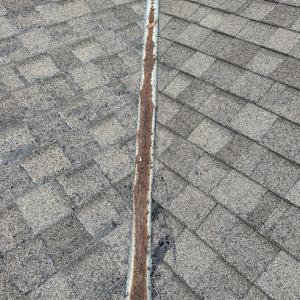
Raptor Roofing
(801) 318-3896 www.xraptorroofing.com
Serving
4.7 from 79 reviews
Raptor Roofing is a local, family-owned company that takes pride in our craft. We do our best to provide high quality, fast, and affordable options to all of our clients and love what we do. From residential, insurance work, commercial, new builds, and repairs... we do it all!
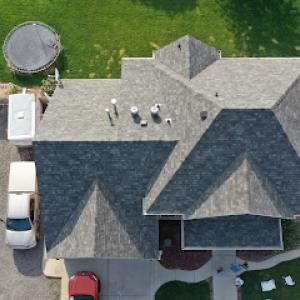
VP Roofing
(801) 430-9437 www.vproofing.com
Serving
4.8 from 151 reviews
VP Roofing is a trusted local contractor offering complete exterior home solutions including roof replacement, roof repair, new gutters, vinyl siding, and energy-efficient windows throughout Provo, Salt Lake, and neighboring Utah Valley communities. Our friendly team specializes in fixing storm damage, hail damage, wind damage, and worn-out roofs for both homeowners and businesses. We take pride in our attention to detail and personal approach on every project—from thorough roof inspections, careful installation, and complete cleanup. With budget-friendly pricing and a responsive team that treats your home like our own, VP Roofing handles all your exterior improvement needs with the quality workmanship and service you deserve.

The Roof Guys
(801) 201-8042 theroofguysutah.com
Serving
4.8 from 57 reviews
The Roof Guys is a family-owned and operated roofing contractor serving all of Utah County. The Roof Guys has two decades of experience installing metal, shingle, and membrane roofing in the Utah Valley area. Whether you are a homeowner, a small business owner, or the CEO of Utah's next big tech company, they can take care of all of your roofing needs. From roof repairs, roof replacements, and new construction, they're your guys! They offer free roofing inspections and quotes with every visit!
Kyco Services
(801) 794-3822 kycoservices.com
Serving
4.4 from 65 reviews
KYCO provides expert roofing, exterior, drywall, paint, and dumpster services to homeowners and builders throughout Utah and the Boise area. We deliver quality craftsmanship, dependable service, and a hassle-free experience from start to finish. Whether it's new construction or home improvement, KYCO is here to help you build better.
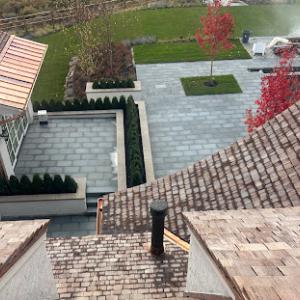
Signature Roofing Utah
(801) 420-1911 www.signatureroofingutah.com
Serving
5.0 from 62 reviews
Roofing in Northern Utah
Evolve Construction UT
(800) 222-4100 www.evolveconstruction.com
Serving
5.0 from 29 reviews
Best Inter-State Roofing Company! If you’re looking to get top-notch roofing services for your property, then you’ve got to hear about Evolve Construction.

PowerHouse Roofing
(801) 874-9083 www.powerhouseroofing.com
Serving
5.0 from 59 reviews
PowerHouse Roofing delivers quality craftsmanship and reliable protection for your home or business. As experienced roofing contractors, we understand the importance of a strong, dependable roof. We serve both residential and commercial clients, ensuring every project is completed with expertise and attention to detail. Discover the PowerHouse difference and safeguard your property with a roof you can trust.
In this area, the sun isn't shy about aging roofs. Payson's hot, dry summers accelerate granule loss and surface aging on asphalt roofs more than in cooler mountain towns. The aging process shows up as matting, darkened patches, and increased glare from exposed mineral granules. Metal roofs can develop paint or coating wear from long, intense sun exposure, which may speed color fading and panel oxidation in high-UV afternoons. Winter brings snow and then freeze-thaw cycles that stress materials in a different way. Flashing seams may flex and crack, fasteners can loosen or corrode where salt or moisture accumulates, and decking transitions near the edge of the bench can experience subtle movement that reveals itself as creaks or small leaks after a thaw. Everything above-ground is tempered by the fact that the bench and foothill edges create microclimates: shade gaps, blown-in debris, and moisture pockets that concentrate wear in corners and penetrations.
Start with the attic and exterior after each major seasonal shift. After a hot stretch, look for granule loss on asphalt shingles-you'll notice a dusty or sandy roof surface and a quicker-than-usual granule wash-off in gutters. Curling shingles, especially near hips or valleys, are a red flag, as are missing tabs or loose edges that expose the underlying layers to sun and rain. After a winter thaw, inspect flashing around chimneys, vents, and transitions between roof planes. Look for hairline cracks or lifting where flashing meets decks, and check fasteners for any wobble or rust staining. If your decking shows slight dark spots or signs of moisture beneath the shingles, schedule a closer inspection; hidden moisture can compound problems quickly in this climate.
The city's seasonal swing means replacement timing is best during dry, mild periods rather than during peak summer heat or winter moisture. Late spring and early fall offer the most favorable conditions for shingle adhesion, sealant curing, and rapid drying after rains. If a storm season has already caused minor damage, plan repairs or replacement for a window with consecutive dry days and moderate temperatures to prevent heat or cold from affecting workmanship and warranty performance.
Keep gutters clear to manage granule runoff and prevent gutter wear from grit. Schedule a roof check after the last big thaw of spring and again after the first hard freeze of late fall; a professional inspection at these intervals catches problems before they escalate. For roofs with asphalt shingles, consider resealing valleys and reapplying sealants around penetrations in mild shoulder seasons to extend life. If any flashing shows movement or cracking, address it promptly to protect the deck and prevent leaks during spring rains or spring hail events. When planning replacement, choose materials with proven UV resistance and exterior coatings designed for southwest exposures, and align warranty terms with Payson's typical weather cycles.
Asphalt shingles remain common in Payson because they fit the city's large stock of pitched suburban homes, but they are vulnerable to both hail bruising and summer UV aging. If your home has asphalt, you'll want to inspect after spring hail events for bruising or lack of granules, especially on south-facing slopes that bake in UV. Routine maintenance-replacing damaged bundles promptly, resealing any loose edges, and ensuring proper attic ventilation to reduce heat buildup-helps extend life. In hail-prone years, consider upgrading to impact-resistant shingles that carry a recognized rating, and keep an eye on warranty specifics that cover hail damage. For existing roofs, a proactive approach to attic insulation and venting can reduce heat stress and slow granule loss, preserving the protective shield asphalt shingles provide.
Metal roofing is well suited to Payson's snow-shedding and hail-conscious buyers, especially where homeowners want longer service life through Utah Valley temperature swings. Metal generally handles hail well if the panels are installed with proper fasteners and overlapping joints. In this area, choose standing-seam or concealed-fastener systems with corrosion-resistant coatings, and confirm that the underlayment and deck are solid to avoid moisture migration during freeze-thaw cycles. Because metal can be noisy in heavy snow or hail, consider adding solid decking or baffles above living spaces and select a color with good reflectivity to reduce heat buildup in attic spaces. Routine inspections after notable hail events help catch denting or fastener loosening before leaks appear.
Clay and concrete tile appear on higher-end homes in the area, but their weight and brittleness make underlayment condition and storm impact performance especially important in Payson's hail-prone pattern. A tile roof requires a robust deck and precise installation to prevent cracking during cold snaps or hail impacts. If you're evaluating tile, verify the integrity of all hips and ridges, and ensure the underlayment is rated for vented air gaps and high snow loads. In the field, tiles can crack due to hail or freeze-thaw cycles, and even small cracks can lead to leaks if underlayment is compromised. UV exposure can also affect the glaze and color over time, so ask about factory-finished options and consider a reflective coating on non-slip surfaces to mitigate heat gain under the tiles. Given the weight, confirm structural compatibility and budget for higher installation and maintenance costs.
Concrete tile shares many of the same considerations as clay in terms of impact resistance and weight. It tends to resist UV aging reasonably well, but seasonal temperature swings in this valley will test the fasteners and flashing. If a concrete-tile roof is preferred, focus on edge detail and flashing integrity around chimneys and skylights, where leakage tends to start after hail or heavy snow loads. Regular inspections after spring storms are essential, because the combination of hail impacts and subsequent hardening of underlayment can create hidden vulnerabilities. Also, given Payson's mix of newer and older homes, ensure that the roof's substrate and attachment method are compatible with the tile's weight class and that warranties cover both tile and underlayment against weather-induced failures.
Synthetic or composite shingles offer a middle ground in cost and durability, with better impact resistance than some traditional shingles and more flexible installation requirements than tile. They can perform well under hail stress and UV exposure when installed with the correct underlayment and ventilation. Slate, while opening premium aesthetics, demands careful structural assessment due to its extreme weight and brittleness. In the hammer-spring pattern of hail and UV exposure, slate underlayment and roof deck integrity are critical-any compromised boards or weak flashing can become recurring leak points after storms. When considering any high-end material, discuss hail-zone ratings, warranty coverage for weather events, and the long-term cost of maintenance in Payson's climate.
Insurance and documentation notes for Payson homeowners
After a hail event, document damage promptly with high-resolution photos, focusing on shingles, flashing, gutters, and skylights. Maintain a dated record of repairs and contractor communications, and keep copies of all insurer correspondence. If you're weighing roof upgrades, gather cost estimates for different materials and note how hail resistance or UV aging improvements could influence claim outcomes and long-term resilience. A well-documented history of maintenance and storm-related damage supports faster, fairer insurance decisions and helps align your roof choice with Payson's spring storm pattern.
Typical Payson material costs run about 350 to 750 USD per square for asphalt shingles, 900 to 1800 for metal, 1100 to 2800 for clay tile, 900 to 2400 for concrete tile, 550 to 1300 for synthetic/composite shingles, and 1500 to 4000 for slate. In practice, your budget will hinge on the slope of the roof, the complexity of the roofline, and the size of the area to be covered. Older homes with steeper pitches or more intricate ridgelines tend to push costs toward the higher end of these ranges, even before any hail-related repairs.
Costs in Payson can rise after spring hail events when Utah Valley demand spikes and contractor schedules tighten across nearby communities at the same time. If a hail storm hits, you'll likely see shorter windows to secure materials and crew time, plus possible surcharges for expedited delivery or overflow crews. Insurance-driven work can also compress timelines, which may influence both material selection and labor rates. Planning ahead and requesting firm timelines from contractors can help lock in more predictable pricing during the busy season.
Pricing also shifts with the city's common steep-slope residential rooflines, tear-off complexity on older homes, and the permit and inspection steps required for full replacement. Steep pitches demand longer ladders, more scaffolding, and additional safety measures, all of which translate into higher labor hours and material waste planning. Older structures often require addressing latent damage, which can add to both the material and the disposal costs. When choosing material, you'll balance upfront per-square costs with long-term durability and wind- and hail-resilience suited to Payson's spring weather pattern.
Begin with a clear, measured estimate that itemizes tear-off, disposal, underlayment, fasteners, and ventilation improvements. Request options that optimize wind uplift resistance, especially for metal and tile choices popular in the area. Consider staged replacement if the budget is tight, focusing first on the most vulnerable sections or the most damaged bays. Finally, verify each option's life expectancy against the local climate, so the roof you install now minimizes the need for premature replacement after the next hail season.
Payson City typically requires a building permit for a full roof replacement, with submissions reviewed by the city Building Department. This isn't a "check the box" process for most homeowners-the permit helps ensure the project uses appropriate materials, proper ventilation, and safe installation practices that stand up to the Wasatch Front's spring hail and summer UV. If you're replacing only sections or performing patchwork, you may avoid a full replacement permit, but the city's rules can be strict about anything that touches structural elements or roof decking. Start with a clear plan and be prepared to document your material choices, installation method, and the anticipated project timeline. Rushing a permit decision can bite you later with hold-ups, inspections, or noncompliance fines.
In Payson, inspection timing commonly includes a check after underlayment and decking work are completed and a final inspection at project completion. The interim inspection is where inspectors verify deck integrity, underlayment fastening, and ventilation details before shingles or other coverings go on. Skipping or delaying this stop can create gaps where mistakes are hidden under new material, and you'll end up paying more to fix issues later. The final inspection confirms the project matches the permit scope, including roof slope, eave details, and flashing around vents and chimneys. If your crew schedules work out of sequence, you risk re-inspection fees and delays that might compress your hail-season window without compromising quality.
Because the city review process is tied to full replacement work, homeowners should confirm whether a project is being treated as repair versus replacement before scheduling tear-off. A misclassification can trigger unnecessary permits or missing steps that complicate post-storm insurance claims. If damage is localized, some roofers may propose a repair strategy that avoids full tear-off; in other cases, a full replacement is unavoidable due to decking condition or the roof's overall age. Get a written determination from the contractor and verify it aligns with the Building Department's interpretation before you tear off. If you're uncertain, ask for a formal pre-application review with the permit office. This upfront clarification can save long-term headaches and keep the project on a predictable timeline.
Keep all permit documents, inspection approvals, and any city correspondence in a dedicated project folder. If hail or wind damage is involved, have your insurance adjuster review the permit scope to ensure coverage aligns with the work performed. When calling in inspections, know your planned sequence-decking, underlayment, and flashing-so you're not caught waiting on a single missing item. Finally, coordinate with your roofer to avoid schedule conflicts that could trigger re-inspection fees or missed windows for weather. Staying organized reduces risk and helps your Payson roof endure the next storm with fewer surprises.
You live under a bright sun on the Wasatch Front bench, where asphalt roofs don't fail from a single cause but from a harsh trio of UV exposure, hail impact, and autumn wind. In Payson, shingles often show chalking from sun, granule loss where hail has pinged, and edge-crack patterns along rakes after strong afternoons. On a practical inspection, you'll notice accelerated aging on south-facing slopes and color fading that signals softer protection beneath. When you assess a roof, look for curled edges, loose tabs, and granule pockets that collect in gutters or on the driveway pavement. Addressing these patterns early prevents moisture intrusion and preserves a roof that already endures seasonal stresses. If you notice recurring granule shedding after storms, plan a targeted inspection of the valleys, drip edges, and ridge caps where hail can concentrate damage.
Winter snow and freeze-thaw cycles reveal weaknesses around vent stacks, chimneys, and skylight openings that seemed fine in dry season. In the shoulder months, you may see hairline cracks at nail heads, boot failures on plumbing vents, or separation at flashing around chimneys. Icicles can force meltwater under underlayment, especially at joining details or along eaves where heat loss is common. A careful spring inspection should test the integrity of flashing bases and sealants; if you find damp spots, rust, or softening near penetrations, plan timely repairs before the next freeze. Remember that edge detail workmanship matters most in Payson's mixed climate-pay extra attention to the history of past repairs in these zones.
Tile and heavier premium roofs need close attention to underlayment aging because visible surface units may outlast the waterproofing below in this climate. Clay, concrete, or slate can look solid even as the synthetic or organic underlayment beneath loses waterproofing ability. Pay attention to wrinkling, sunken fasteners, and any soft spots at eaves. On high-weight surfaces, consider a proactive evaluation of underlayment condition, not just the surface coating. Replacement timing for underlayment is shaped by local freeze cycles, hail history, and the presence of past weather-related damage. A practical approach is to budget for an underlayment assessment during major roof projects and to verify the compatibility of fasteners and flashing with the chosen surface material.
You are operating in a Utah insurance environment where spring hail and wind claims are active enough to affect claim handling. In this part of the Wasatch Front, adjusters see a steady stream of roof damage after storms, and a timely, well-documented file can influence how quickly a claim moves from initial inspection to settlement. Outside isolated statewide pullbacks, the bigger local concern is the rhythm of adjuster visits and the specific evidence they expect after a storm. Knowing this helps you set expectations for the process and avoid unnecessary delays.
For Payson claims, keep date-stamped photos of all affected areas and roof surfaces, ideally taken within 24 to 48 hours of the event. Add notes on when the hail or wind arrived, how long the day lasted, and whether leaks or interior damage appeared promptly. If tarping or other emergency measures were needed, record the timing and what was done to protect the home. Have copies of receipts for any temporary repairs, as those items can be relevant to the claim. When you meet the adjuster, present a concise timeline with storm timestamps and a quick summary of observed damage on every roof plane, and be ready to point to where you captured high-resolution images.
Make sure the photos clearly show granule loss, dented metal edging, cracked shingles, and any underlying decking exposure. Keep a simple spreadsheet or log listing the date of each storm, approximate wind speeds if known, and the specific roof sections affected. If you have prior photos from before the storm, compare them to document preexisting conditions and isolate newly damaged areas. During the adjuster visit, reference the photo log and note any discrepancies between what is seen on-site and what the policy suggests should be covered. Good, organized evidence reduces back-and-forth and helps align the claim with the actual scope of damage.