Last updated: Apr 19, 2026
Spring hail and heavy rain are a recurring scheduling issue for roof inspections and replacements in this valley at the mouth of Spanish Fork Canyon. The timing of storms matters, because hail can damage shingles or flashing in a matter of minutes, and then wind can expose the true extent of the damage as soon as the storm passes. This area experiences a rapid shift from warm afternoons to sudden gusts out of the canyon, and that volatility means a homeowner's best plan is to treat storm damage assessment as a time-sensitive priority. When a severe weather push hits, you should expect the window between impact and live, functional roof protection to tighten quickly, and you should act accordingly rather than waiting for a later date.
Homes exposed to wind coming out of Spanish Fork Canyon bear a sharper, more immediate risk during seasonal wind events. Shingle edge wear, lifted tabs, and flashing stress can appear after a single windy day or a quick series of gusts. The canyon wind can whip debris and hail into exposed roof lines, accelerating lift and micro-crack formation around valleys, chimneys, and vent flashings. If a storm has happened recently, inspect critical edge areas first: the eaves, rake edges, and any place where flashing shoulders against walls. Do not rely on a quick visual from the ground-proper assessment often requires a ladder and careful examination of the roof plane to identify lifted tabs or granule loss that may signal underlying damage.
Winter snow and freezing temperatures in this part of Utah regularly push full replacement work into late spring through early fall, making post-storm backlogs a real local issue. Snow loading and freeze-thaw cycles can hide structural trouble until temperatures rise and the sun starts to thaw ice dams and packed snow around roof valleys. By the time a homeowner notices visible damage, the underlying soffit, fascia, and deck structure may already have endured moisture intrusion. Take early action after any winter storm that includes a freeze-thaw cycle or hail exposure. Delaying a full assessment can translate to scattered leaks, accelerated roof deck deterioration, and more extensive, more costly repairs later in the season.
After a hail event or strong canyon wind, you should schedule a professional roof inspection as soon as safely possible. The goal is to determine if damage is localized or widespread, and to distinguish between cosmetic shingle issues and structural concerns that threaten the roof's performance in the next storm. In this area, inspectors often find wind-stripped edges that require resealing or re-fastening, flashing joints that have stretched or separated, and granule loss on high-impact panels. The sooner these issues are identified, the more options you have to secure your roof before next month's weather, rather than facing a backlog that pushes repairs into the busy late-spring to fall window.
If a recent storm has passed, begin by documenting damage with photos from ground level and, if safe, from the roofline. Make temporary protections-such as tarps or board coverings-in the damaged sector to minimize water intrusion while awaiting professional assessment. Contact a trusted local roofing contractor quickly to schedule a thorough inspection, and request an assessment of edge and flashing components first, since those areas frequently drive utility-level water intrusion and secondary damage. If multiple neighbors report similar issues after the same event, that can signal a broader claim or replacement need, and acting in concert with others can help streamline scheduling and on-site access for crews who are handling high volumes across the canyon corridor.
In this town, asphalt shingles and metal roofing are the most practical mainstream choices because they hold up well to the freeze-thaw cycles of winter and the hot, dry summers, without pushing typical residential budgets into premium materials. Asphalt shingles pair well with a wide range of roof pitches seen on older neighborhoods and newer builds, and metal can be a strong, long-lasting option where winds from the canyon hit harder in spring. When evaluating a roof replacement, focus on products with stout warranties and proven performance in Utah's seasonal swings, and prioritize systems that installers in the area know how to lay correctly for local weather patterns. The goal is a roof that resists wind uplift during canyon gusts while handling heat without excessive expansion and contraction.
Clay and concrete tiles do show up in this market, but their success relies on paying attention to structural load and the durability of underlayment. Snow load and winter moisture matter in Utah County, so a tile roof must have a verified support system and a moisture barrier that remains effective across freeze-thaw cycles. If you're considering tile, expect a heavier roof deck assessment and a plan for proper fasteners and edge cap installation to prevent cracking in cold snaps. For homes with limited attic space or older framing, discuss with a local contractor whether the existing structure can safely carry the weight, or if reinforcement is warranted. Tile can deliver distinctive curb appeal and long service when installed with attention to drainage and proper flashing around penetrations.
Spanish Fork's active contractor mix includes dedicated metal, asphalt, and tile specialists, which means material choice here is influenced by actual installer availability rather than theory alone. When you narrow your options, check which local crews have recent, hands-on experience with your chosen system. Ask for references from nearby projects that faced similar canyon exposure, wind events, and winter moisture. Ensure the installer offers a thorough wind uplift and underlayment plan tailored to Utah winters and spring hail. In practice, the best choice aligns with the crew's proven capabilities, the home's structural readiness, and the balance between long-term performance and local service reach. This approach keeps you protected through the season's sharp winds, snow, and hail without overcomplicating the install.
In this market, full re-roof demand is the strongest contractor signal you'll encounter. Homes typically move from aging shingles to a complete new layer rather than spot fixes, and that steady demand drives pricing more than minor repairs. When a contractor looks at a project in this area, the question isn't just "shingle or metal?" but "full replacement now or soon after a major event." Expect prices to reflect a full-coverage job, not a small patch, because crews need to mobilize, tarp, remove old layers, and install new underlayment and flashing in one coordinated effort.
Costs can rise after spring hail events when demand spikes across southern Utah Valley and inspection calendars tighten. After hail, you'll see more homeowners shopping at once, which can push up materials and labor rates for several weeks. If a storm hits and schedules fill up, a standard re-roof can shift from a mid-spring budget item into a tighter, higher-demand window. Planning ahead for that surge-anticipating a few weeks of wait and potential price bumps-can save stress and help you lock in contractors before the peak.
Steeper residential rooflines are common in newer Utah Valley subdivisions, and that geometry matters. Steeper pitches complicate tear-off, add time to installation, and require more safety gear and gear-specific teardown. Older layers often need removal, which increases labor and disposal costs. Upgrades to flashing and ventilation are frequently required at inspection, and those upgrades are not cosmetic-they affect airflow, moisture control, and long-term roof life. Expect these areas to be priced into the final quote, not treated as optional add-ons.
For a full re-roof, costs are framed around a complete replacement rather than patchwork. Asphalt shingles remain the most common entry point, but metal, clay or concrete tile, synthetic options, and even slate each carry distinct labor and material profiles. In this market you'll see price bands that reflect removal of old layers, underlayment, proper flashing integration, and venting upgrades. Full-replace pricing will generally be reported per square (one square = 100 square feet) and can vary with slope, removal complexity, and selected material. In practical terms, material choice, roof pitch, and the extent of teardown and flashing work will largely drive the final figure, with steeper pitches and larger homes in newer subdivisions tending toward the upper ends of the ranges.
Raptor Roofing
(801) 318-3896 www.xraptorroofing.com
198 W 3450 N #103, Spanish Fork, Utah
4.7 from 79 reviews
Raptor Roofing is a local, family-owned company that takes pride in our craft. We do our best to provide high quality, fast, and affordable options to all of our clients and love what we do. From residential, insurance work, commercial, new builds, and repairs... we do it all!
Fury Roofing
(801) 923-1384 furyroofing.com
826 Expressway Ln #831, Spanish Fork, Utah
4.8 from 24 reviews
In Spanish Fork, Utah, Fury Roofing is a reputable TPO roofing company that offers insured and licensed roofing services for residences and commercial buildings. With accuracy and care, our staff manages storm damage repair, emergency service, inspections, complete replacements, and roof repairs. Serving Spanish Fork, Provo, Salt Lake City, and the surrounding areas with pride, we provide dependable work supported by robust warranties. Our staff is prepared to assist you with maintenance or urgent repairs. To discuss your roofing needs, get in touch with us right now.
B&T Roofing
(801) 420-7696 www.btroofinginc.com
91 W 400 N, Spanish Fork, Utah
5.0 from 13 reviews
Protect your largest investment with our reliable roofing services. We are a locally owned and operated roofing company currently serving Spanish Fork, UT and surrounding communities since 1993. If you want to make your roof last as long as possible, it is vital that you never put off a roof repair. Small issues with roofing become big issues in a hurry. No matter how major or minor the repair you need, we are here to help. We offer roofing contracting, shingle roofing, and roof replacement.

The Roof Guys
(801) 201-8042 theroofguysutah.com
Serving
4.8 from 57 reviews
The Roof Guys is a family-owned and operated roofing contractor serving all of Utah County. The Roof Guys has two decades of experience installing metal, shingle, and membrane roofing in the Utah Valley area. Whether you are a homeowner, a small business owner, or the CEO of Utah's next big tech company, they can take care of all of your roofing needs. From roof repairs, roof replacements, and new construction, they're your guys! They offer free roofing inspections and quotes with every visit!
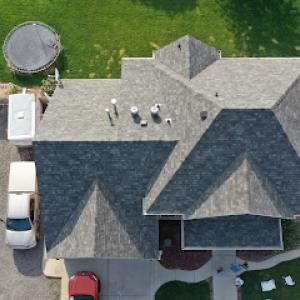
VP Roofing
(801) 430-9437 www.vproofing.com
Serving
4.8 from 151 reviews
VP Roofing is a trusted local contractor offering complete exterior home solutions including roof replacement, roof repair, new gutters, vinyl siding, and energy-efficient windows throughout Provo, Salt Lake, and neighboring Utah Valley communities. Our friendly team specializes in fixing storm damage, hail damage, wind damage, and worn-out roofs for both homeowners and businesses. We take pride in our attention to detail and personal approach on every project—from thorough roof inspections, careful installation, and complete cleanup. With budget-friendly pricing and a responsive team that treats your home like our own, VP Roofing handles all your exterior improvement needs with the quality workmanship and service you deserve.
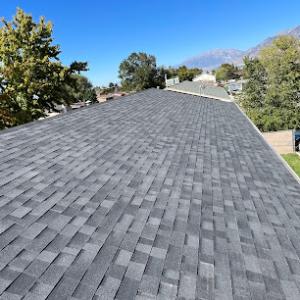
Epic Roofing Contractors
(385) 200-4040 www.epicroofingutah.com
Serving
4.9 from 53 reviews
We work for you, you keep us in business, your satisfaction in our roofing services is #1 priority. We are a roofing company that takes service to an epic level, from start to finish. Whether you need a new roof, roof replacement, roof recover or roof repair we are the roofing contractor that will go beyond quality roofing. Why, you ask?Because our service is legendary! Not only do we care about quality work, we care about the experience you have and the relationships built along the way. Don't settle for any roofer for your roof installation. You and your property deserve better! We serve Orem, Provo, Lehi, Pleasant Grove, American Fork, Spanish Fork, Alpine, Highland, Cedar Hills, Payson, Salem, Santaquin, Springville, Lindon, Ut. county.
Kyco Services
(801) 794-3822 kycoservices.com
Serving
4.4 from 65 reviews
KYCO provides expert roofing, exterior, drywall, paint, and dumpster services to homeowners and builders throughout Utah and the Boise area. We deliver quality craftsmanship, dependable service, and a hassle-free experience from start to finish. Whether it's new construction or home improvement, KYCO is here to help you build better.
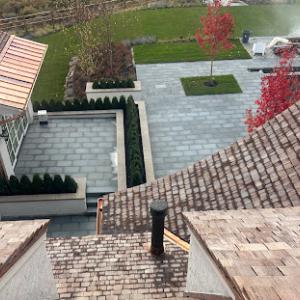
Evolve Construction UT
(800) 222-4100 www.evolveconstruction.com
Serving
5.0 from 29 reviews
Best Inter-State Roofing Company! If you’re looking to get top-notch roofing services for your property, then you’ve got to hear about Evolve Construction.
Mountain West Roofing & Construction
Serving
5.0 from 32 reviews
Replace your old roof in no time If your roof is beyond repair, Mountain West Roofing and Construction can see that it's replaced safely and quickly. We provide home roof replacement services in the Payson, UT area. You can count on us to upgrade your home with a brand-new roof that will stand the test of time.
Signature Roofing Utah
(801) 420-1911 www.signatureroofingutah.com
Serving
5.0 from 62 reviews
Roofing in Northern Utah

PowerHouse Roofing
(801) 874-9083 www.powerhouseroofing.com
Serving
5.0 from 59 reviews
PowerHouse Roofing delivers quality craftsmanship and reliable protection for your home or business. As experienced roofing contractors, we understand the importance of a strong, dependable roof. We serve both residential and commercial clients, ensuring every project is completed with expertise and attention to detail. Discover the PowerHouse difference and safeguard your property with a roof you can trust.
A full re-roof project in this area typically requires a roofing permit through the city building department. The process is designed to ensure the work meets local codes and climate realities-strong canyon winds, winter snow, and spring hail all shape how roofs hold up here. If a permit is overlooked or delayed, the project can face hold-ups, rework, or non-compliance findings that slow completion and complicate resale. Have the permit paperwork in hand before work begins, and confirm that the scope of work aligns with the permit plan to avoid surprises during review.
Inspections in this city are commonly scheduled during installation and again after the roof is laid but before final approval. The goal is to verify critical elements that bear on long-term performance: flashing around penetrations and chimneys, roof ventilation, and the integrity of underlayment. In practice, inspectors will look for proper flashing integration with parapets and vent pipes, confirm that attic ventilation maintains adequate air flow to reduce condensation and ice dam risk, and ensure the underlayment is correctly installed to provide a reliable barrier against moisture. Plan around these inspections rather than assuming the roof can be closed out without a check. Late-stage issues often arise if flashing details or ventilation gaps are not addressed early in the process.
A final inspection is expected to confirm code compliance and proper installation before the city issues a closed permit. That means even if the visible surface looks complete to a homeowner or contractor, the inspector must sign off after confirming all required components are in place and functioning as intended. If scheduling constraints arise, it's still essential to coordinate with the building department to secure a clear sign-off window. Missing a final inspection can create delays, require rework to meet code, and extend the project timeline beyond the original plan.
Coordinate with your contractor to align work phases with the city's inspection windows. Have the permit number and project address readily available for any calls or letters from the building department. Keep all documentation-design plans, product specifications, and installation notes-organized so inspectors can quickly verify compliance for flashing, ventilation, and underlayment. If weather events-like spring hail or canyon gusts-stretch the project timeline, proactively discuss how revised timelines may impact inspection scheduling with both the contractor and the building department to avoid violations or failed inspections.
In Utah, carriers commonly want detailed documentation of roof condition and recent weather events, which matters in a town tucked at the mouth of a canyon where spring hail and canyon wind arrive in waves. When a storm rolls through multiple neighborhoods at once, the adjuster will rely on precise records from you. Take clear photos of shingles, edges, and any visible damage within days of a storm, and keep a simple weather log that includes date, wind speeds if known, and hail size you observed. This isn't about drama; it's about making sure the claim isn't treated as vague or speculative. When a claim comes in, those photos and notes form the backbone of the initial assessment.
Roof age and material type can affect coverage decisions, so owners of older asphalt roofs may face different claim scrutiny than owners of newer metal systems. A long-lived metal roof might show fewer intimate signs of hail impact, yet wind-driven edge damage can be just as telling. Conversely, worn shingles can be blamed for leaks even when a recent hail event occurred. The lesson is practical: track the condition of the roof before a storm, and be prepared to explain how age and material interact with the observed damage. Honest, on-site observations help prevent a rushed or mismatched evaluation.
Adjusters may request photos and a post-loss report, making early documentation especially important when spring storms hit multiple neighborhoods at once. If you hear hail or air-clogging wind rattling your vents, you should begin compiling evidence right away. After a storm, expect a fast-moving process where the first inspection might occur within days, followed by a more formal review. Having recent maintenance records, prior repairs, and any known weak spots ready can streamline this path. When a claim is filed, arranging access for the adjuster and providing a concise roof history helps prevent delays and back-and-forth that can extend the timeline.
Keep a recent record of any attic signs of moisture or unusual attic temperature shifts, especially after heavy snows or hail months. If hail impact is suspected, note that shallow dents may not be immediately obvious from ground level but can show up under close inspection or on a post-loss report. In this climate, where weather pivots quickly, timely, organized documentation isn't just helpful-it's essential to ensure the claim reflects the true condition of the roof and the realities of canyon-driven weather.
Connect with contractors who help homeowners navigate the claims process from damage assessment to final approval.
Raptor Roofing
(801) 318-3896 www.xraptorroofing.com
198 W 3450 N #103, Spanish Fork, Utah
4.7 from 79 reviews
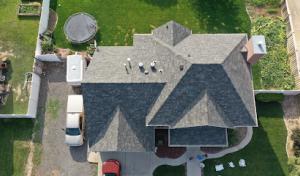
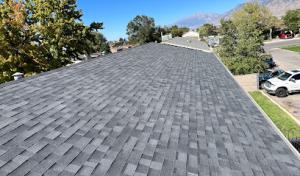
Snow, freezing temps, and canyon winds combine to stress roofs quickly. In practice, small flashing or underlayment failures that go unnoticed in milder months can become active interior leaks once the heavy snows build up or a thaw hits. With winter's freeze-thaw cycles, those invisible weak points push water right into ceilings and attic spaces, often before the full replacement season even opens.
When a leak appears, prioritize stopping the flow and protecting valuables. Use a tarp or heavy plastic to cover exposed roof areas above the leak path, paying attention to any softened or bubbled underlayment that could sag further. Keep heat sources away from wet areas to reduce spark risk, and locate the interior entry point by tracing dripping water to its highest obvious point. If you can access an attic vent or access hatch, temporarily venting humidity can reduce condensation that mimics leaks on cold mornings.
Because outdoor roofing work is limited by snow and ice, temporary dry-in measures are often more realistic than immediate full replacement. Rigid or duct-taped waterproof barriers over flashing, plus sealant at joints and step-flashing, can slow intrusions enough to ride out the worst of the season. Focus on securing the lowest-priority penetrations first-vents, pipes, and chimney boots-then reassess as weather allows. A quick, professional assessment can identify where a permanent fix is urgent and where a durable dry-in suffices for the moment.
The local contractor market shows unusually strong quick-response and emergency-repair activity, reflecting how homeowners here prioritize fast leak control. If you spot a leak, reach out to a trusted roofer who can mobilize quickly, even in winter. Expect rapid triage assessments, prioritization of high-risk areas, and clear guidance on next steps to restore safety while winter weather continues.
When you can't wait, these contractors offer fast response times to stop leaks and prevent further damage.
Fury Roofing
(801) 923-1384 furyroofing.com
826 Expressway Ln #831, Spanish Fork, Utah
4.8 from 24 reviews
Metal roofs have established a meaningful specialist presence in this area, making them a realistic upgrade path rather than a niche option. For homeowners loading a mix of older homes and newer builds, a metal system often aligns with long-term durability expectations and the local wind-driven exposure from the canyon. In practice, installers here emphasize panels and profiles that resist seaming failures under canyon gusts, with options that suit steep pitches common on many neighborhood remodels. When a metal roof is chosen, expect a tighter sheet layout and a confident, low-slope performance on homes that previously relied on traditional shingles. A local contractor can tailor panel width, edge detailing, and fastening methods to the prevailing wind paths.
Spanish Fork's hot, dry summers push roof surfaces to higher temperatures and influence attic heat transfer. Metal systems typically reflect more sun and shed heat differently than standard shingles, which can translate into cooler attic spaces if ventilation is well planned. In practical terms, you'll want to verify that the chosen metal profile works with existing soffit intake and ridge venting, and confirm that attic insulation remains compatible with the new roof. If a roof retrofit includes attic venting improvements, consider addressing any temperature disparities in the ceiling and walls to avoid condensation issues during shoulder seasons. A metal installation that incorporates proper airflow details tends to maintain the efficiency benefits over the long term.
Solar-related roofing work is active in this market, so penetrations, flashing details, and future reroof timing matter more here than in markets without solar installers. When planning a metal or mixed system, discuss with the installer how solar racking interacts with panel seams, edge flashings, and skylight flash details. Ensure that any future reroofing plan accounts for anticipated PV system maintenance access and panel replacement zones. This forward-facing approach helps preserve both roof integrity and solar performance, reducing the chance of retrofit conflicts down the line.
Explore specialists in steel, aluminum, and standing seam metal roofs built to last 50 years or more.

Flat and low-slope roofing isn't the dominant roof type in this area, but it still shows up on additions, porches, garages, and mixed-use buildings. In those spots, drainage and waterproofing are more critical than on the main pitched roof. Heavy spring rain and winter snow retention in Utah County make sure that a low-slope section doesn't just shed water - it has to move it reliably to avoid ponding and leaks that creep into the structure.
When you have a low-slope area, verify that the drainage plan aligns with your overall roof system. Check that the transitions from steep to flat sections are sealed well and that any parapets or edge details don't create a dark spot where water can linger. In spring, plan for proactive maintenance: debris buildup on parapets and scuppers can block flow, so schedule regular cleanouts. In winter, ensure that snow melt channels and proper insulation under the membrane are in place to minimize ice dam risks at the interface with steeper sections.
Because flat-roof specialization exists but is limited locally, homeowners with low-slope sections should confirm that the contractor handles both steep-slope and low-slope transitions correctly. Ask about calibration for wind-driven debris at canyon-facing exposures and how the edge termination blends with adjoining pitched roofs. A well-executed transition reduces the chance of wind uplift at overhangs and prevents water from finding micro-gaps along fasteners or seams.
Treat additions as a separate roof system connected to the primary roof. Schedule periodic inspections after severe weather events, looking specifically for seam degradation, flashing integrity, and any daylighting along roof-to-wall connections. Keeping a careful eye on these joints helps protect the overall envelope when canyon winds pick up or heavy snow lingers into spring.
Find specialists in TPO, EPDM, and built-up flat roofing systems for residential and commercial properties.
Fury Roofing
(801) 923-1384 furyroofing.com
826 Expressway Ln #831, Spanish Fork, Utah
4.8 from 24 reviews